Daiki Sushi occupies a corner of Vila Mariana that São Paulo's Japanese-Brazilian dining community has long treated as home territory. The address, Largo Sen. Raul Cardoso, 40, places it within a neighbourhood where sushi has been a neighbourhood fixture rather than a destination statement, and where the bar for technical precision is set by decades of Japanese immigration to the city.
Pearl is the En Primeur Club membership app — saves, bookings, and concierge access live there. Same editors, same standards.
- Address
- Largo Sen. Raul Cardoso, 40 - Vila Mariana, São Paulo - SP, 04021-070, Brazil
- Phone
- +551150824068
- Website
- daiki.com.br
- Directions
- Get directions
 Saves & bookings on Pearl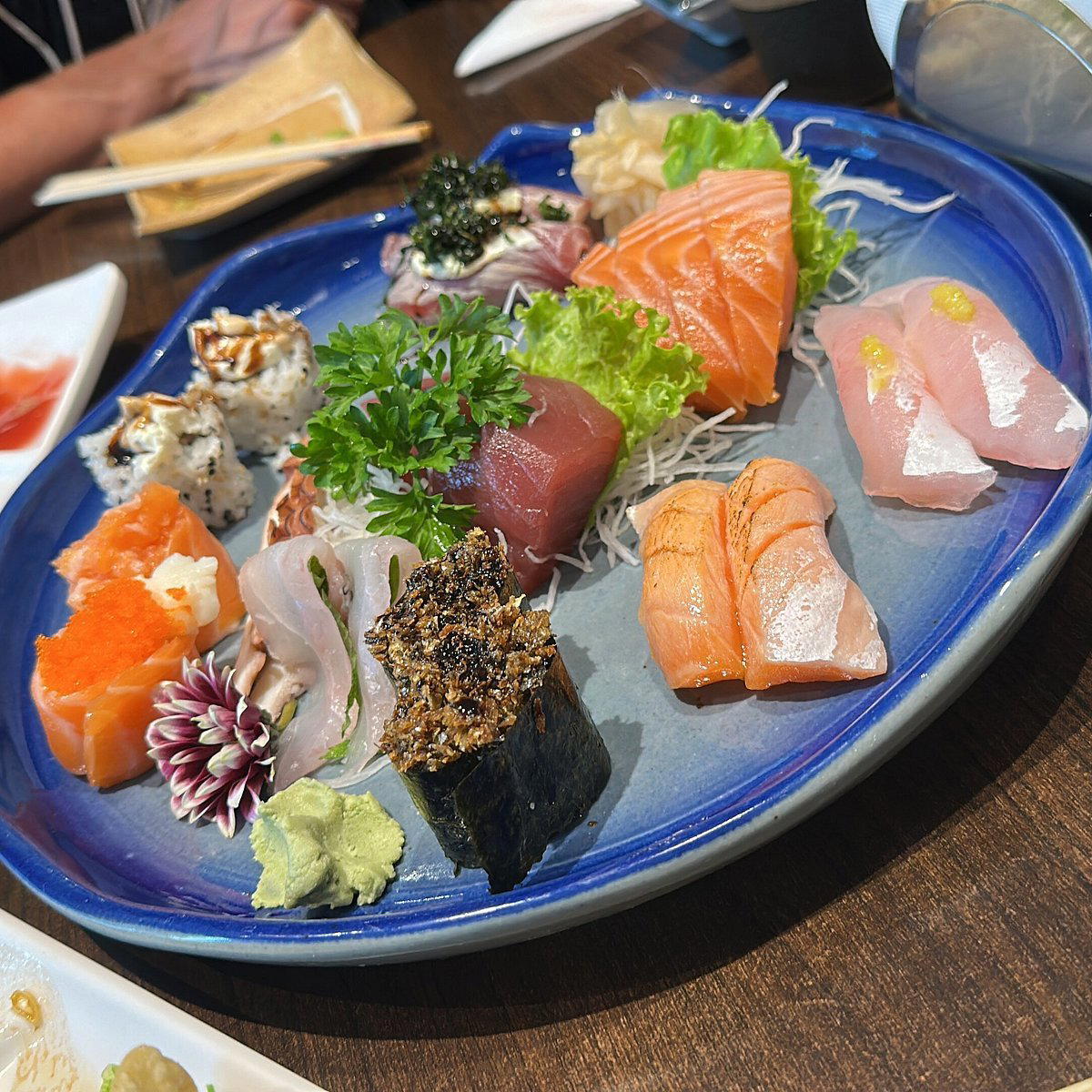
Vila Mariana and the Quiet Authority of São Paulo's Japanese-Brazilian Table
São Paulo holds the largest Japanese diaspora population outside Japan, and that demographic fact has shaped the city's sushi culture in ways that have little to do with the omakase theatre dominating conversations in Tokyo or New York. The neighbourhood counters of Vila Mariana, Liberdade, and Aclimação have operated for decades on a different logic: precision as daily practice, not as performance. Daiki Sushi, at Largo Sen. Raul Cardoso, 40, sits within that tradition, a Vila Mariana address that positions it among the kind of neighbourhood sushi operations that São Paulo's food community tends to treat as reliable rather than revelatory.
That distinction matters. In a city where D.O.M. and Tuju operate at the upper end of award-circuit ambition, and where Evvai and Maní compete for the attention of the creative tasting-menu audience, the neighbourhood sushi counter occupies a genuinely separate tier. It serves a different function and answers to a different set of expectations: consistency over seasons, familiarity with a returning clientele, and technical competence that doesn't require a press cycle to sustain itself.
The Vila Mariana Context
Vila Mariana is not São Paulo's most photographed dining district, but it carries a particular density of long-standing Japanese-Brazilian establishments that give the neighbourhood its culinary character. The bairro's residents have historically included successive generations of Nikkei Brazilians, and the restaurants that serve them reflect that continuity. A counter in this area is less likely to be framing its kaiseki influences for an international audience and more likely to be maintaining the kind of standards that a neighbourhood has come to expect over years of return visits.
That's a meaningful context for reading any sushi operation on Largo Sen. Raul Cardoso. The square itself is a modest urban node, the kind of São Paulo address that doesn't appear on destination lists but functions as a genuine local centre. For the dining category, that positioning is close to an editorial credential: neighbourhood sushi in a Japanese-Brazilian stronghold is measured against a knowledgeable, returning audience, not against first-time visitors working through a guide.
For comparison, São Paulo's higher-profile Japanese dining, Jun Sakamoto's counter, which benchmarks against premium omakase pricing in the $$$ bracket, operates with a visibility and booking structure that Vila Mariana neighbourhood counters typically don't replicate. The trade-off is accessibility. Where the destination omakase counter demands advance planning and premium pricing, the neighbourhood sushi address in Vila Mariana offers the possibility of a more spontaneous visit.
Reading the Wine and Beverage Dimension in São Paulo's Japanese Dining
The editorial angle that separates São Paulo's more considered Japanese restaurants from their simpler neighbourhood counterparts is often not the fish, it's what sits alongside it. Brazil's relationship with wine has deepened substantially over the past decade, with domestic production from the Serra Gaúcha region gaining credibility alongside a maturing import culture. The city's premium restaurants, Fame Osteria among the Italian-leaning tables, and the tasting-menu circuit more broadly, now treat their beverage programs as central editorial statements rather than ancillary additions.
In Japanese-Brazilian dining, that shift has been slower and more uneven. The traditional pairing logic for neighbourhood sushi has run toward cold Sapporo or caipirinha rather than wine list curation, and the operations that have moved toward serious sake programs or wine pairings tend to sit at a higher price point and with more formal infrastructure. Daiki Sushi's beverage program remains unlisted here. What can be said is that the category question, how seriously a neighbourhood sushi address engages its drinks dimension, is increasingly the marker that separates a functional neighbourhood operation from something with wider editorial relevance.
For diners arriving with an interest in serious beverage pairing alongside Japanese food in São Paulo, the established reference points remain at the premium end: operations that have explicitly built wine or sake programs as part of their proposition. Daiki Sushi's position in Vila Mariana suggests a neighbourhood logic that may prioritise other dimensions of the experience.
São Paulo's Sushi Scene in Broader Brazilian Context
Brazil's Japanese dining culture is concentrated in São Paulo in a way that has no real parallel elsewhere in the country. Lasai in Rio de Janeiro represents the capital's tasting-menu ambition, but Rio's Japanese dining operates on a much smaller and less embedded scale than São Paulo's. The network of Nikkei-run counters that gives cities like Vila Mariana their character is a São Paulo-specific phenomenon, rooted in immigration waves that began in the early twentieth century and compounded over generations.
That history gives São Paulo's neighbourhood sushi a legitimacy that visitor-facing operations elsewhere in Brazil cannot replicate through quality alone. A counter in Vila Mariana inherits a context: it is operating in a city where Japanese-Brazilian cuisine has had a century to develop its own grammar, distinct from both its Japanese antecedents and from the creative contemporary Brazilian cooking represented by restaurants like D.O.M. on the Jardins circuit. For the curious reader, the broader Brazilian dining landscape beyond São Paulo, from Bistro Fitz Carraldo in Manaus to Cantina Pozzobon in Santa Maria, confirms how geographically concentrated sophisticated Japanese dining in Brazil remains.
Planning a Visit
The restaurant is located at Largo Sen. Raul Cardoso, 40, in the Vila Mariana district of São Paulo. The neighbourhood is well-served by the city's metro system, with Vila Mariana station (Line 2, Green) within reasonable walking distance of the square. Current hours and pricing are not listed here.
As a point of general calibration: the restaurant sits in a more accessible price band than the premium omakase counters operating closer to the Jardins and Itaim Bibi districts. For international visitors more accustomed to the formal omakase format, the São Paulo neighbourhood sushi tradition operates with a different logic and a different service register, one that rewards familiarity over ceremony.
Comparison Snapshot
Comparable venues nearby, for context on price, style, and recognition.
| Venue | Cuisine | Price | Notes |
|---|---|---|---|
| Daiki SushiThis venue — the venue you are viewing | Classic Japanese Sushi | $$ | Not listed |
| TAN TAN | Modern Japanese Chuka Noodle Bar | $$ | Pinheiros |
| Djapa Moema | Modern Japanese Rodízio | $$$ | Moema |
| Leggera Pizza Napoletana | Authentic Neapolitan Pizza | $$ | Barra Funda |
| Nakka | Modern Japanese Omakase & Sushi | $$$$ | Pinheiros |
| By Koji | Japanese Sushi and Seafood | $$$$ | Morumbi |
Continue exploring
More in São Paulo
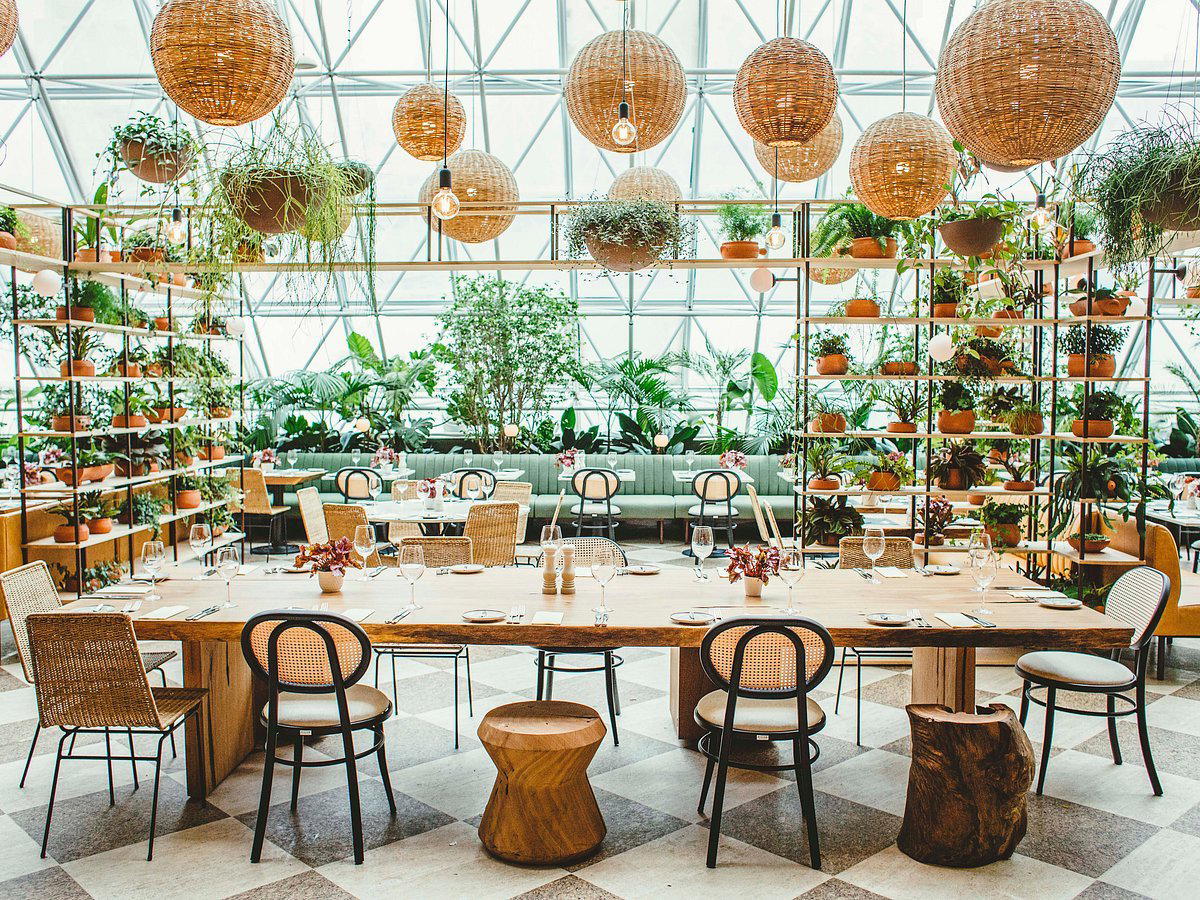
Restaurants in São Paulo
Browse all →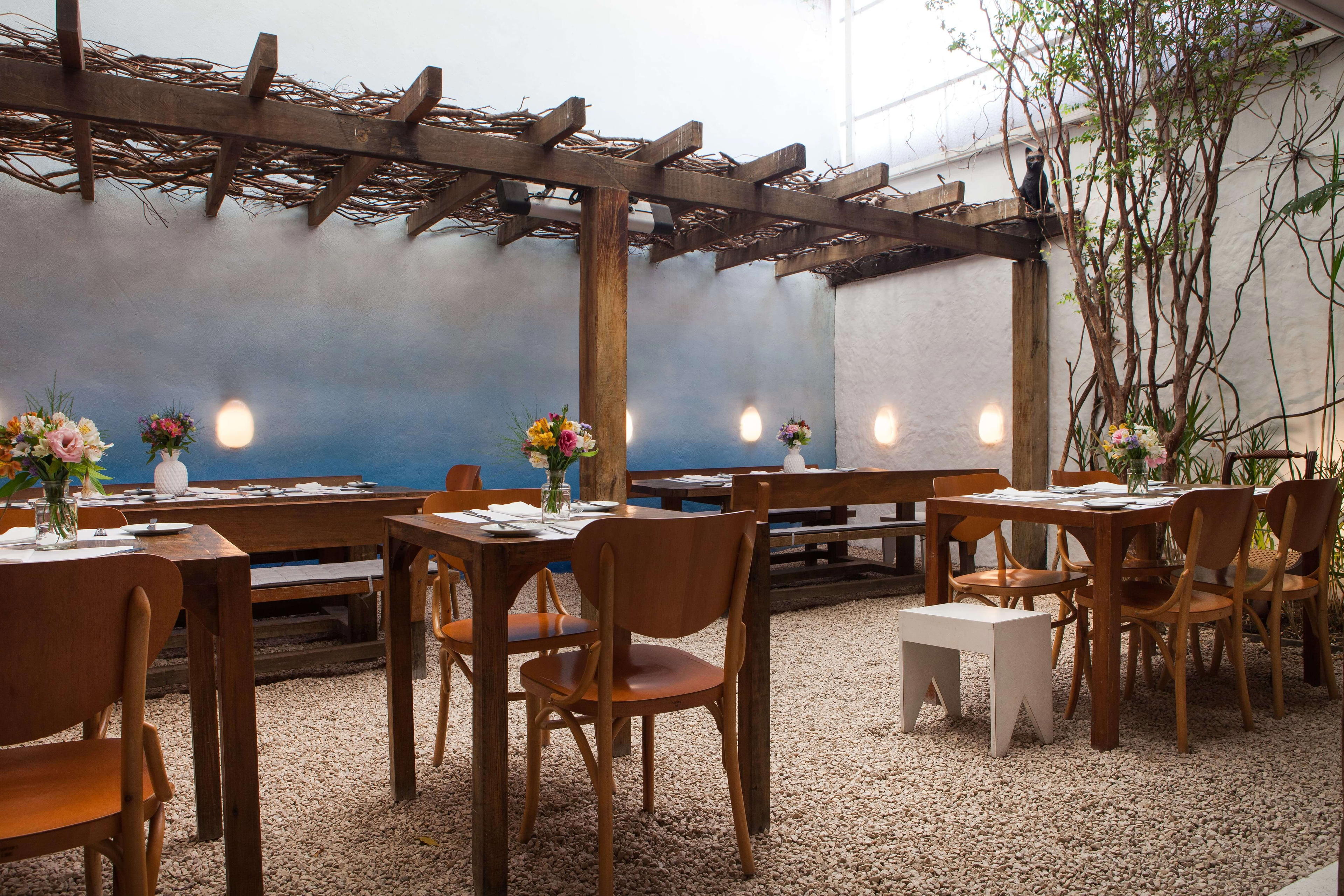
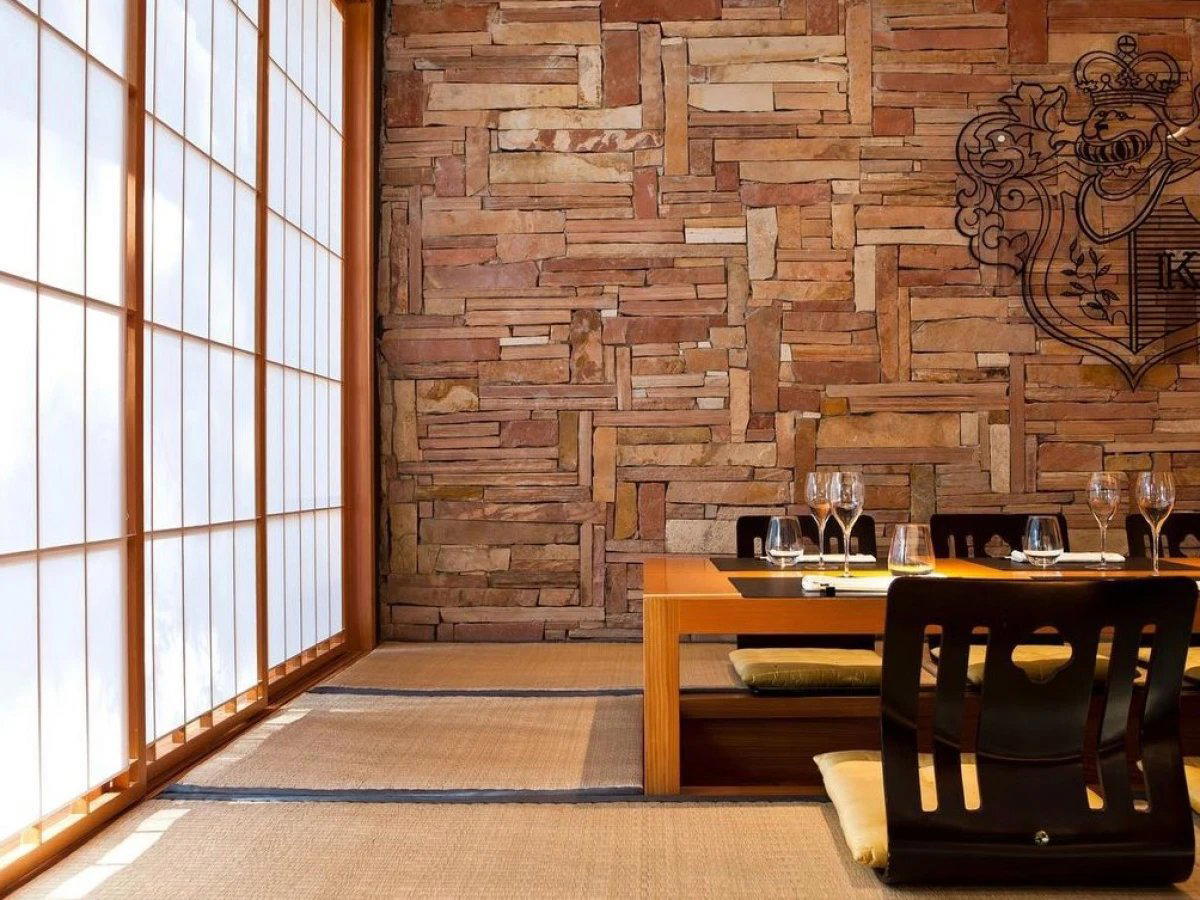
Bars in São Paulo
Browse all →

At a Glance
- Intimate
- Cozy
- Classic
- Date Night
- Casual Hangout
- Sake Program
Current opening hours
- Monday
- 12–3 PM, 7–11 PM
- Tuesday
- 12–3 PM, 7–11 PM
- Wednesday
- 12–3 PM, 7–11 PM
- Thursday
- 12–3 PM, 7–11 PM
- Friday
- 12–3 PM, 7–11:30 PM
- Saturday
- 12–3:30 PM, 7–11 PM
- Sunday
- 12–4 PM
Hours can change for holidays and private events. Last verified .
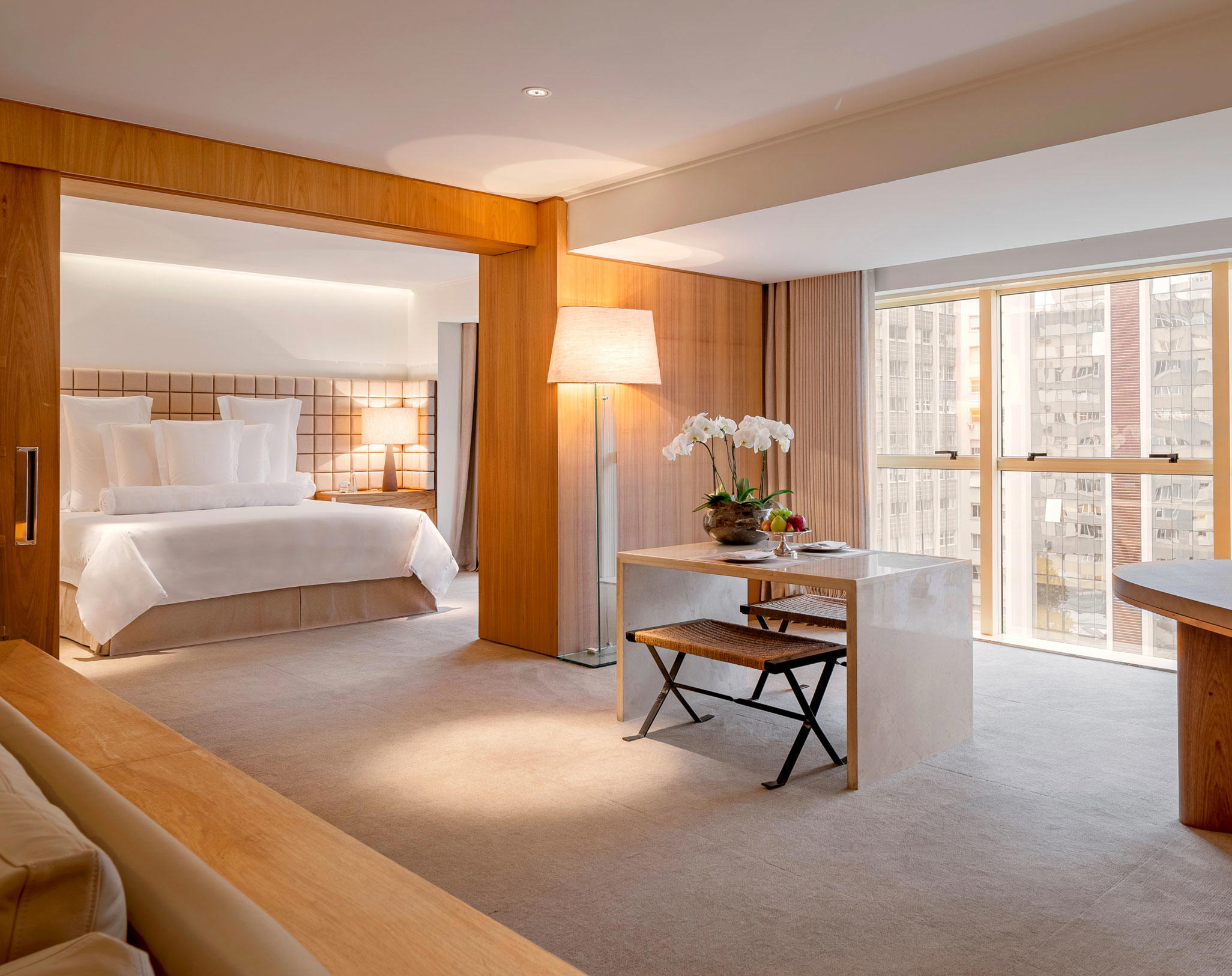
Cozy and welcoming small space with attentive service and proximity to the sushi chef.