Osaka Japanese Cuisine occupies a quiet stretch of R. Amauri in Itaim Bibi, São Paulo's most densely packed neighbourhood for serious dining. The address places it within walking distance of Michelin-recognised tables, positioning it inside a competitive Japanese restaurant tier that São Paulo has quietly built into one of Latin America's most substantial outside Japan. For visitors already planning a Itaim Bibi dining itinerary, it warrants attention alongside the neighbourhood's other options.
Pearl is the En Primeur Club membership app — saves, bookings, and concierge access live there. Same editors, same standards.
- Address
- R. Amauri, 234 - Itaim Bibi, São Paulo - SP, 01448-000, Brazil
- Phone
- +551130730234
- Website
- osakanikkei.com
- Directions
- Get directions
 Saves & bookings on Pearl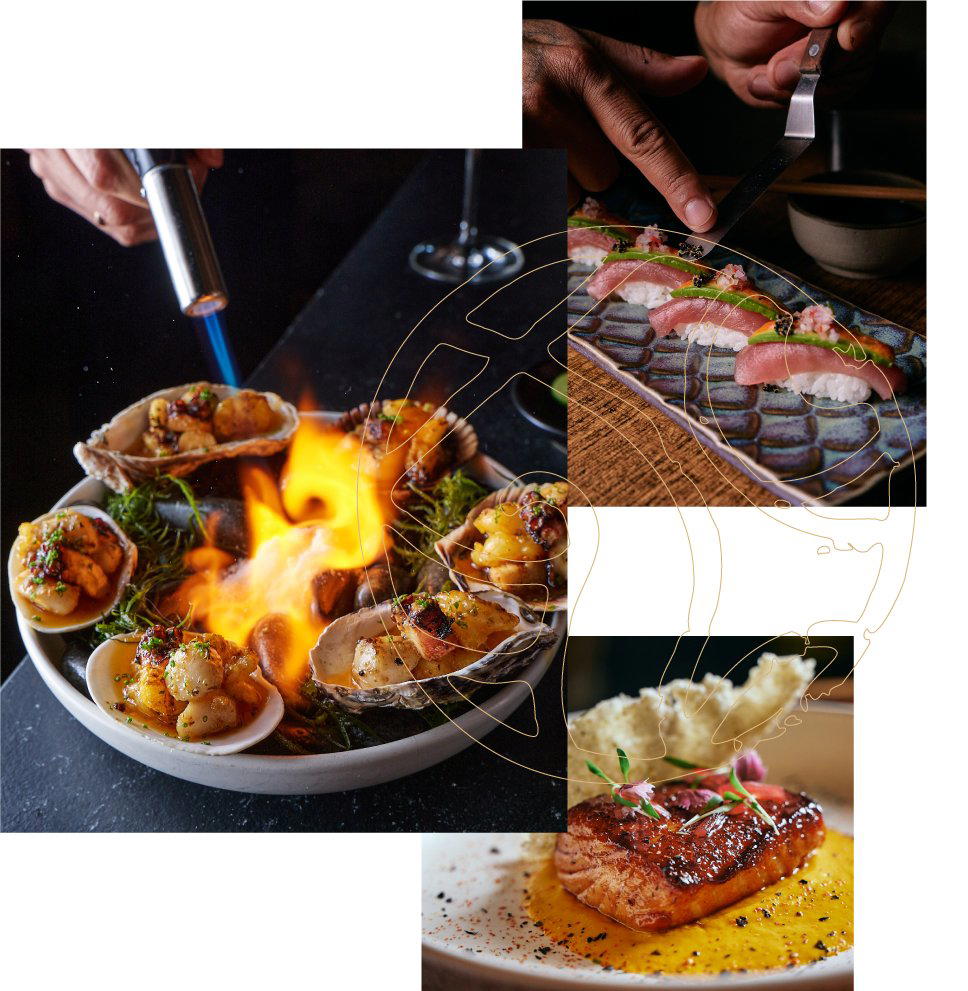
Itaim Bibi and the Japanese Dining Tradition in São Paulo
Osaka Japanese Cusine is a restaurant in São Paulo serving Nikkei Japanese-Peruvian Fusion at R. Amauri, 234 in Itaim Bibi. R. Amauri sits in the middle of Itaim Bibi, the São Paulo neighbourhood that has become the city's most concentrated zone for serious restaurant-going. Within a few blocks of this address, you find Michelin-starred kitchens, the highest per-table spend in the city, and a dining public that has spent decades building expectations calibrated against international references. That context matters for understanding where a Japanese restaurant on this street positions itself: Itaim Bibi does not accommodate complacency, and the neighbourhood's restaurant-goers, many of whom travel regularly to Tokyo, New York, and London, apply comparative standards accordingly.
São Paulo's Japanese community is the largest outside Japan, numbering well over a million people concentrated across the city's southern and eastern districts but exerting culinary influence across every neighbourhood. São Paulo supports a range of Japanese dining formats, from neighbourhood teishoku counters in Liberdade to omakase-only rooms charging prices that sit comfortably alongside Atomix in New York City, and the standard of fish knowledge among São Paulo diners is, by any regional measure, unusually high. A Japanese restaurant in Itaim Bibi operates in that atmosphere of informed expectation.
What the Address Signals
R. Amauri, 234 is not a peripheral location. Itaim Bibi functions as São Paulo's equivalent of a first-tier dining arrondissement: rents are high, competition is immediate, and the surrounding restaurants include particularly discussed tables in Brazil. D.O.M. the Alex Atala flagship that brought Brazilian creative cuisine to international attention, and Evvai, one of the city's sharper contemporary Italian rooms, both operate in this neighbourhood. Tuju and Maní add further weight to the area's creative dining credentials. Choosing this postcode is itself an editorial statement about where a restaurant places itself in the city's hierarchy.
The Japanese Restaurant Category in São Paulo
Latin America's most substantial Japanese restaurant ecosystem outside of Lima has developed in São Paulo over several decades, and the city now supports formats that would not look out of place in comparison with Le Bernardin in New York City in terms of price point and technical seriousness. Jun Sakamoto, operating in the $$$ tier with a sushi focus, represents one benchmark for the city's Japanese category. The category also includes format diversity that many other Latin American cities cannot match.
Within this context, a Japanese restaurant in Itaim Bibi typically positions itself at the upper-middle to premium tier of the city's Japanese dining range. The neighbourhood's cost base, rent, staffing, and the expectations of its regular clientele, tends to push format and price toward the more considered end of the spectrum. Casual formats survive in Itaim Bibi, but they survive because they execute their format with precision, not because the neighbourhood tolerates drift.
For comparison, Maní operates at the $$$ tier with a Brazilian-international creative format, while Fame Osteria occupies the Italian contemporary space in the same neighbourhood. The Japanese category sits alongside these references in terms of the dining experience it is expected to provide.
Planning a Visit
Itaim Bibi's restaurant density means that a single evening in the neighbourhood can anchor a broader dining itinerary. The area is well-served by São Paulo's rideshare infrastructure, and arriving on R. Amauri involves no particular logistical complexity from most of the city's central hotels. For visitors building a São Paulo dining schedule around this part of the city, the full São Paulo restaurants guide covers the broader range of options across price tiers and cuisines.
Reservations are recommended. Osaka Japanese Cusine's hours are Mon to Wed 11:30 AM to 3:30 PM and 7 to 11 PM, Thu and Fri 11:30 AM to 3:30 PM and 7 PM to 12 AM, Sat 12 PM to 12 AM, and Sun 12 to 11 PM. Reservations are recommended, especially for dinner.
Visitors building a wider Brazilian dining itinerary beyond São Paulo might also consider Lasai in Rio de Janeiro, which operates in a comparable tier of serious creative cooking, or explore the regional diversity represented by tables such as Bistro Fitz Carraldo in Manaus and Cantina Pozzobon in Santa Maria. For those moving through the country's smaller cities, Aero Burguer e Grill in Santa Cruz Do Sul, Arte e Café Imperial in Angra Dos Reis, Casa da Dika in Bragança, Casa da Flor in Dourados, Casa da Picanha Penedo in Itatiaia, Famosa Pizza in Ribeirão Preto, and Fornazzo Pizzaria in Passo Fundo each represent distinct regional dining options worth knowing about.
What It’s Closest To
Comparable venues nearby, for context on price, style, and recognition.
| Venue | Cuisine | Price | Notes |
|---|---|---|---|
| Osaka Japanese CusineThis venue — the venue you are viewing | Nikkei Japanese-Peruvian Fusion | $$ | Not listed |
| Temakeria Paulista | Japanese Temaki & Sushi | $$ | Agua Rasa |
| Jam Jardins Japanese Cusine | Japanese Fusion | $$$ | Jardim Paulista |
| Restaurante Sushi Hiroshi | Traditional Japanese Sushi | $$$ | Santana |
| Nakka Jardins | Modern Japanese Omakase | $$$ | Jardim Paulista |
| Restaurant Sushi Isao | Traditional Japanese Buffet | $$$ | Se |
Continue exploring
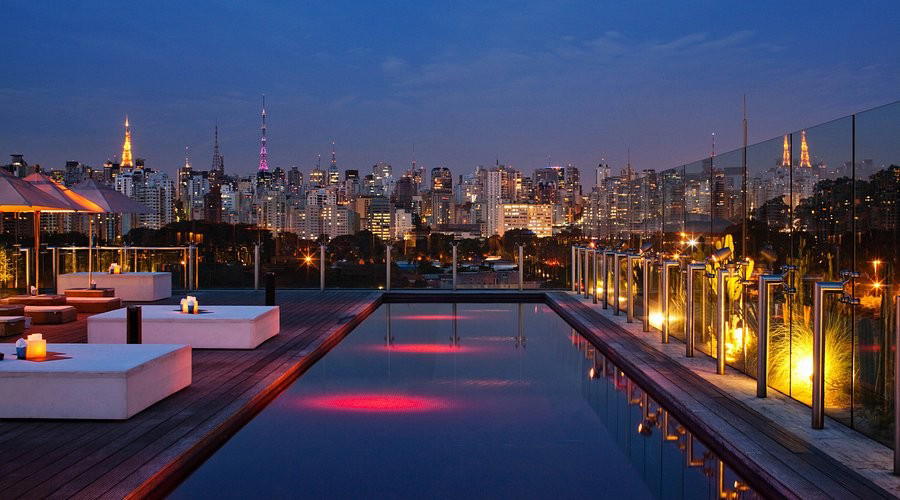
More in São Paulo
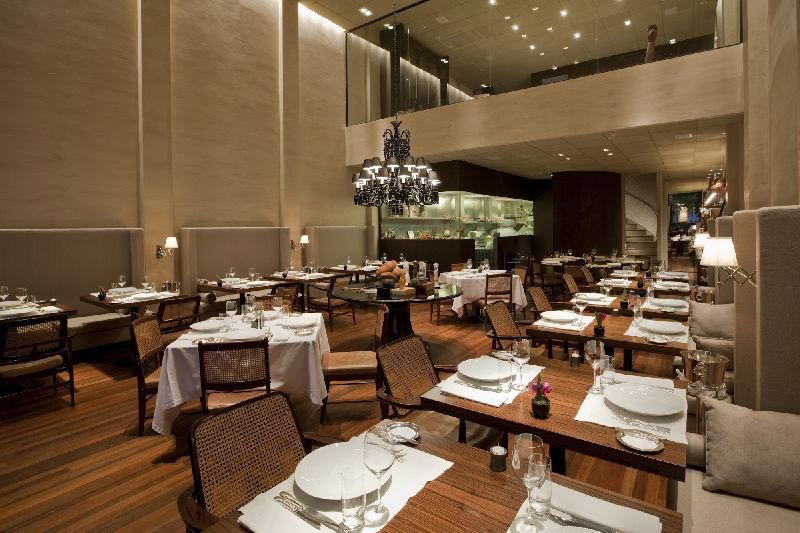
Restaurants in São Paulo
Browse all →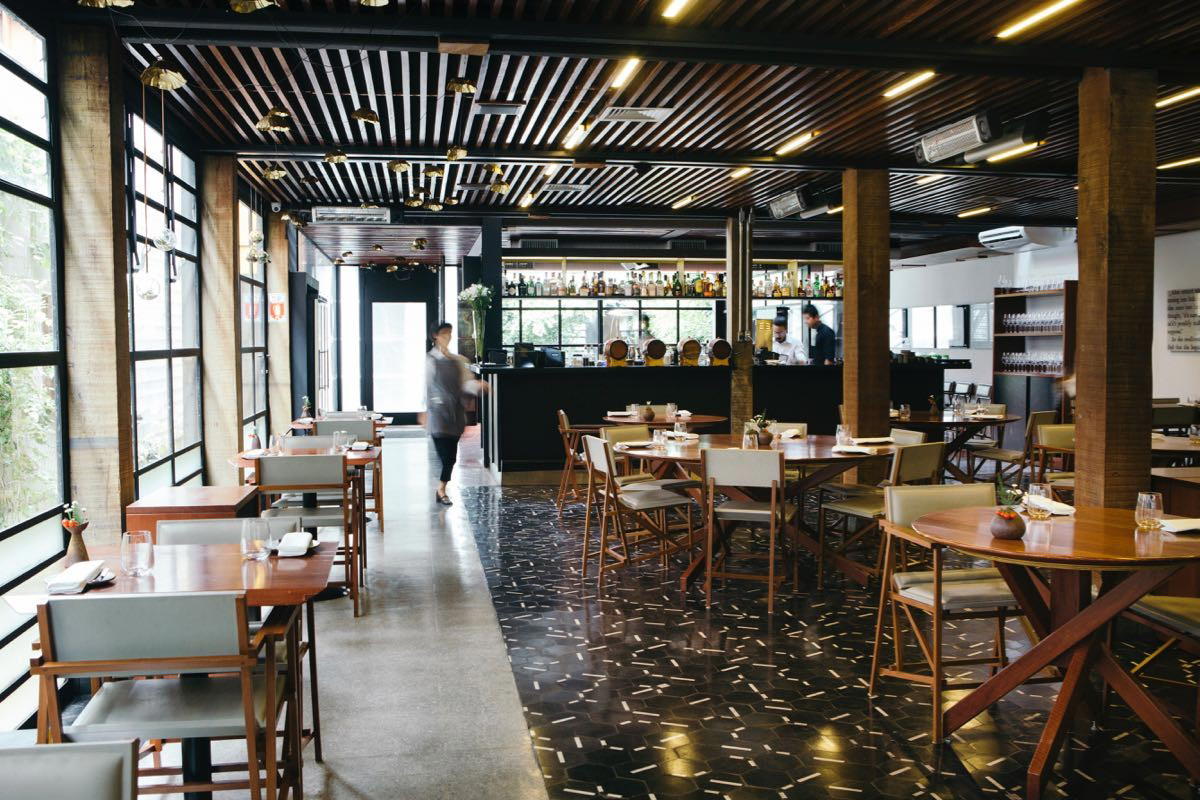
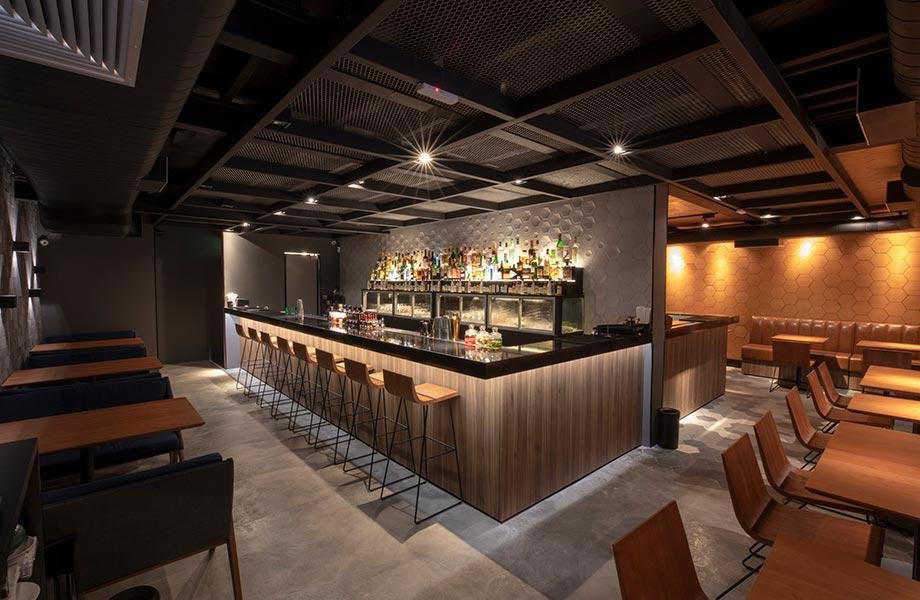
Bars in São Paulo
Browse all →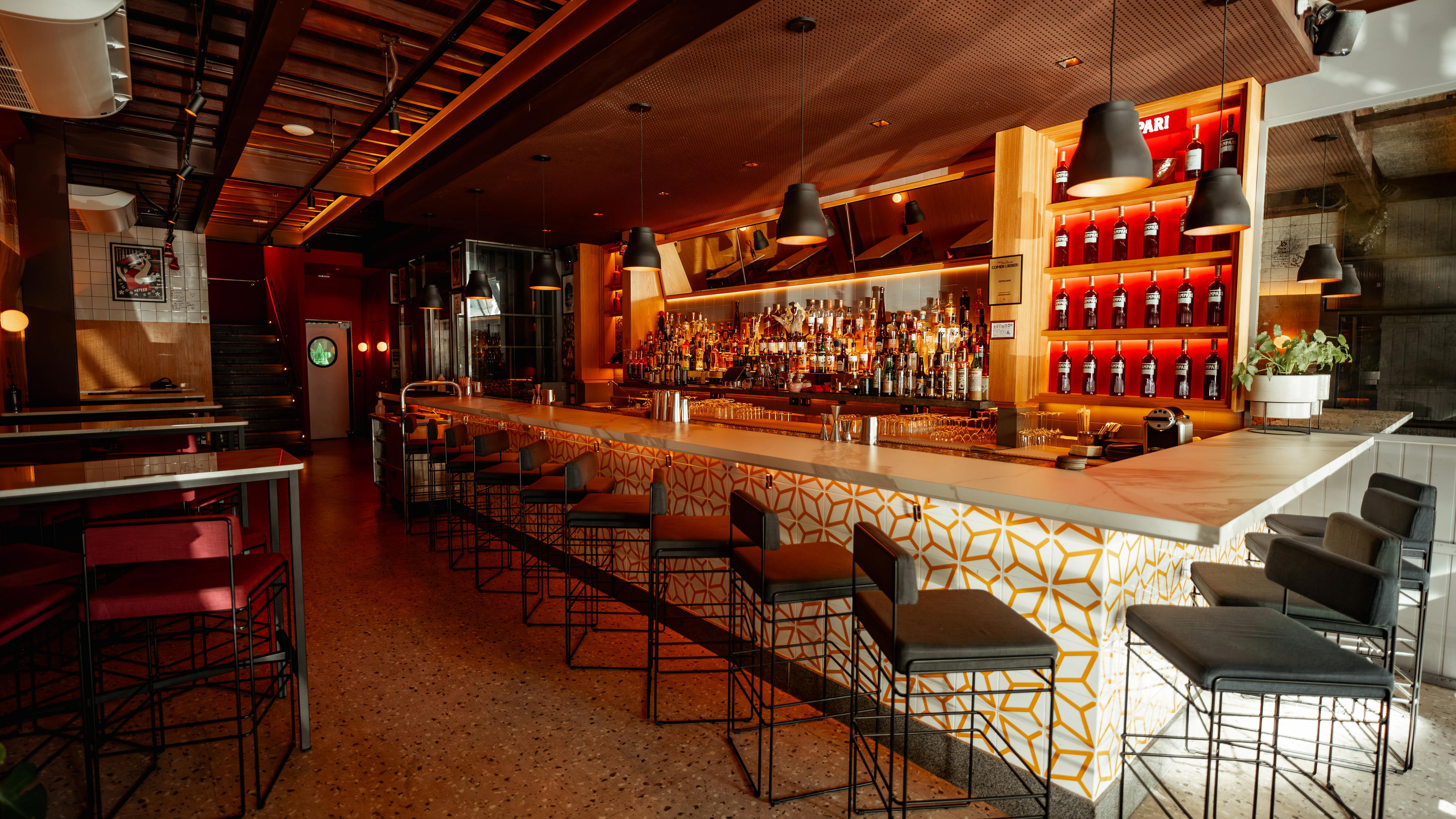
At a Glance
- Trendy
- Modern
- Sophisticated
- Date Night
- Business Dinner
- Sake Program
Current opening hours
- Monday
- 11:30 AM–3:30 PM, 7–11 PM
- Tuesday
- 11:30 AM–3:30 PM, 7–11 PM
- Wednesday
- 11:30 AM–3:30 PM, 7–11 PM
- Thursday
- 11:30 AM–3:30 PM, 7 PM–12 AM
- Friday
- 11:30 AM–3:30 PM, 7 PM–12 AM
- Saturday
- 12 PM–12 AM
- Sunday
- 12–11 PM
Hours can change for holidays and private events. Last verified .
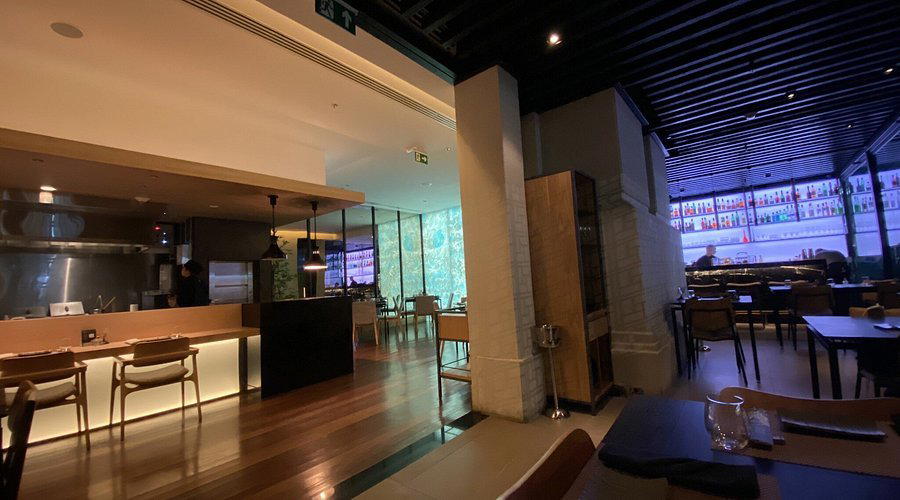
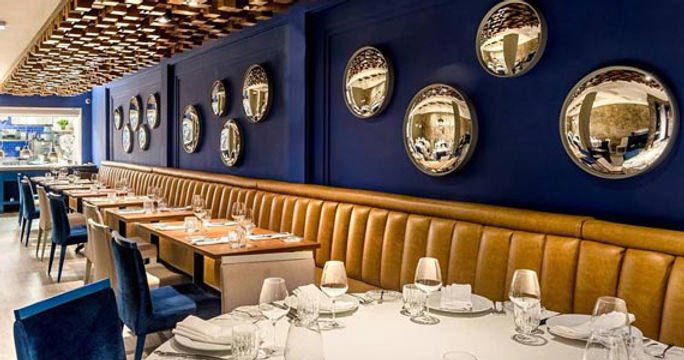
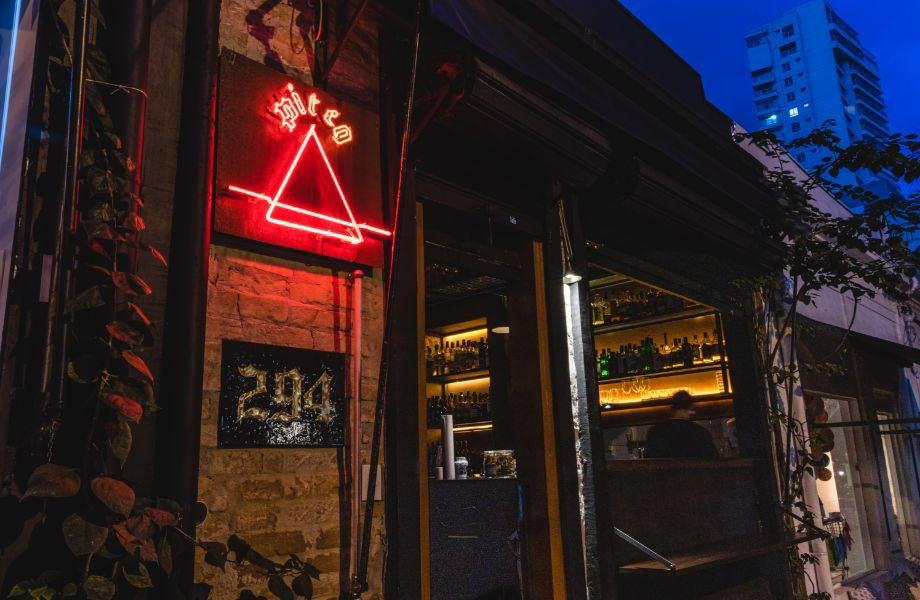
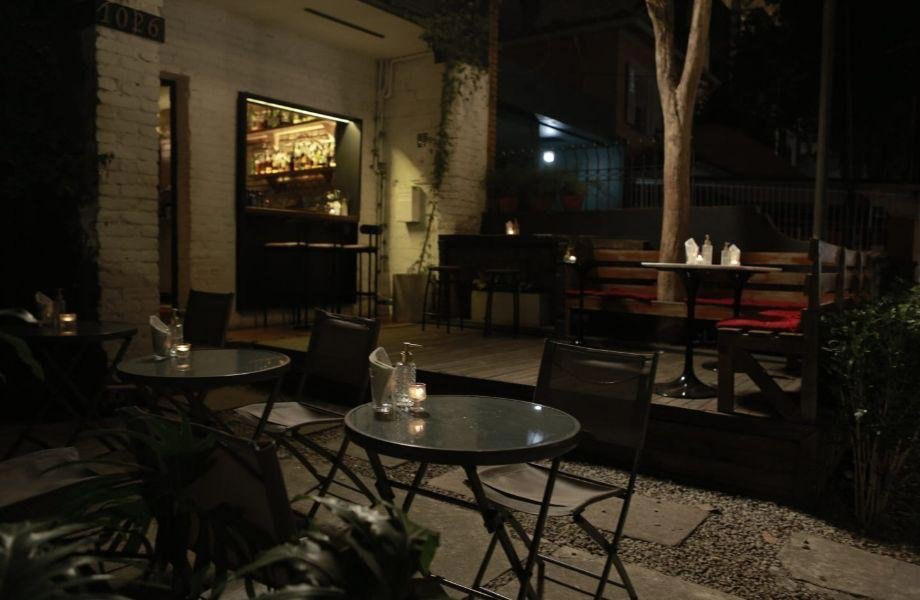
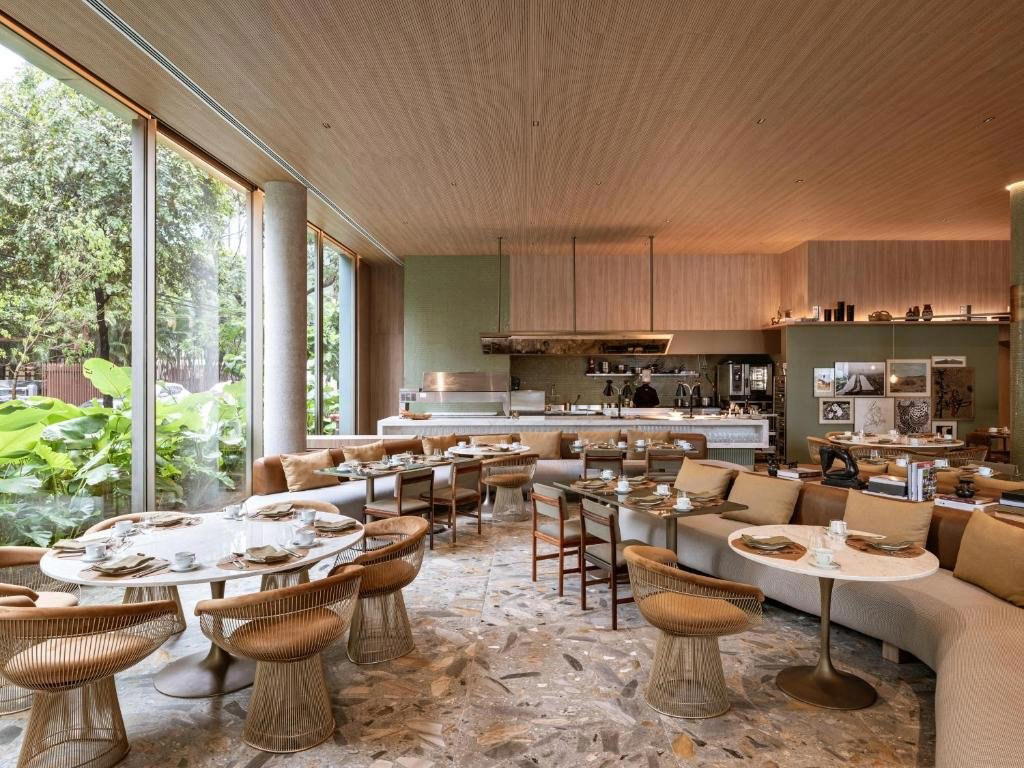
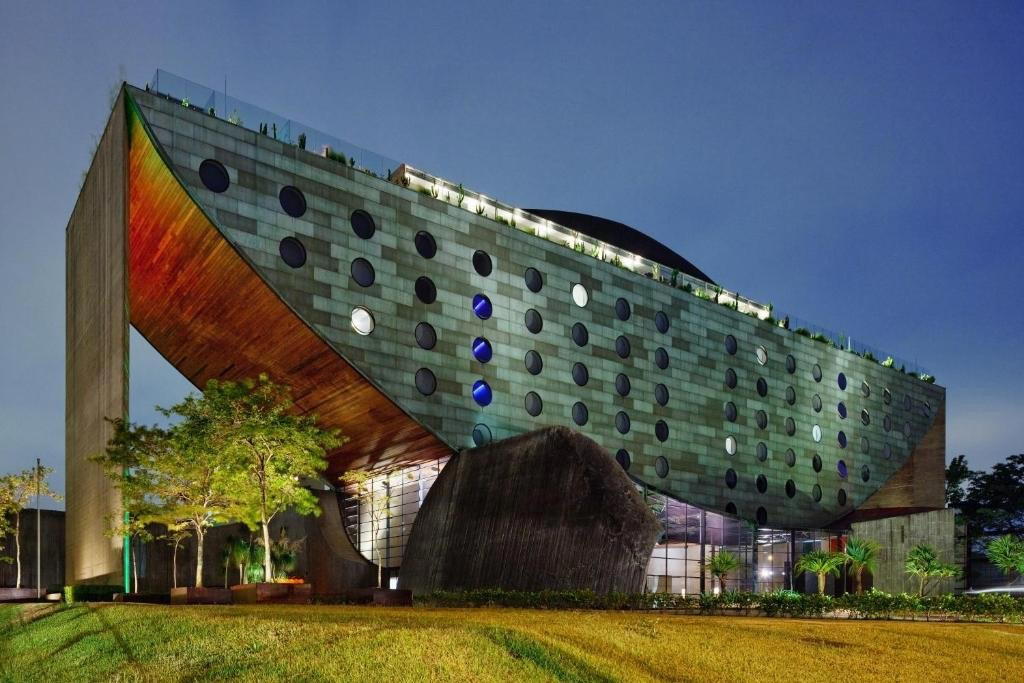
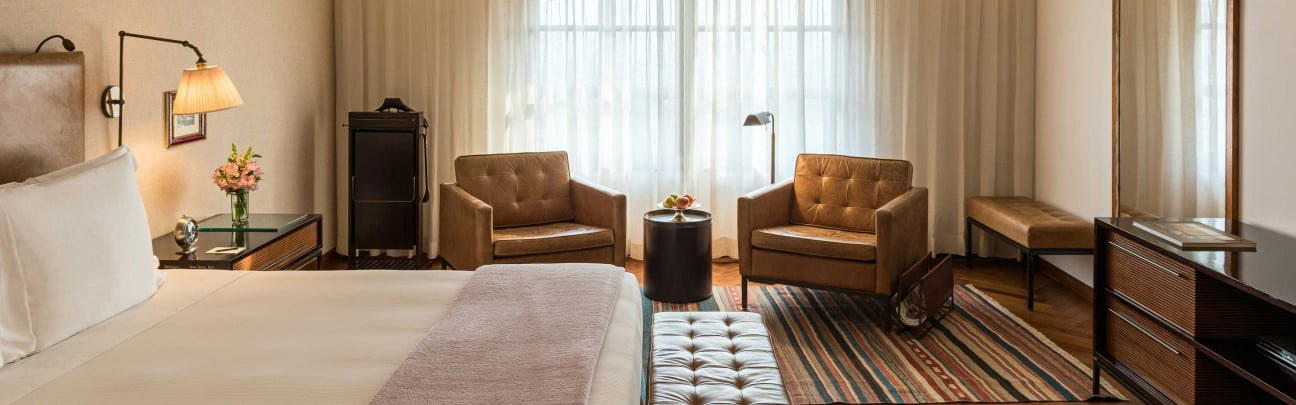
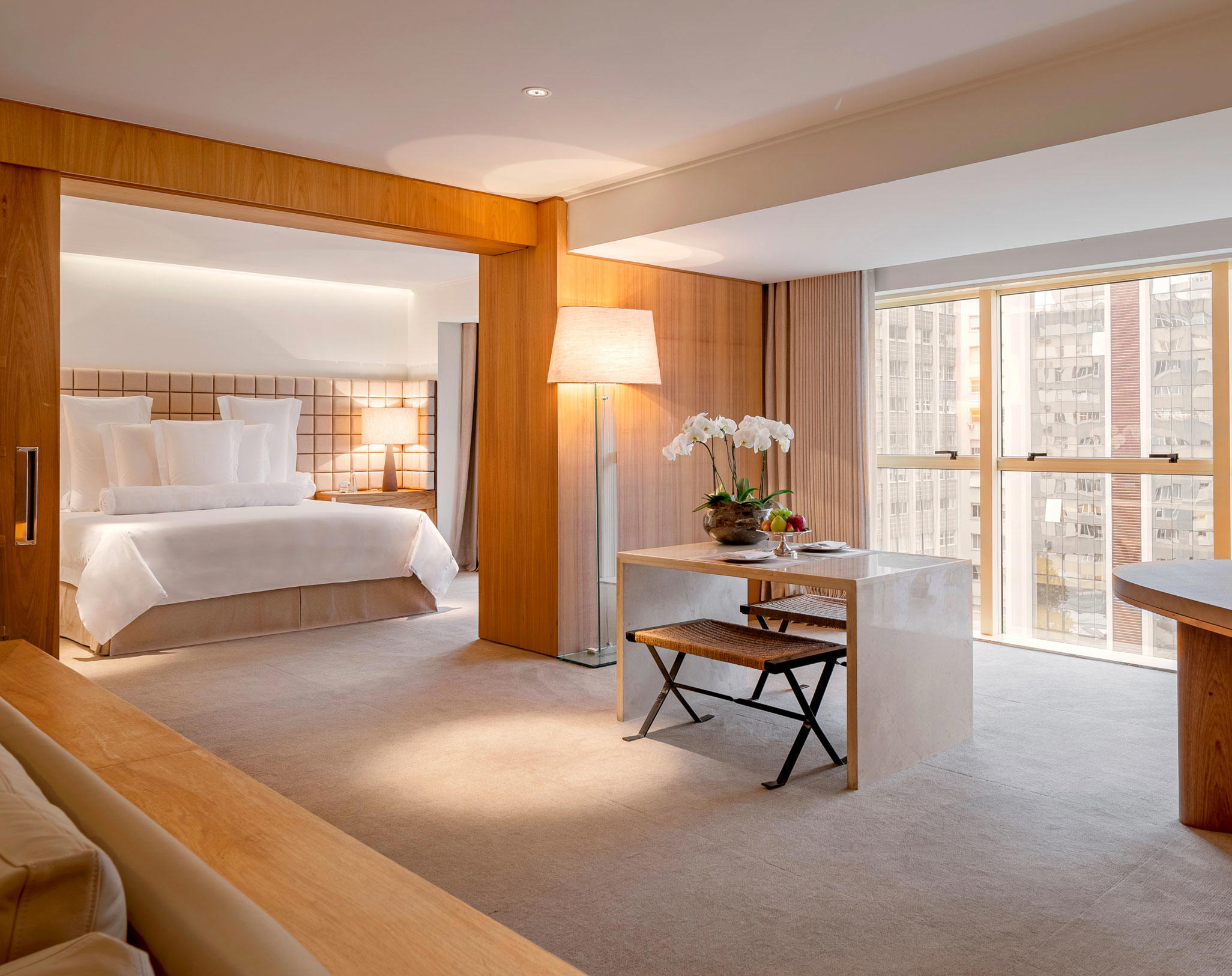
Trendy environment with captivating decor fusing Japanese and Peruvian influences.