
Tandoor puts Nagoya’s station-area curry culture into a compact underground setting: 10 counter seats, Indian curry classification, and a 2024 Tabelog Curry EAST 100 selection. The interest is not spectacle but compression, a small-format meal in the Meieki transit zone where quick dining, solo eating, and award-listed curry overlap.
Pearl is the En Primeur Club membership app — saves, bookings, and concierge access live there. Same editors, same standards.
- Address
- 愛知県名古屋市中村区名駅4-9-10 ミヤコ地下街
- Phone
- +81525862855
- Website
- tabelog.com
 Saves & bookings on Pearl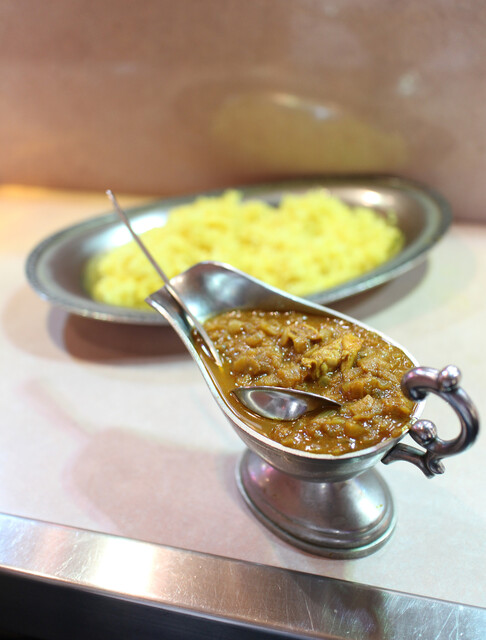
Approach through the underground commercial corridors around Nagoya Station and the city’s dining logic becomes clear: speed, proximity, and specialization matter. Tandoor belongs to that station-below-street level of eating where the room is not a stage set but a working container. Ten counter seats define the experience before a menu does. The format suits curry particularly well: short dwell time, direct service, no wasted floor space, and a view of a small operation built around turnover rather than ceremony.
Nagoya’s station district can feel transactional, but its better small restaurants use that pressure productively. The counter is a filter. It strips away the group-dinner rituals that dominate larger rooms and puts attention on pace, portion, and repeatability. In that sense, curry in Meieki sits closer to ramen, tonkatsu, and other tightly formatted Japanese urban meals than to the drawn-out restaurant evening. The point is not lingering. The point is a focused plate, an efficient room, and a meal that fits into the city’s transport rhythm.
A 10-seat counter makes curry feel like station craft, not background food
Japanese curry culture has always been broad, from school-cafeteria comfort to specialist shops with sharply defined styles. Indian curry shops occupy a different lane, and in Nagoya that lane often intersects with commuter dining. Tandoor’s classification as Indian curry and curry places it within a category where the physical setup matters as much as the kitchen label. A counter-only room changes the reading of the meal: diners arrive, eat facing forward, and leave without the soft social choreography of a table-service restaurant.
That small footprint also explains why recognition carries weight here. Selection for Tabelog Curry EAST 100 in 2024 places the shop inside a curated regional curry bracket rather than the general Nagoya restaurant conversation. Tabelog’s score of 3.67 gives another signal: this is a specialist address with enough diner consensus to register beyond neighbourhood convenience. For a station-area curry counter, that combination is more useful than grand claims. It says the format has been judged against other curry specialists, not merely against nearby lunch options.
The design argument is practical rather than decorative. Ten counter seats create a room where solo dining is natural, not accommodated as an afterthought. The same layout works for pairs who are comfortable eating side by side, but it does not pretend to be a private-room occasion. In Japan, counter culture often signals seriousness because it reduces distance between production and consumption. Here, the signal is more modest but still meaningful: a compact curry shop, built for repeat eating, in a district where restaurants survive by being clear about their purpose.
How it fits Nagoya's station dining map
Meieki dining has a sharper split than visitors sometimes expect. Around the towers and department stores, polished rooms and brand-name dining absorb expense-account meals; beneath and around the station, smaller formats handle the city’s everyday appetite. Tandoor sits on the second side of that divide. It is more comparable in practical terms to low-priced station specialists such as Ramen Rikimaru or Yanagibashi Wa nico than to high-spend rooms such as Auberge de L'Ill Nagoya. That contrast matters because it frames the decision correctly: this is not where to plan a long evening, but where curry earns attention inside a compressed itinerary.
For travellers mapping Nagoya by appetite, it helps to think in clusters rather than isolated names. The city rewards short moves between station counters, department-store food floors, izakaya streets, and hotel dining rooms. EP Club’s Our full Nagoya restaurants guide gives the broader restaurant frame, while Our full Nagoya hotels guide, Our full Nagoya bars guide, Our full Nagoya wineries guide, and Our full Nagoya experiences guide fill in the surrounding trip architecture. Within the restaurant set, nearby and related pages such as 1022, 451, Aaron, Alan., and All Day Dining Montmartre show how varied the city’s dining formats become once the station is treated as a base rather than a boundary.
The wider Japan file is useful for comparison because curry, counter dining, and compact specialist formats are national patterns, not Nagoya quirks. A traveller comparing categories might look from [Curry Senmon Ten] Maruyama Kyoju. in Sapporo to (Shoku) Vietnam in Kawasaki, or from casual-format pages such as.cafe in Osaka and.know in Kumamoto to more specific meal traditions like -Grilled beef Sukiyaki- KAMAKURA TANUKIAN 鎌倉 たぬき庵 in Kamakura or. 鮪と炭火焼き うお炭 秋葉原店 in Tokyo. Internationally, Jōdo Saké Bar in Los Angeles and Onigiri Time in Pasadena underline the same editorial point from another angle: small formats travel well when the concept is disciplined.
When the room tells you how to use it
The strongest reason to pay attention to Tandoor is the alignment between category, recognition, and space. Curry does not need a large dining room to make its case, and a station counter does not need theatrical design to justify itself. The 2024 Tabelog Curry EAST 100 selection supplies the external signal; the 10-seat counter supplies the internal logic. Together they place the restaurant in a useful Nagoya category: specialist, compact, and built for diners who understand that a serious meal can be brief.
That makes it a sharper choice for solo travellers, station-based itineraries, and curry-focused eaters than for anyone seeking a leisurely table. The absence of private rooms and the counter configuration set expectations before the first order. In a city where visitors often chase miso katsu, hitsumabushi, and tebasaki, this kind of curry counter broadens the map. It shows another Nagoya: not the banquet city or the local-specialty checklist, but the underground, seat-by-seat city where space is tight and the restaurant succeeds by knowing exactly what it is for.
Peers You’d Cross-Shop
Side-by-side context: comparable cuisine and price.
| Venue | Cuisine | Price | Notes |
|---|---|---|---|
| TandoorThis venue — the venue you are viewing | Indian Curry House | $ | Not listed |
| Nepal STATION | Authentic Nepalese & Curry Restaurant | $ | Naka |
| Nepali Chulo | Authentic Nepali curry and dal bhat | $ | Atsuta |
| Curry Senmon Ten cafe New Delhi | Casual Indian curry house | $ | Nakamura |
| ERICK SOUTH KITTE nagoya ten | South Indian Curry House | $$ | Nakamura |
| Ramen Maze-soba Arashi Nishiki ten | Nagoya-style Taiwanese Mazesoba & Ramen Counter | $ | Naka |
Recognition history
Dated appearances from independent guides and award organizations, with the underlying list record or original source where available.
Tabelog 100 #15 · No. 15
Tabelog · Tabelog 100 - Curry - EAST - 2024
Continue exploring
More in Nagoya
Restaurants in Nagoya
Browse all →

At a Glance
- Cozy
- Classic
- Solo
- Family
- Casual Hangout
- Standalone
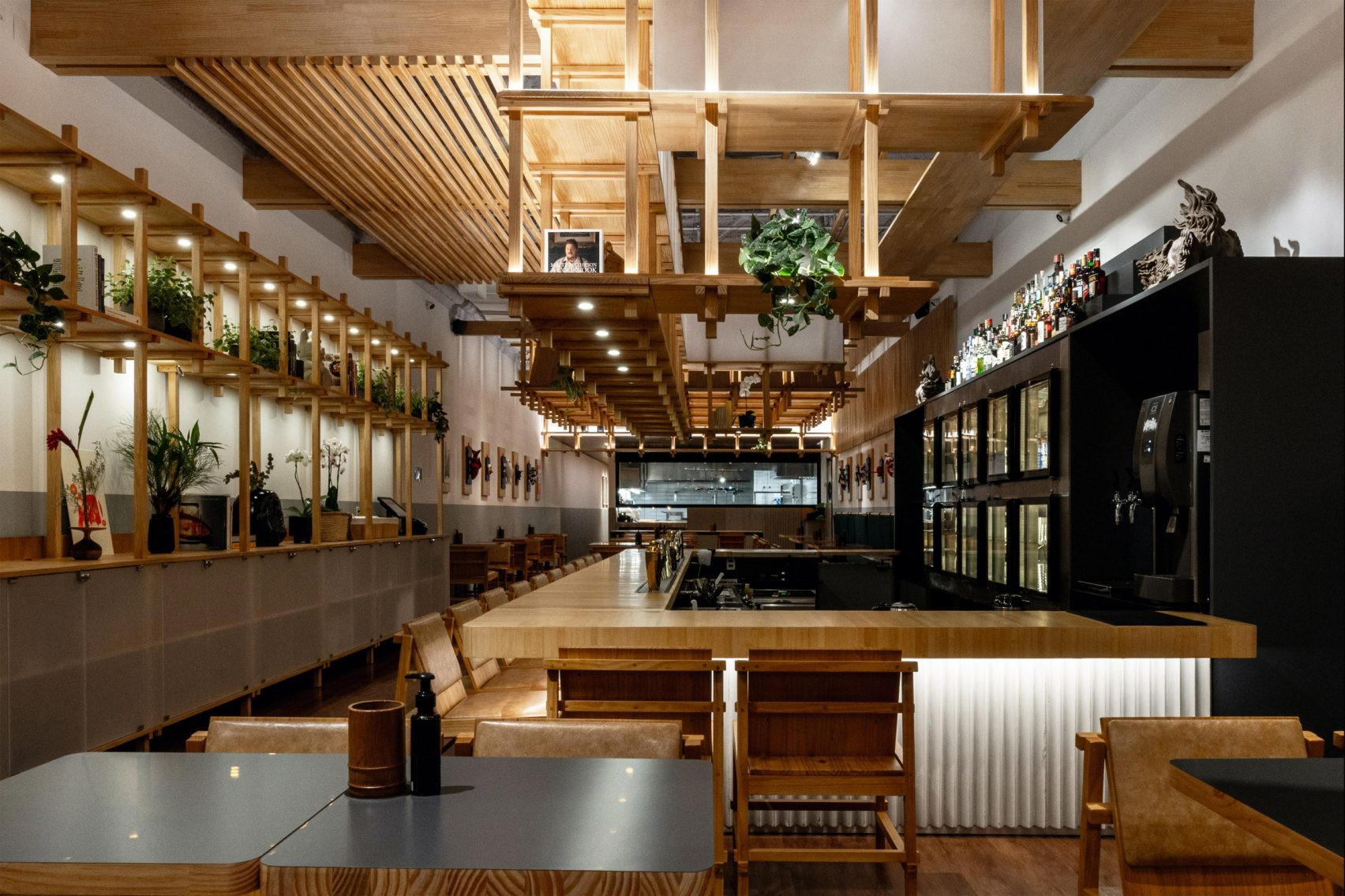
Compact, no-frills underground counter dining with a focused curry-house feel and a family-friendly, solo-friendly atmosphere.