
Ramen Maze-soba Arashi Nishiki ten belongs to Nagoya’s late-night noodle culture rather than the city’s formal dining circuit. The draw is Taiwanese mazesoba, a local modern specialty built around thick noodles, spice, minced meat, egg, vinegar, garlic, and the rice finish known as oimeshi, with Tabelog 100 Ramen Aichi 2025 recognition placing it in a serious local set.
Pearl is the En Primeur Club membership app — saves, bookings, and concierge access live there. Same editors, same standards.
- Address
- 愛知県名古屋市中区錦3-3-30 桜ビル 1F
- Phone
- +81529717110
- Website
- tabelog.com
 Saves & bookings on Pearl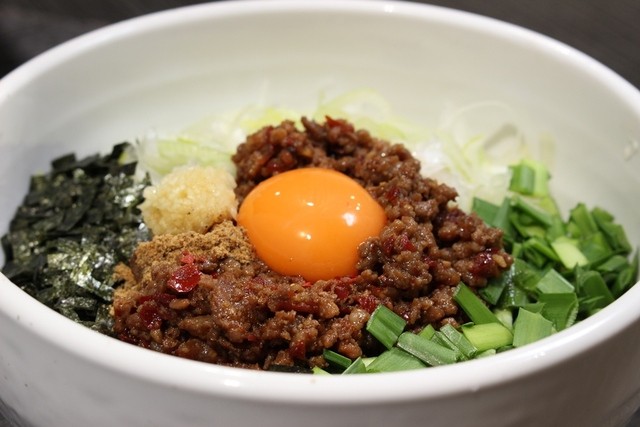
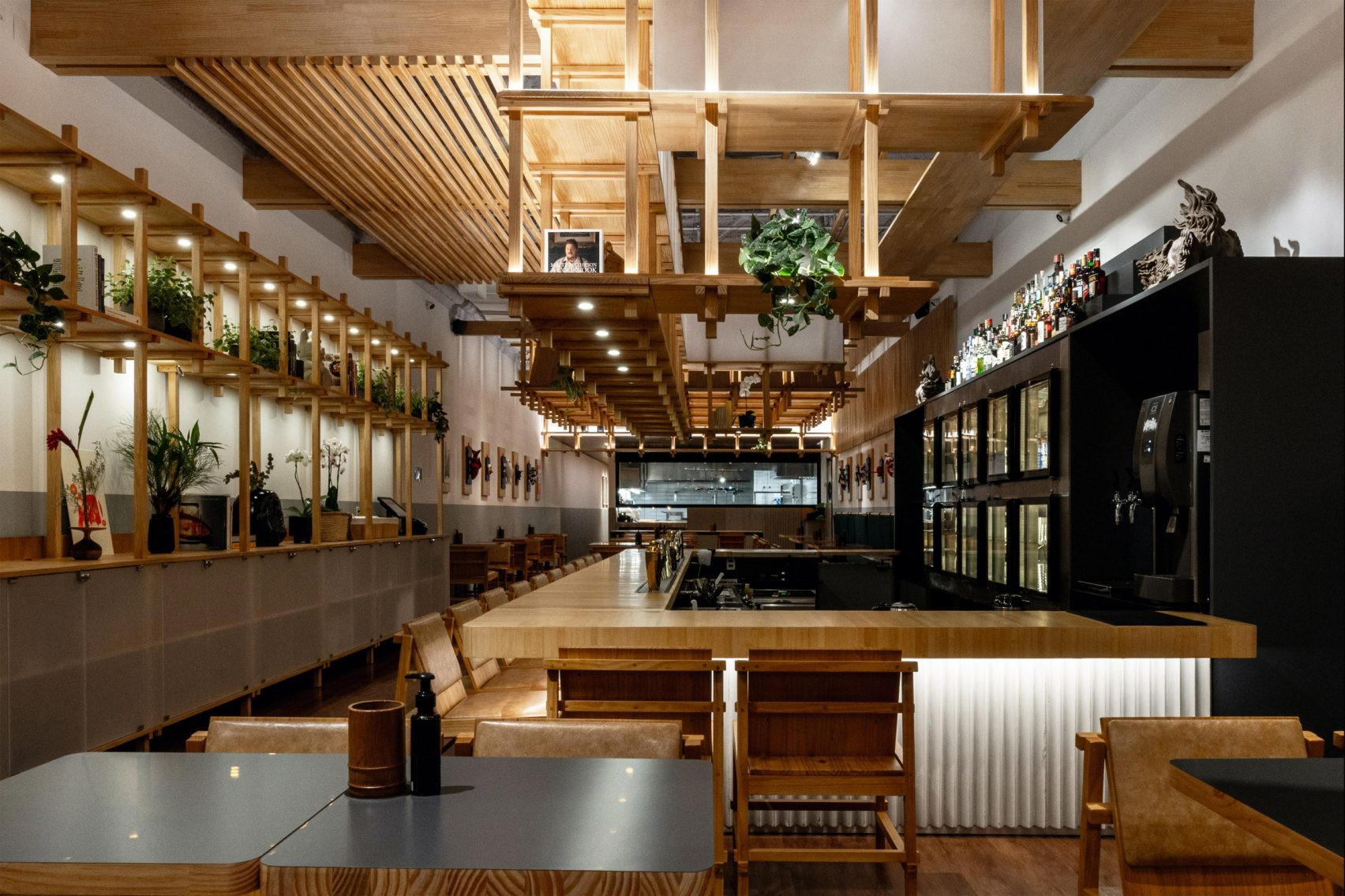
Nishiki changes character after office hours: polished rooms and cocktail bars give way to narrow counters built for speed, heat, and repetition. Ramen Maze-soba Arashi Nishiki ten sits in that after-dark Nagoya register: counter seating, no private rooms, no ceremony, and a format suited to a neighbourhood where the next stop may be a bar rather than a hotel lobby.
That matters because Taiwanese mazesoba is central to Nagoya. The city turns outside influences into local habits, from miso-heavy cooking to Taiwan ramen and its brothless cousin. Mazesoba demands different attention from soup ramen: no broth to hide behind, only noodle texture, seasoning, fat, spice, egg, and final adjustment at the table.
Nagoya's brothless noodle culture, sharpened for Nishiki nights
Taiwanese mazesoba is direct. Thick noodles carry spicy sauce and seasoned minced meat; raw egg rounds the heat; garlic and vinegar change the dish as it is mixed. The bowl is not static. It is assembled, stirred, corrected, and finished.
At Ramen Maze-soba Arashi Nishiki ten, the category is the point. The restaurant is listed for ramen, Taiwanese mixed noodles, and Taiwanese cooking, but mazesoba is the centre of gravity, not a broad izakaya-style spread. That narrower identity gives it a clear place in Nagoya’s noodle scene. It is not competing with sushi counters such as Sushimichi Sakurada or the beef-and-snack pull of Gyoza Senmon Ten Karaya Nishiki ten. It owns the quick, high-flavour, counter-only lane.
Recognition supports that position. Selection for Tabelog 100 Ramen Aichi 2025 puts it inside a prefectural ramen conversation, not just a neighbourhood convenience choice. A Tabelog score of 3.57 is also meaningful in Japan’s scoring culture, where incremental differences often matter more than inflated averages. The 12 counter seats reinforce the format: turnover, solo dining, and small groups are built in.
The assigned wine-list lens is useful by contrast. Nagoya’s premium dining can rely on cellar depth, sake pairing, or sommelier-led pacing, especially at formal Japanese and French-influenced restaurants. A mazesoba counter curates differently. The “list” is condiment logic: spice, garlic, kombu vinegar, egg, and the rice finish. Pleasure comes not from pairing breadth but from sequencing, as each addition changes the bowl’s structure.
The oimeshi finish is the clearest measure of the format
Brothless ramen has a built-in second act. After the noodles are gone, oimeshi turns remaining sauce and toppings into a rice course. It is practical, economical, and satisfying, but also reveals whether seasoning was tuned for the whole bowl rather than the first bites. Too much salt or oil becomes obvious at the end. Enough depth, and the rice finish feels designed, not incidental.
The menu points to two useful tracks: Taiwanese mazesoba for the fuller spicy profile, and a milder mazesoba built around dried shrimp and dried scallop aroma. That distinction is more useful than a generic heat scale. It separates intensity from savour, often the difference between a bowl that shouts and one that holds interest through the final rice.
Garlic is part of the house rhythm, but not a neutral choice. In a business district with bars and late trains, it changes the rest of the evening. Kombu vinegar does the opposite, loosening the sauce and softening heaviness as the bowl develops. These small decisions are the equivalent of pacing in a tasting menu: the diner controls the arc.
The Nishiki address shapes the audience. Solo dining is not a compromise at this counter, and friends can eat without turning the meal into an occasion. That separates it from Nagoya rooms where booking, bill, and service structure carry more weight. For visitors building a food-focused itinerary, it pairs better with specific targets than with a grand dining night. Use Our full Nagoya restaurants guide for the broader map, then place this stop where the evening needs heat and speed rather than ceremony.
Where it fits in a Nagoya itinerary
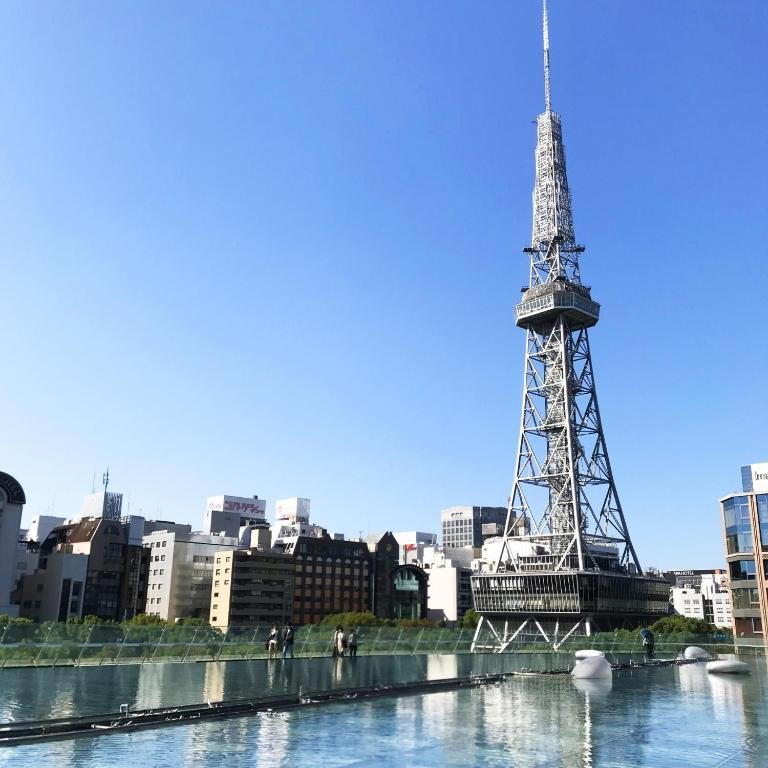
Nishiki has a different rhythm from the station-side hotel-and-department-store circuit. The area supports late eating, compact bars, and short-format meals, so a mazesoba counter makes more sense here than in a quiet residential pocket. BAR Curacao, Yanagiyanishiki, ガストロノミーソール ヤナギヤ, and other Nagoya addresses occupy different parts of the same night-time economy: drinks, tasting menus, sushi, gyoza, and noodles all sit within a few decisions of one another.
For travellers, the editorial question is not whether this is luxurious. It is whether the itinerary has room for Nagoya’s modern noodle idiom. Say yes if the trip has covered the city’s formal meals and needs a local counter format with recognised credentials. Make it lower priority if the schedule is built around long lunches, hotel dining, and quiet early nights.
Japan’s regional food culture is often strongest in precise categories: a bowl, a counter, a local habit, a repeatable finish. For comparison across the country, EP Club’s restaurant archive ranges from 1022, 451, Aaron, Alan., and All Day Dining Montmartre to regional entries such as -Grilled beef Sukiyaki- KAMAKURA TANUKIAN 鎌倉 たぬき庵 in Kamakura. 鮪と炭火焼き うお炭 秋葉原店 in Tokyo.cafe in Osaka.know in Kumamoto, (Shoku) Vietnam in Kawasaki, and [Curry Senmon Ten] Maruyama Kyoju. in Sapporo. For a wider city plan, pair the restaurant map with Our full Nagoya hotels guide, Our full Nagoya bars guide, Our full Nagoya wineries guide, and Our full Nagoya experiences guide. For Japan-adjacent drinking and casual formats outside Nagoya, see Jōdo Saké Bar in Los Angeles and Onigiri Time in Pasadena.
What It’s Closest To
Comparable venues by cuisine and price in the same metro.
| Venue | Cuisine | Price | Notes |
|---|---|---|---|
| Ramen Maze-soba Arashi Nishiki tenThis venue — the venue you are viewing | Nagoya-style Taiwanese Mazesoba & Ramen Counter | $ | Not listed |
| Kanmiya Sawada Shoten | Japanese Kakigori & Sweets Café | $ | Naka |
| Taylor Tail | Japanese Bakery-Cafe | $ | Higashi |
| O Dashi to Ginshari Chuka Soba Nito | Ramen & chuka soba near Nagoya Station | $ | Nakamura |
| Kounan JR sentoraru tawazu ten | Ramen & Gyoza Shop | $ | Nakamura |
| Masago | Traditional Nagoya ramen (chuka soba) counter | $ | Naka |
Recognition history
Dated appearances from independent guides and award organizations, with the underlying list record or original source where available.
Tabelog 100 #27 · No. 27
Tabelog · Tabelog 100 - Ramen - AICHI - 2025
Continue exploring
More in Nagoya
Restaurants in Nagoya
Browse all →
At a Glance
- Lively
- Cozy
- Intimate
- Solo
- Casual Hangout
- Late Night
- After Work
- Standalone
- Local Sourcing
- Street Scene
Tiny, non-smoking counter-only shop with a casual, bustling late‑night atmosphere, focused on quick solo or friends’ visits rather than lingering meals.