
Nagoya’s Asian and ethnic dining scene is broader than ramen counters and department-store tonkatsu. Nepal STATION brings Nepalese cooking into Marunouchi’s office district, with curry, izakaya-style drinking, vegetarian options, and a Tabelog 100 Asian cuisine / Ethnic cuisine EAST selection in 2024 placing it among the region’s more visible casual specialists.
Pearl is the En Primeur Club membership app — saves, bookings, and concierge access live there. Same editors, same standards.
- Address
- Japan, 〒460-0002 Aichi, Nagoya, Naka Ward, Marunouchi, 2 Chome−14−15 河合ビル 2F
- Phone
- +81 52-202-8802
- Website
- tabelog.com
 Saves & bookings on Pearl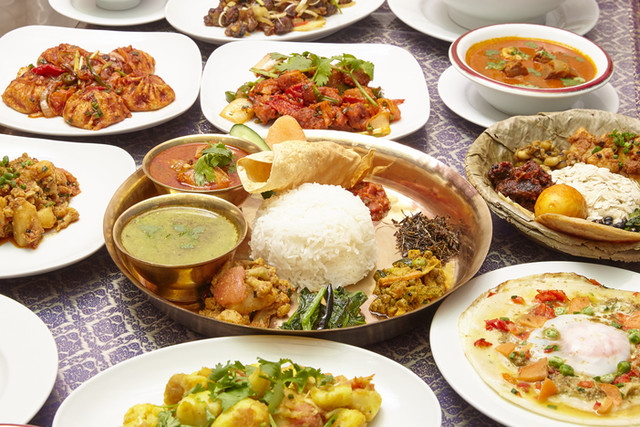
Marunouchi is not Nagoya’s showiest dining quarter, which is why its serious casual rooms matter. Around government offices and business hotels, lunch trade, after-work drinking, and immigrant-run kitchens overlap plainly. Nepal STATION fits that useful middle layer: a second-floor Nepalese and curry address for regular meals, groups, and drinking, not tasting-menu theatre.
That says something about Nagoya in 2026. The city’s premium reputation is often framed through sushi, kappo, and high-spend Japanese counters, yet its everyday depth comes from specialist categories that need no luxury cues. Nepalese cooking in Japan has long adapted to local lunch habits, but stronger restaurants keep links to vegetable-led plates, spice structure, and flexible vegetarian eating rather than becoming generic curry sets. Nepal STATION’s 2024 selection for Tabelog 100 Asian cuisine / Ethnic cuisine EAST gives that casual category a visible marker in a market where recognition is louder for sushi and French-Japanese dining.
Vegetable-led Nepalese cooking in a city that often prizes meat and noodles
Nagoya’s food identity leans on miso, fried cutlets, chicken wings, and noodle shops, so a Nepalese restaurant foregrounding vegetables, wellness-oriented menus, and vegetarian options occupies another lane. That does not make it austere. In Japan, Nepalese restaurants often function as hybrid social spaces: curry house, canteen, and drinking room. The interest is how that format works in Marunouchi: flexible enough for low-cost lunch, broad enough for drinks, and specific enough to sit inside Tabelog’s Asian and ethnic cuisine category rather than the city’s general curry pool.
The sourcing angle matters because Nepalese cooking depends on more than heat. Lentils, greens, pickles, pulses, herbs, and spice blends carry the cuisine’s range, especially when diners do not want meat to dominate. The listed emphasis on vegetables and vegetarian options is the useful signal: non-meat ordering is not an afterthought, important in Japan, where vegetarian meals can still require negotiation outside specialist restaurants.
There is also a drinking-culture crossover. Sake, shochu, wine, and cocktails appear alongside the food, placing the restaurant closer to Nagoya’s casual izakaya rhythm than to a quick-service curry shop. For groups, one table can handle a spice-led meal, a longer drinking session, and mixed dietary preferences without becoming either a bar or a formal restaurant.
Marunouchi's useful middle tier, between counter dining and office-district eating
The competitive context is instructive. In Nagoya, comparison often jumps from inexpensive ramen to high-spend Japanese dining. Chuka Soba Ueda Seimen Ten and Tori Soba Susuru Marunouchi honten sit in the sub-JPY 1,000 noodle bracket, built for speed, repetition, and narrow focus. Kappo Yabushita belongs to a much higher spend category, where the meal is the evening’s central event. Nepal STATION sits between those poles: accessible pricing, broader menu use, and enough recognition to be more than an office fallback.
That middle tier is easy to undervalue. It is where Nagoya residents eat across Asia without making every dinner a reservation project, and where visitors see the city’s non-touristic appetite. The restaurant’s Tabelog score of 3.49 is less important than the category signal attached to its Tabelog 100 selection in 2024 and 2022: this is a casual ethnic restaurant acknowledged within eastern Japan’s crowded field, not a venue relying on novelty.
The room’s scale shapes the experience. A 60-seat format, with private use available and banquet capacity listed above the normal seating count, signals a social restaurant rather than a hushed specialist counter. Tatami room seating and projector availability reinforce that broader function. It can absorb colleagues, families, and mixed groups, significant in a city where many acclaimed rooms are small, chef-facing, and less forgiving of group logistics.
For travellers building a Nagoya dining itinerary, it is a useful counterweight. A night at Sushisho speaks to the city’s sushi ambitions; Kotowari wo Hakarumise Bando and other Japanese-format rooms pull focus toward technique and seasonal progression. A Nepalese meal in Marunouchi adds another reading: immigrant food embedded in the business district, priced for frequent use, and recognised within a regional award list. For broader planning, Our full Nagoya restaurants guide sets it beside the city’s wider restaurant field, while Our full Nagoya hotels guide, Our full Nagoya bars guide, Our full Nagoya wineries guide, and Our full Nagoya experiences guide cover the rest of the trip architecture.
How to read it inside Japan's casual Asian dining circuit
Japan’s casual Asian restaurants often succeed by adapting without dissolving identity. The weak version becomes a broad curry-and-beer room with little origin. The stronger version keeps specificity in ingredients, spice logic, and dietary range while serving local routines and diners searching beyond Japanese standards. The restaurant’s category mix, Nepalese, curry, and izakaya, is exactly that tension: legible to Nagoya diners while retaining enough Nepalese character to earn specialist recognition.
That makes the value proposition sharper than price alone suggests. The average price band sits in everyday territory, yet the restaurant carries Tabelog 100 Asian cuisine / Ethnic cuisine EAST recognition for 2024. In a city where acclaimed meals can climb quickly, this creates a useful editorial category: low-spend restaurants with credible category validation. Those addresses often make a trip feel less programmed.
Readers comparing across Japan can see the same casual-specialist logic in other cities and categories: (Shoku) Vietnam in Kawasaki for Vietnamese cooking, [Curry Senmon Ten] Maruyama Kyoju. in Sapporo for curry specialization, .cafe in Osaka for a different casual format, and .know in Kumamoto for regional dining outside the usual Tokyo-Kyoto axis. These restaurants are not interchangeable; Japan’s serious casual dining often sits below the international-awards radar while doing the daily cultural work.
Within Nagoya, that map can extend from compact local rooms such as 1022, 451, Aaron, Alan. and All Day Dining Montmartre to national and overseas reference points such as -Grilled beef Sukiyaki- KAMAKURA TANUKIAN 鎌倉 たぬき庵 in Kamakura. 鮪と炭火焼き うお炭 秋葉原店 in Tokyo, Jōdo Saké Bar in Los Angeles, and Onigiri Time in Pasadena. The restaurant earns its place through category clarity: vegetables, curry, drinking flexibility, and regional recognition, without asking the diner to treat dinner as ceremony.
Fast Comparison
Comparable venues at the same tier.
| Venue | Cuisine | Price | Notes |
|---|---|---|---|
| Nepal STATIONThis venue — the venue you are viewing | Authentic Nepalese & Curry Restaurant | $ | Not listed |
| Tandoor | Indian Curry House | $ | Nakamura |
| ERICK SOUTH KITTE nagoya ten | South Indian Curry House | $$ | Nakamura |
| Patsu Curry | Traditional East Indian (Odisha) Curry House | $ | Shōwa |
| Curry Senmon Ten cafe New Delhi | Casual Indian curry house | $ | Nakamura |
| Niboshi Ramen 88 Honten | Niboshi (dried sardine) ramen shop | $ | Nakamura |
Recognition history
Dated appearances from independent guides and award organizations, with the underlying list record or original source where available.
Tabelog 100 #60 · No. 60
Tabelog · Tabelog 100 - Asian cuisine / Ethnic cuisine - EAST - 2024
Continue exploring
More in Nagoya
Restaurants in Nagoya
Browse all →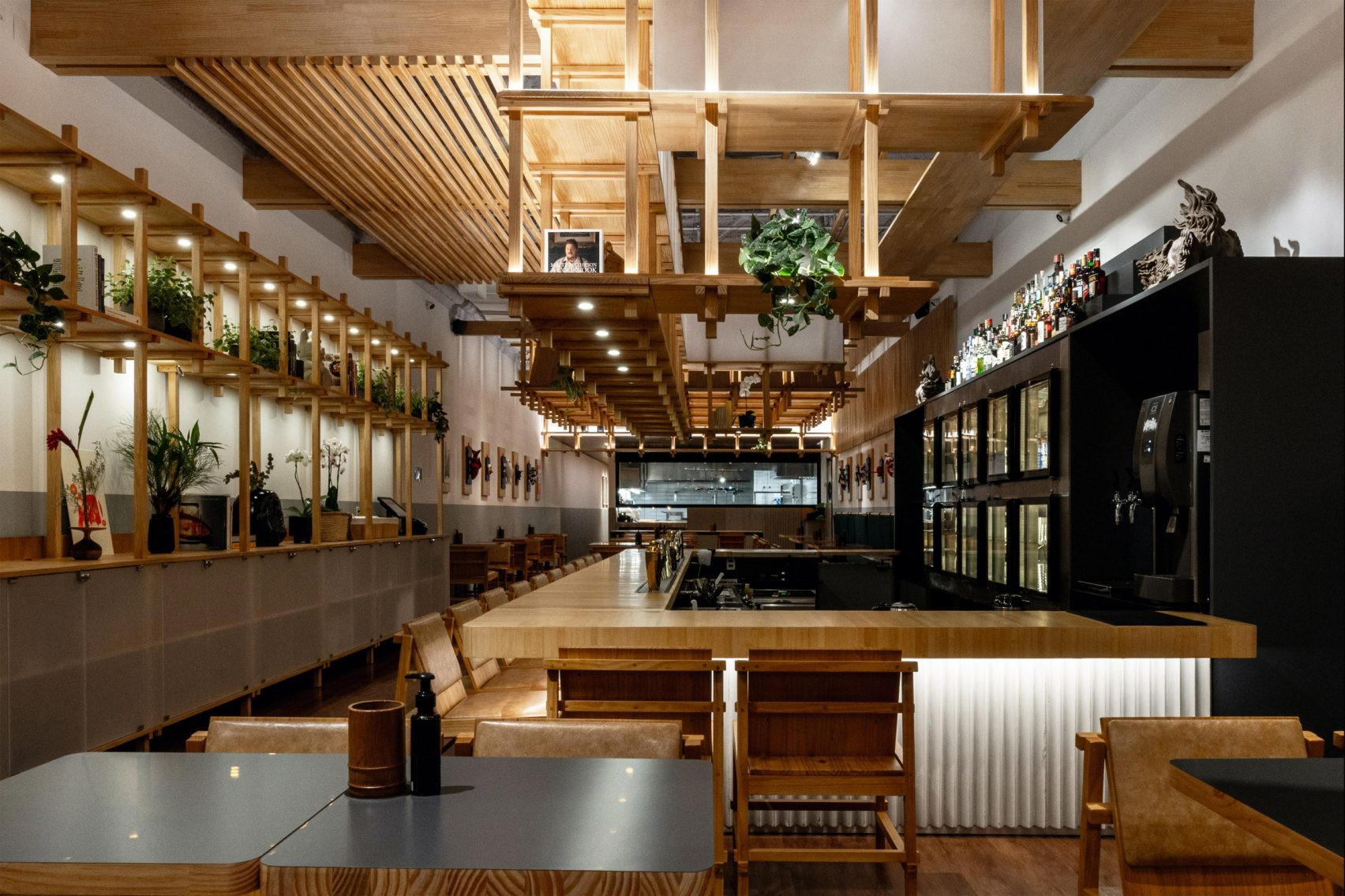
At a Glance
- Cozy
- Lively
- Trendy
- Group Dining
- Casual Hangout
- After Work
- Solo
- Family
- Celebration
- Standalone
- Beer Program
Current opening hours
- Monday
- 11 AM–11 PM
- Tuesday
- 11 AM–11 PM
- Wednesday
- 11 AM–11 PM
- Thursday
- 11 AM–11 PM
- Friday
- 11 AM–11 PM
- Saturday
- 11 AM–11 PM
- Sunday
- 11 AM–11 PM
Hours can change for holidays and private events. Last verified .
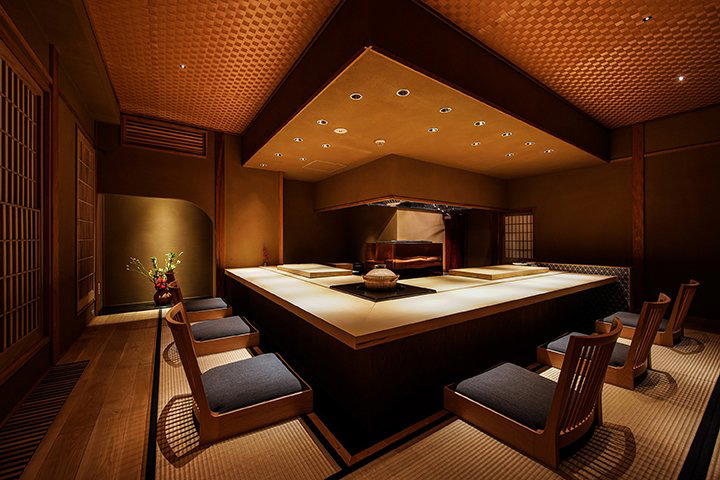
Warm wooden interiors with soft, stylish lighting create a cozy, casual izakaya-like atmosphere that feels welcoming for both everyday meals and group gatherings.