
Nepali Chulo brings Nepalese cooking and curry into Nagoya’s Kanayama orbit with a casual second-floor setting, vegan options, take-out, and a drinks list that includes sake, shochu, wine, and cocktails. Its Tabelog 100 selection for Asian and ethnic cuisine in East Japan in 2024 gives it a clear signal in a category often judged more by regulars than ceremony.
Pearl is the En Primeur Club membership app — saves, bookings, and concierge access live there. Same editors, same standards.
- Address
- Japan, 〒456-0002 Aichi, Nagoya, Atsuta Ward, Kanayamacho, 1 Chome−16−9 つくばビル 2F
- Phone
- +81 52-682-2788
- Website
- instagram.com
 Saves & bookings on Pearl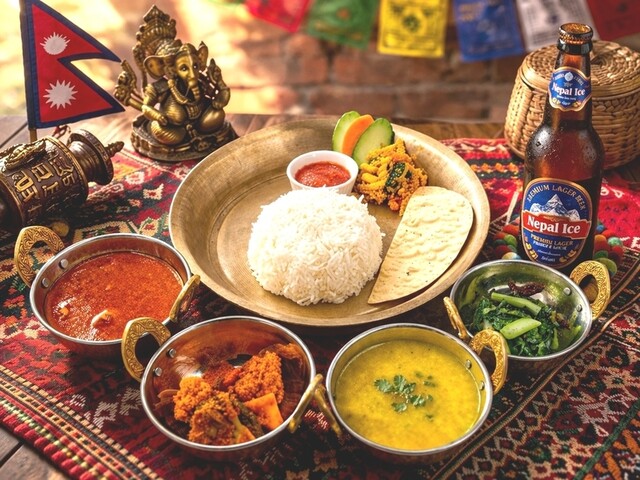
Kanayama’s dining radius is built for movement: station exits, office crowds, family meals, and quick changes before evening trains. Here, Nepalese cooking plays a different role from Nagoya’s heavier local staples, bringing heat, grain, pulses, pickles, curry technique, and casual eating without carelessness. Nepali Chulo sits in that lane, with Nepalese and curry as its working categories and vegan options that broaden the table beyond the usual meat-first curry room.
Nagoya’s serious restaurant conversation often defaults to hitsumabushi, miso katsu, kishimen, and yakiniku, but the city’s everyday appetite is more cosmopolitan. South Asian and Himalayan kitchens have entered Japan’s urban routine through lunch-friendly pricing, flexible sets, and food that suits solo diners and groups. The better examples win not by fine-dining signals but by consistency, range, and a clear grasp of how spice, rice, bread, and drinking food fit Japanese dining habits.
Nepalese curry in Nagoya, judged by regular use rather than ceremony
Read this restaurant not as a formal destination room but as a small-format ethnic-cuisine address inside a commuter district. Tabelog selected it for the 2024 Tabelog 100 Asian cuisine and ethnic cuisine EAST list, recognition that separates it from the broad mass of casual curry shops. Its listed score of 3.58 places it where Japanese diners have registered approval without turning the experience into luxury theatre.
The category rewards a different precision from omakase or kaiseki. Nepalese food in Japan often speaks two languages: one rooted in Himalayan cooking, another shaped by Japanese expectations around lunch speed, portion logic, and approachable spice. The venue’s positioning spans traditional Nepali cuisine, rice dishes, home-style cooking, and items that work with alcohol. That is not incidental: across Japan, ethnic restaurants that last understand the drinking table as well as the lunch plate.
This is where “local ingredients, global technique” becomes more than a slogan. Imported methods adapt to procurement, dining rhythm, and what local guests order repeatedly. Curry technique, rice-based meals, vegan-friendly options, and drinks including sake and shochu create a hybrid grammar: Nepalese food framed for Nagoya rather than frozen in an expatriate bubble. The result is less rarity than fit, the kind that lets an immigrant cuisine enter a city’s ordinary week.
For readers mapping Nagoya by appetite, nearby contrasts help. Yakiniku Jingu and Yakiniku Mitsuboshi sit in a higher spend bracket, built around beef and evening commitment. Mendokoro Suwa and Nakamura So occupy the lower-cost noodle-and-quick-meal rhythm. Binyan falls closer to everyday casual pricing. Nepali Chulo belongs to that accessible middle of the city’s restaurant culture, but its Tabelog 100 recognition gives it a stronger editorial reason to notice than price alone.
A second-floor room for groups, children, and flexible ordering
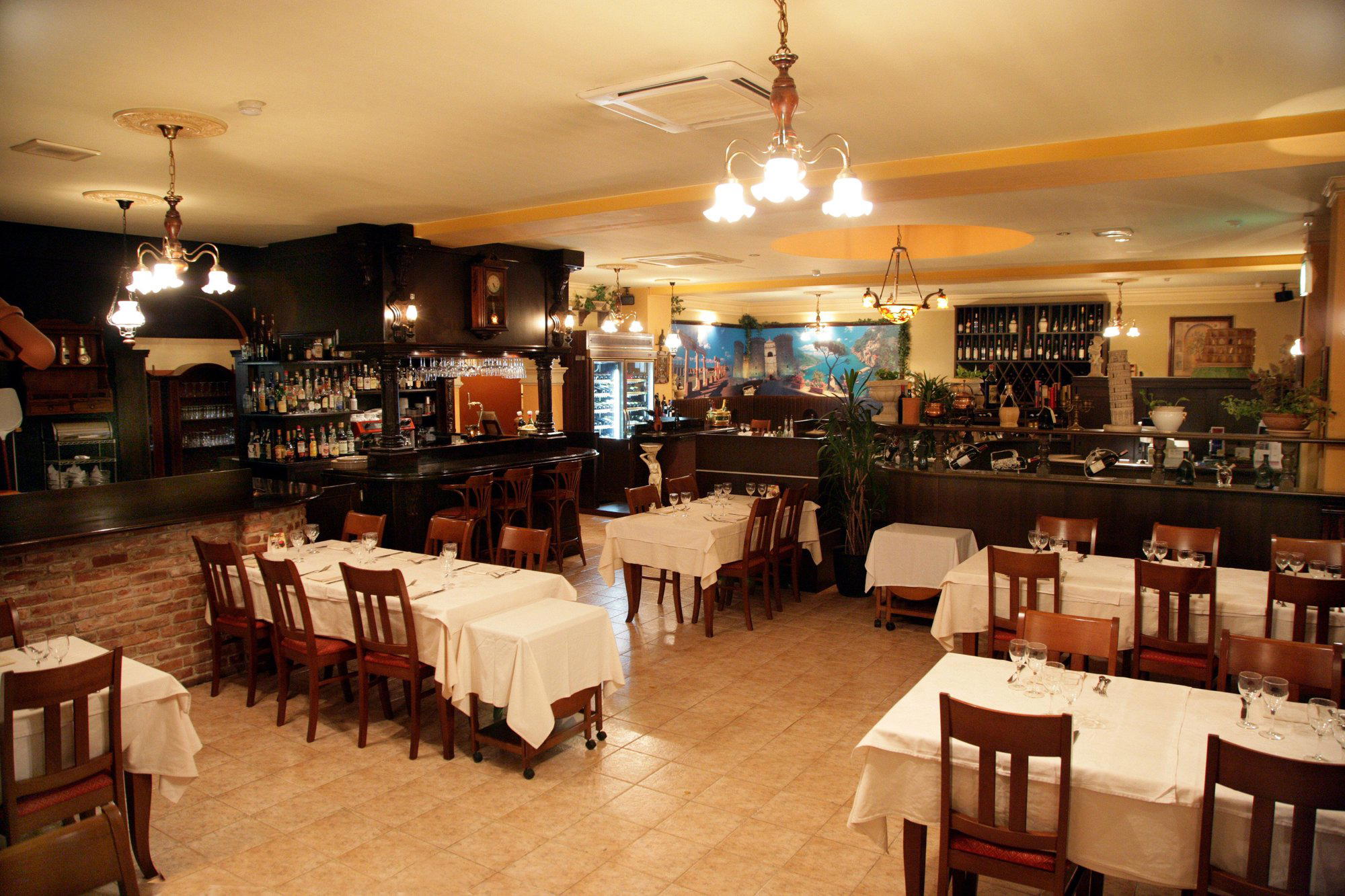
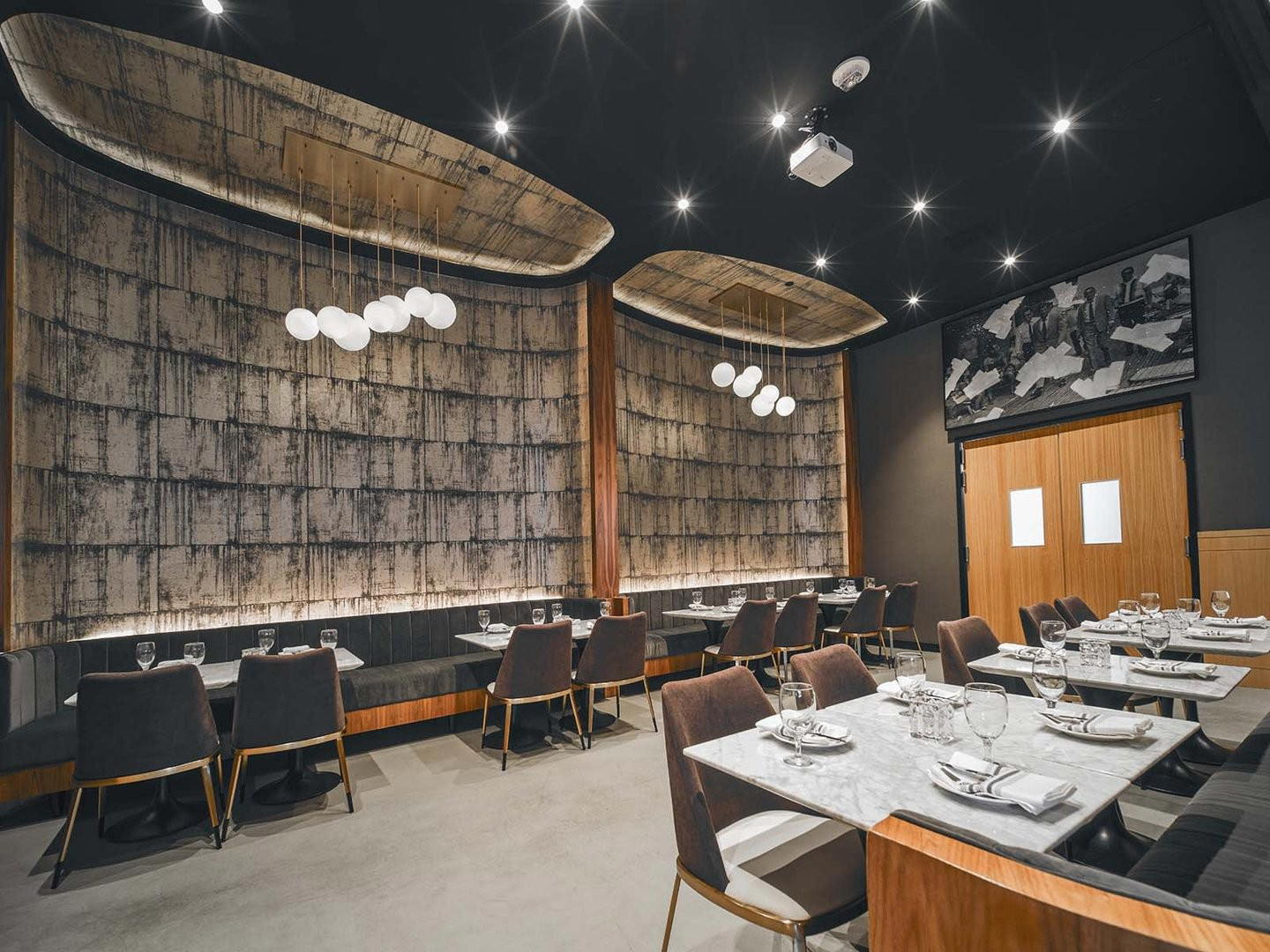
The physical setup matters because casual Asian restaurants in Japan can be cramped, counter-led, or built mainly for speed. Here, capacity is 30 seats, with seven four-person tables and one two-person table, tilting the room toward families and small groups rather than solo-counter dining. Private use is listed for up to 20 people; private rooms are not. Experienced diners can expect an informal room with enough structure for a planned gathering, not a secluded dining salon.
Family friendliness is practical, not decorative. Children are welcome, strollers are welcome, and the second-floor location comes with an explicit offer of help moving a stroller. In Japan, that detail matters, especially around station-adjacent restaurants where stairs, narrow entries, and lunch crowds complicate family dining. Non-smoking status also makes the room easier for mixed-age meals.
The drinks list shows how the meal is meant to function. Sake, shochu, wine, and cocktails are all listed, placing the restaurant closer to a flexible neighborhood dining room than a narrow curry counter. Happy hour and take-out widen the use case. Dinner is the stronger play when the table can move beyond a single curry order into shared dishes and drinks, though pricing keeps lunch firmly everyday.
For a broader Nagoya itinerary, this address fills the gap between destination dining and convenience eating. Pair it with Our full Nagoya restaurants guide for the city’s dining spread, then use Our full Nagoya hotels guide, Our full Nagoya bars guide, Our full Nagoya wineries guide, and Our full Nagoya experiences guide to build around Kanayama rather than treating it as a pass-through rail node.
How it fits the wider curry and ethnic-food map
Japan’s curry culture is broad enough to absorb almost anything, from school-lunch roux to specialist South Asian regional cooking. That breadth makes “curry” imprecise, so the useful marker here is the Nepalese category alongside curry, plus the Tabelog 100 ethnic-cuisine selection. It signals a restaurant read within an Asian and ethnic context, not simply another generic curry stop.
Travelers comparing casual Asian restaurants across Japan will recognize the pattern. (Shoku) Vietnam in Kawasaki shows Vietnamese cooking folded into suburban Japanese dining. [Curry Senmon Ten] Maruyama Kyoju. in Sapporo shows curry as a specialist pursuit in another climate and city rhythm. .cafe in Osaka and .know in Kumamoto sit in other casual formats, while. 鮪と炭火焼き うお炭 秋葉原店 in Tokyo belongs to a more izakaya-adjacent reading of everyday dining. The through-line is how Japanese cities make imported or flexible formats routine, not sameness.
Nagoya’s comparison set runs from numbered and name-led restaurants such as 1022, 451, Aaron, Alan. and All Day Dining Montmartre to destination categories elsewhere in Japan, including -Grilled beef Sukiyaki- KAMAKURA TANUKIAN 鎌倉 たぬき庵 in Kamakura. Internationally, Jōdo Saké Bar in Los Angeles and Onigiri Time in Pasadena point the opposite way: Japanese formats translated abroad. Nepali Chulo is the mirror image, with Nepalese cooking translated into Nagoya’s daily restaurant language.
Budget and Context
Comparable venues in the metro at similar price points.
| Venue | Cuisine | Price | Notes |
|---|---|---|---|
| Nepali ChuloThis venue — the venue you are viewing | Not listed | $ | Not listed |
| Curry Senmon Ten cafe New Delhi | Nakamura, Casual Indian curry house | $ | Not listed |
| Taylor Tail | Higashi, Japanese Bakery-Cafe | $ | Not listed |
| Ramen Senmon Ten Tokugawa Cho Josui | Higashi, Ramen & tsukemen shop | $ | Not listed |
| BUCYO COFFEE | Not listed | $ | Nakamura, Nagoya kissaten café with Ogura toast |
| Takumi Mitsukoshi ten | Not listed | $ | Naka, Japanese Curry Counter by Nagoya Takumi |
Recognition history
Dated appearances from independent guides and award organizations, with the underlying list record or original source where available.
Tabelog 100 #90 · No. 90
Tabelog · Tabelog 100 - Asian cuisine / Ethnic cuisine - EAST - 2024
Continue exploring
More in Nagoya
Restaurants in Nagoya
Browse all →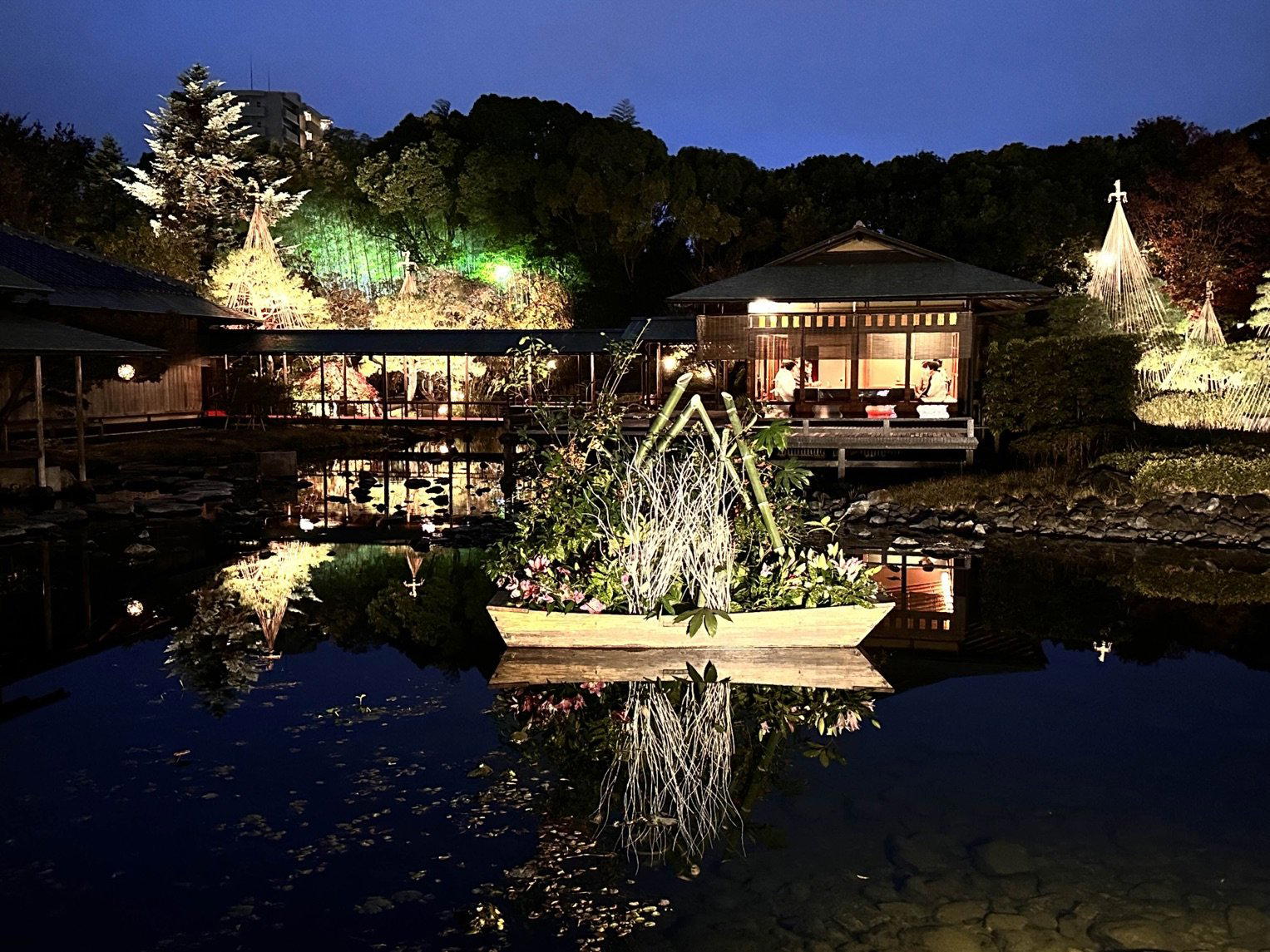



At a Glance
- Group Dining
- Casual Hangout
- Family
- Solo
- Standalone
Current opening hours
- Monday
- Closed
- Tuesday
- Closed
- Wednesday
- Closed
- Thursday
- 11 AM–2:30 PM, 5–10:30 PM
- Friday
- 11 AM–2:30 PM, 5–10:30 PM
- Saturday
- 11 AM–2:30 PM, 5–10:30 PM
- Sunday
- 11 AM–2:30 PM, 5–10:30 PM
Hours can change for holidays and private events. Last verified .
Casual neighborhood Nepali restaurant atmosphere with a focus on hearty home-style dishes and spice-forward curries rather than design or decor.