Located on Rubensgasse in Vienna's 4th district, Tancredi occupies a quiet corner of a city that has spent the last decade rethinking what serious dining looks like. The address places it within reach of Vienna's established fine-dining circuit while operating at a remove from the tourist-heavy 1st district. For visitors tracking the sustainability thread running through Austria's most considered kitchens, it belongs on the list.
Pearl is the En Primeur Club membership app — saves, bookings, and concierge access live there. Same editors, same standards.
- Address
- Rubensgasse 2, 1040 Wien, Austria
- Phone
- +434319410048
- Website
- tancredi.at
- Directions
- Get directions
 Saves & bookings on Pearl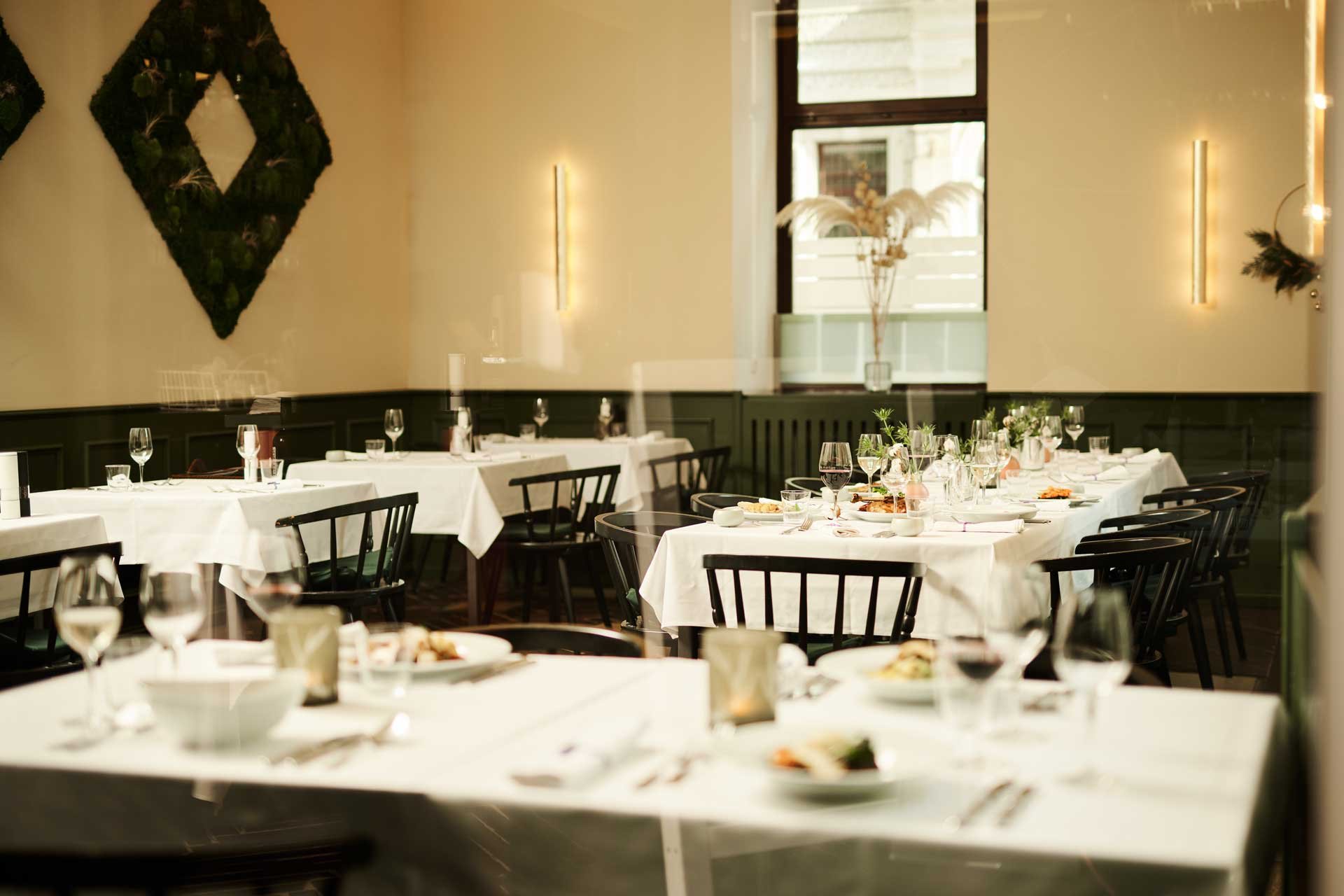
Vienna's Fourth District and the Ethics of the Plate
Austrian fine dining has undergone a quiet but consequential shift over the past fifteen years. The country's best-regarded kitchens, from Steirereck im Stadtpark in the Stadtpark to Mraz & Sohn further north, have moved sourcing questions to the centre of the conversation, not as marketing language but as structural decisions that shape menus, supplier relationships, and the actual experience on the plate. Tancredi is a restaurant in Vienna's 4th district (Wieden), serving modern Austrian-Mediterranean cuisine at about $43 per person. It belongs to that broader current. The address is telling: the 4th district sits just south of the Ring, dense with residential life and largely off the route of visitors moving between the Kunsthistorisches Museum and the Naschmarkt. A restaurant choosing this location over the more visible 1st or 7th is making a statement about its intended audience.
The Sustainability Thread in Vienna's Kitchen Scene
To understand where Tancredi positions itself, it helps to map the broader movement it operates within. Vienna has developed a credible tradition of kitchens that treat environmental accountability as a culinary discipline rather than an afterthought. Konstantin Filippou has built an identity around produce that reflects the seasons of the Danube region. Amador works within a European fine-dining framework that increasingly demands traceability at the summit tier. Across Austria more broadly, the pattern holds: kitchens like Döllerer in Golling an der Salzach, Obauer in Werfen, and Kräuterreich by Vitus Winkler in Sankt Veit im Pongau have made regional sourcing and waste reduction central to their identities, not peripheral flourishes. Tancredi enters a city where that expectation is already established.
The operational logic behind sustainability-led kitchens at this level is more demanding than it appears from the outside. Tight supplier networks mean shorter menus with less redundancy, which in turn demands a kitchen that can extract maximum utility from each ingredient across multiple preparations. The nose-to-tail and root-to-stem thinking that now defines the genre at places like Griggeler Stuba in Lech and Landhaus Bacher in Mautern an der Donau requires technical discipline that guests rarely see directly but consistently taste.
Reading the Room: Wieden as a Dining Address
The 4th district carries a different social character than Vienna's more tourist-oriented quarters. Wieden is predominantly residential, with a density of locals who eat out regularly rather than visitors making a single special-occasion booking. Restaurants that thrive here tend to build repeat clientele rather than relying on discovery traffic. That dynamic has implications for how a kitchen like Tancredi likely operates: the offer needs to reward return visits, which typically means menus that rotate with enough frequency to keep regulars engaged. It is the same logic that drives the seasonal rotation models at Ikarus in Salzburg and Ois in Neufelden, though those kitchens operate in different geographic contexts.
For a visitor approaching Tancredi from outside Vienna, the Wieden address is also a practical advantage. The neighbourhood is easily reached from the central tram and U-Bahn network, and the residential character means parking and arrival are less fraught than at high-traffic 1st district addresses. The Naschmarkt, Vienna's primary produce market and a useful reference point for understanding what seasonal Austrian cooking looks like at the source, is less than ten minutes on foot.
Peer Context: Where Tancredi Sits in the Vienna Fine-Dining Tier
Vienna's serious dining scene has stratified into broadly three price and ambition tiers. At the apex sit the Michelin-starred rooms: Steirereck, Doubek, Konstantin Filippou, and the Silvio Nickol Gourmet Restaurant at the Palais Coburg. Below them, a competitive middle tier of kitchens with serious culinary ambition but less institutional recognition has grown considerably over the last decade. Tancredi operates in that space, a city where the cost of serious cooking has risen substantially and where diners arriving from markets like London, New York, or Tokyo will find the price-to-quality relationship at mid-tier Vienna restaurants notably strong by comparison. For context, the tasting-menu format at equivalent ambition in New York (think Atomix) or in a Michelin three-star seafood room like Le Bernardin carries a price premium that Vienna's mid-tier does not yet approach.
The Austrian kitchens that have built the strongest sustainability credentials, Gourmetrestaurant Tannenhof in Sankt Anton am Arlberg, Schwarzer Adler in Hall in Tirol, and Restaurant 141 by Joachim Jaud in Mieming, tend to sit in the alpine regions where local sourcing is both philosophically coherent and logistically practical. The challenge for a Vienna kitchen pursuing the same ethics is that the capital's supply chain is more complex, with more intermediaries and less direct farm-to-table access than a kitchen embedded in a rural Austrian food network. Making regional, ethical sourcing work in a city of nearly two million people is a harder operational problem, and the kitchens that solve it credibly earn a different kind of respect within the trade.
Planning a Visit
For readers structuring a Vienna dining itinerary, Tancredi sits naturally within a Vienna dining itinerary that moves between the 4th district and the broader city.
| Venue | District | Cuisine Tier | Price Band | Booking Lead Time (approx.) |
|---|---|---|---|---|
| Tancredi | 4th (Wieden) | Mid-to-upper | Not published | Check directly |
| Steirereck im Stadtpark | 3rd (Stadtpark) | Apex | €€€€ | Several weeks minimum |
| Konstantin Filippou | 1st | Apex | €€€€ | Several weeks minimum |
| Mraz & Sohn | 20th (Brigittenau) | Upper | €€€€ | Weeks in advance |
| Amador | 19th (Döbling) | Upper | €€€€ | Weeks in advance |
A Quick Peer Check
Comparable venues nearby, for context on price, style, and recognition.
| Venue | Cuisine | Price | Notes |
|---|---|---|---|
| TancrediThis venue — the venue you are viewing | Modern Austrian-Mediterranean | $$ | Not listed |
| DAST Restaurant | Modern Austrian Tapas | $$ | Wahring |
| Émile | Modern Austrian Brasserie | $$$ | Inner City |
| Porzellan | Modern Austrian Lounge | $$ | Inner City |
| Schatz Imhof | Modern Austrian Contemporary | $$$ | Alsergrund |
| Sperling im Augarten | Modern Austrian with Vegetarian Focus | $$ | Brigittenau |
Continue exploring
More in Vienna
Restaurants in Vienna
Browse all →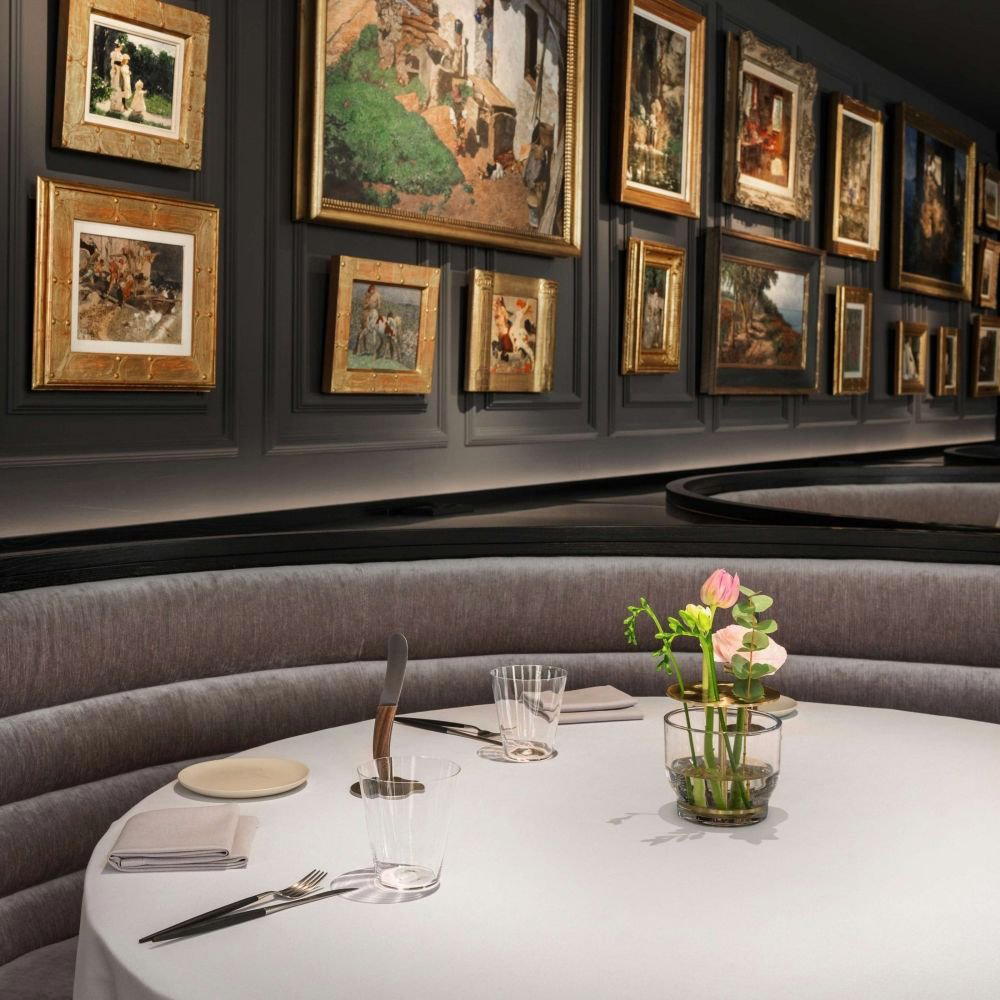
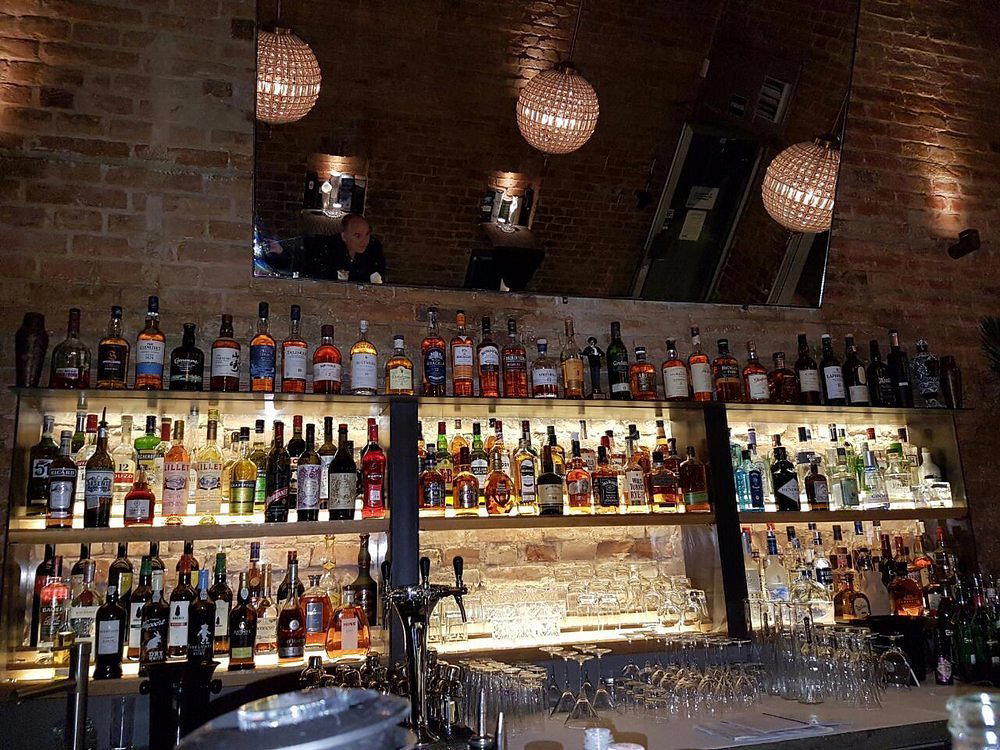
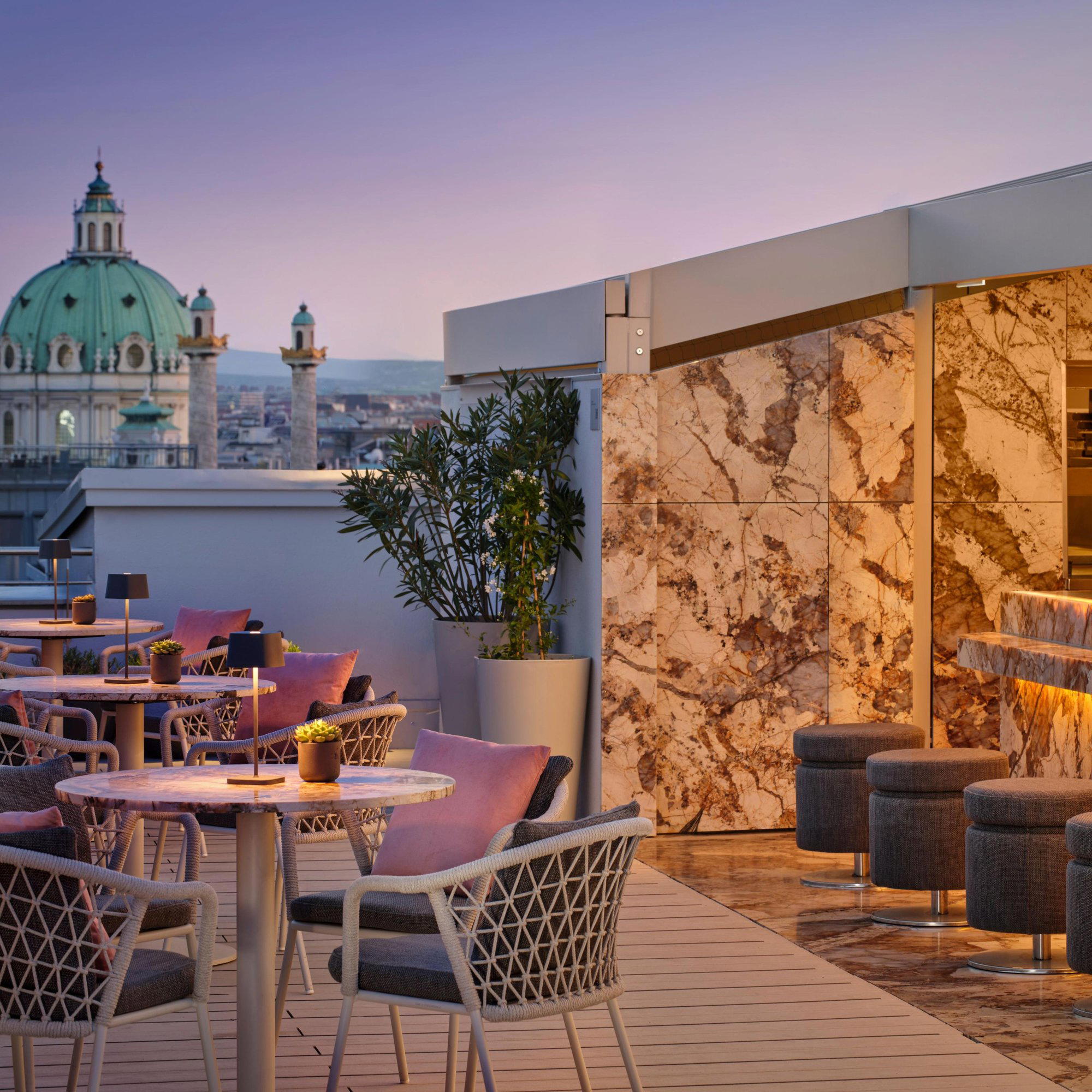
Bars in Vienna
Browse all →

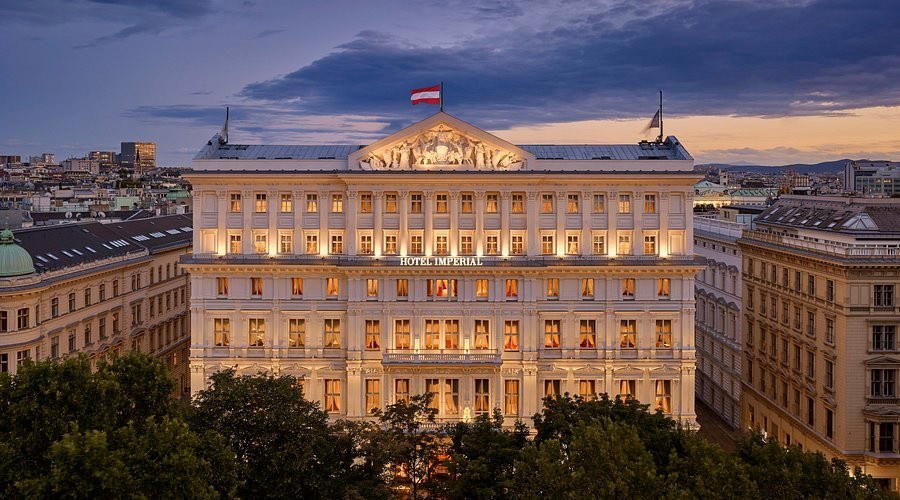
Hotels in Vienna
Browse all →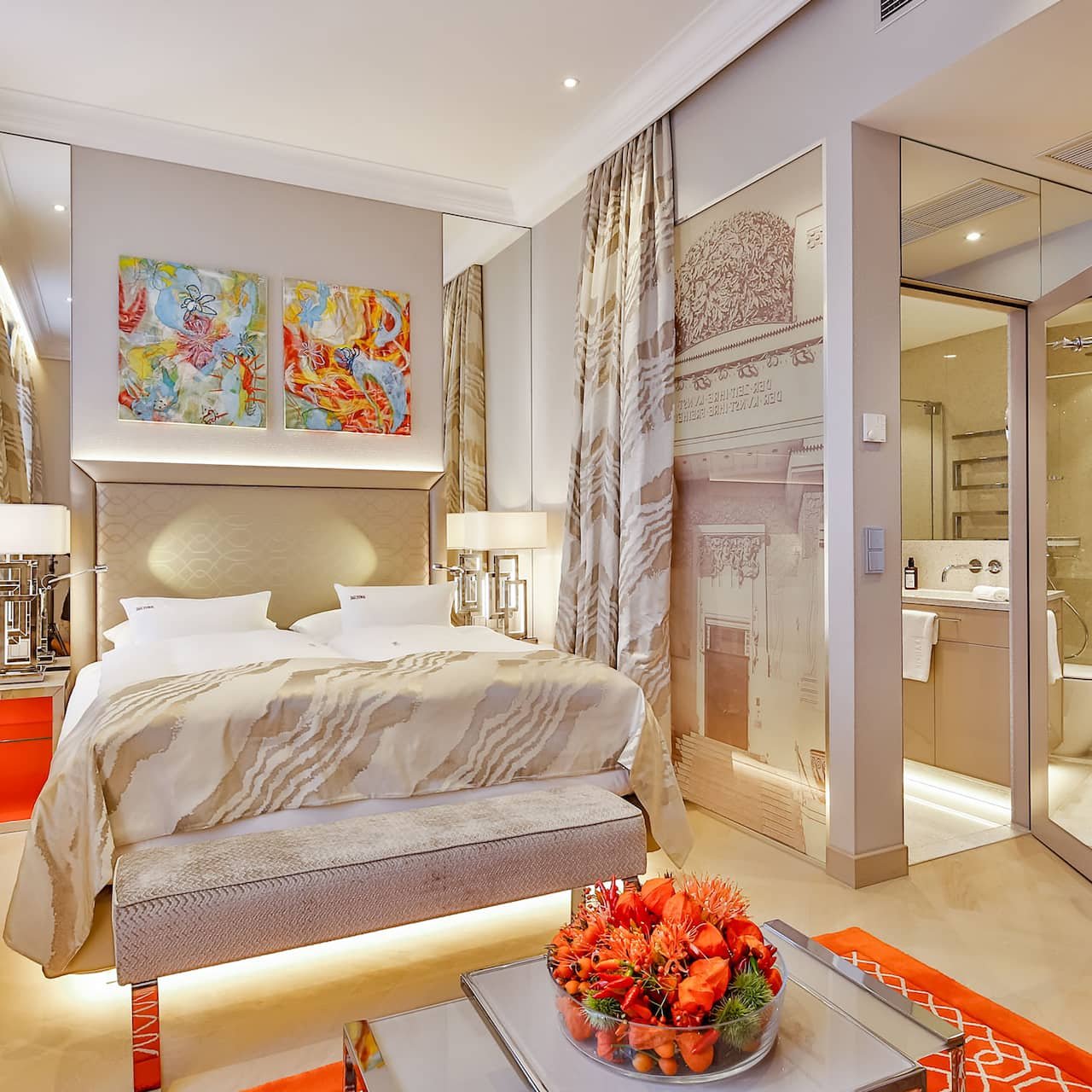
At a Glance
- Cozy
- Elegant
- Date Night
- Family
- Group Dining
- Garden
- Private Dining
- Garden
Current opening hours
- Monday
- 11 AM–11 PM
- Tuesday
- 11 AM–11 PM
- Wednesday
- 11 AM–11 PM
- Thursday
- 11 AM–11 PM
- Friday
- 11 AM–11 PM
- Saturday
- 11 AM–11 PM
- Sunday
- 11 AM–11 PM
Hours can change for holidays and private events. Last verified .
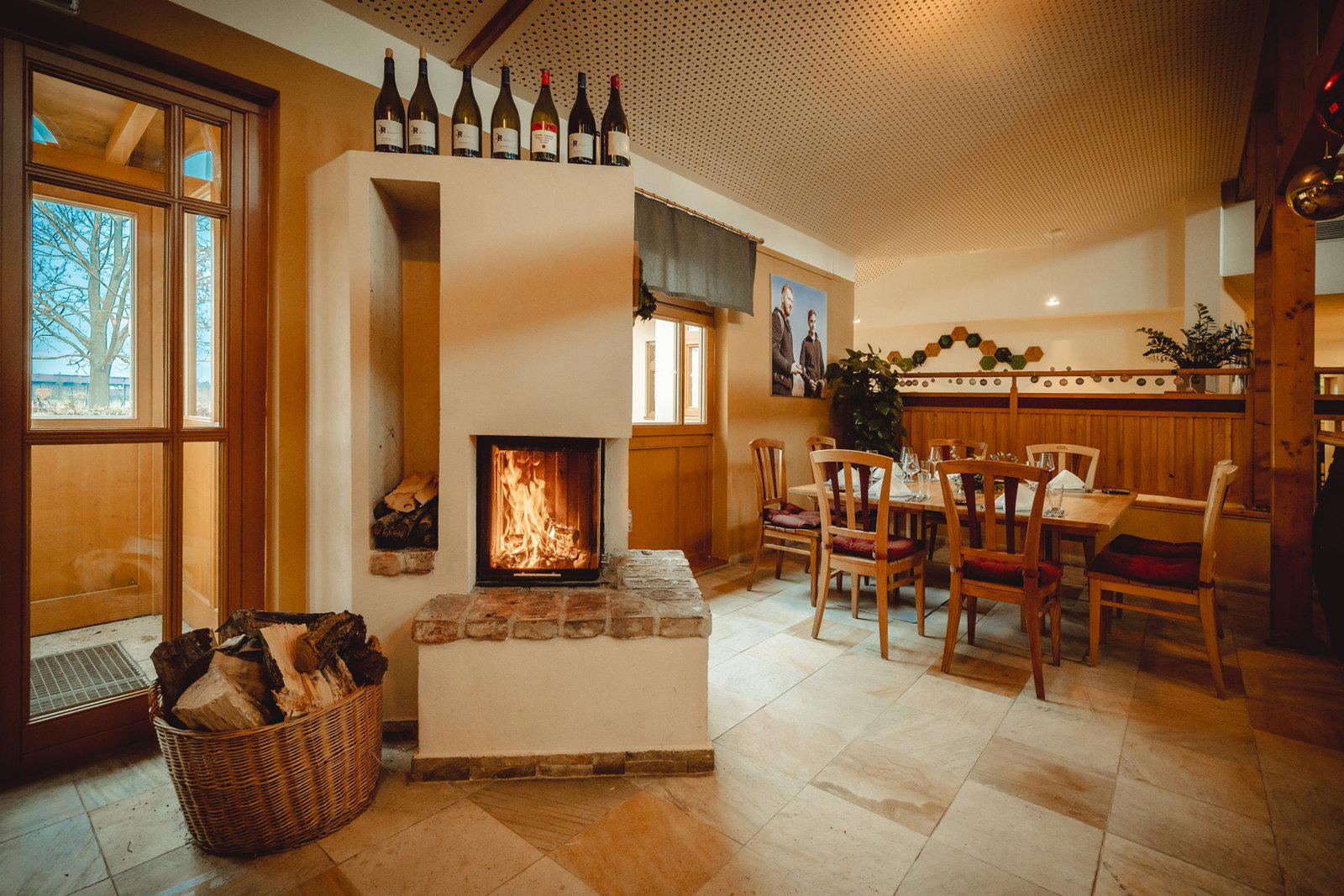
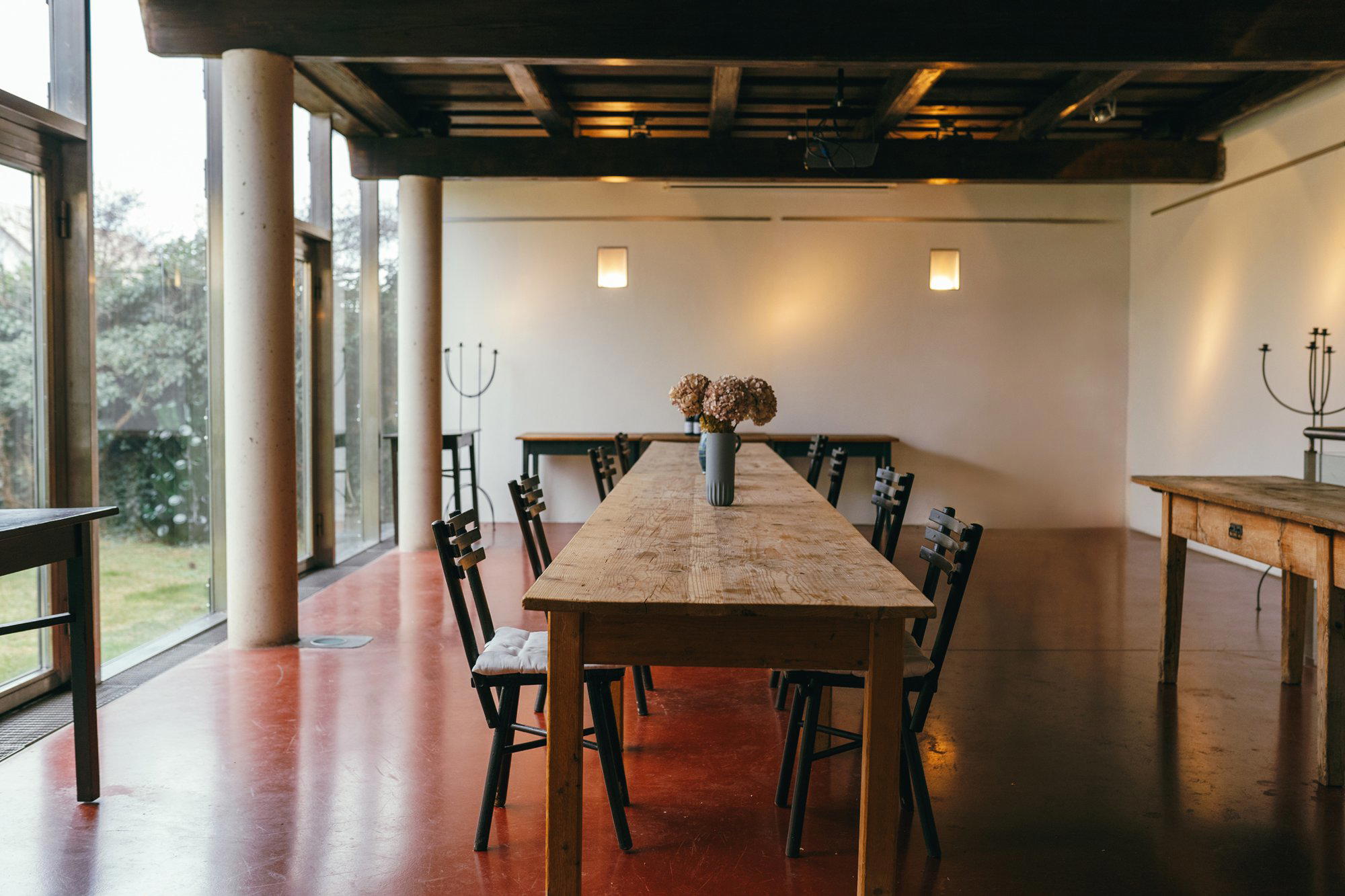
Warm and welcoming atmosphere with pleasant indoor and garden seating, praised for its cozy and elegant setting.