Taïm occupies a measured position in Vienna's First District dining scene, address Dorotheergasse 11, within the dense culinary corridor of the Innere Stadt. Set against a neighbourhood defined by the city's most decorated restaurant rooms, it represents a distinct point of comparison for visitors mapping the Austrian capital's range of dining registers and wine cultures.
Pearl is the En Primeur Club membership app — saves, bookings, and concierge access live there. Same editors, same standards.
- Address
- Dorotheergasse 11, 1010 Wien, Austria
- Phone
- +434313460649
- Website
- taim.at
- Directions
- Get directions
 Saves & bookings on Pearl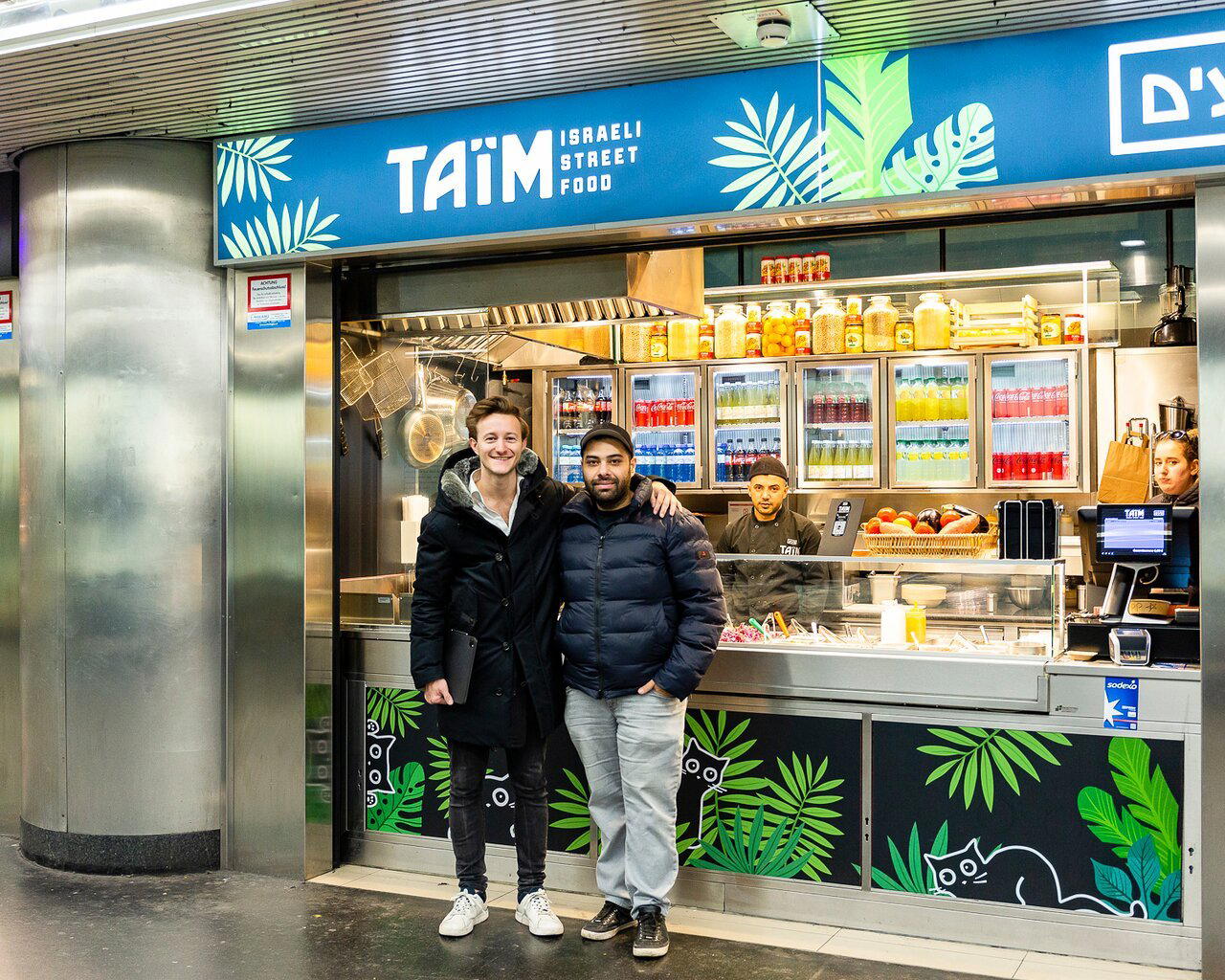
Vienna's First District and the Question of Register
Taïm is a restaurant serving Israeli Street Food at Dorotheergasse 11, 1010 Wien, Austria. The First District contains the highest concentration of formally ambitious restaurants in Austria, from Steirereck im Stadtpark at the apex of the creative Austrian tradition to Amador and Konstantin Filippou, both of which press into modern European territory with serious technical intent. Within this geography, Dorotheergasse, a short street running south from the Graben, flanked by auction houses, galleries, and the Jewish Museum, has its own specific character: quieter than the pedestrian main drag, more considered in its commercial texture.
Taïm sits at number 11 on that street.
The Wine Dimension in Vienna's Formal Dining
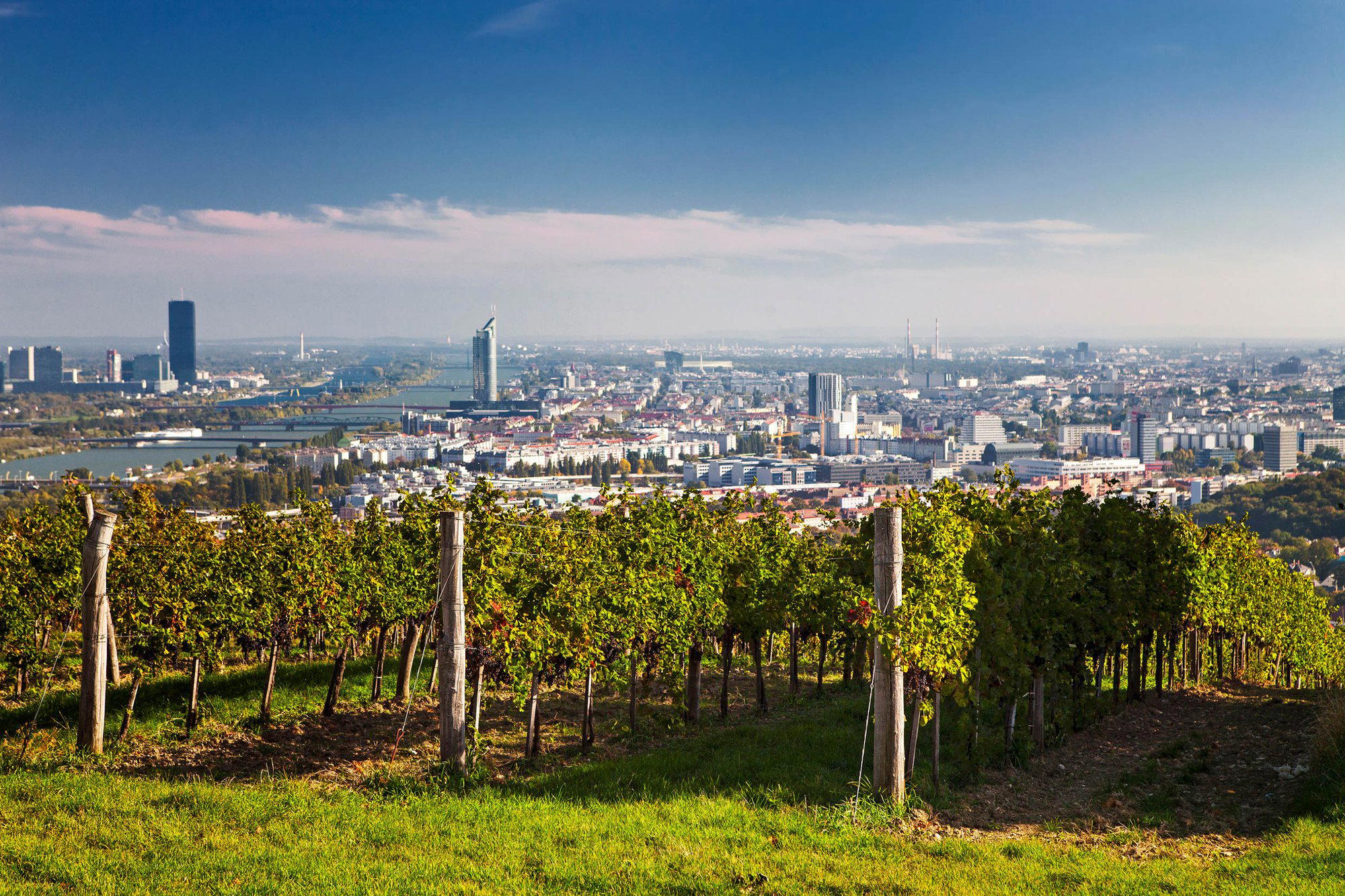
Any serious restaurant operating in central Vienna confronts a wine question that is unusually layered by international standards. Austria's home-grown wine identity is genuinely complex: Grüner Veltliner from the Kamptal and Wachau, Blaufränkisch from Burgenland, Riesling from steep Danube terraces, and an emerging cohort of orange and natural producers that have attracted international attention over the past decade. Vienna itself is the only major European capital with commercial vineyards operating within the city boundary, the Wiener Gemischter Satz tradition producing field-blend whites from hillside sites like Nussberg and Bisamberg.
The better dining rooms in the First District treat this local wine heritage as an obligation rather than an option. Mraz and Sohn has built a reputation for cellar depth that extends Austrian producers across multiple vintages, allowing guests to trace the arc of a specific vineyard or winemaker across years rather than simply picking a style. Doubek operates in a different register but applies similar rigor to its Austrian selections. The editorial point here is structural: Vienna's food culture expects wine literacy, and venues that shortchange the list signal something about their ambitions more broadly.
For guests arriving at Taïm from comparable dining experiences, say, Le Bernardin in New York City, where the cellar runs to thousands of references across Burgundy and Bordeaux, or Atomix, where the beverage program is as precisely engineered as the kitchen, the Vienna First District context raises a similar expectation of curation depth. How any restaurant on Dorotheergasse answers that expectation says something about where it positions itself in the city's dining hierarchy.
Placing Taïm in the Austrian Dining Spread
Austria's fine dining geography extends well beyond Vienna, and the capital's restaurants exist in conversation with serious kitchens across the country. Döllerer in Golling an der Salzach has built a nationally significant wine program anchored by Alpine producers and Austrian classics. Ikarus in Salzburg takes a different approach entirely, rotating guest chefs through its kitchen in a format that keeps the wine team perpetually adapting pairings. In Lech, Griggeler Stuba demonstrates that the rigorous cellar thinking in Austria is not confined to urban centres. Landhaus Bacher in Mautern an der Donau, sitting directly in Wachau wine country, has had a structural advantage few city restaurants can replicate: proximity to the source, with the ability to source directly and with depth across producer relationships built over decades.
Further afield, Obauer in Werfen, Kräuterreich by Vitus Winkler in Sankt Veit im Pongau, Ois in Neufelden, Restaurant 141 by Joachim Jaud in Mieming, Schwarzer Adler in Hall in Tirol, and Gourmetrestaurant Tannenhof in Sankt Anton am Arlberg collectively represent Austria's regional dining ambition: a country that has invested seriously in kitchen and cellar talent outside its capital. This context matters because it raises the competitive baseline. Visiting Vienna without understanding what the rest of Austria offers at the table is arriving with half the picture.
Planning Your Visit: A Comparative Logistics View
For readers building a Vienna itinerary around serious dining, the following table positions Taïm against its nearest First District comparable set on the practical variables that matter most when booking.
| Venue | Area | Price Range | Booking Lead Time | Format |
|---|---|---|---|---|
| Taïm (Dorotheergasse 11) | First District | Not published | Not confirmed | Not confirmed |
| Steirereck im Stadtpark | Stadtpark | €€€€ | Several weeks minimum | à la carte and tasting menu |
| Konstantin Filippou | First District | €€€€ | 2-4 weeks typical | Tasting menu |
| Mraz and Sohn | Second District | €€€€ | 2-4 weeks typical | Tasting menu |
| Amador | First District | €€€€ | 2-4 weeks typical | Tasting menu |
Just the Basics
Comparable venues nearby, for context on price, style, and recognition.
| Venue | Cuisine | Price | Notes |
|---|---|---|---|
| TaïmThis venue — the venue you are viewing | Innere Stadt, Israeli Street Food | $ | Not listed |
| DR-FALAFEL | Wieden, Israeli Falafel & Shawarma | $ | Not listed |
| Asala Halal Food | Alsergrund, Egyptian Halal Street Food | $ | Not listed |
| Hungry Guy | Not listed | $ | Stephansdom, Middle Eastern Street Food Fusion |
| Der Wiener Deewan | Inner City, Pakistani Curry Buffet | $ | Not listed |
| Makom | Neubau, Israeli Middle Eastern | $$ | Not listed |
Continue exploring
More in Vienna
Restaurants in Vienna
Browse all →
Bars in Vienna
Browse all →
Hotels in Vienna
Browse all →
At a Glance
- Trendy
- Lively
- Casual Hangout
- Standalone
Current opening hours
- Monday
- 10 AM–6 PM
- Tuesday
- 10 AM–6 PM
- Wednesday
- 10 AM–6 PM
- Thursday
- 10 AM–6 PM
- Friday
- 10 AM–6 PM
- Saturday
- Closed
- Sunday
- 10 AM–6 PM
Hours can change for holidays and private events. Last verified .
Casual, bustling street food atmosphere in a metro station with focus on quick, flavorful takeout.