Our verdict
Set along Muthöfeweg in the hillside village of Tirolo, just above Merano in South Tyrol, Talbauer occupies a position where Alpine and Italian culinary traditions have historically converged. The Tyrolean farmhouse dining tradition it represents is rooted in altitude, seasonality, and the particular larder that mountain farming produces. A reference point for visitors building an itinerary around South Tyrol's distinctive food culture.

Pearl is the En Primeur Club membership app, where members save venues, book tables and use the concierge.

The menu
What to order
- Canederli con speck in brodo
- Knödel
- Kaiserschmarrn
- Homemade bacon
- Smoked sausages
Where the Alps Meet the Italian Table
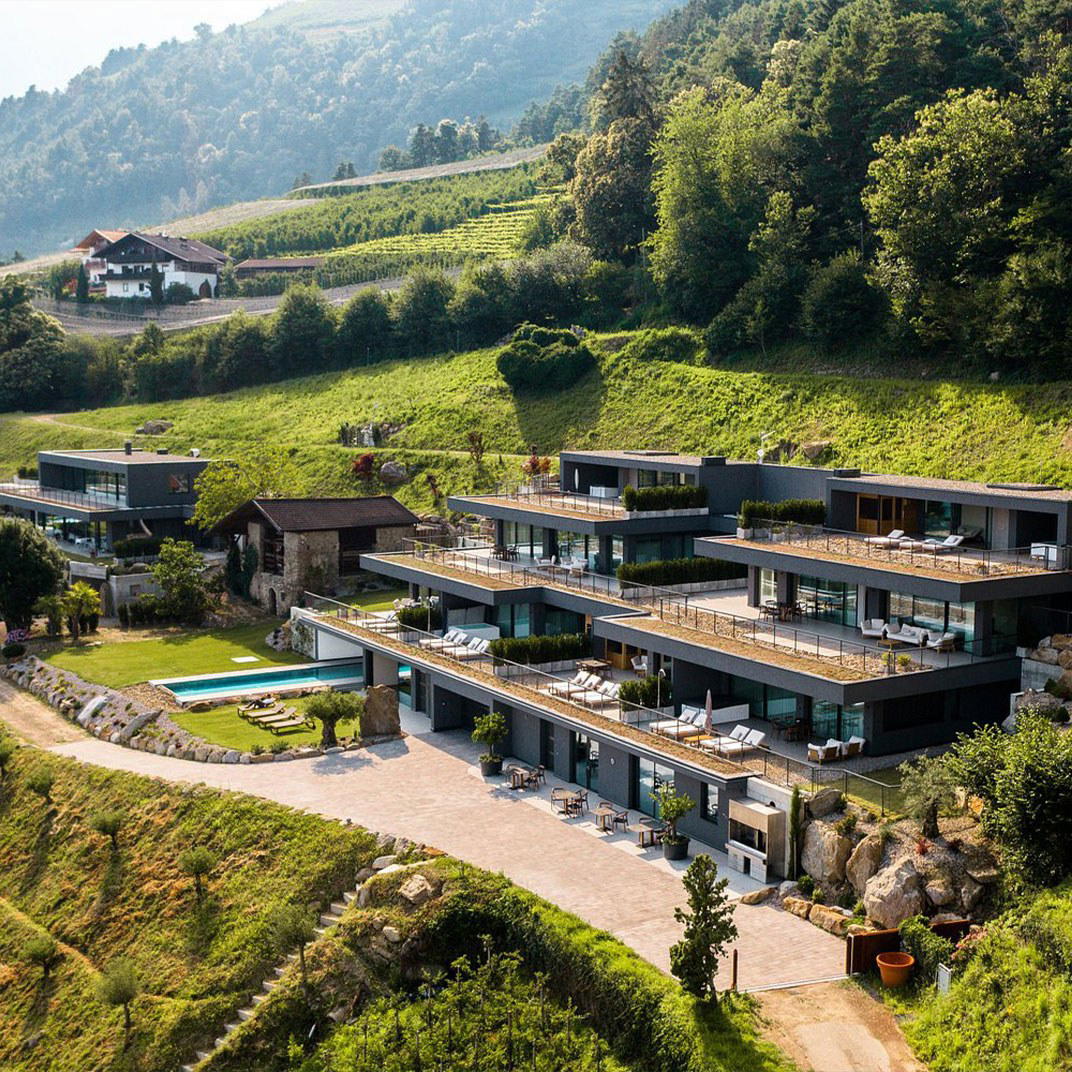
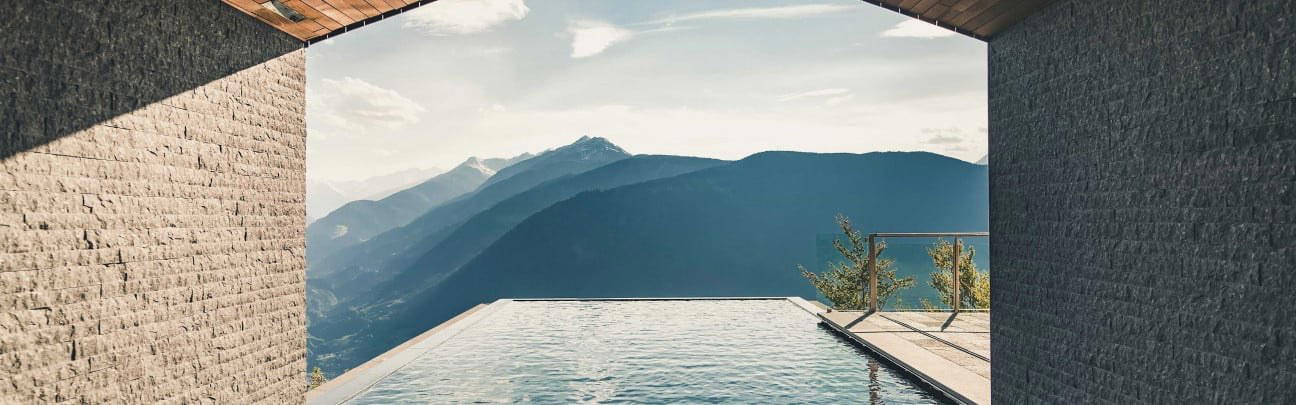
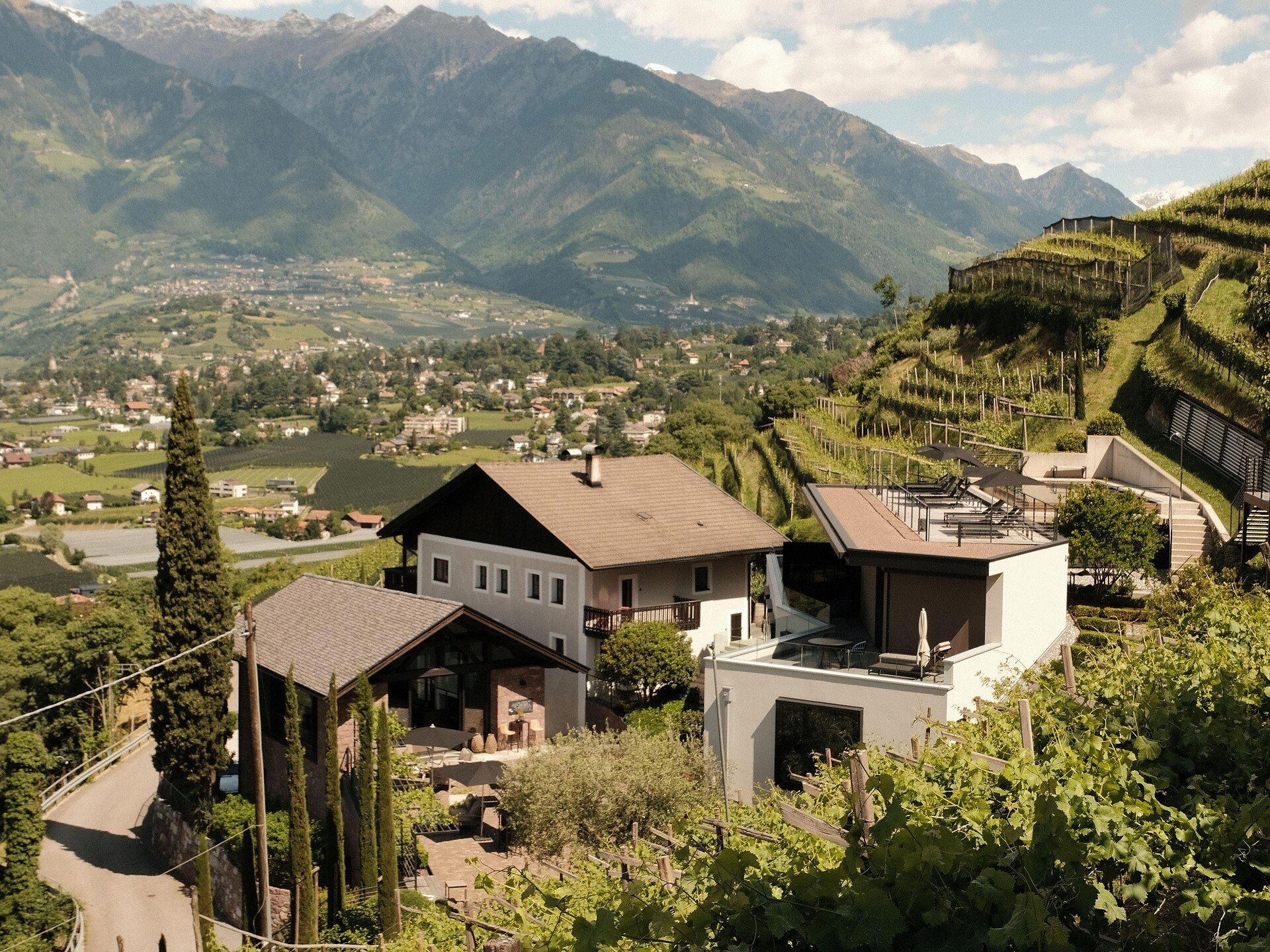
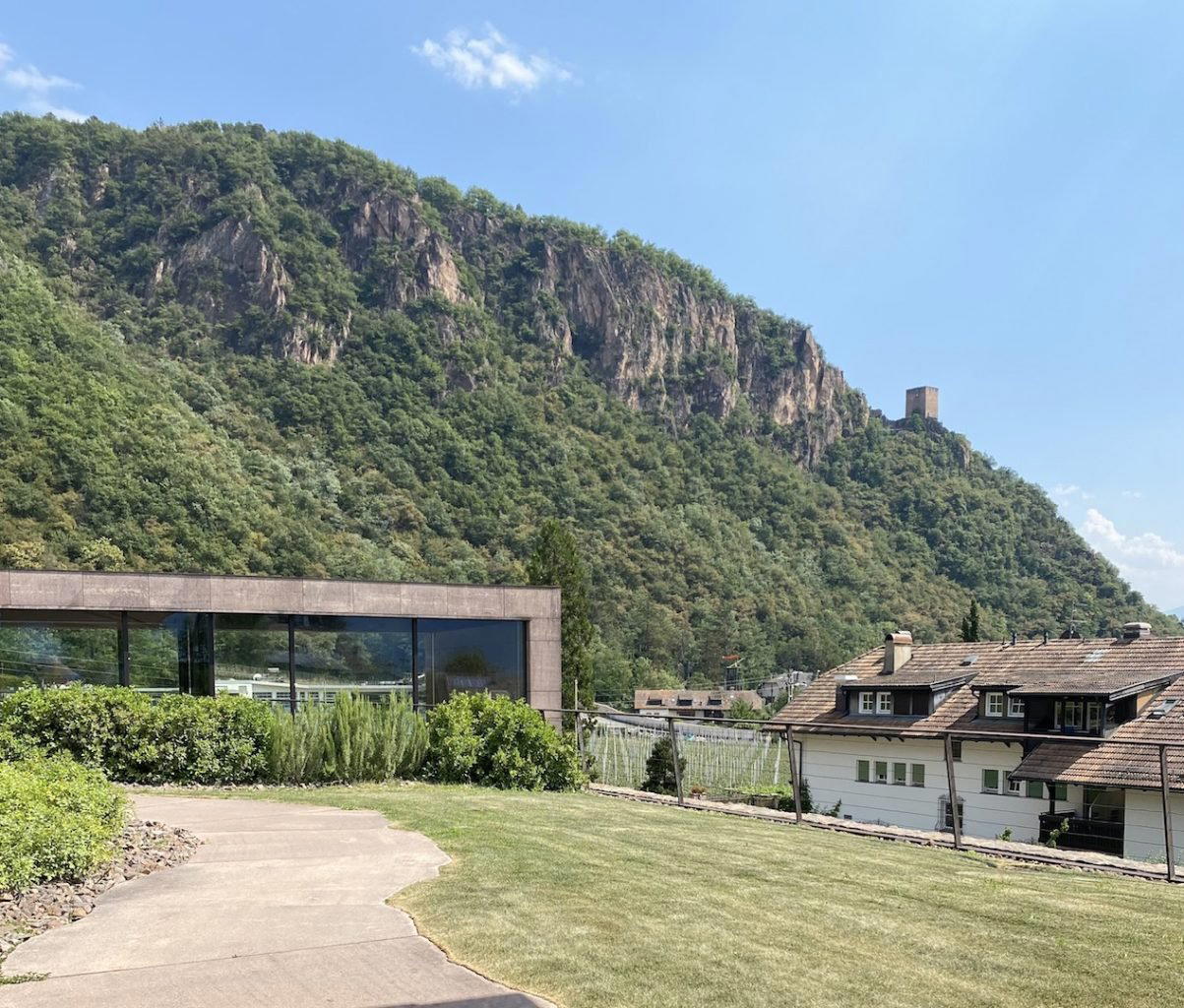
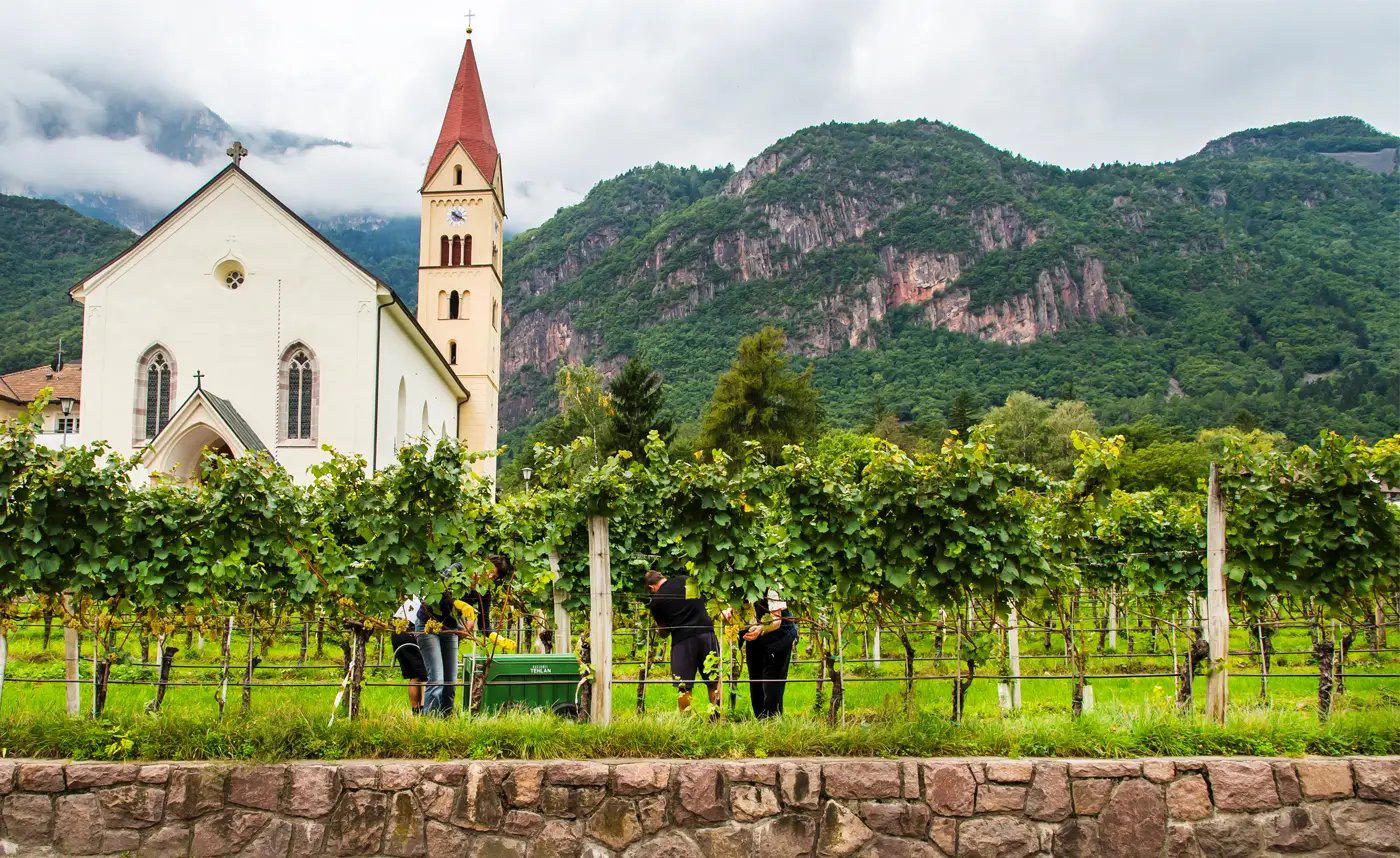
South Tyrol is one of the more geographically specific dining regions in Europe, and Tirolo sits at the centre of that specificity. The village climbs above Merano on a hillside that has been farmed for centuries, and the cooking that developed here draws on two distinct culinary inheritances: the Austrian-Tyrolean tradition of cured meats, rye bread, dumplings, and dairy, and the Italian peninsula's relationship with olive oil, wine, and seasonal produce. Talbauer, on Muthöfeweg in the upper part of the village, is positioned within that overlap. The address places it above the valley floor, where the air is cooler and the views stretch south across the Adige basin toward the Dolomite foothills.
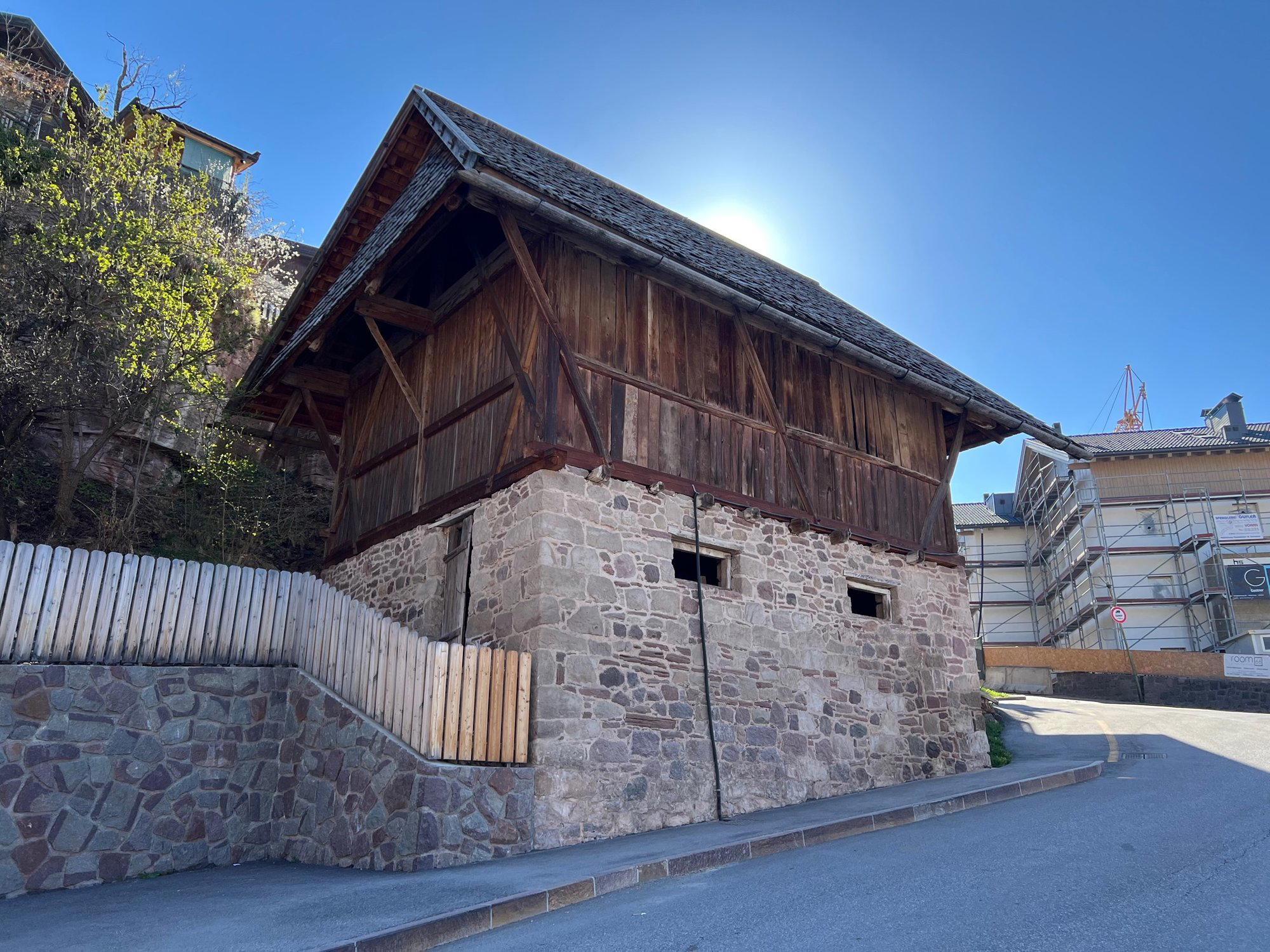
This kind of hilltop farm setting carries specific meaning in South Tyrolean food culture. The Bauer in the name signals a farming origin, and the region's most grounded dining experiences have historically come from properties that maintained a direct connection to land and livestock rather than importing a restaurant concept from below. That agricultural foundation shapes the rhythm of what appears on tables here: what the season produces, what the altitude permits, and what the surrounding landscape has always grown.
The Tyrolean Larder and What It Produces
Understanding Talbauer requires understanding the South Tyrolean kitchen more broadly. This is a tradition built on preservation and altitude. Speck, the region's signature cured meat, is aged in mountain air rather than smoked in the conventional sense, producing a leaner, more complex product than lowland prosciutto. Canederli, the bread dumplings adapted from the Austrian Knödel, appear in variations across the region, often served in broth or alongside mountain cheese. Schlutzkrapfen, half-moon pasta filled with spinach and ricotta, represent the point where Austrian stuffed-dough traditions and Italian pasta-making converged under the same mountain range.
For visitors accustomed to Italy's more southerly cooking, the South Tyrolean table can read as a different country entirely, which in historical terms it partially was. Tirolo gave the region and the county its name, and the village carries that weight in its architecture, its dialect, and its food. The farms that still operate on these slopes produce milk at altitudes that shift flavour profiles noticeably compared to valley dairy, a factor that regional cheese producers and restaurant kitchens in the area have drawn on for generations.
This tradition sits within a broader Italian fine dining scene that has developed significant international recognition. Addresses like Osteria Francescana in Modena and Piazza Duomo in Alba represent the more formally celebrated end of the national spectrum, while Atelier Moessmer Norbert Niederkofler in Brunico demonstrates how the mountain-product philosophy specific to this alpine corridor can reach the highest recognition levels. Talbauer operates in a different register, closer to the farmhouse tradition that underpins the region before it reaches formal dining.
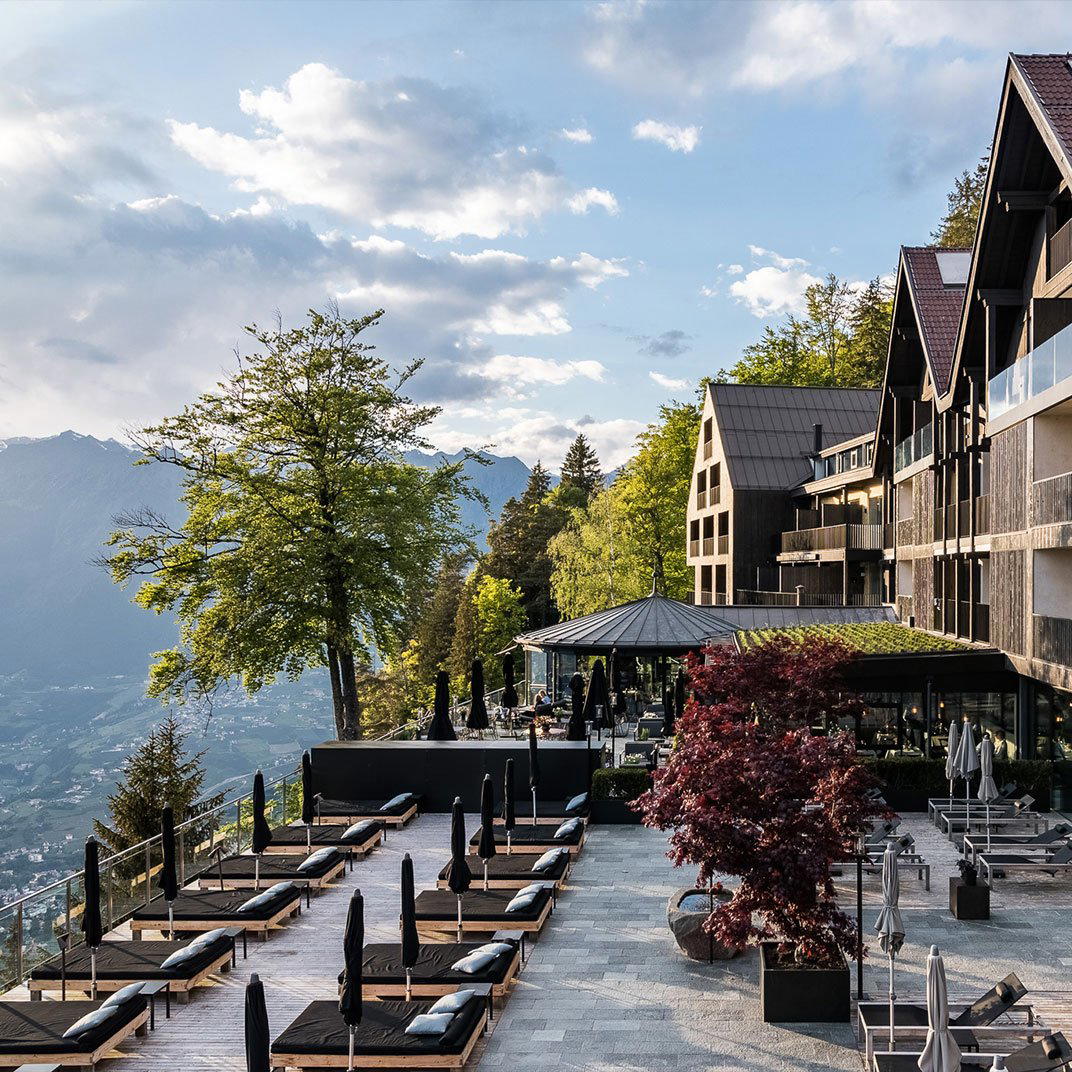
The Setting Above Merano
Merano has functioned as a resort town since the Habsburg period, when its mild climate and therapeutic reputation drew aristocrats and convalescents from across the empire. The surrounding villages, including Tirolo directly above, developed a parallel hospitality culture that served both the town's visitors and the farming communities that had always occupied the hillsides. That dual identity, between agricultural production and tourist accommodation, shaped the character of properties like Talbauer in ways that distinguish them from both urban restaurants and purpose-built resort dining.
The physical approach along Muthöfeweg is part of the experience in itself. The lane climbs through vineyards and apple orchards, the two crops that dominate South Tyrolean agriculture at the lower and middle altitudes, before reaching the higher farmsteads. Apple cultivation in particular runs through the valley in extraordinary density; South Tyrol accounts for a disproportionately large share of Italy's total apple production, and the orchards visible from this hillside road are working agricultural land rather than decorative scenery.
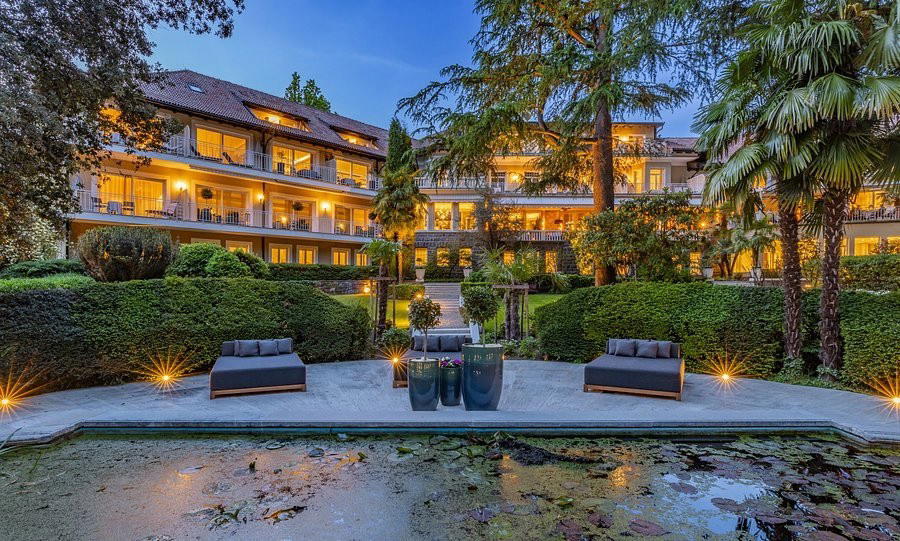
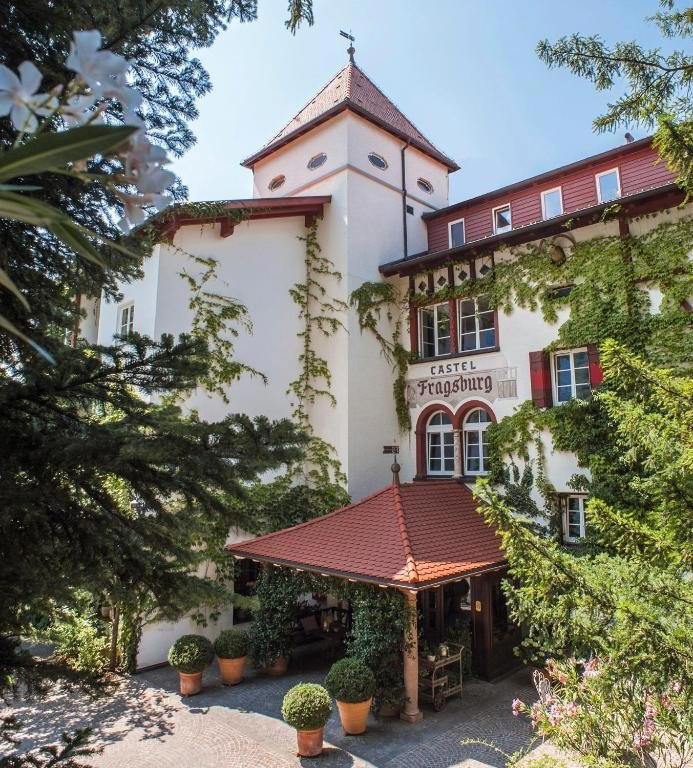
For the broader Tirol dining context, the village also hosts Castel fine dining, which operates in the Creative, €€€€ tier and represents the more formally structured end of the local offer. SomVita Suites and Yoga @ Nature Hotel Aufatmen add a wellness-oriented dimension to the village's accommodation mix. Together, these properties reflect how Tirolo has positioned itself across different visitor profiles rather than consolidating around a single format.
South Tyrol in the Italian Dining Register
Italy's dining geography rewards those who move beyond the canonical central and southern regions. The northeast, from the Veneto through Friuli and up into the alpine provinces, contains a concentration of serious cooking that draws on different source ingredients and different historical pressures than Tuscany or Emilia-Romagna. Le Calandre in Rubano and Casa Perbellini 12 Apostoli in Verona give a sense of what northern Italian fine dining looks like in its more formally recognised forms. Further south, Dal Pescatore in Runate and Uliassi in Senigallia operate from entirely different regional traditions. The range across the country is substantial, and South Tyrol's alpine identity represents one of its more distinct poles.
For those constructing an Italy itinerary that moves between different culinary registers, our full Tirol restaurants guide maps the local options in more detail. Beyond the region, addresses like Enoteca Pinchiorri in Florence, Enrico Bartolini in Milan, Reale in Castel di Sangro, Quattro Passi in Marina del Cantone, and Da Vittorio in Brusaporto provide reference points for how Italy's serious dining offer is distributed across the peninsula. For international comparison, Le Bernardin in New York City and Atomix in New York City represent the kind of precision-driven addresses that frequent Italy travellers often move between on longer trips.
Planning a Visit
Tirolo sits a short drive or a moderate uphill walk above Merano's centre, making it accessible as a half-day excursion from the town or as a base for visitors who prefer the refined village character over the spa-town atmosphere below. The apple and grape harvest months from late August through October align with peak agricultural activity on these hillsides and represent the period when the local larder is at its most expressive. Winter closures are common across South Tyrolean farmhouse properties, so confirming current operating periods before planning is advisable.
Frequently asked questions
What's the address for Talbauer?
Talbauer is located at Muthöfeweg, 3, 39019 Tirolo BZ, Italy, Tirol.
Is Talbauer a good option for visiting South Tyrol's wine country near Merano?
The Merano wine region, anchored by the Meraner Hügel DOC, runs through the hills surrounding Tirolo, making the village a natural stopping point for those tracing Alto Adige's viticultural belt. Talbauer's position at Muthöfeweg 3 in Tirolo BZ places it within that corridor, where food and local wine culture have historically been treated as a single tradition rather than separate attractions.
What should I order at Talbauer?
Talbauer sits in Tirolo, a South Tyrolean village where the regional kitchen is built around speck, cured meats, aged cheeses, and rye-based preparations shaped by altitude and preservation tradition. Any visit should track the locally sourced larder rather than menu imports from further south. Dishes rooted in that Tyrolean framework are the reason to come here specifically.
How far ahead should I plan for Talbauer?
Tirolo is a compact village above Merano that draws both day visitors from the spa town below and longer-stay guests. Tables at well-regarded South Tyrolean addresses in smaller villages tend to fill quickly in peak summer and autumn harvest periods. Booking at least two to three weeks ahead during those windows is a reasonable working assumption.
What's Talbauer best at?
Located on Muthöfeweg in Tirolo BZ, Talbauer draws its identity from the South Tyrolean tradition of altitude-adapted cooking, where the larder is defined by cured and fermented products rather than Mediterranean abundance. That regional specificity, rather than any single dish, is the kitchen's core proposition.
Is Talbauer allergy-friendly?
South Tyrolean cooking at this altitude relies heavily on gluten-containing grains, cured pork products like speck, and dairy from mountain farms, which creates natural limitations for guests with common dietary restrictions.
Is Talbauer worth it?
Tirolo sits above one of South Tyrol's most historically layered resort towns, and restaurants in this position serve a dual function: they carry the region's distinctive food tradition and offer a remove from Merano's more tourist-facing offer. Talbauer's address on Muthöfeweg places it within that quieter, village-scale register, which is itself a reason to choose it over options in the valley.
Cost and Credentials
| Venue | Cuisine | Price | Awards | Notes |
|---|---|---|---|---|
| TalbauerThis venue (the venue you are viewing) | Traditional South Tyrolean | Not listed | Not listed | Not listed |
| Castel fine dining | Modern South Tyrolean Fine Dining | Not listed | 2 Michelin Stars · La Liste Top Restaurants | Creative |
| Yoga @ Nature Hotel Aufatmen | Vegan Tyrolean | Not listed | We're Smart World 3 Radishes | Not listed |
| SomVita Suites | Alpine & Mediterranean | $50–100 | Not listed | Not listed |
Continue exploring
More in Tirol
Restaurants in Tirol
All restaurants in Tirol →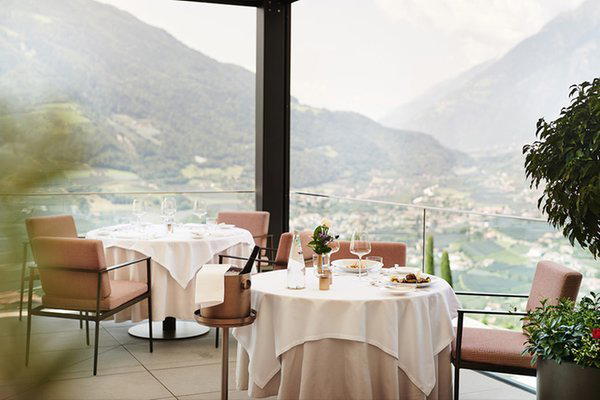
Details
- Rustic
- Cozy
- Scenic
- Family
- Casual Hangout
- Historic Building
- Local Sourcing
- Mountain
- A La Carte
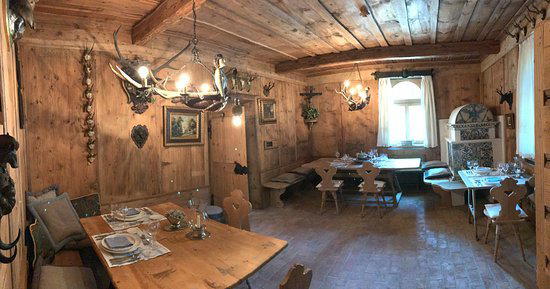
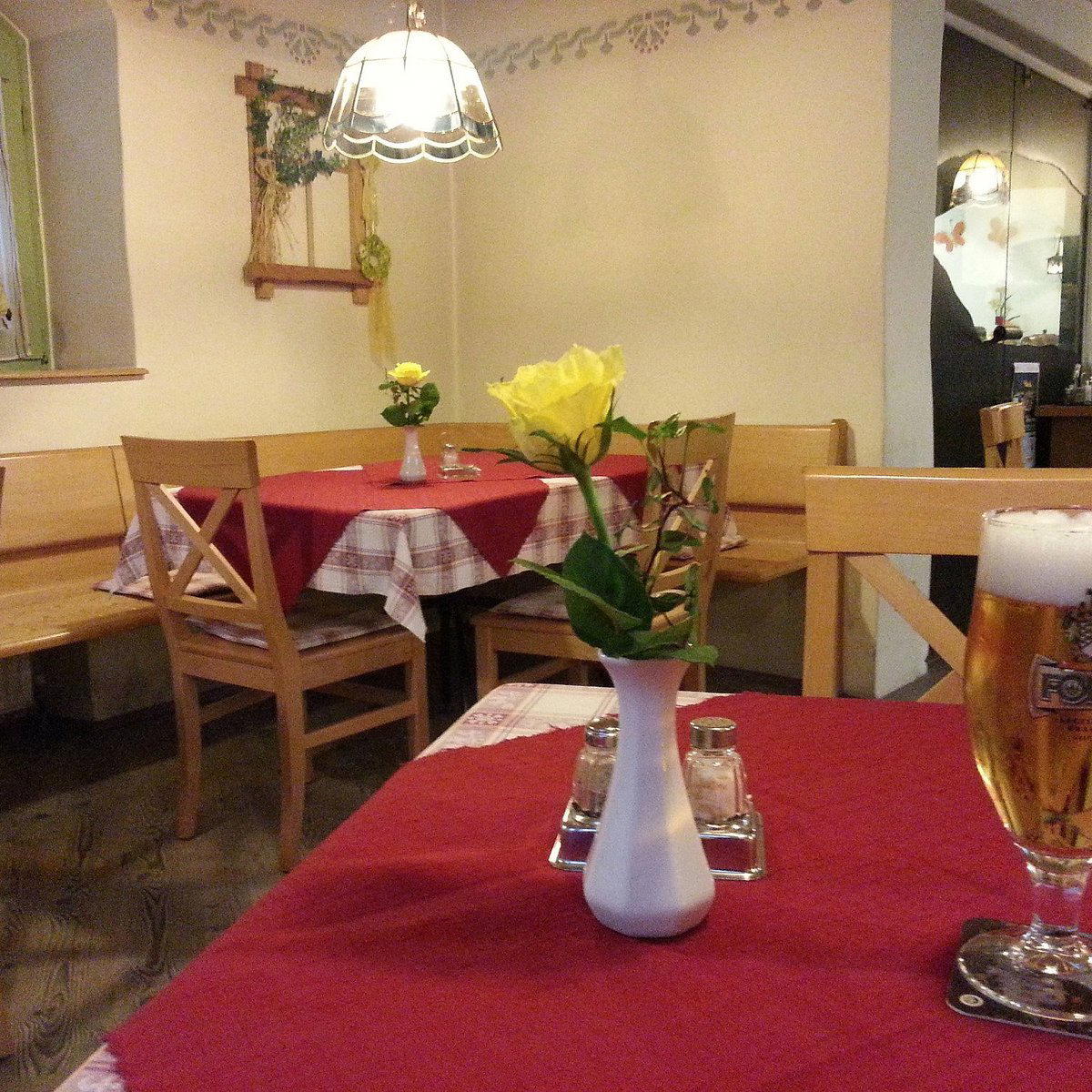
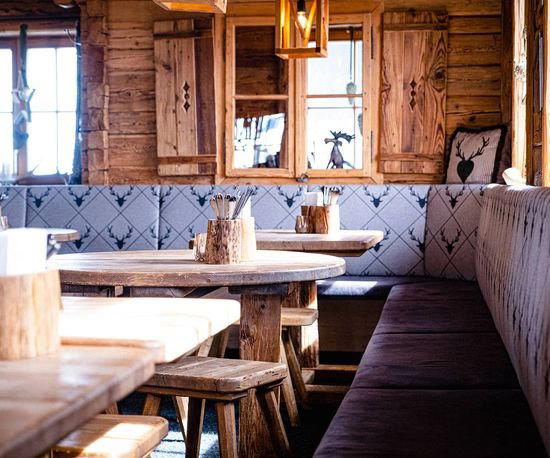
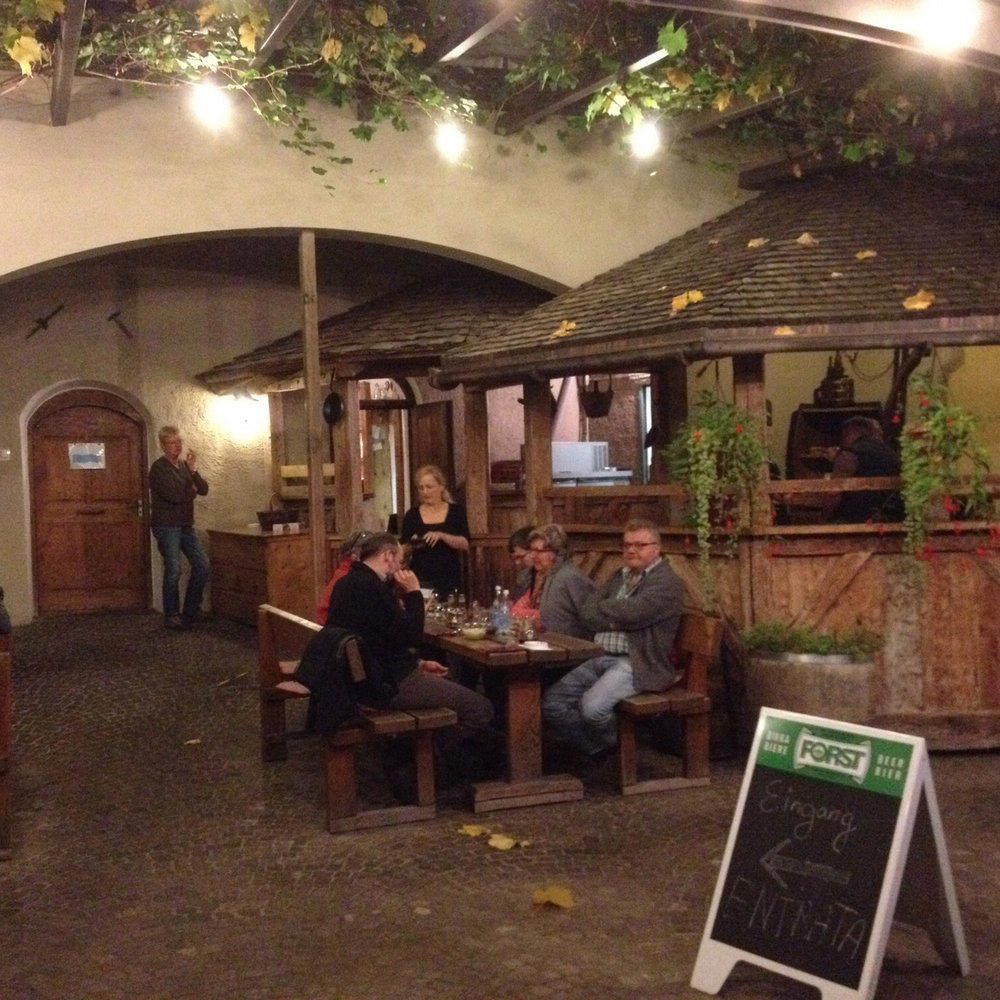
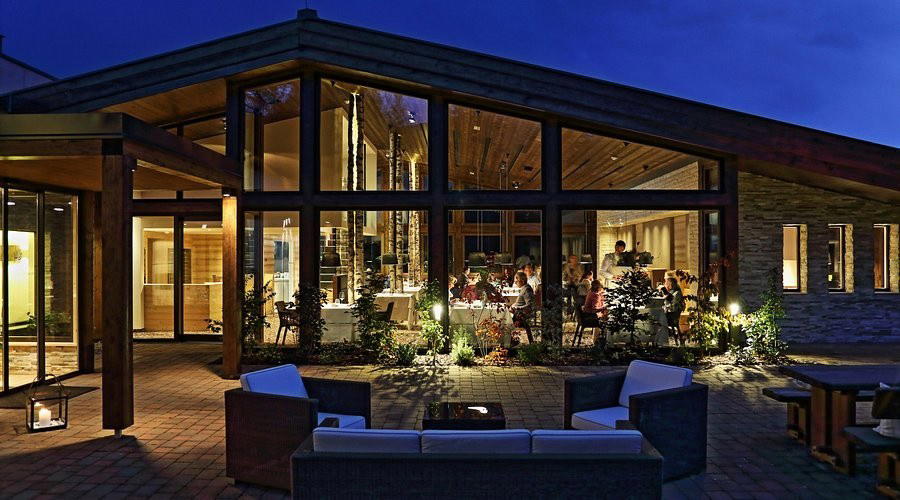
rustic and cozy atmosphere with warm hospitality in a traditional setting on the southern slopes of South Tyrol.