
Tabelog Bronze #445
Our verdict
A ten-seat omakase counter in Osaka's Nishitenma district, Takahashi Kentaro holds a Tabelog score of 4.32 and was selected for the Tabelog Sushi WEST Top 100 in 2025, alongside a Tabelog Award 2026 Bronze. Opened in March 2024, it operates dinner-only on weekdays and extends to afternoon sittings on weekends, with reservations handled exclusively online.

Pearl is the En Primeur Club membership app, where members save venues, book tables and use the concierge.
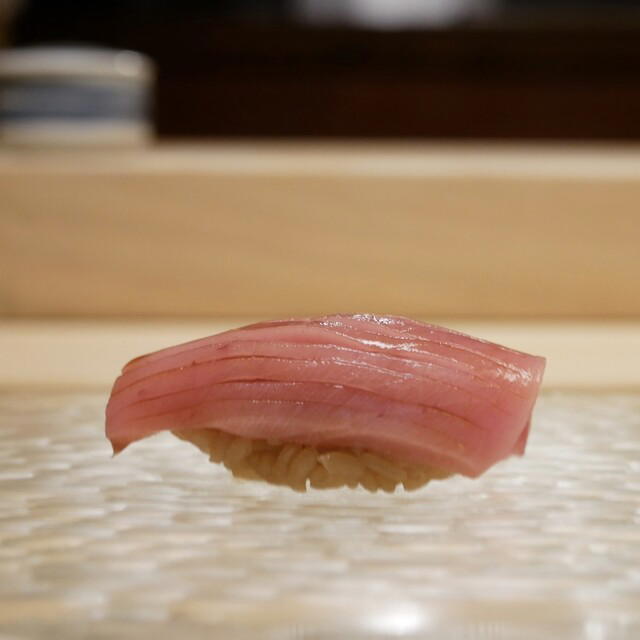
The menu
What to order
- Nigiri of Sea Urchin
- Nigiri of Fatty Tuna
- Sashimi of Whale
Nishitenma and the Counter Sushi Geography of Osaka's North
Osaka's serious sushi scene concentrates in two distinct northern zones: the older, more formal corridor around Kitashinchi, and the quieter professional quarter of Nishitenma, where the city's legal and financial districts create an audience that prefers precision over spectacle. Takahashi Kentaro sits in the latter, on the second floor of a building in Nishitenma's Kita Ward, roughly nine minutes on foot from Yodoyabashi, Higashi-Umeda, and Kitashinchi stations, and about 434 metres from Naniwabashi. The location is deliberate in what it signals: this is not a restaurant positioned to catch tourist overflow from Dotonbori or the Shinsaibashi shopping corridor. It draws from a local professional clientele and a national pool of reservation-hunters who track Tabelog rankings closely.
Nishitenma occupies a particular psychological position in Osaka dining. It lacks the name recognition of Kitashinchi among international visitors, yet it houses some of the city's most technically serious counters precisely because rents and theatrics both run lower. The neighbourhood rewards those who look past the marquee addresses. For counter sushi specifically, proximity to Naniwabashi and the Dojima riverside adds a certain austere calm that sits well with the format's demands: silence, concentration, and the pacing of a meal managed entirely by the chef.
A Counter That Arrived With Credentials Already in Place
Takahashi Kentaro opened on 1 March 2024, which makes its current recognition all the more telling. Within roughly a year of opening, the restaurant was selected for the Tabelog Sushi WEST Top 100 for 2025 and received the Tabelog Award 2026 Bronze, earning a reviewer score of 4.32 on a platform where the scoring compression at the leading end means a difference of 0.1 points separates restaurants with radically different waiting lists. A 4.32 in the Osaka sushi category positions Takahashi Kentaro inside a competitive tier that includes counters with years of accumulated reviews behind them.
For context on what Tabelog recognition means in practice: the platform's Sushi WEST 100 is a selection rather than a pure algorithmic ranking, combining score thresholds with editorial judgment. Inclusion in that list alongside a Bronze award in the same cycle suggests a consistency of execution that reviewers found replicable across visits, not a single exceptional sitting.
The Format and What It Requires of the Guest
The room holds ten seats, all at the counter. There are no private rooms and the space is not available for private hire. That configuration is standard for serious omakase in Japan, where the counter is the instrument rather than a seating preference, but at ten seats it sits at the smaller end of the range, meaning the chef's attention is not spread thin across multiple sections or a dining room requiring floor staff to manage pacing.
The pricing band of JPY 30,000 to JPY 39,999 for dinner places Takahashi Kentaro in the mid-to-upper tier of Osaka's omakase market. It is meaningfully below the ceiling set by Michelin three-star kaiseki venues operating at JPY 60,000 and above, such as Hajime or Kashiwaya, but well above entry-level omakase counters in the JPY 10,000 to JPY 15,000 range. Within the sushi-specific market, this bracket is where counters with established Tabelog credibility tend to settle in Osaka: high enough to signal serious sourcing, not so high as to require the Michelin certification that justifies Tokyo's upper band. The comparison is relevant because Osaka's sushi pricing operates somewhat independently from Tokyo's, with strong local demand and a different set of wholesale relationships at Osaka's fish markets keeping quality-to-price ratios competitive.
Saturday and Sunday sittings begin at 15:00, which is an unusual structural choice. The earlier start on weekends either reflects a two-sitting format or simply accommodates guests travelling from outside Osaka who prefer not to anchor their evening around a late counter booking. Weekday hours run from 17:45 to 22:30. Hours are noted as not fixed, so confirming before travel is advisable.
Dress, Conduct, and the Counter Protocol
Two specific guest protocols mark this counter as operating within a considered set of standards. Perfume is discouraged, a policy shared by the top tier of omakase counters across Japan where the argument is direct: the olfactory dimension of a meal at this level should not be competed with by fragrance. The request to remove watches and wrist accessories while seated is less common and speaks to the physical proximity of the counter format, where movement near ceramic, lacquerware, or the chef's workspace is a practical as much as aesthetic concern.
Neither requirement is onerous, but both signal that the counter operates with the same attention to environmental conditions that defines the experience at Tokyo's most discussed omakase rooms. Guests visiting Harutaka in Tokyo or Sushi Shikon in Hong Kong will recognise the framework immediately.
Osaka in the Wider Kansai and National Context
Osaka functions as the dominant dining city in Kansai, with a density of serious counters that rivals Tokyo in certain categories even if the global recognition has historically lagged. The city shares a regional dining culture with Kyoto (see Gion Sasaki in Kyoto) and Nara (see akordu in Nara), but operates with a distinctly mercantile directness that shapes how restaurants present themselves. Theatrics are less valued than execution. Value relative to spend is scrutinised more closely here than in Tokyo, which partly explains why a counter in the JPY 30,000 to JPY 39,999 bracket receives the level of repeat-visit attention that generates a 4.32 Tabelog score within its first year.
For visitors building a multi-city itinerary around serious Japanese dining, Osaka's sushi counters occupy a different register from those in Fukuoka (see Goh in Fukuoka) or Yokohama (see 1000 in Yokohama), and the contrast with Singapore's premium Japanese imports, such as Shoukouwa, underscores how differently the format translates outside Japan. The Nishitenma counter is as close to the domestic version of the experience as an international visitor will find outside Tokyo and Kyoto. For broader planning, see our full Osaka restaurants guide, as well as our guides to Osaka hotels, bars, wineries, and experiences.
Planning Your Visit
Reservations: Online only; phone reservations are not accepted. A cancellation fee applies to changes. Book well in advance given the ten-seat capacity and current Tabelog ranking. Hours: Monday to Friday 17:45–22:30; Saturday 15:00–22:30; Sunday and public holidays 15:00–21:00 (hours not fixed, confirm before visiting). Budget: JPY 30,000–39,999 per person at dinner; no lunch service. Payment: Credit cards accepted (Visa, Mastercard, JCB, Amex, Diners); electronic money and QR code payments not accepted. Dress: No perfume; remove watches and wrist accessories while seated. Getting there: Approximately nine minutes on foot from Yodoyabashi, Higashi-Umeda, and Kitashinchi stations; 434 metres from Naniwabashi. No parking available on site. Smoking: Non-smoking throughout.
Frequently asked questions
What dish is Takahashi Kentaro famous for?
No signature item is listed, which reflects the omakase format: the chef determines the menu on the day. That approach is standard at counters operating at this level, the Tabelog 4.32 score and Sushi WEST 100 selection were earned without any single dish carrying the recognition.
What price level is Takahashi Kentaro?
Pricing at Takahashi Kentaro is listed as JPY 30,000 - JPY 39,999.
Where exactly is Takahashi Kentaro?
Takahashi Kentaro is located at Japan, 〒530-0003 Osaka, Kita Ward, Dojima, 1 Chome−2−32 3階, Osaka.
Can I walk in to Takahashi Kentaro?
No. The counter holds ten seats and accepts reservations online only, phone bookings are not taken. With a Tabelog score of 4.32 and a 2026 Bronze Award on a counter that has been open only since March 2024, availability is limited and a cancellation fee applies to changes.
Standing Among Peers
Comparable venues nearby, for context on price, style, and recognition.
| Venue | Cuisine | Price | Awards | Notes |
|---|---|---|---|---|
| Takahashi KentaroThis venue (the venue you are viewing) | Edomae Sushi Omakase | $200–300 | Tabelog Bronze #445 | Not listed |
| Wagyu Kaiseki Tajimaya Umeda | Members-only Wagyu Kaiseki with Dry-Aged Japanese Beef | $100–150 | Tabelog 100 #13 | Kita |
| Yakitori Shinose | High-End Yakitori Omakase | $150–200 | Tabelog 100 #67 | Kita |
| Yakitori Shidare | Premium Yakitori Omakase | $150–200 | Tabelog 100 #97 | Kita |
| Arata | Modern Nose Kaiseki | $150–200 | Tabelog Bronze #25 | Kita |
| RIKIchan Kitahama ten | Premium Kuroge Wagyu Yakiniku | $150–200 | Tabelog 100 #14 | Chūō |
Recognition history
Dated appearances from independent guides and award organizations, with the underlying list record or original source where available.
Tabelog Bronze #445
Tabelog
Full recognition history (2 entries)
Tabelog 100 #28 · No. 28
Tabelog · Tabelog 100 - Sushi - WEST - 2025
Continue exploring
More in Osaka
Restaurants in Osaka
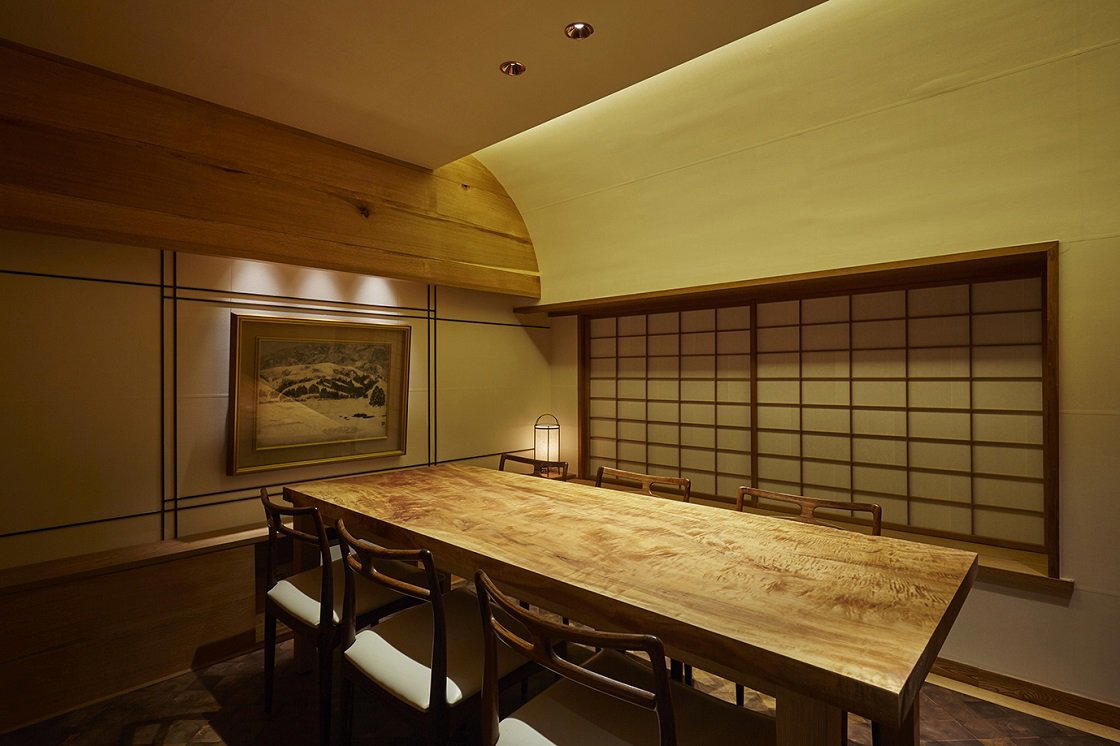
All restaurants in Osaka →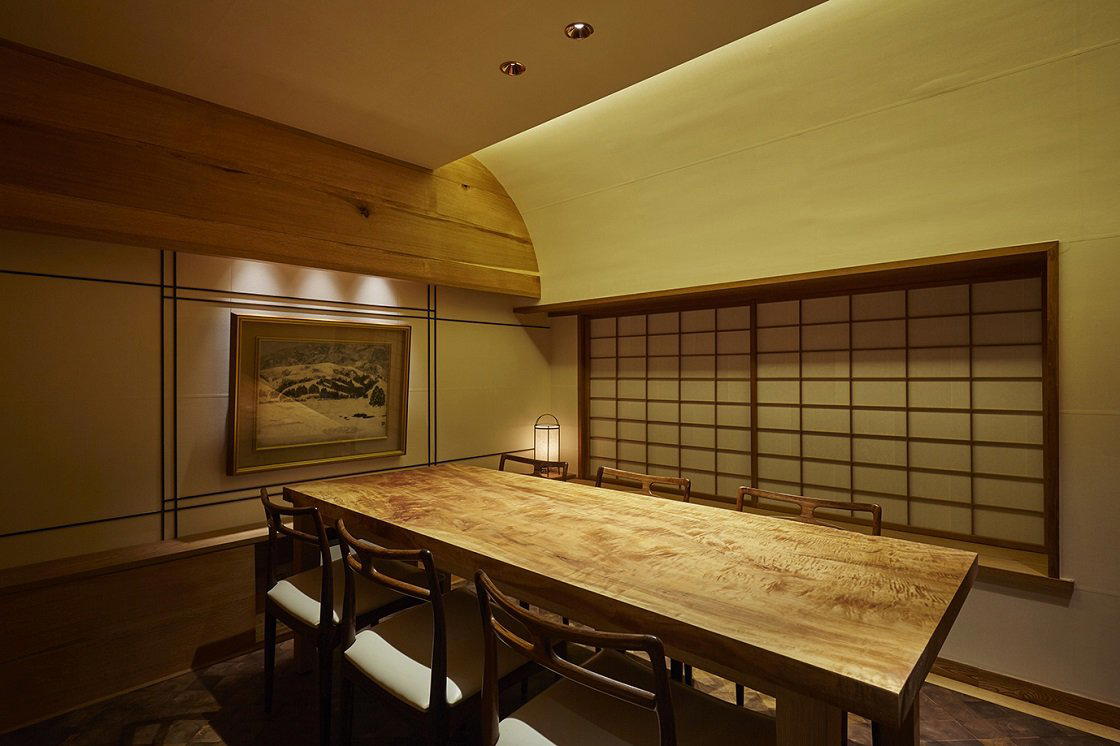



Bars in Osaka
All bars in Osaka →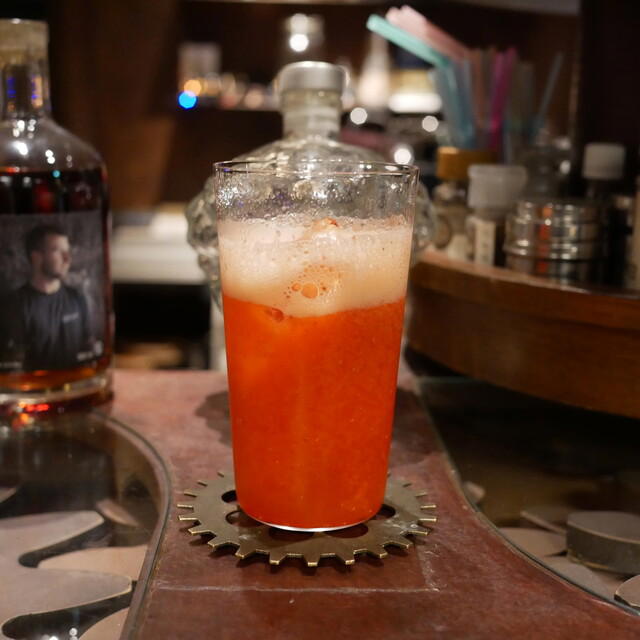



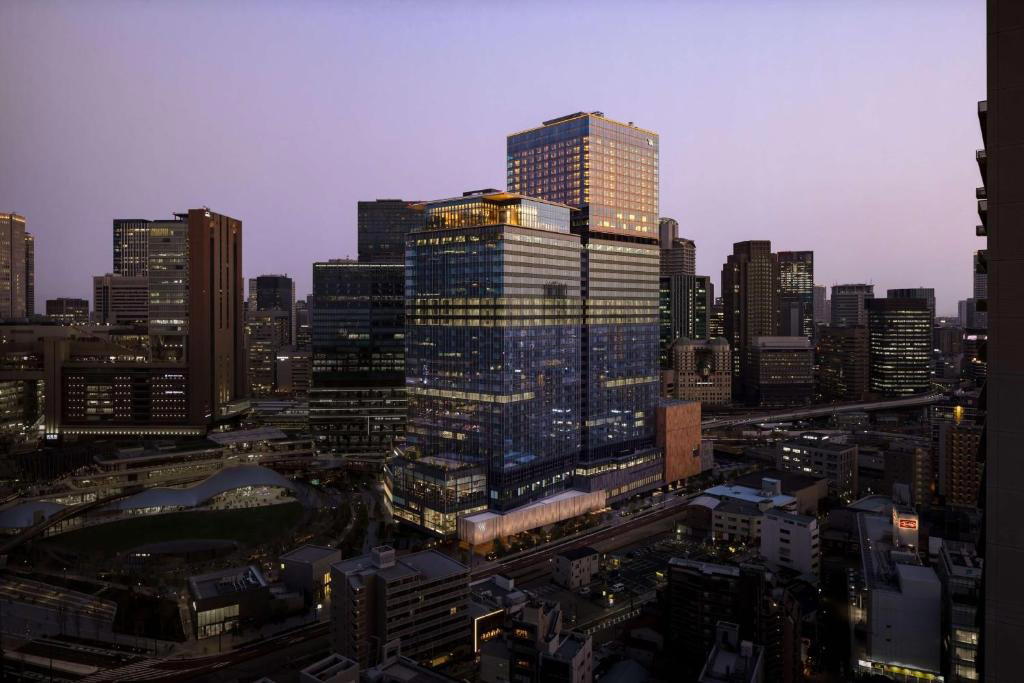
Hotels in Osaka
All hotels in Osaka →



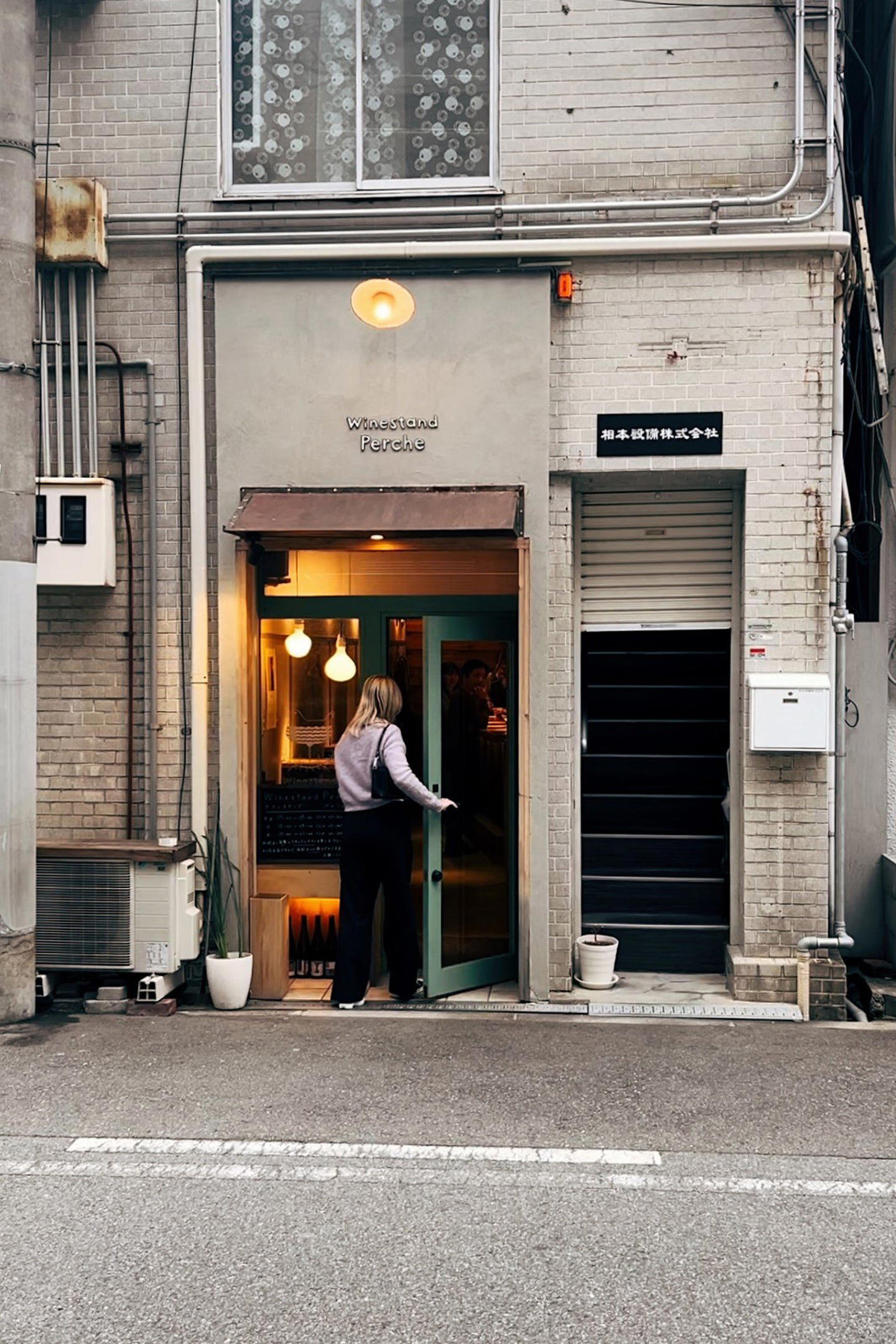
Wineries in Osaka
Browse all →
Details
- Elegant
- Intimate
- Sophisticated
- Minimalist
- Date Night
- Solo
- Special Occasion
- Chefs Counter
- Open Kitchen
- Sake Program
- Local Sourcing
- Omakase
- Counter Dining
- Sake
Current opening hours
- Monday
- 12–1:30 p.m., 5:30–9:30 p.m.
- Tuesday
- 12–1:30 p.m., 5:30–9:30 p.m.
- Wednesday
- 12–1:30 p.m., 5:30–9:30 p.m.
- Thursday
- 12–1:30 p.m., 5:30–9:30 p.m.
- Friday
- 12–1:30 p.m., 5:30–9:30 p.m.
- Saturday
- 12–1:30 p.m., 5:30–9:30 p.m.
- Sunday
- Closed
Hours can change for holidays and private events. Hours as of .
Refined and relaxing counter seating atmosphere with white hinoki wood interior, emphasizing focus on the sushi craftsmanship and serene dining experience.