
Osaka’s premium yakiniku tier has moved well beyond smoke, beer, and quick turnover. Wagyu Kaiseki Tajimaya Umeda sits in the private-room end of that spectrum, pairing wagyu kaiseki structure with a drinks program that lists sake, shochu, wine, and cocktails, plus sommelier service. Its repeated Tabelog 100 Yakiniku WEST selections place it among the region’s more scrutinized beef addresses.
Pearl is the En Primeur Club membership app — saves, bookings, and concierge access live there. Same editors, same standards.
- Address
- 大阪府大阪市北区太融寺町8-2
- Website
- tajima-ya.co.jp
 Saves & bookings on Pearl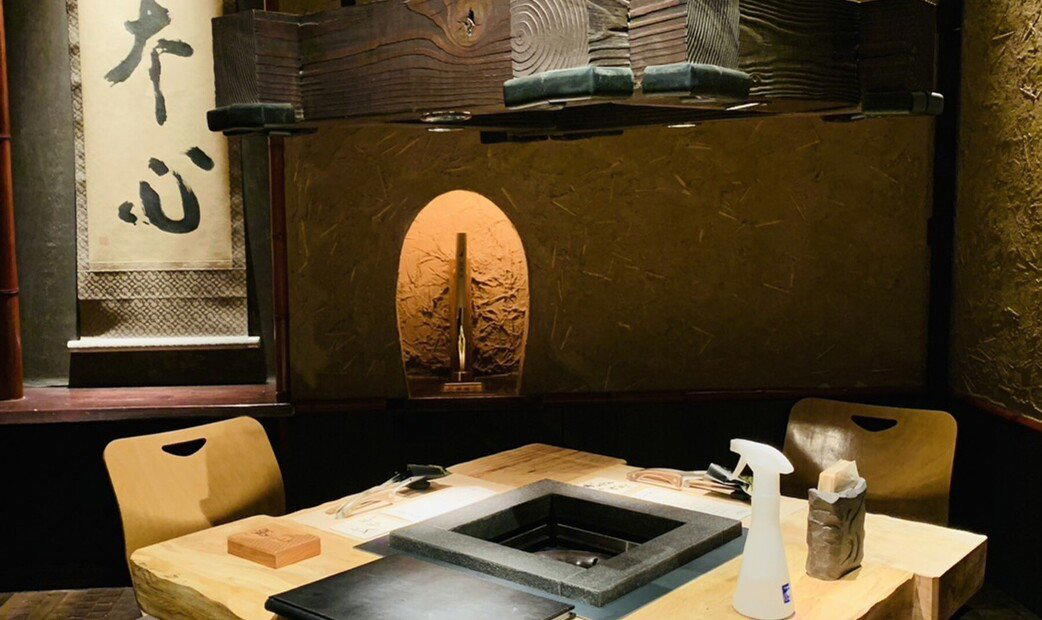
The approach to high-end yakiniku in Osaka is often quieter than visitors expect. Around Umeda, the city’s commercial density gives way to dining rooms built for privacy, controlled pacing, and beef treated less as fuel than as a sequence. Wagyu Kaiseki Tajimaya Umeda belongs to that private-room strain of Kansai yakiniku, where the grill is only part of the grammar: beef dishes, steak, sake, shochu, wine, and a sommelier all point to a format closer to kaiseki hospitality than casual barbecue.
That distinction matters in a city where beef can mean several different things depending on the room. At the lower end, Osaka’s standing bars and noodle counters make speed the attraction; Tachinomi Izakaya LIBERTY and Osaka Mentetsu sit in the JPY 1,000 bracket, while sumibi yaki tori kamo jin Ohatsu tenjin ten occupies a mid-priced charcoal register. Osaka Teppanyaki Kobe Beef TATARA moves toward plated beef performance. Wagyu Kaiseki Tajimaya Umeda works in another lane: private rooms, a dinner budget in the JPY 15,000 to JPY 19,999 range, and a course-led wagyu format that asks diners to treat the evening as a longer appointment.
Private-room yakiniku with kaiseki discipline
Yakiniku’s democratic image can obscure how formal the category becomes at the upper end. The premium version is not only about marbling or breed language; it is about pacing, ventilation, seating, and who controls the rhythm of the meal. Here, the 50-seat layout is divided across 11 private rooms, with configurations for small parties and larger groups. That changes the social register. The grill remains central, but the room encourages conversation, ceremony, and business-dinner discretion rather than the clatter of a shared hall.
The kaiseki reference is not ornamental. In Japan, kaiseki implies sequence, proportion, and seasonality as much as luxury. Applied to wagyu, it signals a meal that frames beef through multiple preparations rather than presenting the diner with a single slab of meat. The public category listing covers yakiniku, beef dishes, and steak, which is a useful clue: this is beef as a structured dinner, not only a grill session. For travelers comparing Osaka beef rooms, that is the decision point. Choose this style when privacy and pacing matter as much as char and cut.
Recognition gives the format additional weight. The restaurant was selected for Tabelog 100 Yakiniku WEST in 2025, with earlier selections across Tabelog’s yakiniku and grill lists in 2018 and from 2020 through 2024. Tabelog’s Hyakumeiten lists are not Michelin-style star systems; they are category-led selections that carry particular influence among Japanese diners. For yakiniku in western Japan, repeated inclusion is a credible signal of consistency in a crowded field.
The drinks program is part of the argument
Premium beef dining in Japan increasingly depends on what happens beyond the grill. Fat, smoke, tare, salt, and heat need a drinks list with more range than token beer and highballs. Wagyu Kaiseki Tajimaya Umeda lists sake, shochu, wine, and cocktails, with stated attention to both sake and wine and sommelier service. That combination places the restaurant inside a broader Osaka trend: beef rooms that borrow from French and Japanese fine-dining service without abandoning the tactile pleasure of cooking at the table.
The presence of sake and wine together is not a decorative detail. Sake can handle sweetness, umami, and soy-based seasoning with ease; wine, especially when chosen with fat and smoke in mind, changes the meal’s tempo. Shochu adds another Japanese register, particularly for diners who want structure without the weight of wine. The useful reading is that drinks are treated as part of the experience rather than a secondary list. In a private-room setting, that matters because the meal is less spontaneous than counter dining and more dependent on sustained pacing over the full course.
This is also where Osaka differs from Tokyo’s more internationally legible luxury circuit. Tokyo’s high-end counters often make scarcity the headline. Osaka tends to keep a more practical relationship with appetite: excellent beef, serious drink options, and rooms designed for groups as much as solitary connoisseurship. The premium address here is not trying to look austere. It is built around comfort, separation, and the feeling that the table can settle in.
How it fits into an Osaka dining itinerary
For visitors building a full Osaka stay, this is a dinner to place after a lighter day rather than after a run of rich meals. Umeda’s dining radius can move from department-store basements to high-price beef rooms in minutes, and the contrast is part of the city’s appeal. A traveler might use Our full Osaka restaurants guide to map the wider field, then keep separate tabs on Our full Osaka hotels guide, Our full Osaka bars guide, Our full Osaka wineries guide, and Our full Osaka experiences guide for the surrounding trip architecture.
Within the city’s casual-to-premium spread, useful contrasts include.cafe, 52CHO-ME BAKERY, 551 Horai (551蓬莱), 99 Pizza Napoletana Gourmet, and a canto (Italian), each pointing to a different Osaka rhythm: snack, bakery, takeaway staple, imported craft, or Italian dining. For broader Japan context, compare beef and grill culture with -Grilled beef Sukiyaki- KAMAKURA TANUKIAN 鎌倉 たぬき庵 in Kamakura, then widen the map through. 鮪と炭火焼き うお炭 秋葉原店 in Tokyo.know in Kumamoto, (Shoku) Vietnam in Kawasaki, [Curry Senmon Ten] Maruyama Kyoju. in Sapporo, [ki:] in Kyoto, Jōdo Saké Bar in Los Angeles, and Onigiri Time in Pasadena.
The editorial read is clear: this is not the Osaka dinner for improvisation or street-level grazing. It is for diners who want wagyu framed by private rooms, a longer service style, and a drinks program with enough breadth to follow the meal. The strongest reason to choose it is the combination of beef specialization, repeated Tabelog category recognition, and beverage seriousness in a city where premium yakiniku has become a disciplined genre of its own.
What It’s Closest To
Comparable venues by cuisine and price in the same metro.
| Venue | Cuisine | Price | Notes |
|---|---|---|---|
| Wagyu Kaiseki Tajimaya UmedaThis venue — the venue you are viewing | Members-only Wagyu Kaiseki with Dry-Aged Japanese Beef | $$$$ | Not listed |
| Yakitori Shinose | High-End Yakitori Omakase | $$$$ | Kita |
| Ippou Honten | Traditional Kansai-Style Tempura Ryotei | $$$$ | Nishi |
| Kamon | Luxury Teppanyaki at Imperial Hotel Osaka | $$$$ | Kita |
| Yakitori Shidare | Premium Yakitori Omakase | $$$$ | Kita |
| Nikushou Nakata Honten | High-End Wagyu Yakiniku & Steak | $$$$ | Chūō |
Recognition history
Dated appearances from independent guides and award organizations, with the underlying list record or original source where available.
Tabelog 100 #13 · No. 13
Tabelog · Tabelog 100 - Yakiniku - WEST - 2025
Continue exploring
More in Osaka
Restaurants in Osaka
Browse all →




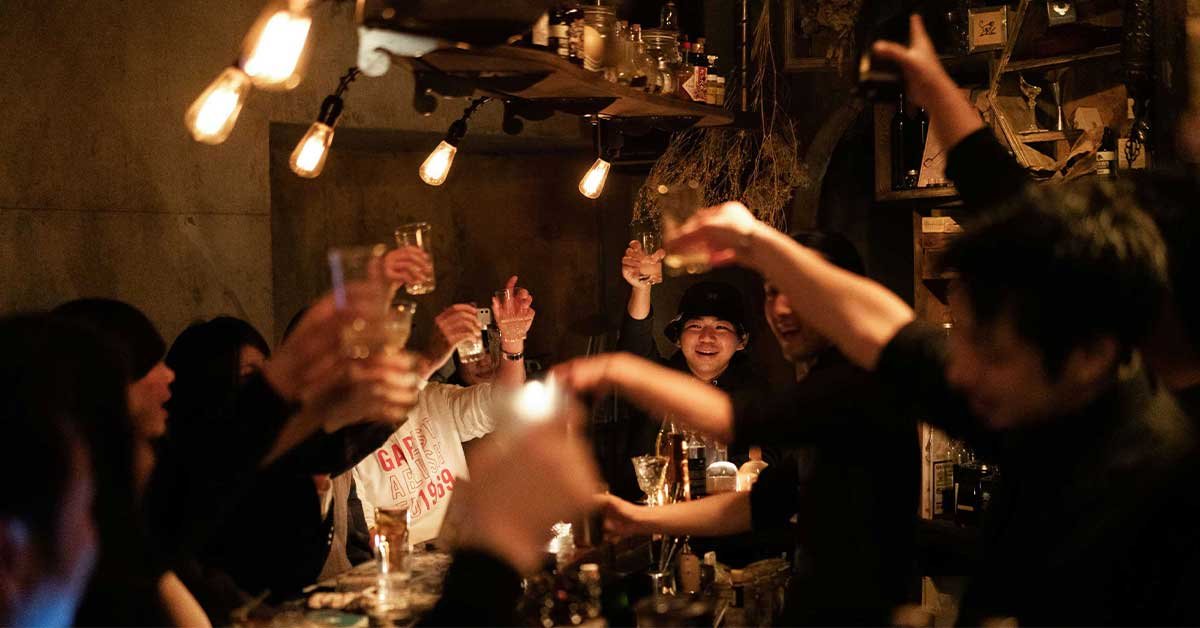
Bars in Osaka
Browse all →

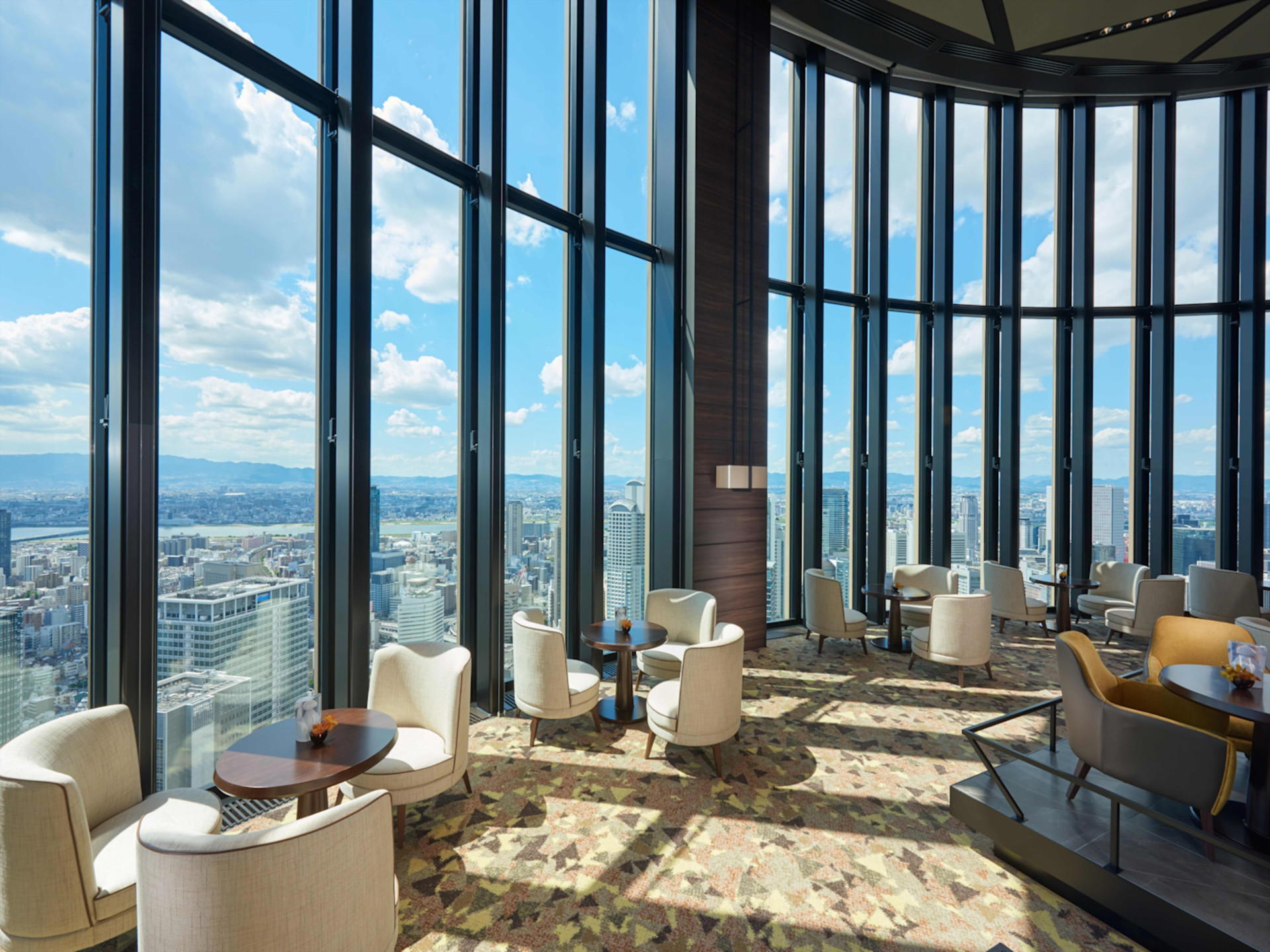
Hotels in Osaka
Browse all →



Wineries in Osaka
Browse all →
At a Glance
- Elegant
- Intimate
- Sophisticated
- Quiet
- Date Night
- Business Dinner
- Special Occasion
- Celebration
- Group Dining
- Private Event
- Private Dining
- Standalone
- Chefs Counter
- Design Destination
- Sake Program
- Local Sourcing
An elegant, minimalist hideout for adults with private booths and counter seats, subdued lighting, and a calm, exclusive atmosphere suited to quiet conversation.