
A kaiseki counter in central Bordeaux, Ishikawa holds consecutive Michelin Plate recognition (2024, 2025). Chef Hideki Ishikawa brings a Japanese seasonal-progression format to a city better known for Gascon tradition and Médoc cellars. Evening service runs Tuesday through Friday from 5 pm, with all-day Saturday hours.
Pearl is the En Primeur Club membership app — saves, bookings, and concierge access live there. Same editors, same standards.
- Address
- 22 Rue du Hâ, 33000 Bordeaux, France
- Phone
- +33 6 51 28 70 99
- Website
- restaurant-ishikawa.com
- Directions
- Get directions
 Saves & bookings on Pearl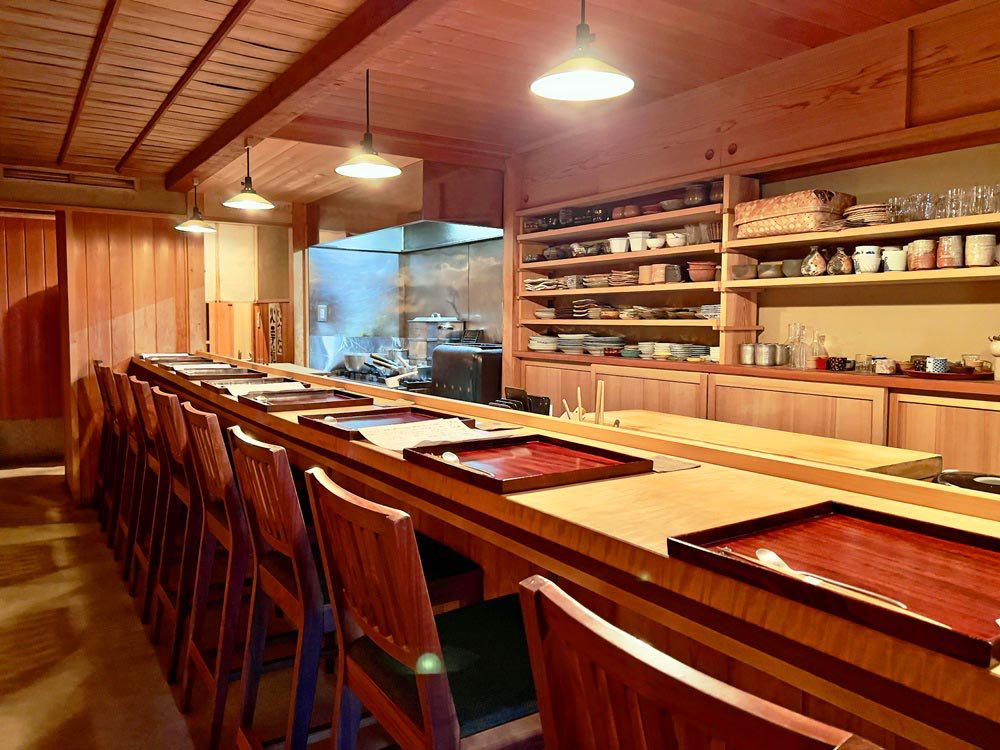
A Japanese Seasonal Counter in Wine Country
Bordeaux has spent the better part of two decades building a serious restaurant culture around its wine identity, with ambitious French tables — from L'Observatoire du Gabriel to Le Pressoir d'Argent — anchoring a dining scene that still tilts heavily toward the Gironde's own produce and cellar traditions. Against that backdrop, a kaiseki address holding back-to-back Michelin Plate recognition is not the obvious arrival. Ishikawa, at 22 Rue du Hâ, occupies a specific and deliberate gap: the city has no shortage of modern French ambition, but the disciplined seasonal-progression format of kaiseki, where each course exists to articulate a moment in the calendar rather than to showcase a chef's technique in isolation, is essentially without parallel at this price tier in Bordeaux.
The Tokyo–Kyoto Divide, Translated to the Gironde
Kaiseki as a tradition carries a geographic argument inside Japan itself. Kyoto's version, rooted in temple food and the tea ceremony, prizes restraint and subtraction: the goal is to let the season speak through minimal intervention, a bowl of clear dashi as much a course as anything that follows. Tokyo kaiseki, shaped by the density and competitiveness of a city where restaurant culture moves at a different pace, tends toward precision and occasionally spectacle, tighter knife work, more deliberate plating geometry, a willingness to borrow techniques from French haute cuisine without abandoning the seasonal chassis. Neither tradition is superior; they represent different answers to the same question about what a formal Japanese meal should do. Venues like RyuGin in Tokyo and Gion Sasaki in Kyoto sit at the far ends of that spectrum, each earning sustained international recognition for its particular answer.
In a European context, that distinction often flattens. What tends to survive the translation is the structural logic: a sequence of small courses moving from lighter to richer, calibrated to the season, with rice and soup marking the close. Whether a kitchen in Bordeaux leans toward the Kyoto restraint model or the Tokyo precision model is the kind of question that repays attention, it shapes everything from the soup temperature to the degree of visual architecture on each plate. Ishikawa's positioning in the €€ tier, rather than the upper bracket occupied by Amicis or Le Pressoir d'Argent, suggests a format more concerned with accessibility than with high-wire technical display, which aligns more naturally with the Kyoto end of the spectrum. Consecutive Michelin Plate recognition, a signal that the guide's inspectors see quality worth noting without yet awarding a star, indicates the kitchen is cooking at a level above casual without yet crossing into the competitive tier where L'Oiseau Bleu or Maison Nouvelle operate on different terms.
What Kaiseki Asks of a Bordeaux Audience
The format makes specific demands on a diner that most Bordeaux restaurants do not. A kaiseki progression is not a tasting menu in the French sense, where a chef constructs a narrative around a signature ingredient or a personal aesthetic. It is a seasonal document: the menu changes as ingredients shift, and the coherence comes from the calendar rather than from a single creative statement. This means the experience in October reads differently from the experience in April, and returning across seasons is the way the format is genuinely understood rather than sampled. For a city whose own dining culture is built around the concept of terroir, wine that speaks of a specific place in a specific year, kaiseki's insistence on temporal specificity is not as foreign a concept as it might first appear. The seasonal logic rhymes with the logic of a Bordeaux vintage, even if the ingredients and the codes are entirely different.
A Japanese specialist maintaining that average across nearly 400 responses suggests a consistent execution that converts first-time visitors into advocates. For broader context on where Ishikawa sits within the city's dining options, see our full Bordeaux restaurants guide.
France's Wider Japanese Restaurant Moment
Presence of serious Japanese cooking in French provincial cities is not incidental. France, and Paris in particular, has hosted some of the most significant Japanese chef migrations in Europe over the past thirty years, a pattern visible at the top of the French system, where kitchens like Alléno Paris au Pavillon Ledoyen and regionally rooted addresses like Flocons de Sel in Megève, Mirazur in Menton, Troisgros in Ouches, Auberge de l'Ill in Illhaeusern, and Bras in Laguiole define very different takes on French regional identity, have absorbed and been shaped by Japanese technique in various degrees. Bordeaux has been slower than Lyon or Paris to develop this kind of cross-cultural density, which makes a standalone kaiseki address here more significant than the same establishment would be in the 8th arrondissement. The Michelin Plate in consecutive years confirms the guide recognises what Ishikawa is doing is worth tracking.
Planning a Visit
Ishikawa is on Rue du Hâ in central Bordeaux, within walking distance of the city's main cultural and commercial core, which makes it direct to combine with visits to the wine bars and natural-wine shops concentrated in the Saint-Pierre and Chartrons districts. The kitchen runs evening service Tuesday through Friday from 5 pm until midnight, with Saturday open from noon. Sunday and Monday are closed. The €€ price range places it below the starred tier in Bordeaux, a meaningful consideration when building a multi-night itinerary that might also include a higher-spend evening at a one- or two-star address. For accommodation and further city planning, our full Bordeaux hotels guide, bars guide, wineries guide, and experiences guide cover the broader city.
Cuisine Context
| Venue | Cuisine | Price | Awards |
|---|---|---|---|
| IshikawaThis venue — the venue you are viewing | Kaiseki, Japanese | €€ | Michelin Plate (2025); Michelin Plate (2024) |
| Le Pressoir d'Argent - Gordon Ramsay | Modern Cuisine | €€€€ | Michelin 2 Star |
| La Tupina | French Bistro, Traditional Cuisine | €€ | World's 50 Best |
| Le Chapon Fin | French, Modern Cuisine | Not listed | French, Modern Cuisine, €€€ |
| Amicis | Creative | €€€€ | Michelin 1 Star |
| Kedem | Middle Eastern | Not listed | Middle Eastern, €€ |
Recognition history
Dated appearances from independent guides and award organizations, with the underlying list record or original source where available.
Michelin Plate
Michelin
Michelin Plate
Michelin
Continue exploring
More in Bordeaux
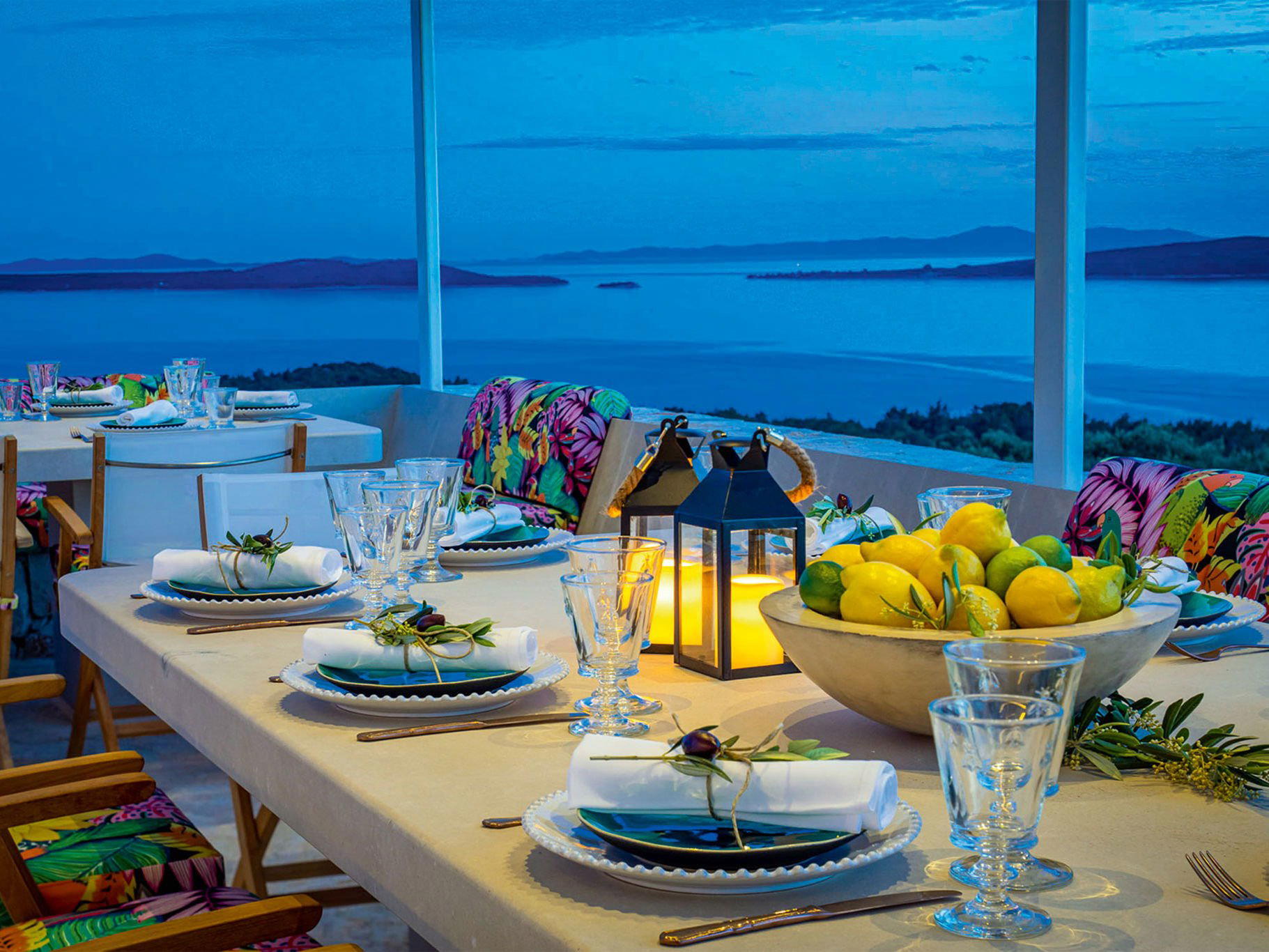
Restaurants in Bordeaux
Browse all →
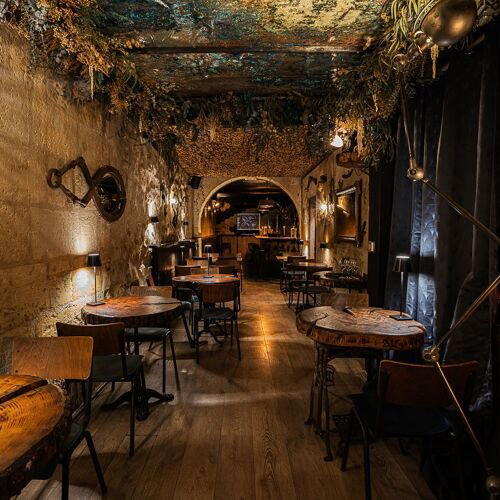
Bars in Bordeaux
Browse all →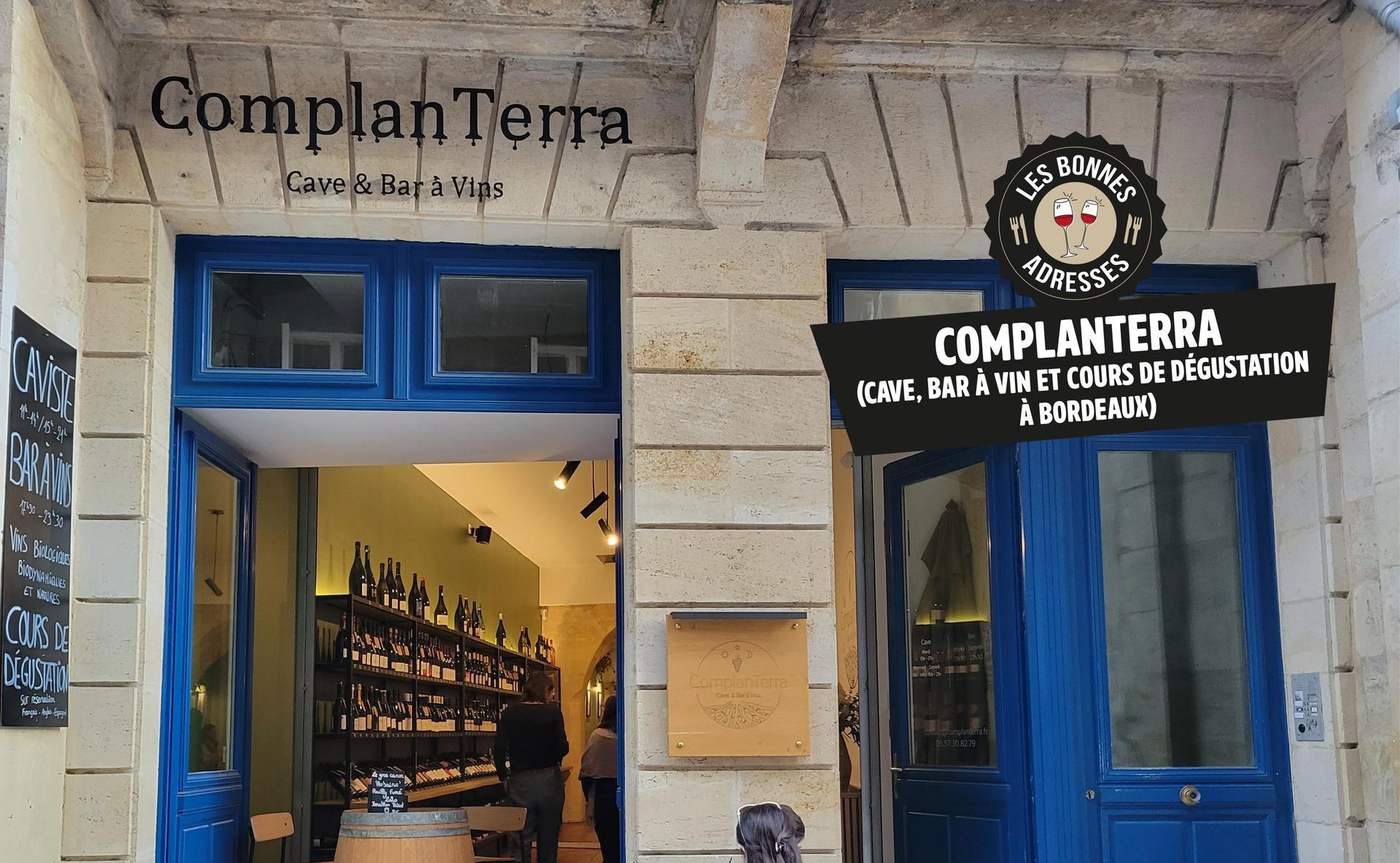
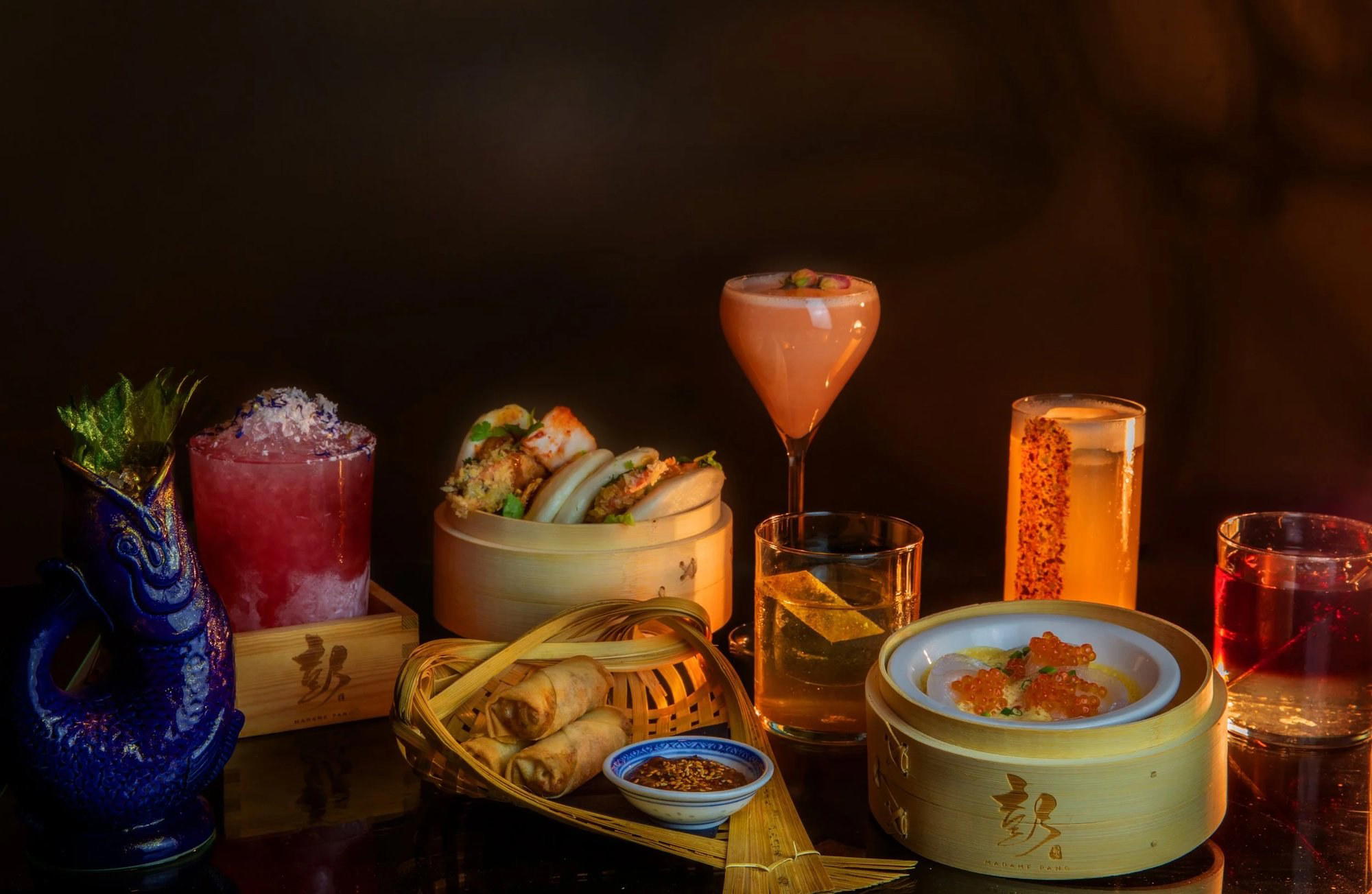
Hotels in Bordeaux
Browse all →
At a Glance
- Minimalist
- Intimate
- Elegant
- Date Night
- Special Occasion
- Open Kitchen
- Sake Program
- Local Sourcing
Current opening hours
- Monday
- Closed
- Tuesday
- 7–10 PM
- Wednesday
- 12–2 PM, 7–10 PM
- Thursday
- 12–2 PM, 7–10 PM
- Friday
- 12–2 PM, 7–10 PM
- Saturday
- 7–10 PM
- Sunday
- Closed
Hours can change for holidays and private events. Last verified .
Minimalist elongated space with subtle lighting, creating an intimate and authentic izakaya-like atmosphere.
Know Before You Go
- Getting there
- 22 Rue du Hâ, 33000 Bordeaux, France