On Anren Road in Shanghai's Changning district, Taian Men operates in a tier of Chinese fine dining where menu architecture and sequencing carry as much weight as individual dishes. Positioned alongside venues like Taian Table and Fu He Hui in the city's upper bracket, it draws a clientele that books deliberately and expects a meal structured around intention rather than abundance.
Pearl is the En Primeur Club membership app — saves, bookings, and concierge access live there. Same editors, same standards.
- Address
- China, 465å¼161å·CN ä¸æµ·å¸ é¿å®åº éå®è·¯ 465 é®æ¿ç¼ç
- Phone
- +8617301605350
- Website
- sh.taian-table.cn
- Directions
- Get directions
 Saves & bookings on Pearl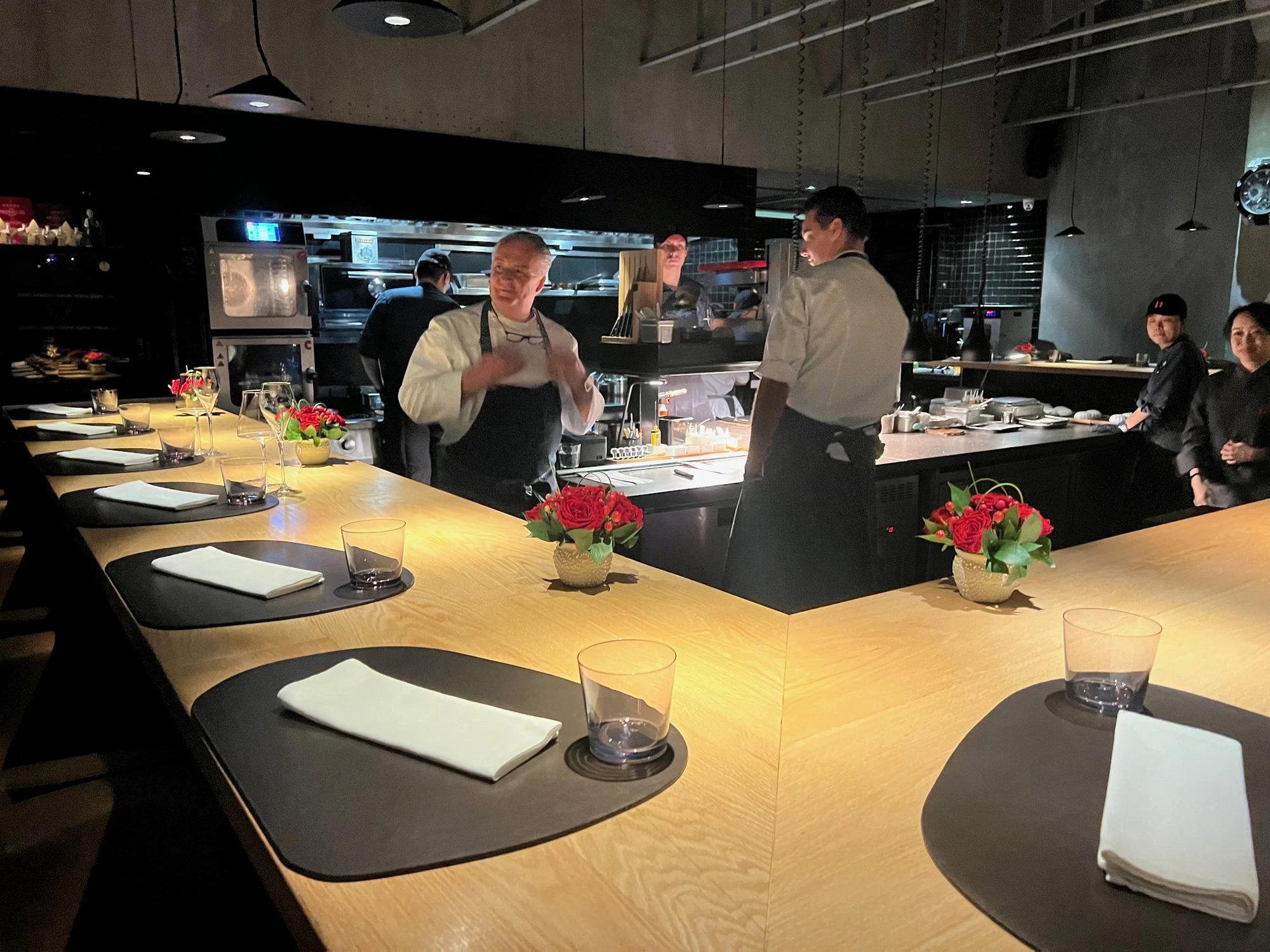
Menu as Argument: How Shanghai's Upper Tier Constructs a Meal
In Shanghai's upper-end Chinese dining rooms, the menu is rarely a list. It is a position statement. The city's most serious kitchens have absorbed enough from Japanese kaiseki, classical French progression, and Cantonese banquet tradition to know that the order of dishes, the pacing of proteins, and the placement of a broth or a starch mid-sequence communicate something about what the kitchen believes a meal should do. Taian Men, a Shanghai restaurant in Changning on Anren Road, serves contemporary French with Pan-Asian influences at about US$310 per person, and the architecture of the meal is the primary editorial act, with individual dishes reading most clearly in context rather than in isolation.
This approach places Taian Men inside a specific competitive set in Shanghai, one that is smaller and more expensive than the broad category of Chinese fine dining, and that prices itself against a handful of peers rather than the wider market. Venues like Taian Table, which operates with a Modern European and innovative framework on a similar tier, and Fu He Hui, which makes a philosophical argument for vegetarian fine dining at the ¥¥¥¥ level, are the relevant comparisons. Each has committed to a format where the meal has shape, a beginning, a middle, a resolution, rather than a parade of dishes ordered from a printed card.
The Room on Anren Road
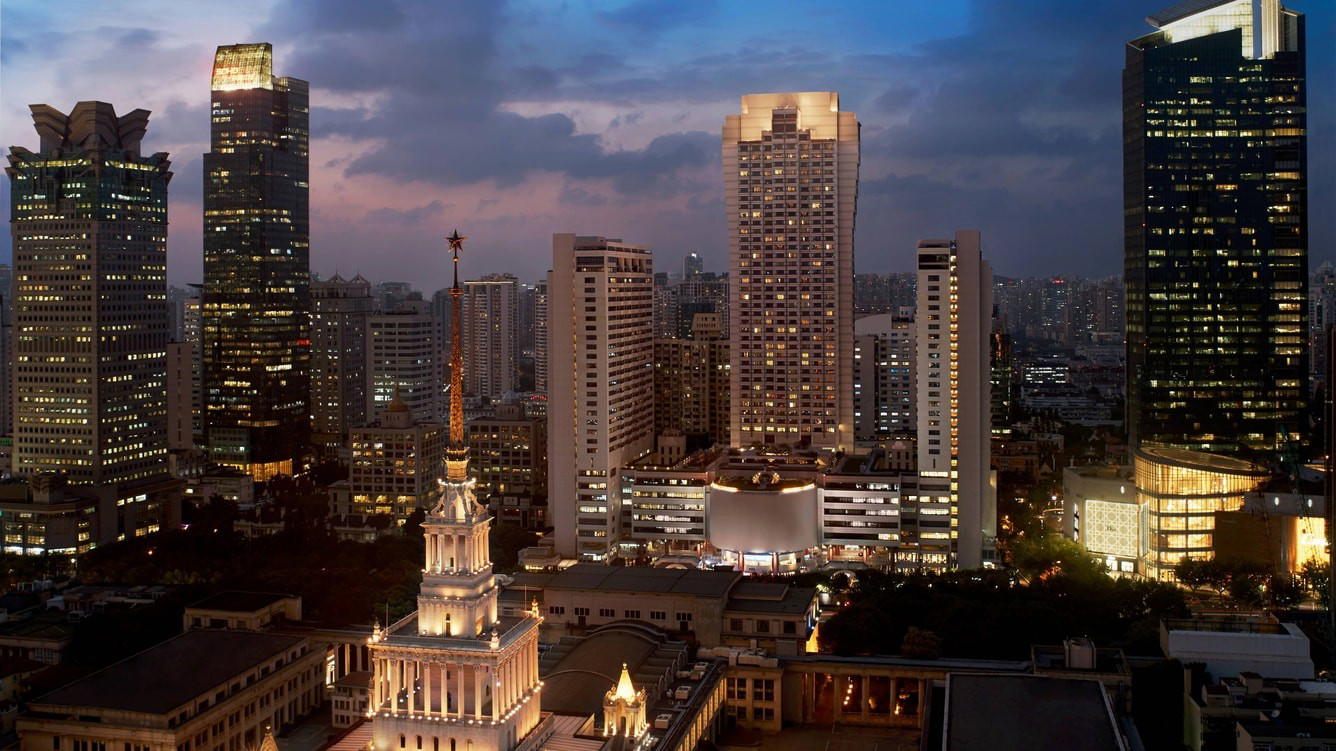
Changning is not the obvious address for this kind of dining. Much of Shanghai's fine dining concentration sits in Jing'an, Huangpu, or along the French Concession's tree-lined blocks. Anren Road operates with less ambient foot traffic, which is a practical signal: guests here arrive with a reservation and a plan. There is no performance for the street. The kitchen can sequence at its own pace without competing with a dining room that is half-full of walk-ins calibrating their expectations in real time.
This kind of address discipline is something the upper tier of Shanghai's scene has learned from Tokyo, where the leading counter restaurants often occupy unremarkable side streets specifically because the clientele knows where they are going. The room announces itself through what happens inside it, not through a frontage on a busy boulevard.
What Menu Architecture Reveals
A meal structured around intentional sequencing makes demands of the kitchen that à la carte service does not. Every transition between courses must be defensible: why does this follow that, what does the salt level here do to your palate's readiness for what comes next, where does the fat load sit across the full arc of the meal. Kitchens that succeed at this tend to operate with a fixed or near-fixed menu, updated seasonally, which allows the team to rehearse the transitions rather than assemble dishes in ad hoc order based on what each table orders.
The model has international precedents that Shanghai diners at this level generally know. Le Bernardin in New York City built its reputation partly on this discipline applied to seafood progression. Atomix, also in New York, uses a card-based sequence to make the architecture legible and discussable as the meal unfolds. In greater China, Chef Tam's Seasons in Macau has applied a similar sequencing logic to Cantonese material. Taian Men operates in the same tradition applied to its own register.
Across the broader region, Cantonese-rooted formats at venues like 102 House in Shanghai and Imperial Treasure Fine Chinese Cuisine in Guangzhou tend to give guests more directional control over their meal. The restaurant's approach, by contrast, asks the kitchen to take that editorial responsibility. The reader who prefers to construct their own experience from a menu of options will find more freedom at Xin Rong Ji on West Nanjing Road, whose Taizhou-inflected format operates on different terms.
Shanghai's Fine Dining Tier in Context
Shanghai's premium Chinese dining segment has matured significantly over the past decade. The city now supports restaurants that can hold their own in regional conversations that include Ru Yuan in Hangzhou, Dingshan·Jiangyan in Suzhou, and Dai Yuet Heen in Nanjing, each operating with distinct regional identities but within the same framework of structured, high-attention fine dining. Venues further afield, like Xin Rong Ji on Xinyuan South Road in Beijing, Xin Rong Ji in Chengdu, Fleurs Et Festin in Xiamen, Jiangnan Wok·Rong in Fuzhou, and Shang Palace in Yangzhou, round out a wider regional scene in which Shanghai's leading tables are consistently benchmarked.
Within Shanghai itself, the Italian and European end of the fine dining spectrum, represented by 8½ Otto e Mezzo Bombana, provides useful contrast. That kitchen's classical European structure sits at a similar price tier and attracts overlapping clientele, which means the city's serious dining public is comfortable moving across culinary traditions when the format and quality signals are consistent. The restaurant draws from that same cohort of guests, people who have eaten widely and are selecting by format and editorial intent as much as by cuisine category.
Planning Your Visit
Anren Road is accessible from Jiangsu Road on Line 3 and Line 4, making the address direct to reach from central Shanghai without a taxi. Given the format, reservations are essential.
The Short List
Comparable venues nearby, for context on price, style, and recognition.
| Venue | Cuisine | Price | Notes |
|---|---|---|---|
| Taian MenThis venue — the venue you are viewing | Not listed | $$$$ | Not listed |
| 58° 扒房 | Ti Lan Qiao, Modern French Steakhouse | $$$$ | Not listed |
| Three on the Bund - Jean Georges Shanghai | Not listed | $$$$ | Lan Ni Du, Modern French with Asian Influences |
| Café Gray Deluxe | Not listed | $$$ | Huangpu, Modern European with Asian Influences |
| MIYAHATO | Modern Japanese Fine Dining | $$$$ | Not listed |
| Jing'an Shangri La 1515 West Chophouse & Bar | Jing'an, American Steakhouse | $$$$ | Not listed |
At a Glance
- Intimate
- Modern
- Sophisticated
- Elegant
- Special Occasion
- Date Night
- Business Dinner
- Celebration
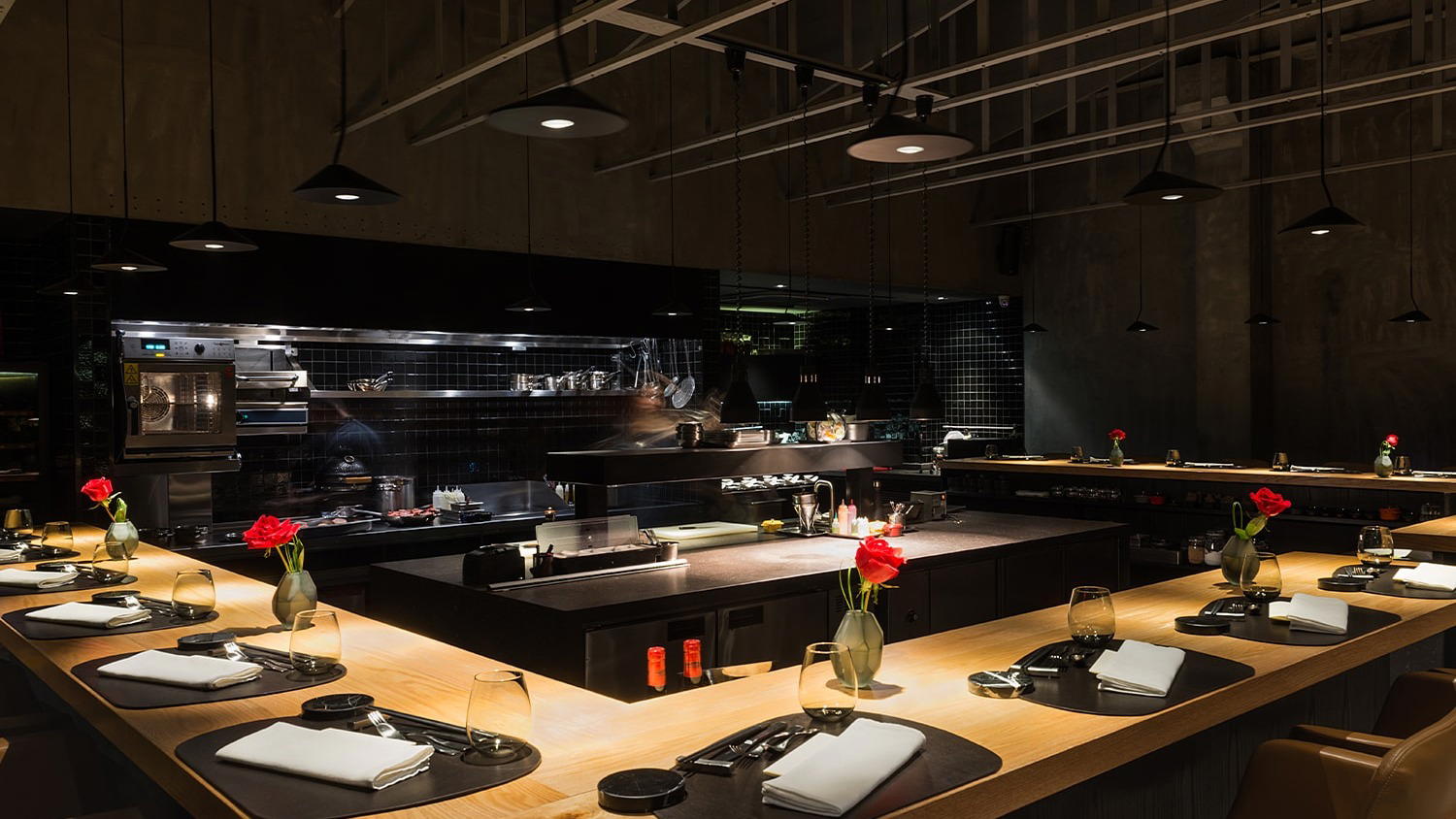
- Open Kitchen
- Chefs Counter
- Standalone
- Extensive Wine List
- Local Sourcing
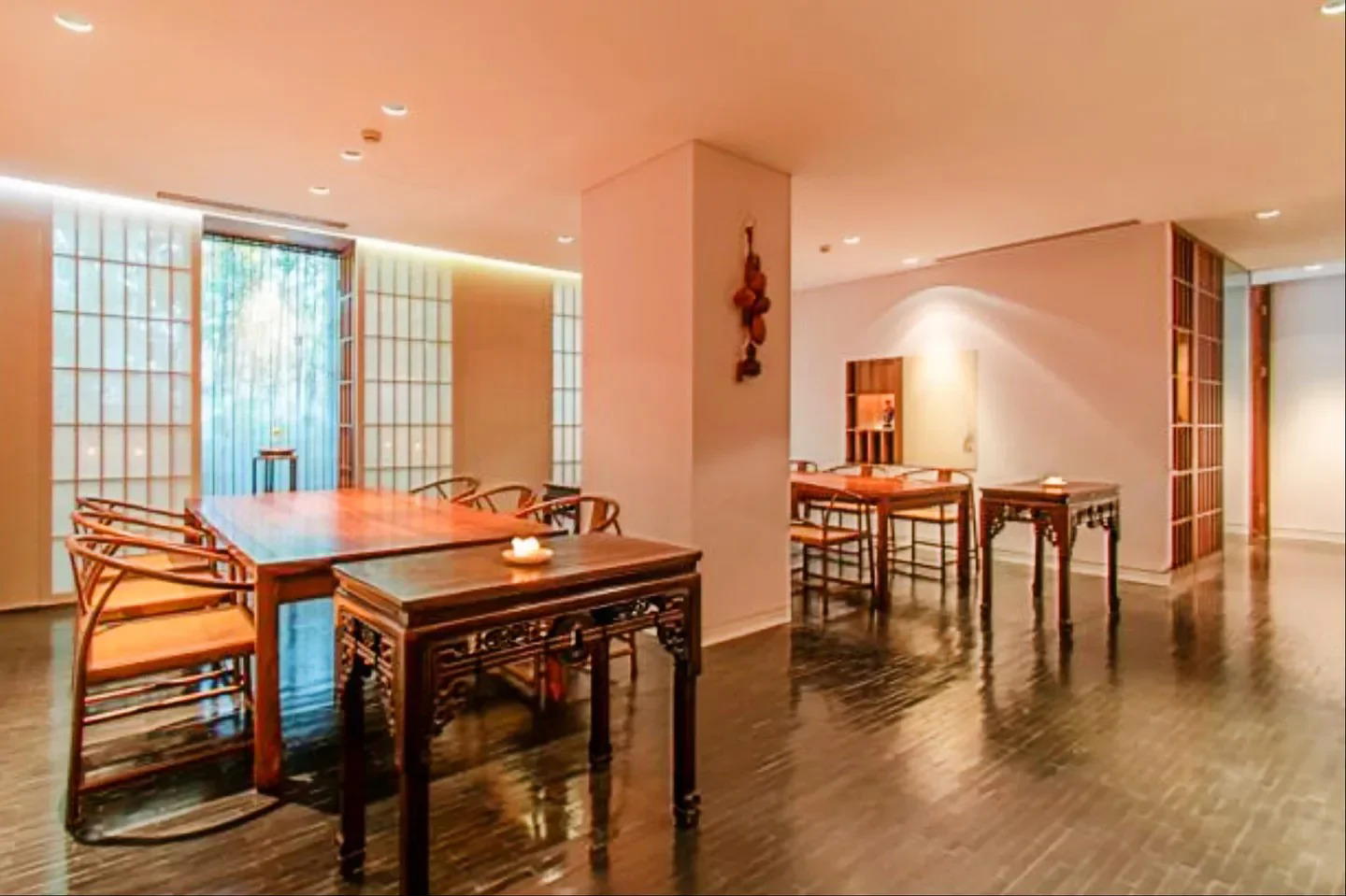
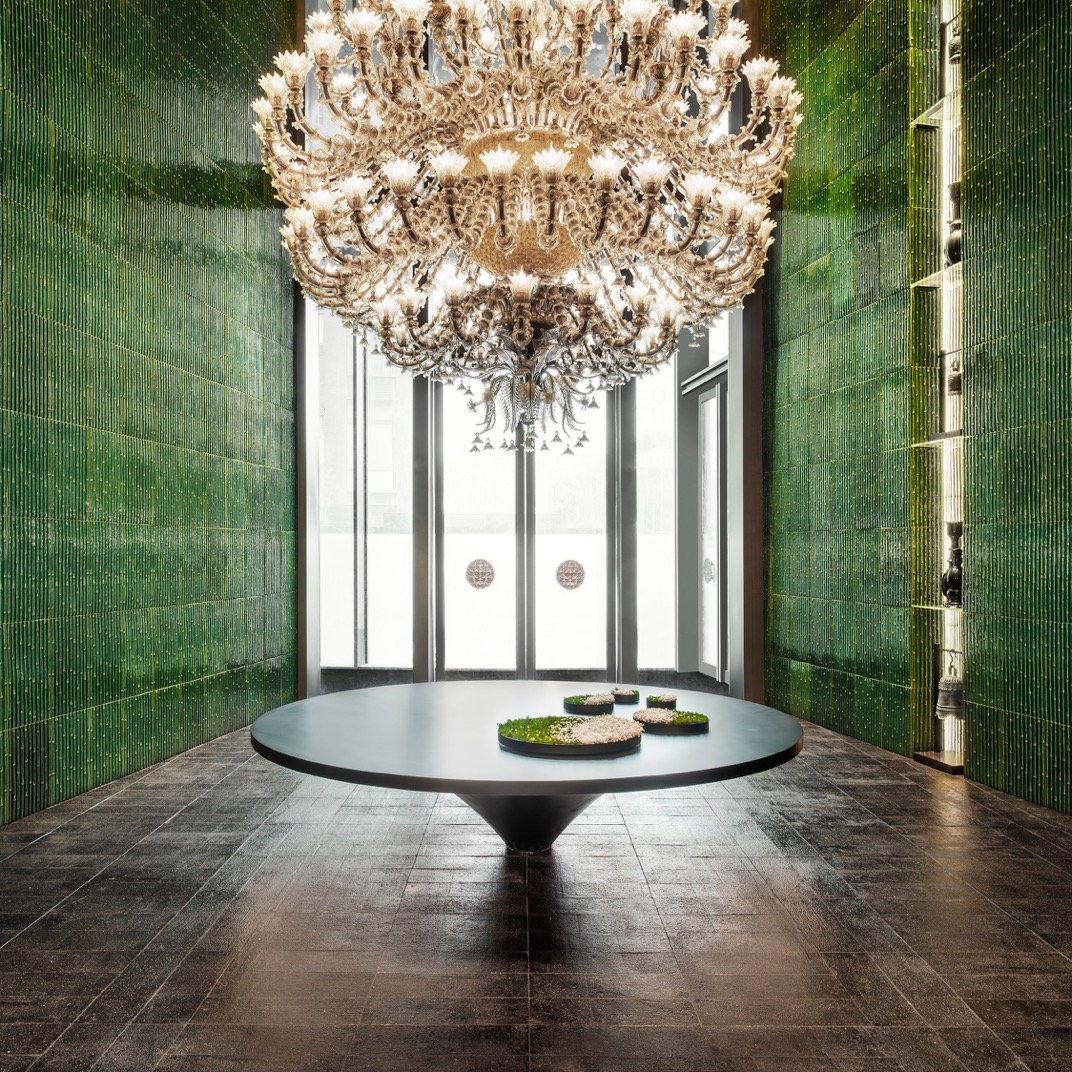
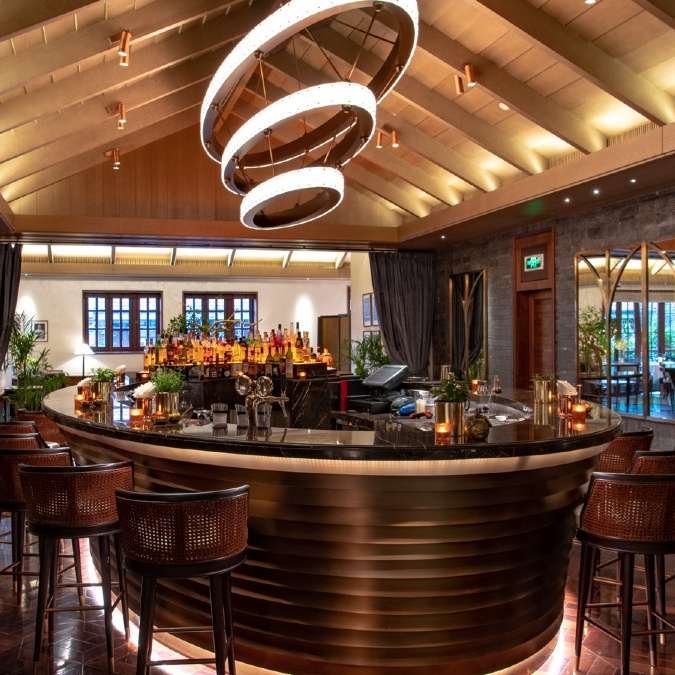
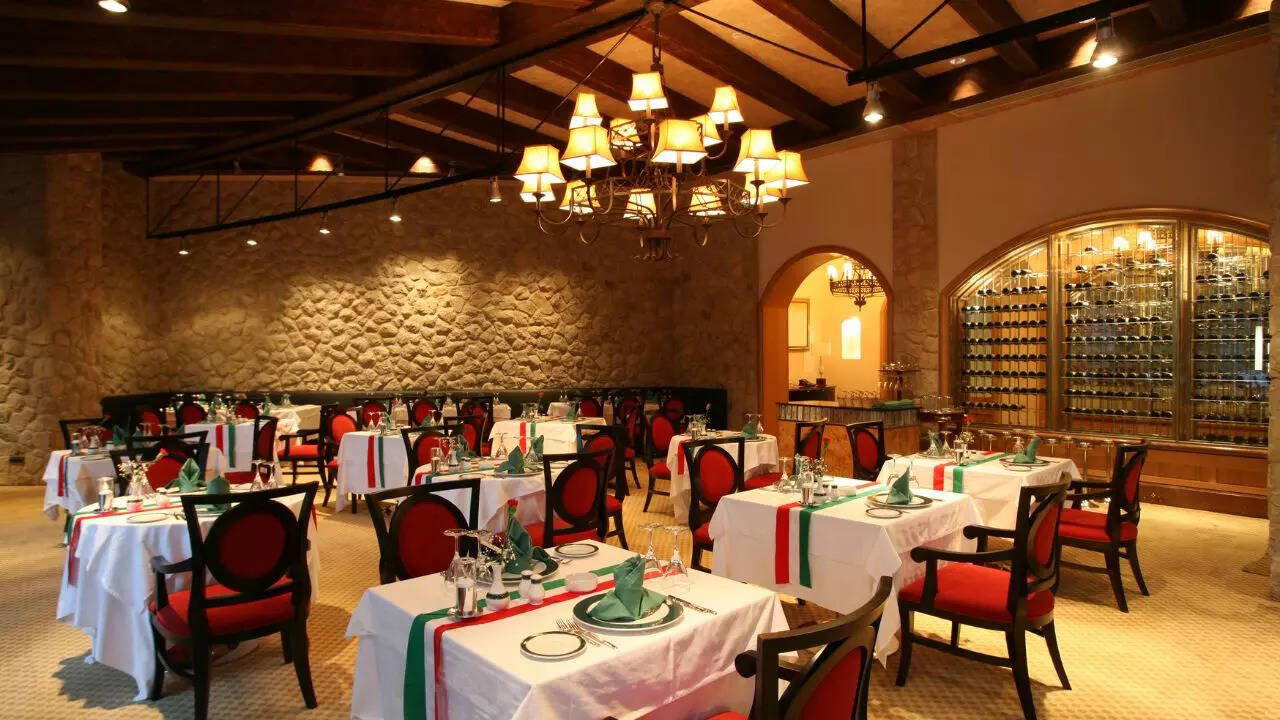
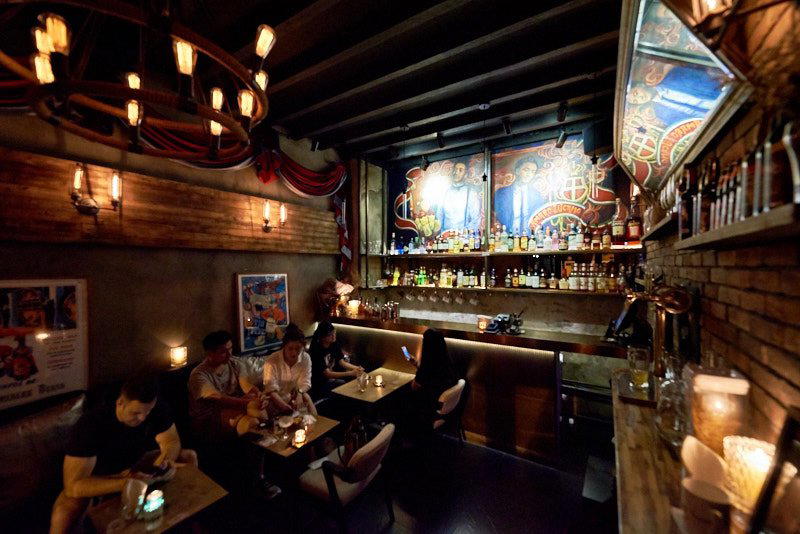
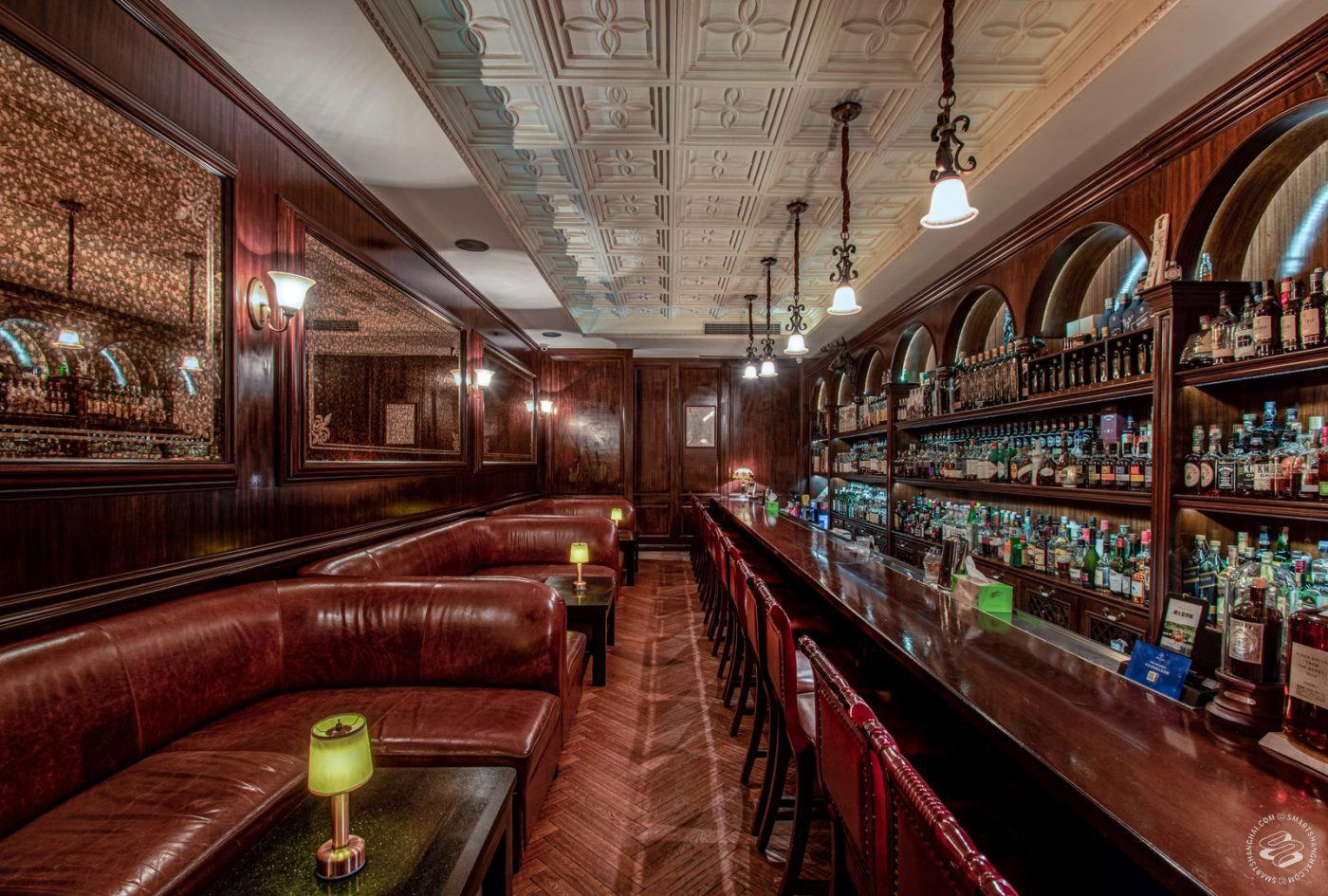
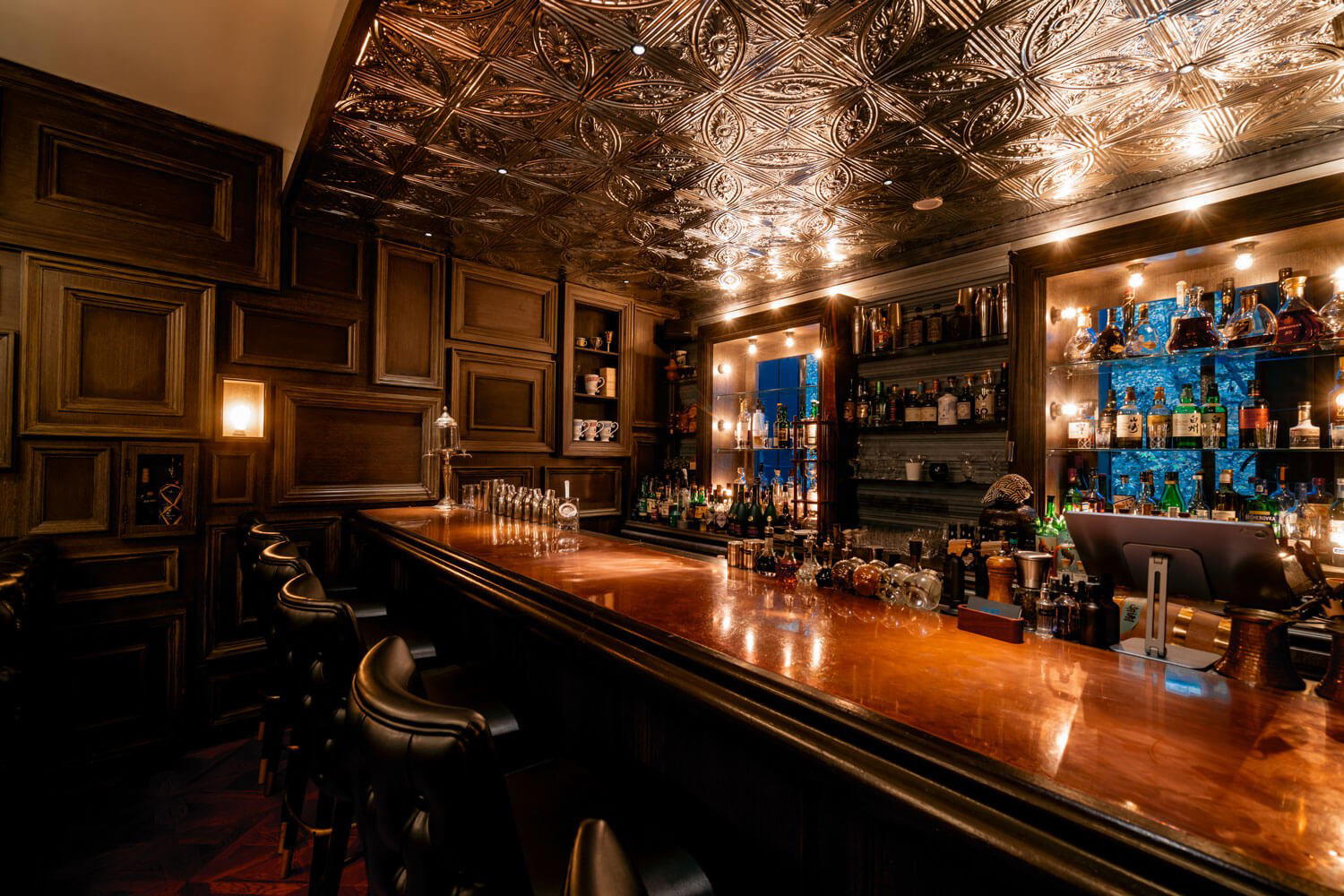
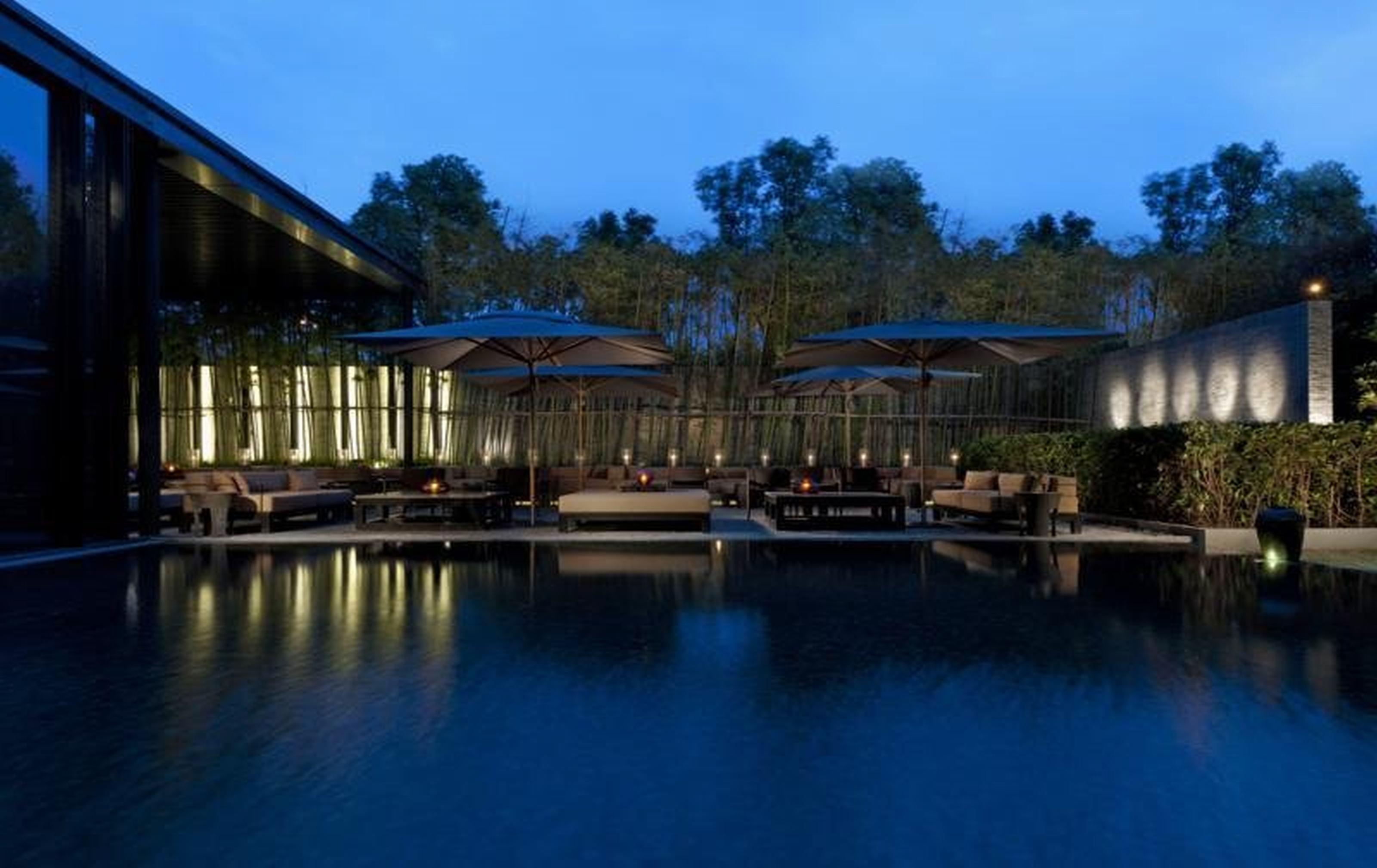
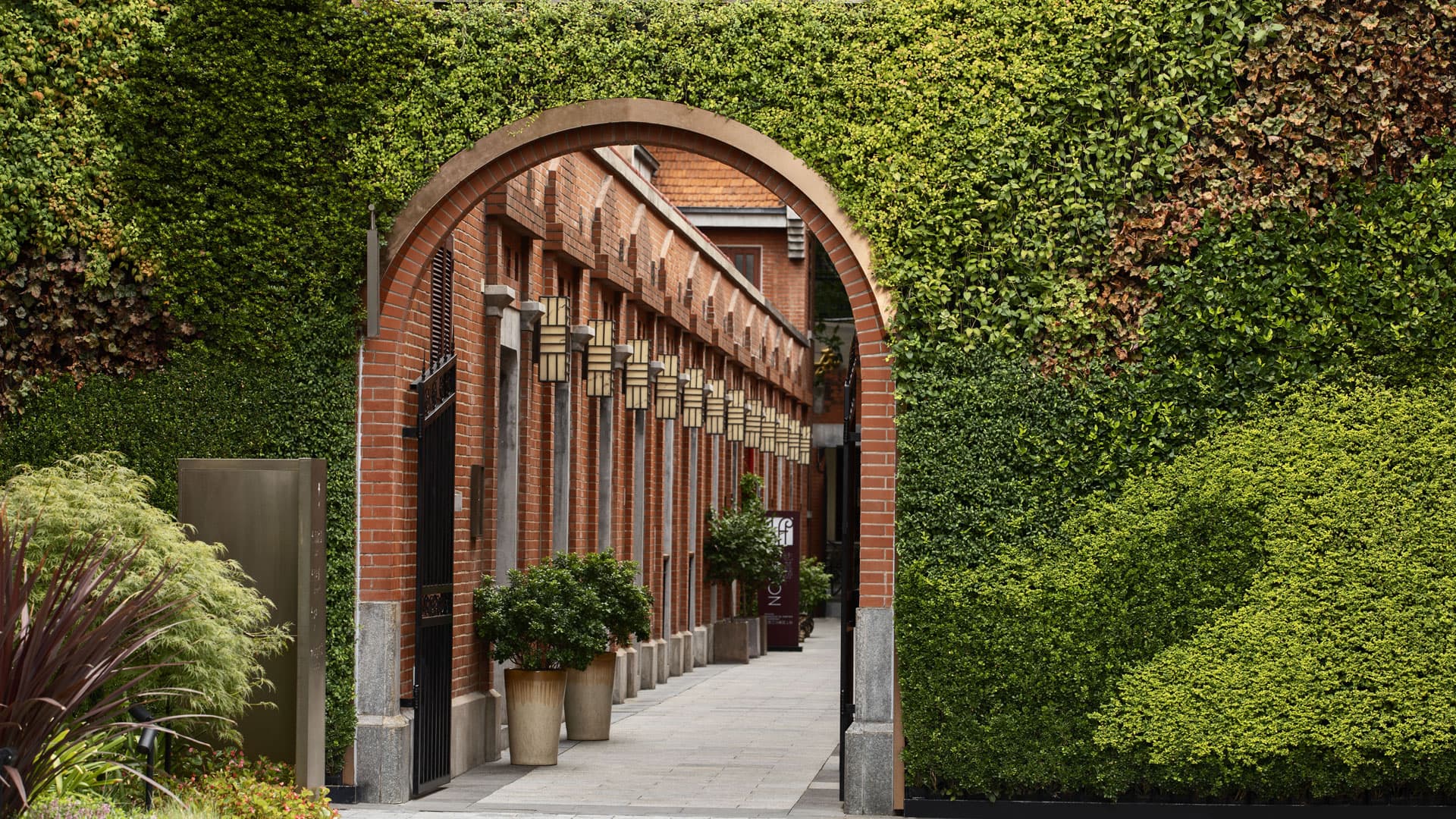
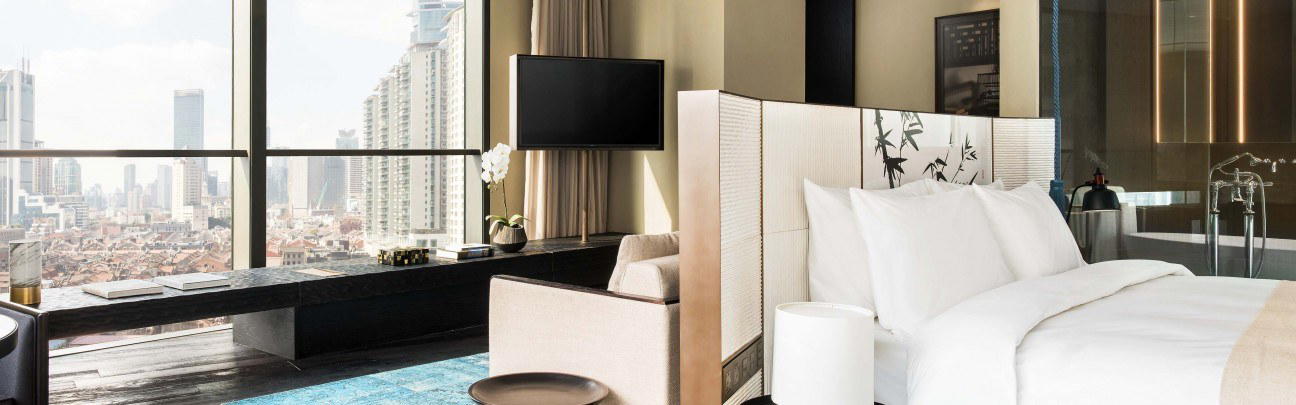
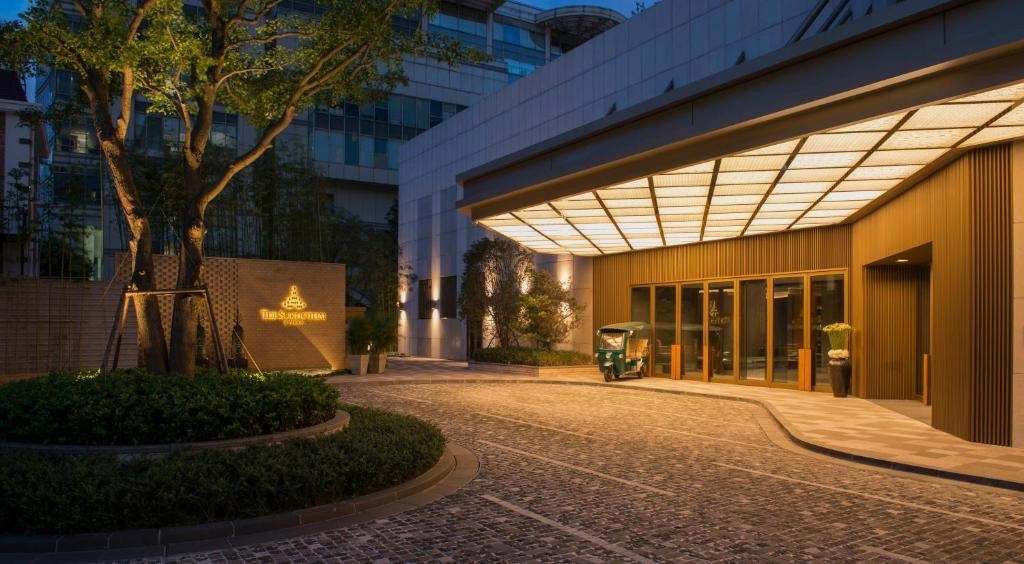
Modern, intimate, and polished, with guests centered around an open kitchen and a formal but conversational fine-dining atmosphere.