Our verdict
58° 扒房 sits in Lujiazui, Pudong's financial and dining centre, positioning itself within Shanghai's competitive steakhouse and grill tier. The address on Pudong South Road places it inside one of the city's most internationally oriented dining corridors, where Western grill formats compete alongside high-end Chinese restaurants for the business and leisure spend that defines the district.

Pearl is the En Primeur Club membership app — saves, bookings, and concierge access live there. Same editors, same standards.
- Address
- 111 Pudong Rd (S), Lujiazui, Pudong, Shanghai, China, 200120
- Phone
- +862120829888
- Website
- mandarinoriental.com
- Directions
- Get directions
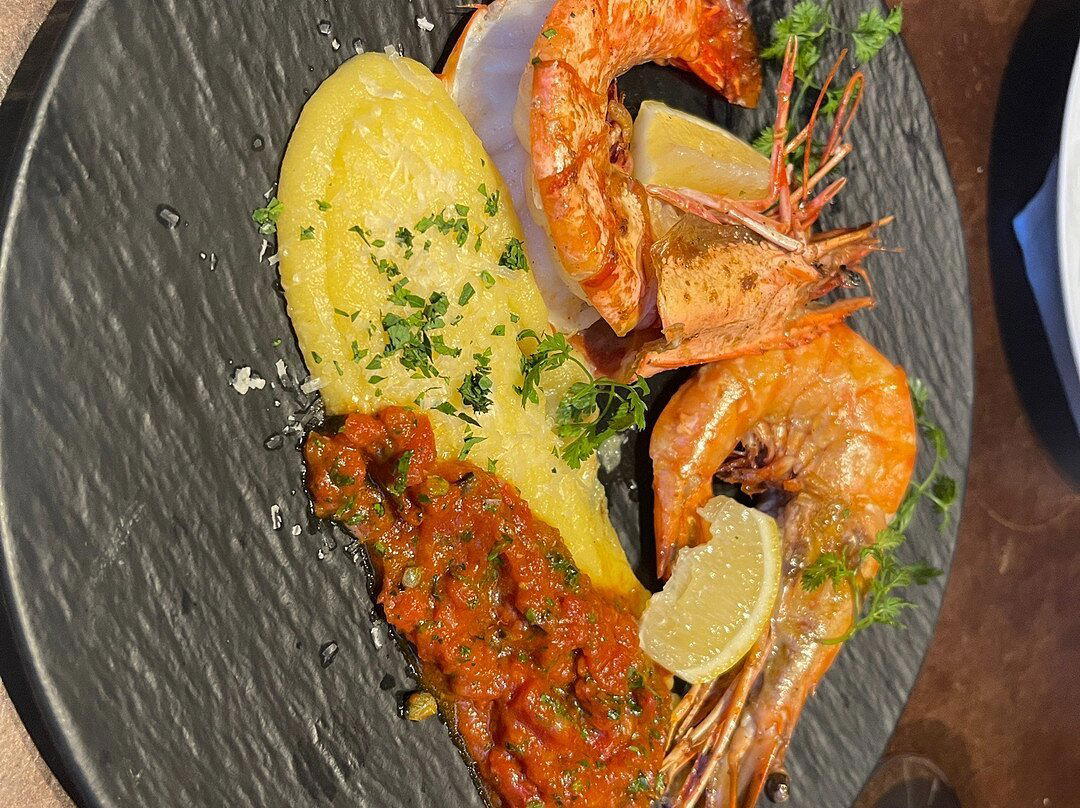
The menu
What to order
- Beef Wellington
- Wagyu beef burger
- Char-grilled sirloin
- Foie gras
- Lobster bisque
The Lujiazui Grill Room and What It Signals
Pudong's Lujiazui district operates at a different register than the heritage dining streets of the former French Concession or the lane-house restaurant clusters of Jing'an. The towers here attract a specific kind of dining expectation: long-table business dinners, imported protein programmes, wine lists built around recognisable labels, and a kitchen format that speaks a broadly international language. The grill room, or 扒房 in Chinese, is the format that has settled most comfortably into this environment. At 58° 扒房, located at 111 Pudong Road (South), that format meets one of Shanghai's most address-conscious neighbourhoods.
The name carries a culinary shorthand: 58° is a reference to internal cooking temperature, specifically the medium-rare zone that defines serious steakhouse culture globally. It is the kind of naming convention that signals a kitchen oriented around precision protein cookery rather than sauce work or tasting-menu theatrics. For the Lujiazui audience, where a table of four might represent four different passport countries, that legibility matters.
Sourcing Logic in a City of Competing Protein Claims
Shanghai's high-end grill and steakhouse tier is largely defined by what lands on the plate before any cooking begins. The city's import infrastructure for premium beef has matured considerably over the past decade, with Australian Wagyu, Japanese A5, American USDA Prime, and Argentinian grass-fed all competing for menu real estate. Where a restaurant positions itself within that sourcing matrix tells you more about its competitive intentions than most marketing language.
The grill room format at 58° 扒房 sits inside a broader pattern across Lujiazui and the Bund-adjacent corridor, where sourcing provenance has become a form of differentiation. Venues that specify their beef region, breed, and grading system are signalling to a clientele that has eaten at comparable rooms in Tokyo, London, or New York. That international frame of reference shapes what local chefs have to answer to. The question for any grill room in this district is less "is the beef good" and more "how precisely can you trace and present it."
Dry-aging programmes, grass-versus-grain debates, and marbling grading scales have all entered the vocabulary of Shanghai's premium dining conversation. For context on how that compares with the approach taken in other high-end Chinese dining formats in the city, it is worth looking at how places like Fu He Hui build their ingredient narrative around a completely different sourcing philosophy, where seasonal Chinese produce rather than imported protein carries the argument.
The Physical Environment and Lujiazui Dining Logic
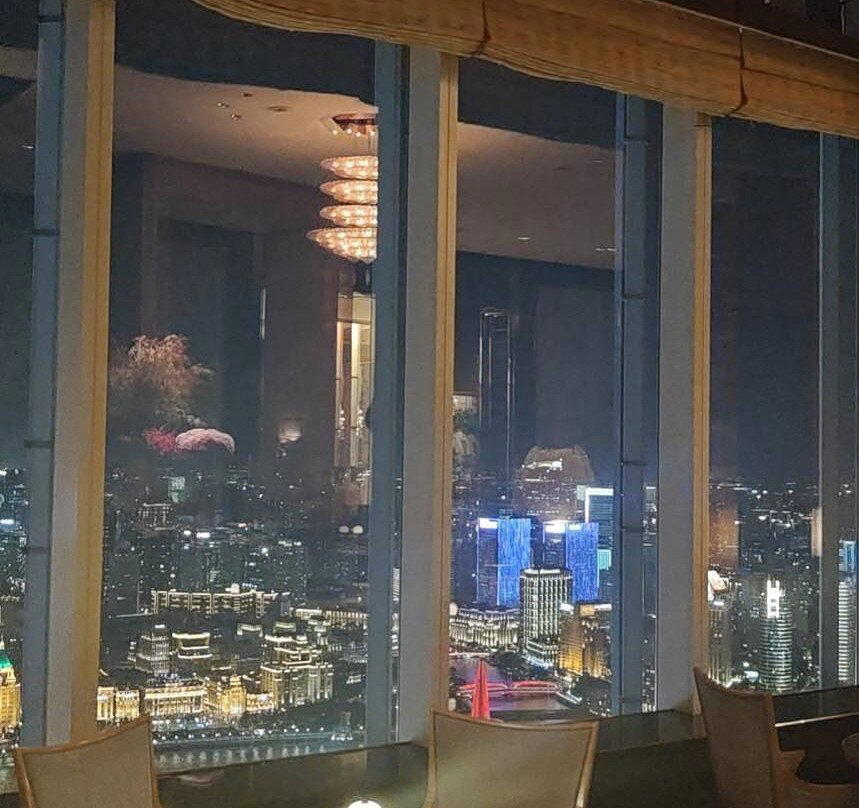
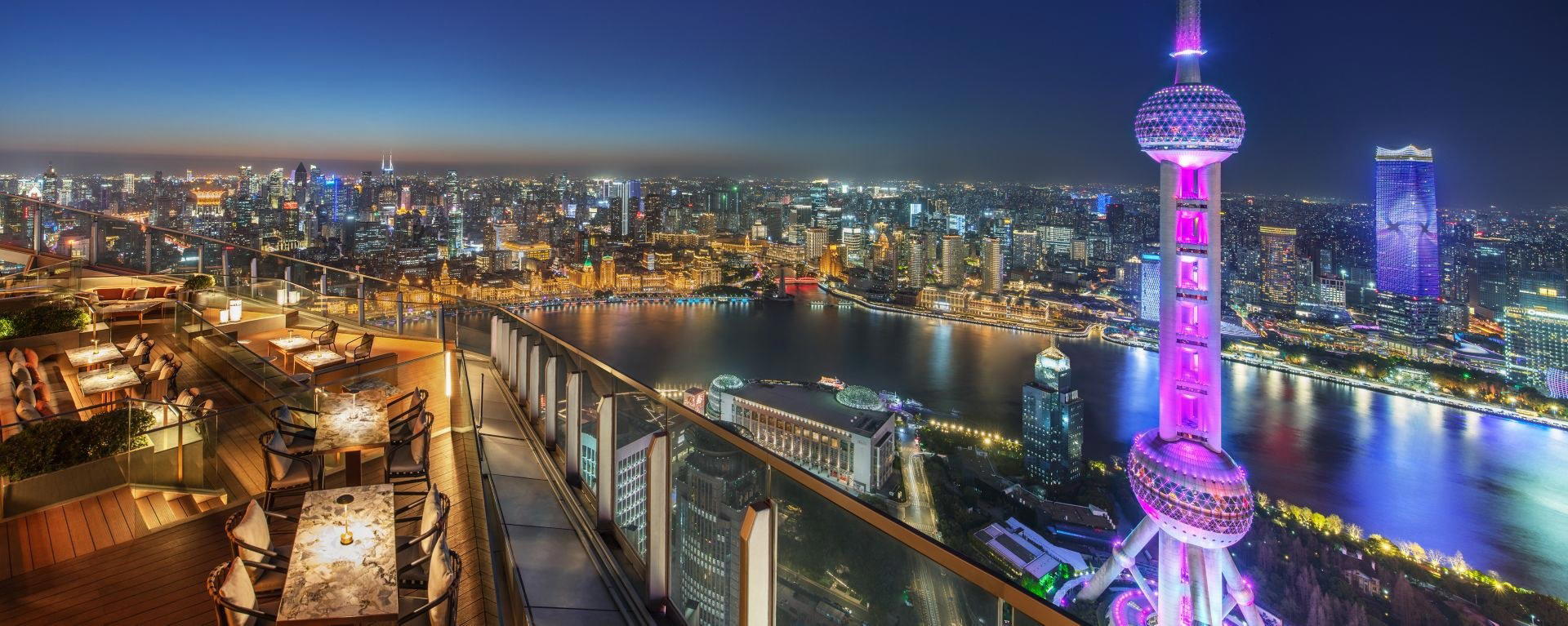
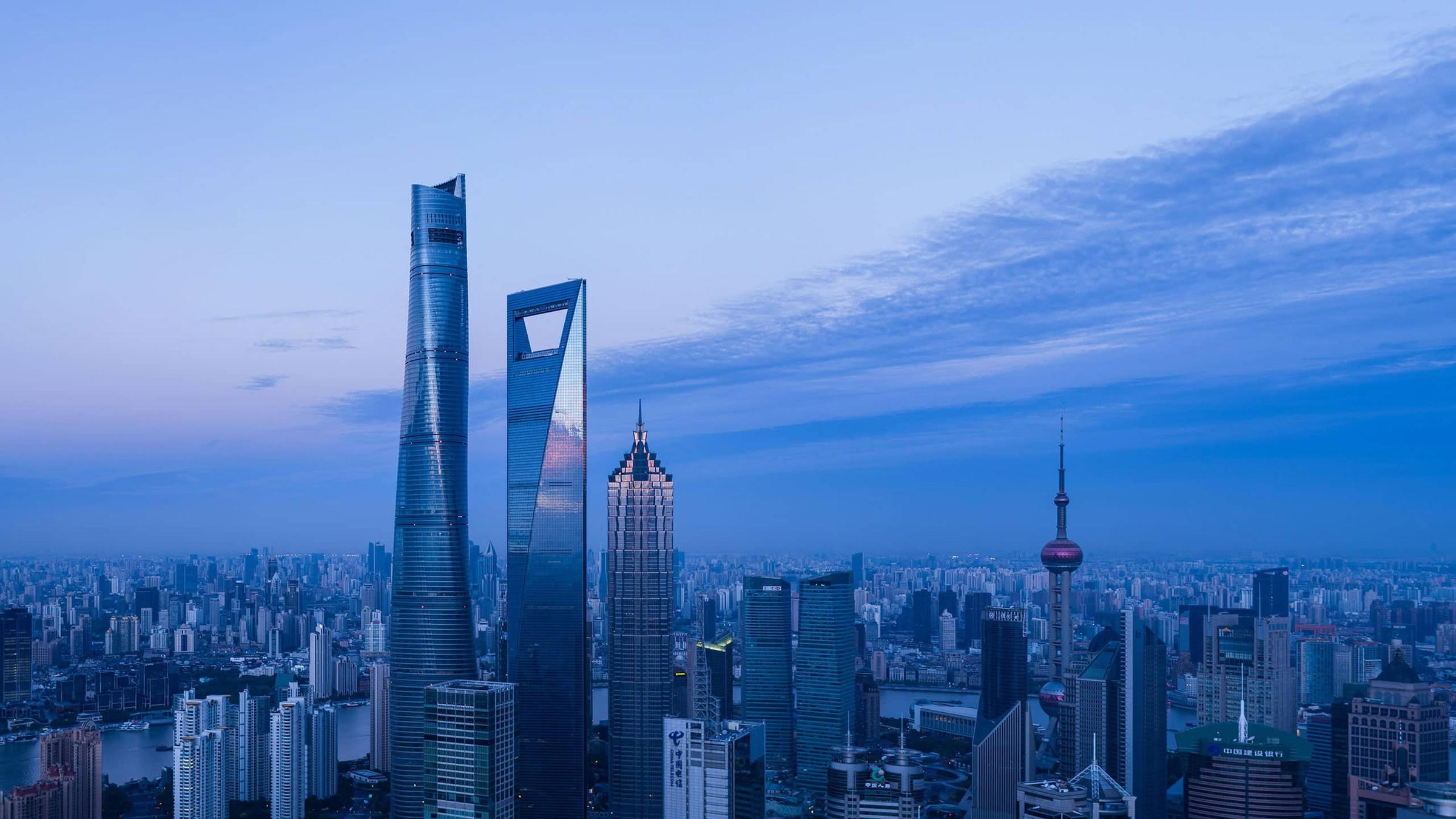
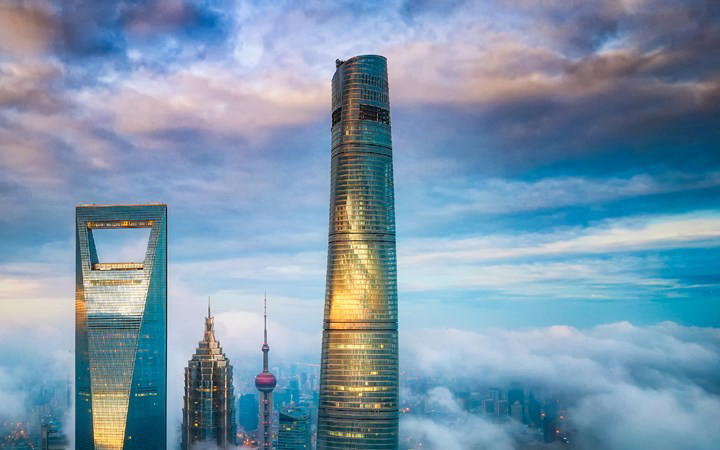
Approaching 58° 扒房 from Pudong South Road, the Lujiazui context is impossible to ignore. The towers of the financial district frame the walk, and the clientele moving through the area at dinner hour trends heavily toward business dining: suits, small groups, occasional family tables. The grill room format suits this rhythm. Unlike omakase counters or chef's table formats that require surrender to a fixed sequence, the à la carte grill room allows the kind of conversation-forward dining that corporate entertaining demands.
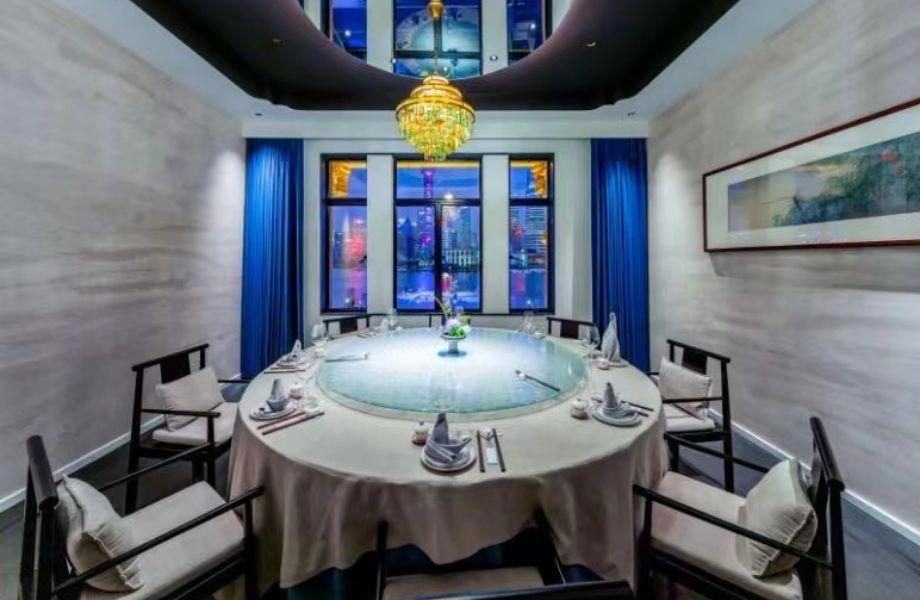
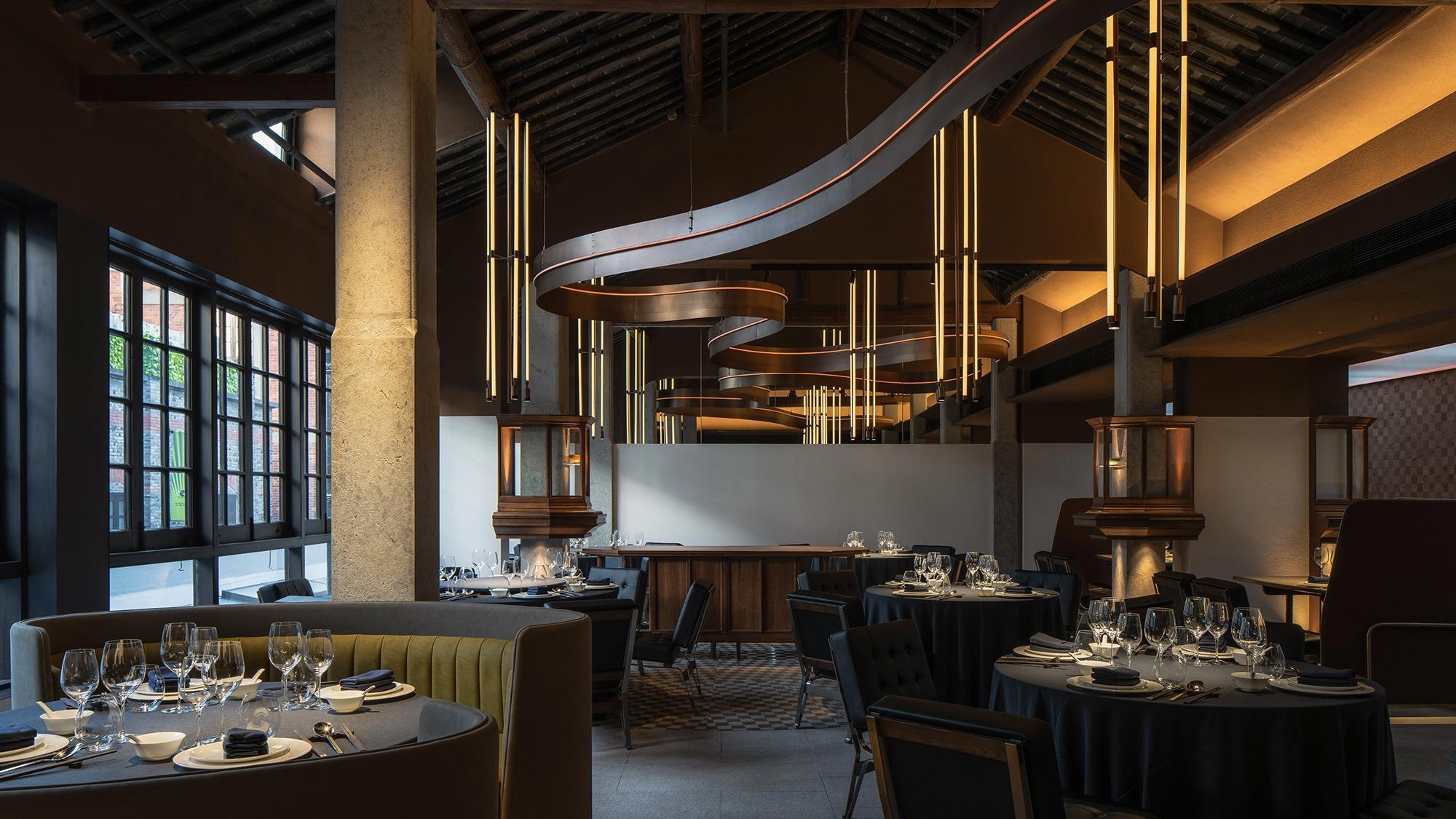
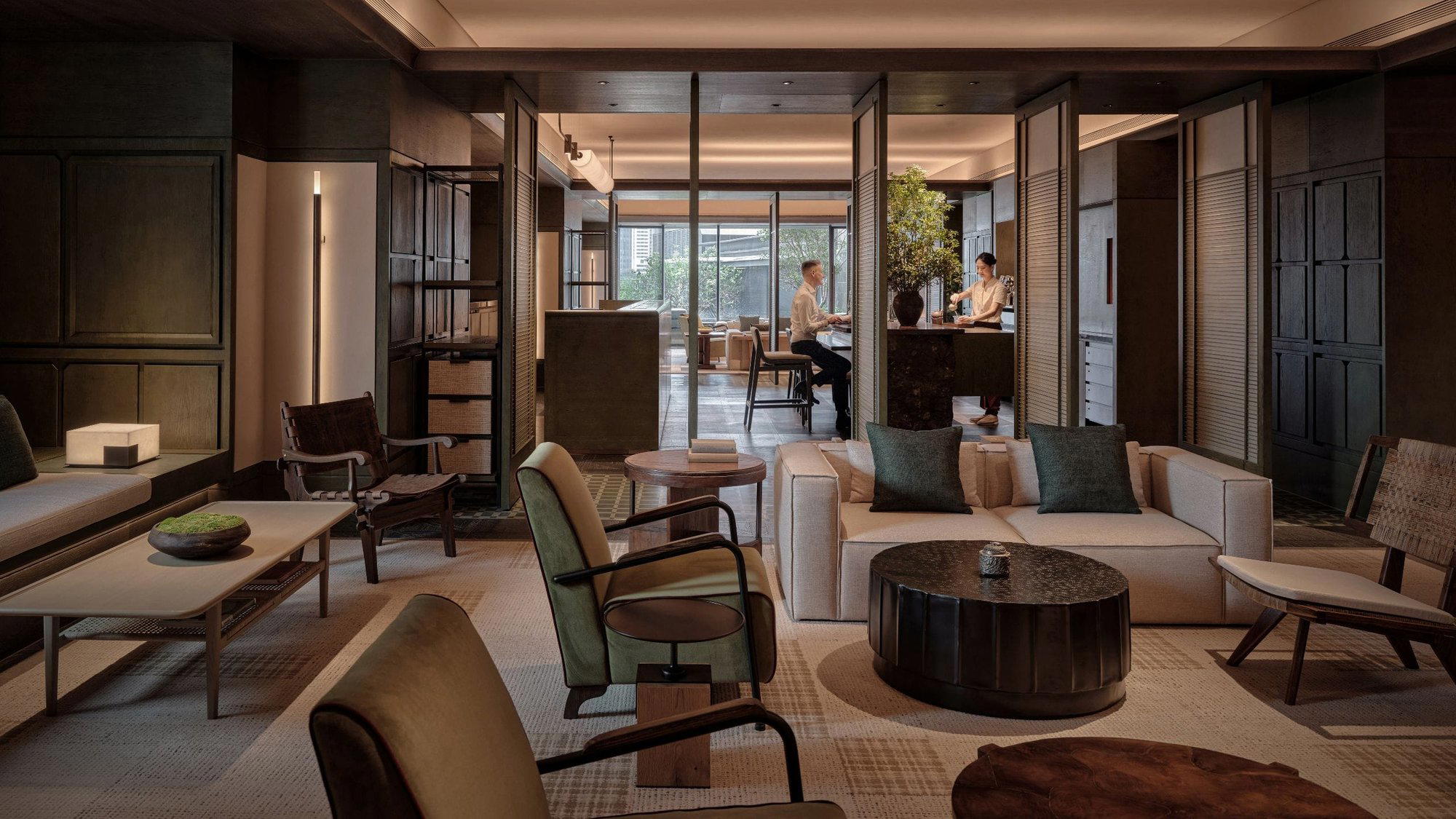
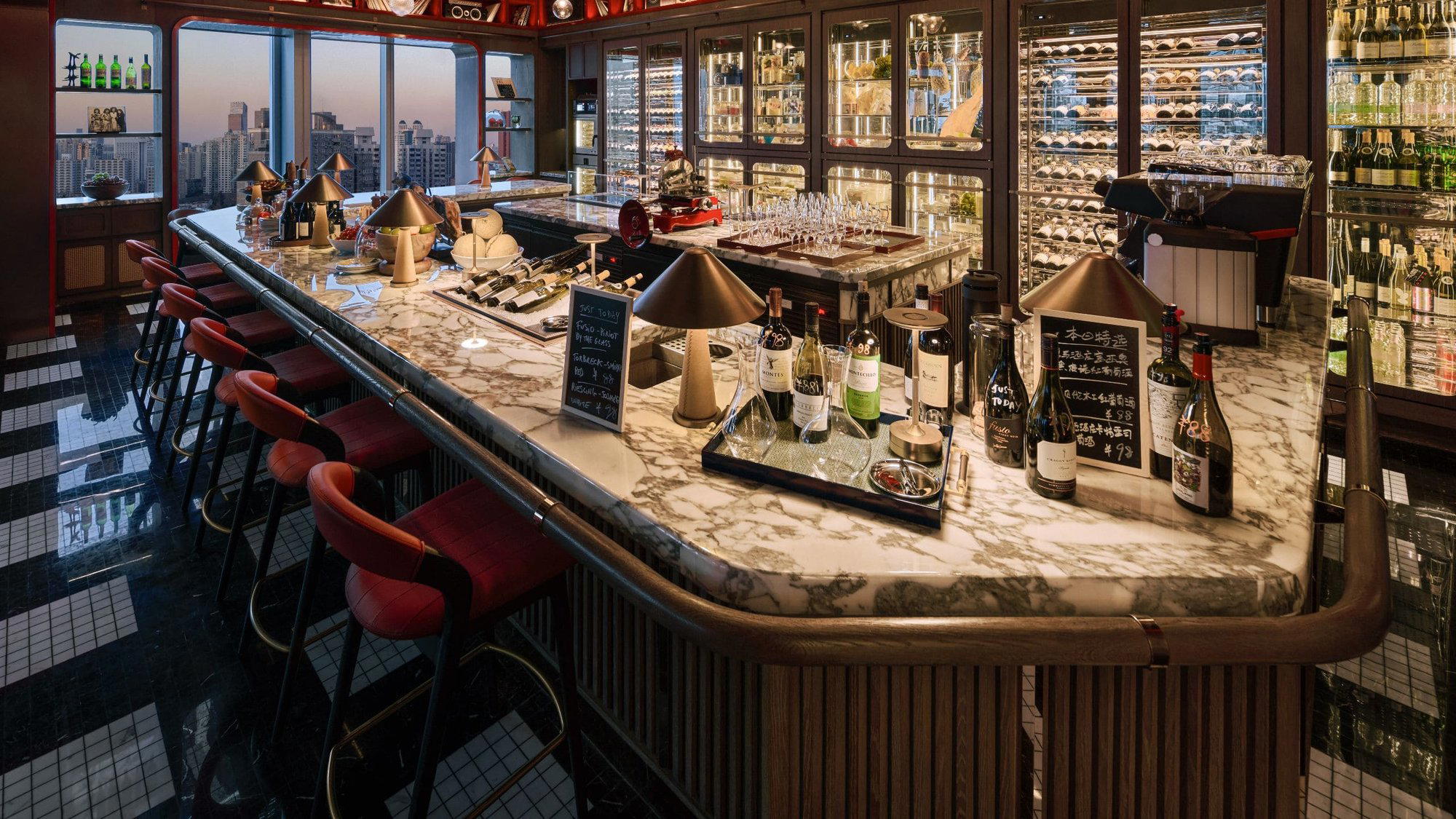
Inside, grill rooms in this tier of Shanghai dining typically work with warm material palettes, leather banquette seating, and a kitchen that is either partially open or deliberately theatrical around the grill station itself. The 58° temperature reference in the name suggests a kitchen that wants its craft visible, or at least felt, in the precision of the result. That contrasts with the conceptual theatrics of venues like Taian Table, where the dining experience is structured around revelation and sequence rather than familiar format.
Where This Fits in Shanghai's Competitive Grill Set
Shanghai's Western grill and steakhouse options now span a wide price range, from casual imported-beef bistros to rooms pricing against fine-dining peers in Hong Kong or Singapore. The Lujiazui address places 58° 扒房 in the upper-middle register of that spectrum, competing primarily with hotel restaurant grill rooms and independent venues that target the business dining and special-occasion segments simultaneously.
For comparison within the same city, 8 1/2 Otto e Mezzo Bombana represents the ceiling of the European-heritage fine dining tier, while 102 House shows how Cantonese tradition competes in the same high-end spend bracket. The grill room occupies a middle space: more ingredient-focused than a creative tasting menu, more formal than a casual chophouse. It is a format that Shanghai's internationally mobile dining public understands quickly, which is precisely its function in a district like Lujiazui.
Across the region, the grill room model has adapted in different ways. In Macau, Chef Tam's Seasons represents how Cantonese technique can anchor a high-end protein-focused menu. In Hangzhou, Ru Yuan demonstrates a different regional answer to premium ingredient sourcing. The Shanghai grill room, by contrast, tends to speak a more international dialect, which is a deliberate positioning choice for venues serving Lujiazui's multinational professional population.
Planning a Visit
58° 扒房 is located at 111 Pudong Road (South) in Lujiazui, Pudong, directly inside one of Shanghai's most easily navigated dining corridors. Lujiazui metro station on Line 2 places the address within a short walk, and the district is well-served by ride-hailing apps, which remain the standard option for dining travel in Shanghai's Pudong. Given the business dining orientation of the area, tables at grill rooms in this zone tend to fill mid-week for corporate dinners; weekend bookings attract a slightly different mix of occasion-dining and hotel guests.
For readers building a broader Shanghai dining itinerary, our full Shanghai restaurants guide maps the city's dining options across cuisine type and price tier. Those interested in how premium dining operates in comparable Chinese cities can reference Xin Rong Ji in Beijing, Xin Rong Ji in Chengdu, or Imperial Treasure Fine Chinese Cuisine in Guangzhou for a sense of how high-end dining formats shift across mainland China's major cities. For international comparison on what serious grill and protein-focused programmes look like at their reference ceiling, Le Bernardin and Atomix in New York City represent two different answers to the same question of how ingredient sourcing and kitchen precision translate into a dining argument.
Frequently asked questions
Is 58° 扒房 okay with children?
The Lujiazui address and grill room format position 58° 扒房 primarily toward business entertaining and adult occasion dining. Families with children can visit, but the room's orientation and atmosphere at this price point in Pudong's financial district mean it is not designed with younger guests in mind. A casual family dinner would likely feel out of register with the surroundings.
What is the atmosphere like at 58° 扒房?
Seated inside one of Lujiazui's most commercially dense dining corridors at 111 Pudong Road (S), the room reads as corporate and occasion-focused rather than relaxed or convivial. The financial district context — towers, international business traffic — sets the tone before guests arrive. Expect a formal register suited to deal dinners and milestone celebrations rather than leisurely weekend meals.
How does the name '58°' reflect what 58° 扒房 actually serves?
The 58° in the name is a direct temperature reference — 58°C sits at the lower end of medium-rare for beef, indicating that precision protein cookery is the kitchen's organising principle rather than a decorative concept. This puts 58° 扒房 in the same category logic as Shanghai grill rooms that foreground sourcing and cook temperature over broader menu range. For diners at 111 Pudong Road (S), that framing sets clear expectations: this is a meat-focused room, not a pan-Asian brasserie.
What do people recommend at 58° 扒房?
The name itself is the clearest ordering guide: 58° references a precise internal cooking temperature, signalling that protein cookery — grilled and roasted cuts — is the kitchen's stated focus. Ordering around that premise means grilled mains rather than supplementary dishes. In Shanghai's high-end grill tier, sourcing quality and cooking precision at the cut level are the primary differentiators worth testing.
How do I find 58° 扒房?
58° 扒房 is located at 111 Pudong Rd (S), Lujiazui, Pudong, Shanghai, China, 200120, Shanghai.
Comparable Venues
Comparable venues nearby, for context on price, style, and recognition.
| Venue | Cuisine | Price | Awards | Notes |
|---|---|---|---|---|
| 58° 扒房This venue — the venue you are viewing | Modern French Steakhouse | $100–150 | Not listed | Not listed |
| 1929 by Guillaume Galliot | Contemporary French with Asian influences in a 1929 heritage building | $150–200 | Black Pearl 1 Diamond | Huangpu |
| Laimei Luzi | Classic French Fine Dining | $200–300 | 1 Michelin Star · La Liste Top Restaurants | Lu Jia Du |
| Le Saleya | French Bistro | $30–50 | Star Wine List | Da Pu Qiao |
| Scena | Michelin-Starred Italian-Mediterranean | $100–150 | Gambero Rosso 2 Forchette | Lan Ni Du |
| GRAND BOAT | Contemporary Cantonese Seafood | Not listed | Black Pearl 1 Diamond | Lan Ni Du |

Details
- Elegant
- Sophisticated
- Romantic
- Classic
- Business Dinner
- Group Dining
- Celebration
- Special Occasion
- Date Night
- Garden
- Design Destination
- Hotel Restaurant
- Garden
- A La Carte
- Set Menu
- Vegetarian Friendly
- Vegan Options
- Gluten Free Options
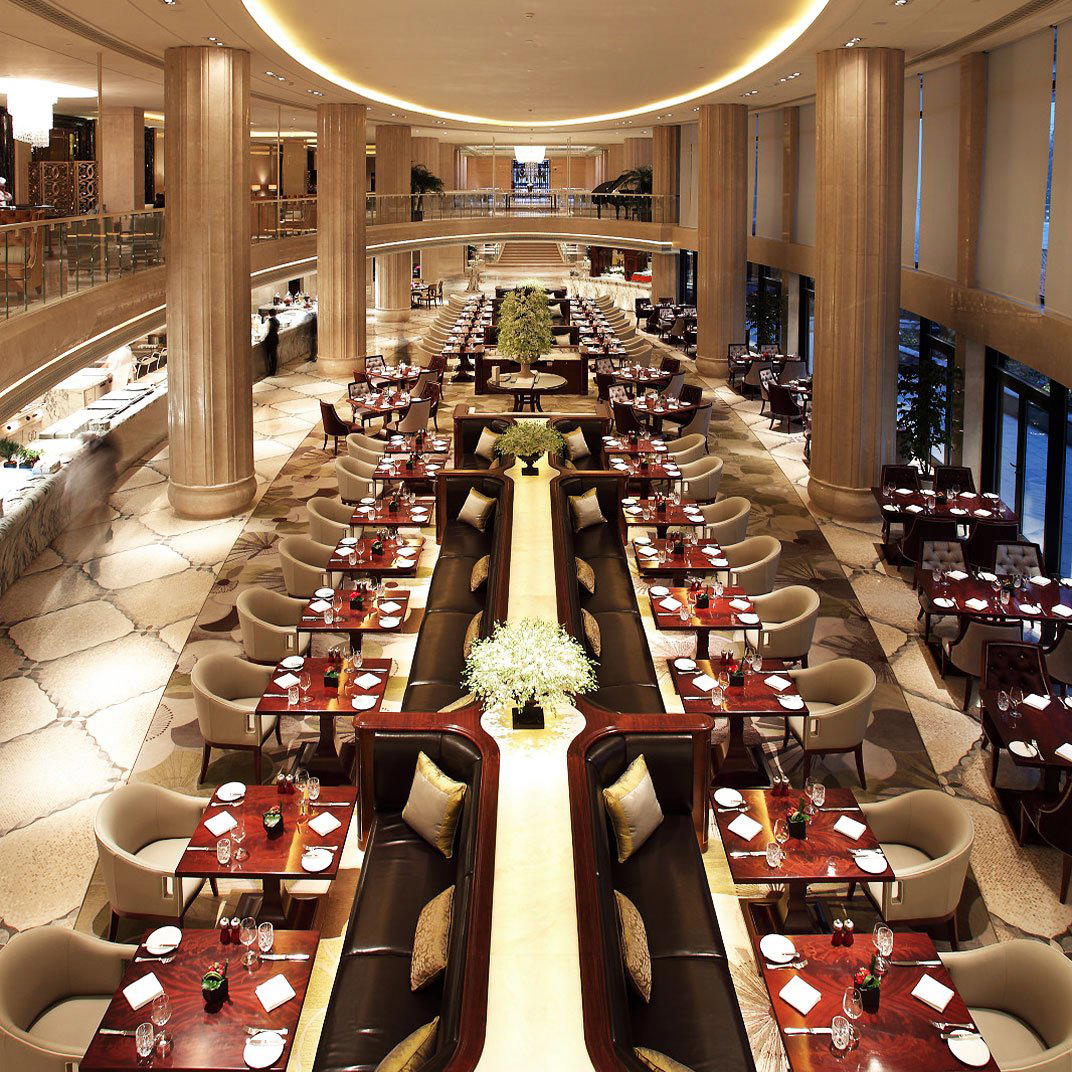
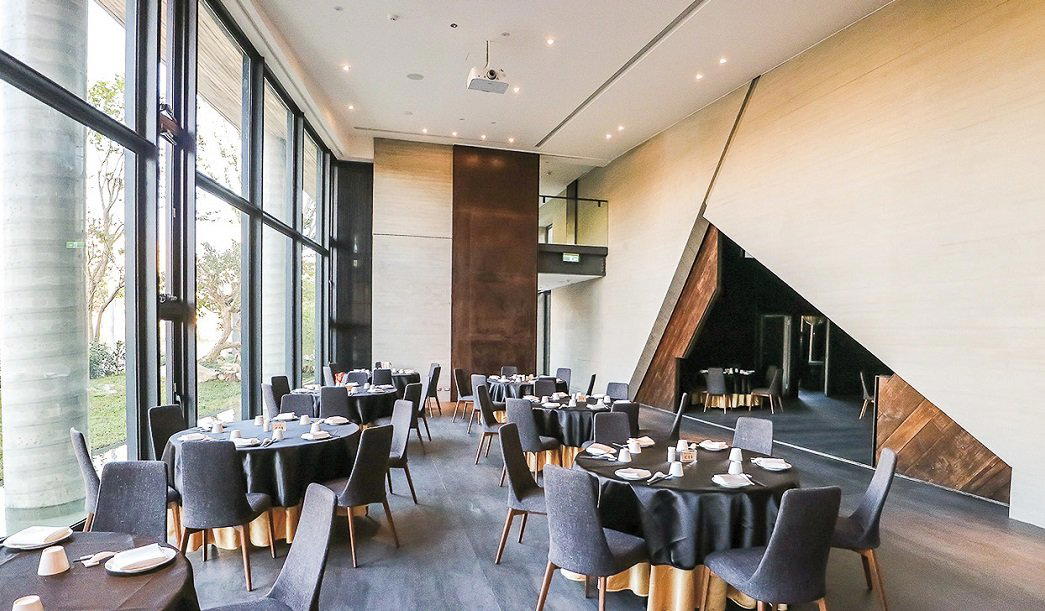
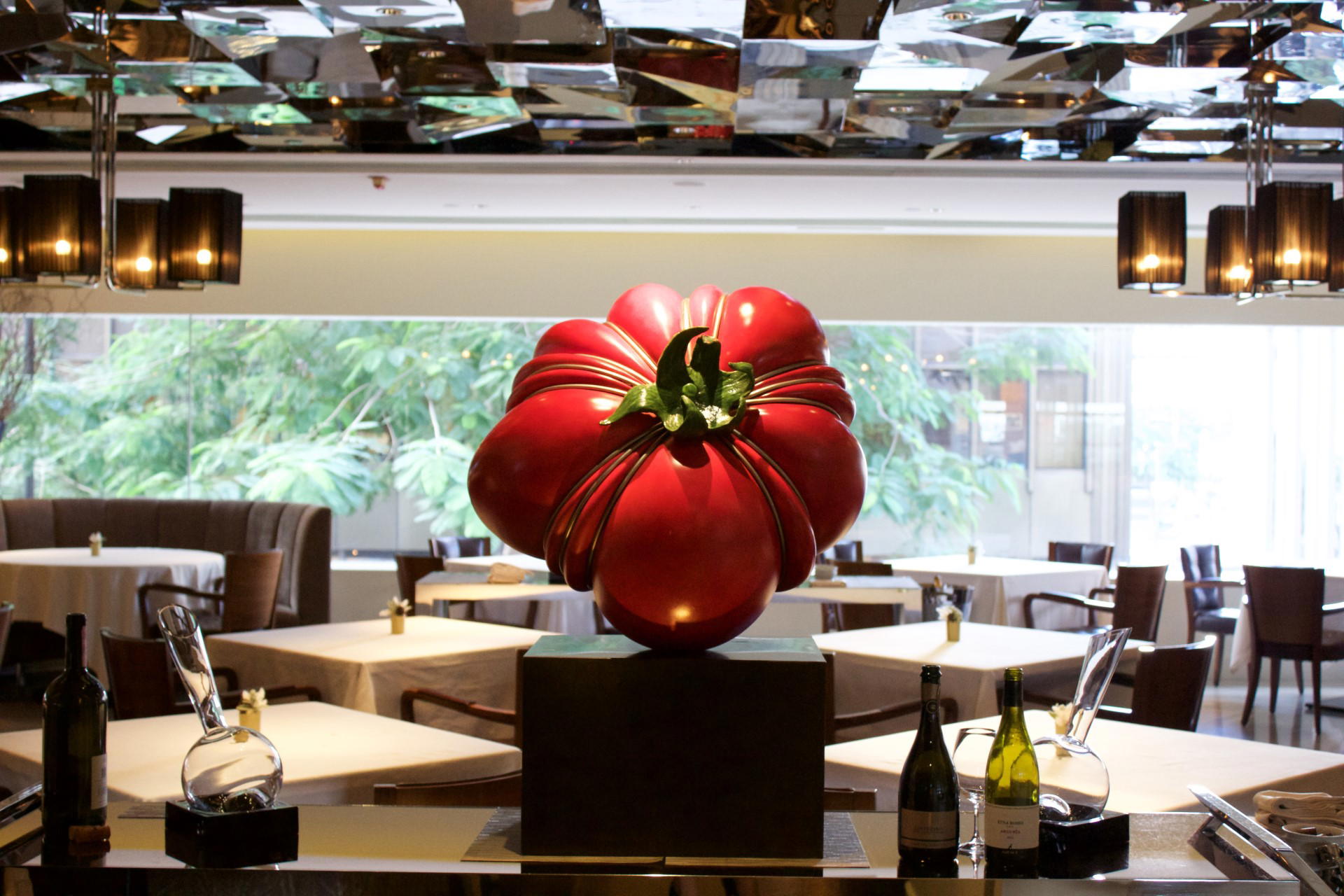
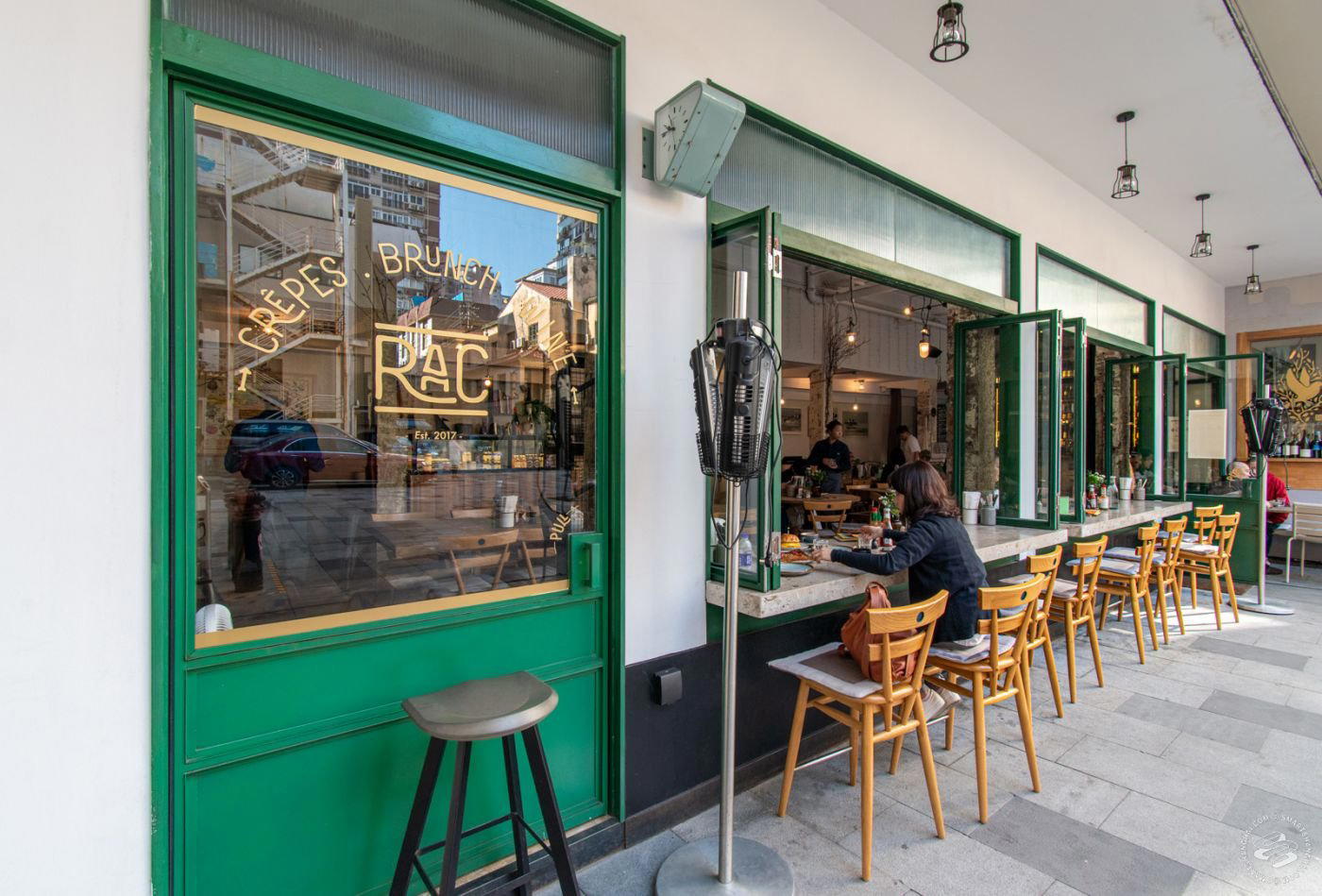
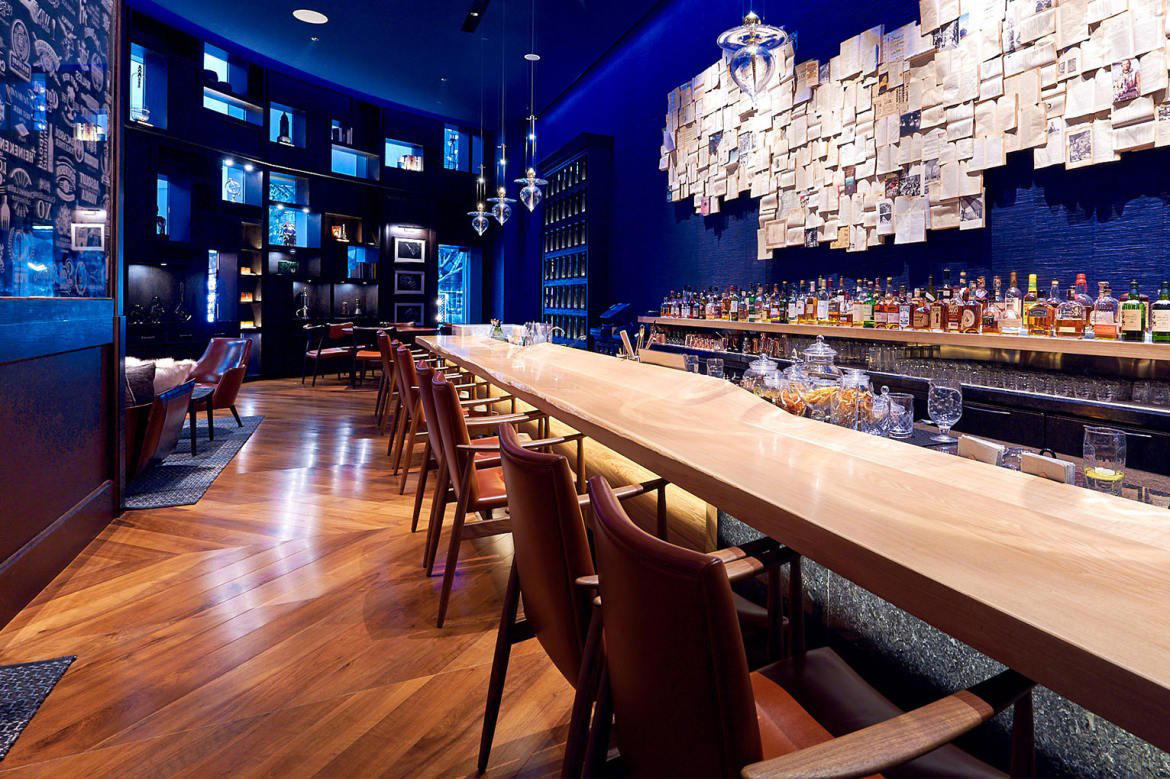
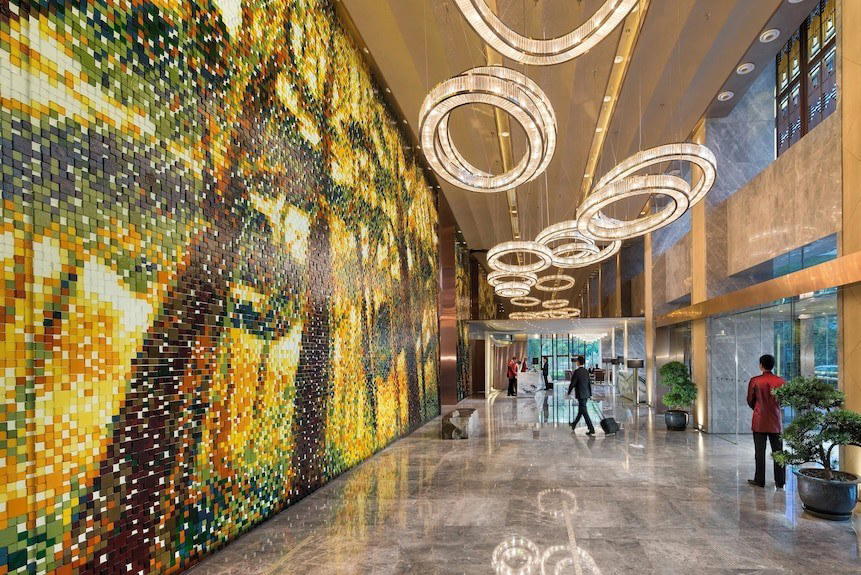
Elegant and romantic, with geometric-patterned flooring, refined lighting, and a striking steel bar that evoke Shanghai’s Art Deco era; the venue also offers an indoor dining room and an outdoor garden setting.