
La Liste Top Restaurants
Our verdict
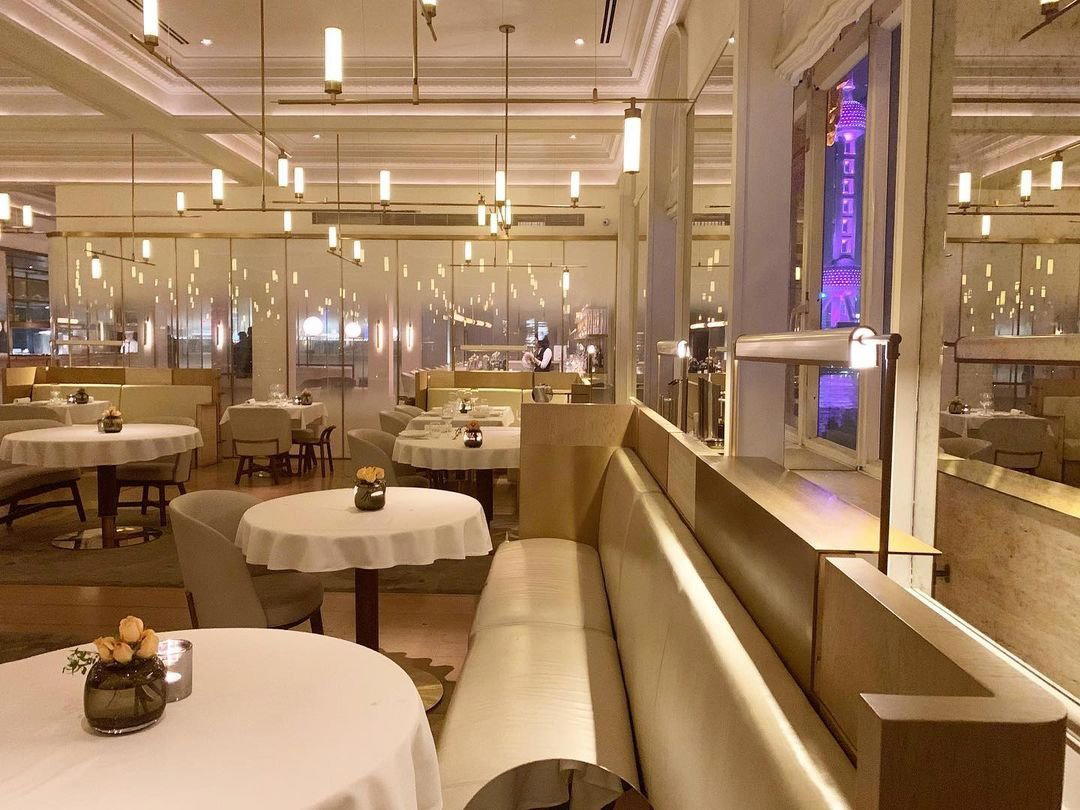
At the historic Three on the Bund complex, Jean Georges Shanghai brings a French-Cantonese framework to one of the Bund's most architecturally significant addresses. La Liste has scored it 76–77 points across consecutive years, placing it firmly within the upper tier of Shanghai's Western-influenced fine dining. The result is a room where the Huangpu River view competes with what arrives on the plate.

Pearl is the En Primeur Club membership app — saves, bookings, and concierge access live there. Same editors, same standards.
- Address
- 20 Guangdong Rd, Waitan, Huangpu, Shanghai, China, 200002
- Phone
- +86 21 6350 9988
- Hours
- Daily 11:30 AM–2:30 PM, 5:30–10:30 PM
- Website
- m-restaurantgroup.com
- Directions
- Get directions
The menu
What to order
- Egg Caviar
- Lobster Tartine with Lemongrass
- Broiled Squab
- Molten Chocolate Cake
- Foie Gras Brûlée
The Bund as Dining Stage
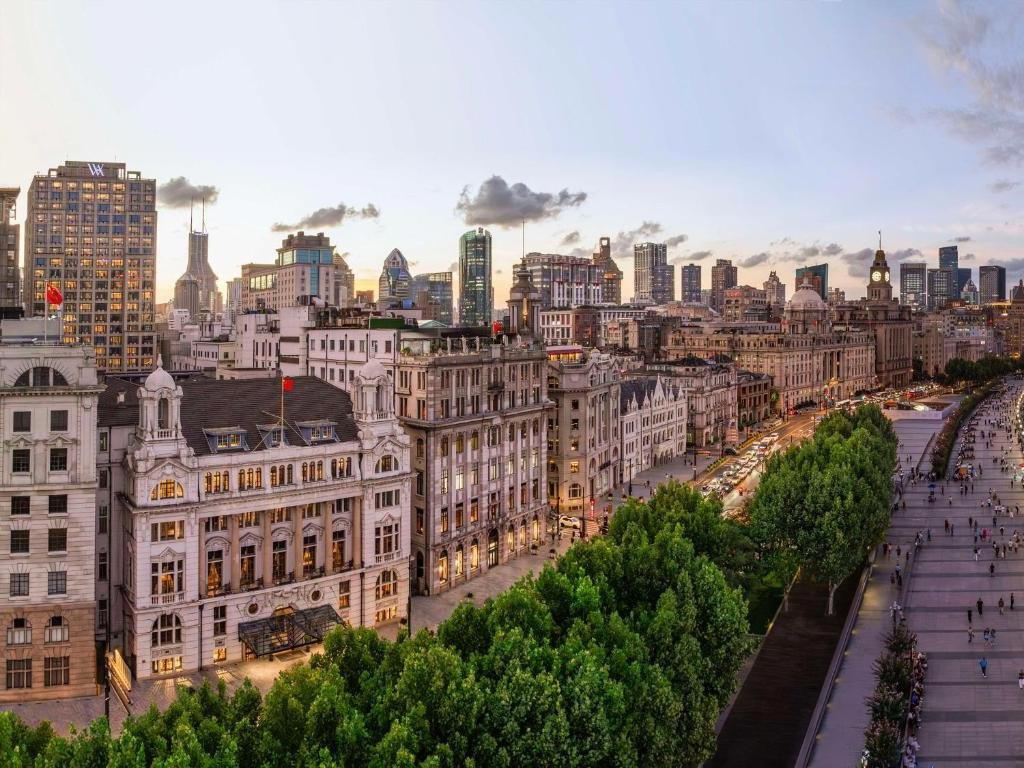
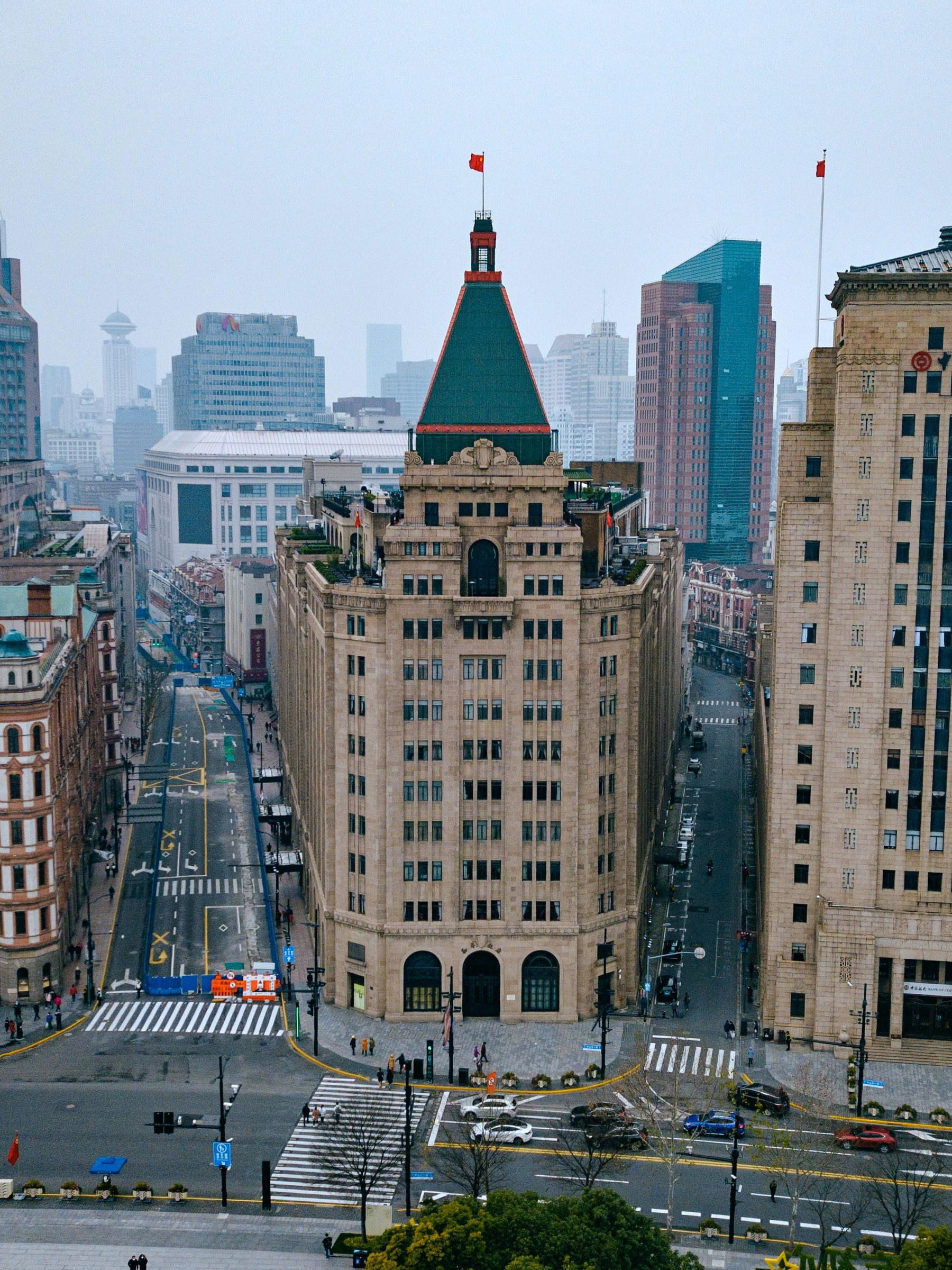
The approach to 20 Guangdong Road sets expectations before the first course arrives. The Three on the Bund building, a 1916 neoclassical structure facing the Huangpu River, has operated as one of Shanghai's more deliberate attempts to anchor international fine dining to a historically loaded address. That architectural weight — the high ceilings, the restored stone facades, the view across to Pudong's towers — functions less as decoration and more as structural argument: this is a city that has been in conversation with the West for well over a century, and the food here reflects that long negotiation. For visitors mapping out Huangpu's dining options, our full Huangpu restaurants guide places this address within the district's broader competitive spread.
French Cantonese and the Logic of Heat
The cuisine classification, French Cantonese, names a tension that Chinese cooking has been working through for decades. On one side sits the French tradition of long reductions, cold butter emulsions, and controlled low heat. On the other sits Cantonese technique, where the wok and its concentrated flame are the definitive instruments. Wok hei, the smoky, caramelised breath that high-heat cooking imprints on a dish in the seconds between toss and plate, is not reproducible through European methods. The interest in a French-Cantonese kitchen lies precisely in how that gap is negotiated: whether French structure is used to frame Cantonese speed, or whether Cantonese directness cuts through European richness. The leading iterations of this fusion find a productive friction rather than a compromise, and Shanghai, as a city that has hosted that friction longer than most, provides the right context for it.
Cantonese cooking, even in its most classically prepared form, depends on precision at high temperature: a few seconds of excess heat in a wok can move a dish from correct to overcooked, and that margin demands a different kind of attention than European sauce work. Kitchens merging these two traditions must staff for both disciplines simultaneously, the brigade system and the wok station operating in parallel. Comparable French-Chinese crossover kitchens across the region, from Chef Tam's Seasons in Macau to Imperial Treasure Fine Chinese Cuisine in Guangzhou, each resolve this tension differently, but the underlying technical problem is the same.
Where La Liste Places This Room
La Liste, the French government-backed ranking that aggregates critical scores and guide data from multiple countries, awarded Jean Georges Shanghai 76 points in its 2026 edition and 77 points in 2025. That one-point shift is less significant than the range: both scores place the restaurant in the tier that La Liste considers among the better dining addresses globally, but not within its narrow upper bracket of 90-plus. For Shanghai, a city where the La Liste list is competitive and where Chinese fine dining has claimed many of the highest-ranked regional positions, a 76-77 score for a French-Cantonese concept at a Western-heritage address represents a specific kind of recognition. It signals that the room is taken seriously by the international critical apparatus, without implying that it operates at the same level as the city's most decorated Chinese kitchens.
For comparison across the broader East China fine dining spread, Ru Yuan in Hangzhou and Dingshan·Jiangyan (Xiangcheng) in Suzhou represent regional Chinese approaches to premium dining in cities close enough to serve as reference points. Further afield, Xin Rong Ji in Beijing and Xin Rong Ji in Chengdu demonstrate how a single Taizhou-rooted kitchen evolves across different urban contexts.
Shanghai's French-Influenced Dining Tier
Shanghai maintains a distinct stratum of French-influenced restaurants that traces directly back to the city's pre-1949 French Concession history. Jean Georges, as a brand with roots in New York's upper fine dining circuit, the flagship has held four stars from the New York Times and has maintained relevance alongside rooms like Le Bernardin and Atomix in a city that demands continuous justification for premium positioning, carries that provenance into Shanghai. The Three on the Bund address amplifies it: the building's 1916 construction predates the People's Republic, and its postwar history of institutional use followed by its early-2000s restoration as a dining and arts venue gives it a layered identity that newer purpose-built restaurants lack.
Within Shanghai specifically, the French-influenced tier competes against a growing number of Chinese fine dining concepts that have outperformed Western formats in recent critical rankings. Fu He Hui has established that vegetarian Chinese cooking can hold premium pricing. Jing, a French Contemporary concept at the ¥¥¥ tier, occupies the same general bracket as Jean Georges and illustrates how French cooking has been absorbed and adapted at multiple price points across the city. For a different register entirely, 102 House in Shanghai shows the range within the city's premium dining options.
The Room's Position in Huangpu
Huangpu's dining identity is shaped almost entirely by proximity to the Bund and its associated international foot traffic. The district's higher-end restaurants tend to skew toward international visitors and Shanghai's business dining circuit rather than the more local-focused rooms found in Jing'an or the former French Concession. That context matters for Jean Georges: the room at Three on the Bund is positioned to serve a guest who arrives with awareness of the brand from other cities, or who is drawn by the building's address and the river view. That is not a weakness, but it does mean the room operates differently than a destination-led kitchen where the food alone drives the visit.
For visitors planning time in the district beyond dinner, our Huangpu hotels guide, bars guide, wineries guide, and experiences guide cover the surrounding context. The Bund waterfront is walkable, and the concentration of premium dining, hotel bars, and riverside terraces makes Huangpu viable as an evening itinerary in itself rather than requiring crosstown movement.
Across China's broader fine dining circuit, the French-Chinese crossover format appears in multiple regional forms: Fleurs Et Festin in Xiamen works a different southern Chinese context, while Jiangnan Wok·Rong in Fuzhou and Shang Palace in Yangzhou each represent distinct regional takes on premium Chinese cooking in Jiangnan-adjacent cities. Dai Yuet Heen in Nanjing extends the Cantonese-in-a-non-Cantonese-city format that Jean Georges Shanghai, in its own way, also inhabits.
Planning the Visit
Three on the Bund sits at 20 Guangdong Road in the Waitan area of Huangpu, a direct reach from the Bund waterfront and accessible from East Nanjing Road metro station. Given the building's profile and the Jean Georges brand recognition, reservations at popular service times are advisable well in advance, particularly for window seating with river views. Dress code expectations at this level of the Bund's dining tier typically run to smart casual at minimum, with the room's formality suggesting that diners dress accordingly.
Frequently asked questions
Where do I go for Three on the Bund - Jean Georges Shanghai?
Three on the Bund - Jean Georges Shanghai is located at 20 Guangdong Rd, Waitan, Huangpu, Shanghai, China, 200002, Huangpu.
Quick Comparison
| Venue | Cuisine | Price | Awards | Notes |
|---|---|---|---|---|
| Three on the Bund - Jean Georges ShanghaiThis venue — the venue you are viewing | Modern French with Asian Influences | $150–200 | La Liste Top Restaurants | Not listed |
| Fu He Hui | Modern Seasonal Vegetarian Fine Dining | $200–300 | 2 Michelin Stars · World's 50 Best #11 | Vegetarian |
| Aji | Nikkei, Innovative | Not listed | Michelin 1 Star | Not listed |
| Jing | French Contemporary | Not listed | Michelin 1 Star | Not listed |
| Ming Court | Cantonese with Shanghainese Influences | $30–50 | 1 Michelin Star · Black Pearl 1 Diamond | Cantonese |
| Xin Rong Ji | Chinese | Not listed | 2 Michelin Stars · World's 50 Best #56 | Taizhou Cuisine, Taizhou |
Recognition history
Dated appearances from independent guides and award organizations, with the underlying list record or original source where available.
La Liste Top Restaurants
La Liste
Full recognition history (2 entries)
La Liste Top Restaurants
La Liste
Details
- Elegant
- Romantic
- Sophisticated
- Modern
- Date Night
- Business Dinner
- Celebration
- Special Occasion
- Private Event
- Open Kitchen
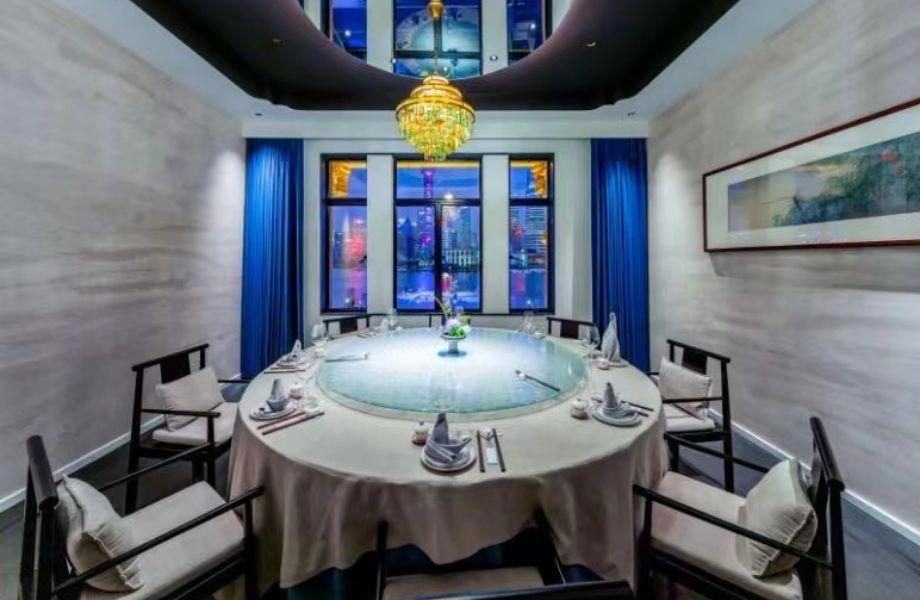
- Private Dining
- Waterfront
- Panoramic View
- Historic Building
- Design Destination
- Extensive Wine List
- Sommelier Led
- Farm To Table
- Local Sourcing
- Waterfront
- Skyline
- Tasting Menu
- Prix Fixe
- A La Carte
- Wine
- Cocktails
- Vegetarian Friendly
- Vegan Options
- Gluten Free Options
- Allergy Accommodating
Current opening hours
- Monday
- 11:30 AM–2:30 PM, 5:30–10:30 PM
- Tuesday
- 11:30 AM–2:30 PM, 5:30–10:30 PM
- Wednesday
- 11:30 AM–2:30 PM, 5:30–10:30 PM
- Thursday
- 11:30 AM–2:30 PM, 5:30–10:30 PM
- Friday
- 11:30 AM–2:30 PM, 5:30–10:30 PM
- Saturday
- 11:30 AM–2:30 PM, 5:30–10:30 PM
- Sunday
- 11:30 AM–2:30 PM, 5:30–10:30 PM
Hours can change for holidays and private events. Last verified .
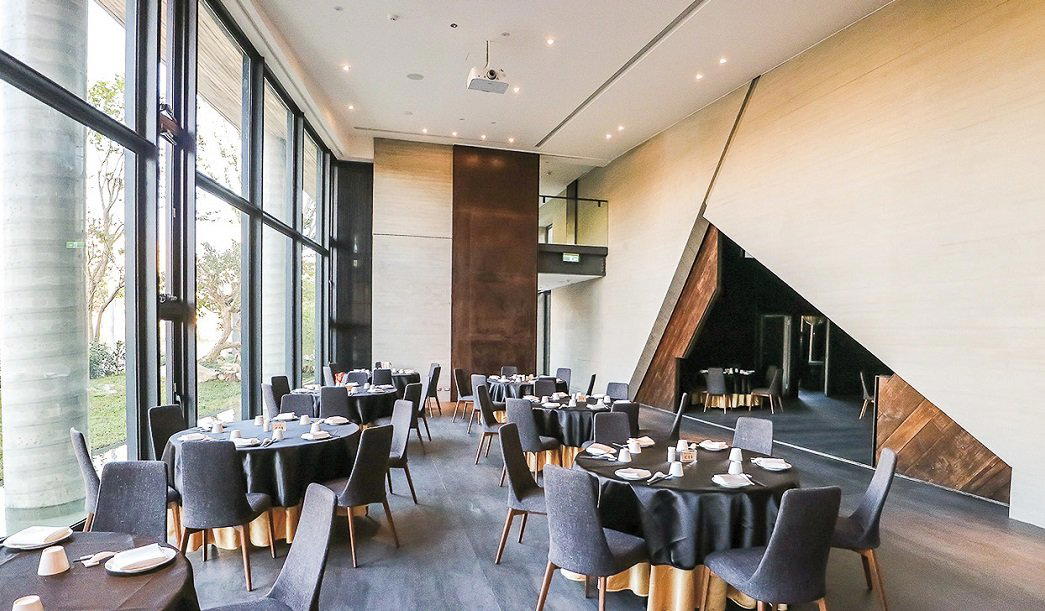
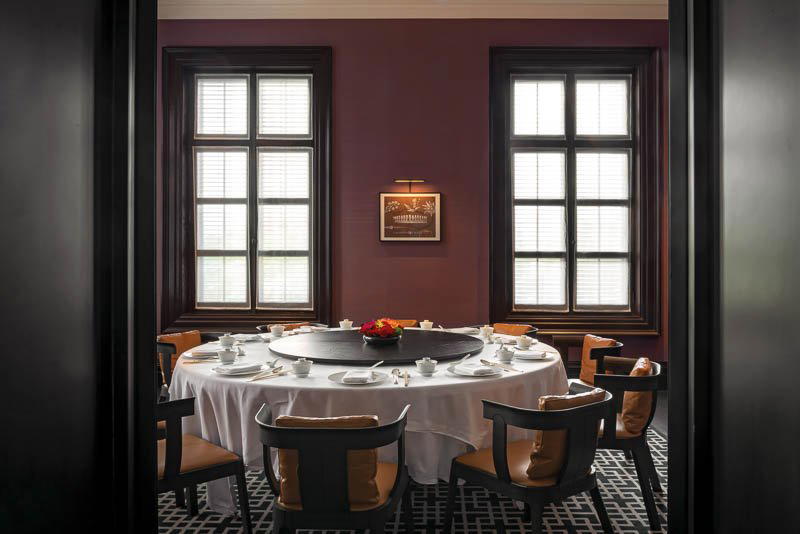
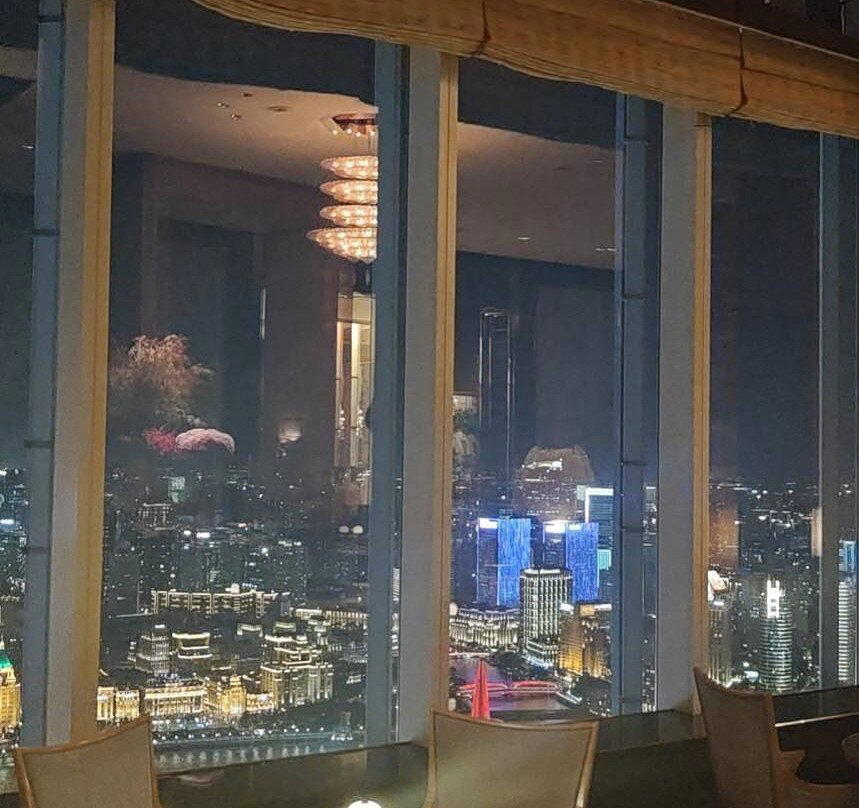
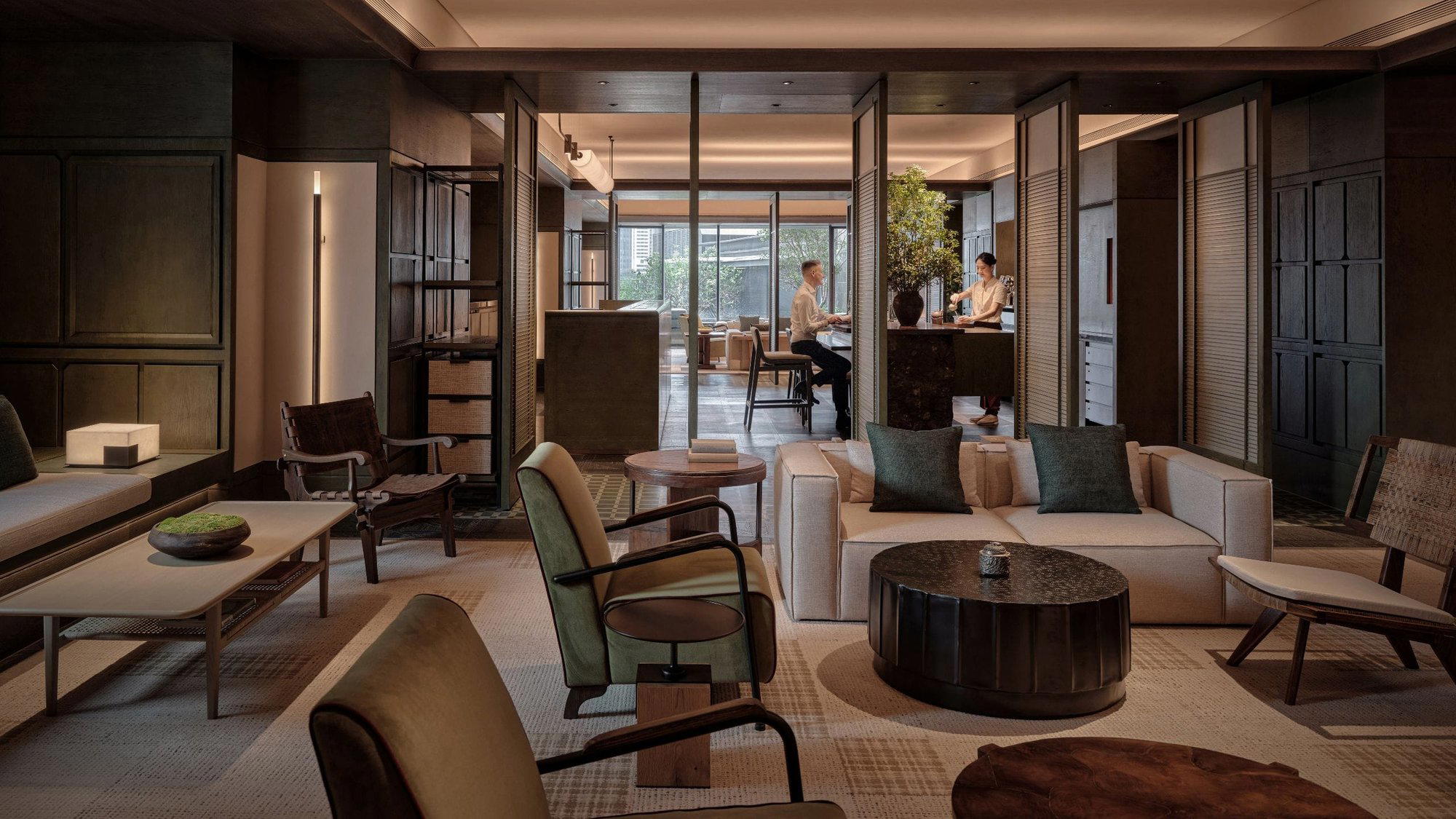
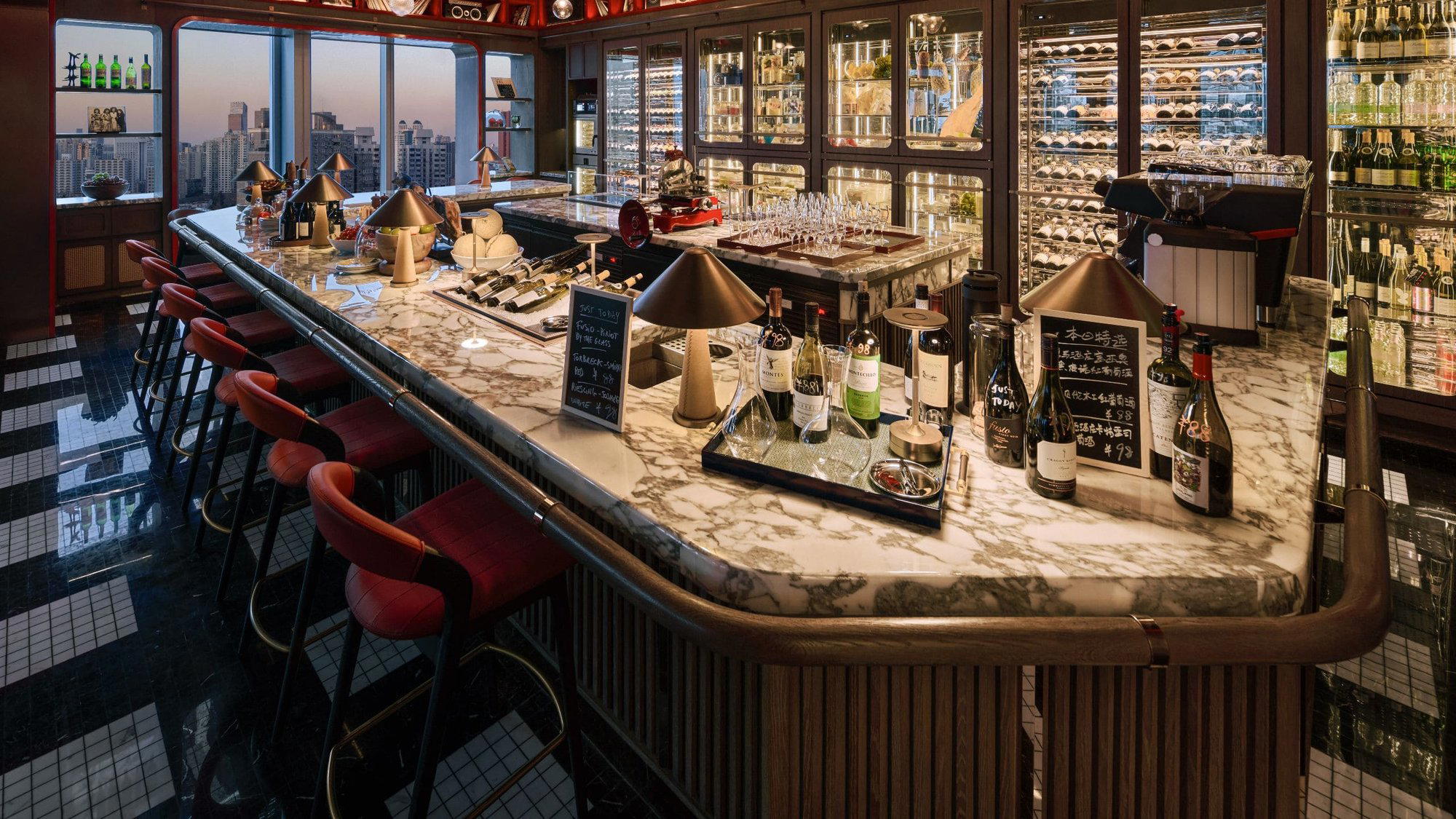
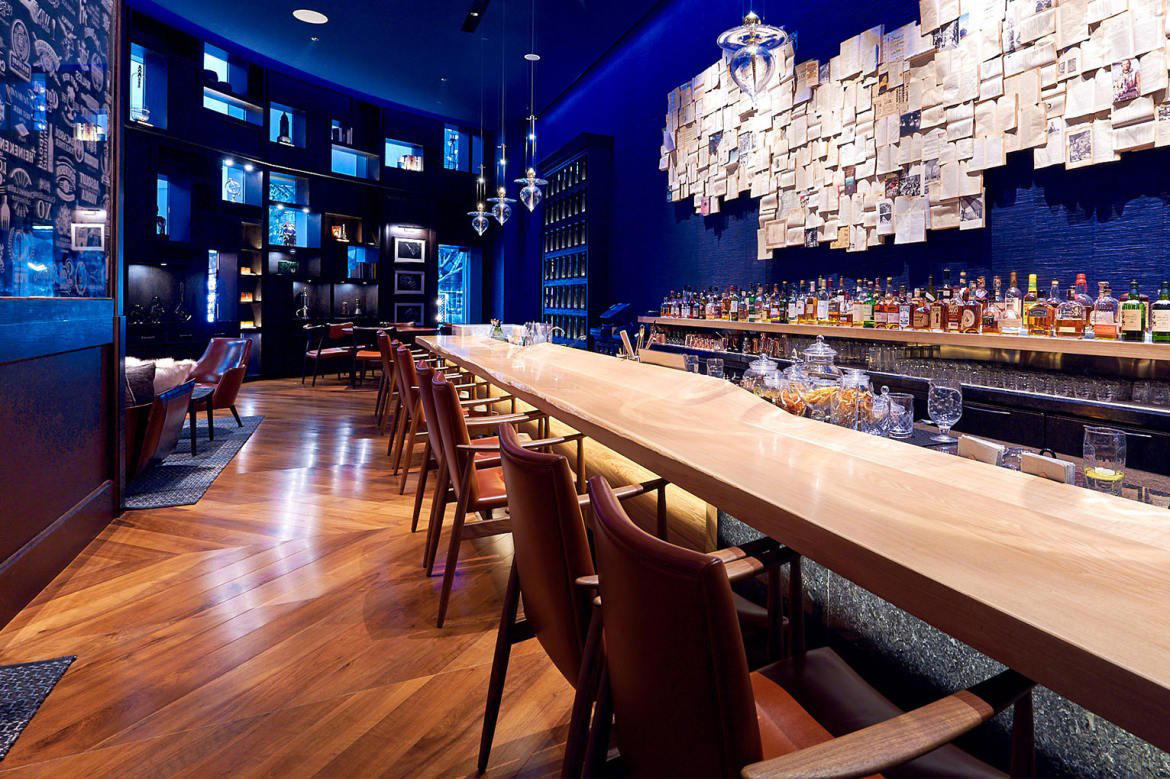
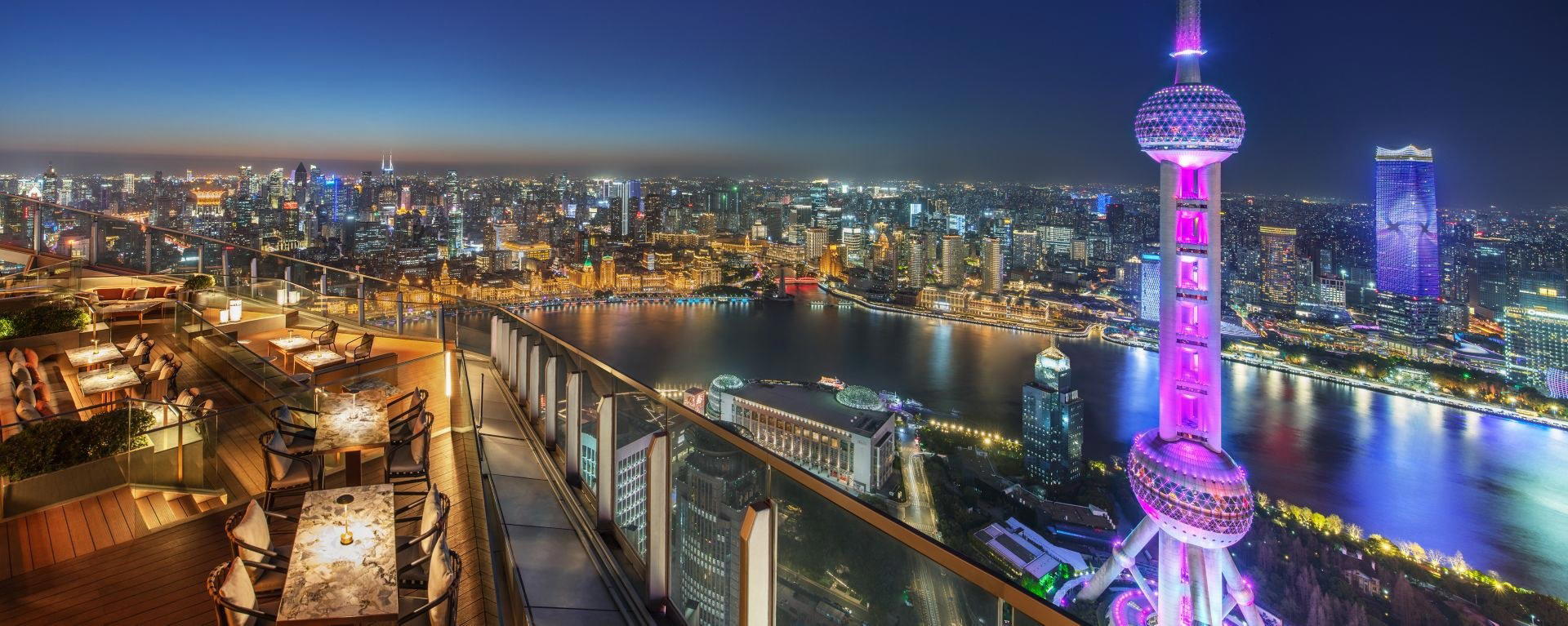
Warmly lit with soaring ceilings, tall windows, antique mirrored walls reflecting the Bund's art deco architecture, white-and-beige décor creating a luxuriously understated yet refined atmosphere with an open kitchen visible to diners.