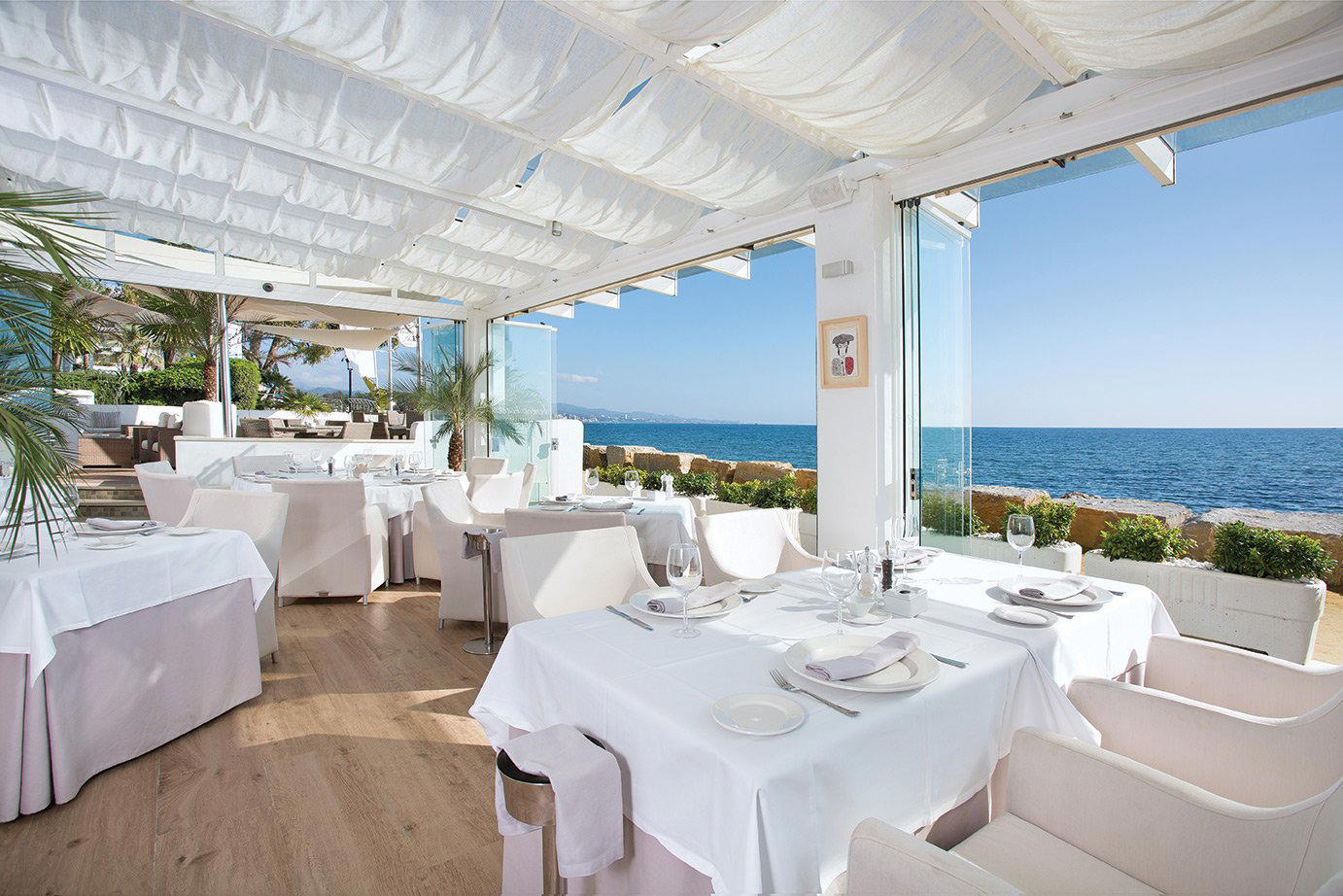
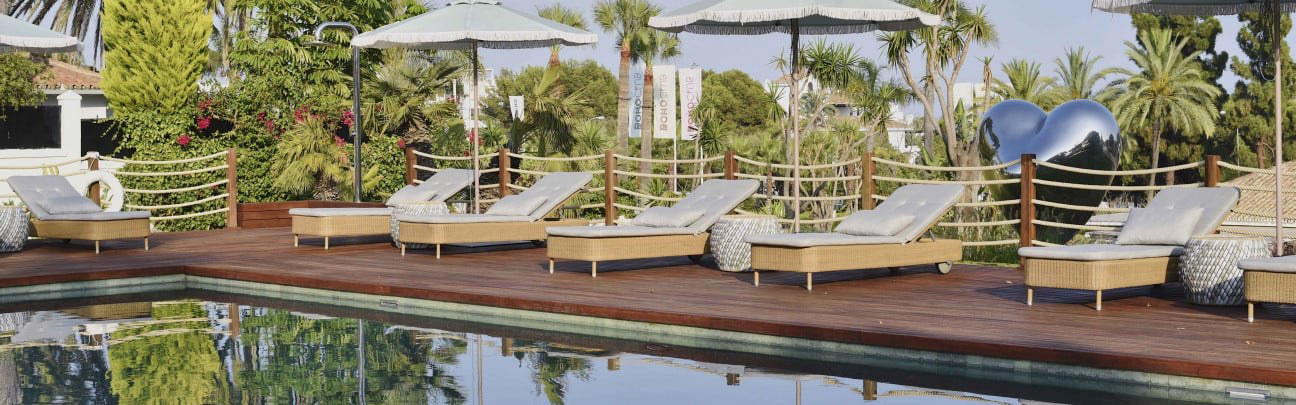
Tahini Marbella runs as a Japanese Sushi Bar with waterfront terrace seating and an open kitchen, suited to leisurely lunch or dinner in smart casual dress.
Pearl is the En Primeur Club membership app — saves, bookings, and concierge access live there. Same editors, same standards.
- Address
- C. José Meliá, S/N, 29602 Malaga, Málaga, Spain
- Phone
- +34952902936
- Website
- tahinisushibar.com
- Directions
- Get directions
 Saves & bookings on Pearl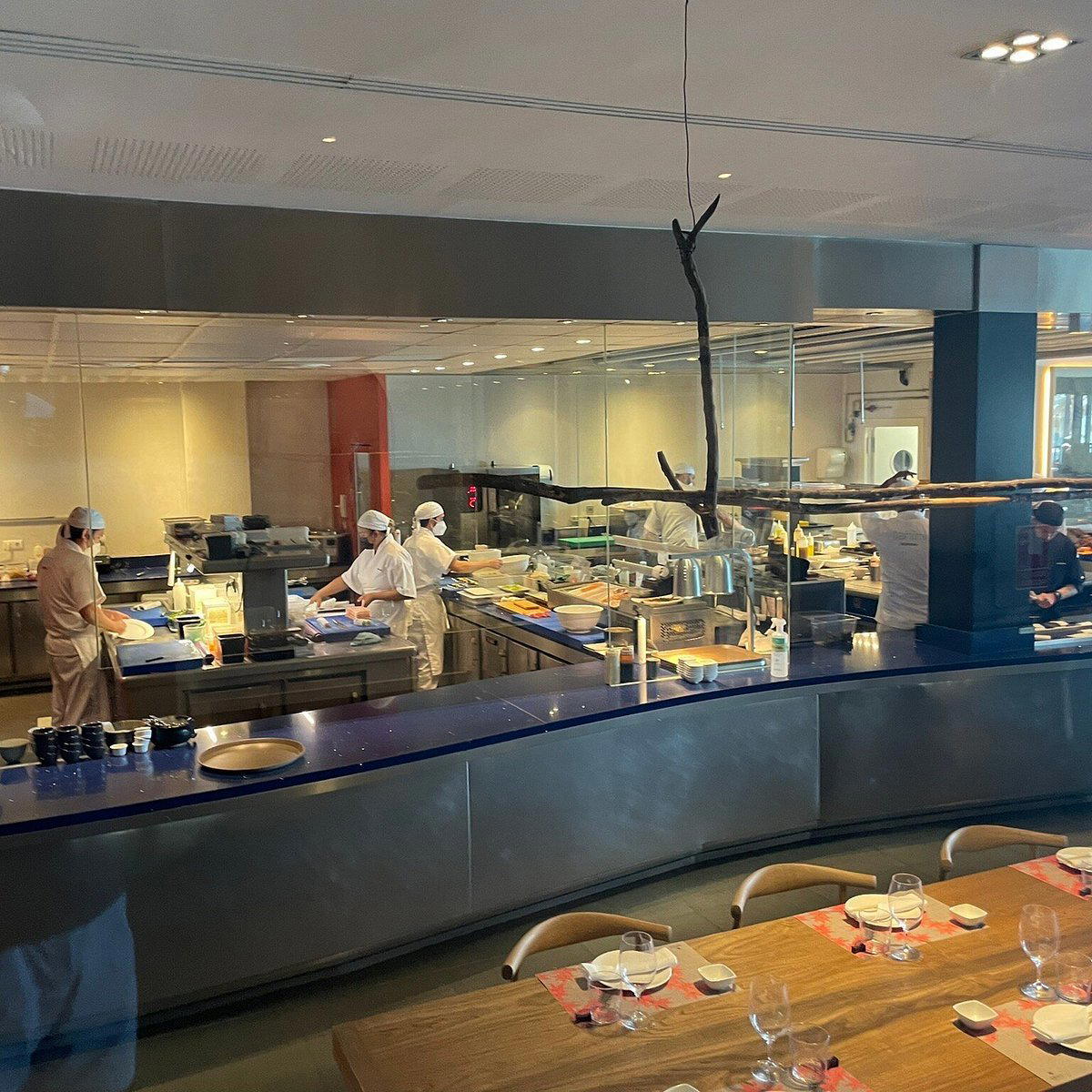
Middle Eastern Sourcing on the Costa del Sol
Marbella's dining scene has always carried an international weight disproportionate to its size. The city draws residents and visitors from across the Gulf states, Northern Europe, and Latin America, and its restaurant culture has responded in kind. Within that context, Middle Eastern cooking has shifted from a niche offering into a category with genuine competitive depth. Tahini Marbella, addressed on Calle José Meliá in the 29602 postal district, sits inside that broader movement, a restaurant whose name signals its culinary anchor immediately and without apology.
The name itself carries editorial weight. Tahini, the sesame paste foundational to Levantine cooking, appears in everything from hummus and baba ganoush to dressings and marinades across the broader eastern Mediterranean tradition. Choosing it as a restaurant name is a declaration of primary material rather than geography: this is cooking built from the ground up through ingredients, not assembled from a regional menu template. In a city where Spanish and international concepts often blur at the edges, that specificity of reference has its own value.
Where Sourcing Defines the Cooking
The broader argument for ingredient-forward Middle Eastern cooking in southern Spain is more compelling than it might first appear. Andalusia's agricultural output, particularly from the Almería greenhouse belt and the Málaga interior, produces tomatoes, aubergines, peppers, and citrus that share soil and climate logic with the eastern Mediterranean's own produce traditions. The overlap is not cosmetic. Many of the vegetables central to Levantine cooking find direct analogues in what Andalusian growers produce, which means a kitchen attentive to sourcing has access to local material that doesn't force compromise.
That alignment between Andalusian terroir and Middle Eastern cooking vocabularies is one reason restaurants in this category have found a more stable footing in the region than in, say, a northern European city where the raw material must travel further to arrive at comparable quality. The Costa del Sol's proximity to Morocco adds another dimension: North African spice routes have historically passed through this coastline, and the culinary memory of that exchange still surfaces in how local cooks approach preserved lemons, harissa, and slow-cooked legumes.
The principle scales down as well as up.
Marbella's International Table
To understand where Tahini Marbella sits in the city's competitive structure, it helps to map the broader restaurant field. Marbella's upper dining tier is anchored by a small group of technically ambitious Spanish restaurants. Skina represents the seasonal Andalusian end of that spectrum at the highest price point, while BACK and Messina bring modern European and creative formats to the conversation. Nintai holds the Japanese counter position. Andala Marbella covers the Andalusian tradition more directly.
Tahini operates in a different register from all of these. Marbella's dining scene doesn't collapse outside the summer months the way some coastal Spanish cities do; a stable international residential population keeps tables filled across the calendar. That matters for a restaurant whose identity is built on consistency of sourcing rather than seasonal spectacle.
For readers building a wider picture of Spain's restaurant culture, the country's fine dining axis runs through El Celler de Can Roca in Girona, DiverXO in Madrid, Arzak and Martin Berasategui in the Basque Country, and Mugaritz in Errenteria. The coastal south operates on different terms, more relaxed in format, more international in clientele, and more likely to accommodate non-Spanish concepts at the mid-to-upper tier. Quique Dacosta in Dénia, Azurmendi in Larrabetzu, Ricard Camarena in València, and Cocina Hermanos Torres in Barcelona show how the country's regional dining identities vary sharply by geography.
The Levantine Format and Why It Works Here
Middle Eastern restaurants in European leisure cities tend to succeed or fail on one question: are they serving the cuisine or a diluted export version of it? The distinction matters because the authentic format, mezze-led, sharing-oriented, built around bread and dips and slow proteins, suits the social rhythms of a warm-climate, late-eating city like Marbella far better than it suits, say, a London business-lunch crowd. The Spanish habit of eating late and at length creates a natural compatibility with how Levantine meals are structured: multiple small dishes arriving over time, conversation as part of the meal's architecture.
That structural alignment is worth noting for visitors planning around Marbella's dining rhythm. The city runs late, dinner reservations before 9pm skew toward tourist-facing venues, and the local and resident crowd typically sits down closer to 9:30 or 10pm. A sharing-format restaurant like Tahini fits that temporal logic well, since the meal's pace is designed to expand rather than compress.
Planning Your Visit
Tahini Marbella is located at Calle José Meliá, S/N, 29602 Marbella, in the Málaga province. The address places it within the central Marbella area rather than in Puerto Banús or the Marbella Club corridor, which means it draws from both the old town residential base and visitors staying in the city centre. Given Marbella's traffic patterns in peak summer months (July and August in particular), arriving by taxi or ride-share is more practical than driving, and parking near the old town grid can be slow in the evenings.
Booking ahead is advisable regardless of the day of the week during summer. Marbella's resident and visitor population concentrates heavily between June and September, and restaurants in the mid-to-upper tier fill quickly across all nights during that window. Spring (April to June) and early autumn (September to October) offer better availability and, more comfortable dining weather for those who prefer not to eat in peak July heat. Reservations are recommended.
For a broader picture of the city's dining options across categories and price points, the EP Club Marbella restaurants guide covers the full competitive field. Readers interested in how ingredient-led cooking functions at the highest technical level internationally can also look at Le Bernardin in New York City and Atomix in New York City for reference points on what sourcing discipline looks like when applied with full tasting-menu rigour.
A Quick Peer Check
Comparable venues nearby, for context on price, style, and recognition.
| Venue | Cuisine | Price | Awards | Notes |
|---|---|---|---|---|
| Tahini MarbellaThis venue — the venue you are viewing | Japanese Sushi Bar | $$$ | Not listed | Not listed |
| Da Bruno Sul Mare | Authentic Italian Seafront | $$$ | Not listed | Paseo Marítimo |
| TA-KUMI | Modern Japanese Omakase & Fusion | $$$$ | Michelin Plate | Old Town Marbella |
| Leña | Modern Spanish Grill | $$$ | Not listed | Puente Romano Beach Resort |
| La Fonda Restaurante | Modern Spanish Tapas | $$$ | Not listed | Old Town |
| Bar Fiesta | Contemporary Mexican | $$ | Not listed | Marbella |
Continue exploring
More in Marbella
Restaurants in Marbella
Browse all →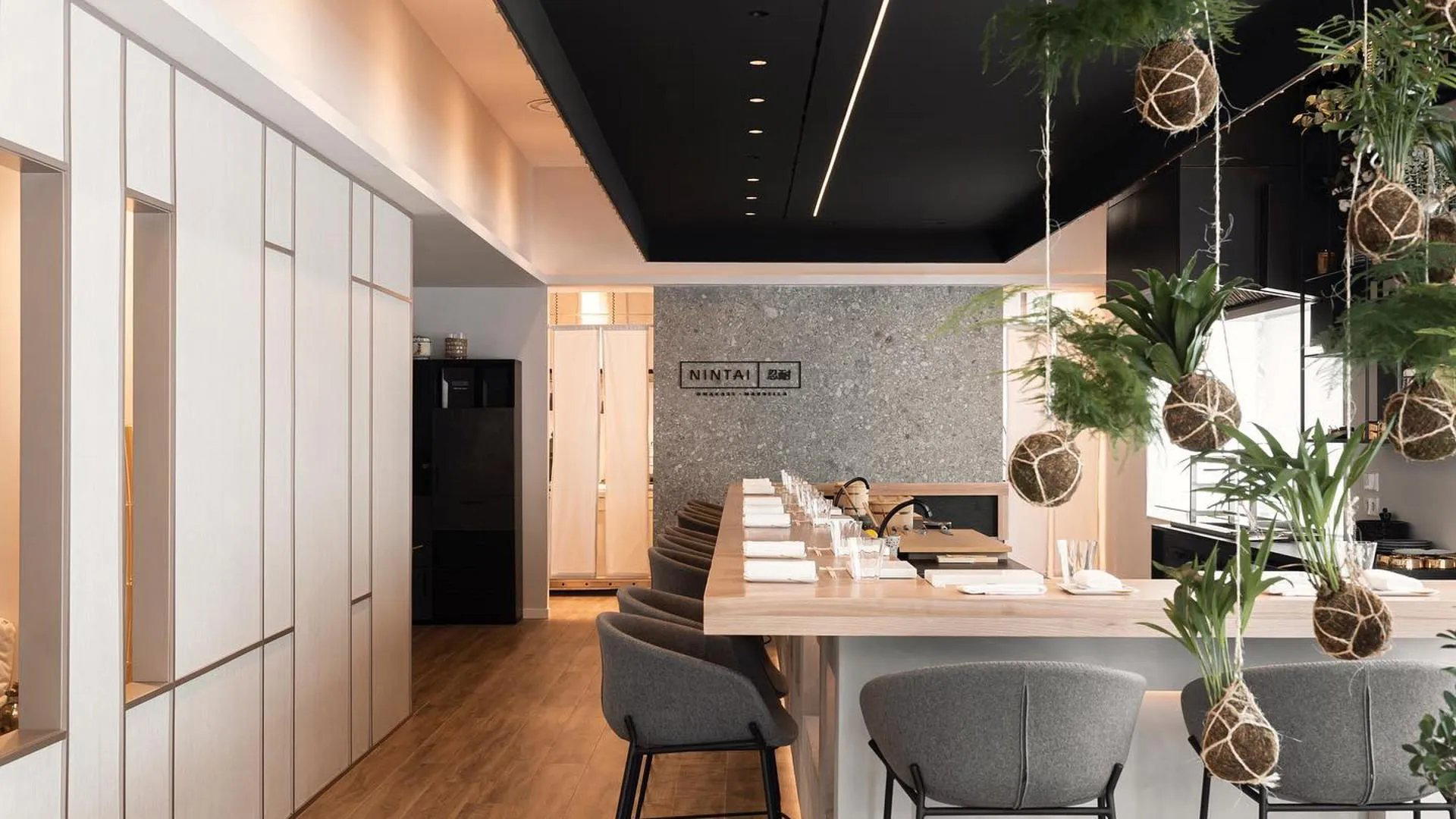
Bars in Marbella
Browse all →



Hotels in Marbella
Browse all →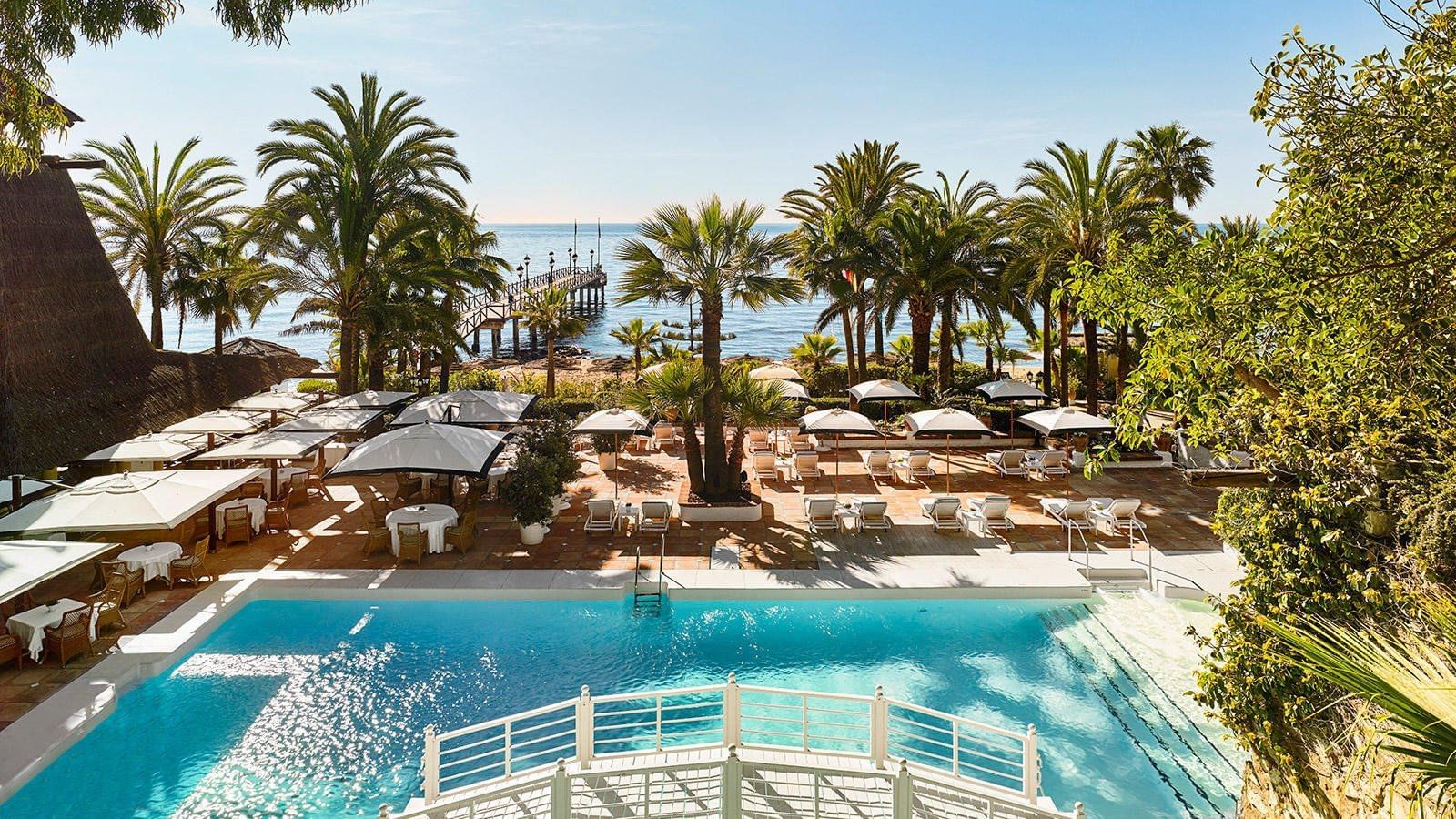
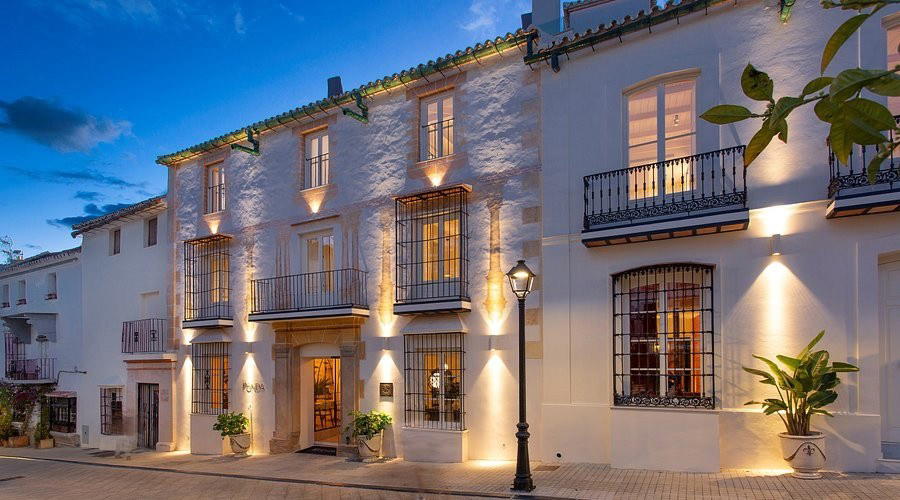
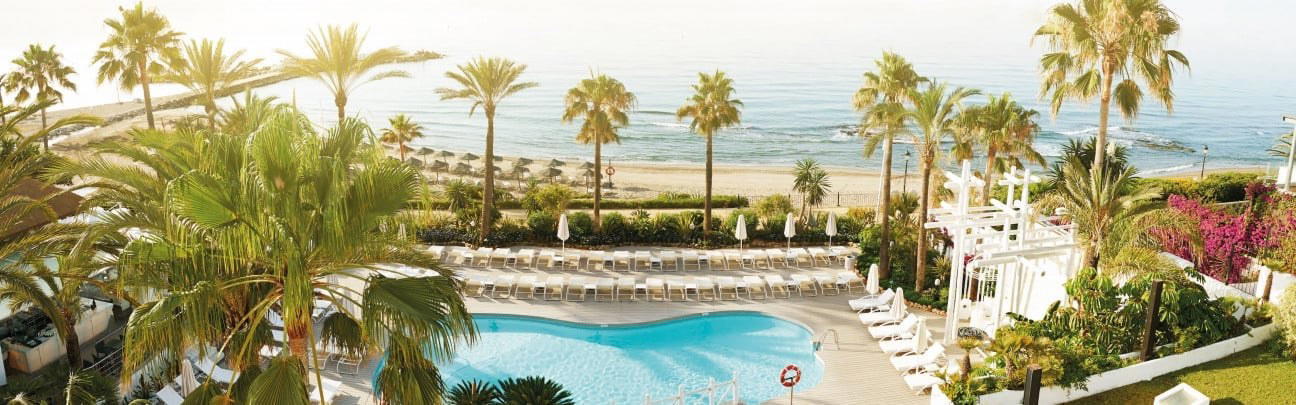
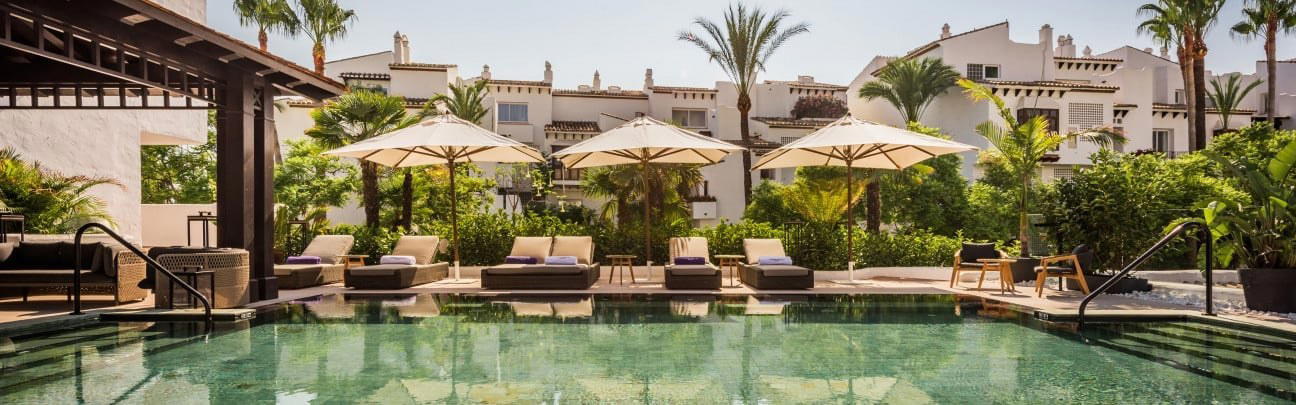
Wineries in Marbella
Browse all →
At a Glance
- Elegant
- Sophisticated
- Modern
- Date Night
- Special Occasion
- Waterfront
- Terrace
- Open Kitchen
- Local Sourcing
- Waterfront
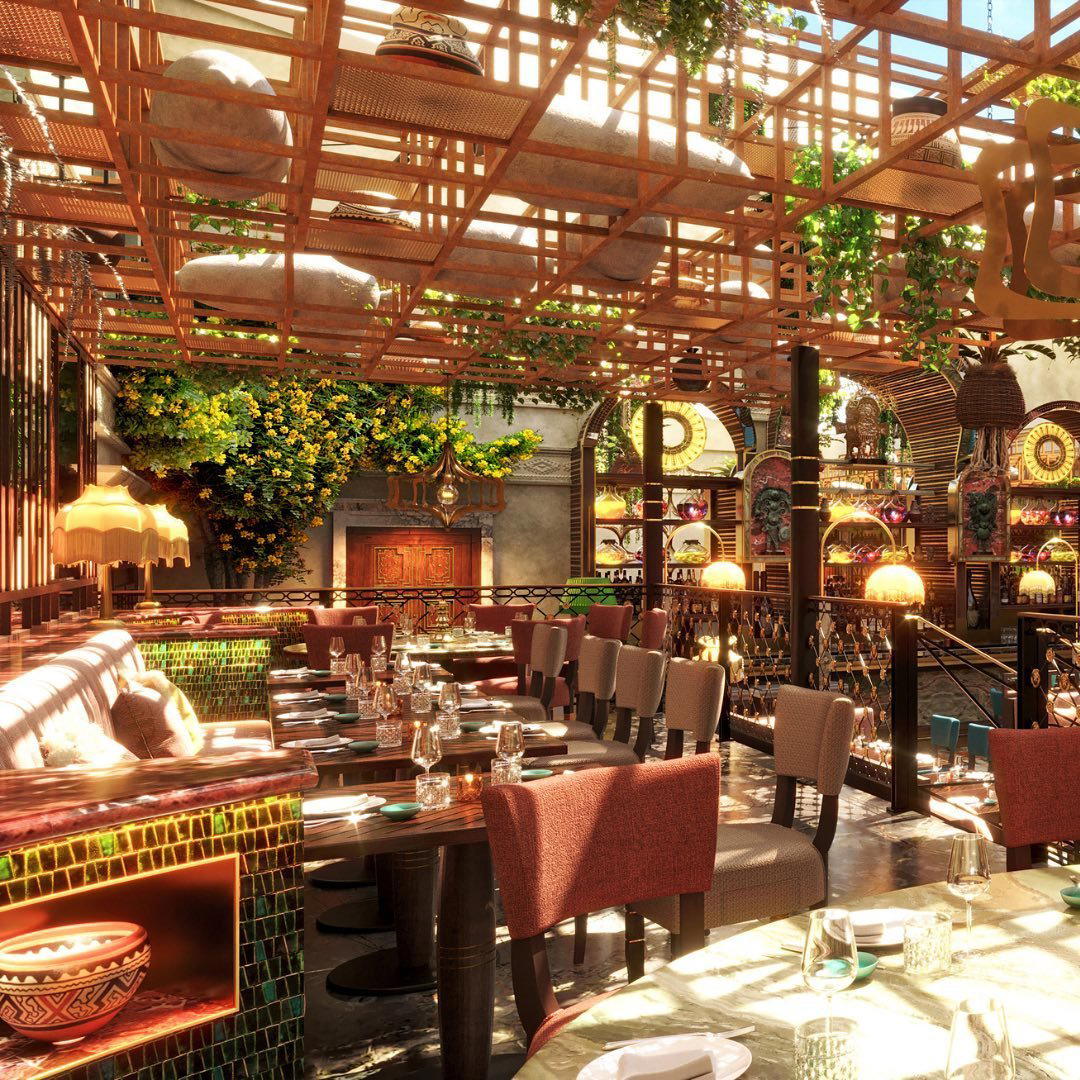
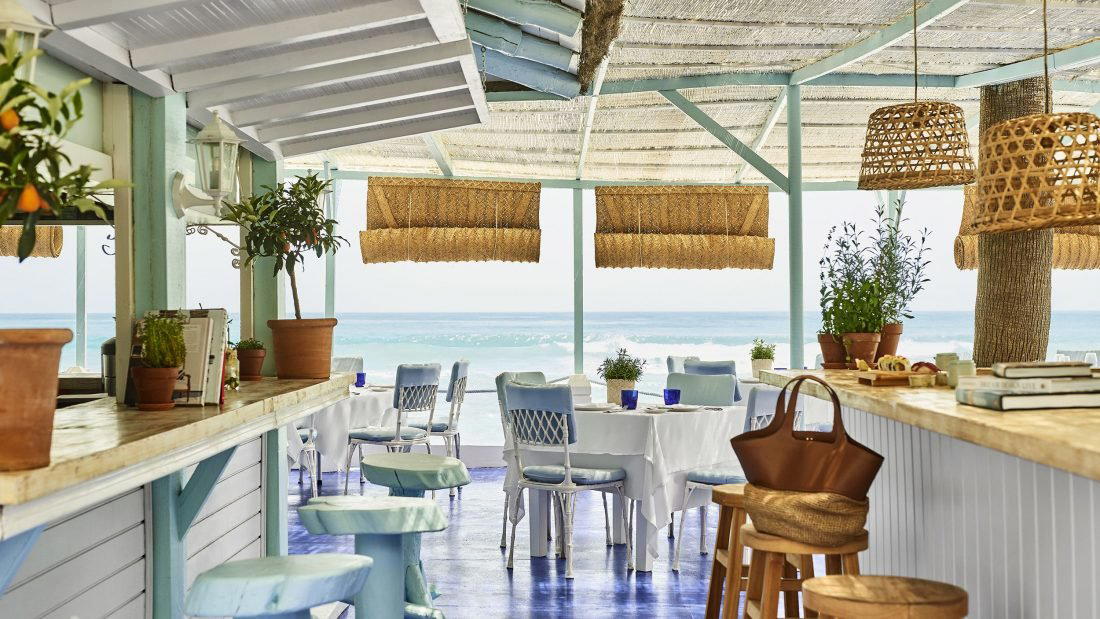
Sophisticated atmosphere with dark wood furnishings, open kitchen views, and serene terrace overlooking the sea.