



Michelin Plate · Macarfi 8.5 Food Rating · Guía Repsol 1 Sol
Our verdict
A former beach bar on Playa de los Nagüeles, La Milla Marbella has evolved into one of the Costa del Sol's most recognised seafood addresses, holding a Michelin Plate and ranking #196 in Opinionated About Dining's Casual Europe list for 2025. The kitchen, led by Chef Luis Miguel Menor, anchors its menu in Andalusian fish and seafood traditions while incorporating modern technique. Open Tuesday through Sunday, it sits between the Marbella Club and Puente Romano hotels.

Pearl is the En Primeur Club membership app — saves, bookings, and concierge access live there. Same editors, same standards.
- Address
- (Entre Hotel Marbella Club y Hotel Puente Romano), Marbella, Andalusia, Spain
- Phone
- +34 952 00 90 80
- Website
- lamillamarbella.com
- Directions
- Get directions
The menu
What to order
- Langoustines in pil-pil sauce
- Grilled octopus salad
- Salt-crusted sea bass
- Scarlet shrimp rice
- Espetos de sardinas
Where the Chiringuito Grew Up
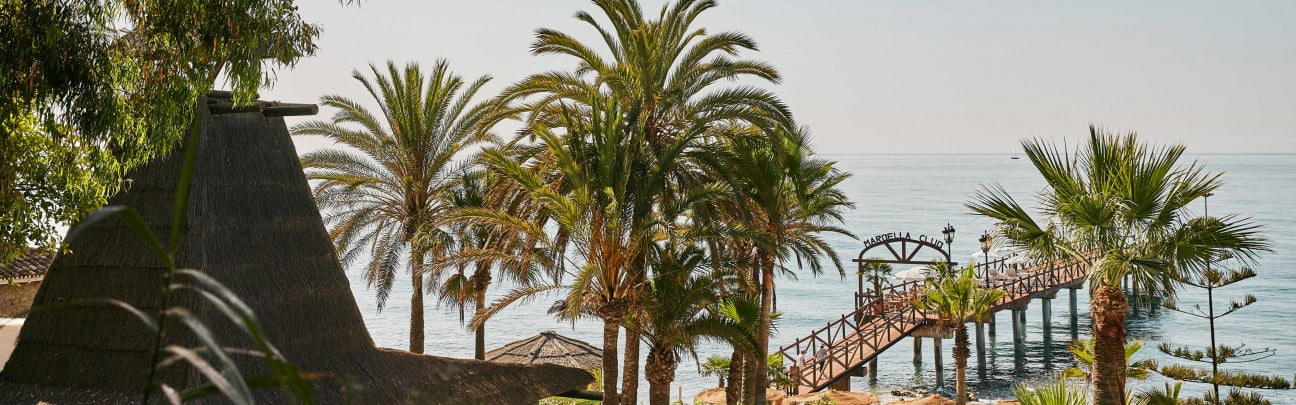
The stretch of sand between the Marbella Club and Puente Romano hotels has always operated at the upper end of the Costa del Sol's beach culture. La Milla Marbella occupies that exact corridor, positioned directly on Playa de los Nagüeles, and what you encounter is something the Spanish coast rarely delivers consistently: a chiringuito format that has been recalibrated without abandoning the logic that made it worth visiting in the first place. The sand is still there underfoot, the Atlantic light still dominates the terraces, and the menu still moves around fish pulled from southern Andalusian waters. What has changed is the precision applied to all three.
Spain's beach bar tradition is culturally significant but editorially complicated. Most chiringuitos operate on volume and location, trading on sunsets rather than sourcing. The ones that have made the transition to sustained critical recognition are a shorter list. La Milla now appears on two of the more methodologically disciplined ranking systems in European casual dining: Opinionated About Dining placed it at #459 in its Casual Europe list in 2024, then moved it to #196 in 2025, a trajectory that reflects consistent kitchen performance rather than a single strong season. Michelin has awarded it a Plate in both 2024 and 2025. Among Marbella's seafood addresses, that dual recognition over consecutive years carries weight.
What the Sourcing Argument Looks Like on the Plate
Andalusia's claim to superior seafood rests on geography and tradition rather than marketing. The Atlantic and Mediterranean converge at the Strait of Gibraltar, and the fishing communities along the Costa de la Luz and the southern Málaga province have supplied some of Spain's most respected fish markets for centuries. Kitchens that take that supply chain seriously operate differently from those that use seafood as a decorative category. La Milla's positioning under Chef Luis Miguel Menor sits in the former camp: the menu's architecture signals a kitchen that treats fish and shellfish as the primary argument, not a supporting one.
The charcoal grill holds a central position in the kitchen's method. Across Andalusia, the brasa approach to fish cookery remains the reference point precisely because it imposes discipline on sourcing: inferior product reads immediately under direct heat with minimal interference. The brioche of white prawns with lemon and the creamy rice with scarlet shrimp, both highlighted in the venue's documented menu, are indicative of how the kitchen moves between registers. The prawn preparation suggests lightness and acid-led restraint; the rice with scarlet shrimp (carabinero, in the local idiom) points toward the deeper, more intensely flavoured end of the Andalusian seafood range. Carabinero is among the most prized crustaceans in Spanish cooking for the concentration of flavour its heads yield, and a kitchen that includes it is making a clear sourcing commitment. For context on what the broader Spanish seafood fine-dining conversation looks like at its most ambitious, Aponiente in El Puerto de Santa María represents the extreme technical end of Andalusian marine cuisine. La Milla operates in a more accessible register, but the ingredient philosophy shares a common thread.
The Setting as a Structural Advantage
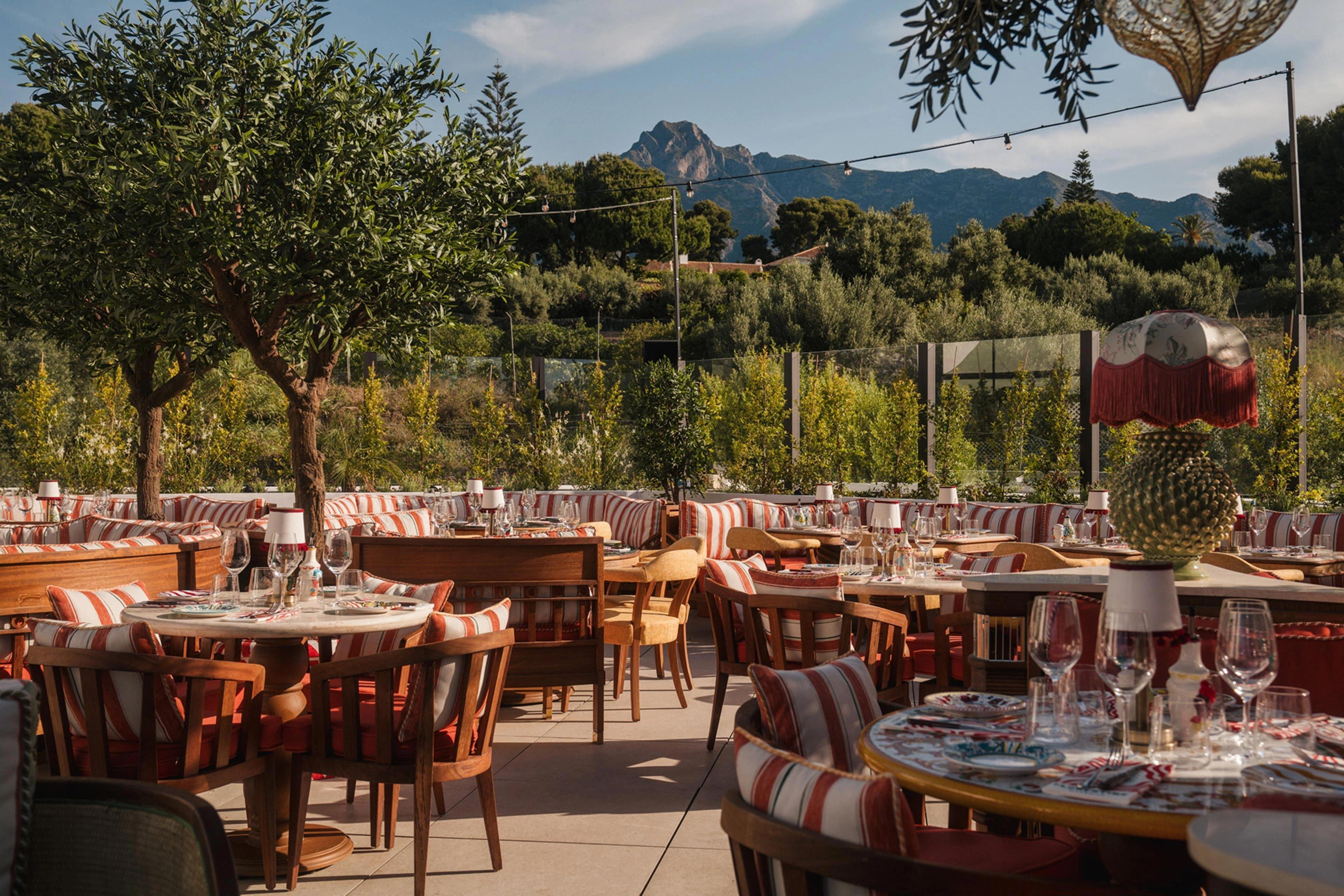
The physical position on the beach matters editorially because it shapes what kind of restaurant this can be. Playa de los Nagüeles is not a public stretch prone to the high-season overcrowding that defines much of the Costa del Sol shoreline between Málaga and Estepona. Flanked by two of the coast's most established hotel addresses, the surrounding area operates at a pace that supports a more considered dining format. La Milla uses that geography through two terraces in addition to the main dining room, which itself looks directly out to sea. Lunch in natural light, with the Mediterranean as the visual field, is the format for which this kitchen is clearly calibrated.
That setting also reinforces the sourcing argument. Proximity to the water in a restaurant of this type is not ornamental. It places the menu in context for the diner in a way that a landlocked seafood room cannot replicate. The most intellectually honest version of Andalusian seafood cooking happens on or very close to the coast, where the supply chain is shortest and the framing is most immediate.
La Milla in the Marbella Context
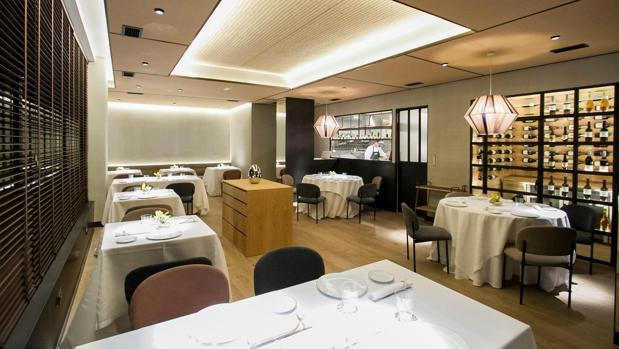
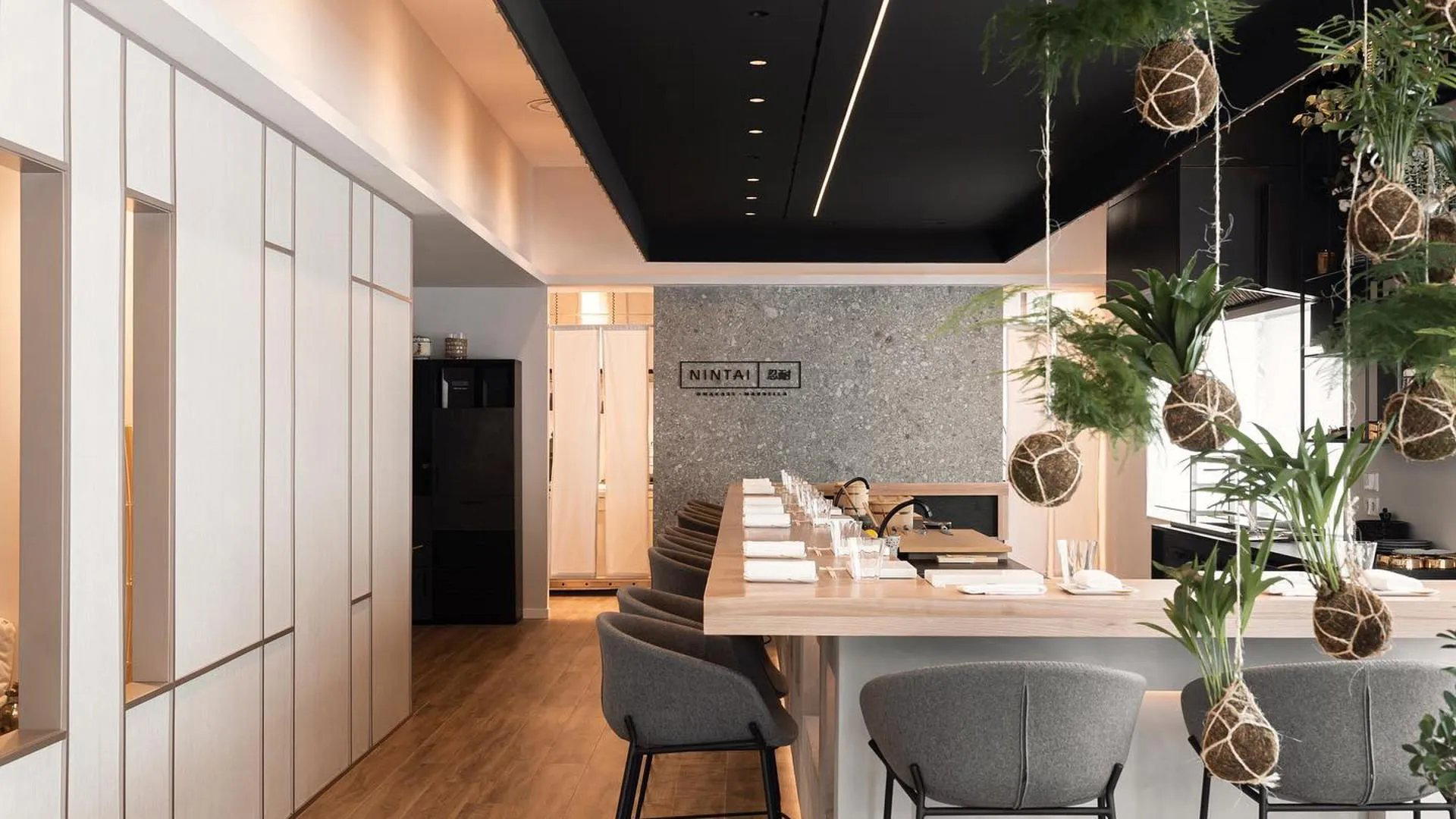
Marbella's restaurant scene has broadened significantly over the past decade, adding a more serious fine-dining tier alongside its traditional luxury-resort positioning. Skina, the two-Michelin-star address working in seasonal Andalusian and modern cuisine at the €€€€ tier, represents the city's upper ceiling. Below that, the €€€ bracket contains a range of approaches: BACK in modern cuisine, Messina in creative formats, Nintai in Japanese, and Andala Marbella working the Andalusian register. La Milla sits within that €€€ cohort but with a specific competitive identity: it is the most recognisably Andalusian and the most directly seafood-focused in its peer group, operating from a physical context that none of its competitors share.
The Opinionated About Dining ranking is particularly instructive here because it draws on the assessments of a community of experienced diners rather than professional critics alone, which tends to surface consistent kitchen performance over time. Moving from #459 to #196 within a single year in the Casual Europe category represents a meaningful jump, and it positions La Milla not just as a strong local address but as a restaurant that registers at a European scale within its category.
Spain's broader seafood and Andalusian fine-dining conversation can be tracked further through addresses like Arzak in San Sebastián, Azurmendi in Larrabetzu, El Celler de Can Roca in Girona, Cocina Hermanos Torres in Barcelona, and DiverXO in Madrid. For international reference points in fish-led cooking, Le Bernardin in New York City and Atomix in New York City demonstrate how ingredient sourcing functions as the organising principle in high-engagement restaurant formats.
Planning Your Visit
La Milla operates Tuesday through Sunday, opening at 10am daily and closing at 7pm from Tuesday to Thursday, with an extended close at 8pm on Fridays and Saturdays. It is closed on Mondays. The restaurant is on the beach between the Marbella Club and Puente Romano hotels, which serves as the clearest navigation point along the Golden Mile. For those staying elsewhere in Marbella, the location sits west of the old town along the N-340 coastal road. Lunch is the primary format given the beach setting, and the seasonal high period from late spring through September is when the terrace operates at full capacity. Arriving outside peak summer ensures a more direct experience of the kitchen without the volume pressure that the setting inevitably generates in August.
For a full map of the city's restaurant options across categories and price points, see our full Marbella restaurants guide. The broader Marbella picture also covers hotels, bars, wineries, and experiences.
Frequently asked questions
What kind of recognition has La Milla Marbella received?
La Milla Marbella has received recognition including: Located on the sand at the heart of the Playa de los Nagüeles, this former “chiringuito” (beach bar) has been successfully brought up to date to add a stylish decor to its unbeatable setting. Here, you can enjoy traditional Mediterranean cu….
What should I eat at La Milla Marbella?
The kitchen's focus is Andalusian fish and seafood, with the charcoal grill as the central technique. Documented preparations include brioche of white prawns with lemon and creamy rice with scarlet shrimp — both reflect the kitchen's approach of applying modern touches without abandoning regional character. The menu also carries a broader selection of charcoal-grilled dishes, which is consistent with La Milla's OAD Casual Europe ranking of #196 in 2025.
Same-City Peers
A compact comparison to help you place this venue among nearby peers.
| Venue | Cuisine | Price | Awards | Notes |
|---|---|---|---|---|
| La Milla MarbellaThis venue — the venue you are viewing | Modern Mediterranean Seafood | Not listed | Michelin Plate · Macarfi 8.5 Food Rating | Not listed |
| Skina | Modern Andalusian Fine Dining | Not listed | 2 Michelin Stars · La Liste Top Restaurants | Seasonal Andalusian, Modern Cuisine |
| Areia | Mediterranean-French-Spanish Fine Dining | $50–100 | Michelin Plate · Guía Repsol 1 Sol | Farm to table |
| Leña Marbella | Modern Grill by Dani García | $50–100 | Michelin Plate · Guía Repsol 1 Sol | Asador |
| TA-KUMI | Modern Japanese Omakase & Fusion | $50–100 | Michelin Plate · Macarfi 8.2 Food Rating | Japanese |
| Kava | Modern Mediterranean Tasting Menu | $50–100 | Michelin Plate · Guía Repsol 1 Sol | Modern Spanish, Modern Cuisine |
Recognition history
Dated appearances from independent guides and award organizations, with the underlying list record or original source where available.
Michelin Plate
Michelin
Guía Repsol 1 Sol
Guía Repsol
Macarfi 8.5 Food Rating
Macarfi
Opinionated About Dining Casual in Europe Recommended
Opinionated About Dining
Full recognition history (9 entries)
Michelin Plate
Michelin
Opinionated About Dining Casual in Europe Ranked #196
Opinionated About Dining
Michelin Plate
Michelin
Opinionated About Dining Casual in Europe Ranked #459
Opinionated About Dining
Opinionated About Dining Casual in Europe Recommended
Opinionated About Dining
Continue exploring
More in Marbella
Restaurants in Marbella
Browse all →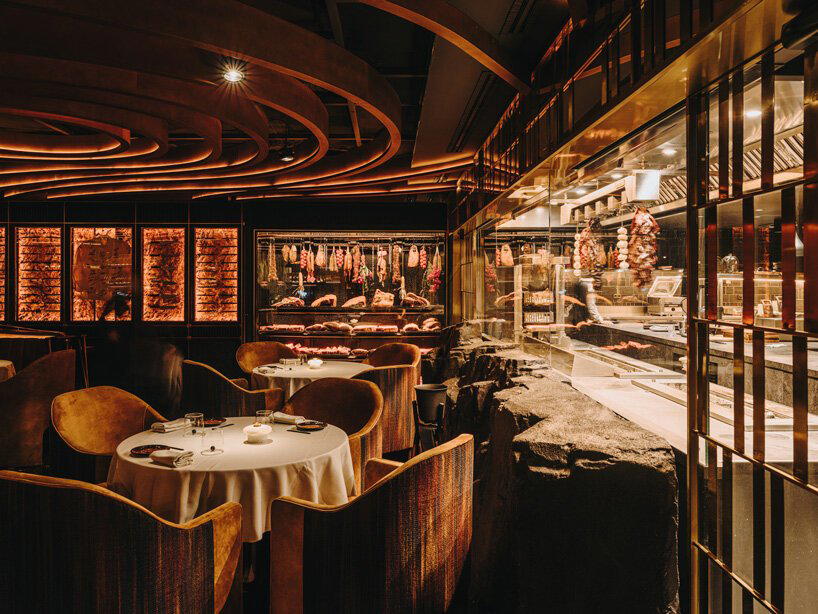
Bars in Marbella
Browse all →


Hotels in Marbella
Browse all →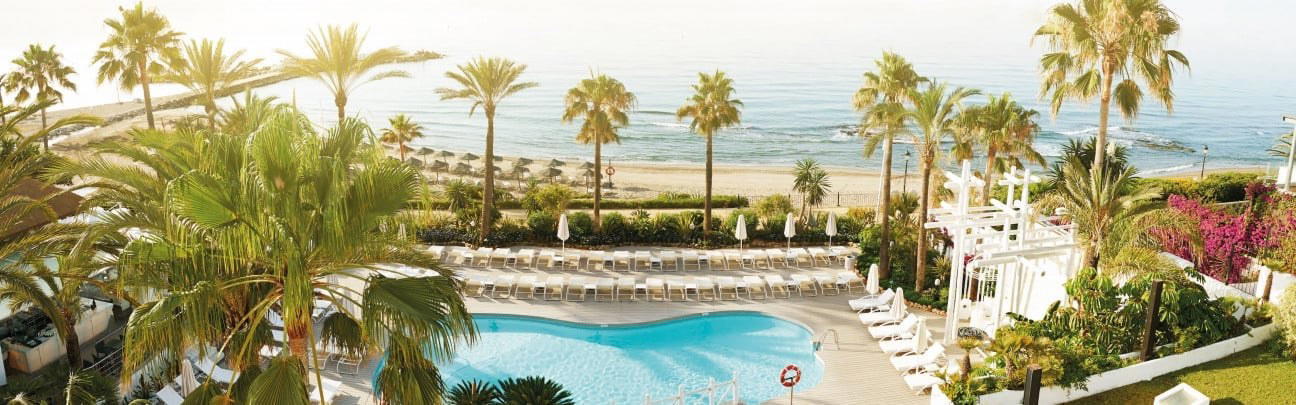

Details
- Elegant
- Sophisticated
- Scenic
- Charming
- Date Night
- Special Occasion
- Celebration
- Terrace
- Waterfront
- Open Kitchen
- Extensive Wine List
- Local Sourcing
- Waterfront
- A La Carte
- Small Plates
- Wine
- Cocktails
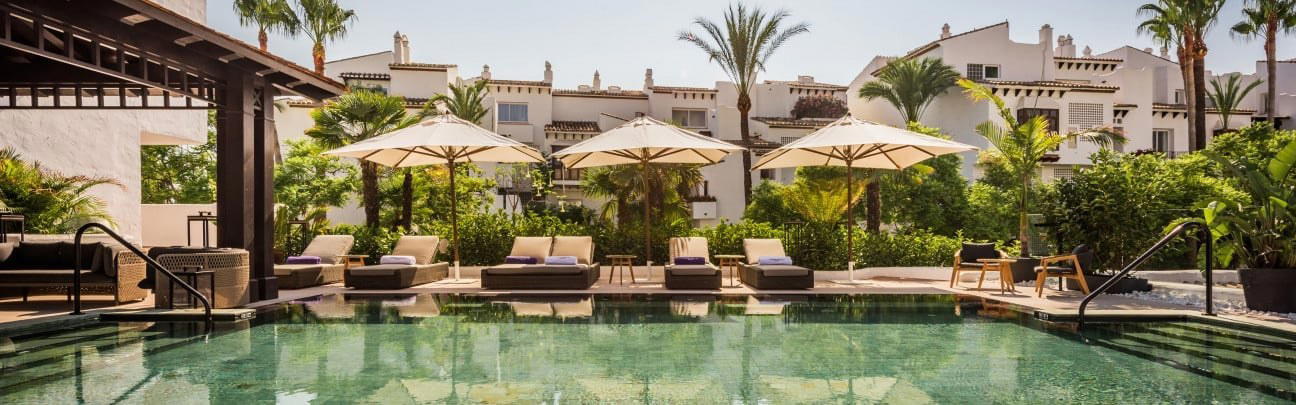
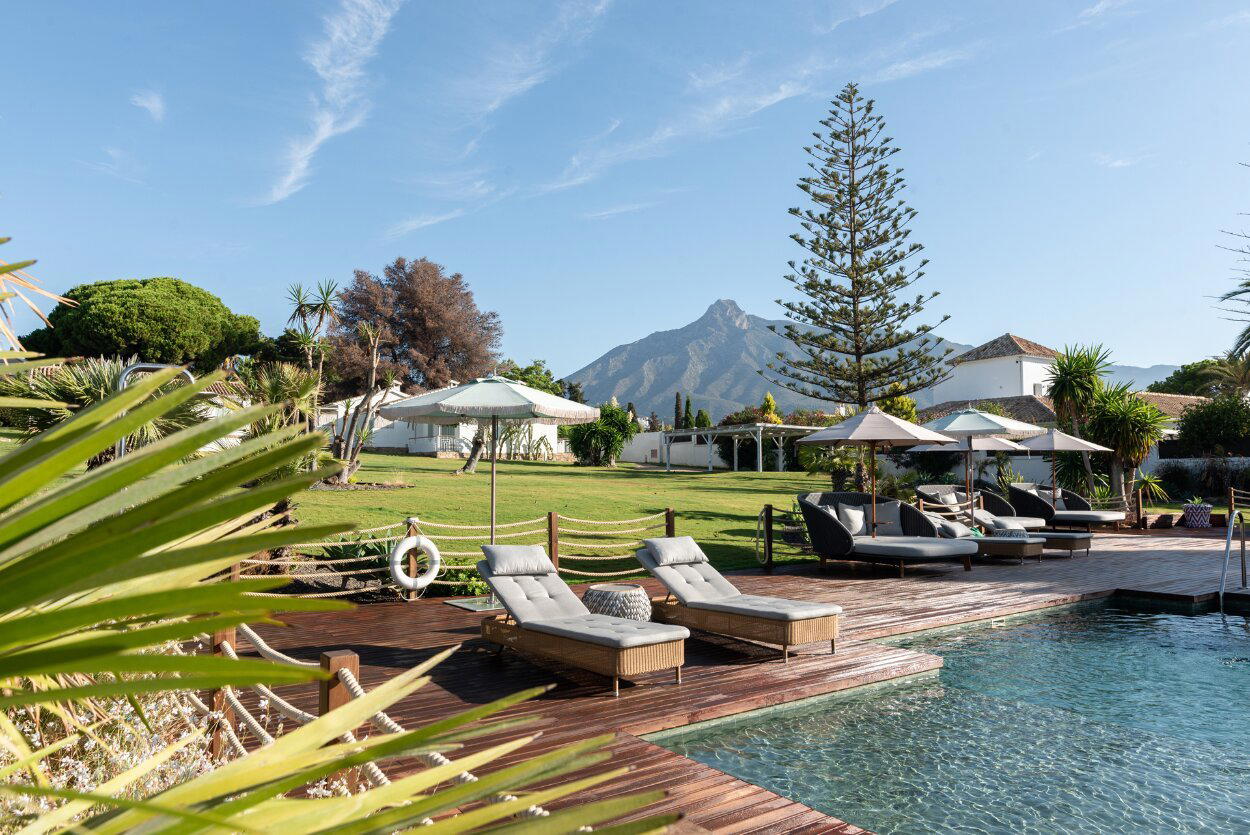
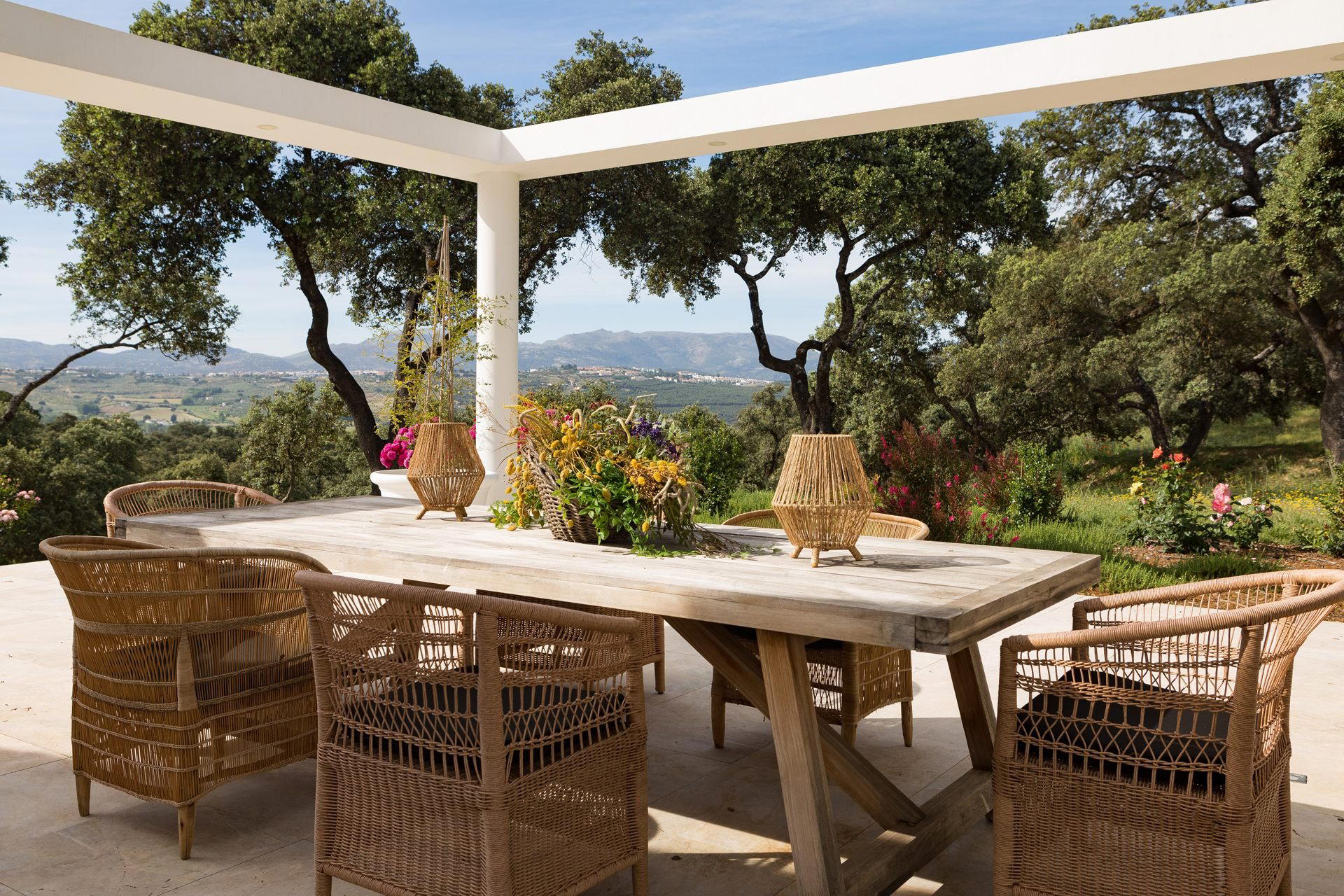
Serene and sophisticated beachfront atmosphere with terrace seating and unbeatable sea views, blending elegance with relaxed coastal charm.