



Kava is a five-table tasting menu restaurant in Marbella's old town, where chef Fernando Alcalá builds seasonal menus around Andalusian raw materials and fermentation, with technique that draws on Asia, Latin America, and Spain in equal measure. Awarded a Michelin Plate in 2024 and 2025, and ranked #389 in Opinionated About Dining's Top Restaurants in Europe for 2024, it occupies a distinct tier among the Costa del Sol's serious kitchens.
Pearl is the En Primeur Club membership app — saves, bookings, and concierge access live there. Same editors, same standards.
- Address
- Av. Antonio Belón, 4, 29602 Marbella, Málaga, Spain
- Phone
- +34 952 82 41 08
- Website
- kavamarbella.com
- Directions
- Get directions
 Saves & bookings on Pearl
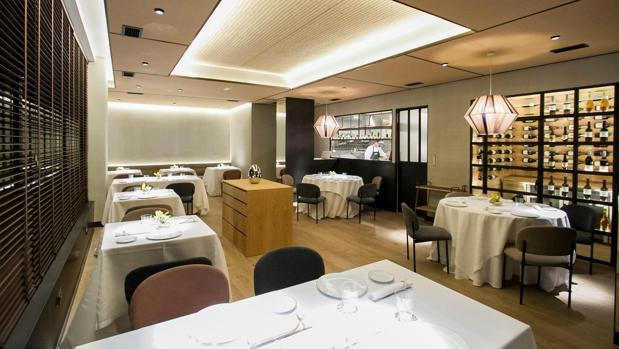
Kava is a restaurant in Marbella serving a Modern Mediterranean Tasting Menu at about €80 per person. Five tables. That is the first thing to register about Kava before anything else. On Avenida Antonio Belón, in the older residential grain of Marbella rather than its beachfront resort corridor, the room is compact, urban, and deliberate in its restraint. The aesthetic runs toward contemporary minimalism, clean lines, considered design, without the showy excess that coastal Andalusia can easily tip into. The format announces its intentions before a dish arrives: this is a counter-culture proposition in a town that trades heavily on volume and spectacle.
Spain's post-elBulli generation reshaped what fine dining could mean outside Madrid and San Sebastián. Places like Arzak in San Sebastián, El Celler de Can Roca in Girona, and DiverXO in Madrid established that technical ambition and regional identity could coexist, and that compelling Spanish cooking often emerges from deep rootedness in place rather than cosmopolitan abstraction. That current runs through a generation of smaller, more personal restaurants across the country, kitchens like Quique Dacosta in Dénia, Azurmendi in Larrabetzu, and Aponiente in El Puerto de Santa María, that insist on territory as a creative constraint rather than a marketing label. Kava positions itself within that lineage, albeit at a more intimate and accessible scale.
Two Menus, One Moving Target
Kava operates through two tasting menus, Amatxo and Lord Fer, both of which evolve with the season. The structural logic is monthly rotation around a focused set of local raw ingredients, typically three per month, which keeps the kitchen from accumulating dishes rather than sharpening them. This is a disciplined model, closer in philosophy to the seasonal-rotation approach of places like Venta Moncalvillo in Daroca de Rioja than to the stable greatest-hits format many mid-tier tasting menus rely on.
The Andalusian foundation is consistent: local produce, traditional flavour references, and an evident commitment to the region's pantry. What makes the menus more interesting than direct regional cooking is the layering of references from Thai and Indian cuisines alongside the Latin American and Asian influences that run through Alcalá's self-taught background. These are not fusion conceits but technique transfers, methods and flavour logic applied to Andalusian ingredients rather than imported ingredients applied to Spanish plates. The house also produces its own fermented products, and keeps its own acorn-fed Iberian pigs raised in Coripe, in the province of Seville. The supply chain, in other words, runs well upstream of the kitchen.
Kava at €€€ sits at a price point that makes it more accessible than Skina while maintaining a seriousness of intent that separates it from casual dining on the coast.
The Credentials Behind the Kitchen
Fernando Alcalá's background is genuinely unusual in the context of Spanish fine dining. He is self-taught, trained not through the conventional apprenticeship pipeline of brigade kitchens but through extended travel and self-directed learning. He grew up in Marbella, left to study and practice law in Zurich, then returned to cook in the city where he was born. In January 2019, he was named revelation of the year at Madrid Fusión. That recognition placed him alongside a cohort of chefs whose work was considered genuinely new rather than technically accomplished but derivative.
The same year, Kava won the award for the leading cheesecake in Spain. The restaurant has held a Michelin Plate in both 2024 and 2025, a recognition that signals consistent quality without the full star, a positioning that many smaller, independently-run restaurants occupy when the format prioritises depth over scale. On Opinionated About Dining's European ranking, Kava moved from #436 in 2025 to #389 in 2024. For comparable ambition in Barcelona, Enoteca Paco Pérez offers a useful reference point for how modern Spanish cooking with European technique recognition tends to present at this tier.
Marbella's Broader Dining Context
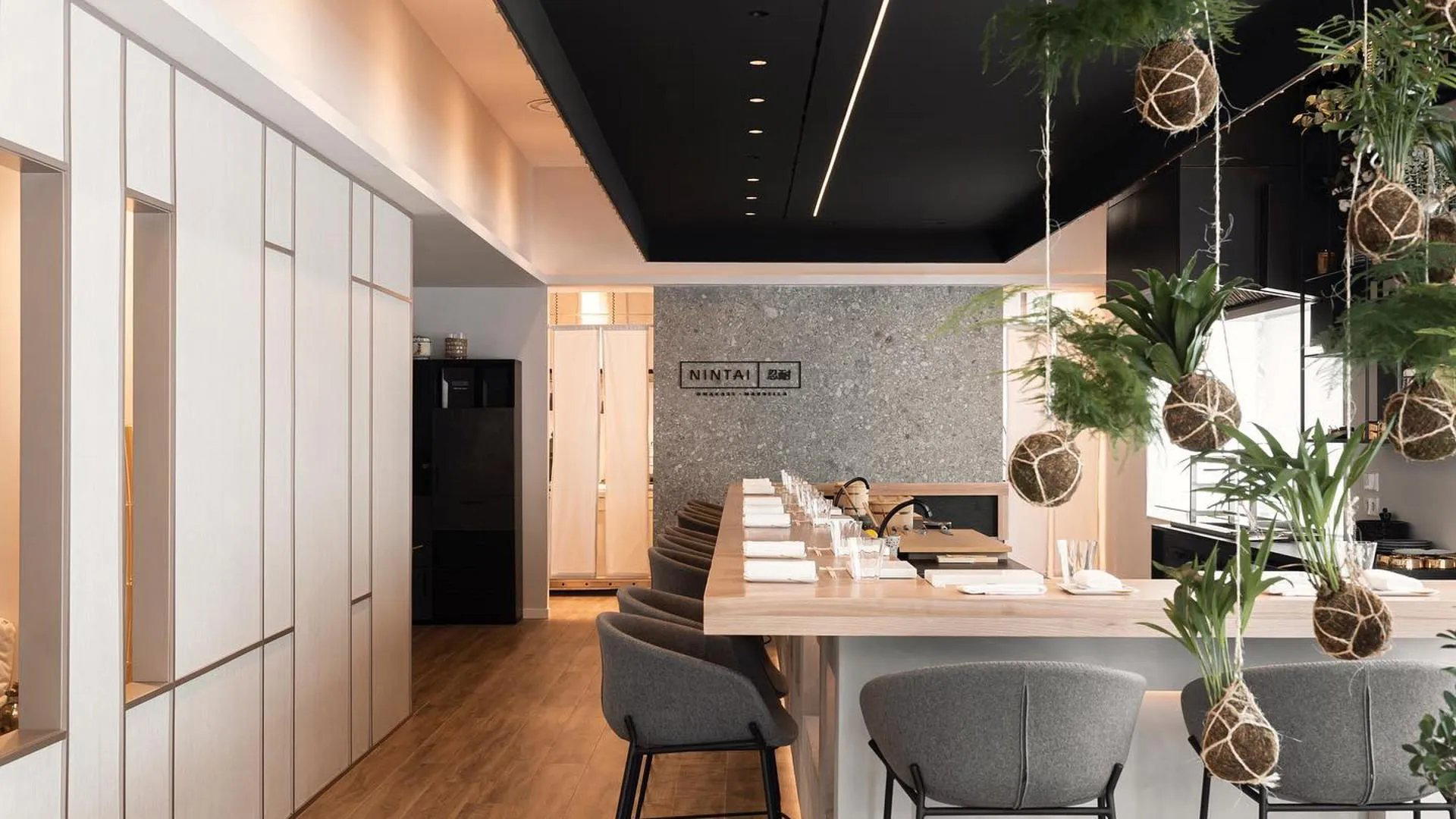
Marbella's restaurant scene has historically been dominated by its resort identity: large-format seafood restaurants, international hotel dining, and the kind of expensive-but-unambitious cooking that follows wealthy seasonal tourism. That is changing, slowly, as a generation of younger chefs finds reasons to cook seriously on the Costa del Sol rather than heading to the peninsula's established gastronomic centres. Kava is part of that shift, as are venues like Nintai for Japanese precision and Andala Marbella for traditional Andalusian grounding. The full Marbella restaurants guide maps the broader scene if you are planning around a stay rather than a single meal.
Planning Your Visit
Kava is closed on Mondays and Sundays. Tuesday and Wednesday service is dinner only, running from 7 to 11 pm. Thursday through Saturday the kitchen opens for both lunch (1:30 to 5 pm) and dinner (7 to 11 pm). Reservations are recommended. The address is Av. Antonio Belón, 4, 29602 Marbella, Málaga, Spain. The price range sits at €€€.
The Short List
Comparable venues nearby, for context on price, style, and recognition.
| Venue | Cuisine | Price | Notes |
|---|---|---|---|
| KavaThis venue — the venue you are viewing | Modern Spanish, Modern Cuisine | $$$ | Not listed |
| La Milla Marbella | Nagüeles, Modern Mediterranean Seafood | $$$ | Not listed |
| D-Wine Marbella | Not listed | $$$ | Nueva Alcántara, Spanish Fine Dining with Extensive Wine Selection |
| Bar Fiesta | Marbella, Contemporary Mexican | $$ | Not listed |
| Nintai | Not listed | $$$$ | Marbella center, Michelin-Starred Japanese Omakase |
| Candeal | old town, Modern Castilian Fine Dining | $$$$ | Not listed |
Recognition history
Dated appearances from independent guides and award organizations, with the underlying list record or original source where available.
Guía Repsol 1 Sol
Guía Repsol
Michelin Plate
Michelin
Opinionated About Dining Top Restaurants in Europe Recommended
Opinionated About Dining
Michelin Plate
Michelin
Opinionated About Dining Top Restaurants in Europe Ranked #436
Opinionated About Dining
We're Smart World 2 Radishes
We're Smart World
Michelin Plate
Michelin
Opinionated About Dining Top Restaurants in Europe Ranked #389
Opinionated About Dining
Continue exploring
More in Marbella
Restaurants in Marbella
Browse all →
Bars in Marbella
Browse all →

Hotels in Marbella
Browse all →

At a Glance
- Cozy
- Elegant
- Modern
- Intimate
- Sophisticated
- Date Night
- Special Occasion
- Open Kitchen
- Extensive Wine List
Current opening hours
- Monday
- Closed
- Tuesday
- 7–11 PM
- Wednesday
- 7–11 PM
- Thursday
- 1:30–5 PM, 7–11 PM
- Friday
- 1:30–5 PM, 7–11 PM
- Saturday
- 1:30–5 PM, 7–11 PM
- Sunday
- Closed
Hours can change for holidays and private events. Last verified .
Cozy and intimate with Scandinavian ski-lodge feel, soft lighting, and a calm, comfortable atmosphere.