


Don Carlos Marbella is a 308-room resort on the Costa del Sol that has shaped the character of the Golden Mile since the 1960s. Its scale places it in a different tier from Marbella's boutique competitors, with a guest-to-staff ratio and breadth of on-site facilities that smaller properties cannot match. For extended stays or family travel requiring genuine resort infrastructure, it remains a serious reference point on this stretch of coast.
Pearl is the En Primeur Club membership app — saves, bookings, and concierge access live there. Same editors, same standards.
- Address
- Av. Zurita, s/n, 29604 Marbella, Málaga
- Phone
- +34 952 76 88 00
- Website
- ad.doubleclick.net
- Directions
- Get directions
 Saves & bookings on Pearl
The Scale Question on the Golden Mile
On Marbella's Golden Mile, the dominant conversation among luxury travelers concerns size: whether a resort's footprint adds resource or removes intimacy. Most of the coast's prestige properties have resolved this tension by shrinking, boutique collections of villas, a handful of suites, a single dining room. Don Carlos Marbella goes the other direction. It is a 5-star hotel in Marbella with 308 rooms and direct beach access on the Golden Mile. At 308 rooms, it operates in a category that requires genuine operational depth to maintain consistent standards, and it is in that operational depth, the staffing ratios, the multi-venue hospitality, the breadth of service across a large physical estate, where the property makes its case. Compare it with a property like the Marbella Club Hotel, which built its reputation on curated intimacy, and the difference in philosophy becomes clear immediately. Don Carlos is betting on comprehensiveness; its competitors are betting on restraint.
That divide runs through the wider Costa del Sol market. Puente Romano occupies a middle ground, with resort scale softened by its low-rise village layout. Nobu Hotel Marbella anchors its identity in brand recognition rather than room count. Anantara Villa Padierna Palace retreats to the hills above Benahavís to create its own world entirely. Don Carlos, by contrast, sits directly on the coast road and leans into its size rather than apologizing for it. For guests whose requirements include a full roster of facilities, multiple pools, extensive beach access, a range of dining formats, and spa infrastructure, this becomes an asset rather than a liability.
Approaching the Property
The approach along Avenida Zurita sets up the experience before the lobby registers. The estate reads as a garden resort rather than a hotel block, with mature vegetation absorbing the scale of the building behind it. This matters in southern Spain, where particularly coherent luxury properties tend to blur the boundary between built and planted environments. The gardens at Don Carlos are among the more considered on this stretch of coast, functioning as a spatial buffer between the Golden Mile's traffic and the quieter rhythms inside the estate. By the time a guest reaches the main entrance, the 308-room reality has been partially dissolved by the landscaping, a deliberate effect that the property has had decades to refine.
That longevity is itself a credential. Properties that have held a prominent position on the Costa del Sol since the 1960s have navigated several cycles of competitive pressure, renovation requirements, and shifting guest expectations. The ones that survive do so because their location or operational infrastructure is difficult to replicate, not because any single amenity can't be found elsewhere.
Service at This Scale
The editorial angle that matters most for a 308-room property in this tier is service consistency. At the boutique end of the market, a property like Hotel San Cristóbal in Marbella's old town, or further afield, properties with fewer than 30 keys such as Cap Rocat in Cala Blava, personalisation is structurally easier. The staff-to-guest ratio is inherently higher, and the operational complexity is lower. At 308 rooms, a hotel must systemize personalisation rather than rely on organic familiarity, which demands a different kind of training culture and management approach. Spanish coastal resorts at this scale have historically struggled with the handover between high-season staffing and year-round core teams, and guest experiences can vary accordingly. The properties that get it right tend to invest in longer staff tenures and internal promotion pathways, so that institutional knowledge about repeat guests and service standards doesn't walk out the door at the end of each summer season.
For guests staying more than three nights, the cumulative effect of service quality becomes more apparent than on a short stay. Anticipatory service at a large resort, a sun lounger reserved without being asked, a dietary preference noted at breakfast carried through to pool service, signals operational maturity. It's the kind of detail that separates a well-run large hotel from one that simply has a lot of rooms. Across the broader Costa del Sol market, this is the area where particularly competitive differentiation happens: not in the category of pools or room square footage, but in how staff respond to unspoken preferences across a multi-day stay.
Placing Don Carlos in Its Spanish Context
Marbella sits in a particular position within Spain's luxury hospitality market. The country supports a wide spectrum of premium accommodation, from the converted palaces and design-led urban hotels of Madrid and Barcelona, the Mandarin Oriental Ritz, Madrid and Mandarin Oriental Barcelona among them, to agricultural estate conversions like Abadía Retuerta LeDomaine and Terra Dominicata, to coastal resort formats concentrated on the southern coast. Don Carlos belongs firmly to the coastal resort category, with all the strengths and limitations that implies. The strengths: direct beach access, a climate that supports outdoor dining and pool use across a long season, proximity to Marbella's restaurant scene and Puerto Banús. The limitations: guests looking for the kind of architectural specificity or gastronomic depth found at properties like Atrio Restaurante Hotel in Cáceres or Akelarre in San Sebastián will need to look to different parts of Spain entirely.
Planning a Stay
The Costa del Sol's high season runs from late June through August, when room rates across the Golden Mile reach their peak and beach access becomes a managed resource rather than a given. Shoulder season, May through early June and September, gives guests the climate advantages without the density. For a property of Don Carlos's scale, shoulder season also tends to produce the more attentive service experience, as staff are not stretched across maximum occupancy. Guests whose priority is quieter beach conditions and more responsive service have a clear case for arriving before or after peak summer weeks. The property is located on Avenida Zurita, accessible from the coastal road that runs between Marbella town and Puerto Banús, placing it within reach of both without requiring a car for most purposes.
What It’s Closest To
Comparable venues nearby, for context on price, style, and recognition.
| Venue | Cuisine | Price | Awards | Notes |
|---|---|---|---|---|
| Don Carlos MarbellaThis venue — the venue you are viewing | Beaux Arts luxury resort combining classical elegance with contemporary amenities, positioned as a premier destination for informed travelers seeking Mediterranean sophistication. | $$$$ | 5-Star | Not listed |
| Finca Cortesin | Andalusian finca with contemporary Moorish and Castilian influences | $$$$ | 5-Star | Casares |
| Kimpton Los Monteros Marbella | Low-rise luxury design resort blending 1970s Mediterranean lifestyle with contemporary Andalusian heritage. | $$$$ | 5-Star | Golden Mile |
| Boho Club | bohemian-chic boutique resort with bungalow-style accommodations | $$$$ | 5-Star | Golden Mile |
| Gran Marbella Resort & Beach Club | Discreet five-star beachfront retreat showcasing Marbella’s “slow luxury” side with Andalusian resort character. | $$$$ | 5-Star | Estrella del Mar |
| Puente Romano | Whitewashed Andalusian village-style luxury resort with contemporary furnishings and Mediterranean-inspired design; self-contained enclave combining traditional Spanish architecture with modern five-star amenities. | $$$$ | 5-Star | Golden Mile |
Recognition history
Dated appearances from independent guides and award organizations, with the underlying list record or original source where available.
Conde Nast Hot List Hotels
Conde Nast
Michelin Selected
Michelin
Preferred Hotels L.V.X. Collection
Preferred Hotels
Continue exploring
More in Marbella
Hotels in Marbella
Browse all →
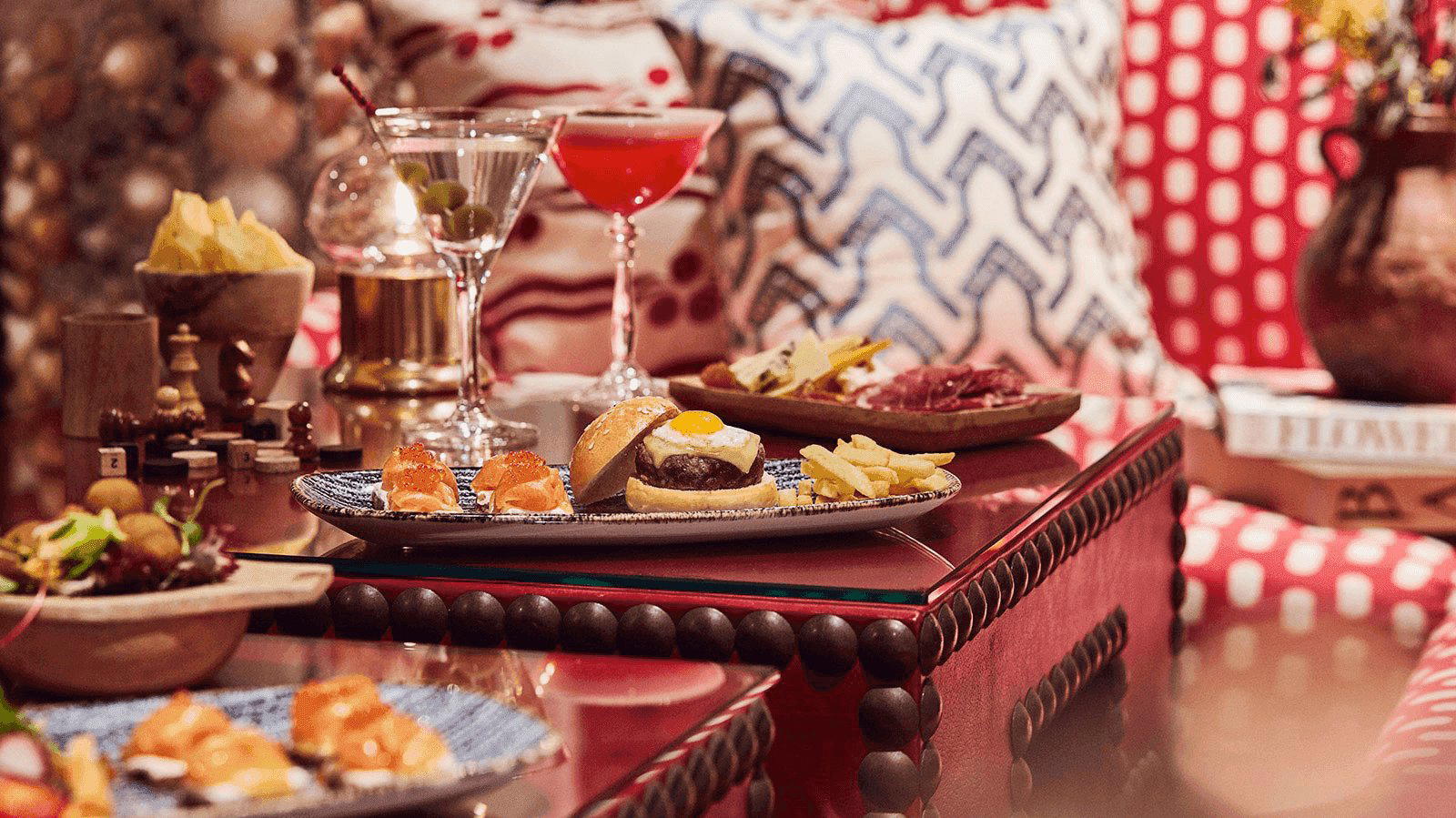
Bars in Marbella
Browse all →


Restaurants in Marbella
Browse all →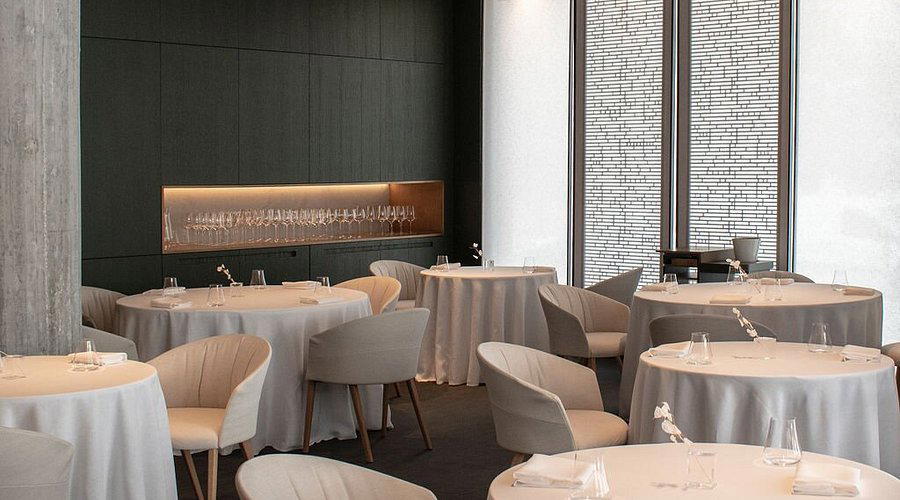

At a Glance
- Elegant
- Sophisticated
- Scenic
- Romantic
- Romantic Getaway
- Family Vacation
- Wellness Retreat
- Anniversary
- Celebration
- Beachfront
- Infinity Pool
- Destination Spa
- Golf Course
- Waterfront
- Garden
- Terrace
- Panoramic View
- Wi Fi
- Pool
- Spa
- Fitness Center
- Room Service
- Concierge
- Business Center
- Valet Parking
- EV Charging
- Kids Club
- Beach Access
- Golf Course
- Restaurant
- Bar
- Waterfront
- Garden
- Wi Fi
- Pool
- Spa
- Fitness Center
- Room Service
- Concierge
- Business Center
- Valet Parking
- EV Charging
- Kids Club
- Beach Access
- Golf Course
- Restaurant
- Bar
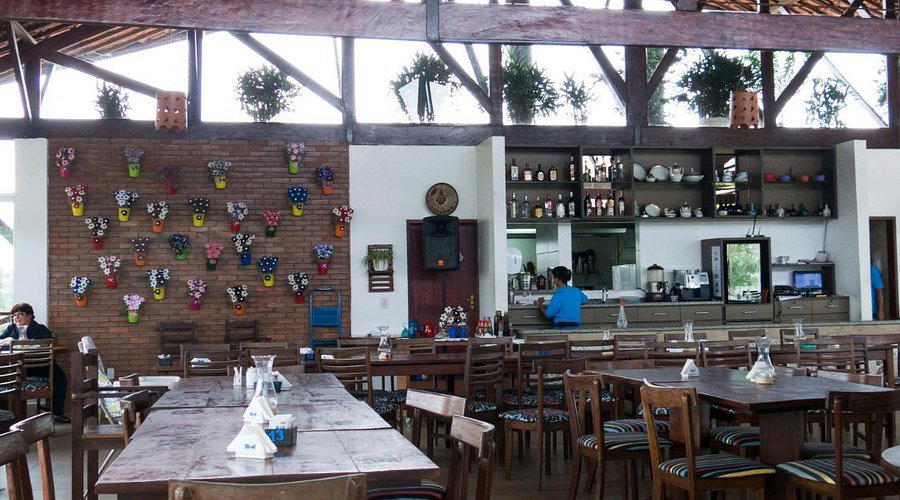
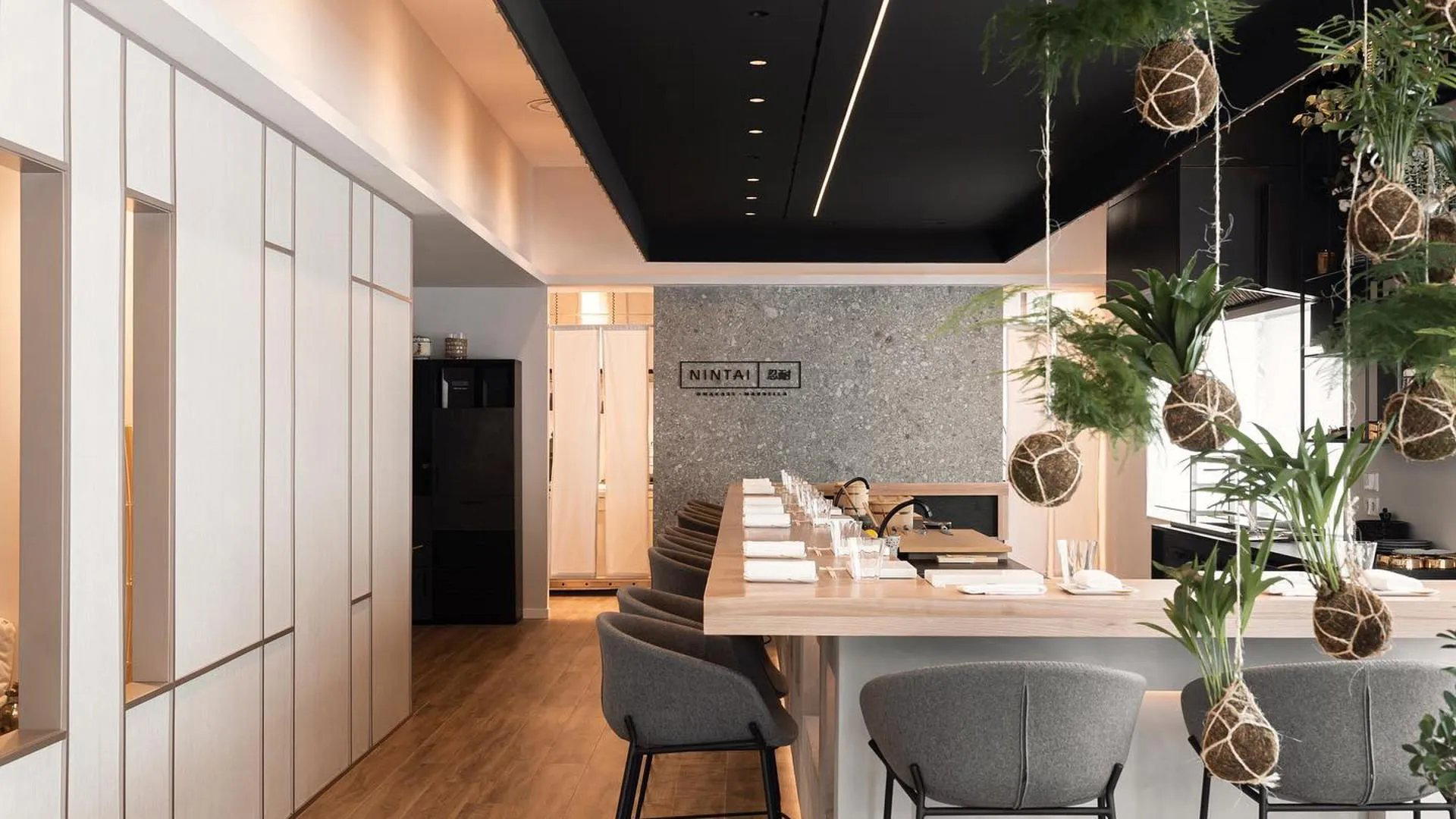
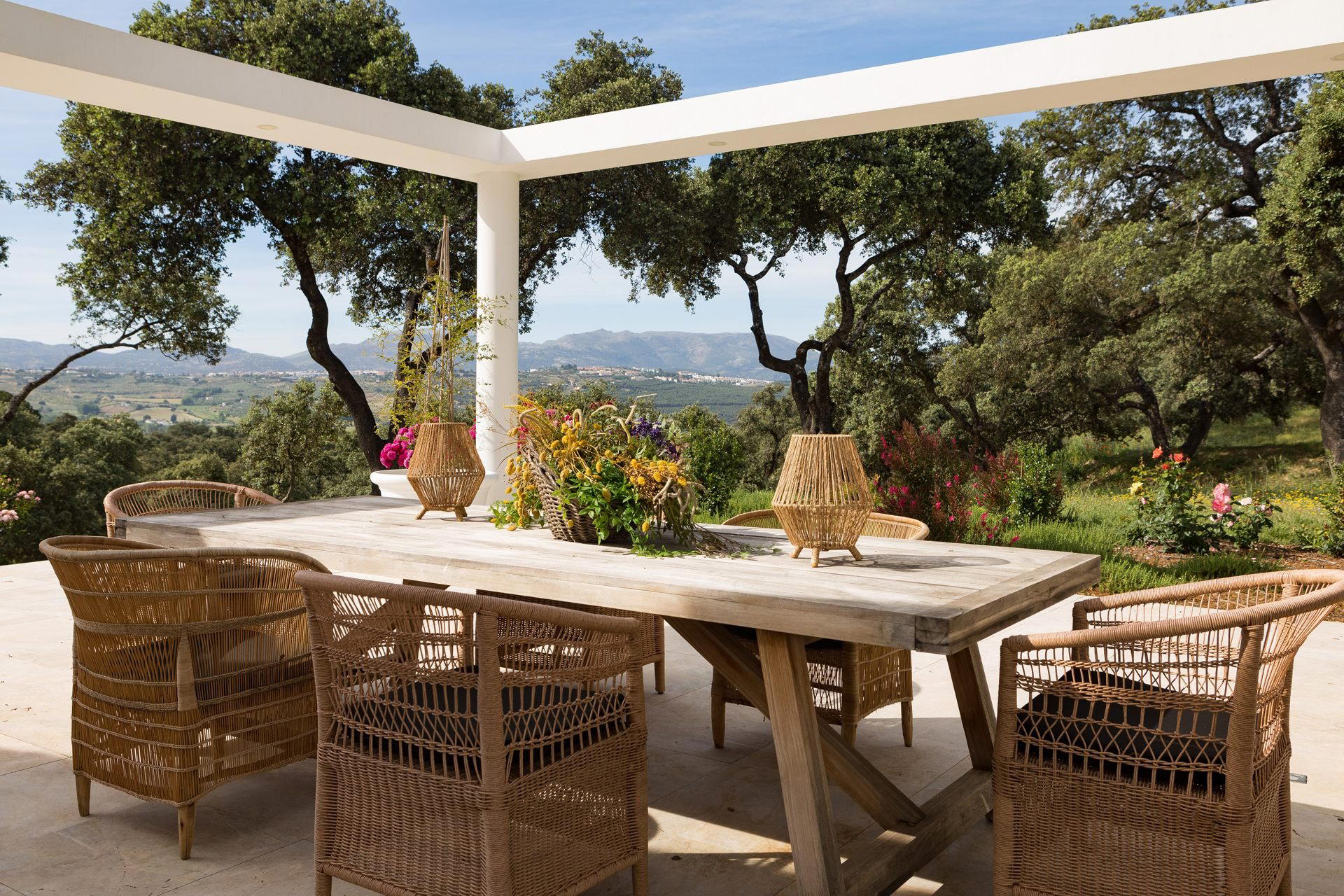
Sophisticated and refined with elegant garden settings, multiple poolside bars, and a relaxed yet upscale Mediterranean atmosphere enhanced by natural lighting and waterfront views.