



Nintai holds a Michelin star and runs a single seasonal tasting menu from a ten-seat sushi bar in Marbella's old town. Sommelier Marcos Granda oversees an itamae-style format where dishes change with market availability, and the sake list ranks among the more considered in Spain. Open Tuesday through Saturday from 8 PM.
Pearl is the En Primeur Club membership app — saves, bookings, and concierge access live there. Same editors, same standards.
- Address
- C. de Ramón Gómez de la Serna, 18b, 29602 Marbella, Málaga, Spain
- Phone
- +34 690 93 10 88
- Website
- restaurantenintai.com
- Directions
- Get directions
 Saves & bookings on Pearl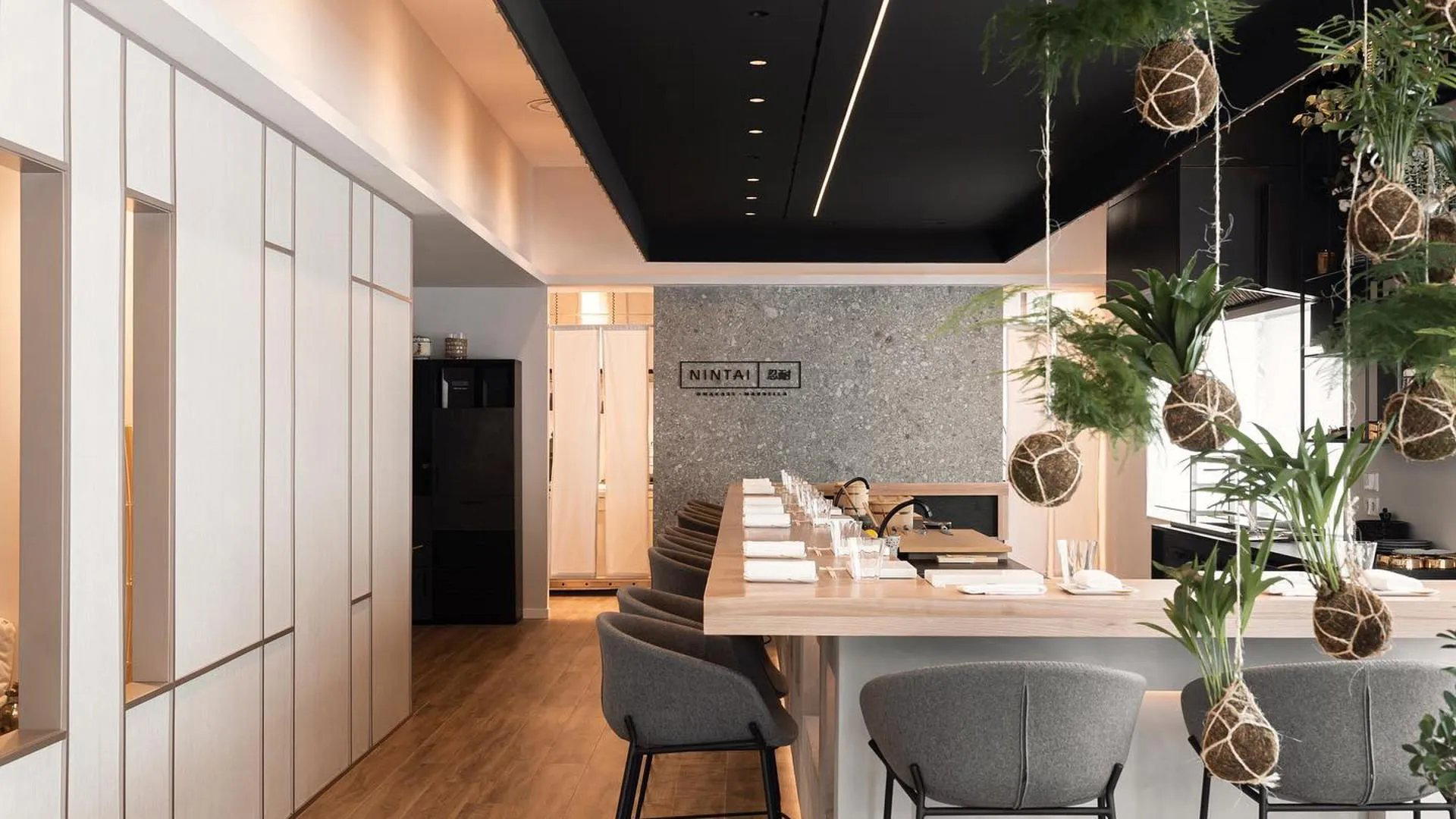
A Spare Room, a Single Menu, and a Lot of Intent
The room signals its priorities before the first dish arrives. Pure architectural lines, large windows that flood the space with the last of the Andalusian evening light, and a ten-seat sushi bar positioned so that nothing obstructs the view of the cook at work. Nintai is a Michelin-starred Japanese omakase restaurant in Marbella, serving a €€€€ tasting menu at C. de Ramón Gómez de la Serna, 18b. The result is an atmosphere closer to meditative than theatrical, which is, deliberately, the point.
That orientation places Nintai in a different competitive tier from the city's other Japanese address, TA-KUMI, which operates at the €€€ price band and serves a broader à la carte format. Nintai's €€€€ positioning and single fixed menu indicate a different ambition: this is an omakase-adjacent format calibrated to a guest who has come specifically for this experience rather than one choosing between options. The private dining spaces, available alongside the main room, push it further into occasion-led territory.
The ENSō Menu: Structure as Philosophy
Nintai runs one menu. That decision is itself an editorial statement about how the kitchen wants guests to engage with the food. The ENSō tasting menu is named after the Japanese calligraphic circle representing completeness and the cycle of the seasons, and the format follows that logic: ingredients depend on seasonal availability and market conditions, so the precise composition of the menu shifts rather than staying fixed. There is no à la carte safety net. You eat what the kitchen has decided to cook, in the order it decides to serve it.
The menu's internal architecture reflects classical Japanese kaiseki thinking, where courses are organized around technique rather than simply protein or vegetable category. Two specific course types have drawn particular attention from diners: Mushimono, the steaming course, and Otsukuri, which works through raw textures. The steaming course matters because it is one of the more technically demanding categories in Japanese cooking, requiring precise control of temperature and timing to preserve texture and concentrate flavour without moisture loss becoming a problem. Otsukuri, in the kaiseki tradition, is not just sashimi cut and arranged, it is a course where the quality and sourcing of raw ingredients faces direct scrutiny, with nowhere to hide. That these are the courses that generate particularly consistent praise tells you something about where the kitchen's technical confidence runs deepest.
The large tuna cuts, sliced directly in front of the sushi bar, function as theatre and as proof of sourcing. In Spain, quality bluefin is not difficult to source given the country's longstanding relationship with Atlantic and Mediterranean tuna fishing, but the decision to present the whole cut tableside rather than pre-portioning in the kitchen is a clear signal about provenance transparency. At a €€€€ price point, that kind of visibility matters to the guest.
Desserts, described as something of a surprise for a Japanese restaurant, hint at the kitchen's approach to hybridity. Spain's pastry tradition and Japan's restrained sweet register exist in genuine tension, and a kitchen that takes both seriously can produce results that neither culture would arrive at independently. This is consistent with a broader trend in European Japanese restaurants, where the dessert course has become a place to signal just how deeply the kitchen has absorbed its source cuisine rather than simply importing conventions wholesale.
The Sake Programme and Why It Matters Here
Sake lists at European Japanese restaurants tend to fall into two categories: token selections assembled to complete a Japanese atmosphere, or serious programmes built by people who understand the relationship between brewing style, rice variety, and food pairing. Nintai's sake menu, cited among the more considered in Spain, falls in the second category. This is consistent with the background of Marcos Granda, a sommelier who built his reputation through wine programmes at high-level Spanish restaurants before turning focus toward Japan. A sommelier-led sake programme at a Michelin-starred restaurant approaches the list from the same analytical framework applied to wine: regional variation, producer identity, and pairing logic rather than just ABV and price. For guests with serious interest in sake, this is one of the more credible places in southern Spain to encounter the category presented at depth.
Where Nintai Sits in Spain's Broader Dining Map
Spain's Michelin-starred restaurant scene is concentrated in the north and in Madrid, with houses like Arzak in San Sebastián, DiverXO in Madrid, El Celler de Can Roca in Girona, Azurmendi in Larrabetzu, Aponiente in El Puerto de Santa María, and Quique Dacosta in Dénia defining the upper tier of the country's fine dining conversation. Marbella sits outside that traditional fine dining geography, associated more with high-spend leisure than with serious kitchen culture. The presence of a Michelin-starred Japanese restaurant in Marbella's old town is therefore a more significant development than it might appear in a city already used to high prices.
Within Marbella itself, the starred restaurants cluster in the old town and Golden Mile corridor. Skina holds two Michelin stars for its seasonal Andalusian work, and BACK and Messina anchor the modern cuisine tier. Nintai operates in that company as the city's only Japanese address at star level, which creates a distinct position: the obvious choice for guests with fine dining intent and a preference for Japanese technique over contemporary Spanish or Mediterranean cooking. Nobu Marbella covers the premium Japanese-influenced end of the market at higher volume and lower intensity; Nintai runs in a different direction entirely.
For comparison of Japanese tasting menu formats at the highest level, Myojaku and Azabu Kadowaki in Tokyo represent the source tradition Nintai is drawing from. The distance between what those Tokyo counters do and what a European kitchen operating within different supply chains and guest expectations can achieve is always a live question, but Nintai's Michelin recognition in 2024 indicates that inspectors found the gap narrow enough to matter.
Planning a Visit
Nintai opens Tuesday through Saturday at 8 PM and closes at midnight, with Sundays and Mondays dark. The late opening hour reflects the single-sitting format, with one menu served each service. The restaurant is at C. de Ramón Gómez de la Serna, 18b in Marbella's old town, walkable from the historic centre and accessible by taxi from the Golden Mile hotel corridor. Given the single fixed menu format and the sushi bar's ten-seat capacity, booking is essential. The private dining spaces add some additional capacity for groups with specific event needs.
What People Recommend at Nintai
Guests consistently point to the Mushimono and Otsukuri courses as the ones that leading demonstrate the kitchen's range, the former for technical precision in steaming and the latter for the quality of raw ingredients sourced to order. The tableside presentation of large tuna cuts draws attention as a concrete demonstration of provenance. The sake selection earns specific mention from guests with serious interest in the category, cited regularly as among the more thoughtfully assembled in Spain.
A Lean Comparison
Comparable venues nearby, for context on price, style, and recognition.
| Venue | Cuisine | Price | Notes |
|---|---|---|---|
| NintaiThis venue — the venue you are viewing | Japanese | $$$$ | Not listed |
| Messina | Not listed | $$$$ | Avenida Severo Ochoa, Modern Mediterranean Fine Dining |
| BACK | Marbella, Modern Andalusian Tapas | $$$$ | Not listed |
| Leña Marbella | Golden Mile, Modern Grill by Dani García | $$$$ | Not listed |
| Nobu Marbella | Puente Romano, Japanese-Peruvian Fusion | $$$$ | Not listed |
| Candeal | old town, Modern Castilian Fine Dining | $$$$ | Not listed |
Recognition history
Dated appearances from independent guides and award organizations, with the underlying list record or original source where available.
Falstaff Restaurant - 95 Falstaff Points
Falstaff
Macarfi 8.6 Food Rating
Macarfi
Michelin 1 Star
Michelin
Opinionated About Dining Newly Added European Restaurants
Opinionated About Dining
Opinionated About Dining Top Restaurants in Europe Recommended
Opinionated About Dining
Michelin 1 Star
Michelin
Michelin 1 Star
Michelin
Continue exploring
More in Marbella
Restaurants in Marbella
Browse all →
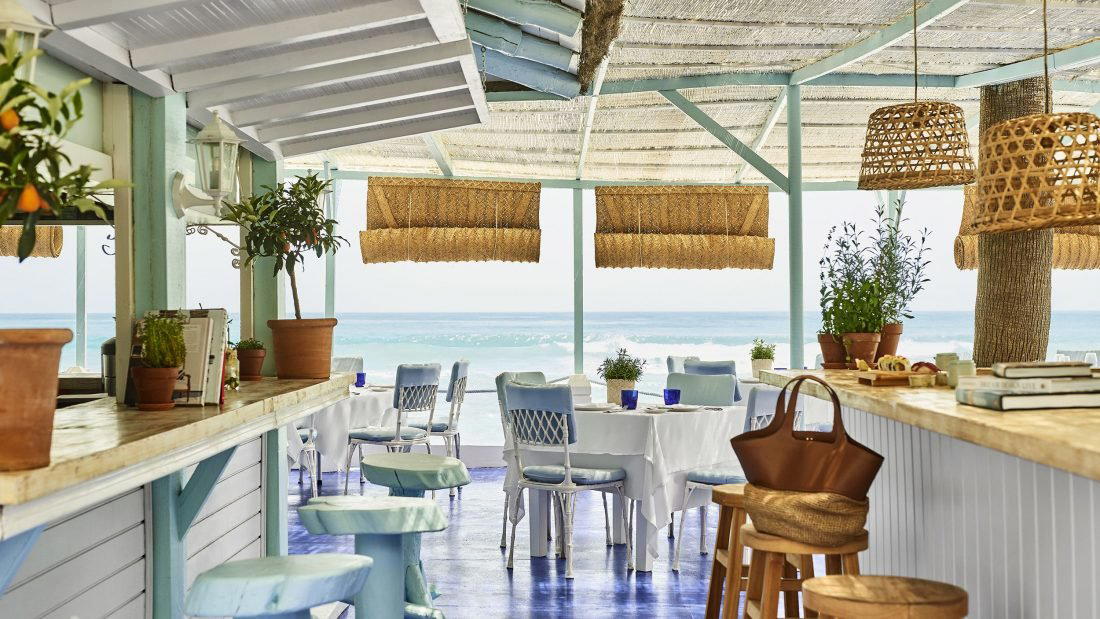
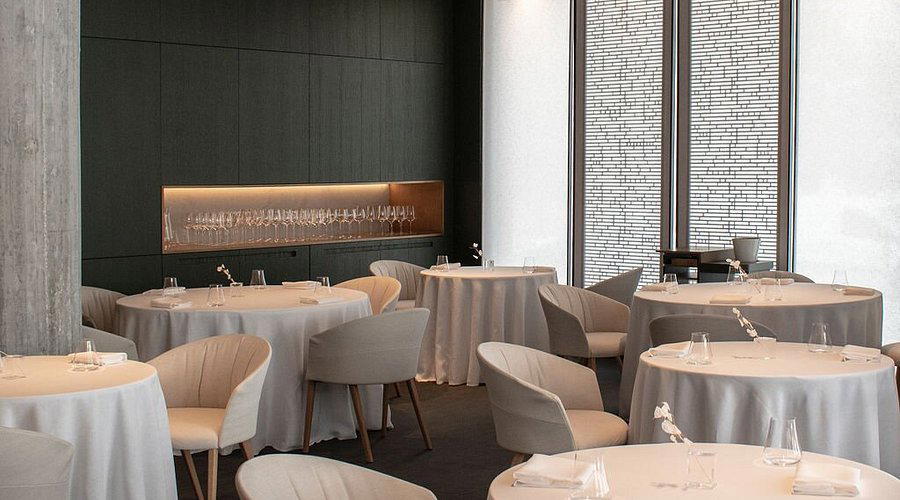
Bars in Marbella
Browse all →
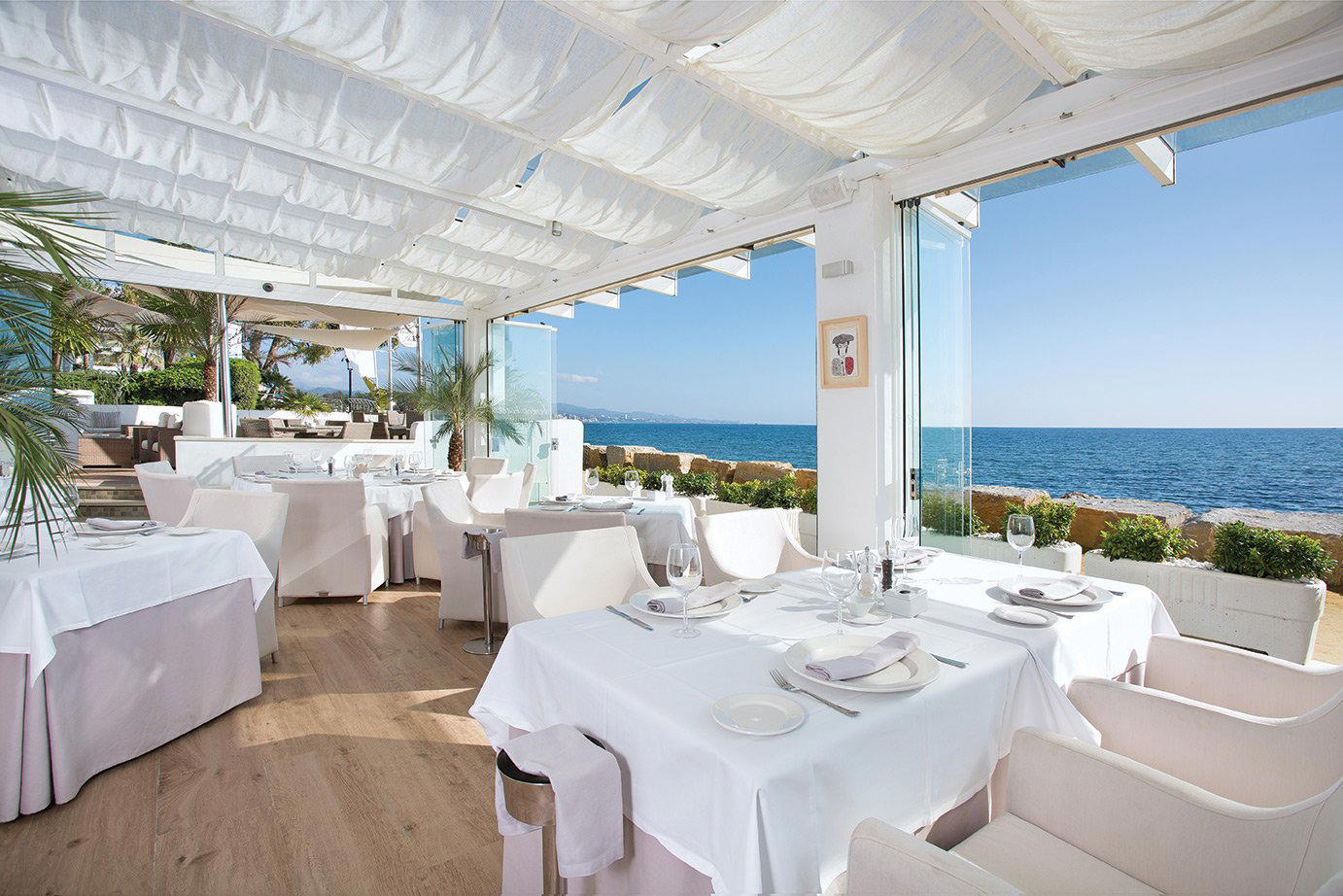
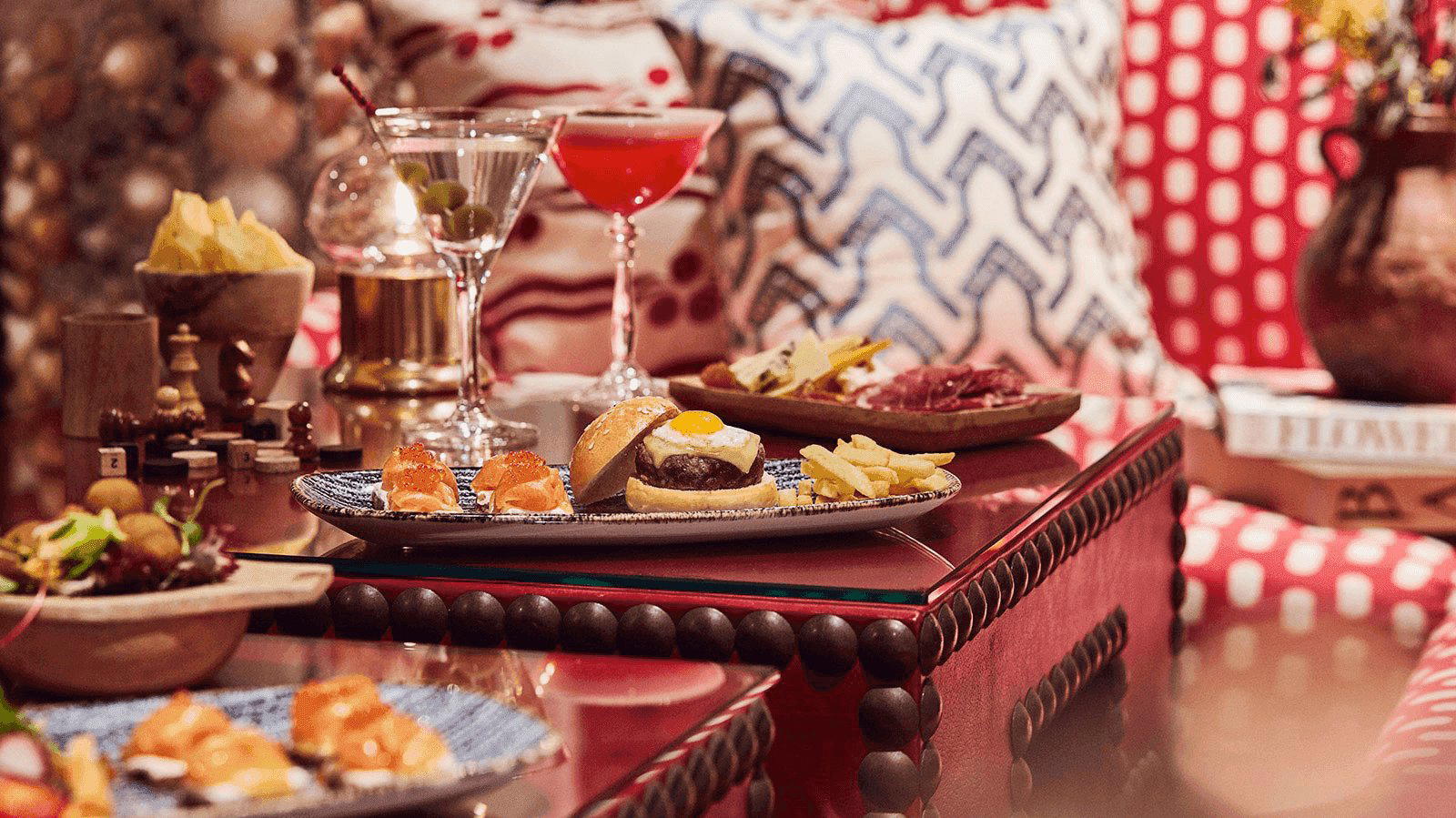


Hotels in Marbella
Browse all →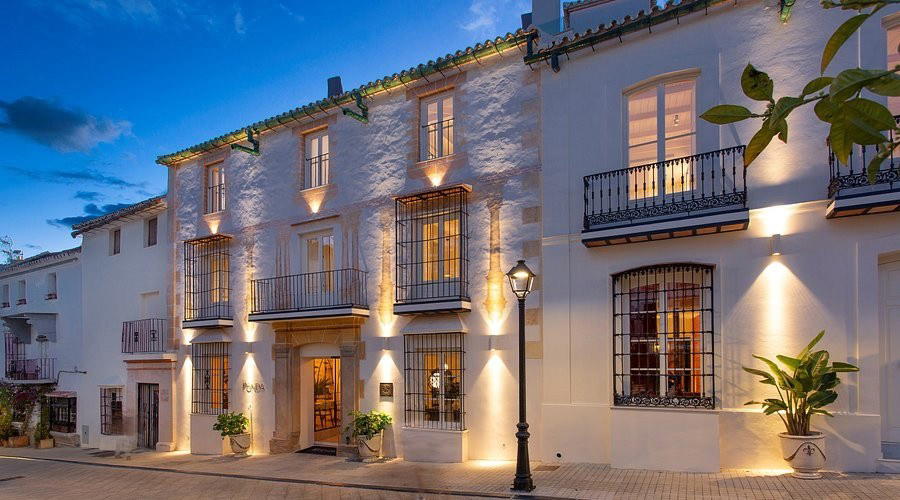

At a Glance
- Intimate
- Elegant
- Serene
- Sophisticated
- Minimalist
- Date Night
- Special Occasion
- Celebration
- Chefs Counter
- Open Kitchen
- Private Dining
- Sake Program
- Extensive Wine List
Current opening hours
- Monday
- Closed
- Tuesday
- 8 PM–12 AM
- Wednesday
- 8 PM–12 AM
- Thursday
- 8 PM–12 AM
- Friday
- 2–5 PM, 8 PM–12 AM
- Saturday
- 2–5 PM, 8 PM–12 AM
- Sunday
- Closed
Hours can change for holidays and private events. Last verified .
Serene and minimalist with pure lines, large windows, and a sense of calm serenity centered around the sushi bar.