
Star Wine List
Our verdict
A Star Wine List White Star recipient in Ginza's Chuo ward, Ginza Soseki Arata sits within Tokyo's most competitive fine-dining corridor, where wine program credibility operates as a distinct differentiator. The address in Irifune places it steps from the district's concentration of omakase counters and French-influenced tasting rooms, making the wine list recognition a signal worth reading carefully before booking.

Pearl is the En Primeur Club membership app, where members save venues, book tables and use the concierge.
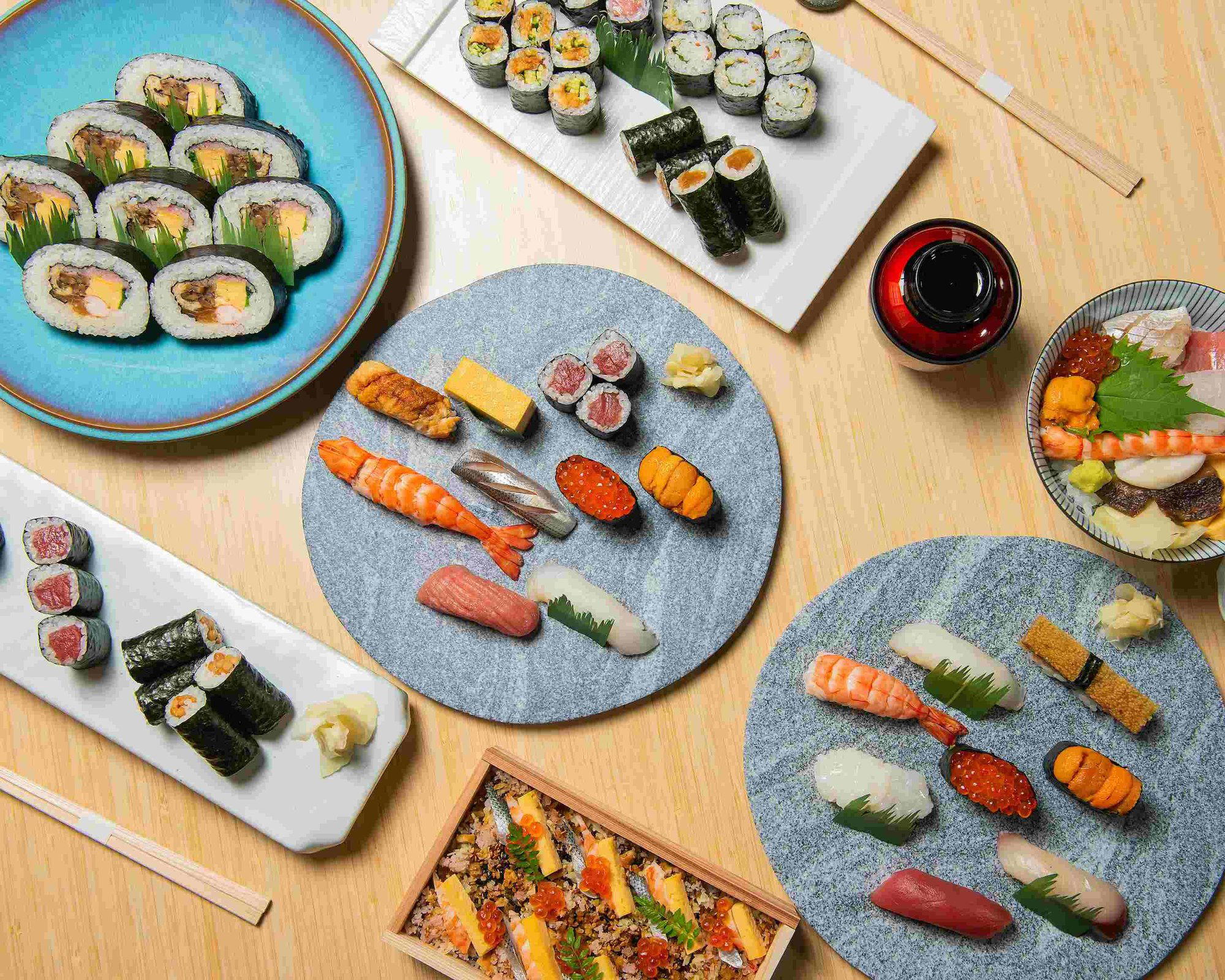
A Room That Earns Its Address
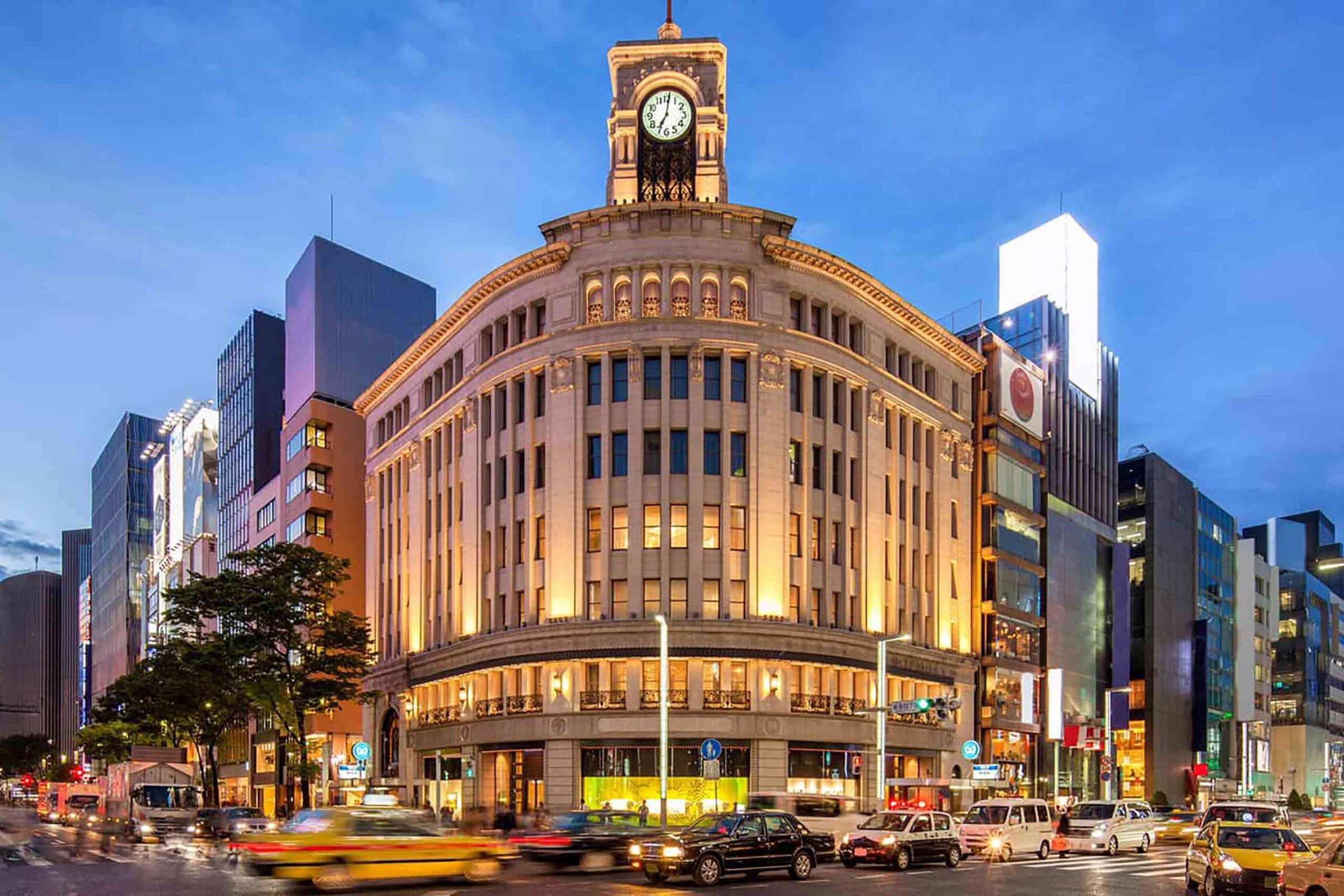
Ginza's streets have always sorted themselves by tier. The main Chuo-dori spine runs through luxury retail and high-end French rooms; the side streets and lower floors of the blocks around Irifune hold the quieter, counter-led restaurants that Ginza's regulars tend to protect rather than publicise. Ginza Soseki Arata sits in that second category, at 3 Chome-3-12 in the Agui Building, a ground-floor address that signals an interior built for focused dining rather than theatrical arrival. In a district where the physical container of a restaurant communicates its intentions before a single dish arrives, the choice of a low-profile building on a Ginza side street is itself an editorial statement.
This is not unusual for Ginza's upper tier. Harutaka, one of the district's most sought-after sushi counters, operates with a similar restraint of address. The relationship between understated exterior and serious interior is a pattern Ginza has refined over decades, and Soseki Arata appears to work within that convention.
The Space as Framework
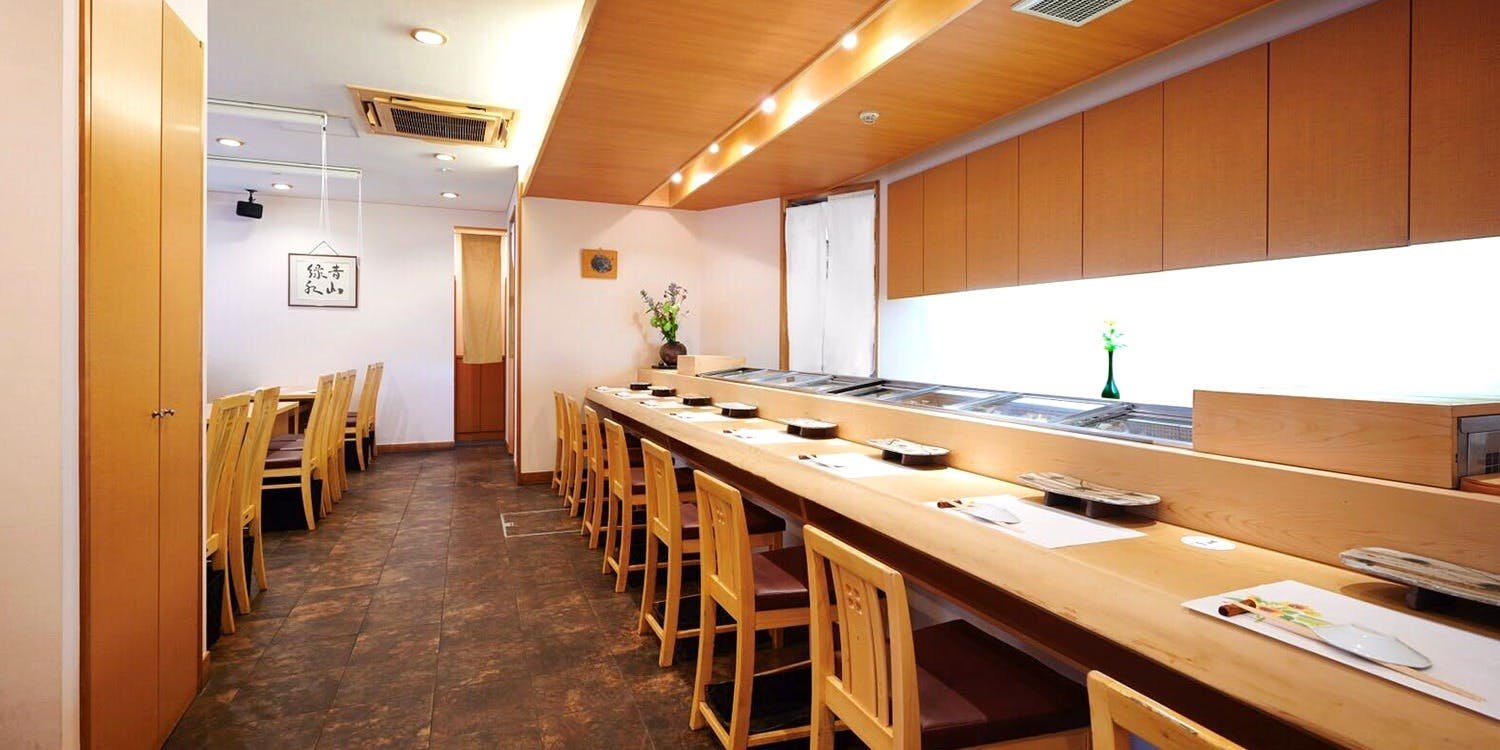
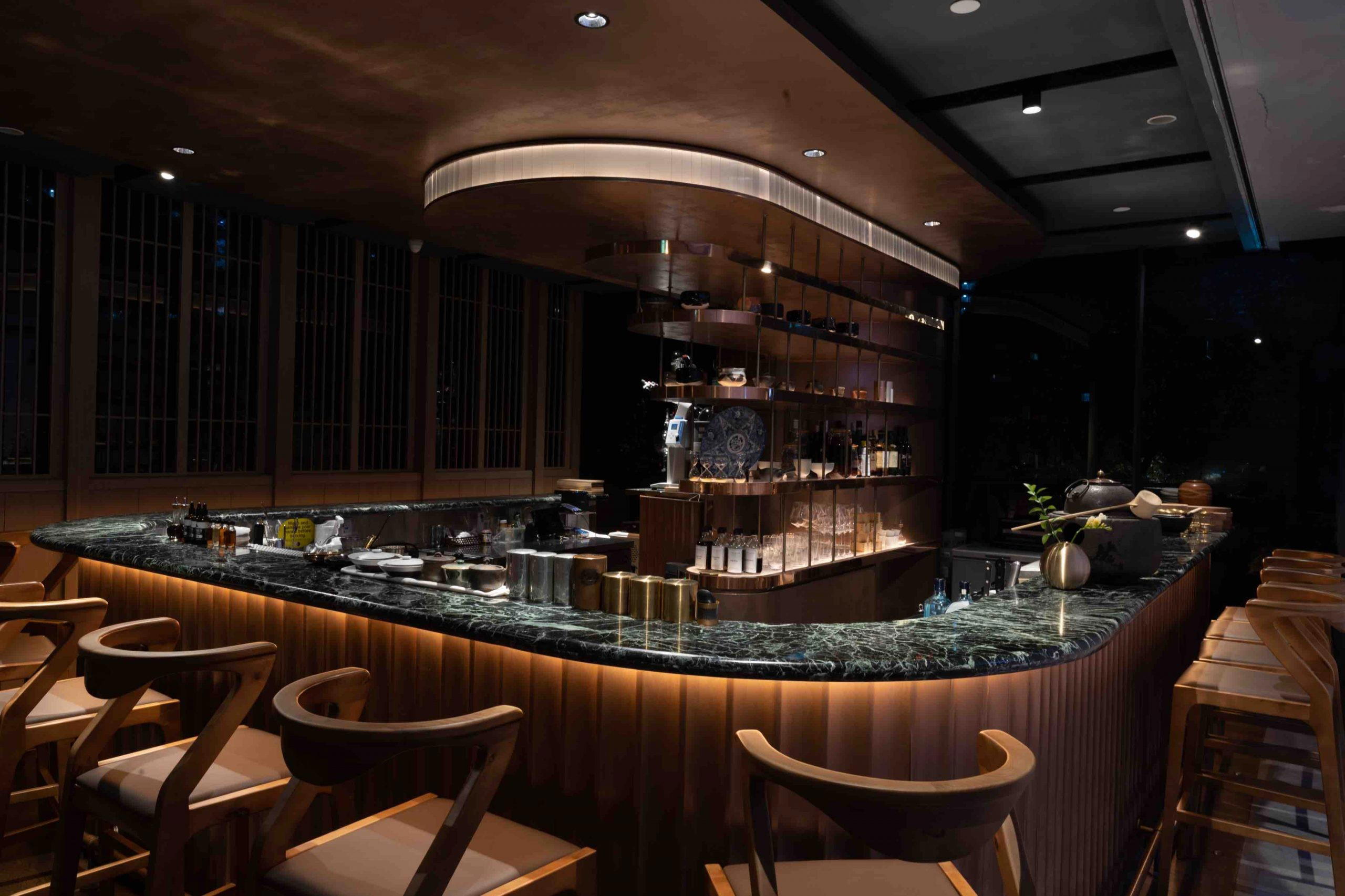
Tokyo's premium dining rooms have increasingly moved away from the large-format hotel restaurant model toward smaller, more architecturally considered spaces where the room itself structures the experience. Counter dining, in particular, has produced interiors defined by materials and proportion rather than decoration: the grain of a cypress counter, the sightlines to the kitchen, the ceiling height calibrated so that the chef's movements fill the frame without distraction. These are rooms designed to eliminate competition for attention.
Ginza Soseki Arata's ground-floor position in a named building suggests a space that has been fitted to purpose rather than built from scratch, a common format for serious independent restaurants in central Tokyo. The building itself dates the address to an older commercial fabric, which in Ginza often means lower ceilings, compact footprints, and an intimacy that newer purpose-built dining floors rarely achieve. Within that constraint, the design choices made at Soseki Arata will be doing significant work: how light is managed, how service circulation is organised around the dining positions, and how the kitchen relationship to the room is handled are the variables that separate a considered interior from a functional one.
For comparison, RyuGin in Roppongi and L'Effervescence in Nishi-Azabu represent the pole of restaurants where the room is a deliberate architectural production. Soseki Arata's address and building type suggest something closer to the Ginza counter tradition: precision in a compressed space, with the room serving the food rather than competing with it.
Wine as a Structural Signal
The clearest credential in the public record for Ginza Soseki Arata is its recognition by Star Wine List, which awarded it a White Star status in April 2024. Star Wine List's White Star classification places a restaurant within a tier of establishments whose wine programs meet a defined threshold of list quality, sourcing depth, and presentation. In Tokyo's fine-dining scene, wine list recognition of this kind operates as a category marker: it identifies restaurants where the beverage program is treated as structurally equal to the food, not as an afterthought or a revenue line.
This matters in Ginza specifically because the district's food-first counters, particularly in the kaiseki and omakase formats, have historically prioritised sake and Japanese whisky over wine. The emergence of White Star-level wine programs in Ginza restaurants signals a shift in how the district's leading tables are positioning themselves for an internationally travelled clientele. Sézanne and Crony, both operating in the French-influenced tier of Tokyo fine dining, represent the cohort where wine is central to the proposition.
Ginza in Context
Understanding where Ginza Soseki Arata sits requires a brief map of how Ginza's dining has evolved. The district hosts one of the highest concentrations of Michelin-starred restaurants in any single urban ward globally, with a particular density of three-star Japanese counters and two-star French rooms. Pressure on that space has pushed some serious independent restaurants to the Irifune and Shin-Ohashi side streets, where rents allow for smaller, owner-operated formats that the main boulevard addresses cannot sustain.
That geographic shift has produced some of the district's more interesting dining, and it mirrors patterns visible across Japan. Gion Sasaki in Kyoto and HAJIME in Osaka both demonstrate how Japan's secondary addresses within premium districts can house restaurants that compete at the top of the national conversation without occupying flagship locations. Further afield, akordu in Nara, Goh in Fukuoka, Bleston Court Yukawatan in Nagano, and giueme in Akita all reinforce the point that serious wine-forward dining in Japan is no longer a Tokyo-only proposition, though the Ginza address carries specific weight for international visitors who build itineraries around the district's concentration of credentials.
Planning a Visit
Ginza's leading tables, particularly those with recognisable award credentials, book quickly. The White Star recognition from April 2024 has placed Soseki Arata in wider circulation among wine-focused travellers, and Ginza's general reservation pressure means that planning two to four weeks ahead is the floor for a reasonable chance at a preferred date, with longer lead times advisable for weekend sittings or during peak seasons such as cherry blossom and autumn foliage periods. The Irifune address in Chuo City is accessible from Ginza Station on the Ginza, Hibiya, and Marunouchi lines, and from Shintomicho on the Yurakucho Line, making it direct to incorporate into a broader Ginza or Tsukiji-area evening.
For broader planning, our full Tokyo restaurants guide maps the city's dining tiers, and our guides to Tokyo hotels, Tokyo bars, Tokyo wineries, and Tokyo experiences provide the surrounding context for a well-structured visit.
For those extending travel beyond Tokyo, the restaurant sits in a city that connects easily to the wine-forward dining scenes covered in our profiles of Le Bernardin in New York and Emeril's in New Orleans, both of which represent the same category of restaurants where beverage programs carry significant institutional weight.
Frequently asked questions
What awards or recognition does Ginza Soseki Arata have?
Ginza Soseki Arata has received recognition including: Ginza Soseki Arata is a restaurant in Tokyo, Japan. It was published on Star Wine List on April 25, 2024 and is a White Star.
What's Ginza Soseki Arata's location?
Ginza Soseki Arata is located at Japan, 〒104-0042 Tokyo, Chuo City, Irifune, 3 Chome−3−12 あぐいビル 1階, Tokyo.
What's the best thing to order at Ginza Soseki Arata?
At Ginza addresses with this kind of wine credential, pairing your food order to the list rather than the reverse is usually the sharper call.
How far ahead should I plan for Ginza Soseki Arata?
Ginza rooms with named award credentials, including Star Wine List recognition, tend to fill quickly, particularly at dinner. The White Star status published in April 2024 has raised the profile of Soseki Arata within that circuit, so reserving two to four weeks ahead is a reasonable baseline for weekday sittings, longer for weekends.
What's the defining dish or idea at Ginza Soseki Arata?
The clearest public signal for Ginza Soseki Arata is its wine programme, which earned White Star recognition from Star Wine List in April 2024. That credential places the list among a selective tier of Tokyo addresses where wine is treated as a structural part of the meal rather than an afterthought to the kitchen.
Credentials Lens
Comparable venues nearby, for context on price, style, and recognition.
| Venue | Cuisine | Price | Awards | Notes |
|---|---|---|---|---|
| Ginza Soseki ArataThis venue (the venue you are viewing) | Modern Edomae Sushi and Kaiseki | $50–100 | Star Wine List | Not listed |
| Patisserie Mayo | Seasonal Japanese Patisserie | $30–50 | Not listed | Minato |
| りゅうの介 | Japanese Seafood | Not listed | Not listed | Minato |
| Yakiniku Dan Asakusa | Japanese Yakiniku (BBQ) | $50–100 | Not listed | Taitō |
| EUREKA! | Modern sake-focused izakaya | $50–100 | Tabelog 100 #67 | Minato |
| Onikuya Keisuke Sannanbo | Refined Yakiniku & Beef Tongue in Hiroo | $100–150 | Tabelog 100 #95 | Shibuya |
Recognition history
Dated appearances from independent guides and award organizations, with the underlying list record or original source where available.
Star Wine List
Star Wine List
Continue exploring
More in Tokyo
Restaurants in Tokyo
All restaurants in Tokyo →
Bars in Tokyo
All bars in Tokyo →


Ginza Soseki Arata
The wine
- Extensive wine list
- Natural wine
- Sake program
Details
- Elegant
- Sophisticated
- Intimate
- Modern
- Date Night
- Solo
- Family
- Business Dinner
- Special Occasion
- Chefs Counter
- Extensive Wine List
- Natural Wine
- Sake Program
- Omakase
- Counter Dining
- Set Menu
- Sake
- Wine
Current opening hours
- Monday
- 5:30–11 PM
- Tuesday
- 5:30–11 PM
- Wednesday
- 5:30–11 PM
- Thursday
- 5:30–11 PM
- Friday
- 5:30–11 PM
- Saturday
- 5:30–11 PM
- Sunday
- Closed
Hours can change for holidays and private events. Hours as of .
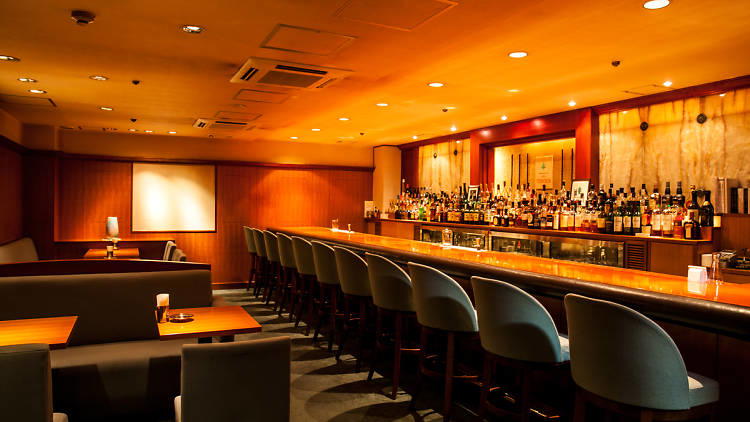
Refined Japanese setting with stylish black exposed concrete walls, cypress counter seats, and a relaxing, sophisticated atmosphere.