Swahili Village Beltsville
Our verdict
Swahili Village Beltsville serves East African fare with grilled goat, goat stew, and nyama choma, plus beer and live music in a casual, lively room.

Pearl is the En Primeur Club membership app — saves, bookings, and concierge access live there. Same editors, same standards.
- Address
- 10800 Rhode Island Ave Suite N, Beltsville, MD 20705
- Phone
- (240) 965-7651
- Hours
- Mon–Thu 11:30 AM–12 AMFri–Sat 11:30 AM–2 AMSun 11:30 AM–1 AM
- Website
- swahilivillages.com
- Directions
- Get directions
- Booking
- Book on OpenTable
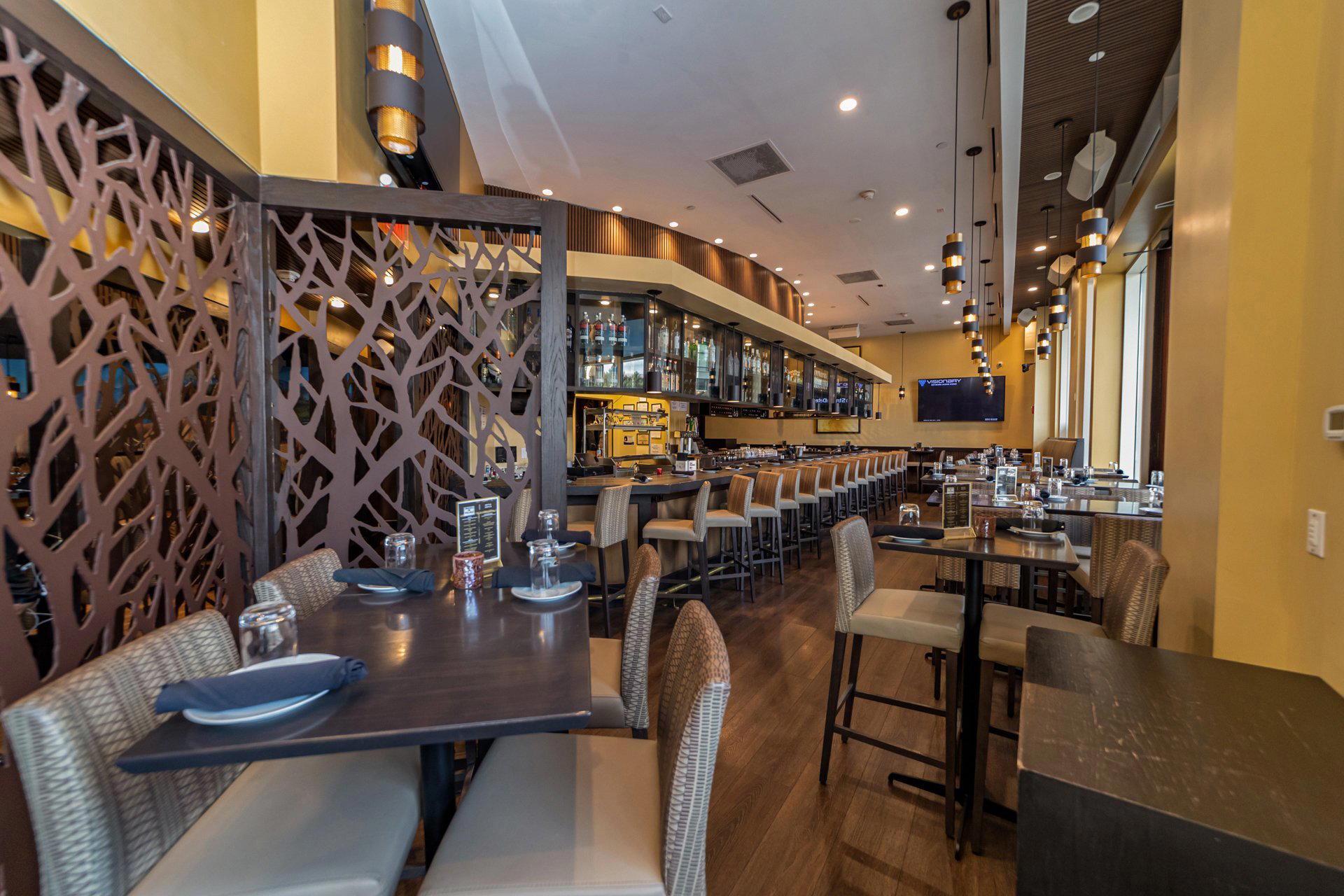
East African Cooking in the Washington Corridor
Along Rhode Island Avenue in Beltsville, Maryland, a stretch of highway-adjacent strip malls gives way to something that quietly reframes the dining options between Washington, D.C. and the northern suburbs. Swahili Village Beltsville, at 10800 Rhode Island Ave Suite N, operates within a commercial format familiar to this part of Prince George's County, but the cooking it represents draws on a culinary tradition that spans the East African coast from Mombasa to Zanzibar. That tradition, built around slow-cooked meats, aromatic rice dishes, and a spice vocabulary inherited from centuries of Indian Ocean trade, is rarely encountered at this depth anywhere in the greater D.C. metro area.
The Swahili coast was not a single culture but a long exchange: Arab merchants, South Asian traders, and Bantu-speaking communities whose interactions produced a cuisine defined by cardamom-scented biryanis, coconut-braised fish, and the slow, charcoal-forward method of cooking goat and beef known across Kenya as nyama choma. What makes this culinary tradition substantive is precisely its layered history. The food is not a simplified export but an expression of that convergence, which gives it a register of flavor complexity that sits in a different category from the casual African-American dining more common in this corridor.
What the Space Communicates
Strip-mall addresses in suburban Maryland do not automatically signal a diminished experience, and Swahili Village operates along a tradition of immigrant-owned restaurants that have historically delivered some of the area's most serious cooking from precisely these kinds of storefronts. The setting here is less about interior design as performance and more about a kind of purposefulness: you are here for the food, for the communal rhythm of shared plates, for the experience of eating in a room where the clientele reflects the East African diaspora that has made Prince George's County one of its primary landing points in the mid-Atlantic. That demographic presence matters because it usually functions as the strongest indicator of authenticity in diaspora cooking. Restaurants that earn the consistent patronage of a home community are rarely cutting corners.
For readers accustomed to the formal frameworks of, say, The Inn at Little Washington in Washington or the tasting-menu architecture of Causa in Washington, D.C., Swahili Village operates in a different register entirely. The comparison isn't about hierarchy but about format: where those destinations structure the meal as an authored sequence, Swahili-style dining tends toward abundance and generosity, with large platters designed for sharing and a rhythm that is less linear and more social.
The Culinary Context: Swahili Cuisine and Its Position in the American Market
East African cuisine, particularly Swahili cooking, occupies a smaller share of the American restaurant market than its complexity warrants. While West African cooking has found broader mainstream exposure through jollof rice and suya, the coastal East African tradition remains less documented in food media despite its equally sophisticated flavor architecture. In the Washington metro area, the concentration of Ethiopian, Eritrean, and Somali restaurants has drawn critical attention for decades, but Swahili cooking from Kenya and Tanzania represents a distinct culinary tradition that is sometimes grouped imprecisely into a broader "African food" category.
The distinction matters when eating. Kenyan coastal cooking, for instance, draws heavily on coconut milk in ways that Ethiopian cuisine does not. The spice blends reflect proximity to the historic spice trade rather than the berbere-forward profiles of the Horn of Africa. A restaurant presenting this cuisine seriously is making an argument for specificity, which is why Swahili Village has built a following that extends well beyond the immediate Beltsville area.
For context on how cuisine-specific restaurants build credibility within diaspora communities across American cities, it is worth noting how venues like Atomix in New York City or Bacchanalia in Atlanta have each built reputations by committing to a specific culinary tradition without compromise. The mechanism is similar at the community level even where the price tier differs substantially.
How It Fits the Beltsville Dining Picture
Beltsville's restaurant scene is not defined by a single style. The city's position between College Park and Laurel, along the Route 1 corridor, means its dining options are shaped by proximity to the University of Maryland, by the demographics of Prince George's County, and by the practical needs of a commuter community. Gringada Mexican Restaurant represents another strand of this ethnic restaurant culture, and the two venues sit in the same general ecosystem of immigrant-owned dining that gives the corridor its character. For a fuller read on where Swahili Village fits in the local dining picture, the full Beltsville restaurants guide provides additional context across price tiers and cuisine types.
The broader American dining conversation around ambitious cooking tends to cluster around venues like Le Bernardin in New York City, Lazy Bear in San Francisco, Alinea in Chicago, The French Laundry in Napa, Providence in Los Angeles, Blue Hill at Stone Barns in Tarrytown, Addison in San Diego, Single Thread Farm in Healdsburg, Emeril's in New Orleans, Brutø in Denver, Frasca Food & Wine in Boulder, and 8 1/2 Otto e Mezzo Bombana in Hong Kong. These are different conversations from what Swahili Village is doing, but they share a common thread: cooking rooted in a specific tradition, executed with commitment. That commitment is what earns a restaurant its following regardless of the price tier it occupies.
Planning a Visit
Swahili Village Beltsville is located at 10800 Rhode Island Ave Suite N, Beltsville, MD 20705, accessible from the Baltimore-Washington Parkway and Route 1. Given the absence of publicly confirmed reservation data, arriving with some flexibility in timing or calling ahead is advisable, particularly on weekend evenings when the East African diaspora community tends to gather for larger family meals. The format of the cuisine, with its emphasis on shared platters, means the experience scales well with group size. Parties of three or more will engage most fully with the menu's range. Specific hours, current pricing, and booking options should be confirmed directly with the venue before visiting, as these details were not available at time of publication.
Frequently asked questions
Does Swahili Village Beltsville work for a family meal?
Swahili coastal cooking is structured around shared platters rather than individual plates, which makes it a practical fit for family dining. The communal format at Swahili Village Beltsville, located at 10800 Rhode Island Ave, naturally accommodates groups with varying appetites and preferences. This style of eating also tends to pace meals more generously than à la carte service, giving families time at the table.
What should I expect atmosphere-wise at Swahili Village Beltsville?
The address is a suburban Maryland strip mall on Rhode Island Avenue, so the setting is functional rather than theatrical. What the dining room offers is the social energy of a community restaurant serving a specific culinary tradition — East African coastal cooking — that draws a committed local following in the Beltsville corridor between College Park and Laurel. Arrive expecting the food to carry the experience.
Is Swahili Village Beltsville a good option for someone unfamiliar with East African food?
Swahili coastal cooking is built on a communal, shared-platter format that makes it accessible for first-time diners — you can try multiple preparations without committing to a single dish. The cuisine's foundational flavors draw from Indian Ocean spice trade influences, meaning profiles that include coconut, cardamom, and tamarind alongside grilled and slow-cooked proteins, which tend to read as approachable rather than challenging. Beltsville's restaurant at 10800 Rhode Island Ave serves a tradition that, while underrepresented in the American market, is not austere or esoteric in its flavor register.
What's the must-try dish at Swahili Village Beltsville?
C. area. Asking staff what is freshest on arrival is a reasonable approach.
What part of town is Swahili Village Beltsville in?
Swahili Village Beltsville is located at 10800 Rhode Island Ave Suite N, Beltsville, MD 20705, Beltsville.
How far ahead should I plan for Swahili Village Beltsville?
Confirmed booking lead times are not available, but Swahili Village Beltsville functions as a community-anchored restaurant in a suburban corridor at 10800 Rhode Island Ave, Beltsville, MD 20705, rather than a ticketed tasting counter. Walk-ins are likely accommodated on most days, though weekend evenings at restaurants serving underrepresented cuisines with strong local followings can fill earlier than expected.
What's the defining dish or idea at Swahili Village Beltsville?
The defining idea is specificity: Swahili coastal cuisine is a distinct culinary tradition shaped by centuries of Indian Ocean trade, producing a food culture that differs from both West African and Ethiopian cooking — the two African traditions with the largest footprints in American cities. In the D.C. metro area, that specificity makes Swahili Village Beltsville one of few places where this particular regional tradition is the organizing principle of the menu.
Price and Recognition
Comparable venues nearby, for context on price, style, and recognition.
| Venue | Cuisine | Price | Notes |
|---|---|---|---|
| Swahili Village BeltsvilleThis venue — the venue you are viewing | East African | $20–30 | Not listed |
| Gringada Mexican Restaurant | Mexican Tex-Mex | $20–30 | Beltsville, Mexican Tex-Mex |
| Rainbow African Restaurant | West African Ghanaian | $20–30 | Downtown Gaithersburg, West African Ghanaian |
| Dukem | Authentic Ethiopian | $20–30 | Mount Vernon, Authentic Ethiopian |
| Langano Ethiopian Restaurant | Authentic Ethiopian | $10–20 | Fenton Village, Authentic Ethiopian |
| Milk & Honey - College Park | Southern Soul Food Brunch | $20–30 | College Park, Southern Soul Food Brunch |
Continue exploring
More in Beltsville
Restaurants in Beltsville
Browse all →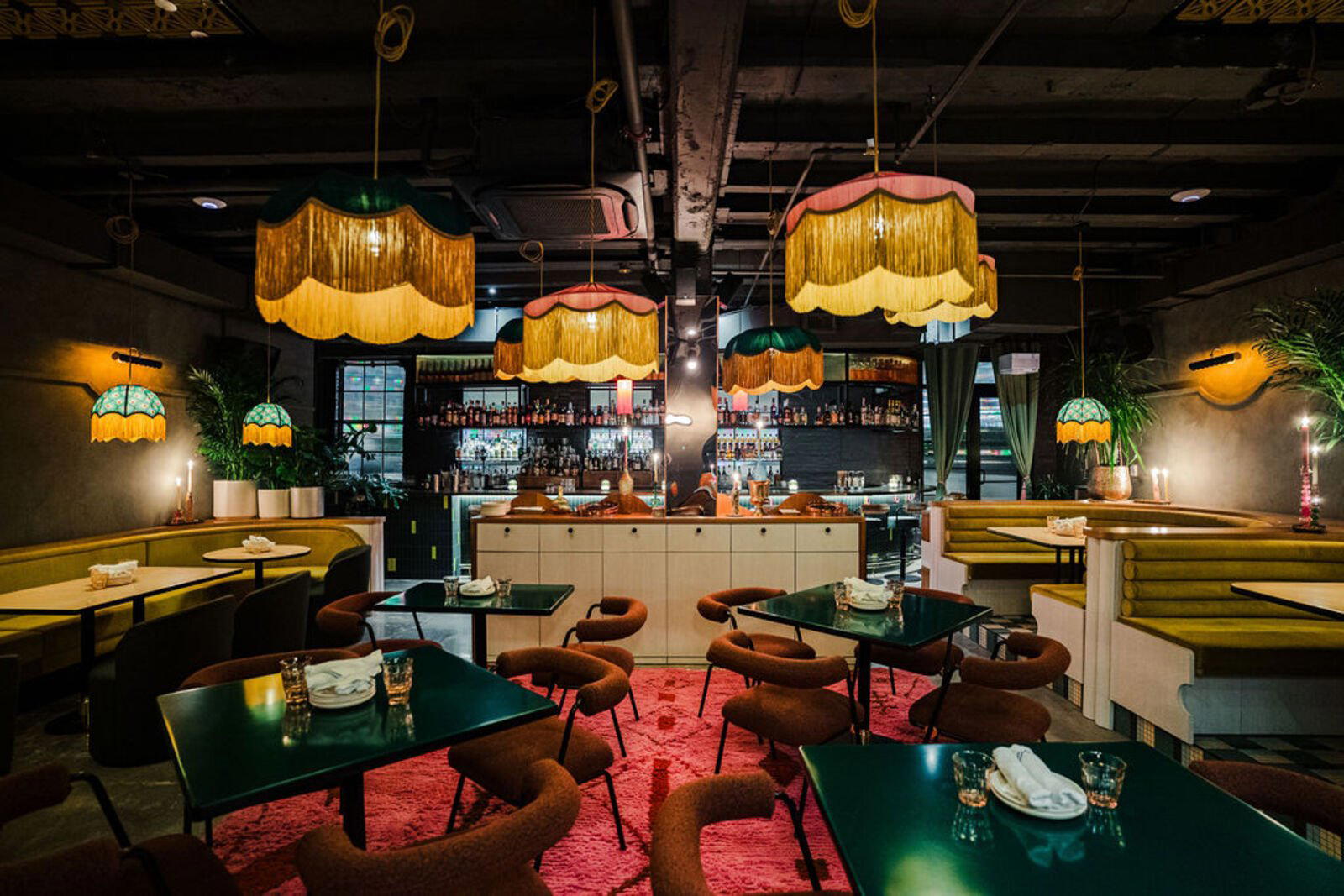
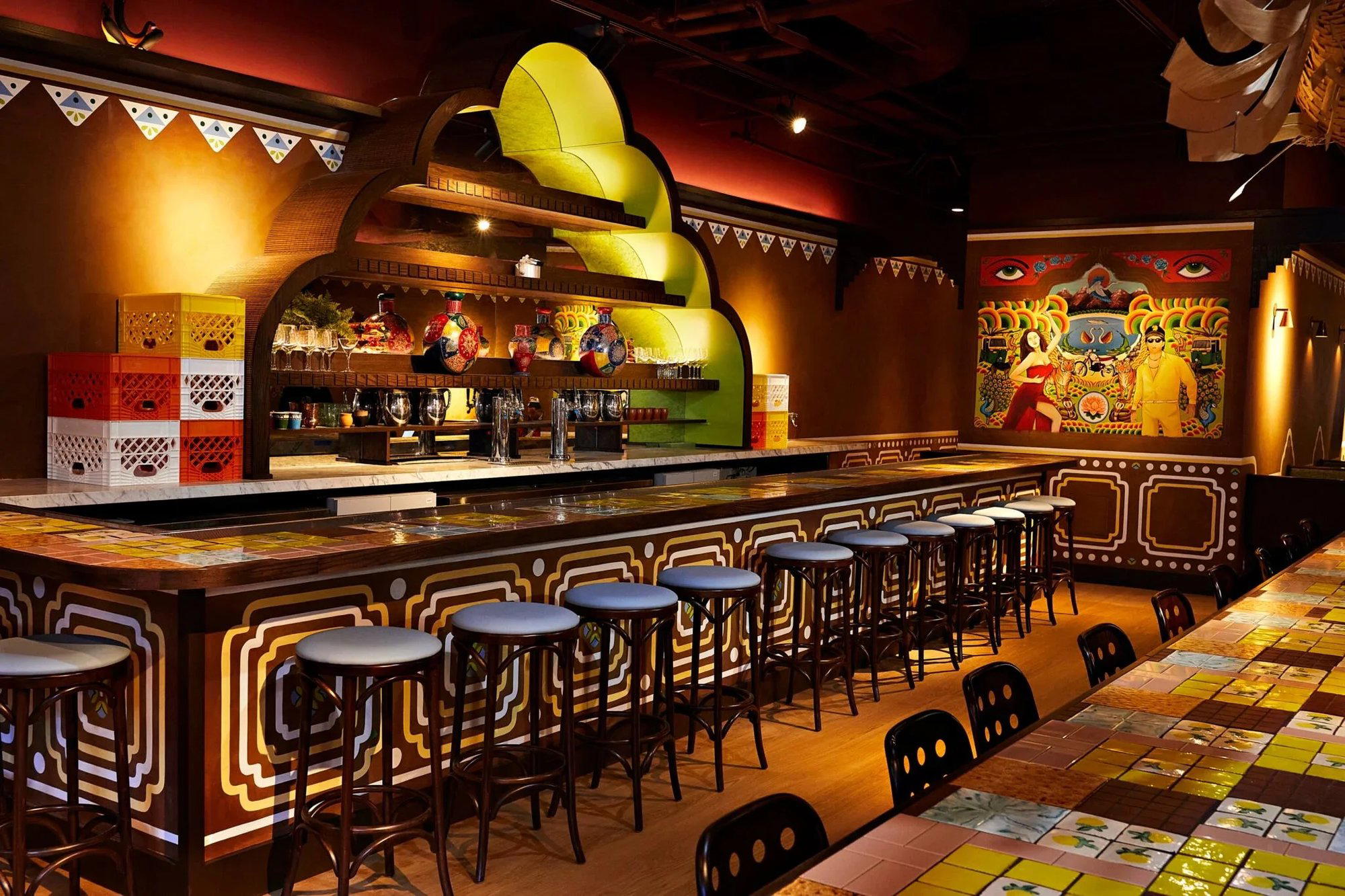
Bars in Beltsville
Browse all →
Hotels in Beltsville
Browse all →


Details
- Lively
- Energetic
- Group Dining
- Casual Hangout
- Late Night
- Live Music
- Beer Program
- A La Carte
- Beer Program
- Vegetarian Friendly
- Vegan Options
- Gluten Free Options
Current opening hours
- Monday
- 11:30 AM–12 AM
- Tuesday
- 11:30 AM–12 AM
- Wednesday
- 11:30 AM–12 AM
- Thursday
- 11:30 AM–12 AM
- Friday
- 11:30 AM–2 AM
- Saturday
- 11:30 AM–2 AM
- Sunday
- 11:30 AM–1 AM
Hours can change for holidays and private events. Last verified .
High-energy supper club vibe with thumping music, dancing later in the evening, and a friendly, festive atmosphere.