Suzuki sits on Rumfordstraße in Munich's Isarvorstadt district, where the city's appetite for precision Japanese cooking meets the German tradition of sourcing close to the land. The address places it inside a neighbourhood dense with serious independent restaurants, making it a natural point of reference for anyone tracing how global technique and local product intersect in contemporary Munich dining.
Pearl is the En Primeur Club membership app — saves, bookings, and concierge access live there. Same editors, same standards.
- Address
- Rumfordstraße 40, 80469 München, Germany
- Phone
- +498921669555
- Website
- feinkost-ysuzuki.com
- Directions
- Get directions
 Saves & bookings on Pearl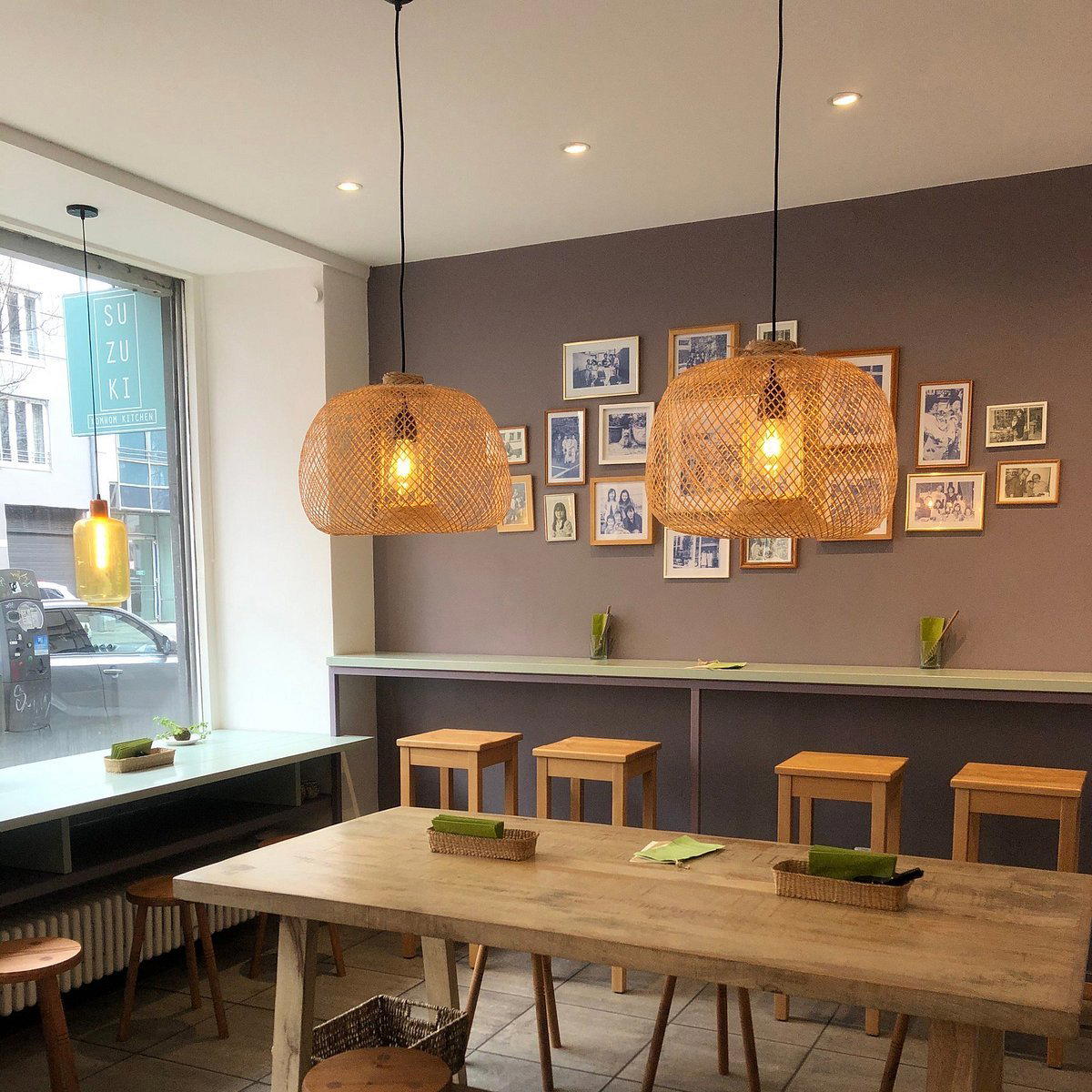
Where Isarvorstadt Meets the Japan Question
The neighbourhood runs parallel to the Isar and shares a postal code with a cluster of restaurants that tend to favour craft over volume, small rooms over large ones, and kitchen ambition over front-of-house theatre. It is the kind of address where the decision to open a Japanese-inflected restaurant carries contextual weight: the guests walking in already know the difference between a Japanese restaurant and a restaurant that applies Japanese technique to German produce, and they tend to care about which one they are in.
That distinction, Japanese method applied to local material, sits at the centre of one of European fine dining's more productive conversations of the last fifteen years. The model arrived from multiple directions: chefs trained in Japan returning to their home countries, Japanese cooks who moved to Europe and adapted, and a third wave of kitchens that absorbed Japanese precision as a technical grammar without importing the ingredient list wholesale. Munich has been a quiet participant in this shift, with venues like Tohru in der Schreiberei making the German-Japanese axis an explicit editorial project. Suzuki on Rumfordstraße operates in the same category of question, where the ingredients arriving from Bavaria and the Alps are processed through a sensibility formed elsewhere.
The Technique-Product Intersection in German Fine Dining
German haute cuisine has undergone a significant recalibration since roughly 2010. The older model, French-trained, sauce-heavy, structured around classical progression, gave way to something more varied. Institutions like Tantris have maintained their positions while the category around them has diversified substantially. Creative addresses such as JAN, Alois - Dallmayr Fine Dining, and Atelier have each carved distinct positions, but what they share is a willingness to treat technique as a tool rather than a tradition to preserve intact.
The Japanese influence on European fine dining is not uniform. At one end of the spectrum, it manifests as visual borrowing: clean plating, negative space, small portions arranged with deliberate geometry. At the other end, it is methodological: fermentation logic, temperature discipline, the management of umami through layering rather than reduction, and an approach to fish and protein that privileges texture and temperature above almost everything else. The more interesting restaurants working in this space tend to land somewhere specific on that spectrum rather than sampling from it loosely. Across Germany, a handful of multi-star operations have absorbed Japanese precision as structural rather than decorative, Aqua in Wolfsburg and Vendôme in Bergisch Gladbach among them, and the discipline required to execute at that level tends to filter down into serious independent restaurants in cities like Munich.
Bavaria offers a strong ingredient argument for this kind of cooking. Alpine dairy, freshwater fish from the Bavarian lakes, game from forests within a few hours of the city, and vegetables grown in the river valleys around Munich all carry a clarity of flavour that responds well to restrained treatment. Japanese technique, with its preference for short cook times, cold infusion, and the preservation of primary flavour rather than its transformation, is not an awkward fit for this material. The combination has coherent internal logic: the product does the work, the technique creates the conditions for it to do so.
Isarvorstadt's Independent Dining Position
Isarvorstadt is not the address Munich visitors typically associate with formal dining. The neighbourhood's reputation leans more casual, more international in its street-level offering, and more populated by younger guests than the areas around the Maximilianstrasse or the Altstadt. That makes the presence of a serious Japanese-influenced restaurant on Rumfordstraße worth noting: the guests arriving are not there by accident or tourism reflex. They have looked for this address, which tends to produce a room with higher ambient knowledge and lower tolerance for anything that does not justify its own existence on the plate.
That self-selecting audience is a feature of the broader pattern visible in Munich's independent fine dining tier. The city's serious restaurant scene operates with less international tourist traffic than comparable addresses in Paris, London, or Copenhagen, which means the clientele is more locally rooted and more demanding in a specific way. Regular guests at restaurants in this tier, and the EP Club guide to Munich's full restaurant landscape covers the range in detail, tend to track kitchen evolution closely and notice when a menu has stopped moving. Consistency matters, but so does the evidence that something is still being thought about.
For context on how the Japanese-European intersection plays out at the highest level elsewhere in Germany, ES:SENZ in Grassau and Schwarzwaldstube in Baiersbronn represent the decorated end of the regional spectrum, while CODA Dessert Dining in Berlin, Restaurant Haerlin in Hamburg, Schanz in Piesport, Bagatelle in Trier, Waldhotel Sonnora in Dreis, and Victor's Fine Dining by Christian Bau in Perl illustrate the variety of positions serious German fine dining now occupies. Internationally, the conversation about Japanese technique applied in non-Japanese settings reaches a particular intensity at places like Atomix in New York City and the classical French rigour of Le Bernardin, which has long deployed Japanese ingredient logic within a French structural frame.
Planning Your Visit
Suzuki is located at Reservations: Rumfordstraße 40, 80469 München. Getting there: The address is walkable from Isartor S-Bahn station and within fifteen minutes of the city centre on foot. Dress: Isarvorstadt's independent restaurant culture runs smart-casual rather than formally suited; this neighbourhood does not typically enforce a dress code, though the ambition of the kitchen is worth acknowledging in how you arrive. Timing: The restaurant is walk-in friendly. Budget: About $15 per person.
Booking and Cost Snapshot
Comparable venues nearby, for context on price, style, and recognition.
| Venue | Cuisine | Price | Notes |
|---|---|---|---|
| SuzukiThis venue — the venue you are viewing | Not listed | $$ | Not listed |
| Kawaru | Theresienwiese, Japanese Tapas | $$ | Not listed |
| Haguruma | Not listed | $$ | Isarvorstadt, Authentic Japanese Sushi & Hot Kitchen |
| TAKO -Japanese Casual Food Stand- | Not listed | $$ | Sendling-Westpark, Japanese Casual Street Food |
| AOI Ramen | Neuhausen, Japanese Ramen Izakaya | $$ | Not listed |
| HOCHREITER'S Steirer am Markt | Not listed | $$ | Altstadt, Traditional Bavarian & Alpine Cuisine |
At a Glance
- Cozy
- Minimalist
- Intimate
- Casual Hangout
- Open Kitchen
- Sake Program
Current opening hours
- Monday
- 12–2:30 PM, 5:30–8 PM
- Tuesday
- 12–2:30 PM, 5:30–8 PM
- Wednesday
- 12–2:30 PM, 5:30–8 PM
- Thursday
- 12–2:30 PM, 5:30–8 PM
- Friday
- 12–2:30 PM, 5:30–8 PM
- Saturday
- 11 AM–8 PM
- Sunday
- Closed
Hours can change for holidays and private events. Last verified .
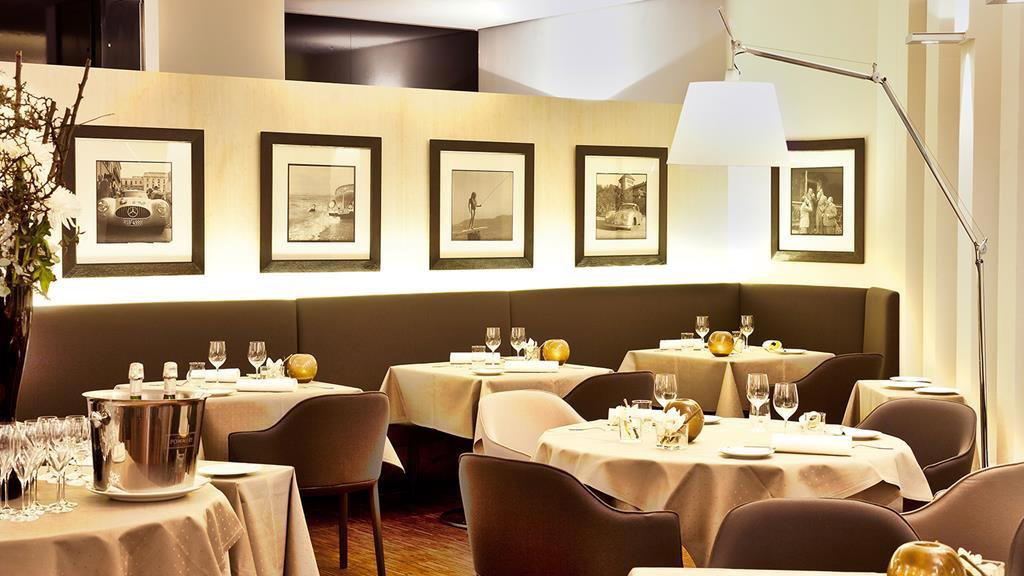
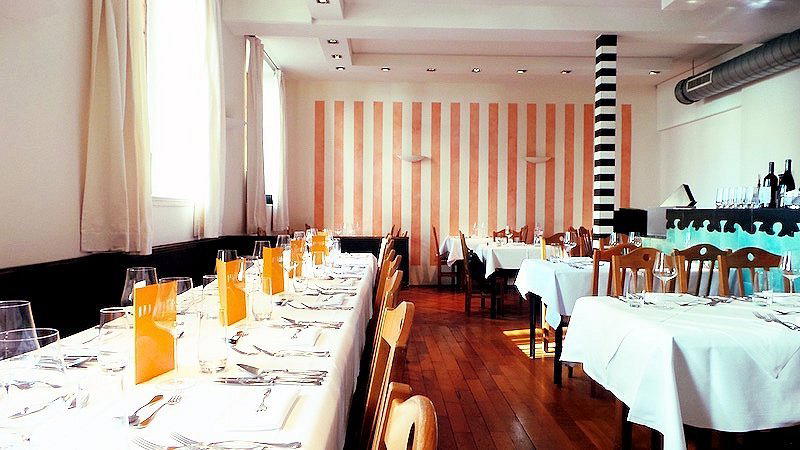
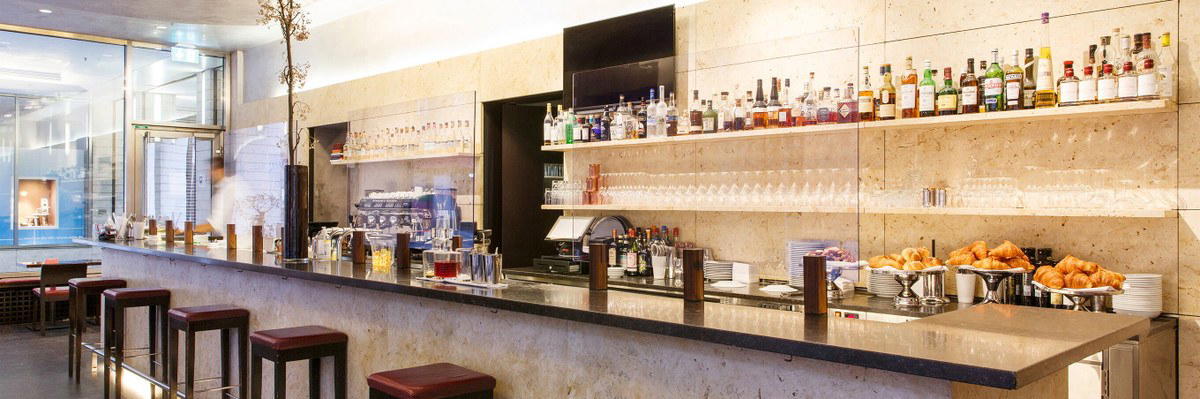
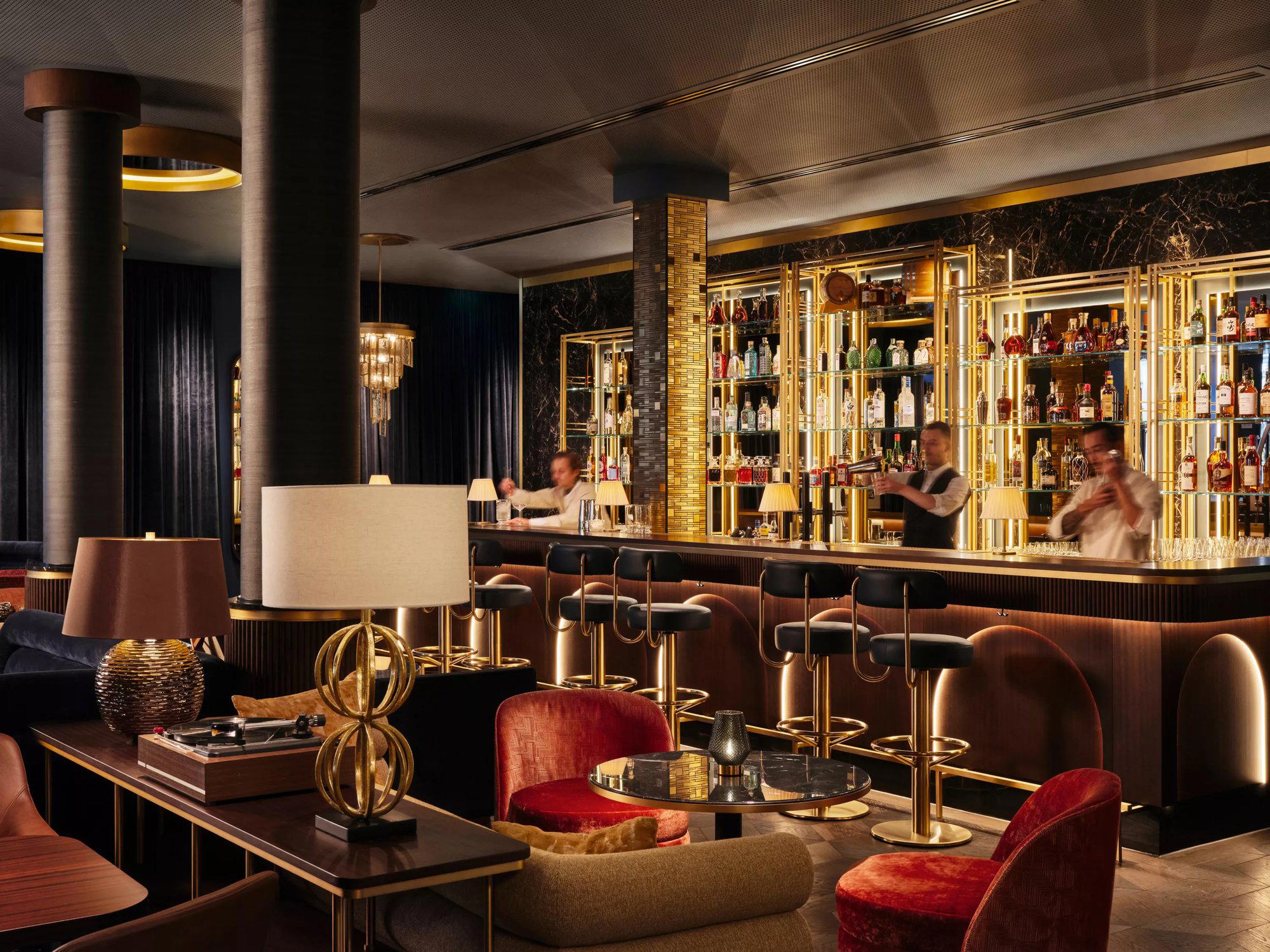
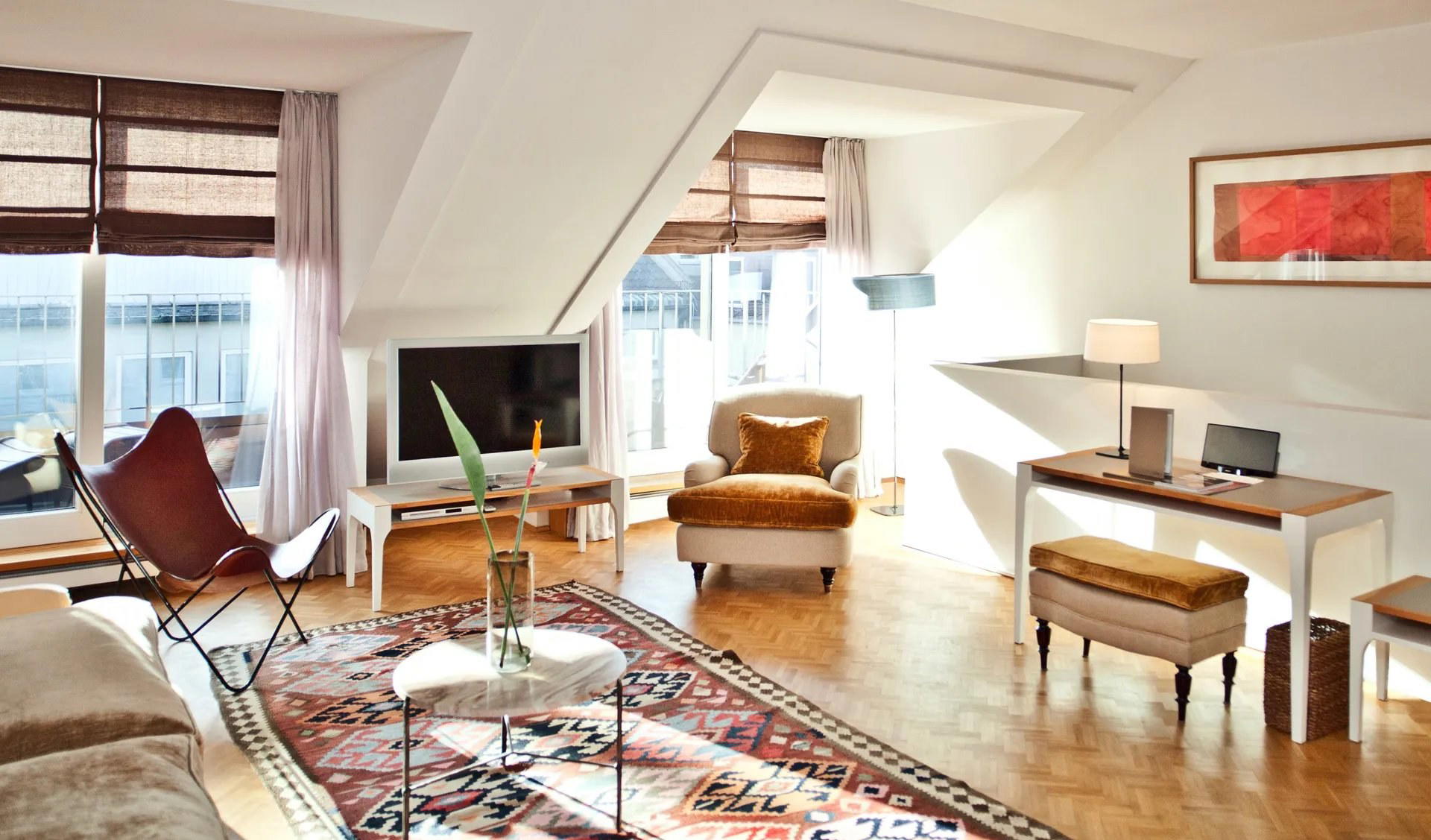
Minimalistic with clean wooden furniture, low-hanging lights, and relaxing Japanese background music creating a peaceful, nostalgic atmosphere.