At Dreifaltigkeitsplatz in Munich's Altstadt, HOCHREITER'S Steirer am Markt brings the culinary identity of Austria's Styrian region into the heart of a Bavarian market square. The address places it steps from the Viktualienmarkt, where the logic of seasonal, regional produce is embedded in the street itself. For Munich diners seeking something other than the city's dominant fine-dining register, it occupies a distinct and specific niche.
Pearl is the En Primeur Club membership app — saves, bookings, and concierge access live there. Same editors, same standards.
- Address
- Dreifaltigkeitspl. 4, 80331 München, Germany
- Phone
- +4989255491510
- Website
- steirer-am-markt.de
- Directions
- Get directions
 Saves & bookings on Pearl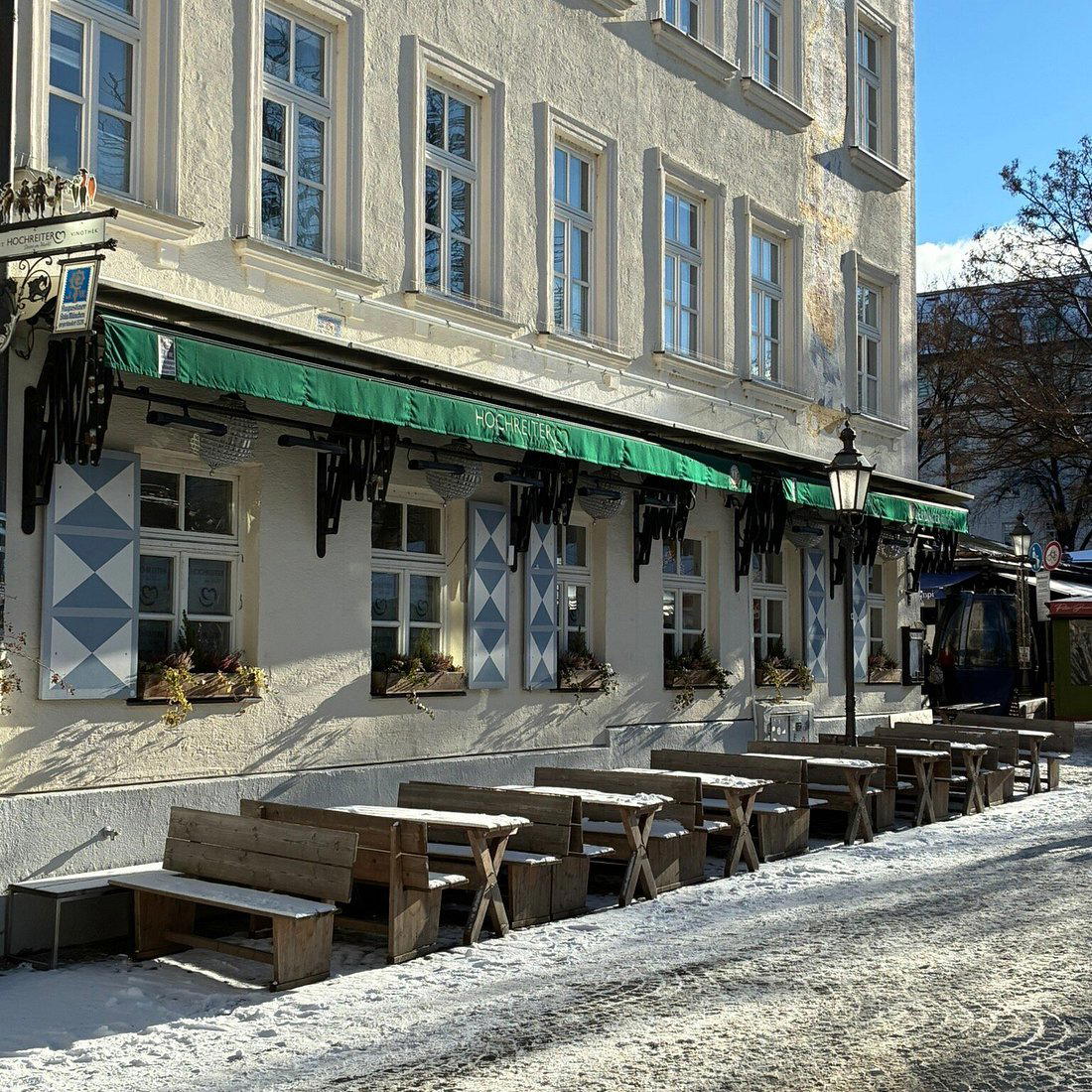
A Market Square with Austrian Roots
Dreifaltigkeitsplatz sits at the southern edge of Munich's Altstadt, close enough to the Viktualienmarkt that the logic of the two places overlap: both are organised around the idea that what grows in a region should define what ends up on the table. HOCHREITER'S Steirer am Markt is a restaurant in Munich serving Traditional Bavarian & Alpine Cuisine, with a casual dress code and reservations recommended. HOCHREITER'S Steirer am Markt takes that proximity seriously. Its address is not incidental. The name announces a geographic allegiance, Steirer, meaning Styrian, the alpine-agricultural region of southern Austria, and the location on a market square reinforces it. In a city where the dominant fine-dining conversation runs through Michelin-starred kitchens like Tantris, JAN, and Atelier, HOCHREITER'S operates in a register that is altogether different: rooted in a specific regional tradition rather than in the international fine-dining vernacular.
The Altstadt address matters for another reason. Munich's central districts have seen considerable pressure on mid-market and specialist restaurants as rents have risen and tourist-facing operations have expanded. A restaurant that holds a geographical identity as specific as Styrian cooking in this environment is making a deliberate editorial choice about what it is and who it is for.
What Styrian Cooking Means in This Context
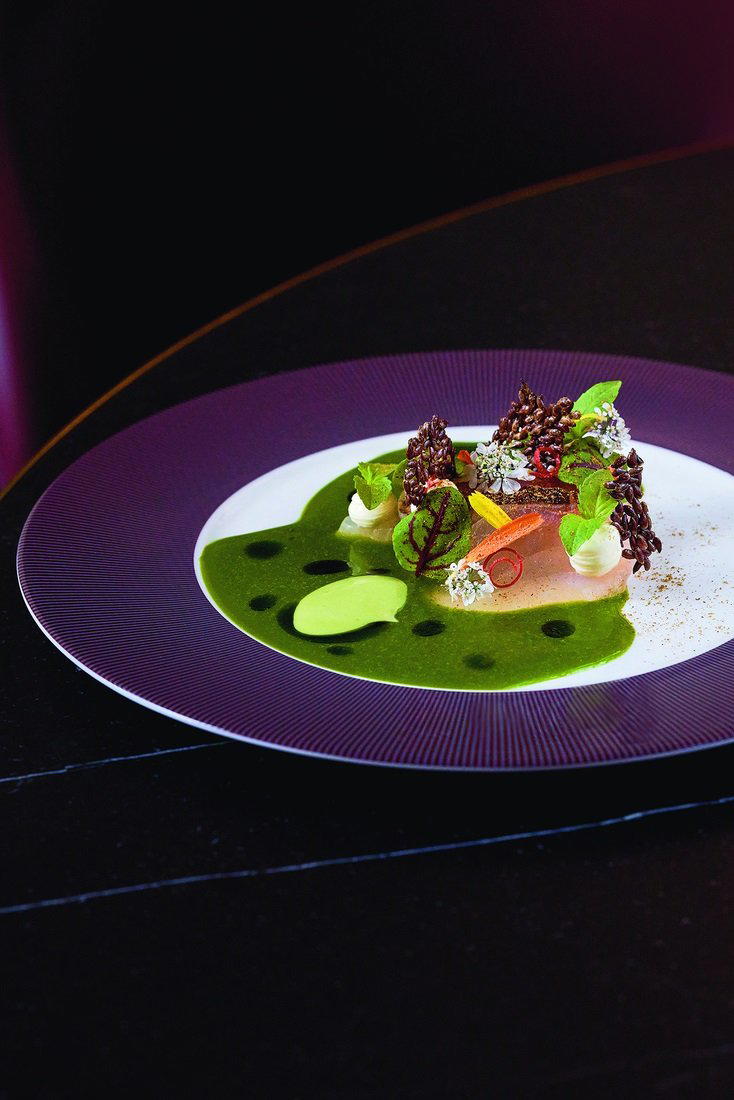
Styria, the province in southeastern Austria that borders Slovenia, has among the more distinct culinary identities in the German-speaking world. The region produces pumpkin seed oil, a deep, almost black-green oil with a pronounced nutty depth, that functions as something close to a signature ingredient across the local tradition. Styrian cooking also draws on a strong vinegar culture, game from alpine forests, freshwater fish, and a vegetable-growing tradition shaped by the foothills of the Alps. It is not Viennese cooking, and it is not Bavarian cooking. It occupies a specific lane.
For Munich diners, that distinction carries weight. Bavaria and Styria share an alpine geography and a broadly Germanic culinary inheritance, but the Styrian approach to acidity, to pumpkin, and to the particular fat structures of its regional cuisine gives it a character that reads as related but unmistakably separate. Restaurants that commit to a regional Austrian identity in Munich are rare. The city's Austrian-inflected options tend to collapse toward a generalised schnitzel-and-dumpling register. A venue that holds the line on Styrian specificity is operating in a smaller, more defined space.
Germany's most decorated kitchens, including Aqua in Wolfsburg, Schwarzwaldstube in Baiersbronn, and Vendôme in Bergisch Gladbach, work in an international fine-dining idiom where regional specificity is one tool among many. HOCHREITER'S sits in a different conversation: one where the region is the frame, not an ingredient to be deployed selectively.
The Neighbourhood and What It Signals
Dreifaltigkeitsplatz is not Munich's most trafficked square, which is partly the point. The Viktualienmarkt draws crowds daily; Dreifaltigkeitsplatz sits slightly off that flow, giving the address a quality that is central without being overwhelmed. For a restaurant tied to the rhythms of seasonal and regional produce, a market-adjacent location is more than symbolic. The proximity to one of Europe's most sustained daily food markets, the Viktualienmarkt has operated continuously since 1807, creates a context in which sourcing and seasonality are not marketing claims but environmental givens.
Munich's Altstadt dining scene stratifies clearly. At the leading end, the city's starred restaurants, including Alois - Dallmayr Fine Dining and Tohru in der Schreiberei, operate with tasting-menu formats and price points that signal a specific occasion. Below that tier, the options fragment between tourist-facing beer-hall formats and a smaller set of specialist operators. HOCHREITER'S, with its Styrian identity and market-square address, belongs to that specialist cohort.
Regional Austrian Cooking and the Munich Dining Moment
Munich sits at a geographic crossroads that gives it plausible access to culinary traditions from Bavaria, Austria, and northern Italy. The city's fine-dining kitchens have largely looked outward, toward French technique, toward Japanese precision, toward the international language of modern European cooking. The counter-movement, smaller but present, is a return to the specificity of alpine and Germanic regional traditions. Across Germany, that shift is visible in kitchens like ES:SENZ in Grassau, which draws on the immediate Bavarian alpine environment, and in the broader conversation about what German and Austrian cuisines are capable of when freed from deference to French or Scandinavian models.
HOCHREITER'S participates in that conversation from a particular angle: not Bavarian, not pan-Germanic, but specifically Styrian. That precision is its strongest editorial argument. In a city with Michelin-level ambition concentrated in JAN, Tantris, and their comparable set, and with the broader German fine-dining scene represented by destinations like Restaurant Haerlin in Hamburg, Schanz in Piesport, Victor's Fine Dining by Christian Bau in Perl, and Waldhotel Sonnora in Dreis, there is a real distinction in a restaurant that does not attempt to compete on those terms at all.
For diners planning time in Munich, the full picture of the city's restaurant offer is laid out in our full Munich restaurants guide. Internationally, the discipline of committing to a specific regional identity at the expense of broader appeal is something visible in operations as different as Le Bernardin in New York City, where seafood exclusivity is both constraint and competitive advantage, and Atomix, where Korean culinary identity is held with similar specificity. The principle travels: narrowness, done with conviction, is its own form of authority.
Planning Your Visit
HOCHREITER'S Steirer am Markt is located at Dreifaltigkeitsplatz 4, 80331 Munich, a short walk from the Viktualienmarkt and the Marienplatz S-Bahn and U-Bahn hub. Compared to Munich's starred fine-dining tier, a Styrian specialist at a market-square address operates at a casual level and is recommended for reservations.
| Venue | Cuisine Focus | Price Tier | Format |
|---|---|---|---|
| The restaurant | Traditional Bavarian & Alpine Cuisine | €€ | Market-square, regional specialist |
| Tantris | Modern French | €€€€ | Tasting menu, occasion dining |
| Alois - Dallmayr Fine Dining | Creative | €€€€ | Fine dining, central Altstadt |
| Tohru in der Schreiberei | Modern German-Japanese | €€€€ | Tasting menu, fusion approach |
| Bagatelle (Trier) | French-inflected regional | Confirm direct | Regional European specialist |
| CODA Dessert Dining (Berlin) | Dessert / Concept | Confirm direct | Specialist concept, Berlin |
Cuisine and Recognition
Comparable venues nearby, for context on price, style, and recognition.
| Venue | Cuisine | Price | Notes |
|---|---|---|---|
| HOCHREITER'S Steirer am MarktThis venue — the venue you are viewing | Traditional Bavarian & Alpine Cuisine | $$ | Not listed |
| malzraum | Bavarian Home-Style | $$ | Neuhausen |
| Wirtshaus zur Rennbahn | Bavarian-Modern German | $$ | Riem |
| Wirtshaus Papa Benz | Modern Bavarian Gastropub | $$ | Schwabing |
| bodhi | Vegan Bavarian Comfort Food | $$ | Neuhausen |
| ZAR Gaststätten GmbH | Bavarian & International Gastropub | $$ | Rammersdorf |
At a Glance
- Cozy
- Classic
- Rustic
- Well Known
- Casual Hangout
- Family
- Group Dining
- Brunch
- Terrace
- Historic Building
- Standalone
- Beer Program
- Extensive Wine List
- Local Sourcing
- Street Scene
Current opening hours
- Monday
- 12 PM–12 AM
- Tuesday
- 12 PM–12 AM
- Wednesday
- 12 PM–12 AM
- Thursday
- 12 PM–12 AM
- Friday
- 11 AM–12 AM
- Saturday
- 11 AM–12 AM
- Sunday
- Closed
Hours can change for holidays and private events. Last verified .
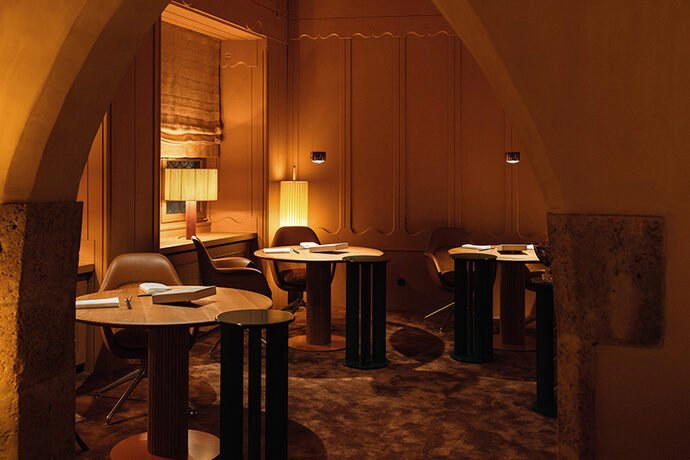
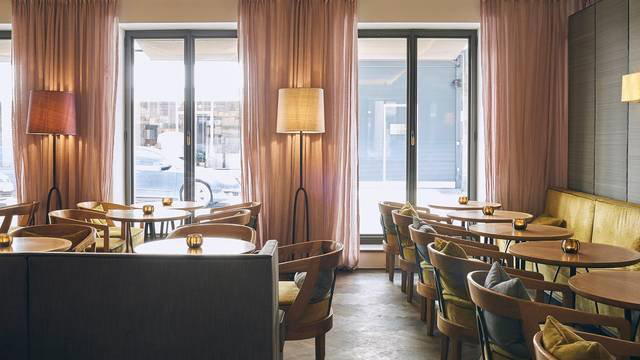
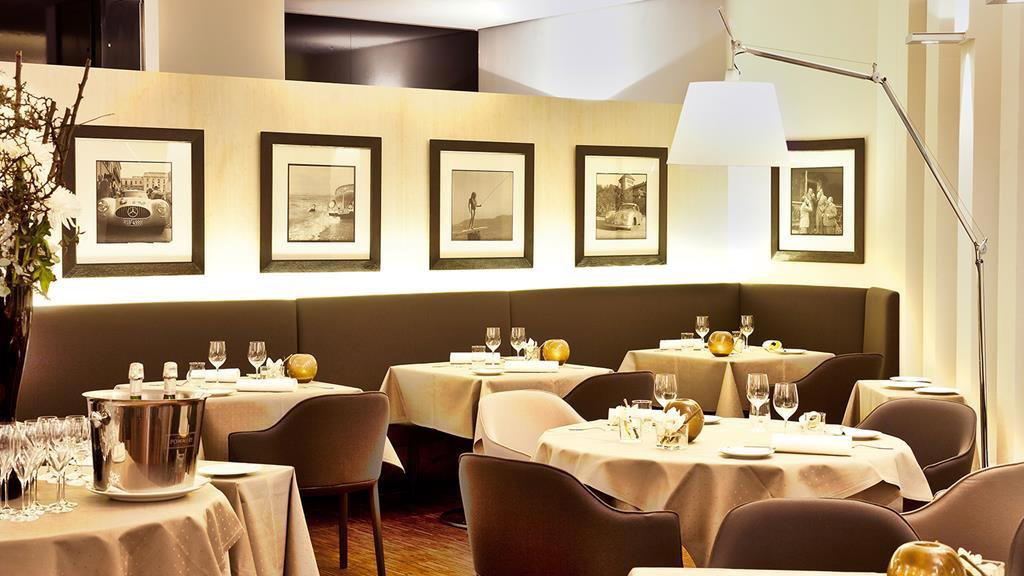
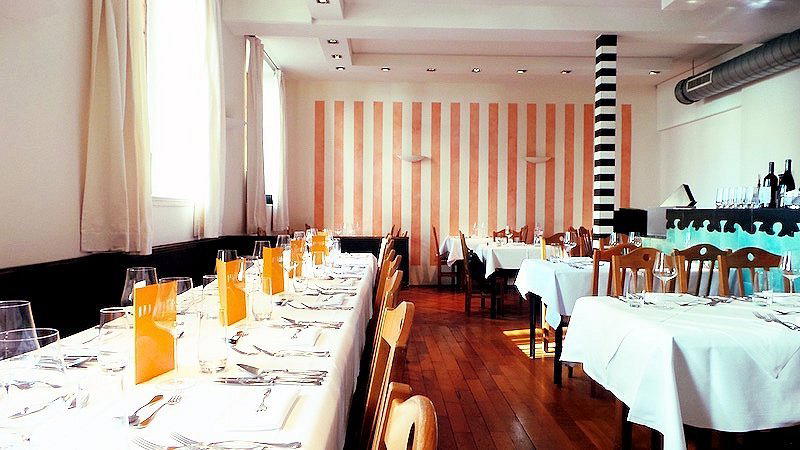
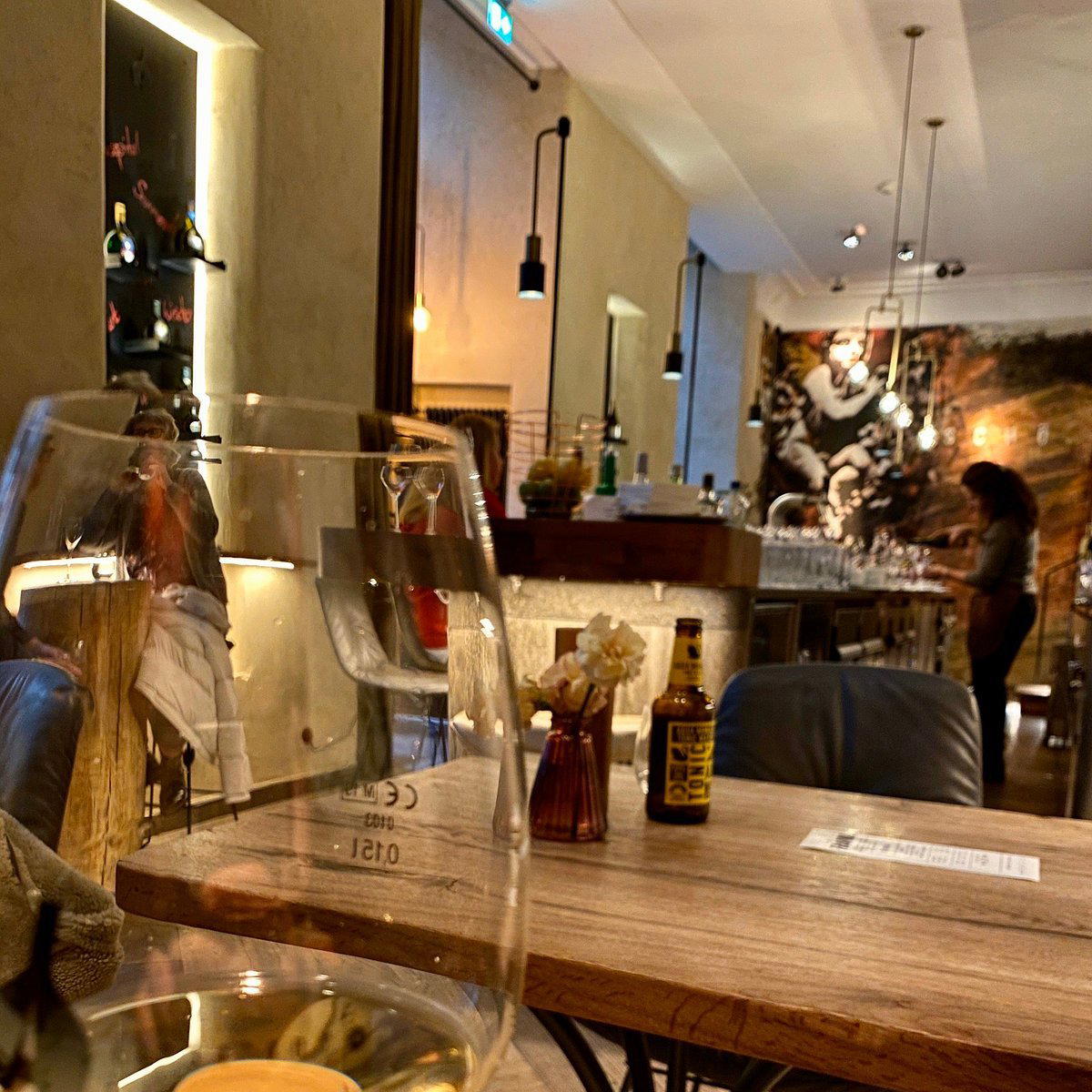
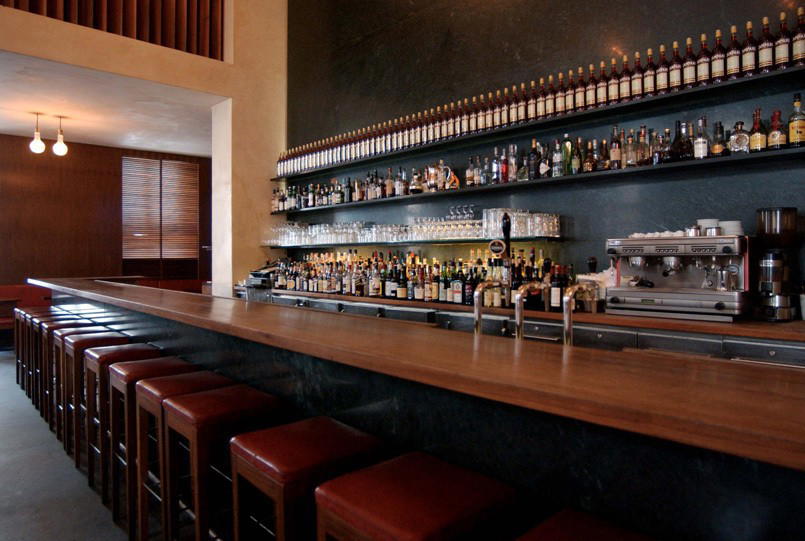
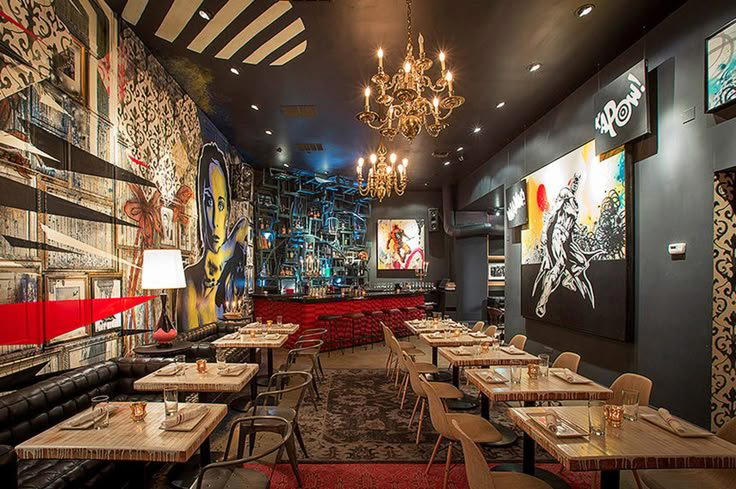
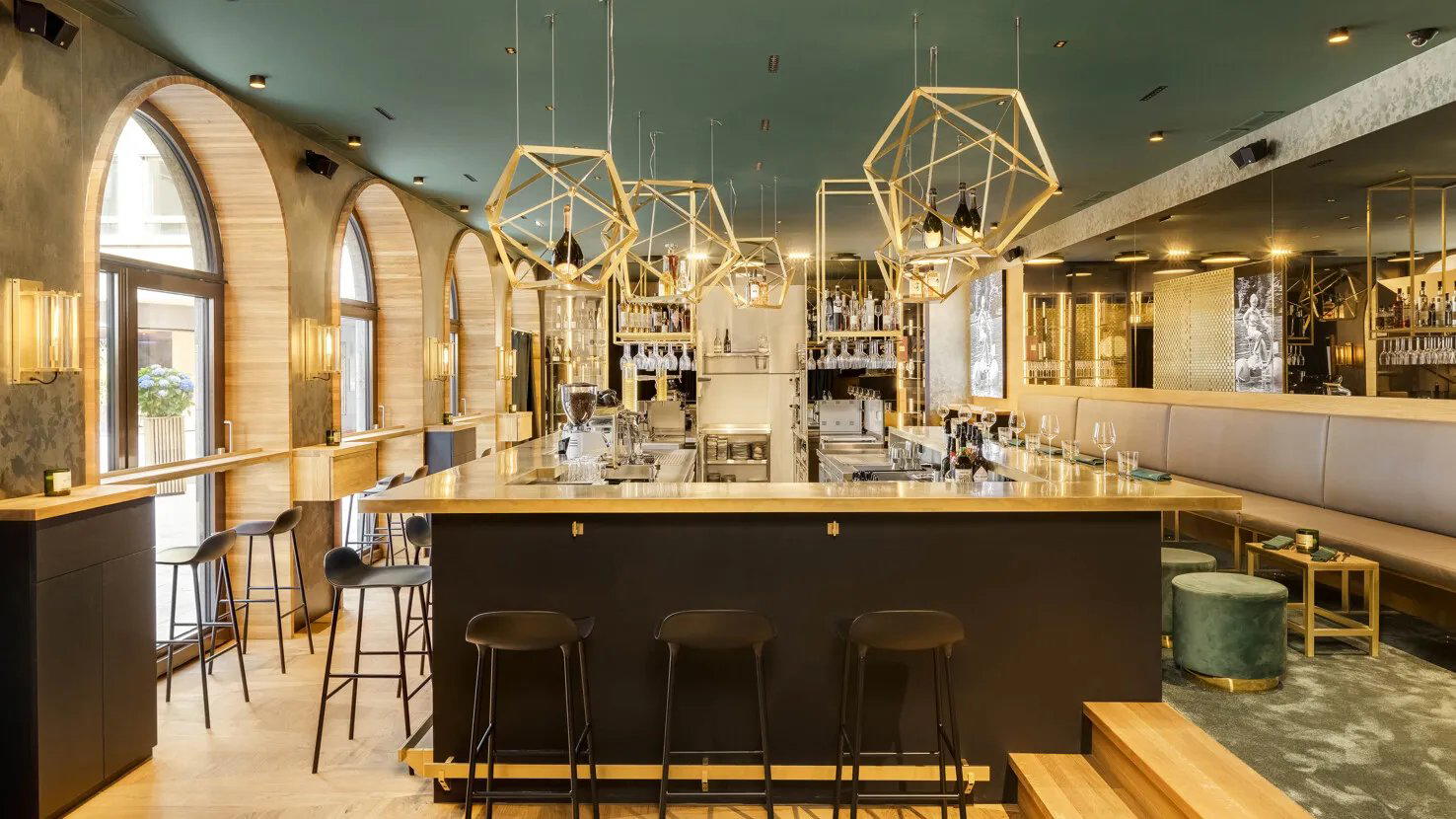
Warm, inviting Bavarian atmosphere with natural light from market-facing windows and terrace seating; relaxed yet lively with moderate noise from the bustling market outside.