Sushi-san
Sushi-san on West Grand Avenue sits within Chicago's increasingly serious omakase tier, where the city's appetite for Japanese precision now rivals coastal markets. The River North address places it at the intersection of accessibility and ambition, drawing a crowd that treats nigiri as seriously as the tasting-menu circuit at Alinea or Oriole nearby.
Pearl is the En Primeur Club membership app — saves, bookings, and concierge access live there. Same editors, same standards.
- Address
- 63 W Grand Ave, Chicago, IL 60654
- Phone
- +13128280575
- Website
- sushisanrestaurant.com
- Directions
- Get directions
 Saves & bookings on Pearl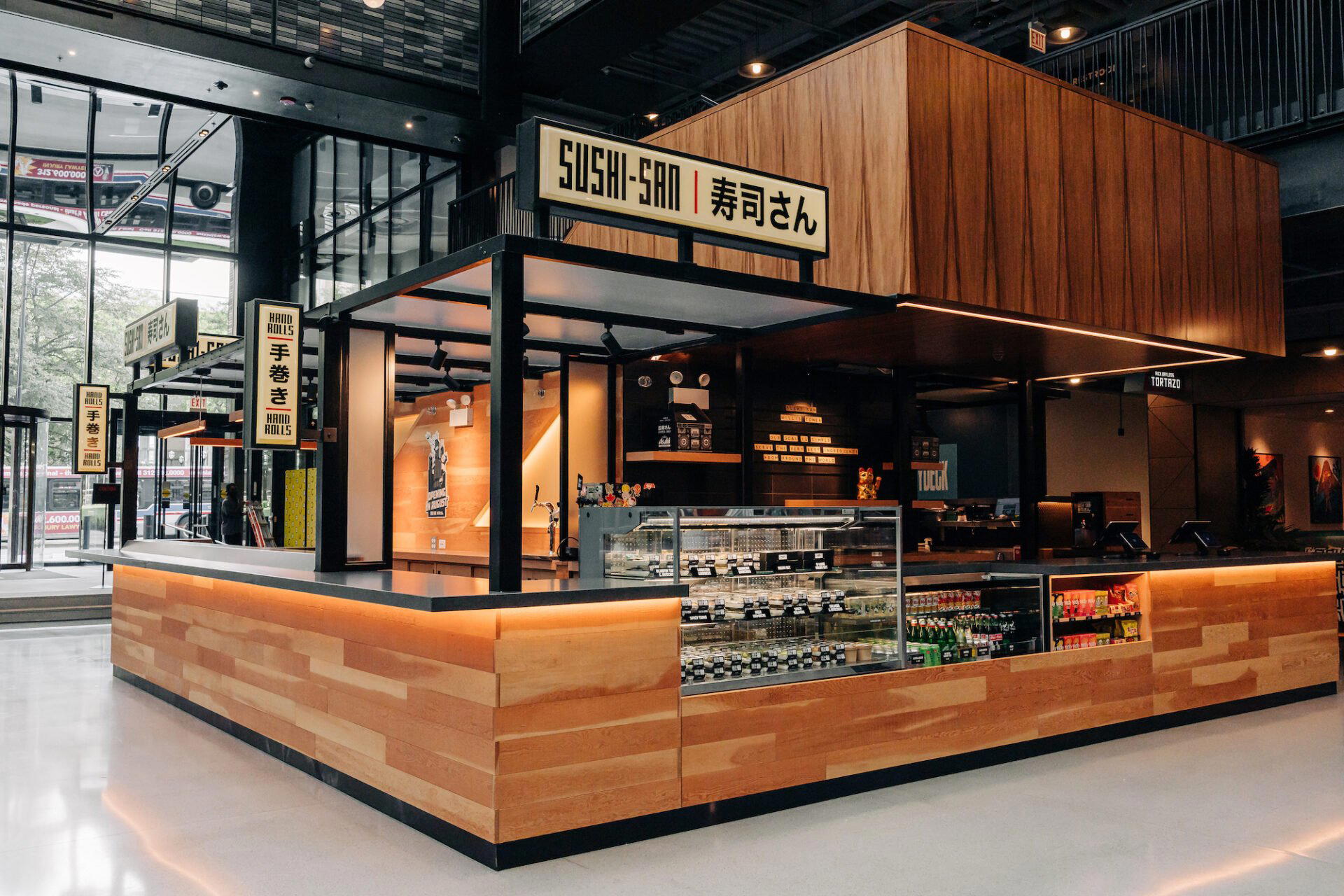
River North's Omakase Moment
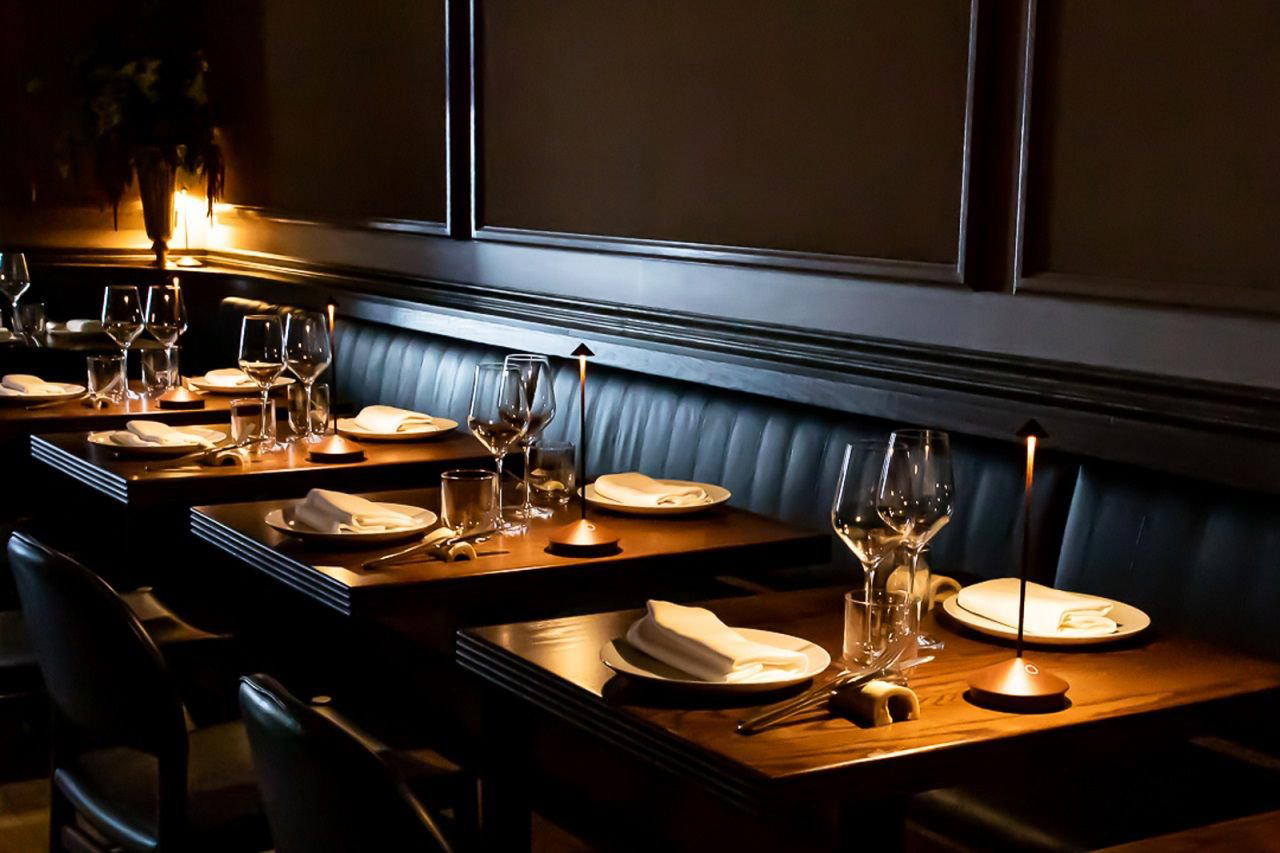
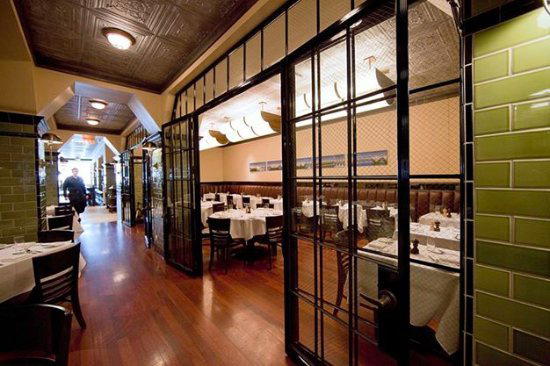
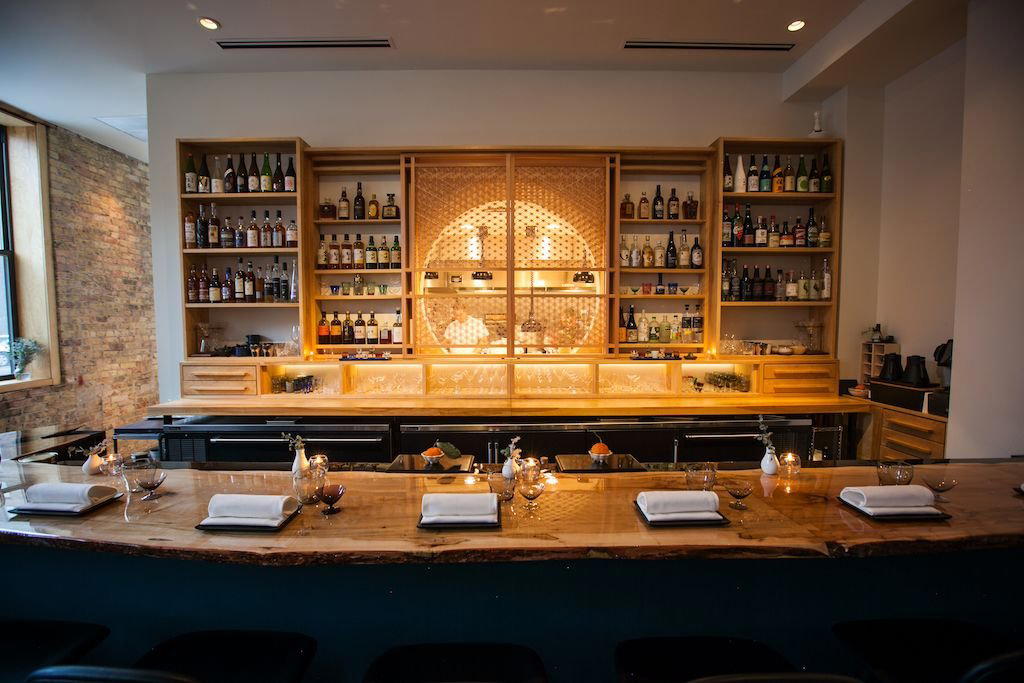
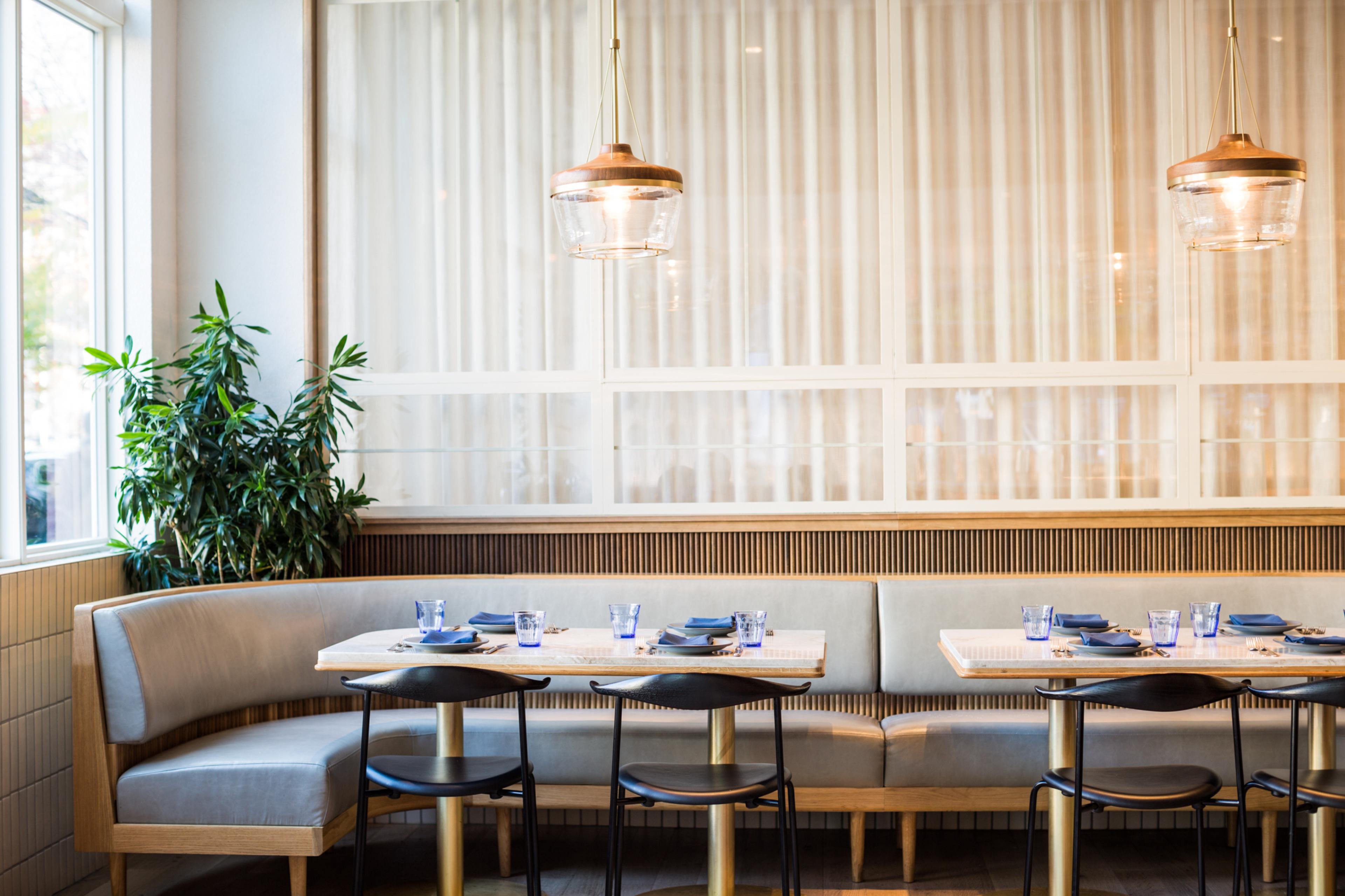
Walk west along Grand Avenue toward the River North block where Sushi-san occupies its address, and you pass the kinds of mid-century brick facades that Chicago deploys so consistently it barely registers anymore. Then the door opens, and the register shifts. The room operates on the logic of Japanese counter culture: wood surfaces, spare light, the low ambient sound of a kitchen working with purpose rather than theatre.
That seriousness is worth contextualizing. The city now competes, credibly, with the coastal markets that have long dominated the conversation. Sushi-san at 63 West Grand Avenue sits inside that shift, drawing a dining public that moves fluidly between the progressive American tasting rooms of Alinea, Smyth, and Oriole and the more focused, fish-led formats that omakase demands.
Where Sushi Fits in Chicago's Fine Dining Circuit
Chicago's premium dining circuit has always leaned heavily on progressive American formats. The four-star tasting room with a narrative arc and a chef's creative biography has been the dominant model since the city's reputation sharpened internationally. What has changed is the depth of the ancillary tier: the counters, the specialist cuisines, the single-discipline rooms. Kasama and Next Restaurant represent the range of ambition operating outside the French-inflected tasting format. Omakase counters like Sushi-san represent another node in that network: narrow in scope, deep in execution, and increasingly expensive in positioning.
In most serious omakase markets, the counter format is the feature, not the container. The fish arrives in a sequence determined by the kitchen's reading of the season, the supplier relationship, and the logic of temperature and texture. The meal is edit, not menu. That discipline is what separates a genuine omakase room from a Japanese restaurant that offers omakase as an option. Sushi-san's address in River North, a neighbourhood that has historically absorbed volume dining rather than specialist precision, makes its positioning slightly more contrarian than it might appear on first read.
Sourcing, Seasonality, and What Sustainable Sushi Actually Means
The sustainability conversation in high-end sushi is more complicated than in most categories. Fish sourcing sits at the intersection of global supply chains, endangered species designations, aquaculture debates, and deeply traditional Japanese ideas about seasonal propriety. What the leading counters have worked out, in Tokyo, in New York at places like Le Bernardin, and increasingly in Chicago, is that rigorous seasonality and ethical sourcing are not in conflict with quality. They are the same argument.
Seasonal eating in Japanese cuisine is not a wellness trend retrofitted onto the menu. It is the structural logic of the cuisine. Specific fish at specific times of year, prepared with techniques designed to respect the ingredient rather than transform it: this is how traditional sushi culture has always operated. The sustainability movement in Western fine dining has, in a sense, rediscovered principles that Japanese counter culture never abandoned. Counters that work directly with known suppliers, whether that means domestic dayboat operations, certified sustainable fisheries, or Japanese import channels with documented sourcing, are operating within a tradition, not innovating around it.
Where this becomes editorial is in the contrast with volume Japanese dining, where sourcing decisions are driven by cost and consistency rather than season and ethics. At the price point that a serious omakase counter commands, the sourcing story should be legible. A counter that cannot explain where its bluefin comes from, or that substitutes farmed fish without acknowledgment, is not operating in the same tier as one that builds the omakase sequence around what arrived that morning from a named supplier. This is the distinction that separates the credible from the performative in the current Chicago omakase market.
Farms like Single Thread in Healdsburg and Blue Hill at Stone Barns in Tarrytown have made the sourcing argument central to their identity in ways that shaped fine dining broadly. The parallel logic in serious sushi is quieter but structurally similar: the quality of the relationship with the supplier is the quality of the meal.
The River North Context
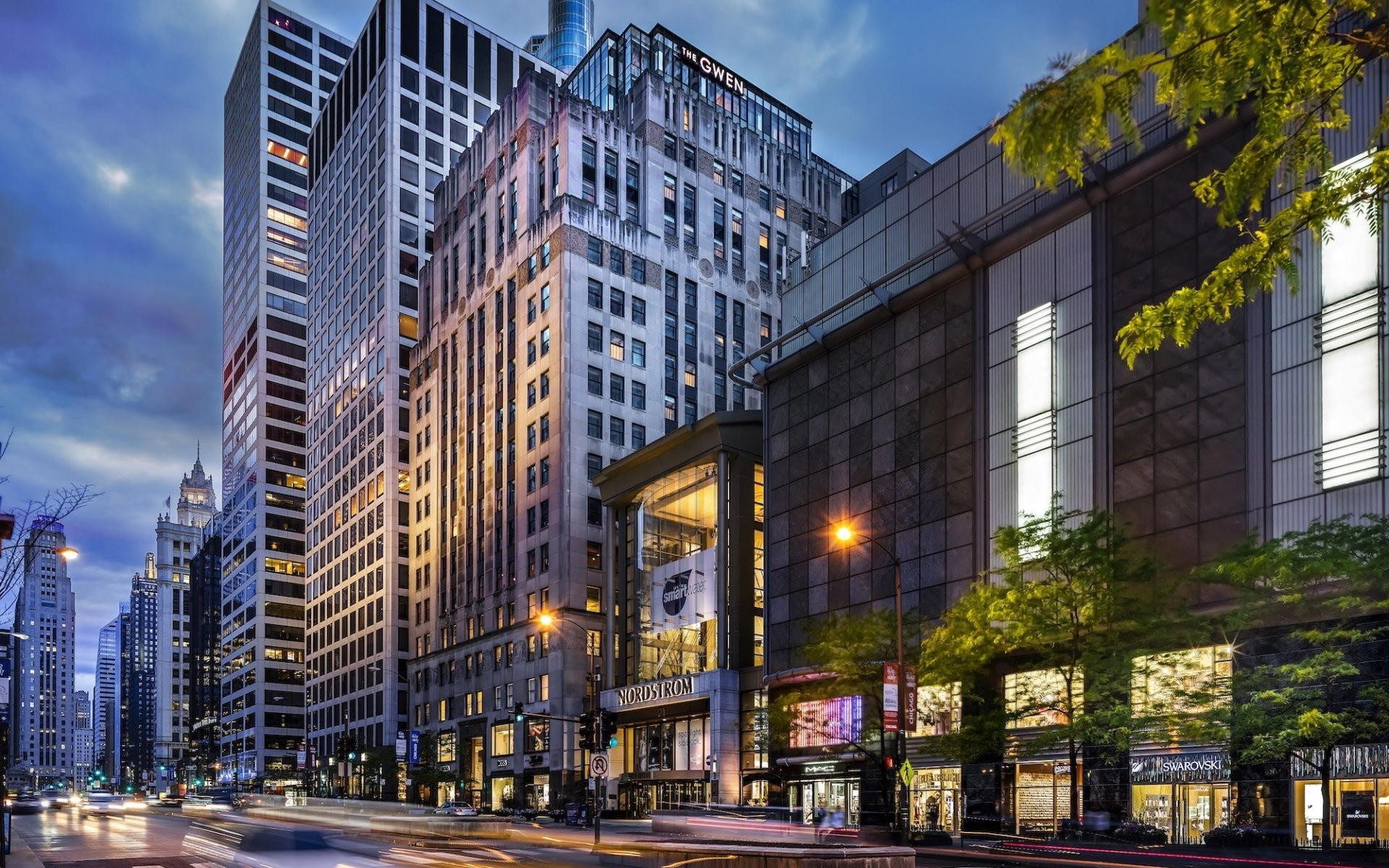
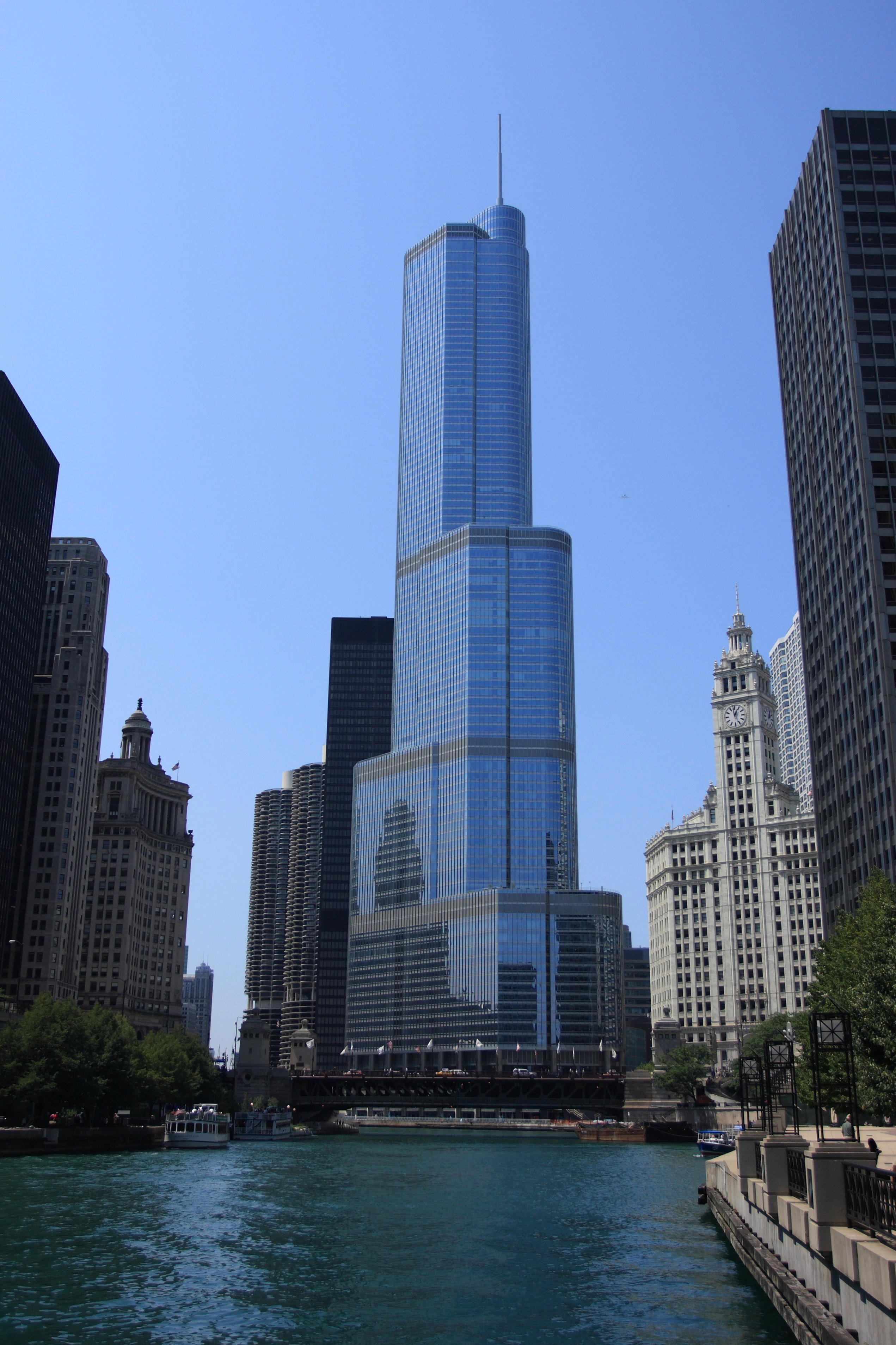
River North is not where you expect to find rigorous food in Chicago. It is a neighbourhood built on accessibility and volume: large footprints, pre-theatre traffic, hotel adjacency. The audience for a counter-format meal at this price tier now exists across the city, not just in the neighbourhoods historically associated with serious dining.
The comparable geography in other American cities positions this kind of venue usefully. Providence in Los Angeles and Addison in San Diego have both demonstrated that a technically rigorous seafood program can build its audience in areas not defined by existing fine dining density. Atomix in New York made a comparable move with Korean fine dining. The category creates its own gravitational pull when the execution is consistent enough. For Chicago's omakase market, West Grand Avenue is the current address of that argument.
Visitors constructing a Chicago itinerary around food should read the restaurant alongside the broader tasting-menu circuit rather than in isolation. The city's depth, from the progressive formats at the summit of the EP Club Chicago list to specialist rooms like this one, now warrants the same kind of multi-night planning that travellers apply to Tokyo or San Francisco. For comparison beyond the city, Lazy Bear in San Francisco, The French Laundry in Napa, The Inn at Little Washington, Bacchanalia in Atlanta, and Emeril's in New Orleans all occupy the premium American dining tier that restaurant's River North positioning is in conversation with, even across category lines. 8½ Otto e Mezzo Bombana in Hong Kong represents the international frame for what a single-cuisine specialist can achieve when positioned at the summit of its market.
Planning Your Visit
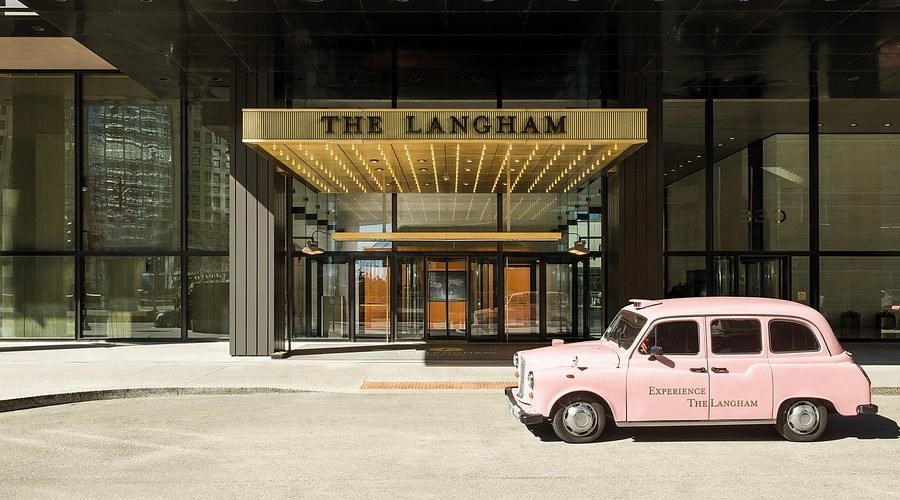
The restaurant is located at 63 West Grand Avenue in River North, Chicago. The neighbourhood is accessible by CTA Red Line (Grand stop) and sits within the dense hotel corridor of River North, making it a practical choice for visitors staying centrally. As with any counter-format omakase room operating in the current Chicago market, reservations should be secured well in advance; the category books on a cadence closer to the city's leading tasting rooms than to its casual dining stock.
A Tight Comparison
Comparable venues nearby, for context on price, style, and recognition.
| Venue | Cuisine | Price | Notes |
|---|---|---|---|
| Sushi-sanThis venue — the venue you are viewing | Not listed | $$$$ | Not listed |
| Arami | West Town, Japanese Sushi & Izakaya | $$$ | Not listed |
| SHŌ Omakase | Old Town, Modern Japanese Omakase | $$$$ | Not listed |
| Sushi Dokku | West Loop, Modern Japanese Sushi | $$$ | Not listed |
| A+ Italian Steakhouse | Edison Park, Italian Steakhouse | $$$$ | Not listed |
| Ron of Japan | Not listed | $$ | Near North Side, Teppanyaki Japanese Steakhouse |
At a Glance
- Lively
- Energetic
- Trendy
- Modern
- Date Night
- Group Dining
- Casual Hangout
- After Work
- Celebration
- Chefs Counter
- Open Kitchen
- Standalone
- Sake Program
- Beer Program
- Craft Cocktails
- Sustainable Seafood
- Local Sourcing
Current opening hours
- Monday
- 11 AM–10 PM
- Tuesday
- 11 AM–10 PM
- Wednesday
- 11 AM–10 PM
- Thursday
- 11 AM–10 PM
- Friday
- 11 AM–11 PM
- Saturday
- 12–11 PM
- Sunday
- 12–10 PM
Hours can change for holidays and private events. Last verified .
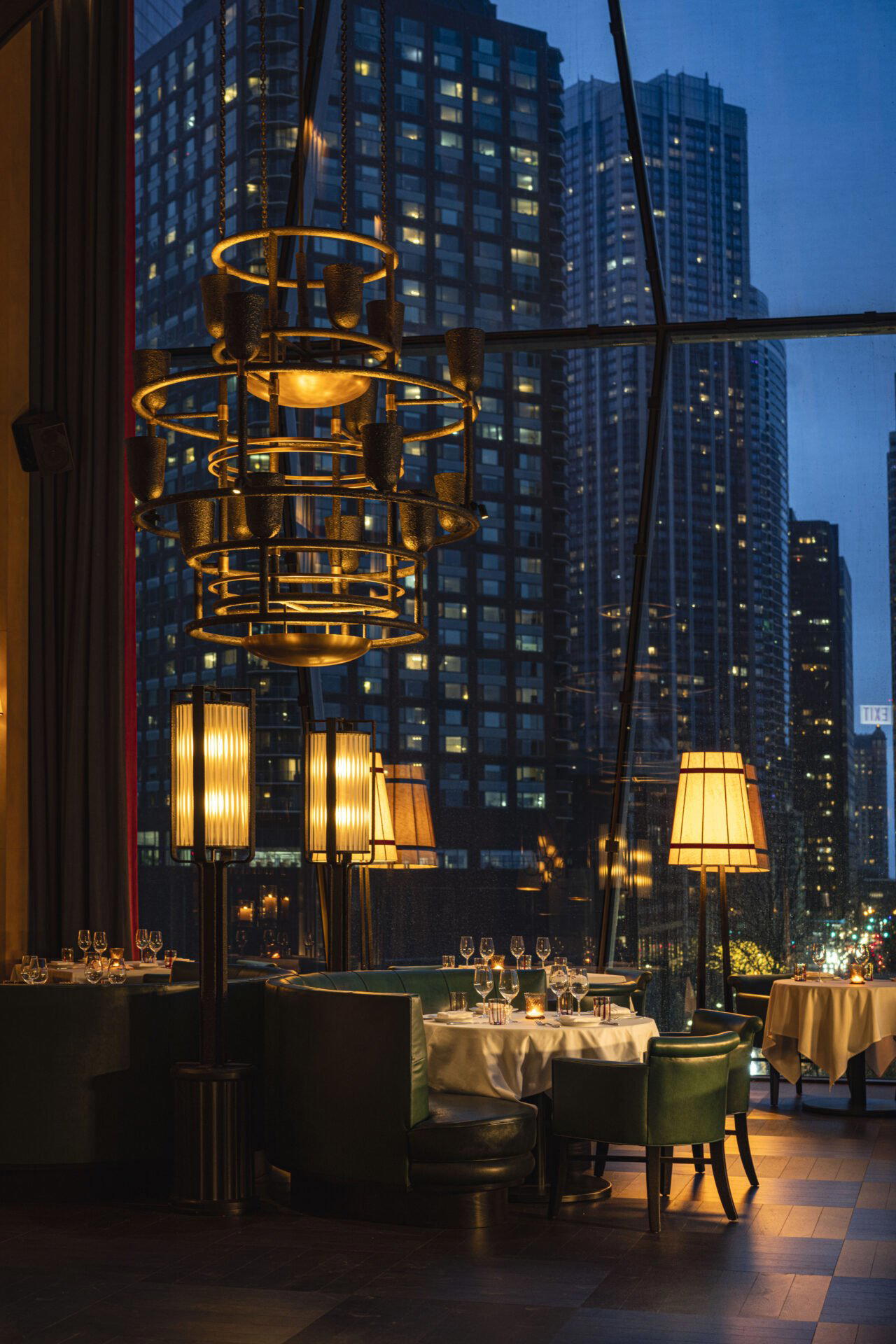
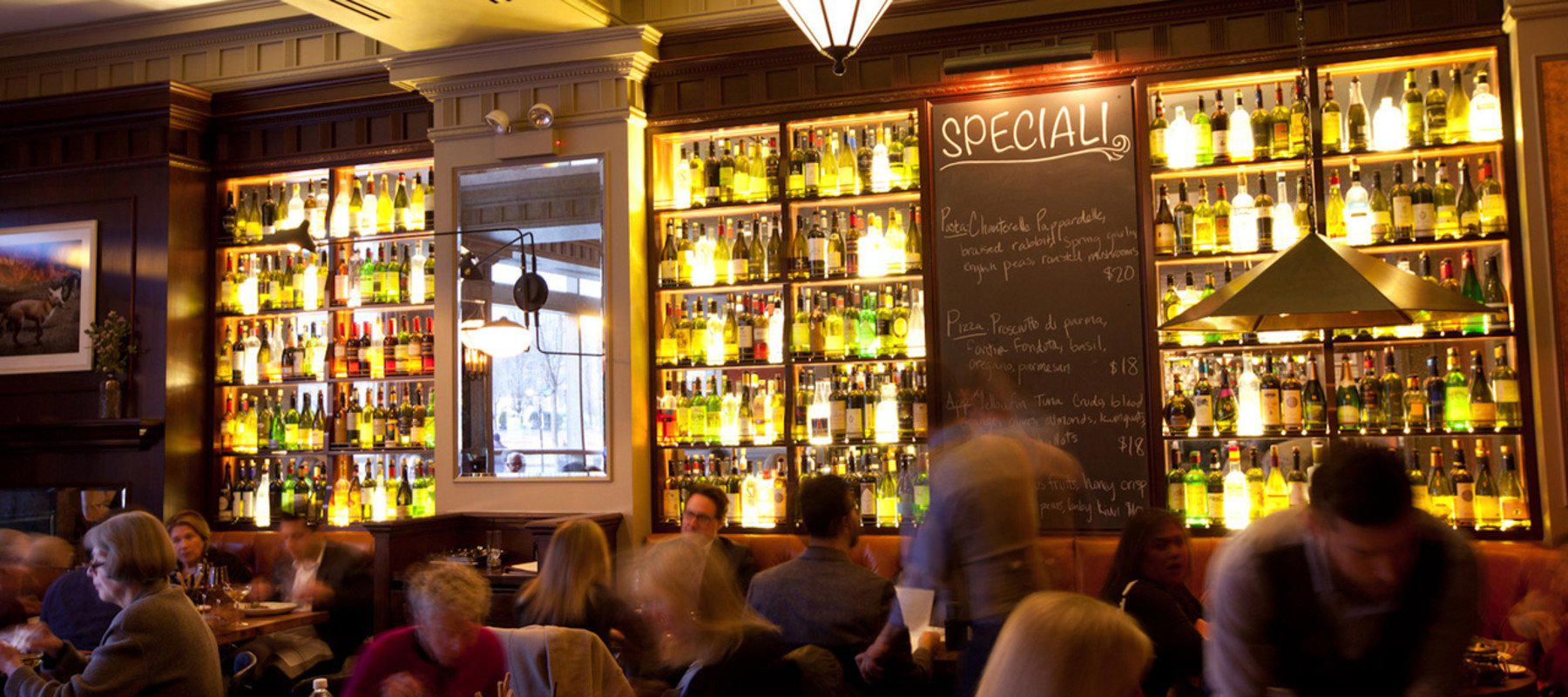
Modern, energetic atmosphere with old-school hip-hop soundtrack and ice-cold beer service creating a casual yet refined dining experience.