On Schweizer Strasse in Frankfurt's Sachsenhausen district, SUSHIKO occupies a position within the city's Japanese dining scene that rewards those who know where to look. The address alone places it among a concentration of independent restaurants that define the neighbourhood's character, operating at a remove from the Main's tourist corridor and the corporate dining of the Bankenviertel.
Pearl is the En Primeur Club membership app — saves, bookings, and concierge access live there. Same editors, same standards.
- Address
- Schweizer Str. 61, 60594 Frankfurt am Main, Germany
- Phone
- +496960605460
- Website
- sushiko.eu
- Directions
- Get directions
 Saves & bookings on Pearl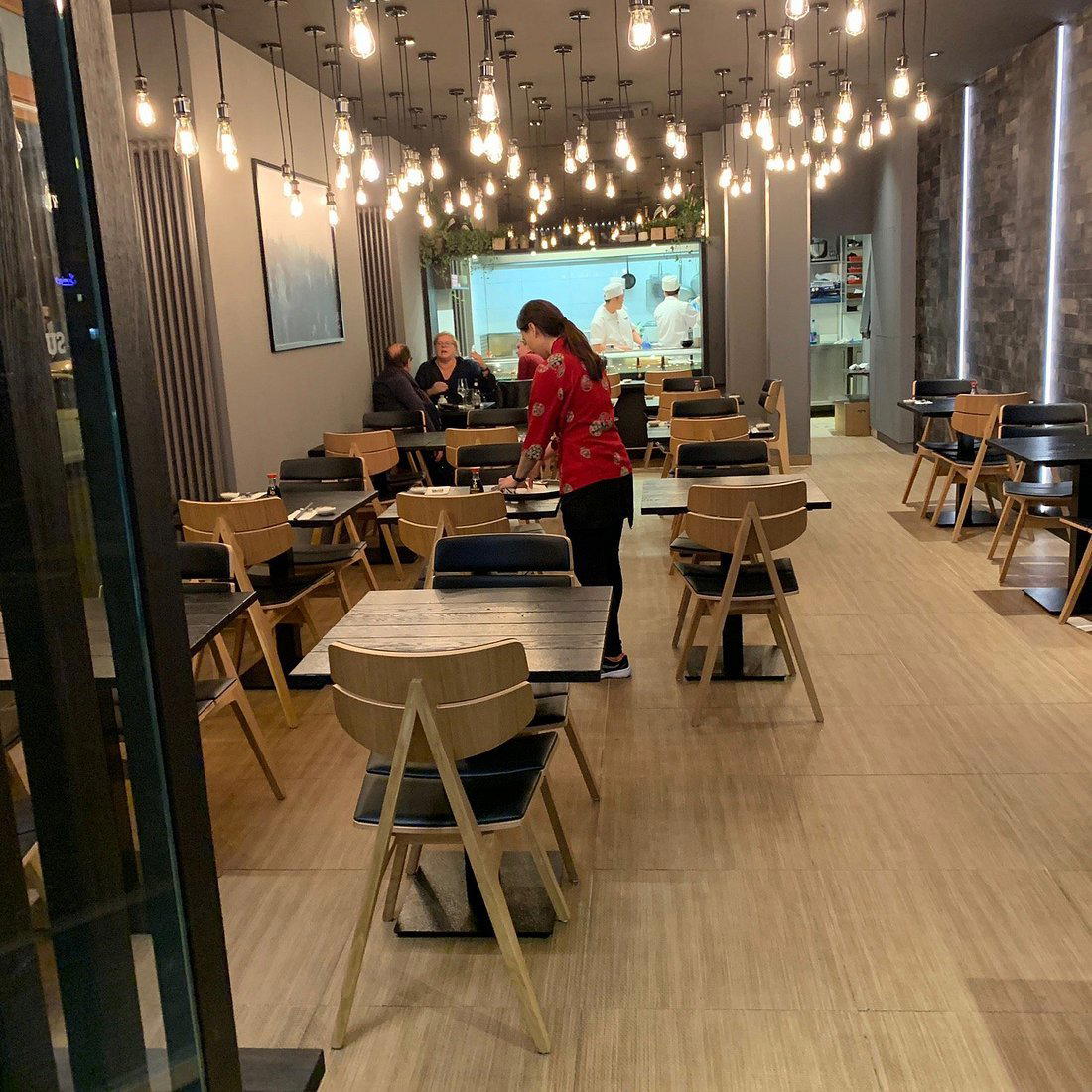
Sachsenhausen's Quiet Precision
Frankfurt's dining geography divides more sharply than most German cities of comparable size. The financial district pulls one class of restaurant toward expense-account formats and international hotel dining rooms, while Sachsenhausen, across the Main, has historically supported a different kind of eating: smaller, more particular, and oriented toward residents rather than visitors. Schweizer Strasse is the spine of that neighbourhood, and it is here, at number 61, that SUSHIKO occupies its address. The street runs through a stretch of independent traders and corner restaurants that has remained largely resistant to the homogenising pressure that reshaped many European city-centre food streets over the past two decades.
Japanese restaurants in German cities tend to cluster in one of two modes: the volume-led pan-Asian format that pairs sushi with Thai curries and Korean bibimbap under one roof, or the more disciplined counter-led model that prioritises craft over range. Frankfurt has examples of both, and where SUSHIKO falls in that spectrum shapes everything about how to approach a visit. The Schweizer Strasse address, within walking distance of Sachsenhausen's established independent restaurant strip, places it in a neighbourhood that has consistently supported the latter type.
The Wine Question at a Japanese Counter
The editorial angle that most consistently separates serious Japanese restaurants in European cities from their mid-market counterparts is not the fish sourcing or the rice preparation, though both matter, it is the drinks programme. Specifically, it is whether the restaurant treats its wine and sake list as an afterthought or as a parallel editorial exercise to the food. In Germany, this question has become more pointed over the past decade as German sommeliers have begun building lists that reflect both local viticulture and a serious engagement with Burgundy, Champagne, and the natural wine movement.
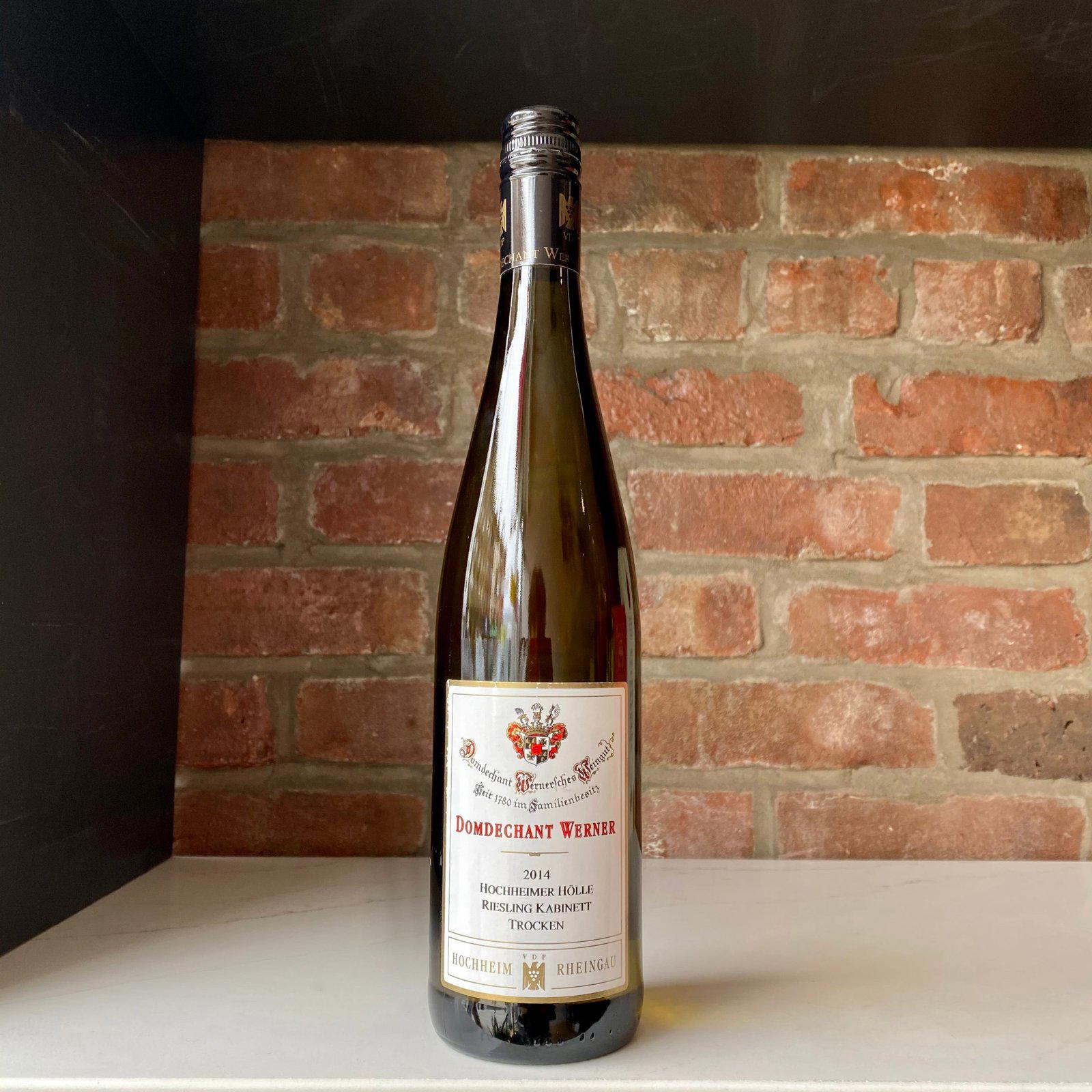
For a Japanese counter in Frankfurt, the wine conversation intersects with a particularly rich regional context. The Rhine and Mosel valleys are within easy reach, and Riesling, in its drier Rheingau and Mosel expressions, is one of the few European wines that holds a consistent argument for pairing with raw fish and vinegared rice. Restaurants operating at the serious end of the Japanese dining spectrum in German cities have been among the earliest adopters of this pairing logic, often before the broader market caught up. Whether SUSHIKO's list reflects that tradition is a question that the room itself will answer on arrival, but the neighbourhood and format positioning suggest a drinks approach that extends beyond the standard list of generic whites and imported beer.
Sake, where it appears on German restaurant lists, tends to fall into predictable categories: a few imported junmai, a nigori for guests unfamiliar with the category, and occasionally a daiginjo at a price point that signals premium without necessarily delivering precision. The more interesting programmes pair sake by flavour profile against specific preparations rather than listing it as a standalone category. Frankfurt's Japanese dining scene has not yet developed the sake-specialist depth of London or Amsterdam, but individual restaurants have made meaningful moves in that direction.
Frankfurt in the German Fine Dining Conversation
Frankfurt does not carry the same fine dining reputation as Munich, Hamburg, or the regional clusters around the Black Forest and Moselle Valley. Germany's Michelin geography has historically rewarded destinations rather than the financial capital: Aqua in Wolfsburg, Schwarzwaldstube in Baiersbronn, Waldhotel Sonnora in Dreis, and Vendôme in Bergisch Gladbach all draw serious diners out of the city rather than into it. Within Frankfurt itself, the stronger editorial conversation has developed around restaurants like Allgaiers Restaurant and Ariston, which operate in the European fine dining tradition. Further afield in Germany, JAN in Munich, ES:SENZ in Grassau, Victor's Fine Dining by christian bau in Perl, Schanz in Piesport, and Restaurant Haerlin in Hamburg represent the highest tier of the country's formal dining. CODA Dessert Dining in Berlin has carved out a format that sits entirely outside the conventional restaurant category.
This context matters for SUSHIKO because Japanese restaurants in Frankfurt operate in a city where the premium dining conversation is still consolidating rather than settled. That creates space for specialists to build a loyal following before a broader critical consensus forms around them. It also means that a Japanese counter on Schweizer Strasse competes less against European fine dining formats and more against Frankfurt's growing range of independent neighbourhood restaurants, including ALEJANDRO'S, Ambassel, atm by Deli&Grape;, and the internationally influenced formats emerging along and around Schweizer Strasse itself.
For comparison points outside Germany, the precision-led Japanese counter format has been most rigorously developed in New York, where Atomix in New York City has set a standard for Korean-Japanese counter dining that integrates wine and sake at the same level of seriousness as the food, and in the French-influenced seafood tradition most formally represented by Le Bernardin in New York City. These are not peer venues for a Sachsenhausen neighbourhood restaurant, but they illustrate the direction serious Japanese and seafood-adjacent dining has moved globally: toward drinks programmes that treat pairing as a design problem rather than an afterthought.
Know Before You Go
| Address | Schweizer Str. 61, 60594 Frankfurt am Main, Germany |
|---|---|
| Neighbourhood | Sachsenhausen |
| Contact | Schweizer Str. 61, 60594 Frankfurt am Main, Germany |
| Hours | Mon: 12–2:30 PM, 6–10 PM; Tue: 12–2:30 PM, 6–10 PM; Wed: 12–2:30 PM, 6–10 PM; Thu: 12–2:30 PM, 6–10 PM; Fri: 12–2:30 PM, 6–10 PM; Sat: 12–2:30 PM, 6–10 PM; Sun: Closed |
| Price | About US$35 per person |
| Booking | Reservations recommended |
A Tight Comparison
Comparable venues nearby, for context on price, style, and recognition.
| Venue | Cuisine | Price | Notes |
|---|---|---|---|
| SUSHIKOThis venue — the venue you are viewing | Sachsenhausen, Modern Kaiten Sushi | $$$ | Not listed |
| Yooki | Sachsenhausen, Modern Japanese Sushi | $$$ | Not listed |
| Sushimoto | Roemerberg, Japanese Sushi and Omakase | $$$$ | Not listed |
| CAGLA Frankfurt japanese Sushi cuisine | Roemerberg, Japanese Omakase Fine Dining | $$$$ | Not listed |
| Takahumi Sushi | Not listed | $$$$ | Roemerberg, Premium Japanese Sushi & Ramen |
| IIMORI Patisserie | Roemerberg, Franco-Japanese Patisserie | $$$ | Not listed |
Continue exploring
More in Frankfurt
Restaurants in Frankfurt
Browse all →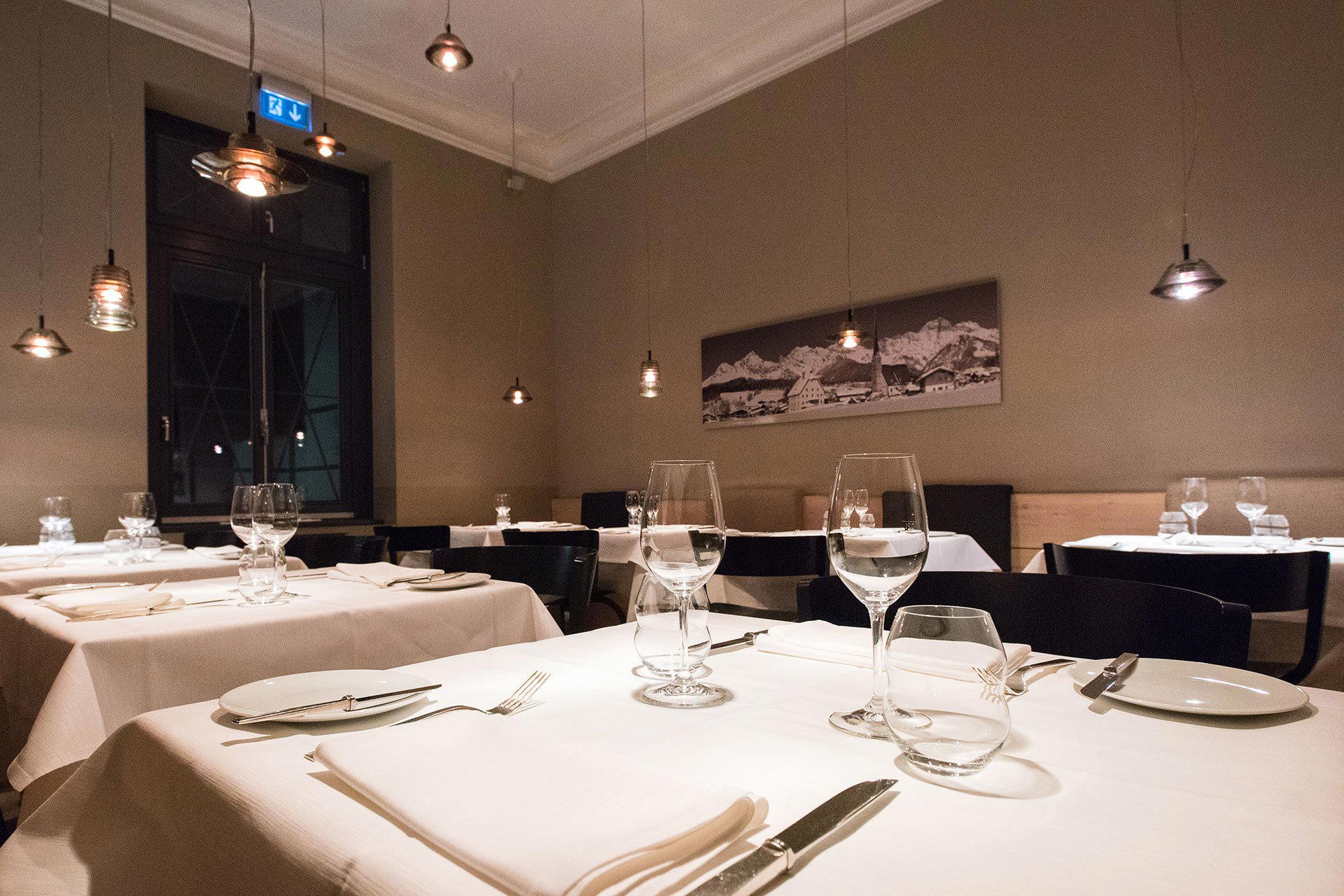
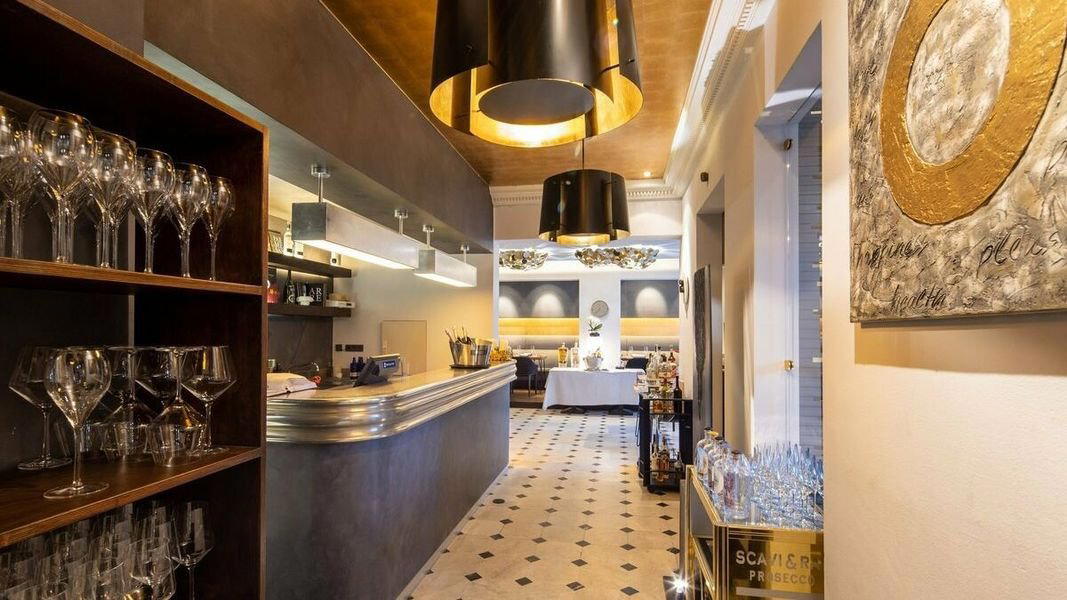
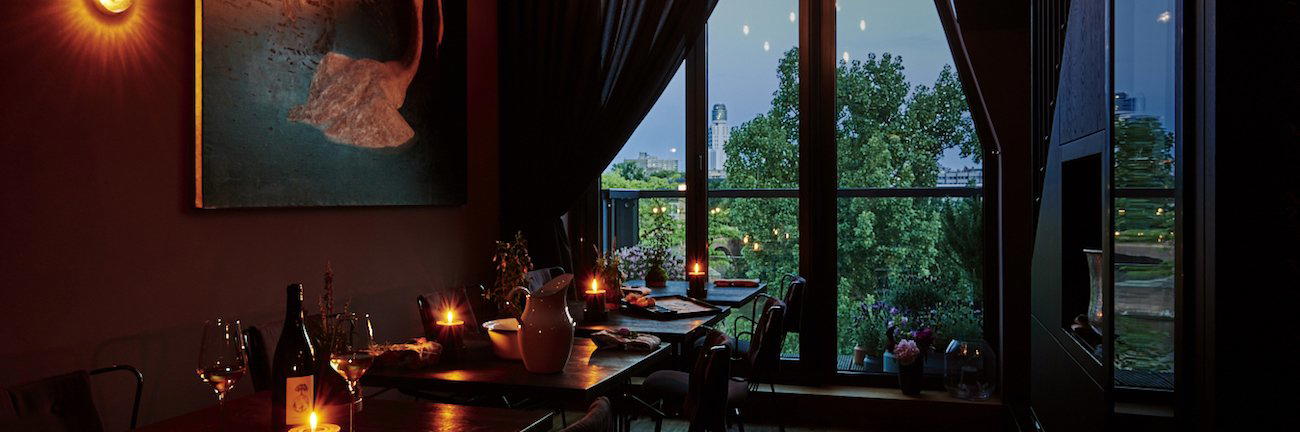
Bars in Frankfurt
Browse all →

Hotels in Frankfurt
Browse all →

At a Glance
- Modern
- Cozy
- Trendy
- Casual Hangout
- Group Dining
- Business Dinner
- Open Kitchen
- Beer Program
- Sake Program
Current opening hours
- Monday
- 12–2:30 PM, 6–10 PM
- Tuesday
- 12–2:30 PM, 6–10 PM
- Wednesday
- 12–2:30 PM, 6–10 PM
- Thursday
- 12–2:30 PM, 6–10 PM
- Friday
- 12–2:30 PM, 6–10 PM
- Saturday
- 12–2:30 PM, 6–10 PM
- Sunday
- Closed
Hours can change for holidays and private events. Last verified .
Modern, casual dining space with a rotating conveyor belt system displaying sushi plates; bright and clean with efficient service, though space is limited.