Takahumi Sushi serves premium Japanese sushi and ramen in the Allianzpassage under Hauptwache, with counter service, a chefs counter, and sustainable seafood.
Pearl is the En Primeur Club membership app — saves, bookings, and concierge access live there. Same editors, same standards.
- Address
- Underground/Untergeschoss via U-Bahn-Haltestelle, An der Hauptwache 7 Allianzpassage, Laden 46-48, 60313 Frankfurt am Main, Germany
- Phone
- +496913014384
- Website
- instagram.com
- Directions
- Get directions
 Saves & bookings on Pearl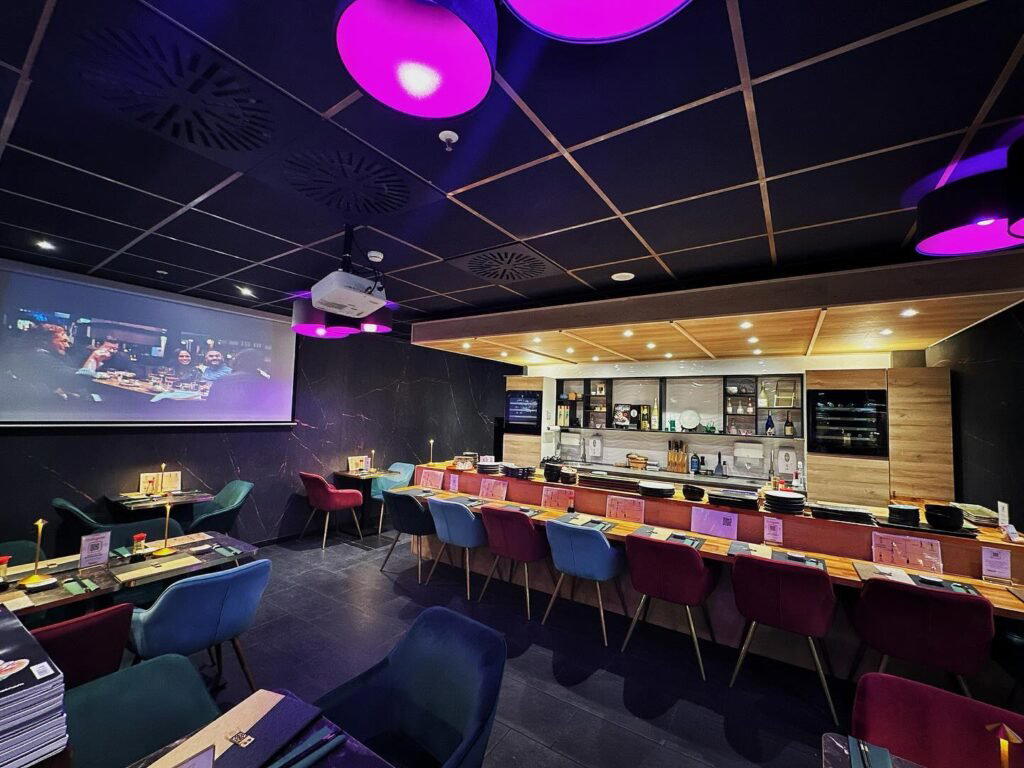
Underground and Deliberate: Frankfurt's Subterranean Sushi Scene
Arriving at An der Hauptwache, one of Frankfurt's central transit hubs, most commuters move quickly through the Allianzpassage without a second glance at what occupies the lower level. That is part of the point. Takahumi Sushi operates from the underground floor of this passage, accessible via the U-Bahn stop. The approach here is quiet and deliberate rather than conspicuous, which positions it differently from the surface-level restaurant strip that runs along Fressgass or the Sachsenhausen riverbank.
Frankfurt is not traditionally associated with Japanese cuisine at the level of, say, Düsseldorf, London, or Paris. German cities with strong international business populations have seen consistent growth in mid-to-premium Japanese dining over the past decade, and Frankfurt's finance sector draws exactly that kind of internationally mobile diner. Takahumi Sushi exists within that context: a sushi counter operating in a city that is still calibrating where serious Japanese dining belongs in its culinary identity.
The Ethics of the Counter: Sustainability in Sushi
Sushi is among the more resource-intensive of food formats. The global appetite for premium tuna, salmon, and shellfish has placed measurable pressure on fish stocks, and the sourcing decisions made at individual counters carry real environmental weight. This is not a niche concern in the current dining moment: European seafood regulations have tightened, chef-driven sourcing programmes have become more common, and a growing segment of the dining public factors provenance into their restaurant decisions.
In Germany specifically, sustainability in fine dining has become an increasingly structured conversation. Several of the country's most recognised kitchens have moved toward seasonal, low-impact sourcing models. Aqua in Wolfsburg operates at a level where ingredient provenance is treated as a core kitchen value. JAN in Munich has drawn attention for its approach to regional sourcing within a fine dining format. At the other end of the format spectrum, CODA Dessert Dining in Berlin built an entire concept around minimising waste at the pastry counter. These are not isolated examples; they reflect a shift in how Germany's dining culture is beginning to hold restaurants accountable across the supply chain.
For a sushi operation, the relevant questions are specific: where does the fish come from, and how is it handled to minimise waste across the prep and service cycle? Nose-to-tail thinking, well established in meat-focused kitchens, translates to sushi in the form of whole-fish butchery, use of offcuts in secondary preparations, and menu design that avoids over-reliance on particularly commercially pressured species.
Frankfurt's Dining Geography: What the Underground Location Signals
Restaurant addresses in Frankfurt tend to cluster in legible zones: the Fressgass corridor for established European dining, Sachsenhausen for more relaxed formats, the Bahnhofsviertel for the city's more experimental and international offerings. The Hauptwache passage sits in the commercial centre, connecting the old town to the banking district. Operating from this location's underground level places Takahumi Sushi adjacent to high daily foot traffic but removed from the visible street-level dining strip.
This is a pattern seen in several Asian cities, where high-quality counters occupy basement or mid-building positions and rely on word-of-mouth and repeat custom rather than window-shopping foot traffic. What it does signal is an orientation toward a regular clientele rather than passing trade, which tends to shape both the menu depth and the dining pace.
Frankfurt's broader restaurant scene includes a range of European fine dining at the recognised level. Allgaiers Restaurant and Ariston represent the city's more formal European register, while Ambassel and ALEJANDRO'S signal the internationalist appetite that a city of Frankfurt's commercial profile generates. atm by Deli&Grape sits in a more casual wine-bar adjacent space. The restaurant occupies a different category from all of these: it is the Japanese counter format, which in Frankfurt still occupies a distinct niche rather than a saturated tier.
Germany's Fine Dining Reference Points
Understanding where a sushi counter sits in Germany's dining hierarchy requires some sense of the reference frame. The country's most decorated kitchens tend to operate in smaller cities or regional settings rather than Frankfurt: Schwarzwaldstube in Baiersbronn, Vendôme in Bergisch Gladbach, Waldhotel Sonnora in Dreis, Victor's Fine Dining by Christian Bau in Perl, and Schanz in Piesport all sit in rural or semi-rural locations. Restaurant Haerlin in Hamburg and ES:SENZ in Grassau extend the geography. Frankfurt, for all its economic weight, has not historically been where Germany's most celebrated restaurant kitchens concentrate. That context matters: a sushi counter in Frankfurt is operating in a city where serious dining is present but not dominant, which shapes both the competitive set and the available customer base.
Internationally, the sushi counter format has been thoroughly mapped at the leading end. Atomix in New York City demonstrates what the tasting counter format can become when it moves toward a hybrid Korean-fine dining model, while Le Bernardin in New York City remains the long-standing reference point for how seafood-centred fine dining sustains itself over decades. These are not direct comparators for a Frankfurt sushi counter, but they define the range of what the format can achieve, and they set the expectations that well-travelled diners bring to any counter experience.
Know Before You Go
Address: Allianzpassage, Laden 46-48, An der Hauptwache 7, Untergeschoss, 60313 Frankfurt am Main
Access: Enter via the underground level of the Allianzpassage, reachable directly from U-Bahn-Haltestelle Hauptwache
Booking: Reservations are essential.
Hours: Mon: 12–10 PM; Tue: 12–10 PM; Wed: 12–10 PM; Thu: 12–10 PM; Fri: 12–10 PM; Sat: 12–10 PM; Sun: Closed
Price range: About $60 per person
Dress code: Casual
Quick Comparison
Comparable venues nearby, for context on price, style, and recognition.
| Venue | Cuisine | Price | Notes |
|---|---|---|---|
| Takahumi SushiThis venue — the venue you are viewing | Premium Japanese Sushi & Ramen | $$$$ | Not listed |
| Sushimoto | Japanese Sushi and Omakase | $$$$ | Roemerberg |
| Iwase | Authentic Traditional Japanese | $$$ | Roemerberg |
| Iroha | Authentic Japanese Sushi | $$$ | Roemerberg |
| Kabuki | Japanese Teppanyaki | $$$$ | Roemerberg |
| Japanisches Restaurant Fujiwara | Authentic Japanese Sushi & Sashimi | $$$ | Messegelande |
Continue exploring
More in Frankfurt
Restaurants in Frankfurt
Browse all →
Bars in Frankfurt
Browse all →

Hotels in Frankfurt
Browse all →

At a Glance
- Intimate
- Cozy
- Elegant
- Casual Hangout
- Solo
- Special Occasion
- Chefs Counter
- Open Kitchen
- Sustainable Seafood
Current opening hours
- Monday
- 12–10 PM
- Tuesday
- 12–10 PM
- Wednesday
- 12–10 PM
- Thursday
- 12–10 PM
- Friday
- 12–10 PM
- Saturday
- 12–10 PM
- Sunday
- Closed
Hours can change for holidays and private events. Last verified .
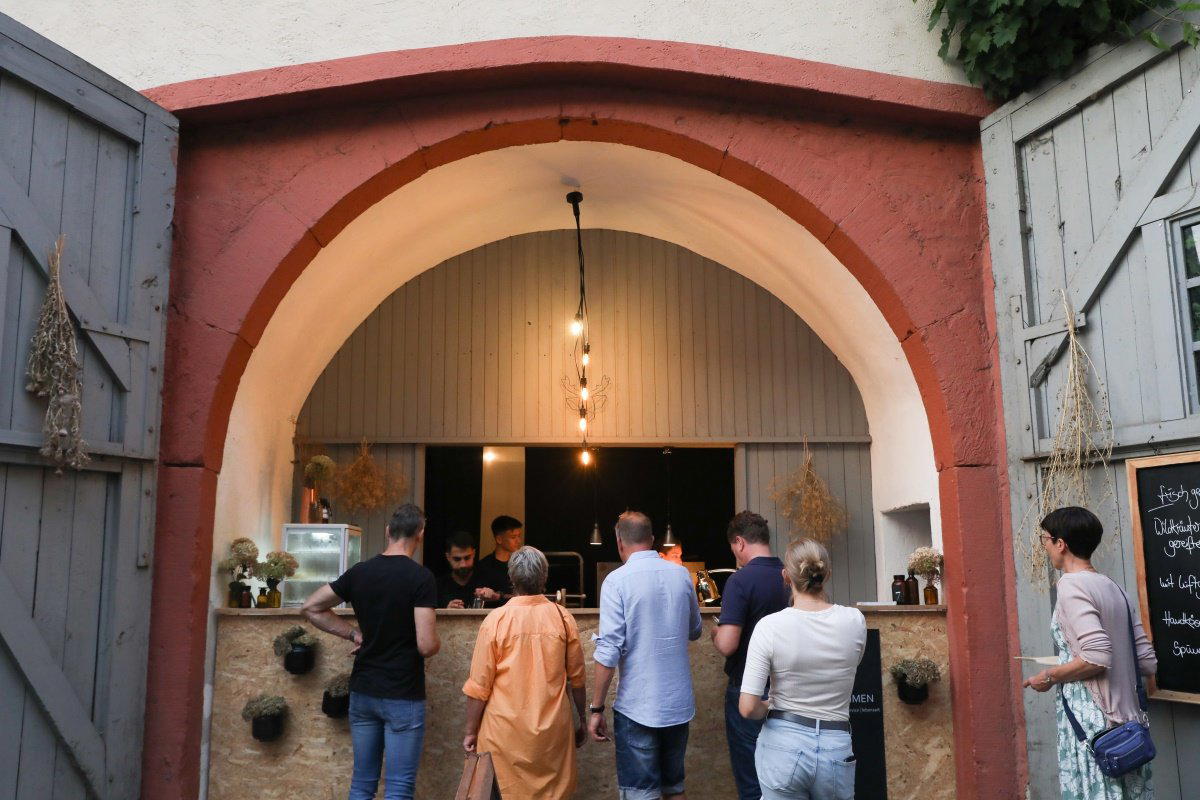
Lively yet cozy atmosphere with beautiful decoration and artistic presentation; small size creates intimacy and a sense of adventure due to its underground location.