
A Michelin-starred omakase counter in Setagaya's Kyodo neighbourhood, Sushidokoro Kiraku earned its star through a deliberate shift from catering operation to traditional Edomae nigiri format. The third-generation owner preserved ageing, marinating, and curing techniques while pricing the experience accessibly against Tokyo's central-district peers.
Pearl is the En Primeur Club membership app — saves, bookings, and concierge access live there. Same editors, same standards.
- Address
- 1 Chome-12-12 Kyodo, Setagaya City, Tokyo 156-0052, Japan
- Phone
- +81 50-5487-1277
- Website
- edomaekiraku.gorp.jp
- Directions
- Get directions
 Saves & bookings on Pearl
A Neighbourhood Counter With a Longer History Than Its Format Suggests
Most Michelin-starred sushi in Tokyo concentrates in a tight band of central neighbourhoods: Ginza, Minami-Aoyama, Shimbashi. Setagaya's Kyodo district sits well outside that geography, a residential ward where local regulars, not hotel concierges, fill the seats. Sushidokoro Kiraku arrived at its current omakase format through a generational decision rather than a founding concept: the third owner converted what had been a catering-focused operation into a counter experience built around traditional Edomae technique. That backstory matters because it explains the register of the room, this is not a venue constructed for destination diners, and the food reflects that grounding.
The Michelin Guide awarded Kiraku one star. For context, one-star Edomae counters in Ginza or Shimbashi typically price at ¥¥¥¥ or above; Kiraku sits at ¥¥¥, which positions it as one of the more accessibly priced starred sushi addresses in the city. That gap is worth understanding before you book.
The Counter as the Point
Omakase sushi is, at its core, a counter format, and the counter imposes a discipline on both chef and guest that larger dining rooms do not. The physical proximity collapses the distance between preparation and consumption. You watch the rice being pressed, the fish lifted with two fingers, the knife angle adjusted for a thicker loin or a thinner cut of cured fish. There is no interlude between the work and the eating; the piece arrives when it is ready, which is immediately.
This choreography is what separates a good omakase counter from a restaurant that merely serves sushi. At Kiraku, the format includes both appetiser courses and nigiri, which is the standard two-act structure of serious Edomae omakase: the appetisers (sakizuke and tsumami) allow the chef to demonstrate range with cooked and cured preparations, while the nigiri sequence is where the Edomae techniques, ageing, kobujime kelp-curing, marinating in nikiri soy, come into focus. The wife's handling of grilled dishes within the appetiser sequence adds a second pair of hands to the performance without fragmenting the intimacy. It is a division of labour that functions precisely because the room is small enough for both of them to occupy it without crowding the guest's field of attention.
Counter seating at this level also disciplines the guest. There is no menu to retreat to, no à la carte optionality. You receive what the chef has decided, in the order he has chosen, at the pace he sets. That structure is not incidental, it is how Edomae omakase is practised at the counter sushi bars of Edo-period Tokyo, where the neta (fish) available on any given day determines the sequence.
Edomae Technique in a Modern Context
The Edomae tradition predates refrigeration, which is why its techniques were developed as preservation and flavour-enhancement methods rather than aesthetic choices. Ageing fish firms the texture and deepens umami; kobujime pressing draws moisture from white fish while transferring mineral notes from the kelp; marinating in soy-based nikiri integrates seasoning into the fish itself rather than relying on dipping. These are not flourishes. They are the grammar of the style.
What the third owner's transformation preserved was exactly this grammar. The shift from serving omakase changed the format and the service model, but the technical vocabulary remained. That continuity is less common than it might appear: many counters that have converted from older formats in recent years have updated toward a lighter, less intervened style influenced by Kyoto kaiseki or contemporary French minimalism. Kiraku's retention of traditional Edomae processing places it in a more conservative technical lineage, which is precisely the lineage that counters like Sushi Kanesaka and Edomae Sushi Hanabusa represent at the higher price tier.
The practical implication for the diner is that the rice will likely be seasoned red vinegar, the tuna will show signs of deliberate ageing rather than same-day freshness, and the white fish will carry the faint mineral character of kobujime treatment. This is a specific aesthetic, not a universal preference. Guests accustomed to lighter, cleaner contemporary omakase styles should calibrate their expectations accordingly.
Where Kiraku Sits in Tokyo's Sushi Spectrum
Tokyo's starred sushi market has stratified sharply over the past decade. At the leading, counters like Harutaka and Sukiyabashi Jiro Roppongiten occupy a ¥¥¥¥ tier where the per-head cost approaches or exceeds ¥50,000 and booking windows extend three months or more. A second tier of one-star counters operates at ¥¥¥¥ with slightly more accessible pricing but still demands advance reservation. Kiraku, at ¥¥¥ with a one-star Michelin credential, occupies a smaller niche: it carries the same Michelin signal as its central-district peers while pricing meaningfully below them, in a neighbourhood that does not carry a destination premium.
That positioning makes it relevant to a particular kind of Tokyo sushi diner: someone who has covered the central-district circuit, or who has no interest in paying the Ginza location premium, and wants a counter where the technique is serious and the atmosphere runs warmer. The description of the chef as friendly and the room as welcoming is consistent with the character of neighbourhood counters outside the central prestige addresses, where the guest base is more regular than tourist.
For reference across the broader Japanese dining scene, the gap between neighbourhood-anchored starred restaurants and their central counterparts is a pattern visible in other cities too: Goh in Fukuoka and Gion Sasaki in Kyoto both demonstrate how regional or non-central addresses can carry serious Michelin recognition without the pricing of a destination-tourist market. The same logic operates at Kiraku's Setagaya address. Outside Japan, the Edomae tradition has also exported credibly: Sushi Shikon in Hong Kong and Shoukouwa in Singapore represent how the counter format travels, though at considerably higher price points than Kiraku.
For those planning broader Tokyo dining itineraries, the EP Club guides to Tokyo restaurants, Tokyo hotels, Tokyo bars, and Tokyo experiences offer mapped context for building around a reservation here. The Tokyo wineries guide covers natural wine and sake producers relevant to the city's evolving beverage scene. Elsewhere in the Kansai region, HAJIME in Osaka and akordu in Nara represent the range of what starred dining looks like outside Tokyo. 1000 in Yokohama and 6 in Okinawa extend the map further for those travelling beyond the capital. Hiroo Ishizaka provides a point of comparison for Tokyo neighbourhood dining at a similar register.
Planning a Visit
Kyodo is a residential Setagaya address, served by the Odakyu Setagaya Line's Kyodo station. This is not walking distance from central Tokyo hotels; budget transit time accordingly and treat the journey as part of the experience of eating outside the tourist circuit. Booking method is not listed in public records, so one reliable approach is to have your hotel concierge contact the restaurant directly, or to use a specialist reservation service that handles Japanese-language bookings. The ¥¥¥ price band is notable relative to the Michelin credential, but confirm current pricing at point of booking as it is not published.
Quick reference: Sushidokoro Kiraku, 1 Chome-12-12 Kyodo, Setagaya City, Tokyo 156-0052. Michelin one star. ¥¥¥ pricing tier. Google 4.6 / 110 reviews.
Just the Basics
Comparable venues nearby, for context on price, style, and recognition.
| Venue | Cuisine | Price | Notes |
|---|---|---|---|
| Sushidokoro KirakuThis venue — the venue you are viewing | Setagaya, Traditional Edomae Omakase | $$$ | Not listed |
| Shunkeian Arakaki | Not listed | $$$ | Chūō, Michelin-Starred Okinawan Tempura Omakase |
| Yotsuya Minemura | Shinjuku, Kappo Omakase with Soba | $$$$ | Not listed |
| Edomae Sushi Hanabusa | Minato, Traditional Edomae Omakase | $$$$ | Not listed |
| Ginza Kousui | Chūō, Shizuoka Kaiseki Omakase | $$$$ | Not listed |
| Shokuzen Abe | Chūō, Kyoto-style Kappo | $$$$ | Not listed |
Recognition history
Dated appearances from independent guides and award organizations, with the underlying list record or original source where available.
Michelin 1 Star
Michelin
Michelin 1 Star
Michelin
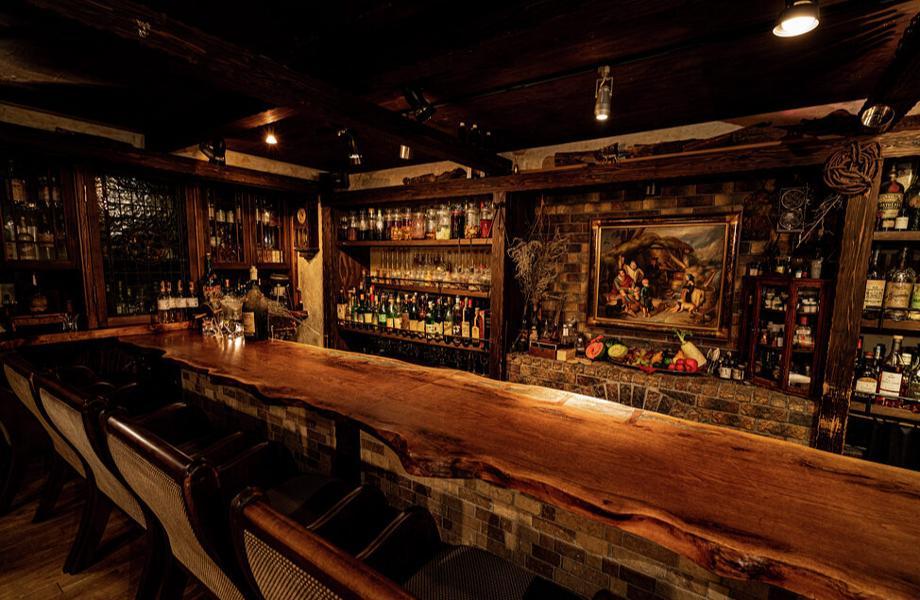



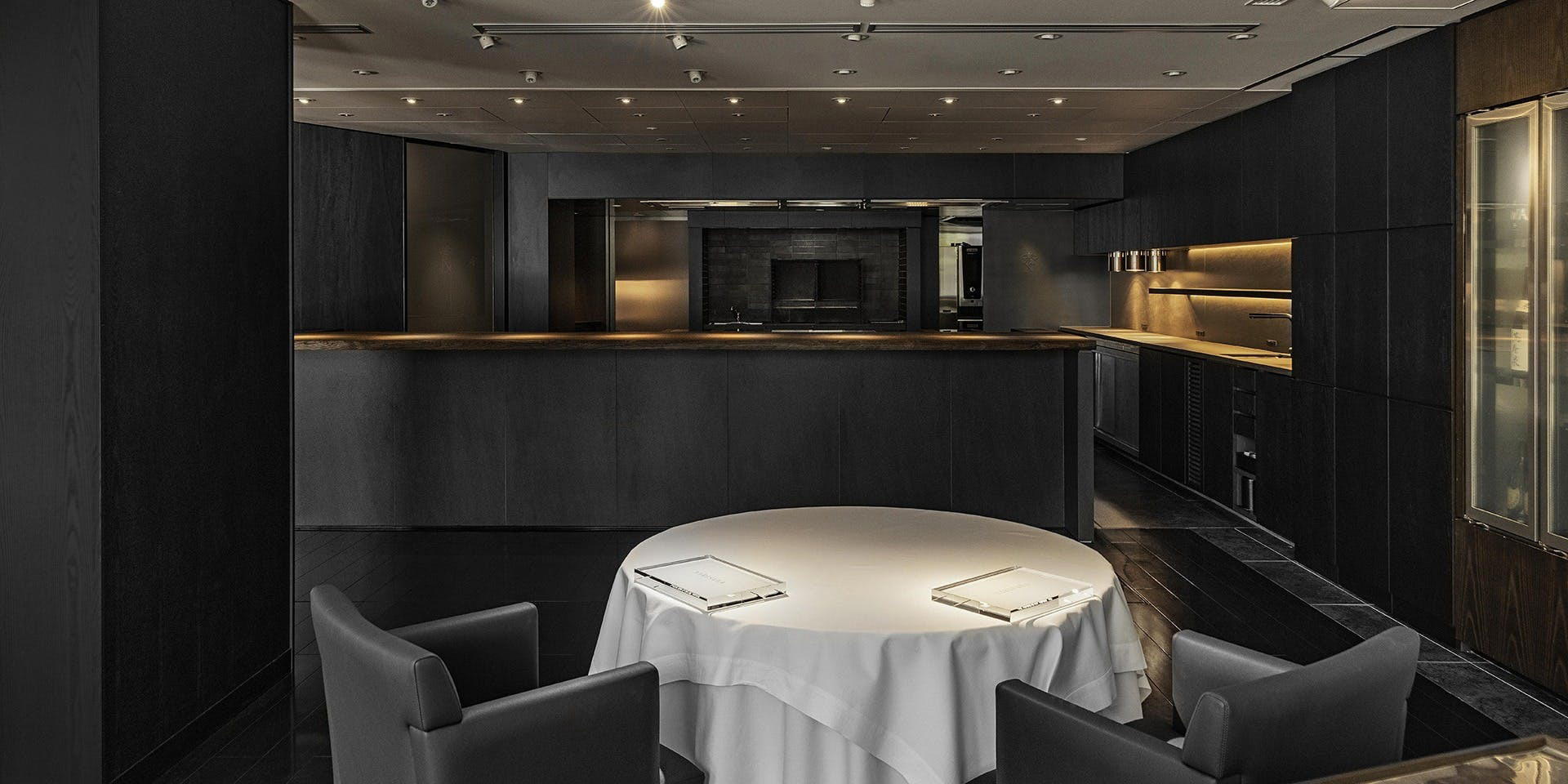





At a Glance
- Intimate
- Classic
- Elegant
- Cozy
- Date Night
- Special Occasion
- Solo
- Chefs Counter
- Open Kitchen
- Sake Program
- Sommelier Led
- Sustainable Seafood
- Local Sourcing
Current opening hours
- Monday
- 5:30–10 PM
- Tuesday
- Closed
- Wednesday
- Closed
- Thursday
- 5:30–10 PM
- Friday
- 5:30–10 PM
- Saturday
- 5:30–10 PM
- Sunday
- 11:30 AM–2 PM, 5:30–9 PM
Hours can change for holidays and private events. Last verified .
Warm, relaxing, and intimate atmosphere created by the friendly chef-owner; feels like a true local treasure with personal touches and genuine hospitality throughout the meal.