
1 Michelin Star
Our verdict
In Nishitemma, Osaka, chef Akemi Nakamura runs a kaiseki counter where the seasons dictate every element of the meal. The hassun platters, arranged with the precision of ikebana flower composition, are the course that guests talk about most. At the ¥¥¥ price tier, this is traditional multi-course Japanese cooking taken seriously, with a formal aesthetic rooted in sincerity rather than spectacle.

Pearl is the En Primeur Club membership app, where members save venues, book tables and use the concierge.
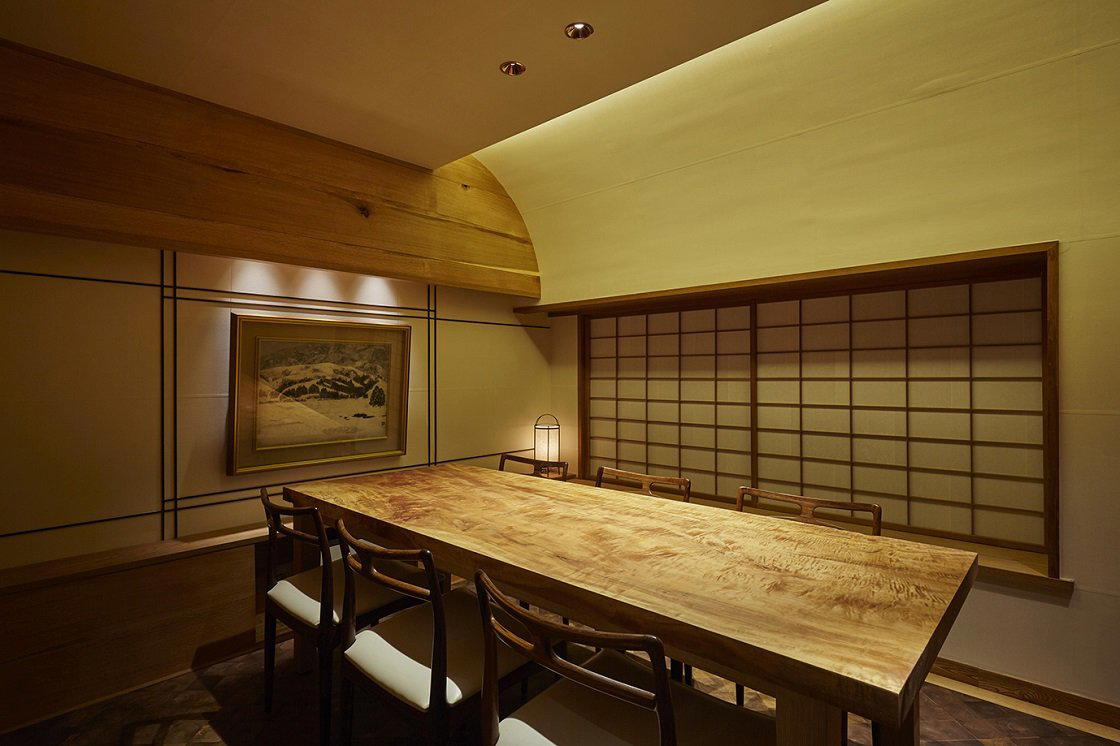
Where the Seasons Arrive Before the Food Does
Step into Nishitemma Nakamura and the first thing that orients you is not a dish but a wall. Visible from the counter, a finely worked tin-plate bas-relief circles the room through four seasonal panels: spring mists, summer fireworks, an autumn harvest moon, winter snowfall. It is an unusual choice for a restaurant interior, closer to applied craft than décor, and it signals exactly what kind of meal follows. The seasons here are not a menu-writing convenience; they are the structural logic of the entire experience.
The address sits in Nishitemma, a quieter district in Osaka's Kita Ward that draws less foot traffic than the restaurant corridors of Shinsaibashi or Dotonbori. That context matters. Osaka's kaiseki and kappo scene is spread across the city, but its most considered rooms tend to be the ones that require a deliberate journey. Kashiwaya Osaka Senriyama operates on the same principle, location chosen for focus, not footfall.
The Hassun as a Seasonal Statement
In the traditional kaiseki sequence, the hassun is the course that sets the season's tone. It arrives as a composed platter, and in skilled hands it functions less as a collection of bites than as a single visual argument about where the calendar stands. At Nishitemma Nakamura, the hassun platters are the course around which the rest of the meal is built. Leaves, flowers, and garnishes are arranged with the attention to negative space and proportion that ikebana demands, a discipline chef Nakamura studied specifically to sharpen her approach to presentation.
This connection between flower arrangement and plate composition is not incidental. Ikebana, in its classical forms, requires the practitioner to observe how a plant interacts with its environment before cutting it. Applying that sensibility to food means asking what an ingredient looks like in its natural state before deciding how to present it at the table. The result, according to Michelin documentation on the restaurant, is appetisers and hassun courses that "highlight the flavours of each ingredient" rather than subordinating them to a unified sauce or technique.
Among Osaka's ¥¥¥-tier kaiseki rooms, a bracket that also includes Oimatsu Hisano and Tenjimbashi Aoki, Nishitemma Nakamura occupies a position defined by its emphasis on presentation as a form of ingredient advocacy rather than decoration. The food argues for the produce before the diner tastes it.
Sustainability Through Seasonal Discipline
The kaiseki format, when practised with rigour, is one of the oldest and most coherent expressions of what contemporary food culture calls seasonal sourcing. The structure of the meal, courses mapped to what is growing, spawning, or ripening at that moment, makes ingredient substitution logistically difficult and philosophically incompatible with the form. A kaiseki kitchen that commits to its seasonal framework cannot easily replace a spring ingredient with a year-round industrial alternative without the entire visual and flavour logic of the hassun collapsing.
At Nishitemma Nakamura, the seasonal tin-plate relief on the wall is not merely ornamental; it functions as a kind of public commitment. Guests dining in autumn are surrounded by imagery of the harvest moon and falling leaves, and the hassun that arrives at the counter is expected to reflect exactly that. This creates a form of accountability that centralises local, timely produce not as a marketing claim but as an operational necessity.
The wider Osaka kaiseki scene operates in a context where seasonal discipline separates credible rooms from those running standardised menus regardless of the calendar. Yugen and Miyamoto both maintain seasonal frameworks, as does Gion Sasaki in Kyoto at a comparable tier. The commitment to ingredient seasonality is, in these rooms, the primary editorial choice, one that has direct implications for sourcing, waste, and what appears on the plate.
Beyond Osaka, Japan's kaiseki and kappo tradition places similar seasonal demands at counters from Harutaka in Tokyo and Myojaku to Azabu Kadowaki. Outside Japan, the tradition informs fine dining approaches at akordu in Nara, Goh in Fukuoka, 1000 in Yokohama, and 6 in Okinawa.
Training, Format, and the Kappo Influence
Chef Nakamura's background spans two distinct training environments: the formal multi-course structure of traditional Japanese restaurants and the more responsive, cook-to-order dynamic of kappo. The kappo tradition, which is closely associated with Osaka and differs from kaiseki in its directness and flexibility, trained Nakamura to read a table and adapt. That adaptability runs through the meal at Nishitemma Nakamura, where the formal kaiseki sequence is disciplined but not rigid.
Osaka has long been considered the spiritual home of kappo, and the city's dining culture retains a preference for generous, ingredient-forward cooking over the more austere minimalism sometimes associated with Kyoto kaiseki. Nishitemma Nakamura operates at the intersection of those two traditions, the visual precision of kaiseki with the warmth and responsiveness of kappo.
For broader context on how these dining styles map across Osaka's restaurant scene, the full Osaka restaurants guide positions kaiseki and kappo rooms alongside the city's izakaya and modern creative kitchens. Visitors also planning around accommodation and nightlife can refer to the Osaka hotels guide, bars guide, wineries guide, and experiences guide.
Know Before You Go
| Address | 4 Chome-5-25 Nishitenma, Kita Ward, Osaka, 530-0047, Japan |
| Price Tier | ¥¥¥ |
| Cuisine | Japanese (kaiseki / kappo) |
| Booking | No booking method confirmed in available data, reservations at this tier in Osaka typically require advance contact, often via phone or a third-party reservation service such as Tableall or Omakase |
| Hours | |
| Dress Code | Not specified, smart-casual is appropriate for a ¥¥¥ counter in this district |
Frequently asked questions
What dish is Nishitemma Nakamura famous for?
The hassun platters are the defining course. In kaiseki cooking, the hassun sets the seasonal tone of the meal, and at Nishitemma Nakamura the plating draws directly on ikebana principles, flowers, leaves, and garnishes composed to reflect the current season rather than simply accompany the food. Michelin documentation describes the presentations as highlighting "the flavours of each ingredient" through arrangement that carries the sensitivity of formal flower composition. The appetisers, which follow a similar philosophy of ingredient-first presentation, are equally noted for depth and visual coherence.
What's the ideal way to book Nishitemma Nakamura?
No booking method is confirmed in available data for this restaurant. At the ¥¥¥ tier in Osaka's Kita Ward, reservation-only counters typically require advance planning of at least two to four weeks, and some operate exclusively through Japanese-language phone reservations. For international visitors, specialist reservation platforms including Tableall and Omakase handle bookings at counters across Osaka and often provide English-language support. Booking through a hotel concierge fluent in Japanese is a practical alternative, particularly for same-week availability. The EP Club Osaka restaurants guide covers booking norms across the city's kaiseki and kappo tier in further detail.
A Credentials Check
A compact comparison to help you place this venue among nearby peers.
| Venue | Cuisine | Price | Awards | Notes |
|---|---|---|---|---|
| Nishitemma NakamuraThis venue (the venue you are viewing) | Seasonal Kaiseki with Western Influences | $150–200 | 1 Michelin Star | Not listed |
| HAJIME | Avant-Garde Japanese Fine Dining | $300–500 | 3 Michelin Stars · World's 50 Best #83 | French, Innovative |
| La Cime | Modern French with Japanese Ingredients | $150–200 | 2 Michelin Stars · World's 50 Best #13 | French |
| Kashiwaya Osaka Senriyama | Seasonal Kaiseki Omakase | $200–300 | 3 Michelin Stars · La Liste Top Restaurants | Japanese |
| Taian | Traditional Japanese Kaiseki Omakase | $150–200 | 3 Michelin Stars · La Liste Top Restaurants | Kaiseki, Japanese |
| Fujiya 1935 | Modern Japanese with European influences | $100–150 | 2 Michelin Stars · La Liste Top Restaurants | Innovative |
Recognition history
Dated appearances from independent guides and award organizations, with the underlying list record or original source where available.
Michelin 1 Star
Michelin
Full recognition history (2 entries)
Michelin 1 Star
Michelin
Continue exploring
More in Osaka
Restaurants in Osaka
All restaurants in Osaka →



Bars in Osaka
All bars in Osaka →



Hotels in Osaka
All hotels in Osaka →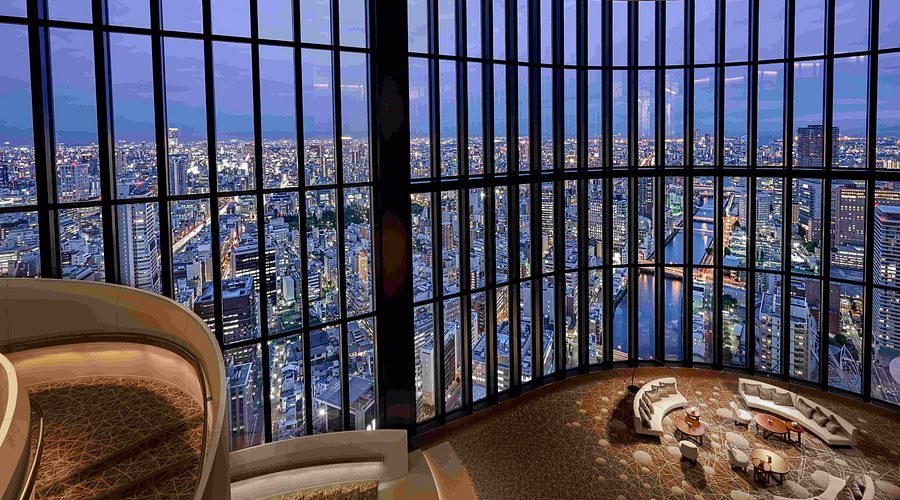



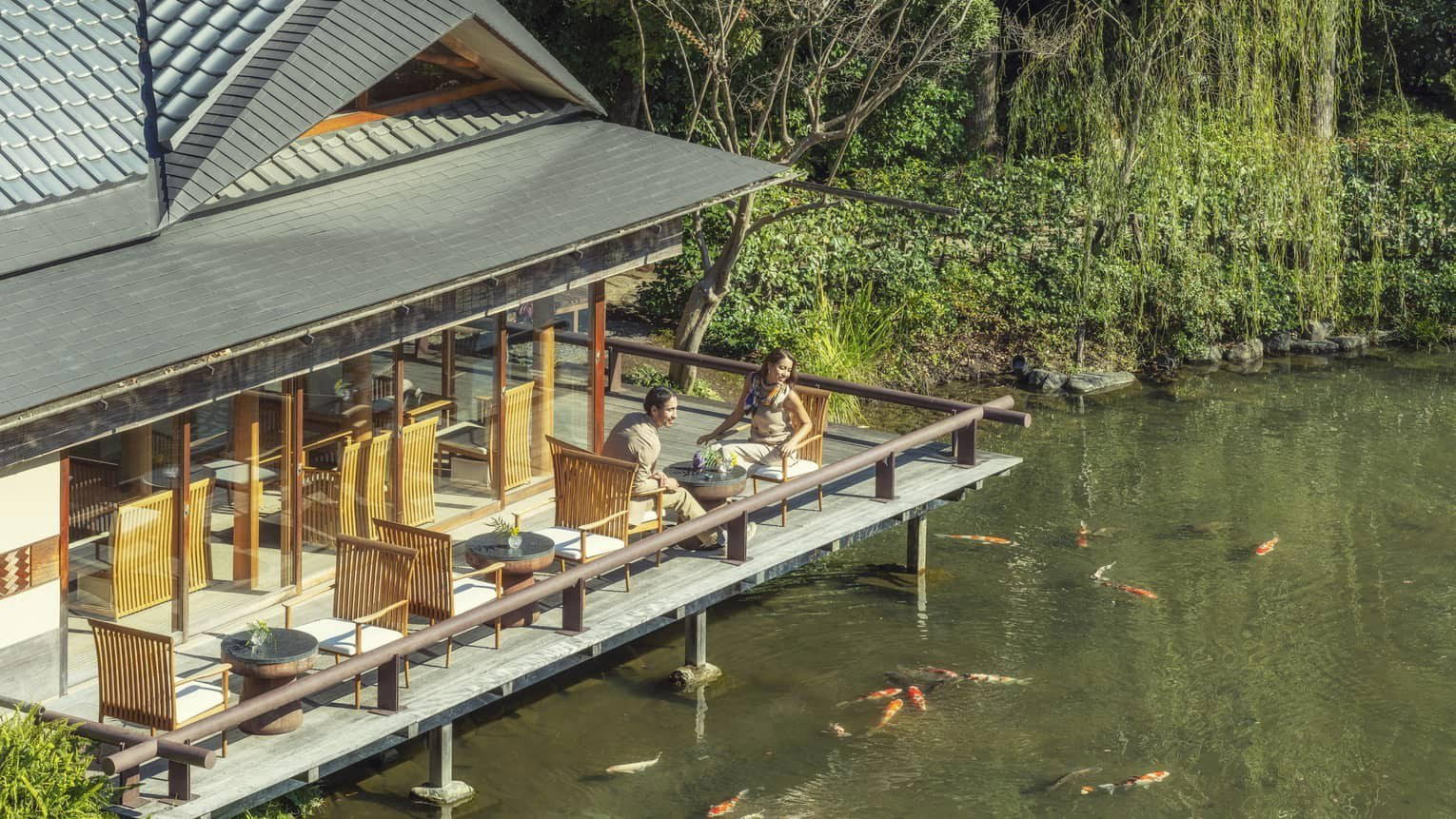
Wineries in Osaka
Browse all →
Details
- Elegant
- Intimate
- Sophisticated
- Classic
- Special Occasion
- Date Night
- Business Dinner
- Chefs Counter
- Open Kitchen
- Private Dining
- Sake Program
- Local Sourcing
- Tasting Menu
- Counter Dining
- Set Menu
- Sake
- Burgundy Wine
Current opening hours
- Monday
- 6–9 PM
- Tuesday
- 6–9 PM
- Wednesday
- 6–9 PM
- Thursday
- 6–9 PM
- Friday
- 6–9 PM
- Saturday
- 6–9 PM
- Sunday
- Closed
Hours can change for holidays and private events. Hours as of .
Intimate counter seating with refined, serene atmosphere; soft lighting highlights meticulously plated dishes adorned with seasonal flowers and leaves.