
Tonkatsu Tsuchimoto brings Nagoya’s tonkatsu conversation into a tighter, more reservation-led format: a 16-seat Ikeshita room, counter-and-table layout, and recognition on Tabelog’s Tonkatsu 100 list for 2026. The appeal is not spectacle, but discipline around a pork-cutlet tradition where sourcing, frying technique, portion control, and waste-aware service matter more than ornament.
Pearl is the En Primeur Club membership app — saves, bookings, and concierge access live there. Same editors, same standards.
- Address
- 愛知県名古屋市千種区池下1-3-1 パックス池下 1F
- Phone
- +81527848863
- Website
- tabelog.com
 Saves & bookings on Pearl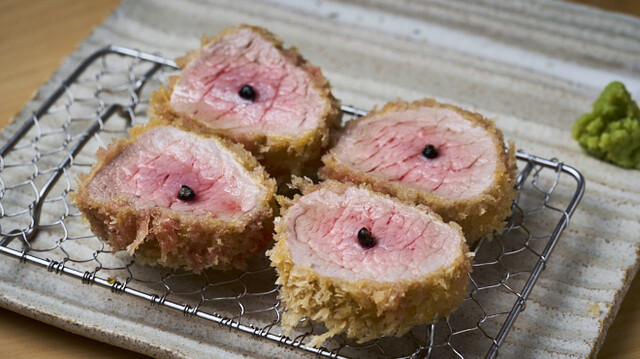
Ikeshita is not Nagoya’s loudest dining district, which suits tonkatsu. The form rewards attention over theatre: oil, the pause before a cutlet is served, and the practical rhythm of a small room turning over at set times. Tonkatsu Tsuchimoto belongs to a newer tier of specialists where a familiar comfort dish gets the operational control usually associated with higher-priced counters.
Nagoya’s dining identity is often read through miso-katsu, hitsumabushi, kishimen, and coffee-shop culture, but its stronger contemporary story is precision applied to everyday formats. Tonkatsu fits neatly. It is democratic in price compared with kaiseki or sushi, yet unforgiving in execution: pork quality, breading, oil management, resting time, cabbage, rice, and sauce all expose shortcuts. Selection for Tabelog Tonkatsu 100 in 2026 places it in the national specialist conversation, not just the local lunch circuit.
Small-room tonkatsu and the value of controlled turnover
The format matters because frying is live. A 16-seat setup, split between counter and table seating, gives the kitchen a narrower field than a high-volume cutlet house. That does not automatically make a restaurant better, but it changes the economics: fewer seats, tighter timing, less drift between fryer and plate. In a genre where texture fades fast, controlled pacing is part of the product.
The sustainability angle is practical, not slogan-led. Tonkatsu restaurants with reservations and short seatings can plan procurement, prep rice and cabbage in tighter volumes, and reduce waste from uncertain walk-in traffic. Pork cookery leaves little room for using surplus without compromising quality, so disciplined booking can matter as much as stated environmental language. The category has always depended on thrift, from careful portioning to cabbage as palate reset rather than decoration.
Price band separates it from Nagoya’s formal dining rooms. Yama no I and Housa Saryo sit far higher, while Yakiniku Hakushu Kassai occupies the premium meat-restaurant tier. Kishiya reads closer to everyday casual pricing. Tonkatsu Tsuchimoto lands between them: specialist enough to justify planning, affordable enough to remain repeatable rather than special-occasion dining.
Recognition without the tasting-menu machinery
Tabelog’s Hyakumeiten lists are useful because they often catch genre specialists outside the Michelin-style imagination of destination dining. Tonkatsu is not elaborate sequencing; its rigor is compressed into one main act. The 2026 Tonkatsu 100 selection, with a Tabelog score of 3.79, signals a restaurant judged among dedicated cutlet houses, not against French, sushi, or kaiseki benchmarks.
That matters for travelers. A high-end omakase counter asks guests to surrender an evening to a chef’s progression. A tonkatsu specialist asks how much precision can be put into an accessible dish without turning it into ceremony. In Nagoya, the answer is increasingly tied to small footprint, narrow category focus, and exact service timing. The 2024 opening date is relevant: it is a recent entrant, but recognition arrived quickly in a category with deep national competition.
The drinks suggest a broader Japanese trend: casual formats are no longer confined to beer-and-tea assumptions. Sake, shochu, and wine are offered, placing the meal closer to compact dinner than utilitarian lunch stop. The room need not behave like fine dining; it simply gives tonkatsu a more adult pacing, especially for diners who treat fried pork as something to pair, not merely finish.
How to read the Nagoya choice
Use this address as a category-specific meal in a city where premium dining can turn expensive quickly. Nagoya has serious restaurants in the JPY 20,000 to JPY 29,999 bracket, but tonkatsu offers a grounded test of craft. The point is not to compare pork cutlet with kaiseki course by course; it is to see how a city values technique when the ingredients and format are familiar.
For a wider Nagoya itinerary, it pairs well with a day around Chikusa and eastern Nagoya rather than a cross-city dash. Ikeshita sits outside the usual station-area hotel-and-department-store loop, so the meal feels neighbourhood-based without needing mythology. English menu availability lowers friction for non-Japanese speakers, while family-friendly policy and stroller acceptance make it less rigid than many small specialist rooms.
Reservations shape the experience. The restaurant operates defined lunch and dinner seatings, and late-arrival rules are strict enough to make punctuality part of the contract. That is normal in Japan’s compact specialist dining rooms, where a missed slot affects the entire service. It also supports waste reduction: when kitchens know who is arriving and when, they cook closer to demand.
Readers comparing Nagoya options can use Our full Nagoya restaurants guide for the wider dining map, then cross-reference city planning with Our full Nagoya hotels guide, Our full Nagoya bars guide, Our full Nagoya wineries guide, and Our full Nagoya experiences guide. Within the restaurant index, nearby and broader Japanese references include 1022, 451, Aaron, Alan., and All Day Dining Montmartre. For a wider Japan-and-beyond scan, see -Grilled beef Sukiyaki- KAMAKURA TANUKIAN 鎌倉 たぬき庵 in Kamakura. 鮪と炭火焼き うお炭 秋葉原店 in Tokyo.cafe in Osaka.know in Kumamoto, (Shoku) Vietnam in Kawasaki, [Curry Senmon Ten] Maruyama Kyoju. in Sapporo, Jōdo Saké Bar in Los Angeles, and Onigiri Time in Pasadena.
The editorial read is clear: Tonkatsu Tsuchimoto is not trying to make tonkatsu grander than necessary. Its interest lies in compression: a small room, a recognized national category, a moderate price band, and a format that rewards punctual, low-waste service. In Nagoya, that makes it a sharp counterpoint to heavier regional classics and high-spend dining rooms alike.
Peers Worth Knowing
Comparable venues at the same tier.
| Venue | Cuisine | Price | Notes |
|---|---|---|---|
| Tonkatsu TsuchimotoThis venue — the venue you are viewing | Aged Premium Pork Tonkatsu | $$ | Not listed |
| Suzunami Esuka ten | Traditional Japanese set-meal diner | $$ | Nakamura |
| Lucca | Meat-focused Japanese Izakaya & Dining Bar | $$ | Naka |
| 料亭 香楽 | Nagoya Hitsumabushi Eel Restaurant | Not listed | Higashi |
| Udon Ryori Sen | Curry Udon & Oden Udon House | $$ | Naka |
| Raamen Ajisai | Modern Nagoya shoyu ramen & tsukemen | $$ | Nakagawa |
Recognition history
Dated appearances from independent guides and award organizations, with the underlying list record or original source where available.
Tabelog 100 #37 · No. 37
Tabelog · Tabelog 100 - Tonkatsu - 2026
Continue exploring
More in Nagoya
Restaurants in Nagoya
Browse all →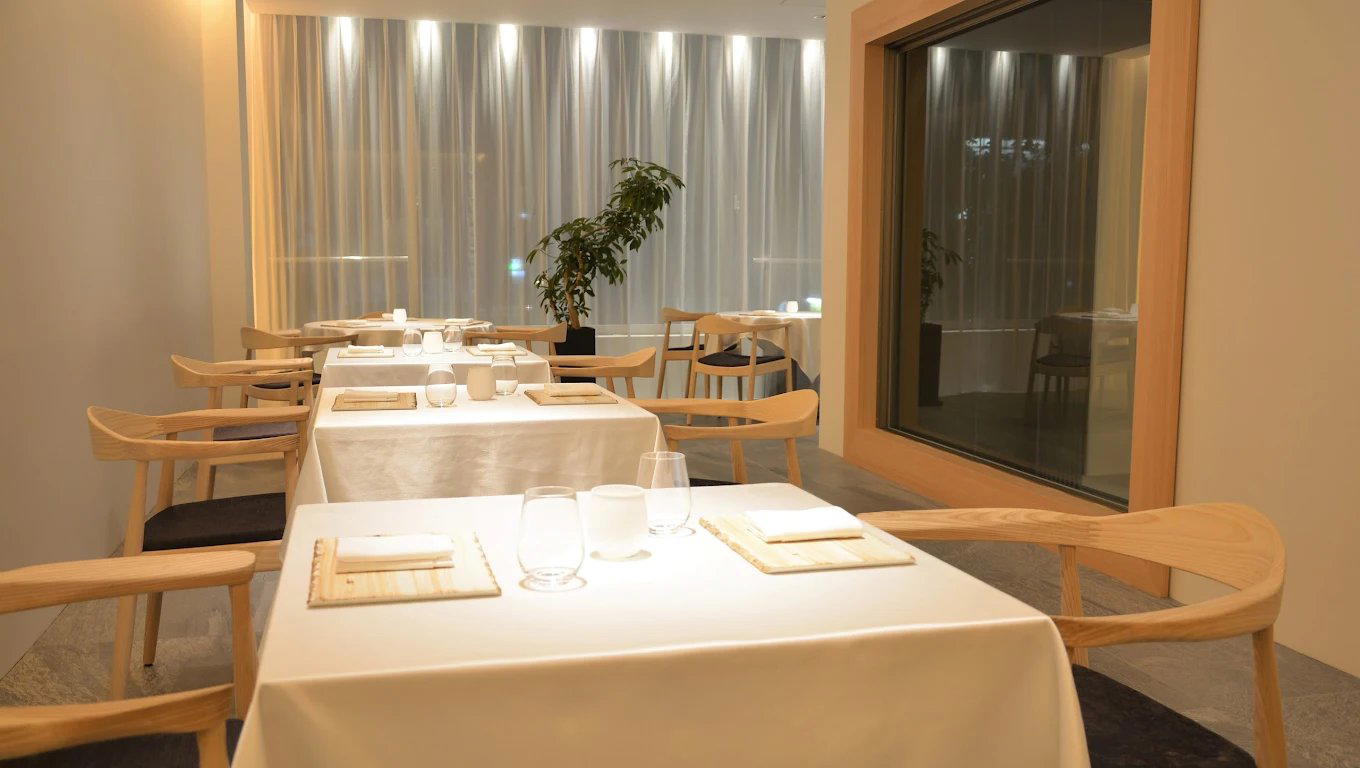
At a Glance
- Modern
- Cozy
- Elegant
- Solo
- Family
- Date Night
- Casual Hangout
- After Work
- Special Occasion
- Chefs Counter
- Standalone
- Design Destination
- Sake Program
- Extensive Wine List
- Local Sourcing
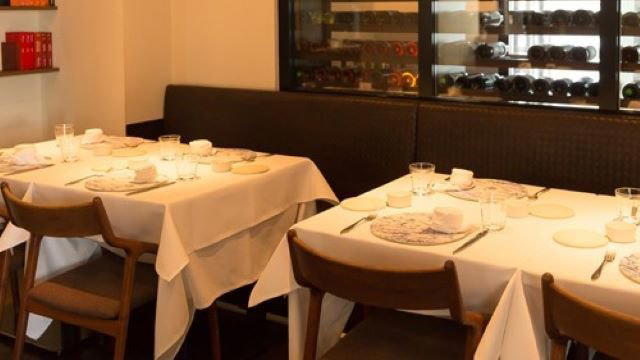
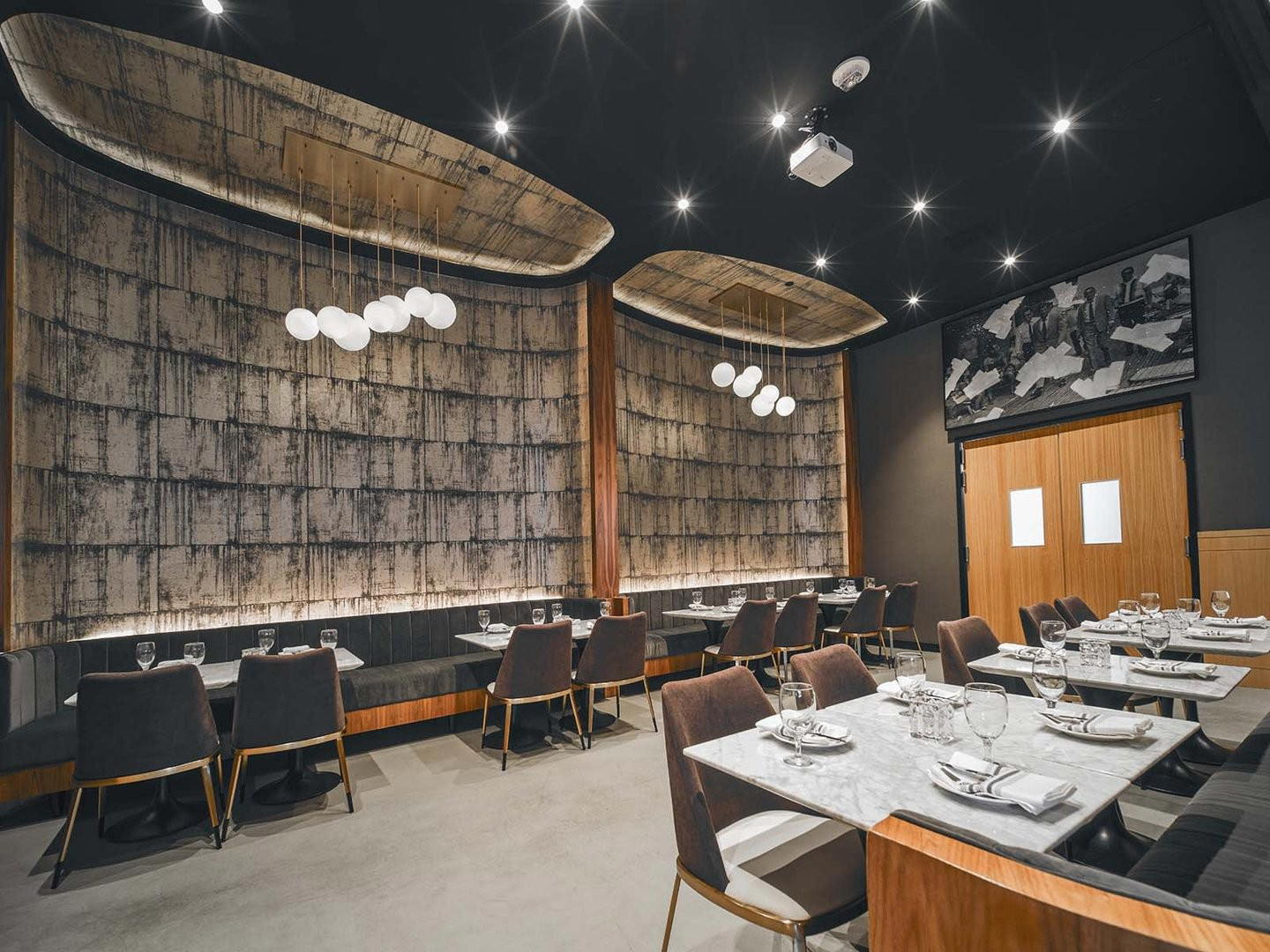
Warm, modern interior dominated by natural wood, with a small counter and a few tables creating a relaxed yet polished atmosphere suited to quiet meals and sake or wine in the evening.