

Michelin Plate · Tabelog Bronze #51
Our verdict
Osaka’s kushikatsu tradition usually reads as quick, crowded, and democratic; Kushikatsu Daibon pushes the form into a tighter counter format built around sourcing, seafood, and controlled frying. The 2026 Tabelog Award Bronze recognition, 9-seat scale, and JPY 15,000–19,999 dinner bracket place it closer to serious kappo and tempura conversations than casual Shinsekai skewers.

Pearl is the En Primeur Club membership app, where members save venues, book tables and use the concierge.
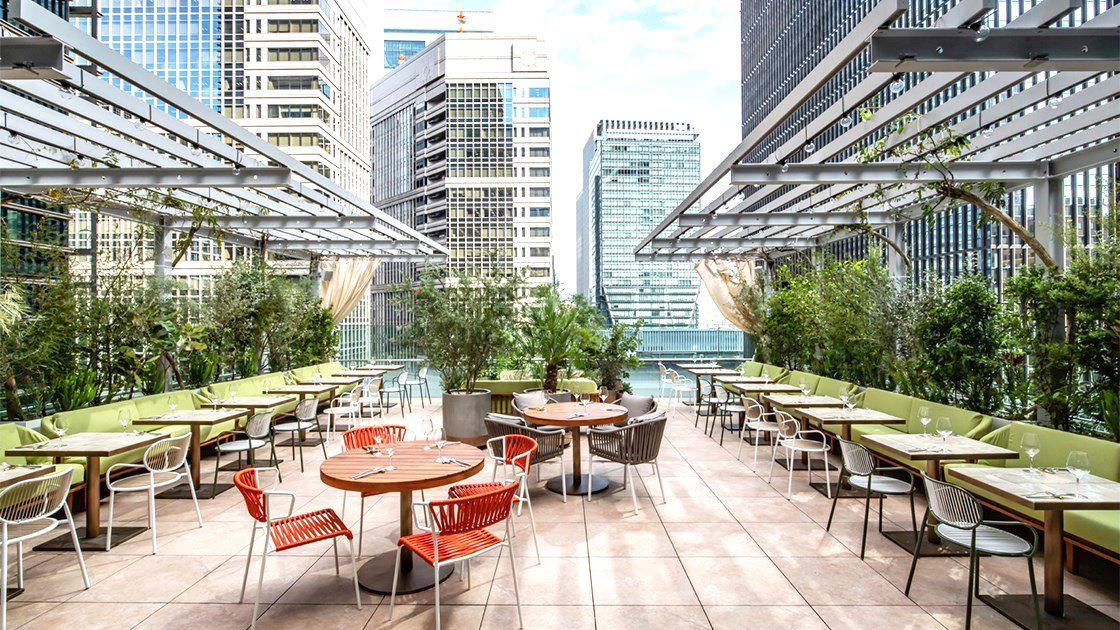
A fifth-floor restaurant in Nishitenma separates this address from the street-level kushikatsu shorthand many visitors bring to Osaka: sauce tins, speed, and after-work noise. Here, frying is the main event, not a snack between drinks. The shift matters because kushikatsu has a democratic reputation, while current Osaka dining asks how far local formats can travel when treated with the concentration usually reserved for sushi, tempura, or kappo.
Kushikatsu Daibon sits inside that question. Its 2026 Tabelog Award Bronze recognition and 4.09 score give it a measurable place in Japan’s user-driven dining hierarchy, but the sharper signal is category friction: this is kushi-age, not a broad Japanese tasting menu, priced at JPY 15,000–19,999 for dinner. In Osaka, that places it above the everyday skewer shop and below higher-spend Japanese counters such as takigawa, where dinner is listed at JPY 40,000–49,999. The value argument is not cheapness; it is whether a local deep-fried form can hold the attention given to more formal genres.
Seafood pushes Osaka kushikatsu into a narrower, more serious lane
Ingredient sourcing is the point of difference, because the restaurant’s public story identifies fish as the chef’s primary fascination rather than a supporting category. Kushikatsu can skewer almost anything, from meat to vegetables to seafood, but the form changes when marine ingredients lead: timing is less forgiving, oil management matters more, and coating and center must contrast without hiding the product under crunch. The listed standard tiger prawn, fried rare to preserve sweetness, is the clearest example of a kitchen thinking like a seafood counter while using Osaka’s deep-fried grammar.
That is why the restaurant reads closer to a specialist kushi-age counter than to a nostalgic kushikatsu shop. The apprenticeship lineage behind the name, a mashup connected to the owner-chef and the shop where he trained, adds local continuity without turning the meal into biography. Osaka dining often rewards this transmission: craft moves forward not by abandoning the old form, but by changing the purchasing, pacing, and precision around it. The mentor’s hand-lettered sign and motto, “Craft, Character, and Passion,” place the project inside a living trade rather than a decorative concept.
The closest comparison is not necessarily another skewer house. Tempura in Japan has proved that batter, oil, and season can carry high-end dining when sourcing is strong enough. Numata Sou, listed in the comparison set as tempura, sits in the broader fried-food lineage, while Oryori Yamada represents higher-formality Japanese dining in Osaka. Kushikatsu Daibon occupies the narrower space between them: more rooted in Osaka popular food than orthodox tempura, more ingredient-led than casual drinking food, and more focused than a general Japanese course menu.
Nishitenma gives the format room to grow up
Nishitenma suits this restaurant because it avoids the obvious tourist reading of Osaka food. The area sits within Kita Ward, near business districts and legal offices, and its restaurant culture can feel more reserved than the neon shorthand of Dotonbori or Shinsekai’s old kushikatsu associations. A 9-seat counter with a private room for four fits that mood: compact, controlled, and built for a skewer sequence rather than grazing through a large menu.
The restaurant opened on September 2, 2024, making the 2026 Bronze recognition unusually fast in a market where reputation often compounds over years. For readers tracking Osaka’s newer specialist counters, that suggests early consensus and places the restaurant in a current wave rather than among inherited institutions. Osaka has always been fluent in frying, batter, stock, and sauce; the newer move is tightening those forms into reservation-only rooms with fewer seats, higher ingredient spend, and drink programs beyond beer.
Drinks point that way. Sake, shochu, and wine are listed, with particular attention to wine, and BYO is part of the service framework. For a seafood-led skewer sequence, this matters more than at a casual counter: wine can sharpen distinctions between courses and keep the meal from feeling like one repeated texture. Sake and shochu ground the room in Japanese drinking culture, while the wider structure signals a paced meal rather than a quick stop.
The practical shape is tight: reservation-only, two evening seating windows across operating days, and closure on Wednesdays, Sundays, and public holidays. The 15-minute cancellation rule after a missed reservation time is strict by casual Osaka standards but normal for a small counter with limited nightly capacity. Credit cards are accepted; electronic money and QR payments are not. Parking is not provided, with coin parking nearby. This is a planned dinner, not a spontaneous skewer crawl.
Where it sits in an Osaka itinerary
For travelers mapping Osaka through food, Kushikatsu Daibon corrects the idea that the city’s essential eating is only low-cost and high-volume. That side remains vital, from pork buns at 551 Horai (551蓬莱) to bakery stops such as 52CHO-ME BAKERY and casual café addresses like .cafe. But a serious Osaka itinerary should track how local formats are refined at higher price points, whether through Italian-leaning rooms such as a canto (Italian), pizza specialists like 99 Pizza Napoletana Gourmet, or small Japanese counters that compress tradition into fewer seats.
The family-friendly listing is unusual at this scale and price. Children, including babies, preschoolers, and school-age children, are accepted; a kids menu and stroller access are listed, with counter reservations or private room use available. That does not make the room casual, but it widens the audience beyond the business-dinner default. In Osaka, where food culture often crosses generations rather than isolating luxury from daily life, the detail feels culturally coherent.
Readers planning beyond one dinner can use Our full Osaka restaurants guide for the wider dining map, then pair the meal with Our full Osaka hotels guide, Our full Osaka bars guide, Our full Osaka wineries guide, and Our full Osaka experiences guide. For broader Japan context, compare how regional specialisms read elsewhere: beef sukiyaki at -Grilled beef Sukiyaki- KAMAKURA TANUKIAN 鎌倉 たぬき庵 in Kamakura, charcoal tuna in Tokyo at. 鮪と炭火焼き うお炭 秋葉原店 in Tokyo, contemporary dining at.know in Kumamoto, Vietnamese cooking at (Shoku) Vietnam in Kawasaki, curry specialization at [Curry Senmon Ten] Maruyama Kyoju. in Sapporo, Kyoto dining at [ki:] in Kyoto, and the Japanese-food conversation abroad at Jōdo Saké Bar in Los Angeles and Onigiri Time in Pasadena.
The editorial case is clear: choose this restaurant not for “where can kushikatsu be eaten?” but for “what happens when Osaka’s skewer tradition is treated as a sourcing-led counter format?” The answer is a small, seafood-minded room giving a familiar local language the discipline of a serious evening meal.
Frequently asked questions
Is Kushikatsu Daibon a family-friendly restaurant?
Yes. The venue explicitly welcomes children, including babies and preschoolers, and lists a kids' menu plus stroller access. It also offers private room use for up to 4 people, which suits family dining in Osaka.
How would you describe the vibe at Kushikatsu Daibon?
The room is compact, with 9 seats and reservation-only service, so the experience feels focused rather than casual drop-in dining. In Osaka’s Nishitenma district, the format suits a quiet counter meal built around kushikatsu and a Tabelog 2026 Bronze award.
When is Kushikatsu Daibon open?
Hours at Kushikatsu Daibon: Mon: 6 PM–12 AM; Tue: 6 PM–12 AM; Wed: Closed; Thu: 6 PM–12 AM; Fri: 6 PM–12 AM; Sat: 6 PM–12 AM; Sun: Closed.
What part of town is Kushikatsu Daibon in?
Kushikatsu Daibon is located in Osaka.
Snapshot
Nearby venues at a similar price tier for orientation.
| Venue | Cuisine | Price | Awards | Notes |
|---|---|---|---|---|
| Kushikatsu DaibonThis venue (the venue you are viewing) | Modern Kushikatsu | $100–150 | Michelin Plate · Tabelog Bronze #51 | Not listed |
| Jizakeya Iwatsuki | Sake-Paired Japanese Izakaya | $50–100 | Michelin Plate | Kita |
| Temmabashi Fujikawa | Kappo Kaiseki with Tempura | $100–150 | Michelin Plate | Kita |
| Kasane | Oden & Japanese Cuisine | $50–100 | Michelin Plate | Kita |
| Unkaku | Traditional Kaiseki | $150–200 | Michelin Plate | Kita |
| Sushi Kyomachibori Sato | Edomae Omakase Sushi | $100–150 | Michelin Plate | Nishi |
Recognition history
Dated appearances from independent guides and award organizations, with the underlying list record or original source where available.
Michelin Plate
Michelin
Tabelog Bronze #51
Tabelog
Continue exploring
More in Osaka
Restaurants in Osaka
All restaurants in Osaka →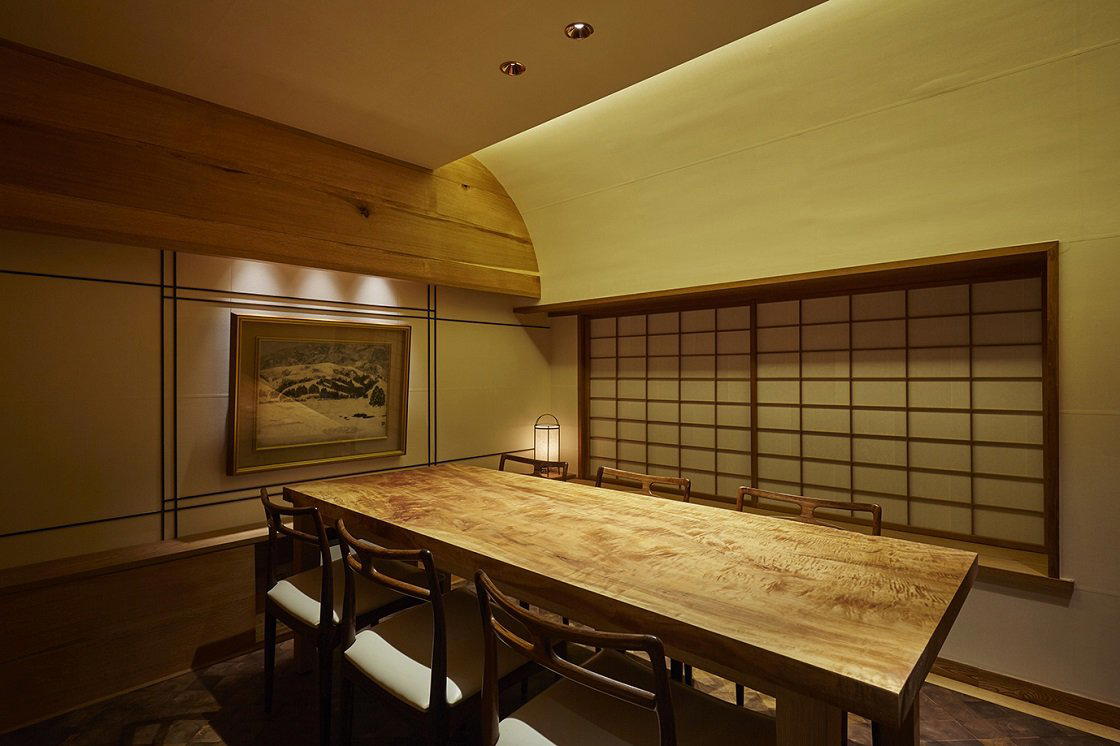
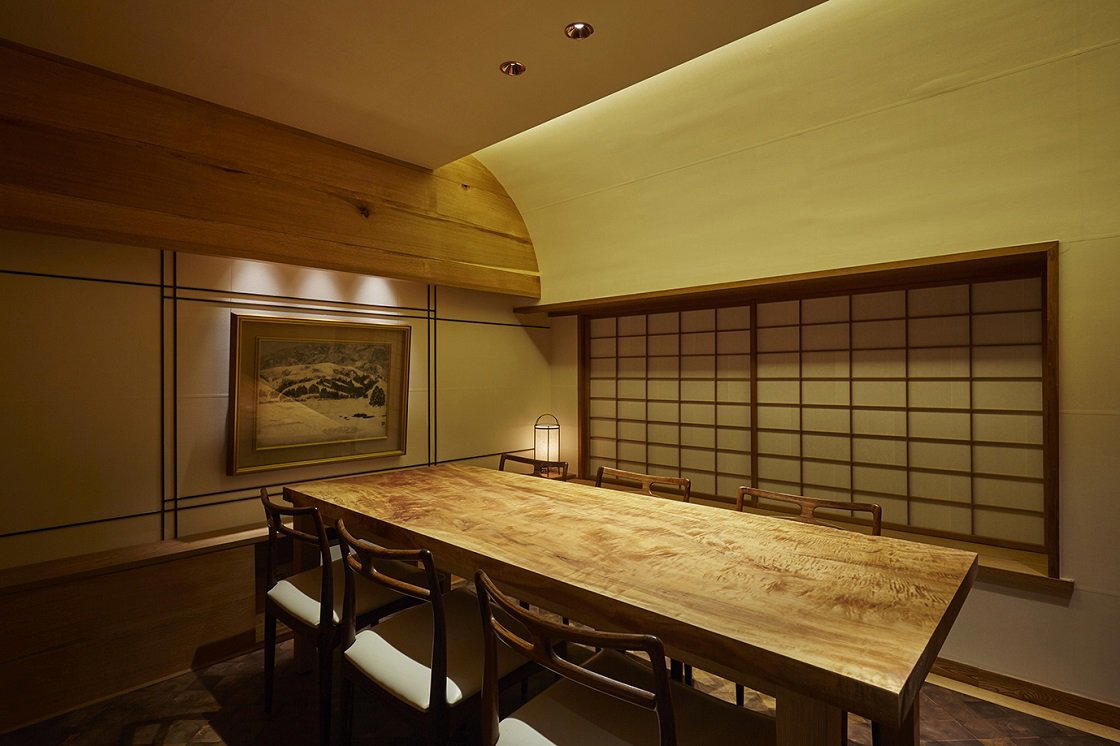



Bars in Osaka
All bars in Osaka →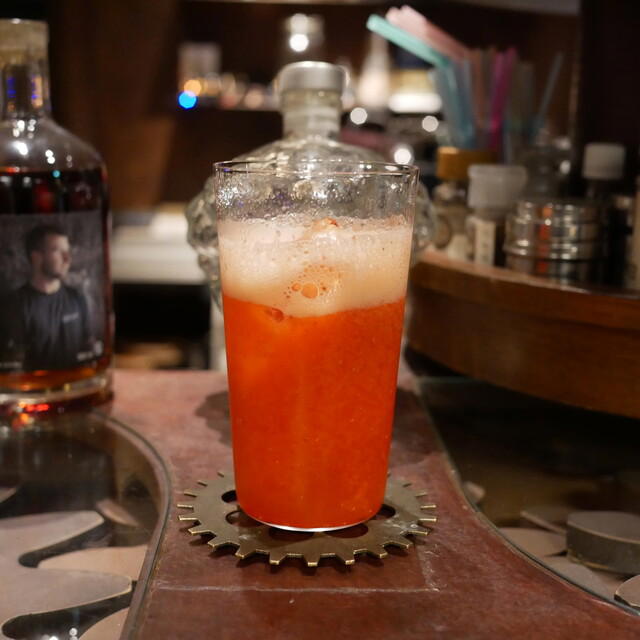



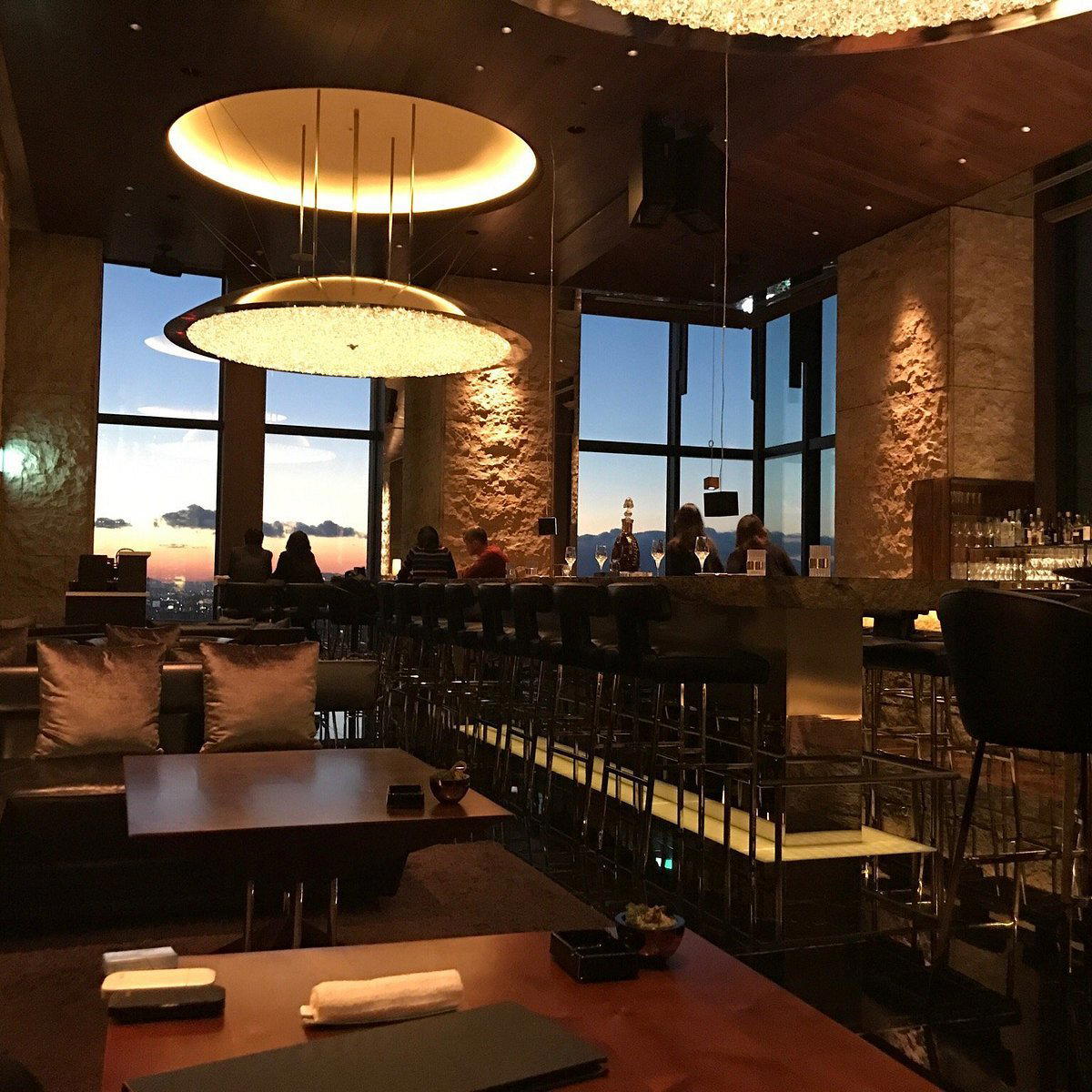
Hotels in Osaka
All hotels in Osaka →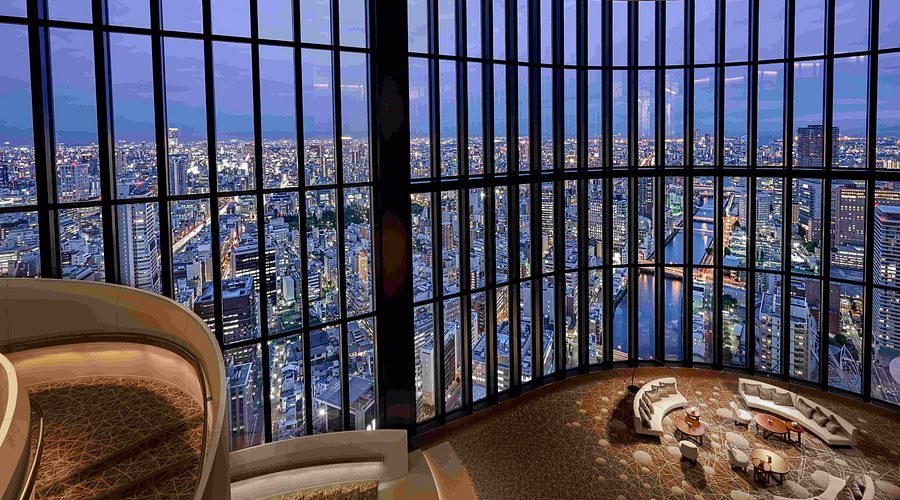

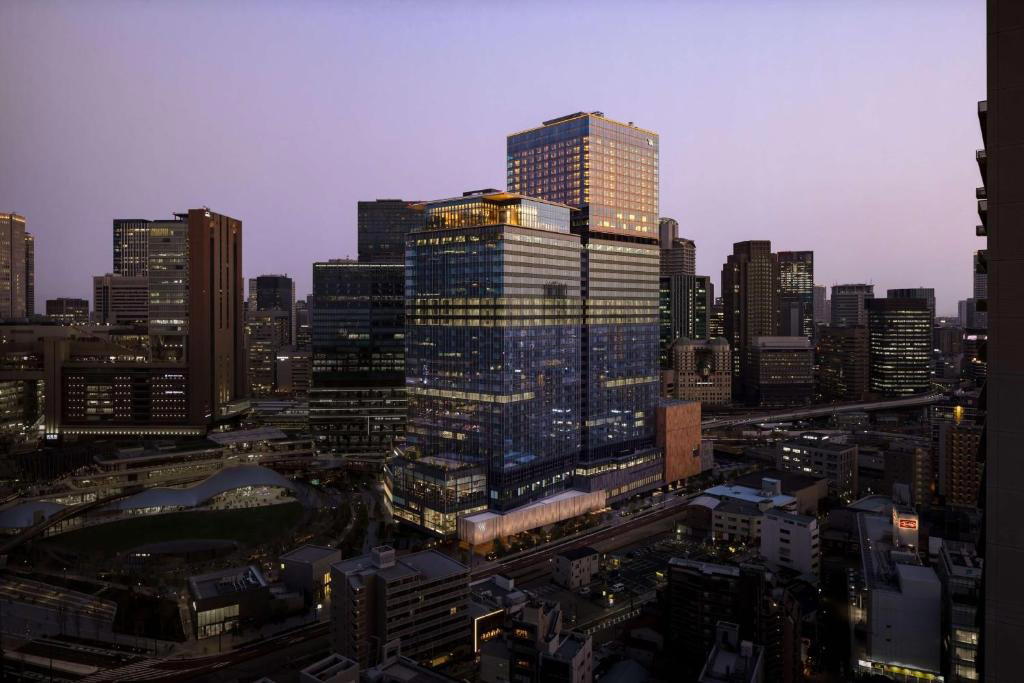

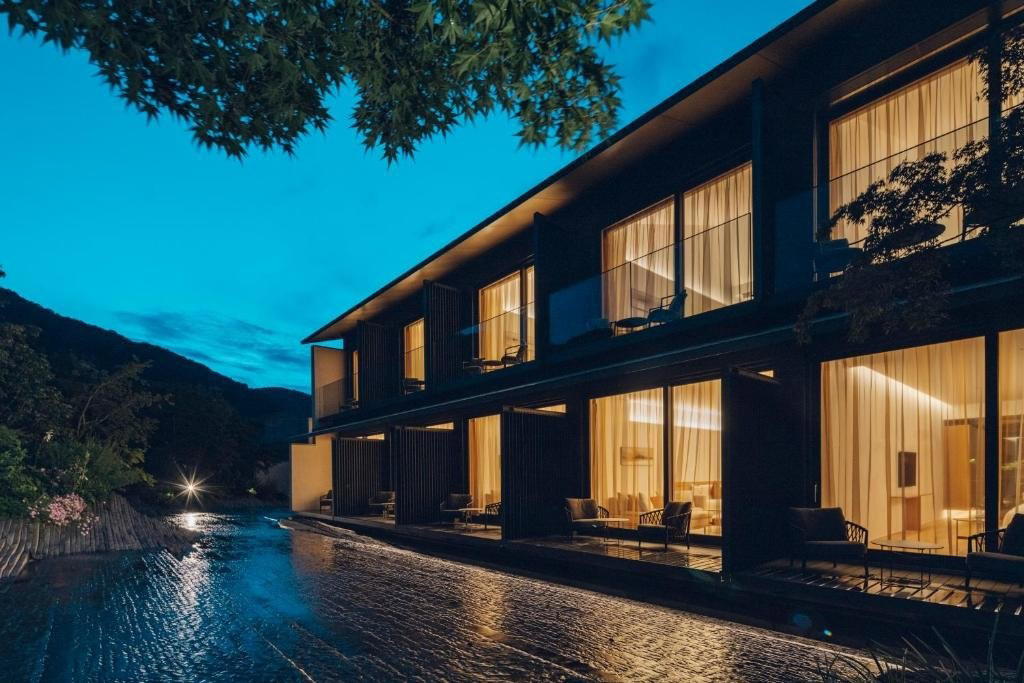
Wineries in Osaka
Browse all →
Details
- Sophisticated
- Intimate
- Elegant
- Business Dinner
- Special Occasion
- Date Night
- Chefs Counter
- Private Dining
- Open Kitchen
- Sake Program
- Prix Fixe
- Small Plates
- Counter Dining
- Sake Program
- Wine
Current opening hours
- Monday
- 6 PM–12 AM
- Tuesday
- 6 PM–12 AM
- Wednesday
- Closed
- Thursday
- 6 PM–12 AM
- Friday
- 6 PM–12 AM
- Saturday
- 6 PM–12 AM
- Sunday
- Closed
Hours can change for holidays and private events. Hours as of .
Cozy and sophisticated counter and private room setting with careful attention to frying timing.