
Michelin Plate
Our verdict
A custodian of Osaka's kappo tradition, Naniwaryori Satou presents its long Japanese menu written right-to-left like a scroll, anchored by the house signature Tenjin Kobai Mushi, savoury egg custard prepared with dried-plum broth and finished with plum glaze, a dish passed directly from mentor to apprentice. The address is Doshin, Kita-ku; reservations warrant advance planning given the counter's intimate format.

Pearl is the En Primeur Club membership app, where members save venues, book tables and use the concierge.
A Menu Written Like a Scroll
There is a particular kind of restaurant in Osaka where the menu arrives as a document rather than a list. At Naniwaryori Satou in Doshin, Kita-ku, the menu is written in Japanese running right-to-left, in the manner of a classical scroll. Before a single dish is served, the format itself announces something about the register of cooking you are entering: this is a room where the conventions of Naniwa-style kappo, Osaka's own lineage of counter dining, are taken seriously enough to be encoded in the presentation of text.
Kappo, as a format, sits between the stricture of kaiseki and the relative informality of an izakaya. It demands technical discipline from the cook and a degree of attentiveness to the guest that is closer to a private engagement than a restaurant transaction. The chef at Satou came up through that tradition directly, honing his craft at a Naniwa kappo before opening under a name that carries visible evidence of that debt: the character for 'u' added to his surname, Sato, is taken from the shop where he apprenticed. The name of the restaurant is, in effect, a citation.
Within Osaka's broader scene of high-end Japanese dining, that kind of institutional continuity matters. Kashiwaya Osaka Senriyama and Taian both operate in the kaiseki register at a comparable price tier, representing a more codified approach to seasonal Japanese cooking. Satou occupies a different, though adjacent, position: the kappo format allows for a more fluid relationship between chef and guest, with the counter as the primary site of exchange rather than a sequence of structured courses arriving from a remove.
The Architecture of the Signature Dish
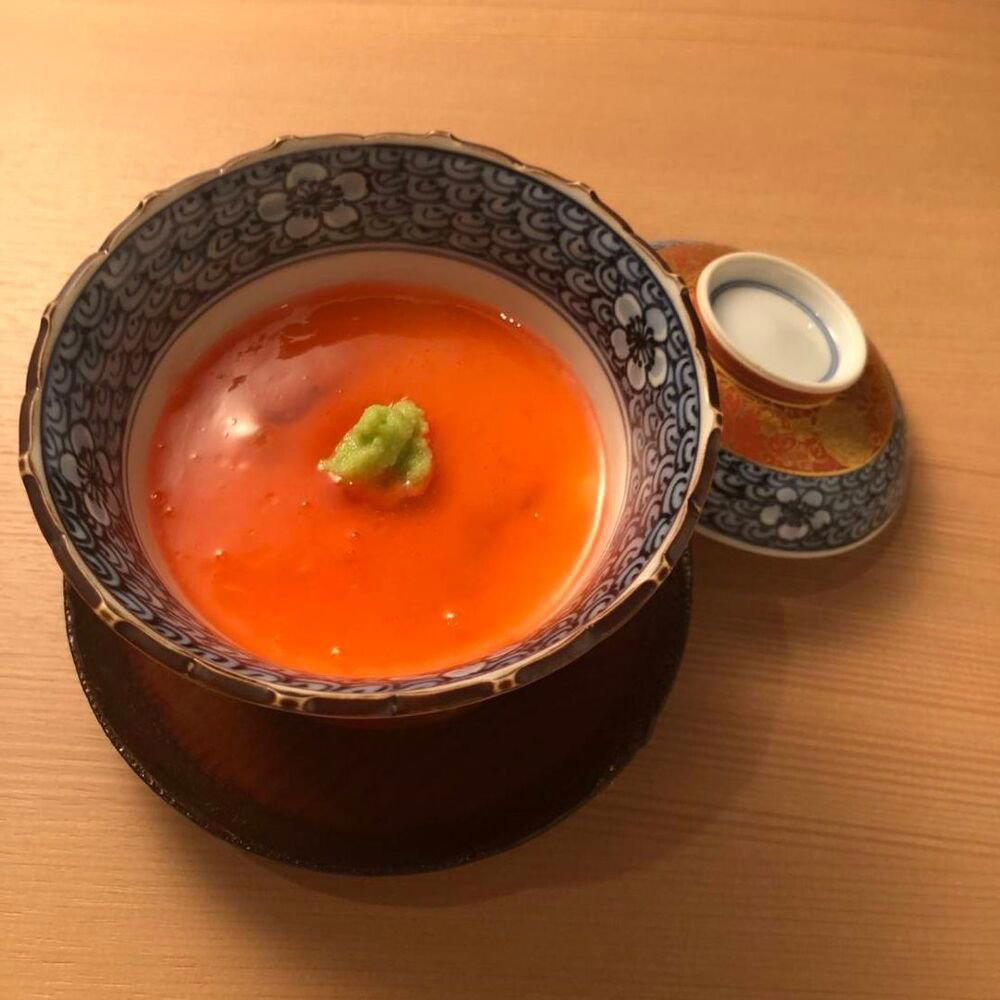
The editorial angle on any menu built around kappo tradition is the degree to which lineage survives translation across generations. At Satou, the answer arrives in a single preparation: Tenjin Kobai Mushi, a savoury egg custard made with dried-plum broth and finished with a delicate plum glaze. The dish was passed down from mentor to apprentice along with the serving bowls used to present it. Those bowls are not decorative; they are evidence of an unbroken custodial chain.
Chawanmushi, steamed egg custard, is well-established territory in Japanese cooking, but the Tenjin Kobai preparation represents a specific interpretation tied to Osaka's flavour sensibilities: the acidity of the plum cuts against the richness of the egg, and the dried-plum broth introduces an umami depth that differs from the more common dashi base. The dish arrives in inherited ceramics. That is not sentiment; it is information about where the recipe sits in a longer sequence of transmission.
The scroll-format menu surrounding that signature is similarly intentional. Reading right-to-left slows the engagement with the menu itself, orienting the diner toward a more deliberate mode of attention. It is the opposite of a menu designed for rapid scanning, and it signals that the meal will follow a similar logic: considered, sequential, unhurried.
Osaka at the Counter
Osaka has always maintained a distinct identity from Kyoto's more ceremonially rigid dining culture, and kappo is part of that distinction. Where Kyoto kaiseki premises its authority on seasonal exactitude and formal service, kappo counters like Satou premise theirs on the chef's reading of the guest. The chef at Satou is noted specifically for quick thinking in identifying and responding to guest preferences, a quality that in kappo is as much a technical skill as knife work or stock preparation.
HAJIME and La Cime operate in the French and innovative registers at the ¥¥¥¥ tier, representing Osaka's appetite for technically ambitious cooking that draws outside its own tradition. Fujiya 1935 occupies a comparable position in the innovative category. Satou sits apart from all of them: the frame of reference is local, the lineage is Osakan, and the menu is structured around the preservation and precise execution of inherited technique rather than invention.
That distinction matters for the reader deciding between Osaka's options. If the question is where to engage with what Osaka's own culinary tradition looks like at a serious counter level, Satou makes a coherent case. The scroll menu, the inherited serving bowls, the plum-custard signature: each detail is consistent with the same argument about continuity and transmission.
Across Japan more broadly, the counter format carries different inflections city by city. Harutaka in Tokyo and Gion Sasaki in Kyoto represent high-end Japanese counter dining in their respective registers; both operate with a lineage logic not unlike Satou's, but within the sushi and kaiseki formats respectively. Further afield, akordu in Nara, Goh in Fukuoka, Bleston Court Yukawatan in Nagano, and giueme in Akita each show how regional Japanese dining traditions sustain themselves through specific counter formats and inherited craft disciplines. The pattern at Satou is legible within that national context.
Planning a Visit
Naniwaryori Satou is located at 1-1-11 Doshin, Kita-ku, Osaka. The intimate counter format typical of kappo restaurants at this register means that reservations at serious Osaka counters routinely require advance planning of several weeks to a month or more, and Satou's profile within the tradition suggests similar lead time is prudent. The long scroll menu is written in Japanese, and the meal proceeds through the chef's reading of guest preferences, so communicating dietary requirements or preferences clearly at the point of booking is both practical and consistent with the kappo format's own logic.
For a fuller orientation to dining, accommodation, bars, and experiences in the city, see our full Osaka restaurants guide, our full Osaka hotels guide, our full Osaka bars guide, our full Osaka wineries guide, and our full Osaka experiences guide.
Frequently asked questions
Has Naniwaryori Satou won any awards?
Naniwaryori Satou has received recognition including: The chef honed his skills at a Naniwa (Osaka-style) kappo. The restaurant’s name, ‘Satou’, adds a kanji for the ‘u’ to his surname, Sato, in homage to the shop where he apprenticed. The long Japanese menu is written right-to-left, like a sc….
What part of town is Naniwaryori Satou in?
Naniwaryori Satou is located at 1-1-11 Doshin, Kita-ku, Osaka.
What do people recommend at Naniwaryori Satou?
The dish most associated with the restaurant is Tenjin Kobai Mushi, a savoury egg custard prepared with dried-plum broth and finished with a plum glaze. It was passed down directly from the chef's mentor at a Naniwa-style kappo, along with the serving bowls used to present it. That kind of direct lineage in both technique and vessel is unusual even within Osaka's kappo tradition.
How far ahead should I plan for Naniwaryori Satou?
The intimate counter format typical of kappo restaurants at this register means seating is limited, and reservations should be made well in advance. Booking several weeks ahead is a reasonable minimum; for weekend sittings or group visits, aim for further out. No phone or website is publicly listed, so securing a reservation through a hotel concierge or local dining service is the practical route.
What has Naniwaryori Satou built its reputation on?
The restaurant's identity is rooted in Osaka's kappo tradition rather than Kyoto's more ceremonially structured kaiseki model. The chef trained at a Naniwa-style kappo and named the restaurant in direct homage to his mentor's shop, adding a kanji to his own surname Sato to form 'Satou' as an acknowledgment of that lineage. His reputation also rests on reading guests quickly and adjusting service to their preferences, which is a defining feature of kappo's counter-led format.
Do they accommodate allergies at Naniwaryori Satou?
The kappo counter format at Satou is built around the chef's direct interaction with guests, and the restaurant is noted for the chef's attentiveness to individual preferences. Communicating dietary requirements clearly at the time of booking, ideally through a Japanese-speaking intermediary, is advisable.
What is the significance of the name Naniwaryori Satou?
The name carries a deliberate tribute: the chef's surname is Sato, but the restaurant spells it 'Satou' by adding a kanji for the elongated vowel, mirroring the name of the Naniwa-style kappo where he apprenticed. 'Naniwaryori' identifies the cuisine as Osaka in origin, Naniwa being the historical name for the city. The naming choice signals that the restaurant positions itself as a continuation of a specific lineage, not a reinvention of it.
Recognition Snapshot
Comparable venues nearby, for context on price, style, and recognition.
| Venue | Cuisine | Price | Awards | Notes |
|---|---|---|---|---|
| Naniwaryori SatouThis venue (the venue you are viewing) | Naniwa Ryori (Osaka-style Japanese Cuisine) | Not listed | Michelin Plate | Not listed |
| Kasane | Oden & Japanese Cuisine | $50–100 | Michelin Plate | Kita |
| Sushi Shigenaga | Edomae Sushi Omakase | $150–200 | 1 Michelin Star | Kita |
| Manger | Premium Tonkatsu | $30–50 | Tabelog 100 #67 | Yao |
| Jizakeya Iwatsuki | Sake-Paired Japanese Izakaya | $50–100 | Michelin Plate | Kita |
| Hide | Japanese Izakaya | $500+ | Tabelog Bronze #105 | Chūō |
Recognition history
Dated appearances from independent guides and award organizations, with the underlying list record or original source where available.
Michelin Plate
Michelin
Continue exploring
More in Osaka
Restaurants in Osaka
All restaurants in Osaka →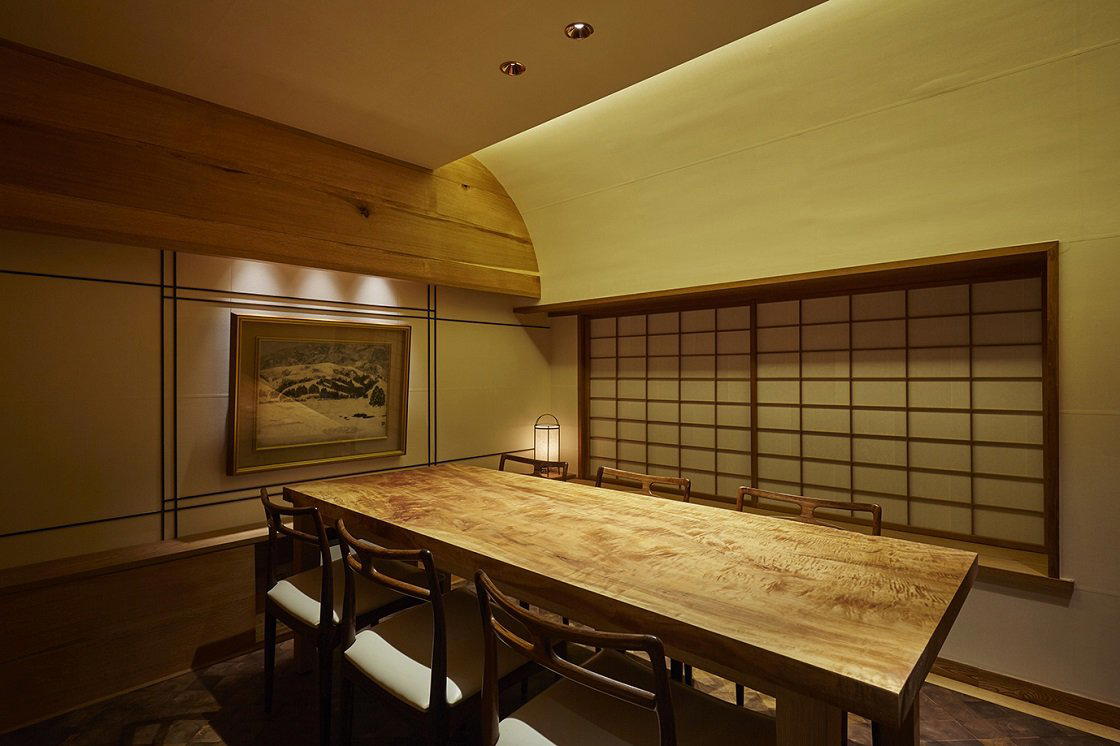

Bars in Osaka
All bars in Osaka →

Hotels in Osaka
All hotels in Osaka →




Wineries in Osaka
Browse all →
Details
- Elegant
- Intimate
- Sophisticated
- Business Dinner
- Special Occasion
- Sake Program
- A La Carte
- Sake
Current opening hours
- Monday
- 5–10:30 PM
- Tuesday
- 5–10:30 PM
- Wednesday
- 5–10:30 PM
- Thursday
- 5–10:30 PM
- Friday
- 5–10:30 PM
- Saturday
- 5–10:30 PM
- Sunday
- Closed
Hours can change for holidays and private events. Hours as of .
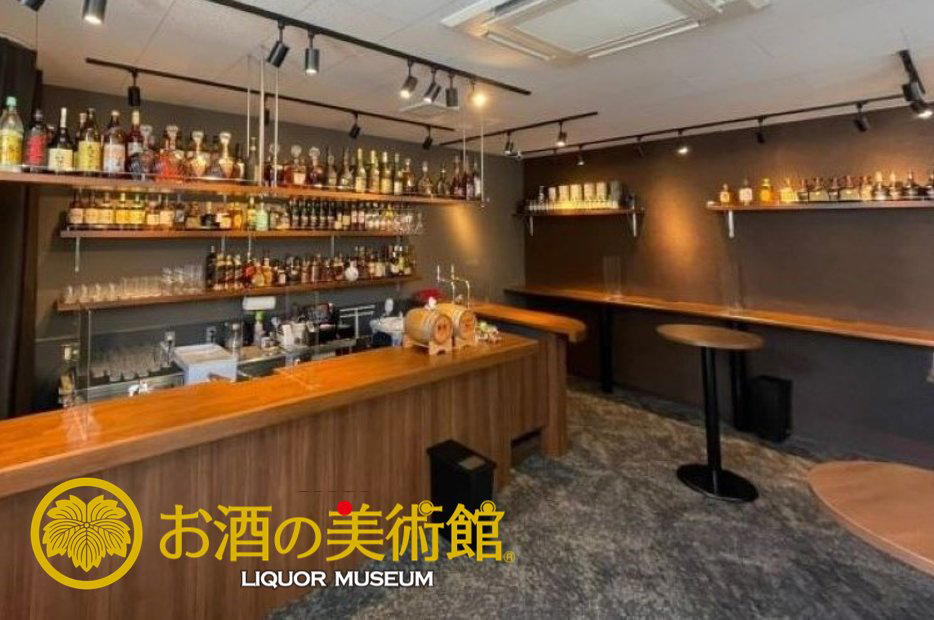
Relaxing and stylish space with counter seating typical of high-end Japanese cuisine establishments.