Google: 4.5 · 53 reviews

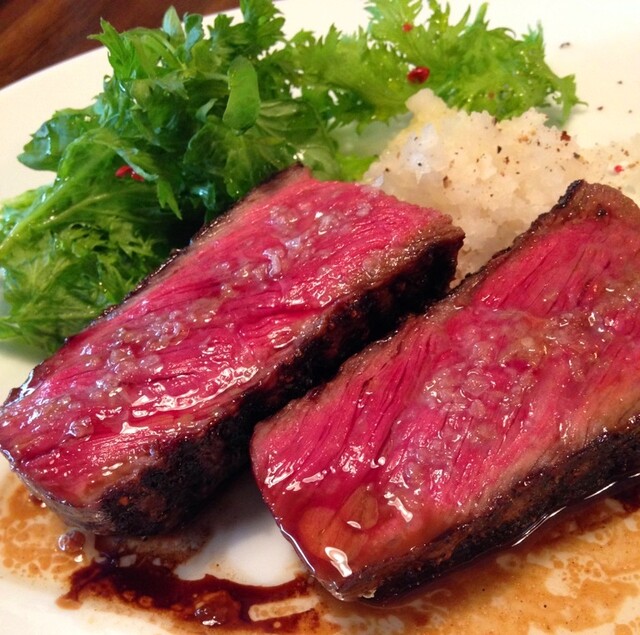
Wayoshusai Hide holds a Tabelog Bronze Award (2026) and has appeared on the Tabelog Izakaya WEST 100 list every year since 2021, placing it among Osaka's most consistently recognised izakaya. Operating reservation-only from Shinsaibashi, it focuses on fish-driven cooking paired with a carefully selected sake list. Dinner averages JPY 10,000–14,999, making it a credible middle tier between neighbourhood taverns and the city's kaiseki circuit.

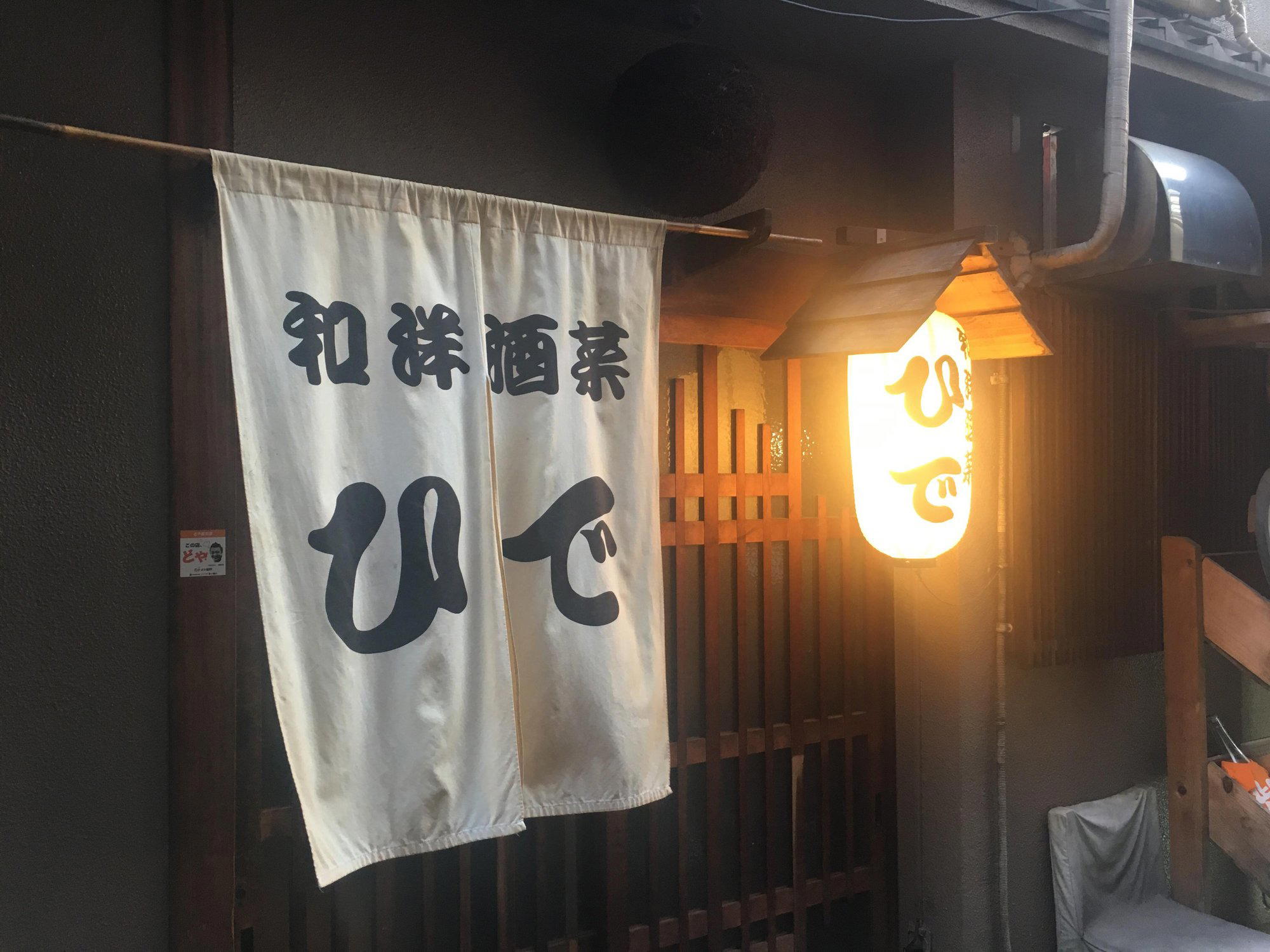
Shinsaibashi at night runs on a particular frequency: the clatter of covered arcades, the smell of grilled things drifting from basement staircases, the narrow doorways that open onto rooms that feel nothing like the street outside. Osaka's izakaya tradition is built on exactly this compression of contrasts, and Wayoshusai Hide, a reservation-only counter on Shinsaibashisuji, sits inside that tradition while pulling measurably above its casual end. The counter format, the sake-first drink program, and a kitchen with a stated focus on fish place it in the tier of izakaya that operate closer to the discipline of a dedicated fish restaurant than to the all-things-to-all-people neighbourhood tavern.
Where the Izakaya Format Gets Serious
Japan's izakaya category covers an enormous range: from chain operations with laminated menus to single-counter rooms where the menu changes by what arrived at market that morning. Osaka, more than Tokyo, tends to reward the latter type. The city's food culture has long been organised around freshness and value in proximity, and the highest-regarded izakaya here earn their standing by narrowing focus rather than expanding it.
Hide sits in the focused tier. The fish emphasis and the particular attention given to sake as a pairing category are structural commitments, not decorative touches. Tabelog's review data, which aggregates thousands of diner responses across Japan, has placed it on the Izakaya WEST 100 list in 2021, 2022, 2024, and 2025, and the venue has won the Tabelog Bronze Award consecutively from 2021 through 2026, excluding only 2023 from the current record. That kind of sustained recognition across multiple assessment years is a more reliable signal than any single-year placement: it indicates consistent execution rather than a peak followed by drift.
The Tabelog score of 4.25 for the 2026 cycle, supported by a Google aggregate of 4.5 across 45 reviews, places it inside a peer group that Osaka's casual-premium dining audience treats as reference points. For context, Tabelog Bronze at this score level puts Hide in a different competitive bracket from the city's Michelin-flagged kaiseki rooms, such as Taian or Kashiwaya Osaka Senriyama, where the format is highly structured and the price floor is considerably higher. It also sits at a different register from the city's French-influenced fine dining, represented by venues like HAJIME and La Cime. Hide's value is in occupying the space between neighbourhood informality and formal tasting-menu discipline, doing so with enough consistency to have earned external validation year after year.
The Sound and Light of a Counter Room
Counter seating is not incidental to the izakaya experience at this level; it is the experience. The counter removes the distance between kitchen and guest that a table service model maintains. You are close to the work. The sounds of preparation, the movement of hands, the sequencing of dishes arriving to order rather than by a fixed script, these elements are the sensory architecture of the format. In Osaka's better counter izakaya, the rhythm of an evening is set by the dialogue between what is being prepared and what is being poured alongside it.
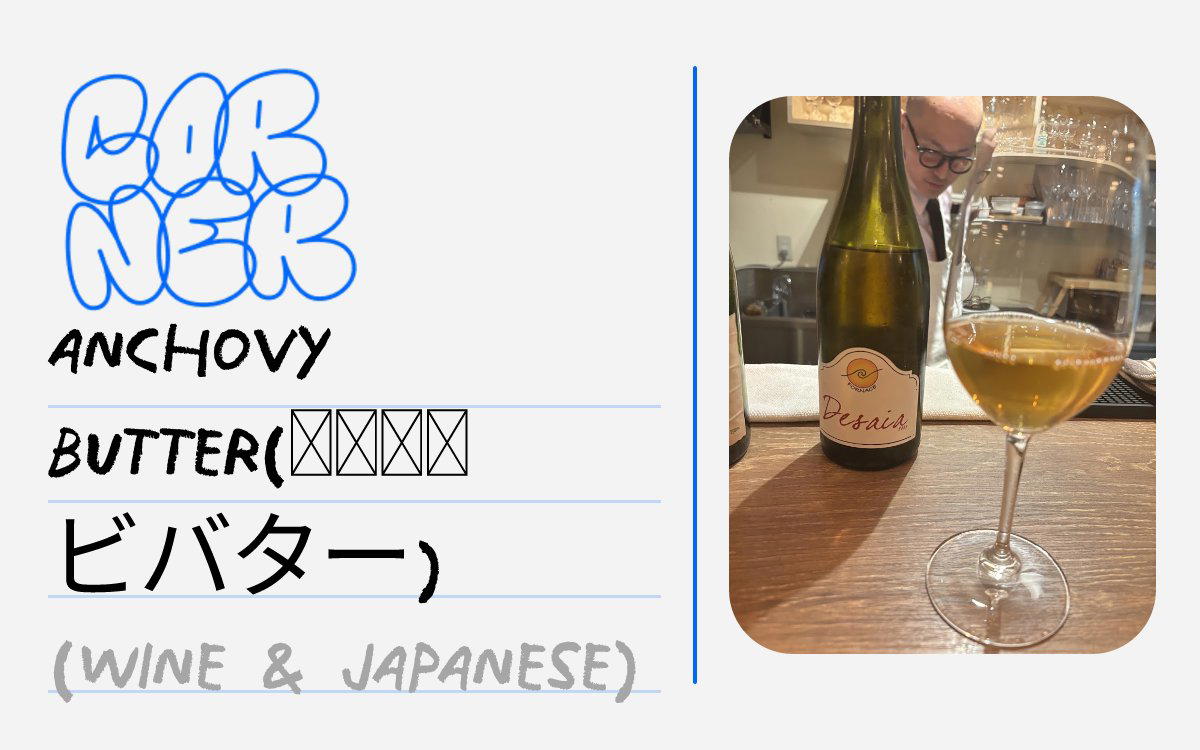
At Hide, that dialogue runs through sake. The drink program is described specifically as particular about nihonshu, which in izakaya terms signals a curatorial approach to the sake list rather than a generic offering. Sake pairing at this level functions as a second editorial layer over the food: regional producers, seasonal expressions, and temperature choices that shift how a dish reads. This is the kind of detail that Tabelog's regular high-scoring visitors tend to note, and it contributes to the sustained scores across assessment cycles.
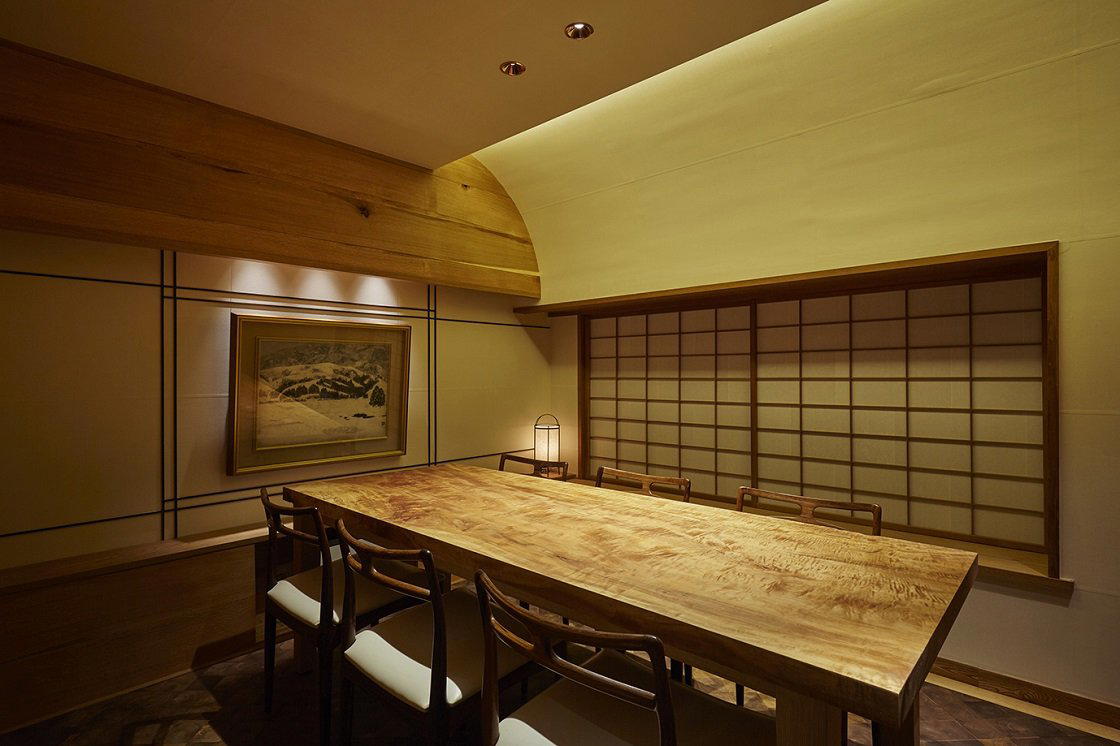
The room itself accommodates counter seating and can be used for private hire up to 20 people, though no private rooms are available in the conventional sense. The venue is non-smoking. Payment is cash-based: credit cards, electronic money, and QR code payments are all declined. This is worth knowing before arrival and is not uncommon among Osaka's more established independent counters, where the economics of operation favour simplicity over payment infrastructure.
Fish-Focused, Sake-Serious: The Editorial Logic
Fish-forward izakaya occupy a particular position in Japan's dining taxonomy. The category blurs into sashimi specialty restaurants at the upper end, and into general izakaya at the lower, but the middle ground, where a kitchen is genuinely selective about sourcing and preparation while retaining the informal spirit of sake-and-small-plates dining, is where the most interesting eating often happens. This format has strong parallels across Japan's port-adjacent cities, and Osaka, with its historical fish market infrastructure and proximity to Osaka Bay and the Seto Inland Sea, has always supported it.
The dinner spend range of JPY 10,000 to JPY 14,999 per person places Hide at the considered end of the izakaya category without crossing into the formal tasting-menu tier. For comparison, the Michelin-starred kaiseki rooms in Osaka typically operate at significantly higher price floors. Hide's positioning gives diners access to serious fish cookery and a curated sake list at a spend level that reflects the izakaya model's inherent value proposition. That combination of credential and price is part of why its Tabelog recognition has held across five award cycles.
Comparable fish-and-counter discipline appears at the highest levels of Japanese dining elsewhere. Visitors who have eaten at Harutaka in Tokyo or Gion Sasaki in Kyoto will recognise the underlying orientation, even if the formality and price tier differ considerably. Hide operates in the same current of ingredient-led, fish-serious cooking without the ceremony or cost of those rooms.
Booking, Timing, and Access
Hide operates Tuesday through Sunday, opening from 18:00 each evening. Mondays are closed. Closing time varies by how the evening's guests and service unfold, which is standard for reservation-only counter operations of this type. The venue accepts reservations only; walk-ins are not part of the model.
The address sits on Shinsaibashisuji in Chuo Ward, approximately 415 metres from Shinsaibashi station, making it accessible on foot from one of Osaka's most connected transit points. The covered shopping arcade of Shinsaibashisuji connects southward to Dotonbori and northward toward Honmachi, placing the venue within easy reach of the city centre's hotel corridor. There is no parking at the venue, and given the location's density and transit access, arriving by train is the practical approach. Visitors staying in the Namba or Shinsaibashi area will find the walk direct.
For those building a broader Osaka itinerary, the city's dining options extend well beyond this one category. Our full Osaka restaurants guide covers the range from counter izakaya through to the Michelin circuit. The Osaka hotels guide maps accommodation options relative to the city's dining districts, and the bars guide covers the city's cocktail and whisky drinking rooms. For those extending travel across the Kansai region, akordu in Nara represents a very different food register, as does Gion Sasaki in Kyoto for those interested in how the kaiseki tradition handles fish at the highest level. Further afield, Goh in Fukuoka and 1000 in Yokohama each sit at the upper end of their respective city's restaurant hierarchies. For those curious about how fish-focused counter cooking translates into formal fine dining contexts internationally, Le Bernardin in New York City and Atomix represent that register, as does 6 in Okinawa within Japan. Osaka's Fujiya 1935 offers a local counterpoint in the innovative tasting-menu category. Further Osaka resources include the wineries guide and the experiences guide.
Know Before You Go
- Address: 2 Chome-1-3 Shinsaibashisuji, Chuo Ward, Osaka, 542-0085, Japan
- Hours: Tuesday to Sunday from 18:00 (reservation only). Closing time varies. Closed Mondays.
- Reservations: Required. No walk-ins accepted.
- Average dinner spend: JPY 10,000 to JPY 14,999 per person
- Payment: Cash only. Credit cards, electronic money, and QR code payments are not accepted.
- Seating: Counter seating. No private rooms; private hire available for up to 20 people.
- Smoking: Non-smoking throughout.
- Nearest transit: Shinsaibashi station, approximately 415 metres on foot.
- Parking: Not available at the venue.
- Drink focus: Sake (nihonshu), with a curated selection.
- Food focus: Fish-led cooking.
- Awards: Tabelog Bronze 2021, 2022, 2024, 2025, 2026. Tabelog Izakaya WEST 100 selection 2021, 2022, 2024, 2025. Tabelog score 4.25 (2026 cycle).
Local Peer Set
A small comparison set for context, based on the venues we track.
| Venue | Cuisine | Price | Notes |
|---|---|---|---|
| Hide | This venue | ||
| HAJIME | French, Innovative | ¥¥¥¥ | French, Innovative, ¥¥¥¥ |
| La Cime | French | ¥¥¥¥ | French, ¥¥¥¥ |
| Kashiwaya Osaka Senriyama | Japanese | ¥¥¥ | Japanese, ¥¥¥ |
| Taian | Kaiseki, Japanese | ¥¥¥ | Kaiseki, Japanese, ¥¥¥ |
| Fujiya 1935 | Innovative | ¥¥¥¥ | Innovative, ¥¥¥¥ |
Continue exploring
More in Osaka
Restaurants in Osaka
Browse all →Bars in Osaka

Browse all →Hotels in Osaka
Browse all →Wineries in Osaka
Browse all →At a Glance
- Hidden Gem
- Intimate
- Date Night
- Business Dinner
- Sake Program
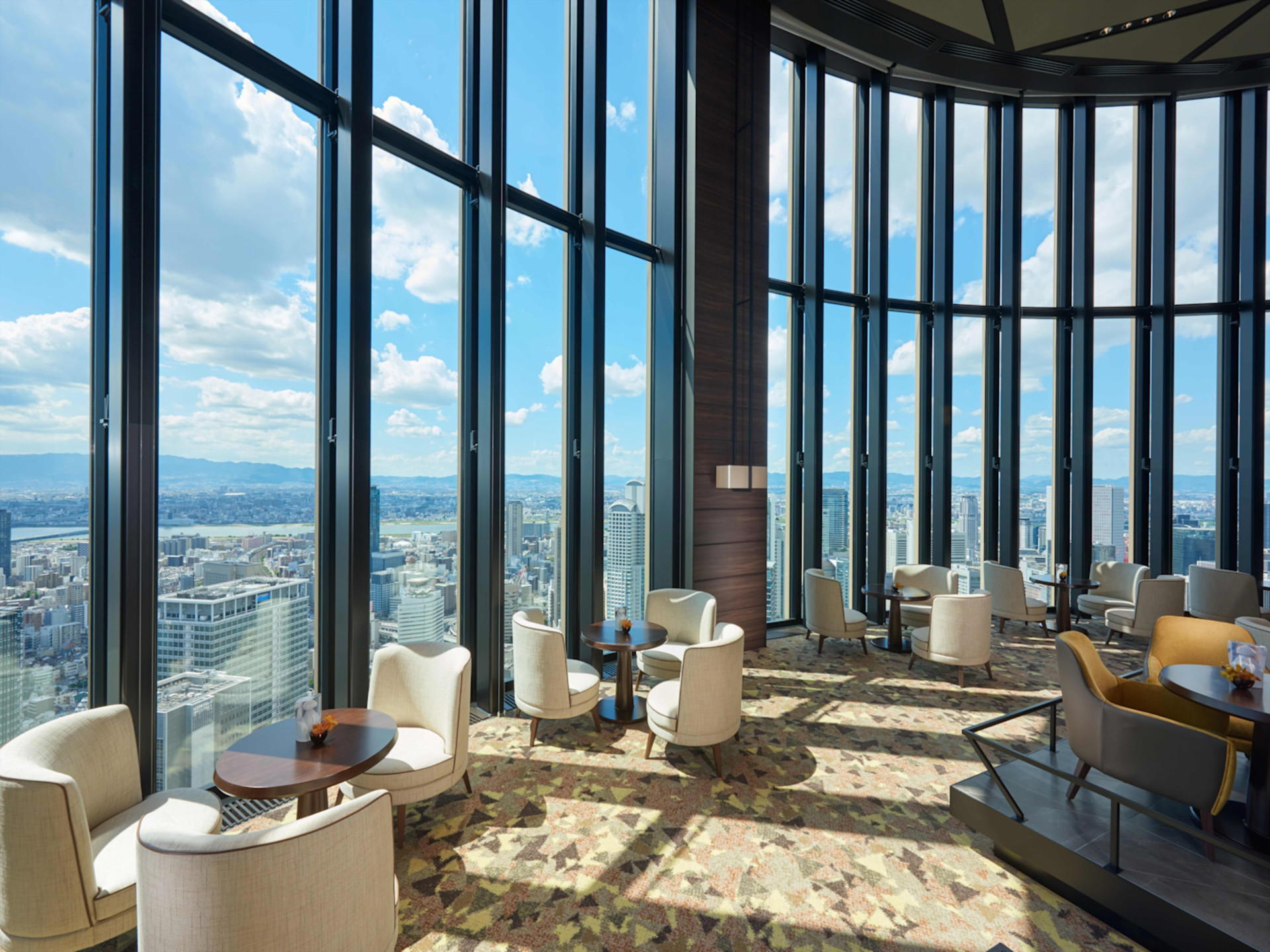
Cozy counter seating in a hideout location with a sophisticated, reserved atmosphere.