Sushi Sato
On Post Street in Japantown, Sushi Sato occupies a corner of San Francisco's omakase circuit that rewards repeat visitors over first-timers. The address places it within the city's most concentrated pocket of Japanese dining, and regulars tend to return not for novelty but for the kind of consistency that defines serious counter culture. A reference point for those tracking the Bay Area's Japanese dining scene.
Pearl is the En Primeur Club membership app — saves, bookings, and concierge access live there. Same editors, same standards.
- Address
- 1122 Post St, San Francisco, CA 94109
- Phone
- +14158518830
- Website
- satosushisf.com
- Directions
- Get directions
 Saves & bookings on Pearl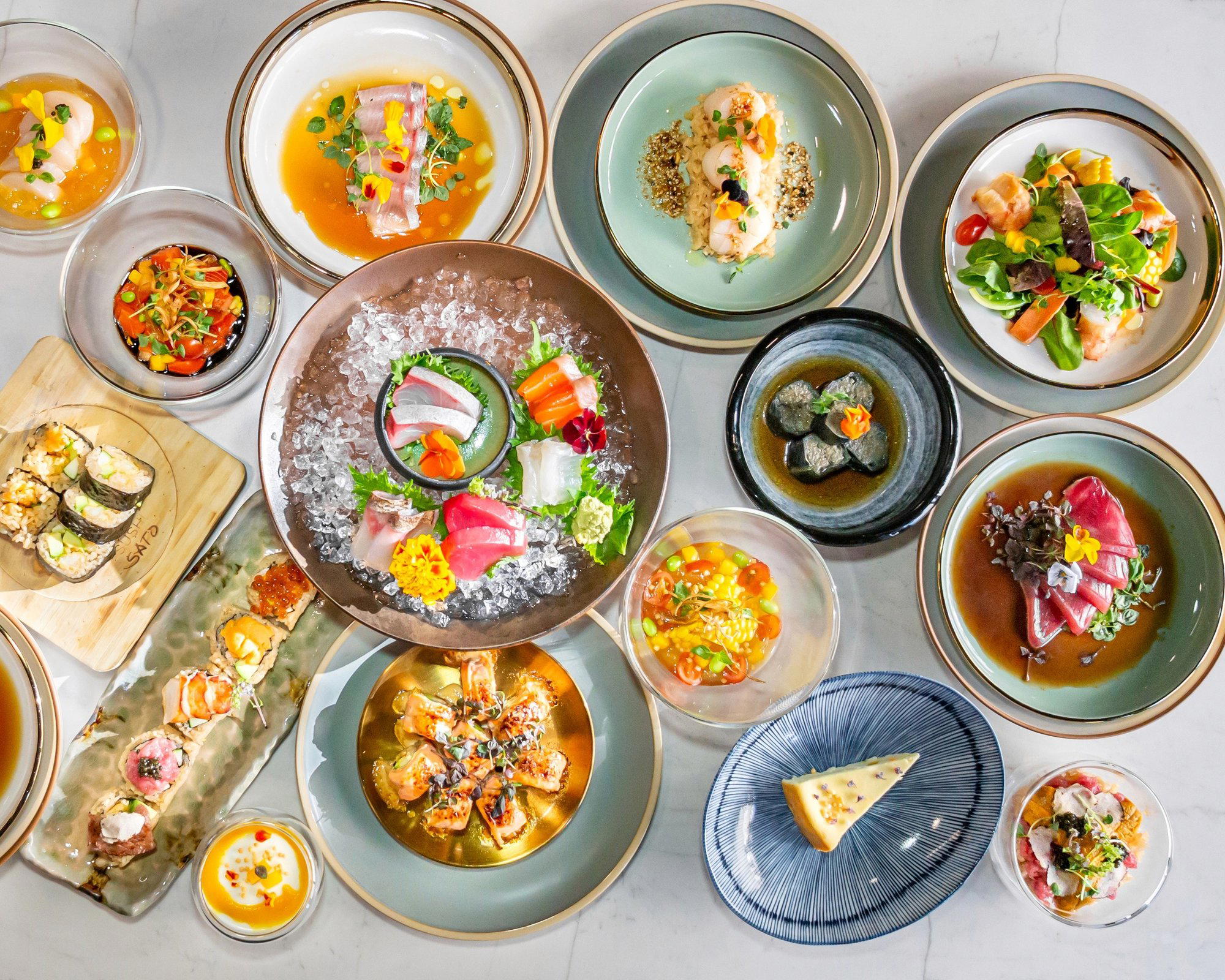
Post Street and the Geometry of Return
The stretch of Post Street running through San Francisco's Japantown is one of the few corridors in the city where a serious sushi counter doesn't need to announce itself. The neighbourhood does the contextual work: a density of Japanese-owned businesses, established import suppliers, and a residential community that has maintained cultural continuity for decades means that a venue at 1122 Post St is already operating within an expectation set that most other San Francisco zip codes can't replicate. Sushi Sato is a Japanese omakase sushi restaurant at 1122 Post St in San Francisco.
San Francisco's omakase scene has developed along lines that mirror broader national trends: a smaller, more expensive tier of destination counters has pulled away from the broader mid-market, while neighbourhood Japanese restaurants occupy a separate orbit entirely. The counters that sustain loyal clientele over years tend to do so not by chasing the attention cycle of new openings but by delivering a consistency of product and rhythm that regulars build their dining calendars around. That pattern is visible across the city's serious Japanese dining rooms, and it applies here.
What Keeps Regulars Coming Back
The regulars' relationship with a sushi counter is structurally different from their relationship with any other restaurant format. At a tasting-menu restaurant, the point of return is watching a kitchen evolve, seasonal menus shifting, technique developing. At a sushi counter, the draw is closer to the opposite: the chef reads you, the pacing adjusts to your preferences over multiple visits, and the unwritten menu, the things not listed anywhere, becomes accessible only through accumulated presence.
This dynamic is particularly pronounced in Japantown, where a number of the neighbourhood's Japanese dining establishments maintain clientele who have been coming for ten, fifteen, twenty years. The area's dining rooms are not built for the drop-in visitor who found the address on a list. For that reason, the regulars at venues like Sushi Sato are not simply returning customers; they are, in a real sense, participants in what the counter becomes over time.
The restaurants that dominate the high end, including the likes of Benu, Atelier Crenn, Lazy Bear, Quince, and Saison, are all tasting-menu formats with structured progressions and considerable media profiles. A sushi counter operates in a quieter register, and the regulars who prefer that register tend to be deliberate about where they spend it.
The Japantown Address in Context
Post Street between Fillmore and Laguna is a genuinely specific dining micro-environment. Unlike the Ferry Building or the Mission, which draw visitors as much as residents, Japantown's dining rooms exist in a more locally-anchored register. That doesn't mean they are inaccessible to visitors, but it does mean the experience reads differently for someone arriving with context versus someone arriving cold.
The French Laundry in Napa and Single Thread Farm in Healdsburg sit at the high-visibility end of Northern California fine dining, both carrying substantial national recognition. The Japantown counter format operates in a quieter register, with longer-tenured clientele and a case for consistency made through repetition. Nationally, that counter ethos is shared by a small cohort of serious sushi rooms, distinct from the broader fine dining conversation that connects venues like Le Bernardin in New York, Alinea in Chicago, or Providence in Los Angeles.
Internationally, the counter format that Japantown venues approximate has its clearest precedents in Tokyo's omakase rooms, where the relationship between guest and itamae is the product, not merely the delivery mechanism. That same logic, applied to a San Francisco neighbourhood with deep Japanese cultural roots, shapes a dining experience distinct from the city's tasting-menu rooms.
The Unwritten Menu
For a first-time visitor, any serious sushi counter presents a degree of opacity. The format assumes a level of trust: you are ceding menu control entirely, eating what arrives, in the order it arrives, at the pace the chef sets. For regulars, that opacity resolves into fluency. They know which fish the counter handles particularly well, which days of the week produce the sharpest product, and how to signal preferences without disrupting the counter's rhythm.
This unwritten dimension of the sushi counter experience is what separates a single visit from an ongoing relationship with a venue. It is also why the regulars at Japantown counters are a different type of San Francisco diner from those who cycle through the city's marquee tasting menus. The latter are collecting experiences; the former are building one. The distinction matters when deciding how to approach a venue like Sushi Sato and what to expect on a first visit versus a fifth.
For those building their own map of the Bay Area's serious dining, the peer conversation extends in several directions: south toward Addison in San Diego, and nationally toward counters in cities where Japanese dining culture has genuine depth. Atomix in New York and 8½ Otto e Mezzo Bombana in Hong Kong represent the kind of precision-driven, counter-adjacent formats that share the same underlying philosophy of restraint and product focus. Closer to home, Blue Hill at Stone Barns, Bacchanalia in Atlanta, The Inn at Little Washington, and Emeril's in New Orleans each occupy their own city's version of the long-tenured, loyal-clientele dining room, a category that prioritises depth over novelty.
Planning Your Visit
The restaurant is located at 1122 Post Street in Japantown, San Francisco, accessible by Muni bus routes serving the Post Street corridor. The neighbourhood is walkable from Lower Pacific Heights and the Western Addition. As with most serious sushi counters in the city, advance booking is advisable, and first-time visitors should approach the format with the flexibility that omakase requires: arrive on time, communicate dietary restrictions clearly before seating, and resist the impulse to compare the progression to other counter experiences mid-meal.
Address: 1122 Post St, San Francisco, CA 94109.
A Quick Peer Check
Comparable venues nearby, for context on price, style, and recognition.
| Venue | Cuisine | Price | Notes |
|---|---|---|---|
| Sushi SatoThis venue — the venue you are viewing | Japanese Omakase Sushi | $$$$ | Not listed |
| TBD | Modern Japanese Izakaya | $$$$ | Financial District |
| Hinata | Sushi Omakase | $$$$ | Tenderloin |
| Tsunami | Modern Japanese Sushi and Sake | $$$ | Western Addition |
| Akikos | Modern Japanese Omakase | $$$$ | Financial District/South Beach |
| Dining Yamamoto | Japanese Cocktail Tasting | $$$$ | South of Market |
Continue exploring
More in San Francisco
Restaurants in San Francisco
Browse all →
Bars in San Francisco
Browse all →
Hotels in San Francisco
Browse all →
At a Glance
- Elegant
- Sophisticated
- Intimate
- Date Night
- Special Occasion
- Chefs Counter
- Sake Program
- Craft Cocktails
Current opening hours
- Monday
- Closed
- Tuesday
- 5–11 PM
- Wednesday
- 5–11 PM
- Thursday
- 5–11 PM
- Friday
- 5–11 PM
- Saturday
- 5–11 PM
- Sunday
- 5–11 PM
Hours can change for holidays and private events. Last verified .
Refined and inviting atmosphere focused on the art of sushi with thoughtful presentation.