Hinata

Hinata occupies a Van Ness Ave address in a San Francisco neighbourhood where Japanese dining runs from casual ramen counters to tightly controlled omakase formats. The address places it within reach of the city's broader Japantown corridor, where sourcing discipline and seasonal attention have defined the stronger end of the market for decades. For visitors calibrating their options across the city's Japanese dining tier, Hinata warrants consideration alongside the blocks surrounding it.
Pearl is the En Primeur Club membership app — saves, bookings, and concierge access live there. Same editors, same standards.
- Address
- 810 Van Ness Ave, San Francisco, CA 94109
- Phone
- (415) 829-8291
- Website
- hinatasf.com
- Directions
- Get directions
 Saves & bookings on Pearl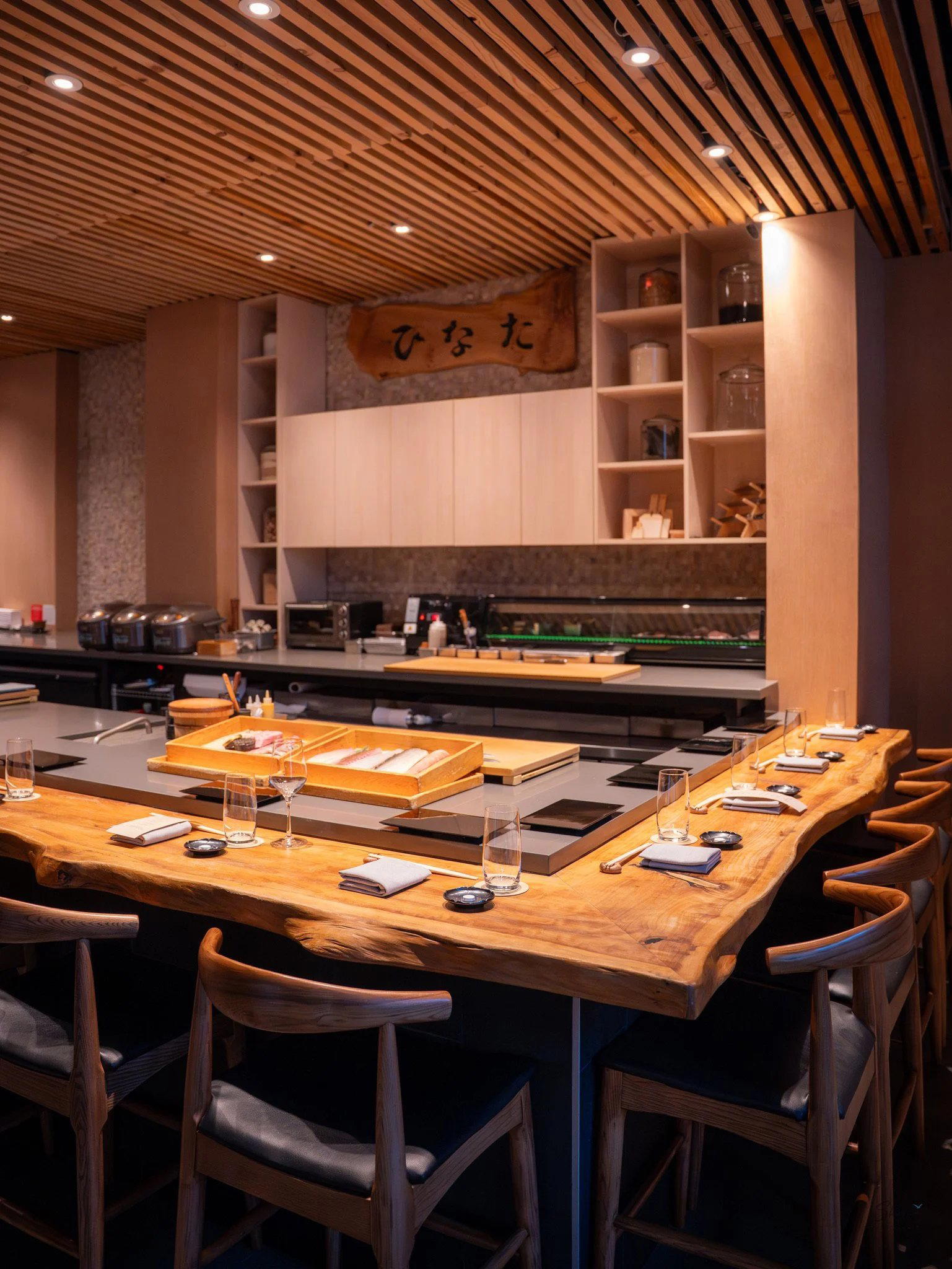
Van Ness and the Logic of Japanese Dining on This Side of the City
The stretch of Van Ness Avenue around the 800 block sits at an interesting intersection in San Francisco's dining geography. Japantown proper begins a few blocks west, anchored by the Peace Plaza and a concentration of Japanese restaurants that range from family-run izakayas to more deliberate seasonal formats. Hinata, at 810 Van Ness Ave, occupies a position that connects this corridor to the broader Civic Center neighbourhood, where foot traffic is mixed and the dining audience skews toward residents rather than hotel guests or tourists working through a list.
That residential pull matters for understanding how Japanese restaurants in this part of the city are positioned. Unlike the omakase counters that cluster in SoMa or the tasting-menu destinations along the waterfront, venues on the Van Ness corridor tend to build their following through consistency and neighbourhood trust rather than reservation scarcity. San Francisco's Japanese dining scene has long divided between two operating logics: the high-ceremony counter format, where price and exclusivity are part of the product, and the neighbourhood-anchored format, where return visits and cooking quality do the work. Hinata falls closer to the second model based on its address and context.
Sourcing and the Bay Area Advantage
The case for Japanese cuisine in the Bay Area has always rested partly on geography. The Pacific runs cold off the Northern California coast, and the fishing ports between Half Moon Bay and Bodega Bay have supplied the city's Japanese kitchens for generations with ingredients that would be expensive to source and difficult to replicate elsewhere. Dungeness crab, Pacific halibut, sea urchin from the Sonoma coast, and farmed oysters from Tomales Bay all appear regularly in Bay Area Japanese cooking, not as fusion gestures but as direct ingredient decisions shaped by proximity and season.
The produce infrastructure reinforces this. The Bay Area's access to farms in Marin, Sonoma, and the Central Valley gives kitchens here an ingredient depth that Japanese restaurants in most other American cities cannot match. At the higher end of the market, venues like Saison and Single Thread Farm in Healdsburg have built entire operational models around controlling the sourcing chain. The philosophical overlap with Japanese seasonal cooking, which prizes the leading available ingredient at a specific moment, is not coincidental. It has made San Francisco one of the more natural cities in the country for Japanese-influenced precision cooking to take root and develop.
For a neighbourhood restaurant in this environment, the sourcing floor is higher than it would be in most markets. Diners on Van Ness are surrounded by enough well-sourced competition, from the izakayas in Japantown to the broader roster of ingredient-conscious kitchens across the city, that indifference to sourcing reads immediately in the food. Restaurants that survive and build regulars in this context tend to do so by taking ingredient selection seriously even at formats and price points that don't announce it.
Where Hinata Sits in the San Francisco Japanese Tier
San Francisco's Japanese dining market has a wide price and format range. At the leading end, omakase counters compete on the same terms as the city's French and Californian tasting-menu restaurants, with prices and reservation structures that align them with venues like Benu, Atelier Crenn, and Quince in the $$$$ bracket. Below that tier, the city has a substantial layer of mid-market Japanese restaurants that offer reliable cooking without the ceremony or the commitment of a multi-hour tasting format.
The Van Ness corridor is not where the city's premium omakase market operates. The addresses associated with San Francisco's highest-scrutiny Japanese dining tend to cluster in the Financial District, SoMa, and the Inner Richmond. Hinata's neighbourhood context places it in a different competitive conversation, one more closely related to the Japantown blocks nearby than to the counters reviewed by Michelin inspectors in other parts of the city.
That is not a constraint so much as a definition. San Francisco's leading neighbourhood Japanese restaurants offer something that high-ceremony counters structurally cannot: flexibility, accessibility, and a cooking approach calibrated to regulars rather than first-time visitors working through a fixed menu. Across the country, the restaurants that have built one durable reputations in this format, from Atomix in New York City at the high end to well-run neighbourhood formats in smaller markets, tend to do so by treating the sourcing and technique with the same discipline as their more expensive peers, while removing the theatrical apparatus.
Comparing Ingredient-Driven Formats Across American Cities
The ingredient-sourcing framework that defines Bay Area Japanese cooking has parallels elsewhere. Providence in Los Angeles built its reputation on seafood sourcing with a precision that earned it sustained Michelin recognition. Blue Hill at Stone Barns in Tarrytown made farm-to-table sourcing the entire operating premise. Smyth in Chicago runs a similar model on a smaller scale. What distinguishes the Bay Area is that this sourcing discipline exists at multiple price points simultaneously, from the $$$$ tasting formats down to neighbourhood restaurants where the same principles apply with less fanfare.
San Francisco also has the density of informed diners to support this range. The city's restaurant culture, shaped by decades of proximity to agricultural abundance and a dining public willing to pay for it, creates conditions where sourcing quality functions as a competitive signal at formats that in other cities would never invest in it. For visitors calibrating their San Francisco schedule, our full San Francisco restaurants guide maps the full tier from Lazy Bear and The French Laundry in Napa down through the neighbourhood formats where much of the city's actual daily dining happens.
Planning a Visit
Hinata is located at 810 Van Ness Ave, San Francisco, CA 94109. Parking on Van Ness is available but subject to the same evening competition that applies across most of central San Francisco, and public transit is the more reliable option for most visitors. The neighbourhood is active on weekend evenings when Japantown nearby draws additional foot traffic, which can affect both the atmosphere on the street and availability at surrounding restaurants.
Quick Comparison
Comparable venues nearby, for context on price, style, and recognition.
| Venue | Cuisine | Price | Notes |
|---|---|---|---|
| HinataThis venue — the venue you are viewing | Sushi Omakase | $$$$ | Not listed |
| Wako | Modern Japanese Omakase | $$$$ | Inner Richmond |
| Elephant Sushi | Craft Japanese Sushi | $$$ | Western Addition |
| Alexander’s Steakhouse | Modern American Steakhouse with Japanese Influences | $$$$ | Downtown / Union Square |
| Nojo Ramen Tavern | Modern Chicken Paitan Ramen Izakaya | $$ | Hayes Valley |
| Soba Dining Sora | Traditional Japanese Soba Noodles | $$$ | Japantown |
Recognition history
Dated appearances from independent guides and award organizations, with the underlying list record or original source where available.
Opinionated About Dining Top Restaurants in North America Recommended
Opinionated About Dining
Continue exploring
More in San Francisco
Restaurants in San Francisco
Browse all →
Bars in San Francisco
Browse all →
Hotels in San Francisco
Browse all →
At a Glance
- Intimate
- Sophisticated
- Minimalist
- Elegant
- Date Night
- Special Occasion
- Chefs Counter
- Sake Program
- Sustainable Seafood
Current opening hours
- Monday
- Closed
- Tuesday
- 5:30–10 PM
- Wednesday
- 5:30–10 PM
- Thursday
- 5:30–10 PM
- Friday
- 5:30–10 PM
- Saturday
- 5:30–10 PM
- Sunday
- 5:30–10 PM
Hours can change for holidays and private events. Last verified .
Intimate and sophisticated with minimalist design, calm atmosphere well-suited for savoring each course.