The izakaya format that replaced Akiko's original Bush Street footprint brings binchotan-grilled small plates and a neighborhood-bar sensibility to one of San Francisco's more quietly residential dining corridors. The format sits closer to a standing-bar izakaya in pacing and intent than to the tasting-menu tier that defines much of the city's fine-dining conversation, making it a more casual counterpoint to the $$$$ bracket dominated by venues like Benu and Atelier Crenn.

Pearl is the En Primeur Club membership app — saves, bookings, and concierge access live there. Same editors, same standards.
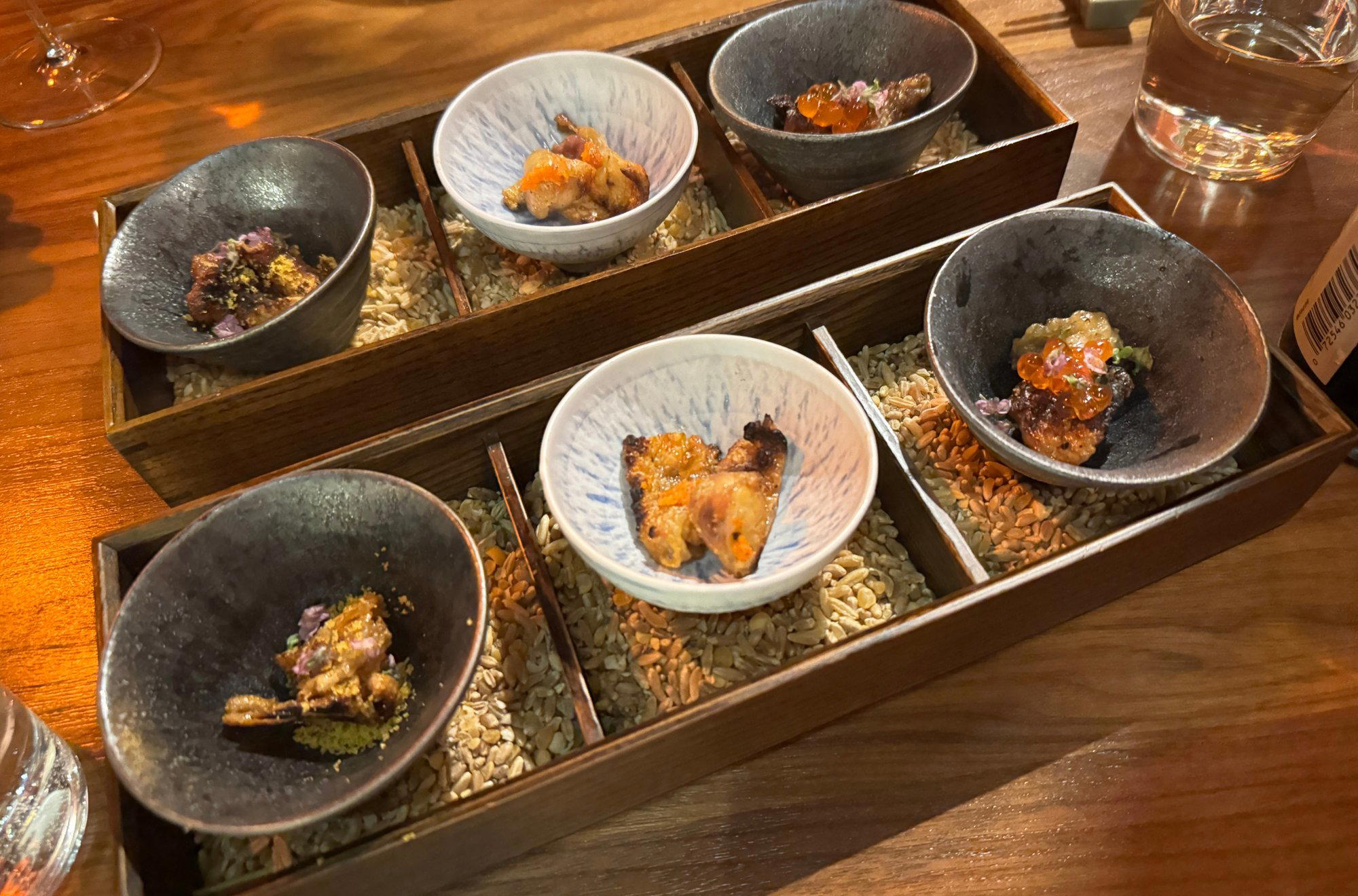
A Block Away from the Fine-Dining Circuit
San Francisco's premium dining conversation tends to cluster around a predictable set of addresses: the SoMa tasting-room corridor where Benu operates its French-Chinese omakase, the waterfront precinct around Quince, the fire-forward live-hearth theater of Saison. What those rooms share, beyond the price point, is a deliberate remove from street-level life, a sense that you are stepping out of the city rather than deeper into it. The izakaya format that has taken root at the former Akiko's Bush Street location operates from a different premise entirely. Here, the logic runs the other way: the food is an extension of the block, not an escape from it.
Bush Street in this stretch sits at the quiet edge of the Tenderloin-adjacent corridor, where Nob Hill's residential calm bleeds into the city's more functional commercial fabric. It is not a destination dining street in the way that, say, the blocks around Lazy Bear or Atelier Crenn have become. The foot traffic is neighborhood foot traffic: people running errands, heading home, stopping in because the place is there and the evening is cool. That ordinariness is not a limitation. For a format as socially embedded as the izakaya, it is close to a prerequisite.
Binchotan and the Izakaya Grammar
The izakaya as a dining format has a specific grammar that distinguishes it from both the tasting-menu room and the casual gastropub. It is structured around small plates arriving in loose sequence, typically anchored by a binchotan charcoal grill that produces the clean, high-heat char that defines yakitori, kushiyaki, and related grilled formats. Binchotan burns at higher temperatures than conventional charcoal and produces virtually no smoke, which means the cook has precise control over crust development without the acrid overlay that can mask delicate proteins. The result is food that reads simultaneously casual and technically demanding, which is part of what makes a well-executed izakaya program difficult to replicate at scale.
In Japan, the izakaya occupies a specific social position: it is the place you go after work, often alone or in small groups, to drink and eat in a way that is neither ceremonial nor mindless. The leading versions in American cities, and San Francisco has developed a more serious izakaya culture than most, partly through its Japanese-American community and partly through the influence of the Bay Area's broader ingredient-quality fetishism, carry that same combination of accessibility and craft. You can eat a lot, or a little. You can drink seriously or casually. The format absorbs both.
Globally, binchotan-forward small-plate programs appear across formats with far higher price ceilings. At Atomix in New York, Korean fine dining uses comparable grill discipline inside a tasting-menu structure. At Atelier Moessmer Norbert Niederkofler in the Italian Alps, live-fire technique anchors a three-Michelin-star framework. The izakaya format places that same technical precision into a more democratic, self-directed dining experience, no set sequence, no mandatory courses, no formal pacing.
The Bush Street Address in Context
The former Akiko's location on Bush Street carries some residual identity from the original restaurant, which built a following around Japanese-sourced fish and a serious sake program before its focus shifted. That prior reputation means the address is not arriving into the neighborhood cold. There is an existing diner base that tracked the original, and a reasonable expectation among that base that the quality bar has been maintained rather than abandoned.
What the izakaya format does with that inheritance is reframe the occasion. Where Akiko's operated as a destination, somewhere you traveled to deliberately, often with a reservation, the small-plates izakaya mode invites a more spontaneous relationship. You can walk in for two skewers and a highball, or settle in for a longer graze across the menu. This flexibility is what makes the format useful in a neighborhood context, where foot traffic is diverse and the dining occasion is rarely predetermined.
San Francisco's izakaya scene sits in an interesting position relative to the city's broader restaurant culture. The highest-end tasting-menu tier, Lazy Bear, Atelier Crenn, Benu, commands international attention and long advance booking windows. The izakaya occupies a different register: more frequent, less planned, more embedded in how the city's residents actually eat week to week.
How This Fits the Wider American Izakaya Conversation
The strongest izakaya programs in American cities share a few common features: sourcing discipline that matches what you would expect from a higher-ticket Japanese restaurant, a drinks program that treats sake and Japanese whisky as seriously as wine, and a physical format that creates intimacy without formality. Comparable programming exists across the country at different price points and formality levels, from the Japanese-inflected small-plate formats at Smyth in Chicago to the California-produce-forward casualness of venues connected to the Single Thread school of thinking in Healdsburg.
What distinguishes a genuinely izakaya-faithful program from a loose adoption of the format is the binchotan component. The grill is not decorative. It requires skill, timing, and a cook who understands the difference between done and overcooked at high heat. That operational discipline places this format in a more credentialed tier than the average small-plates bar.
Know Before You Go
| Category | Detail |
|---|---|
| Format | Izakaya / small plates with binchotan grill focus |
| Address | Bush Street, San Francisco |
| Price | About $110 per person |
| Leading for | Casual evenings, small groups, post-work grazing |
| Drinks | Expect sake and Japanese spirits to feature alongside the food program |
In Context: Similar Options
Comparable venues nearby, for context on price, style, and recognition.
| Venue | Cuisine | Price | Notes |
|---|---|---|---|
| TBDThis venue — the venue you are viewing | Modern Japanese Izakaya | $$$$ | Not listed |
| Zentarou | Modern Japanese Sushi & Omakase | $$$ | Tenderloin |
| Hinata | Sushi Omakase | $$$$ | Tenderloin |
| Wako | Modern Japanese Omakase | $$$$ | Inner Richmond |
| Nakama Sushi | Traditional Japanese Sushi & Omakase | $$$ | Hayes Valley |
| Elephant Sushi | Craft Japanese Sushi | $$$ | Western Addition |
Continue exploring
More in San Francisco
Restaurants in San Francisco
Browse all →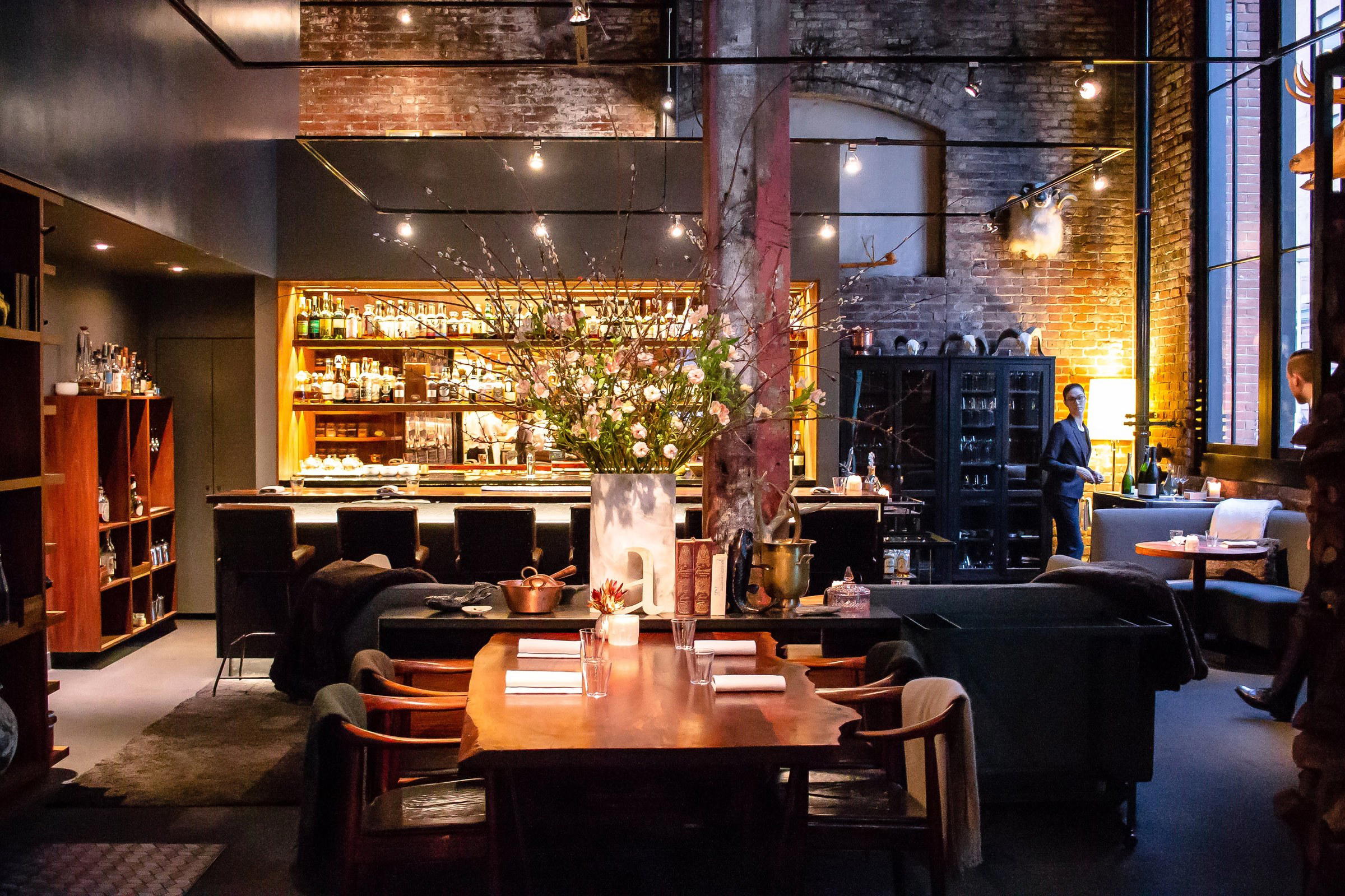
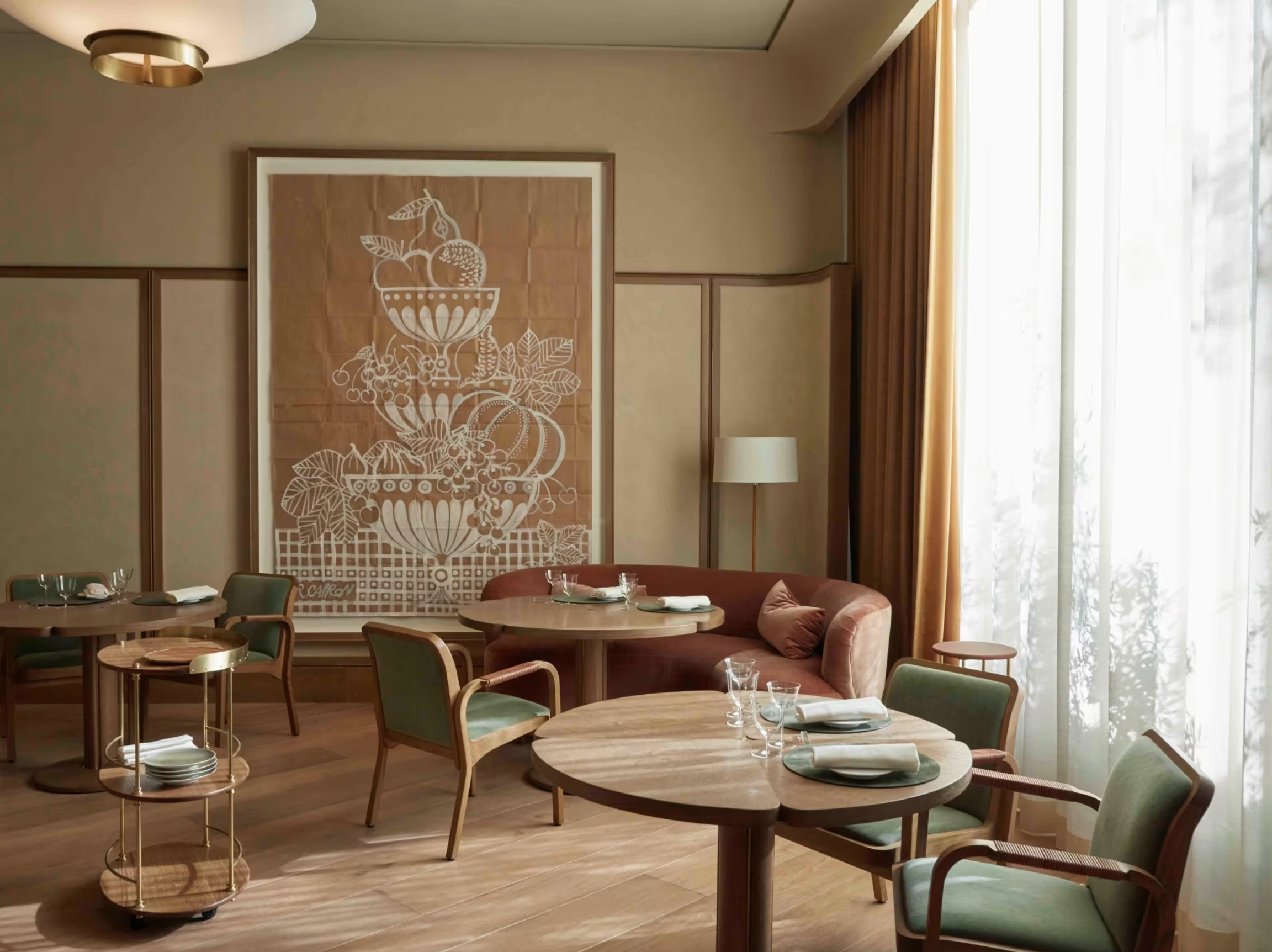
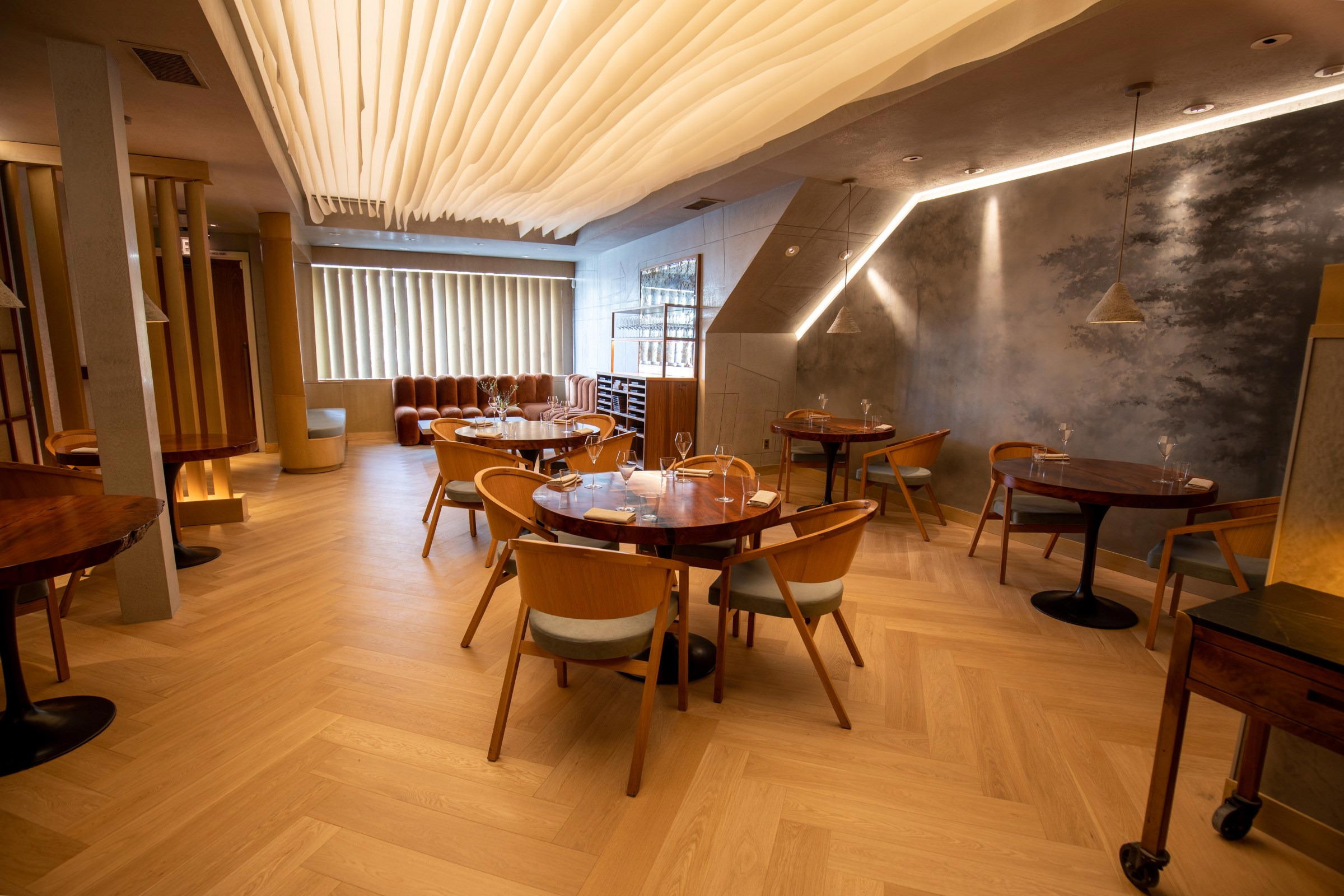
Bars in San Francisco
Browse all →
Hotels in San Francisco
Browse all →

Wineries in San Francisco
Browse all →
At a Glance
- Modern
- Trendy
- Minimalist
- Date Night
- Special Occasion
- Chefs Counter
- Open Kitchen
- Sake Program
Minimalist with a cool, modern feel and counter-focused layout emphasizing an intimate, high-end izakaya atmosphere.