Black Pearl 1 Diamond
Our verdict
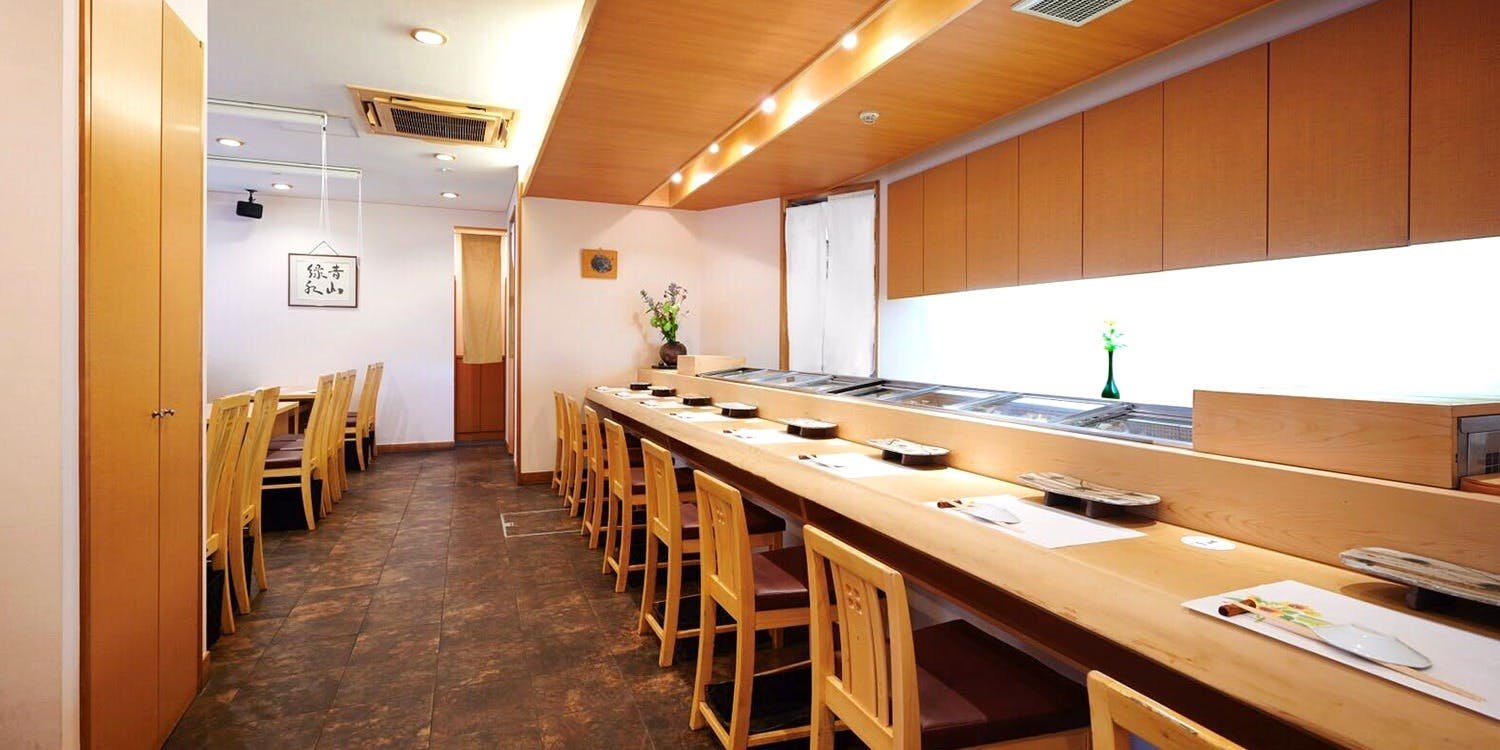
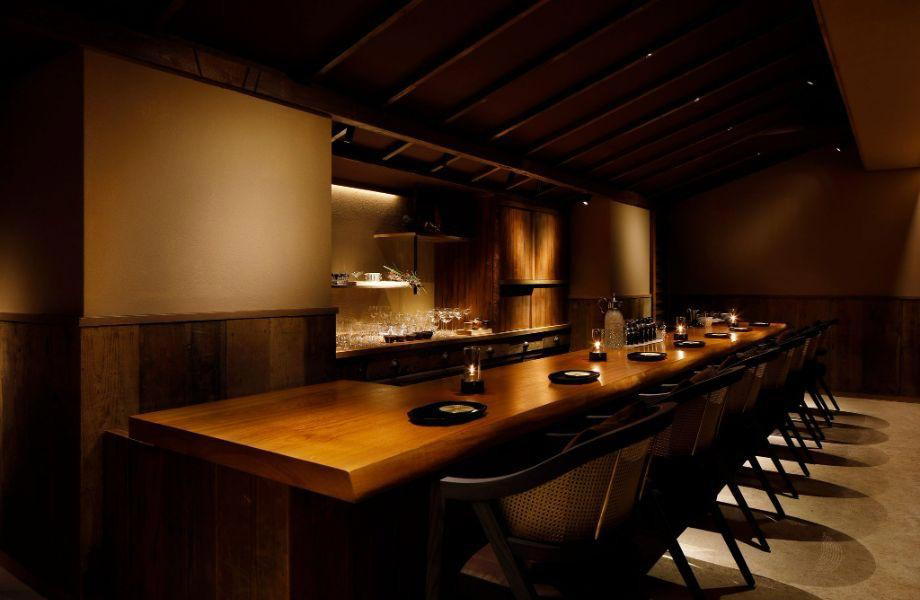
Sushi Noboru holds a Black Pearl 1 Diamond (2025), placing it among a recognized tier of Japanese dining in Shanghai where counter-format omakase competes on precision rather than scale. The address data points toward a Tsukiji-rooted pedigree, connecting the restaurant to one of Tokyo's most storied fish-trading traditions. For serious sushi in Shanghai, it belongs on any shortlist alongside the city's broader premium Japanese circuit.

Pearl is the En Primeur Club membership app, where members save venues, book tables and use the concierge.
The menu
What to order
- Raw tendons
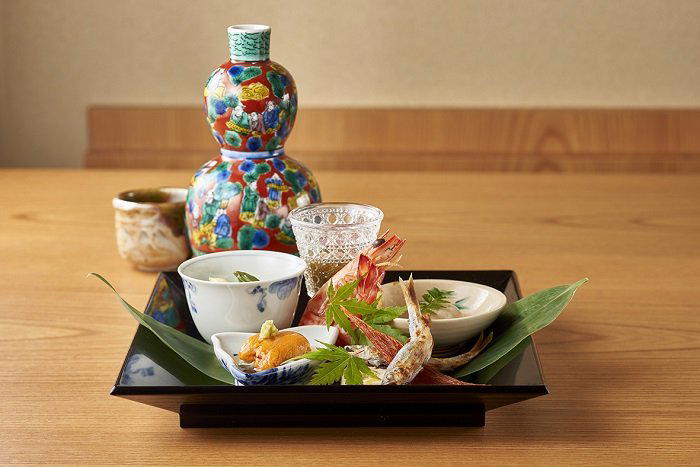
- Sea urchin sushi
- Monkfish liver
- Mackerel roll
Where Shanghai's Premium Japanese Circuit Sits in 2025
Shanghai's fine-dining scene has reorganized itself around a logic that would have been unfamiliar a decade ago: international culinary formats, brought in by chefs trained abroad or carrying lineage from recognized houses, now compete on largely equal terms with the city's Cantonese and regional Chinese institutions. Within that broader reordering, Japanese cuisine occupies a distinct tier. The omakase counter model, with its fixed sequence, limited seats, and chef-led pacing, has become one of the city's most recognizable premium formats. Our full Shanghai restaurants guide tracks this shift across cuisines and neighbourhoods.
Sushi Noboru holds a Black Pearl 1 Diamond for 2025, which positions it within a recognized cohort of serious Japanese dining in the city. The Black Pearl Guide, operated by Meituan-Dianping, functions as China's most widely cited local fine-dining benchmark, and its Diamond tier signals a restaurant that meets consistent standards of ingredient quality, technique, and service across multiple visits. That credential places Sushi Noboru in a competitive set that includes Japanese restaurants operating at similar price points across Shanghai, Beijing, and the Pearl River Delta cities, where counter sushi has drawn growing investment and attention over the same period.
The Tsukiji Connection and What It Signals
The address data in Sushi Noboru's record points to a Tsukiji location in Chuo City, Tokyo, specifically in the area around the former outer market that remained active after the inner wholesale market relocated to Toyosu in 2018. That geographic anchor matters editorially. Tsukiji-adjacent operations have long been associated with direct sourcing relationships, supplier familiarity, and a certain proximity to the daily rhythms of Tokyo's fish trade. For Shanghai diners accustomed to evaluating Japanese restaurants partly by the provenance and freshness of their fish supply chains, a Tokyo connection of this kind functions as a credibility marker within the category rather than mere biographical detail.
Among Shanghai's recognized Japanese restaurants, those with documented Tokyo lineage tend to position themselves in the upper price tier, where ingredient quality and supplier relationships are as much a differentiator as technique. Sushi Noboru's Black Pearl recognition reinforces that positioning without requiring the kind of name recognition that Michelin-starred Tokyo counters carry globally. The comparison worth making is not to Tokyo itself but to the sub-set of Shanghai Japanese restaurants that have successfully translated that sourcing logic into a local context.
Lunch and Dinner: A Divide Worth Understanding
Across Shanghai's counter-format Japanese restaurants, the lunch and dinner divide is more consequential than at most other cuisine categories. Dinner omakase sessions at recognized counters typically run longer, carry higher per-head spend, and are paced against the expectation of an extended evening. Lunch services, where offered, tend to compress the sequence, reduce the number of courses, and price accordingly, making them the more accessible entry point for first-time visitors or for those wanting to assess a counter's technique before committing to a full evening spend.
This pattern is consistent across comparable counters in Shanghai and aligns with how premium Japanese formats operate in Tokyo and Hong Kong. At the dinner tier, the counter format rewards guests who arrive without time pressure. The seasonal progression of fish, the pacing of warm and cold courses, and the calibration between vinegared rice and fish temperature all require unhurried attention. Lunch compresses that experience into something more transactional, which is not necessarily inferior but does represent a different register. For Sushi Noboru specifically, the Black Pearl recognition suggests a level of consistency that makes both services worth considering, though the fuller expression of counter sushi as a format is almost always the evening sitting.
For context on how Shanghai's broader dining scene handles this same lunch-dinner divide across other cuisines and formats, see properties like Taian Table (Modern European, Innovative) or Fu He Hui (Vegetarian), both of which manage distinct service registers across daypart.
Placing Sushi Noboru in Its Competitive Set
Shanghai's premium Japanese counter circuit is smaller than Osaka or Tokyo but considerably more active than most other Chinese cities outside Beijing and Guangzhou. The restaurants that occupy the recognized tier, carrying Black Pearl, Michelin, or equivalent acknowledgment, tend to share a few structural features: limited seat counts that prioritize interaction over throughput, omakase formats that remove menu decision-making from the guest, and supply chains with demonstrable Japanese sourcing. Against peers like 102 House (Cantonese) or Xin Rong Ji (West Nanjing Road) (Taizhou), which represent Shanghai's strength in Chinese regional cuisine, Sushi Noboru operates in a different lane, one where the competitive reference points are other Japanese counters rather than the city's broader fine-dining map.
Beyond Shanghai, the pattern of recognized Japanese restaurants operating within larger Chinese culinary circuits is visible in cities like Hangzhou (see Ru Yuan), Macau (see Chef Tam's Seasons), and Beijing (see Xin Rong Ji (Xinyuan South Road)). The trend across all these markets is the same: Japanese precision formats have found durable audiences in cities with sophisticated dining cultures, and the Black Pearl system has provided the local credentialing infrastructure to differentiate them.
For international reference points that illustrate how counter-format dining at high precision levels operates globally, Le Bernardin in New York City and Atomix in New York City show how tasting-format restaurants in competitive markets build sustained reputations on consistency and sourcing logic rather than novelty alone.
Planning Your Visit
Contact through the venue directly or through a concierge service is advisable, particularly given that counter-format restaurants in this tier typically operate with limited seat availability. Reservations at Black Pearl-recognized counters in Shanghai generally require advance notice of two to four weeks at minimum during peak dining periods.
| Venue | Cuisine | Price Tier | Format | Recognition |
|---|---|---|---|---|
| Sushi Noboru | Japanese (Sushi) | Not confirmed | Counter/Omakase | Black Pearl 1 Diamond 2025 |
| Fu He Hui | Vegetarian | ¥¥¥¥ | Tasting menu | Multi-award |
| 8 1/2 Otto e Mezzo Bombana | Italian | Not confirmed | À la carte / tasting | Recognized |
| Taian Table | Modern European | Not confirmed | Tasting menu | Recognized |
For hotels near Shanghai's premium dining districts, see our full Shanghai hotels guide. For pre- or post-dinner drinks, our full Shanghai bars guide covers the city's recognized cocktail programs. Additional dining options across other cuisines and price tiers appear in our full Shanghai experiences guide and our full Shanghai wineries guide.
Frequently asked questions
What kind of recognition has Sushi Noboru received?
Sushi Noboru has received recognition including: Black Pearl 1 Diamond (2025).
Where exactly is Sushi Noboru?
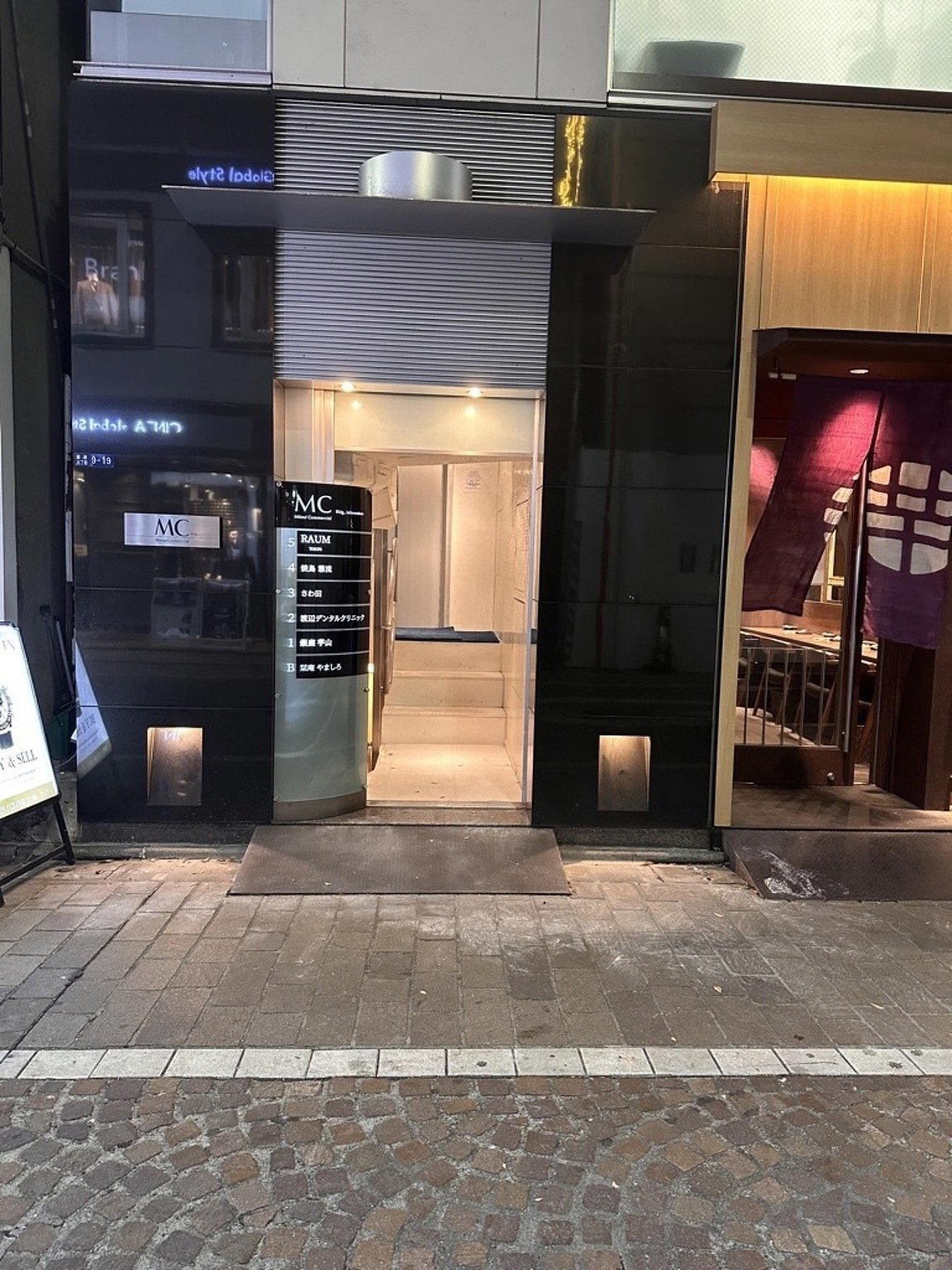
Sushi Noboru is located at Japan, 〒104-0045 Tokyo, Chuo City, Tsukiji, 1 Chome−9−4 築地本店 2階, Shanghai.
What's the must-try dish at Sushi Noboru?
Given the venue's 2025 Black Pearl 1 Diamond recognition in Shanghai, the counter format is the experience itself, the sequence, sourcing, and technique are the draw rather than any single highlighted dish. check the venue's official channels for current course details.
Do I need a reservation for Sushi Noboru?
Counter-format omakase restaurants operating at Black Pearl 1 Diamond level in Shanghai consistently require advance booking, often weeks out for prime evening sittings. Walk-ins at this tier are rarely accommodated.
What's Sushi Noboru best at?
Sushi Noboru's 2025 Black Pearl 1 Diamond award places it among Shanghai's recognised premium Japanese counters, a circuit that competes on sourcing discipline and counter-seat precision rather than room size or theatrical production.
What if I have allergies at Sushi Noboru?
Omakase formats at Black Pearl-recognised counters in Shanghai are typically structured around a fixed chef-led sequence, which means dietary restrictions and allergies need to be communicated at the time of booking rather than at the table. Disclose requirements clearly when making your reservation to allow the kitchen to accommodate or advise.
How does Sushi Noboru's Black Pearl 1 Diamond status compare to other Japanese restaurants in Shanghai?
The Black Pearl Guide, published by Meituan-Dianping, is China's most closely watched domestic fine-dining awards programme, and a 1 Diamond designation in 2025 positions Sushi Noboru among Shanghai's formally recognised Japanese counters rather than the broader mid-market Japanese restaurant scene. Shanghai's premium Japanese circuit is smaller than Tokyo or Osaka but is considered the most active in mainland China outside Beijing. The award functions as a credible local benchmark, though it operates on a different rubric than Michelin's Shanghai list.
A Minimal comparable set
Comparable venues nearby, for context on price, style, and recognition.
| Venue | Cuisine | Price | Awards | Notes |
|---|---|---|---|---|
| Sushi NoboruThis venue (the venue you are viewing) | Omakase Sushi | $100–150 | Black Pearl 1 Diamond | Not listed |
| Imaiya Honten | Premium Hinai Jidori Yakitori | $50–100 | Not listed | Shinjuku, Premium Hinai Jidori Yakitori |
| Inakaan | Traditional Japanese Unagi | $30–50 | Not listed | Kokura, Traditional Grilled Eel (Unagi) |
| Medicinal Food Café Cien Gallery | Medicinal Japanese Café | Not listed | Not listed | Not listed |
| Iruka Tokyo Roppongi | Modern Ramen | $20–30 | Michelin Bib Gourmand · Tabelog 100 #94 | Roppongi, Modern Ramen |
| 李朝苑 | 安比高原, Premium Wagyu Yakiniku | Not listed | Not listed | Not listed |
Recognition history
Dated appearances from independent guides and award organizations, with the underlying list record or original source where available.
Black Pearl 1 Diamond
Black Pearl