
A Michelin Bib Gourmand-recognised kappo counter in Shibuya's Higashi neighbourhood, Kuhara runs on a short, seasonal menu anchored around duck: salt-grilled, cold-braised in summer, and the Kanazawa classic jibuni in winter. Bookings are tight, the room is small, and the couple who run it bring Tochigi-sourced ingredients and a shojin ryori background to a format that rewards advance planning.
Pearl is the En Primeur Club membership app — saves, bookings, and concierge access live there. Same editors, same standards.
- Address
- 2 Chome-25-38 Higashi, Shibuya, Tokyo 150-0011, Japan
- Phone
- +81 50-5596-3472
- Website
- k-kuhara.com
- Directions
- Get directions
 Saves & bookings on Pearl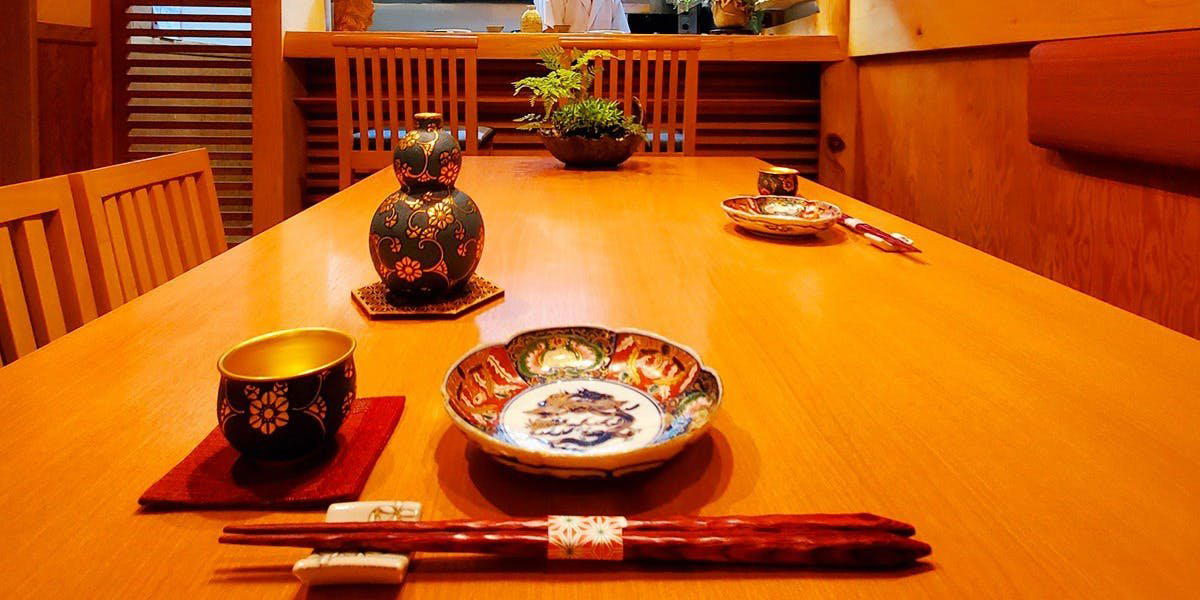
A Counter That Requires a Plan
Tokyo's mid-range kappo tier has expanded considerably over the past decade, but the format remains consistent: a chef-run counter with a short seasonal menu and a proprietress managing the room. Kuhara, on a residential backstreet in Shibuya's Higashi district, operates precisely within that tradition. The room is small, the couple who run it are the staff, and the cooking is built around a single, considered protein: duck.
The Shibuya Higashi Address
Higashi sits east of Shibuya's commercial centre, a neighbourhood of low-rise residential blocks, small businesses, and a handful of cook-run restaurants that occupy ground-floor spaces without much signage. The address, 2 Chome-25-38 Higashi, places Kuhara in that texture: a quieter grid than the station area, where kappo counters and standing bars coexist with family-run tofu shops and dry cleaners. Tokyo's dining geography has long sorted itself this way, with high-concentration dining districts like Ginza and Roppongi on one end and neighbourhood counters embedded in residential fabric on the other. Kuhara belongs firmly to the latter category, and the approach to the restaurant is part of the register it sets.
For diners working across Tokyo's Japanese restaurant circuit, the contrast with peers is instructive. Venues like Azabu Kadowaki and Kagurazaka Ishikawa operate in the upper tiers of kaiseki formality and price, while Myojaku and Jingumae Higuchi occupy a closer register to Kuhara's neighbourhood-embedded, chef-proprietor format. The Bib Gourmand designation from Michelin in 2024 places Kuhara in a specific bracket: strong value within a price range that the guide defines as under ¥5,000 per head for a full meal, depending on the year's criteria. That positioning, in a city where serious tasting menus at recognised counters routinely exceed ¥30,000, defines the audience clearly.
Booking Kuhara: What to Know Before You Go
The Bib Gourmand recognition in 2024 placed Kuhara in the Bib Gourmand tier. Kappo counters of this scale, run by two people with no external reservation infrastructure, fill their available dates quickly once they receive any form of institutional recognition. Reservations are typically handled directly, often by phone or through a trusted intermediary, without a centralised online platform.
For visitors arriving from outside Japan, a hotel concierge with strong local restaurant relationships can help well ahead of arrival. Tokyo hotels with serious concierge programmes, particularly in Shibuya and its adjacent wards, often maintain working connections with small counters like this. The alternative is to pursue any Japanese-language booking channel directly, ideally at least a month in advance. Walk-in attempts at this type of venue are rarely productive.
The seasonal calendar also matters here, as the menu shifts between warm and cold months.
Duck as a Through-Line: The Menu's Architecture
The cooking at Kuhara is organised around duck with a consistency that is relatively unusual in Tokyo's kappo tradition, where menus tend to range across proteins and preparations according to seasonal availability. Salt-grilled duck is the anchor, a preparation that requires controlled heat and precise timing to render without drying. In summer, a chilled breast stew offers a cold alternative that reflects the broader Japanese practice of reframing rich proteins for hot-weather service. Winter brings jibuni, the simmered duck preparation associated with Kanazawa in Ishikawa Prefecture, in which duck is dusted with starch before simmering, producing a thickened broth with a texture particular to that regional tradition.
Beyond the duck preparations, two items consistently draw attention: dried baby fish with soy and pepper served over rice, and Kokusho miso soup made with root vegetables. The miso in question connects directly to the chef's own history with shojin ryori, the Buddhist-influenced cuisine built around plant-based ingredients and careful technique. Kokusho miso, dark and fermented, carries a depth that positions this soup at a different register from the light awase miso soups common in casual kappo settings. The unripe pepper used in the fish dish is sourced personally: gathered by the family during visits to the proprietress's hometown in Tochigi Prefecture, which places this ingredient firmly in a tradition of chef-gathered seasonal produce that runs through the more committed end of Japanese home and professional cooking alike.
Comparing the Tier and What It Implies
Tokyo's Michelin infrastructure now spans from three-star kaiseki at venues like Ginza Fukuju down through one-star neighbourhood counters and into the Bib Gourmand tier, which has become, for many visitors, especially practically useful section among the guide. At the three-star end, venues like RyuGin and Harutaka (both ¥¥¥¥) require months of advance planning and command prices that reflect their position at the summit of Tokyo's formal dining hierarchy. Kuhara at ¥¥ operates in a different calculus entirely, where value is the point and the cooking reflects a disciplined, ingredient-driven approach rather than a showcase of technique.
That same value-led format appears at comparable Bib Gourmand-recognised counters across the city, and increasingly across Japan. Gion Sasaki in Kyoto and Isshisoden Nakamura represent the Kyoto version of chef-run Japanese dining at different price points, while Kashiwaya Osaka Senriyama and HAJIME in Osaka show how differently the same city can price Japanese and French-influenced tasting formats. Kuhara's position in this wider map is specific: a recognised, neighbourhood-scaled counter that rewards visitors who treat the booking as the first act of the meal.
Quick Reference
Kuhara, 2 Chome-25-38 Higashi, Shibuya, Tokyo 150-0011. Michelin Bib Gourmand (2024). Price range: ¥¥.4 from 114 reviews. Booking: advance reservation required; contact via hotel concierge or direct Japanese-language channel recommended.
Booking and Cost Snapshot
Comparable venues nearby, for context on price, style, and recognition.
| Venue | Cuisine | Price | Awards |
|---|---|---|---|
| KuharaThis venue — the venue you are viewing | Japanese | $$$ | Bib Gourmand |
| Tempura Taku | Shinjuku, Tempura Specialty | $$$ | Michelin Plate |
| Ponta Honke | Taitō, Traditional Japanese Tonkatsu | $$$ | Bib Gourmand |
| Edomae Shibahama | Minato, Edomae-style Japanese | $$$ | Michelin Plate |
| Shimbashi Shimizu | Minato, Authentic Edomae Omakase | $$$ | Not listed |
| Tempura Kakiage Yukimura | Minato, Casual Tempura Kakiage | $$ | Bib Gourmand |
Recognition history
Dated appearances from independent guides and award organizations, with the underlying list record or original source where available.
Michelin Bib Gourmand
Michelin
Michelin Bib Gourmand
Michelin










At a Glance
- Intimate
- Cozy
- Elegant
- Date Night
- Special Occasion
- Business Dinner
- Sake Program
- Local Sourcing
Current opening hours
- Monday
- Closed
- Tuesday
- 6–11 PM
- Wednesday
- 6–11 PM
- Thursday
- 6–11 PM
- Friday
- 6–11 PM
- Saturday
- 5–10 PM
- Sunday
- 5–10 PM
Hours can change for holidays and private events. Last verified .
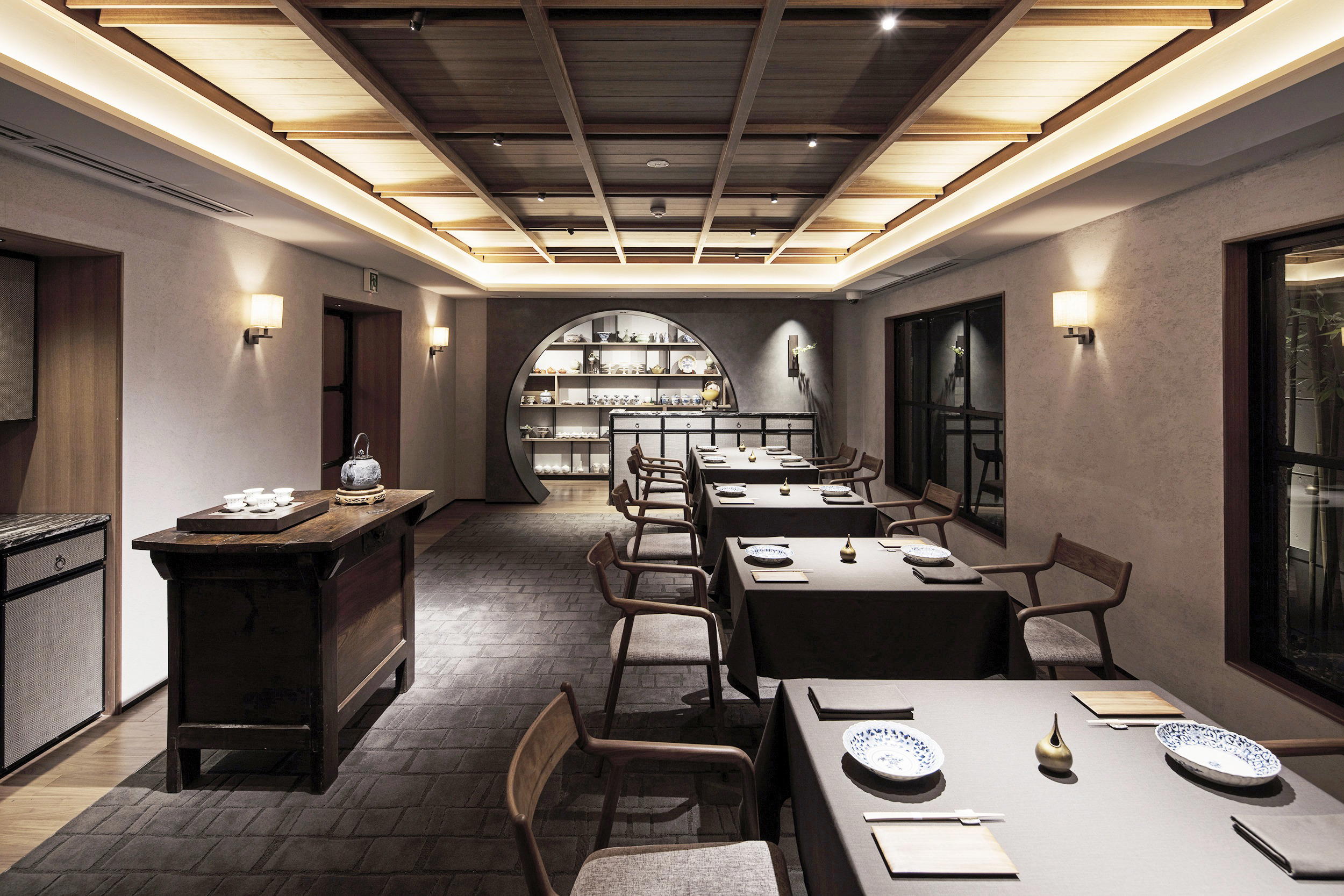
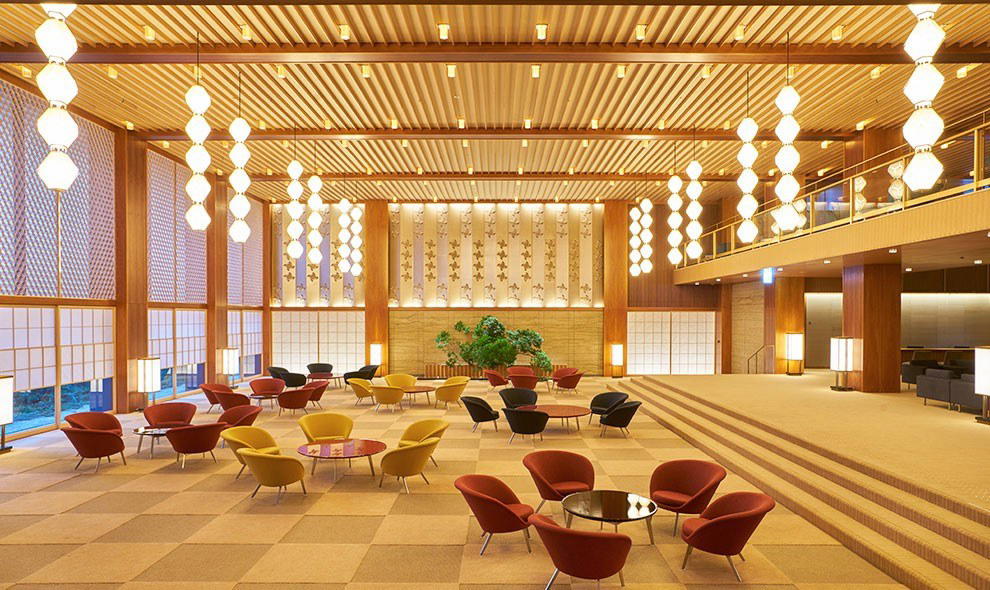
Relaxed and pleasant atmosphere with soft lighting illuminating a stylish Japanese space, creating a welcoming and serene dining experience.