
Sushi Hiroya sits in Tokyo’s Hamamatsucho-Daimon corridor, where small-counter sushi works less as spectacle than as ritual: fixed pacing, close attention to fish, and a room built around the counter. Its Tabelog Sushi TOKYO 100 selection in 2025 and eight-seat format place it in the city’s serious mid-to-premium sushi bracket rather than the casual station-area set.
Pearl is the En Primeur Club membership app — saves, bookings, and concierge access live there. Same editors, same standards.
- Address
- Japan, 〒105-0013 Tokyo, Minato City, Hamamatsucho, 1 Chome−9−2 E-GAMIビル 1F
- Phone
- +81 3-6432-0593
- Website
- sushihiroya-tokyo.com
 Saves & bookings on Pearl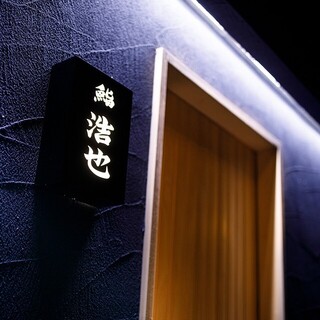
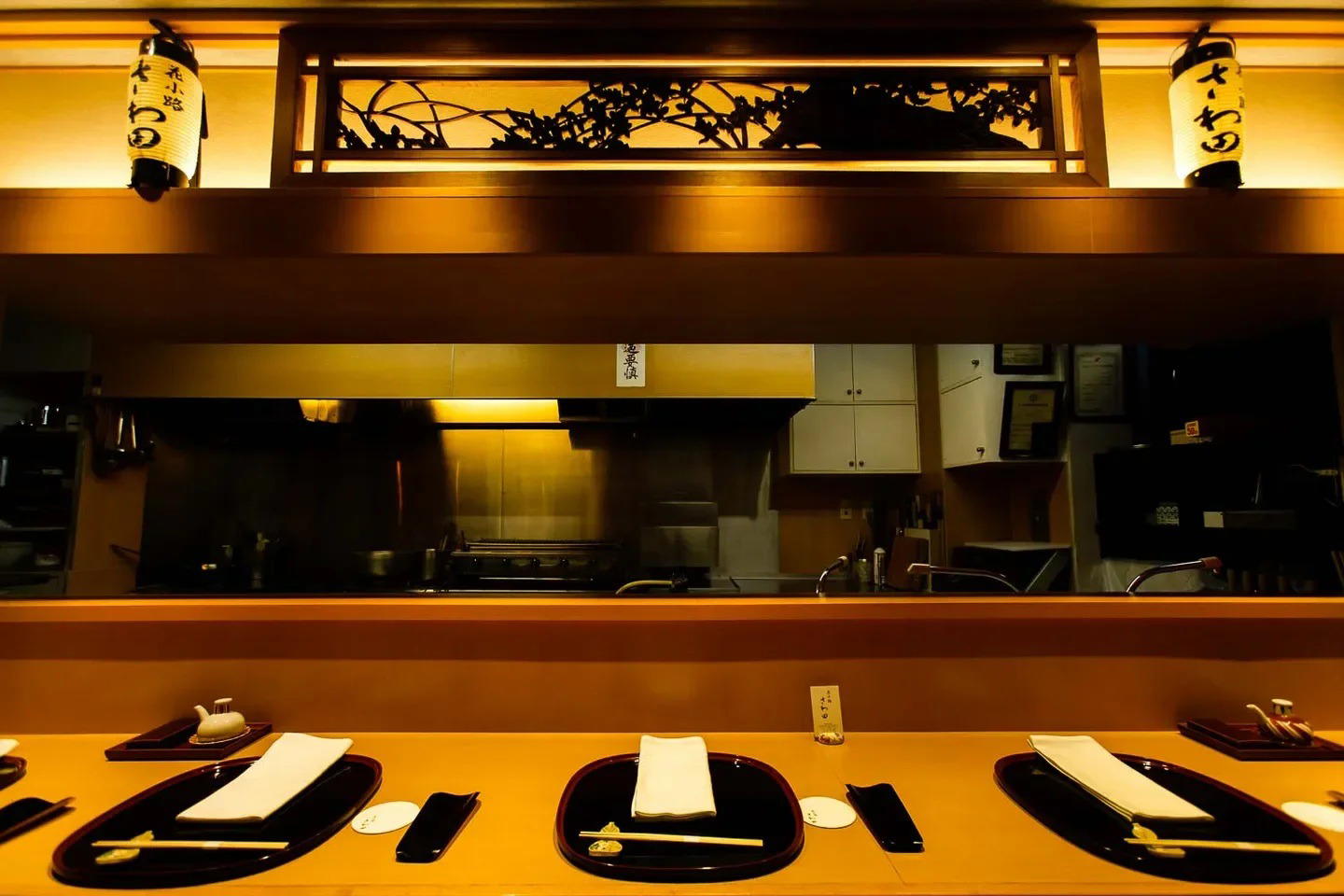
The approach to a serious Tokyo sushi counter changes the room before the meal begins. Conversation drops, coats are handled, the counter becomes the stage, and the sequence matters as much as the individual pieces. In Hamamatsucho and Daimon, a business district with temple approaches, office towers, and transport traffic running through it, that kind of controlled intimacy feels deliberately removed from the street. Sushi Hiroya belongs to this smaller register of Tokyo dining: compact, counter-led, and paced around a course rather than a loose à la carte evening.
Tokyo sushi is often discussed through Ginza and Akasaka, but the city’s quieter counter culture extends into practical neighborhoods where rent, access, and local regulars shape a different rhythm. Hamamatsucho-Daimon is not built around destination dining in the way Ginza is. That matters. A counter here has to justify itself through precision and repeatability rather than address glamour. Selection for Tabelog Sushi TOKYO 100 in 2025 gives Sushi Hiroya a public marker inside that competitive field, while its eight-seat setup keeps the meal in the low-capacity format that defines much of Tokyo’s serious sushi culture.
An eight-seat counter built around sushi as a timed ritual
The defining idea is not a single named dish. It is the structure of the meal: sushi and Japanese cuisine handled through a course format, with fish at the center and drinks that include sake, shochu, and wine. That combination says something about contemporary Tokyo sushi. The old binary of “sake with sushi” versus “wine with fine dining” has softened; counters increasingly make room for both, especially when the meal moves through cooked or Japanese-cuisine elements as well as nigiri.
The eight-seat scale changes the etiquette. Small counters reward punctuality, quiet attention, and a willingness to follow the cadence of service. In a room of this size, late arrivals are not just a personal inconvenience; they interrupt the shared pace. This is why Tokyo sushi at this level often feels less like ordering dinner and more like entering a compact performance with rules already in motion. The point is not stiffness. It is concentration: rice temperature, fish handling, and the order of pieces all depend on timing.
For readers comparing categories, this is a different proposition from a neighborhood tonkatsu or izakaya evening. Tonkatsu Aoki Daimon ten sits in the lower everyday price tier nearby, while Shoutai En Shibadaimon ten occupies a more casual Japanese dining bracket. Sushi Hiroya is priced and formatted for a planned meal, closer to the city’s reservation-counter economy than to the quick-dinner circuit around the stations. That distinction matters when deciding whether the evening is about convenience, social flexibility, or the controlled progression of sushi.
Hamamatsucho-Daimon gives the meal a quieter Tokyo frame
Hamamatsucho is a useful lens on Tokyo dining because it resists easy romance. The area moves commuters, office workers, airport-bound travelers, and temple visitors through the same grid. Daimon Station and the surrounding streets do not create the hushed luxury theatre associated with better-known sushi districts. Instead, the neighborhood makes the counter feel more intentional: a precise room inside a practical part of the city.
That contrast is part of the appeal for travelers who have already done the obvious Tokyo dining map. A small sushi counter in this district does not need to behave like a trophy address. It can function as a disciplined meal placed between business Tokyo and old Edo traces, with Zojoji and Shiba’s historic atmosphere nearby and the rail network close enough to keep the evening logistically clean. The setting favors diners who value format over flash.
The Tabelog 100 recognition is useful here because it separates the restaurant from the mass of competent sushi counters that populate Tokyo. It is not a Michelin-style star claim, and it should not be read as one. It is a category selection within a Tokyo sushi list, which makes it a signal of local competitive relevance. In a city where diners parse counter size, price band, booking friction, and neighborhood reputation with unusual seriousness, that kind of recognition carries practical weight.
How to place it in a Tokyo dining itinerary
The restaurant works well for a traveler who wants a focused sushi evening without building the entire trip around a famous-name counter. The meal is better suited to diners comfortable with Japanese counter etiquette: arrive on time, keep perfume restrained, avoid loud table negotiation, and treat the sequence as the kitchen’s decision rather than a shopping list. Families may also find the format workable when children are old enough to take a full course, which is a meaningful detail in a city where many counters are adult-only in practice.
Dietary expectations need to be realistic. Sushi counters can sometimes adjust for individual needs, but fish, rice seasoning, soy, shellfish, and dashi-adjacent preparations often sit at the core of the format. Restrictions should be raised before the meal rather than at the counter. The same principle applies to drinks: sake and wine are part of the restaurant’s stated range, but the meal remains sushi-led, not a bar program with sushi attached.
Nearby and related restaurant pages worth cross-checking include Abondance, Binshan Li, Fukumitsu, Honkaku Teuchi Moriya Toukyou ten, and Kibori. Wider Japan and overseas references include -Grilled beef Sukiyaki- KAMAKURA TANUKIAN 鎌倉 たぬき庵 in Kamakura. 鮪と炭火焼き うお炭 秋葉原店 in Tokyo.cafe in Osaka.know in Kumamoto, (Shoku) Vietnam in Kawasaki, [Curry Senmon Ten] Maruyama Kyoju. in Sapporo, Jōdo Saké Bar in Los Angeles, and Onigiri Time in Pasadena.
Cuisine and Awards Snapshot
Side-by-side context: comparable cuisine and price.
| Venue | Cuisine | Price | Notes |
|---|---|---|---|
| Sushi HiroyaThis venue — the venue you are viewing | Modern Omakase Sushi | $$$$ | Not listed |
| Honkaku Teuchi Moriya Toukyou ten | Traditional Sanuki Udon | $$ | Hamamatsucho |
| Yoshitomo | High-end Tempura Omakase | $$$$ | Chuo Ward, Hamamatsu City |
| Sumiyaki Unagi Hajime | Charcoal-grilled Unagi Specialist | $$$ | Nishi-ku |
| Kitanose | Upscale Japanese Kappo / Kaiseki | $$$ | Tamachi, Chuo Ward |
| 彩席かわかみ | Shizuoka Kaiseki | $$$$ | 第一通り (Daiichi-dori) |
Recognition history
Dated appearances from independent guides and award organizations, with the underlying list record or original source where available.
Tabelog 100 #35 · No. 35
Tabelog · Tabelog 100 - Sushi - TOKYO - 2025
Continue exploring
More in Hamamatsu
Restaurants in Hamamatsu
Browse all →

Bars in Hamamatsu
Browse all →




At a Glance
- Modern
- Elegant
- Intimate
- Sophisticated
- Date Night
- Special Occasion
- Business Dinner
- Solo
- After Work
- Chefs Counter
- Standalone
- Sake Program
Current opening hours
- Monday
- 6–11 PM
- Tuesday
- 6–11 PM
- Wednesday
- 6–11 PM
- Thursday
- 6–11 PM
- Friday
- 6–11 PM
- Saturday
- 6–11 PM
- Sunday
- 12–11 PM
Hours can change for holidays and private events. Last verified .
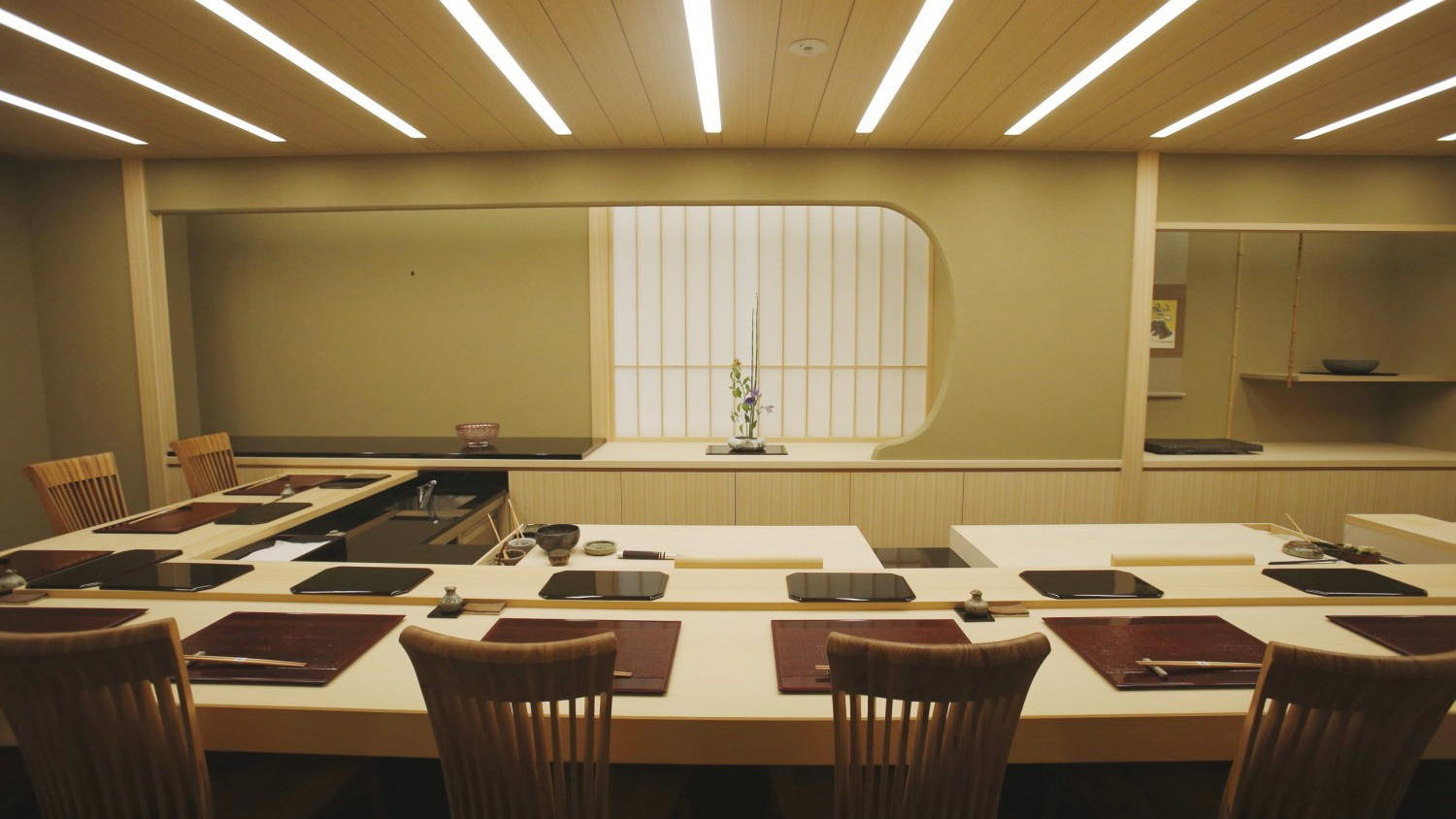
Small, quietly elegant counter-style space with a modern Japanese aesthetic, subdued lighting, and a calm, focused atmosphere centered on the chef’s preparation in front of guests.