
Sushi Gosuian belongs to Fukuoka’s small-counter sushi tier, where the meal is defined as much by rhythm and etiquette as by fish selection. A seven-seat counter, Tabelog Sushi WEST 100 selection for 2025, and a no-fragrance, low-disruption room policy place it firmly in the disciplined end of the city’s dining culture.
Pearl is the En Primeur Club membership app — saves, bookings, and concierge access live there. Same editors, same standards.
- Address
- Japan, 〒810-0073 Fukuoka, Chuo Ward, Maizuru, 2 Chome−8−23 ルピエ舞鶴 1F
- Phone
- +81 92-725-3575
- Website
- gosuian.com
 Saves & bookings on Pearl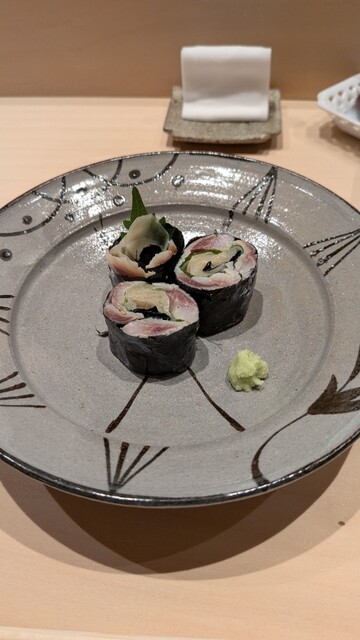
The room states its rules before the meal explains itself: counter seating, close sightlines, and a hush that makes camera shutters and perfume feel out of place. Fukuoka is often introduced through ramen, yatai, and seafood markets, but its serious sushi counters demand another tempo: sequence, restraint, and the social contract of a small room where every guest affects service.
Sushi Gosuian sits in that ritual-led bracket. Fukuoka has strong seafood access, but a seven-seat counter turns access into choreography. The meal is less anonymous than a hotel sushi room and less flexible than a neighborhood à la carte stop, rewarding diners comfortable with silence, timing, and a chef-facing format where attention is etiquette.
Fukuoka sushi at counter scale, not market scale
Fukuoka’s dining identity can mislead visitors. Its informality is earned, from late-night noodles to quick seafood meals, yet higher-end counters run on tighter code. Local appetite for fish meets Japanese sushi grammar: prepared or cooked items, nigiri progression, pauses for tea or drink, and a room that works well when guests share one rhythm.
Sushi Gosuian is a useful lens on the city’s quieter luxury. Tabelog selected it for Sushi WEST 100 in 2025, placing it within a western Japan sushi conversation, not only a Fukuoka neighborhood one. Its listed Tabelog score of 3.74 signals serious local traction, especially where small counters build reputation through repeat diners rather than broad tourist traffic.
The counter-only structure matters. Larger restaurants absorb distraction; seven seats cannot. Guidance against strong fragrance and intrusive photography is not decorative etiquette but protection for sushi’s mechanics. Rice temperature, handoff timing, and diner readiness matter more when the room moves through one sequence.
For context, Our full Fukuoka restaurants guide maps casual specialists to higher-priced counters. Hakata Gomasaba Ya represents low-cost seafood, while gasutoronomi ya kogakeisuke sits in a French-influenced fine-dining bracket below this sushi counter’s listed dinner range. Tori Kami Garden City occupies another premium Japanese category, built around chicken rather than fish. Fukuoka’s strength is not one genre, but dense specialist formats within a compact city.
The meal is governed by etiquette as much as appetite
At this level, sushi is ritual before checklist. The counter asks the guest to accept a controlled pace: watch, receive, eat, reset. In a room small enough for every delay to show, the better comparison is not a long tasting menu that invites conversation between courses, but a performance of repeated gestures where timing is the luxury.
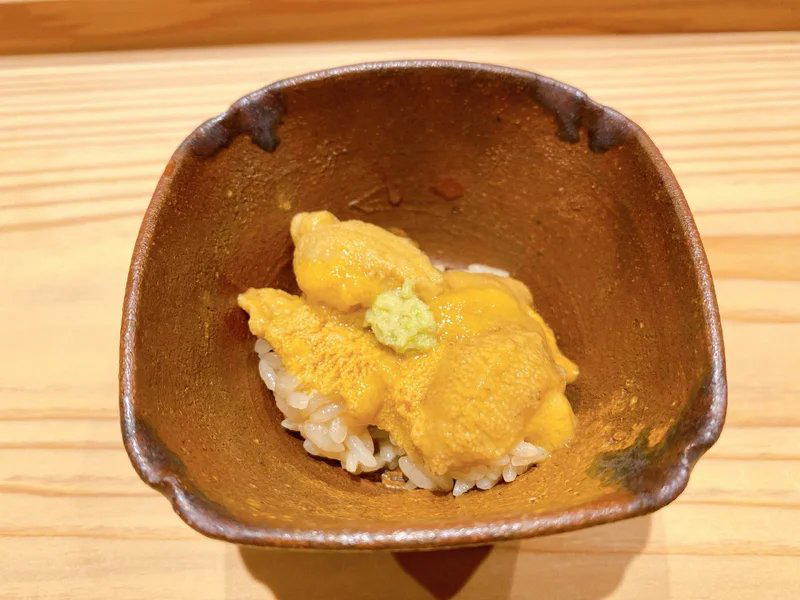
Sushi Gosuian’s category listing includes sushi, Japanese cuisine, and seafood, with emphasis on fish. Broad as that sounds, it places the counter inside Fukuoka’s fish-driven dining culture rather than fusion or spectacle. Opened in 2017, it has enough history to be beyond novelty while remaining part of the city’s newer generation of compact premium counters.
The price tier separates it from everyday sushi. Fukuoka offers excellent cheaper fish at Aji Furai Shokudo Kaba, Aji no Katsueda, and Aji Dokoro Taro Gen Sougyou ten. The issue is not whether cheaper fish exists; it does. It is whether the diner wants the discipline of a small counter, where cost reflects format, concentration, and limited capacity as much as ingredients.
That distinction is easy to miss when building a variety-driven itinerary. A day might move from South Indian cooking at 106 South Indian Fukuoka tenjin ten to spice-led cooking at Afterglow, then seafood at Aji Furai Shokudo Kaba or local Japanese cooking at Aji Dokoro Taro Gen Sougyou ten. This counter should not be another stop in that crawl. It needs space around it.
For travelers comparing Japanese dining across cities, the point is format precision, not one national template. Sukiyaki at -Grilled beef Sukiyaki- KAMAKURA TANUKIAN 鎌倉 たぬき庵 in Kamakura, casual tuna-and-charcoal at 鮪と炭火焼き うお炭 秋葉原店 in Tokyo, and sake-bar dining at Jōdo Saké Bar in Los Angeles all sit under a broad Japanese umbrella. Counter sushi is narrower and less forgiving, which is its appeal.
How to place it within a Fukuoka trip
Use this meal as an anchor, not a prelude. Fukuoka’s compact geography encourages over-scheduling, but small-counter sushi wants a quieter day: lighter lunch, no heavy fragrance, and time afterward for the meal to stand alone. The nearest station is Ohorikoen, in a calmer orbit than the city’s denser nightlife corridors.
Policies show the evening’s shape. Private rooms are unavailable, smoking is not part of the format, and children are accepted only from junior high school age if they can take the full course. These are not mere restrictions; they define the room’s social architecture. A seven-person maximum seating capacity suits couples, solo diners, or a small party taking the entire counter better than mixed groups with different appetites.
Fukuoka rewards breadth, so plan surrounding days accordingly. Use Our full Fukuoka hotels guide for where to base yourself, Our full Fukuoka bars guide for post-dinner drinking, Our full Fukuoka experiences guide for cultural pacing, and Our full Fukuoka wineries guide if the trip extends into wine-focused planning. Keep lower-stakes meals in rotation: Aji no Katsueda for another everyday register.know in Kumamoto or.cafe in Osaka if continuing beyond Kyushu, and casual specialists such as (Shoku) Vietnam in Kawasaki, [Curry Senmon Ten] Maruyama Kyoju. in Sapporo, or Onigiri Time in Pasadena for contrast on a longer Japan-and-beyond dining map.
The verdict is simple: this is not the Fukuoka meal for diners chasing noise, looseness, or a long menu of choices. It is for the guest who understands small-counter sushi as shared discipline. Recognition, capacity, and etiquette point in one direction: a tightly managed sushi experience where restraint is part of the value.
Cuisine and Recognition
Comparable options at the same price tier.
| Venue | Cuisine | Price | Notes |
|---|---|---|---|
| Sushi GosuianThis venue — the venue you are viewing | Edomae Sushi Omakase | $$$$ | Not listed |
| 嗣味 | Modern Japanese Omakase | $$$$ | Chūō |
| 茶懐石 中伴 | Kappo Kaiseki | $$$$ | Chūō |
| 一本木 石橋 | Kappo-Style Kaiseki | $$$$ | Chūō |
| Nakahan | Cha-Kaiseki Omakase | $$$$ | Chūō |
| Tori Kami Garden City | Yakitori | $$$ | Chūō |
Recognition history
Dated appearances from independent guides and award organizations, with the underlying list record or original source where available.
Tabelog 100 #13 · No. 13
Tabelog · Tabelog 100 - Sushi - WEST - 2025
At a Glance
- Elegant
- Minimalist
- Intimate
- Sophisticated
- Classic
- Date Night
- Special Occasion
- Business Dinner
- Solo
- Chefs Counter
- Standalone
- Design Destination
- Sake Program
- Local Sourcing
- Sustainable Seafood
Current opening hours
- Monday
- Closed
- Tuesday
- 12–2 PM, 6:30–9 PM
- Wednesday
- 12–2 PM, 6:30–9 PM
- Thursday
- 12–2 PM, 6:30–9 PM
- Friday
- 12–2 PM, 6:30–9 PM
- Saturday
- 12–2 PM, 6:30–9 PM
- Sunday
- Closed
Hours can change for holidays and private events. Last verified .
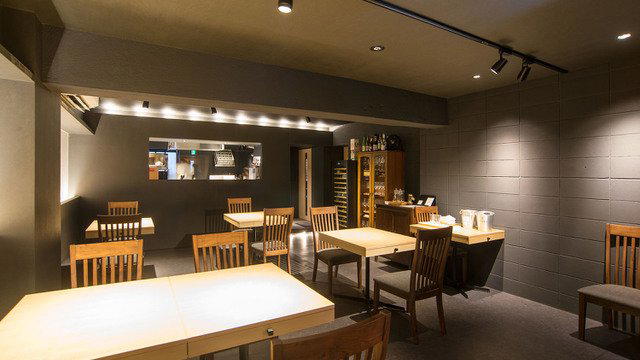
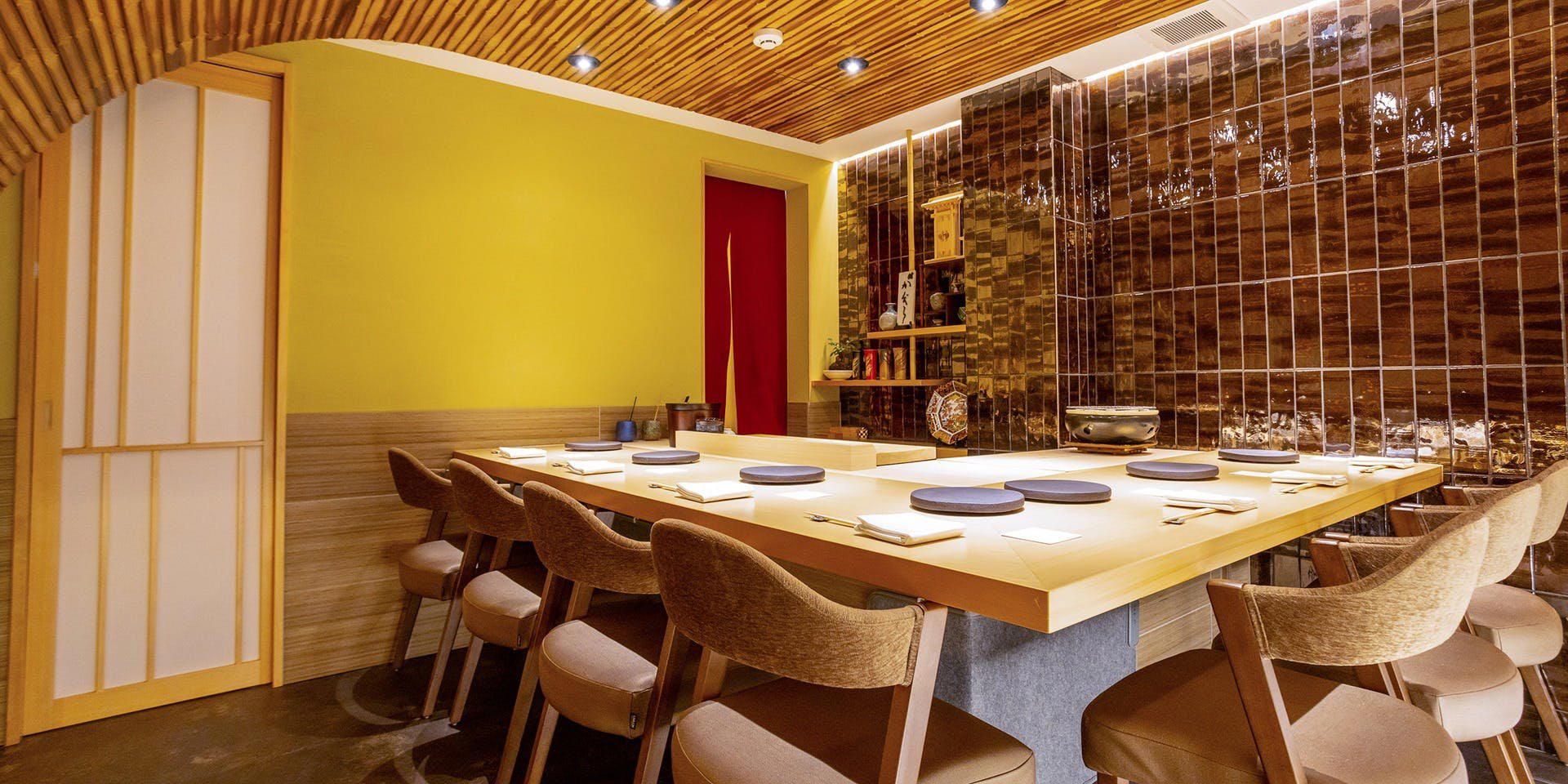
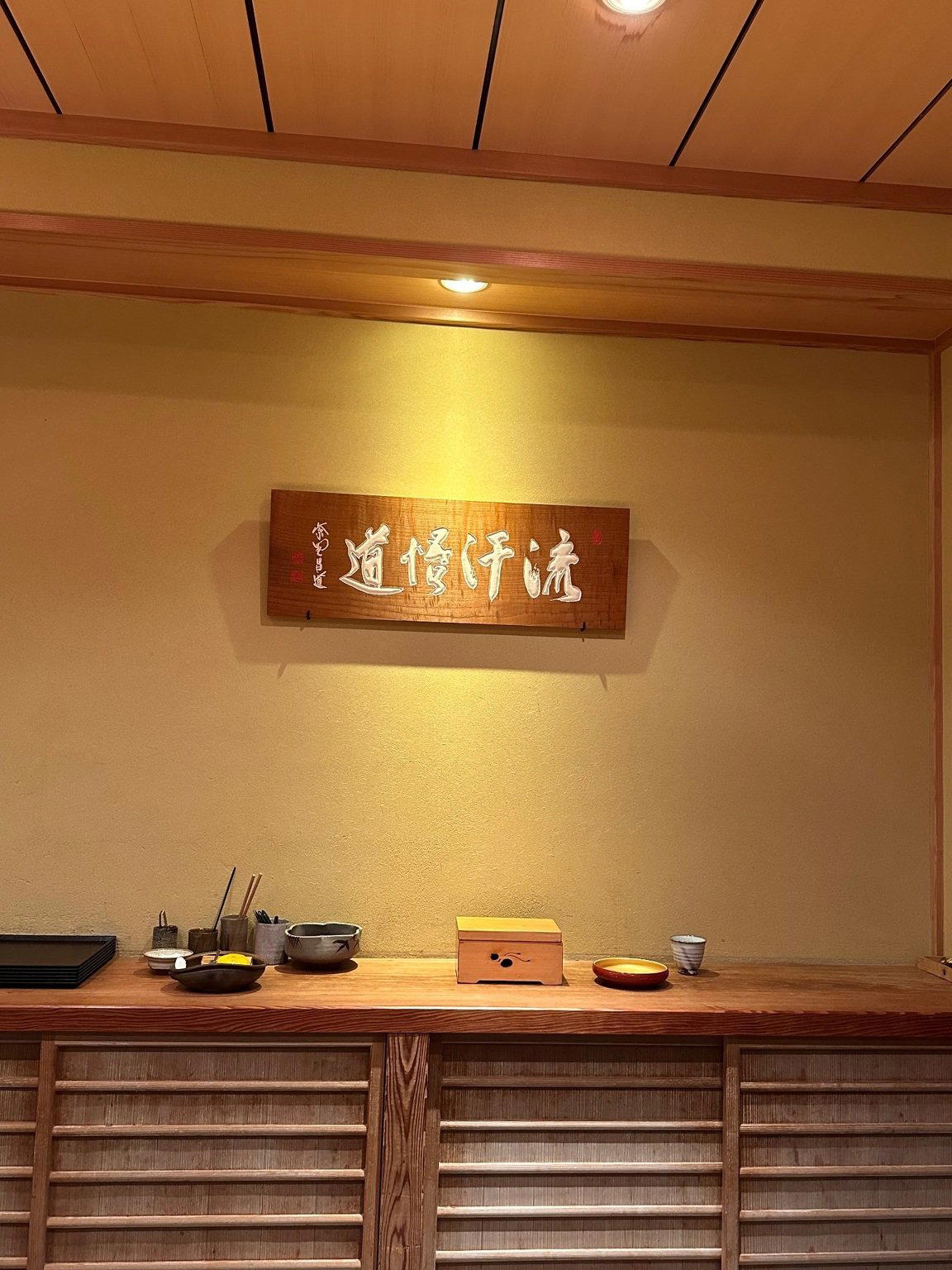
Calm and refined with a simple, uncluttered counter-only space that focuses attention on the sushi; lighting and decor are understated rather than flashy, emphasizing quiet concentration and traditional hospitality.