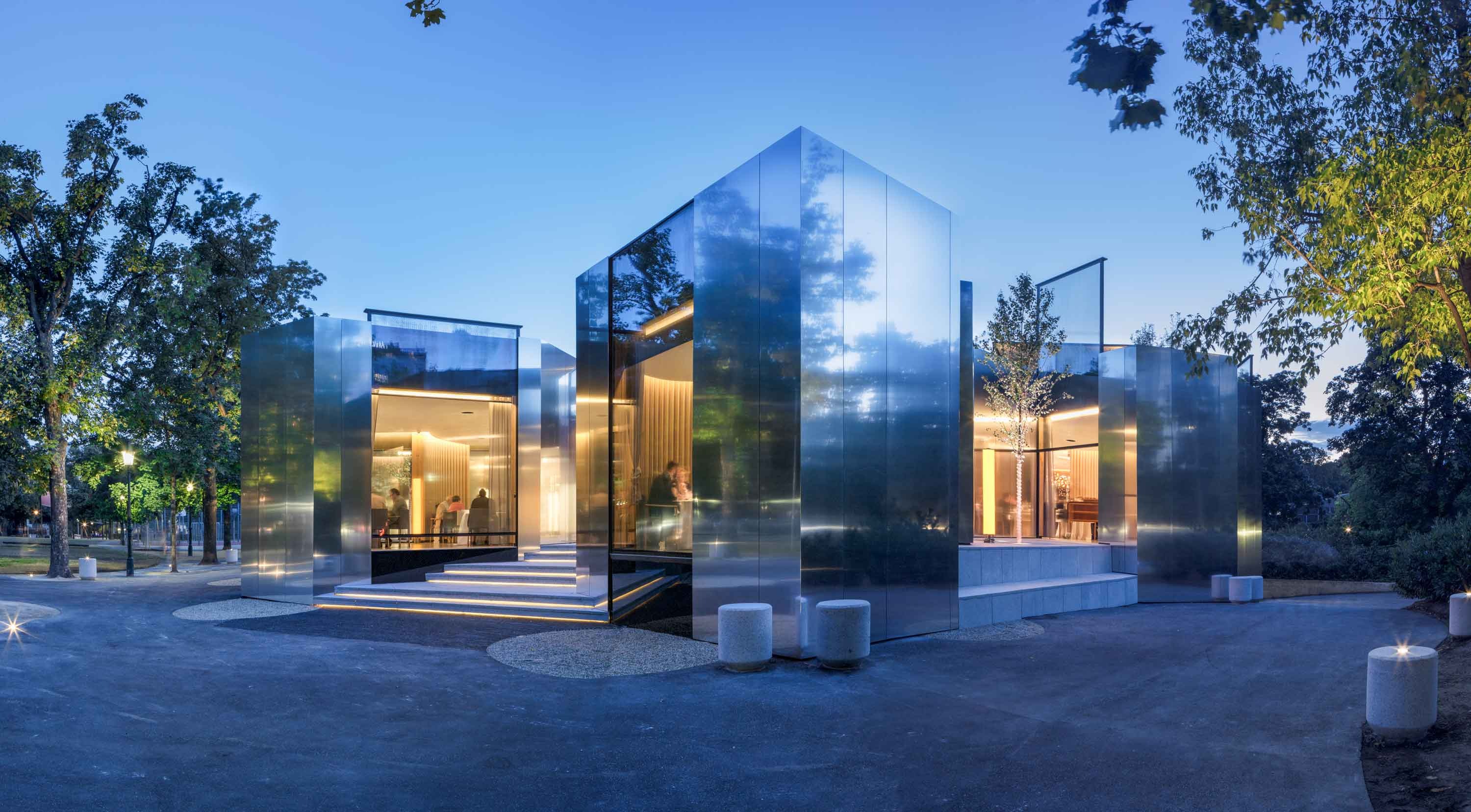
Donnersmarkt occupies a measured position within Vienna's First District dining scene, where Ringstrasse grandeur shapes expectations before you reach the table. Situated at Parkring 16 in the 1010 postcode, the address places it among a concentration of formal dining rooms that together define central Vienna's upper-middle register. For visitors working through Austria's restaurant landscape, it represents a useful point of orientation.
Pearl is the En Primeur Club membership app — saves, bookings, and concierge access live there. Same editors, same standards.
- Address
- Parkring 16, 1010 Wien, Austria
- Phone
- +43126601084066
- Website
- donnersmarkt.com
- Directions
- Get directions
 Saves & bookings on Pearl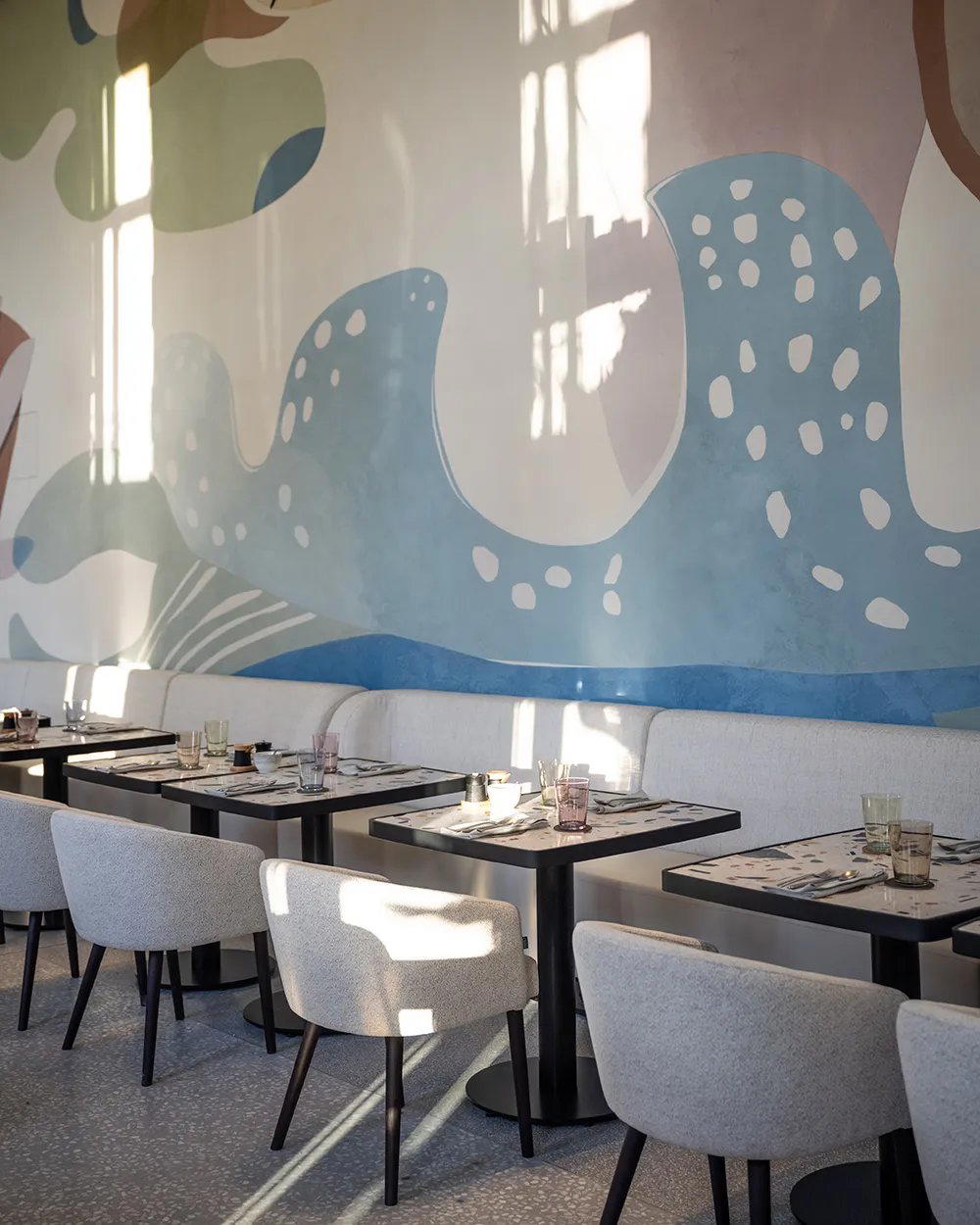
The Weight of the First District
Vienna's First District operates as its own category. The addresses along Parkring and the Ringstrasse carry architectural gravity that few European dining corridors match: the Staatsoper two minutes in one direction, the Stadtpark the other, and a procession of grand facades that were built to signal permanence. Donnersmarkt, at Parkring 16, occupies this visual context in a way that shapes the experience before any food arrives. Walking toward the entrance along the ring road, with its double rows of traffic and the stone buildings pressing upward on either side, the sensory register is one of compression and formality. Vienna does not ease you into its historic core; it presents it as a fait accompli.
That atmospheric weight is something the city's fine dining rooms have always had to work with rather than against. One interesting question in Vienna's current restaurant conversation is how contemporary kitchens choose to position themselves relative to that inherited grandeur: whether to lean fully into classical Viennese register, to operate as something deliberately counterintuitive against a stately backdrop, or to occupy a middle ground that takes the setting seriously without being enslaved to it. The cluster of serious restaurants operating in and around the First District, from Steirereck im Stadtpark on the park's edge to Konstantin Filippou a few streets in, each navigates that question differently.
Where Donnersmarkt Sits in the Vienna Scene
Vienna's higher-end restaurant tier has consolidated around a handful of recognisable formats. There are the long-established tasting-menu rooms with multiple Michelin stars, Amador and Mraz & Sohn among them, where the format is known, the cooking is technically demanding, and the commitment is multi-hour. There are also the restaurants at the more accessible end of formal dining that serve as entry points to the city's serious food culture without requiring either the booking lead time or the outlay of the starred tier. Donnersmarkt at Parkring 16 sits within Vienna's 1010 postcode, where real estate and rental costs mean that any restaurant operating in this zone is pricing into a market that expects quality as a baseline, not a differentiator.
That postcode places it in direct conversation with the surrounding hotel dining rooms and brasserie-format operations that line the Ringstrasse and its adjacent streets. The comparable set here is not necessarily the starred kitchens of Mraz & Sohn or Doubek but rather the broader category of restaurants that a hotel concierge in the First District would confidently recommend for a business dinner or a pre-concert meal. In cities like Vienna, where the opera and concert calendar drives a significant portion of fine dining demand, proximity to the Staatsoper and the Musikverein is not incidental, it shapes service pacing, menu format, and the rhythm of when tables turn.
The Sensory Register of a Ringstrasse Address
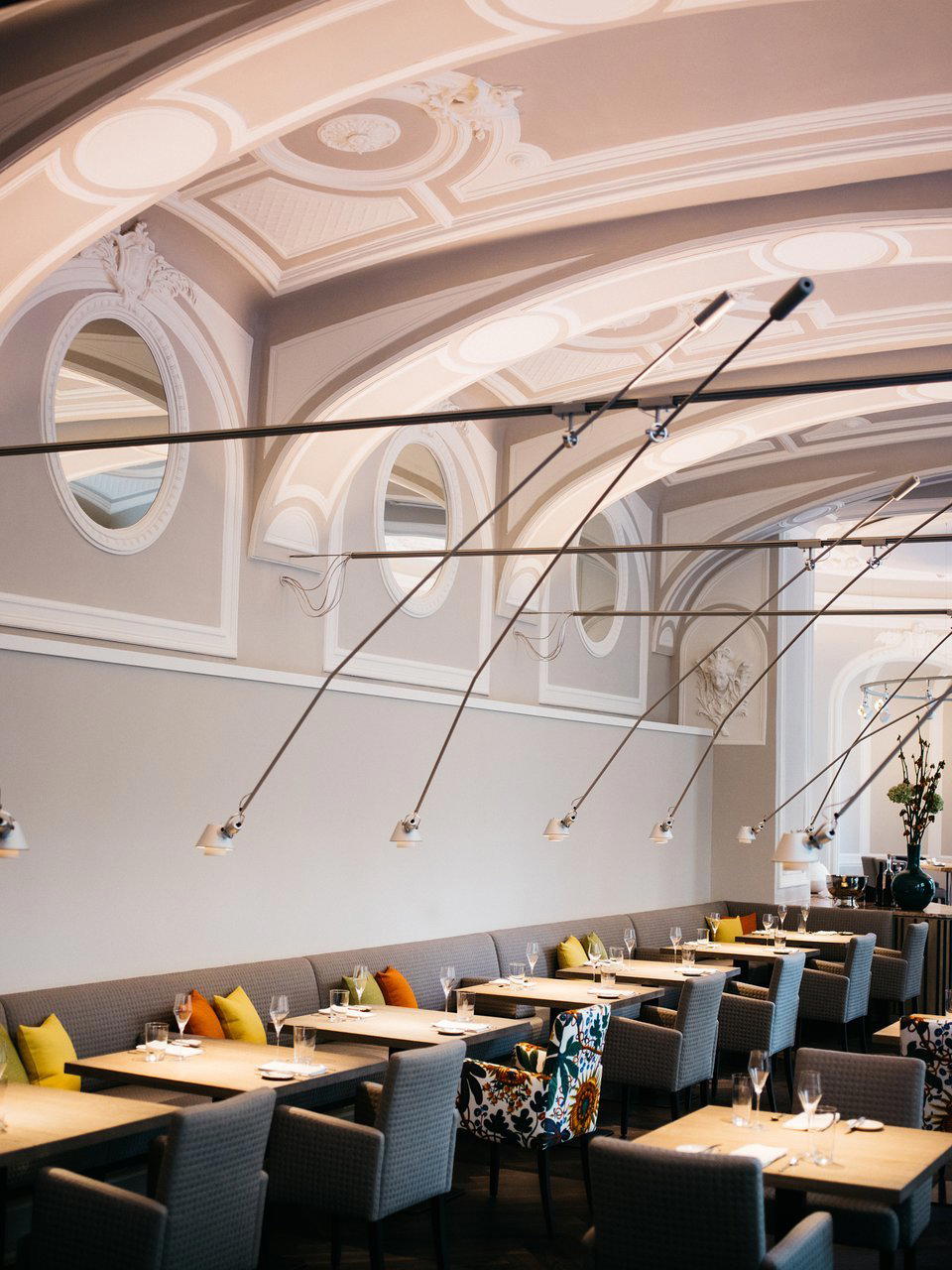
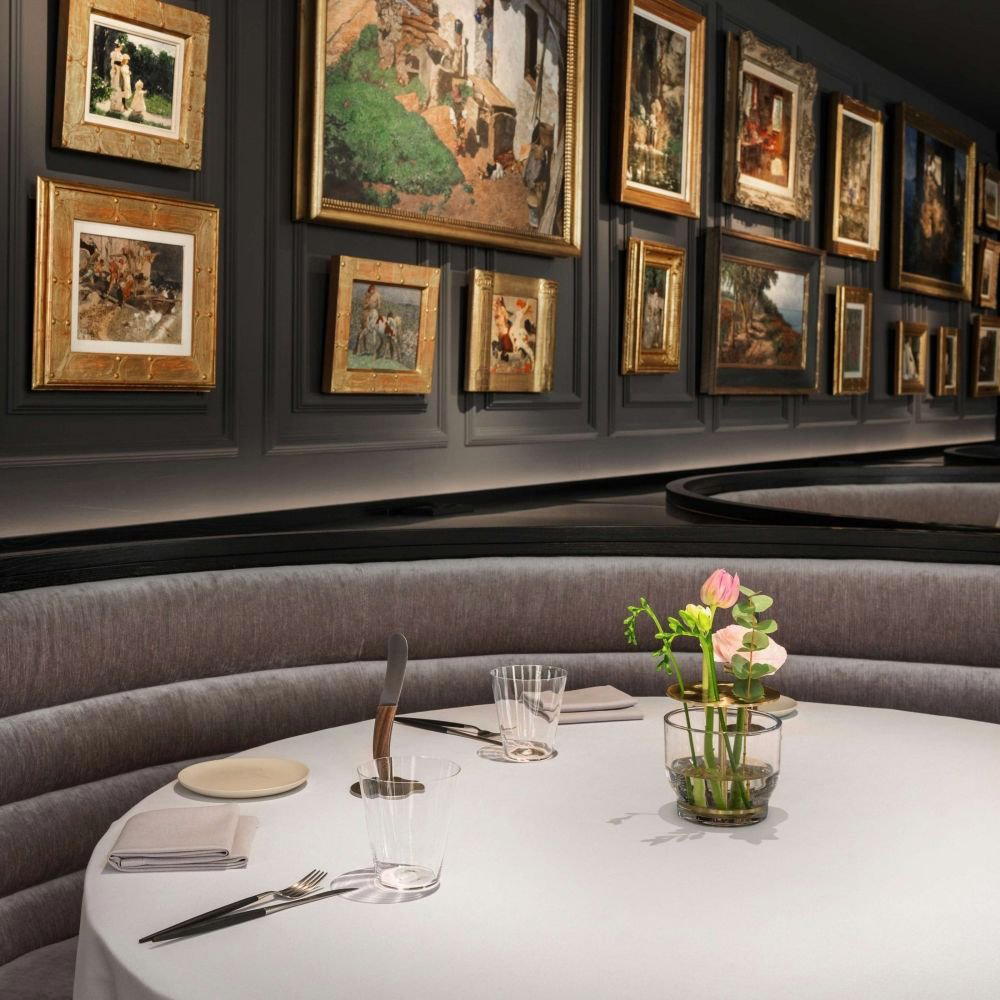
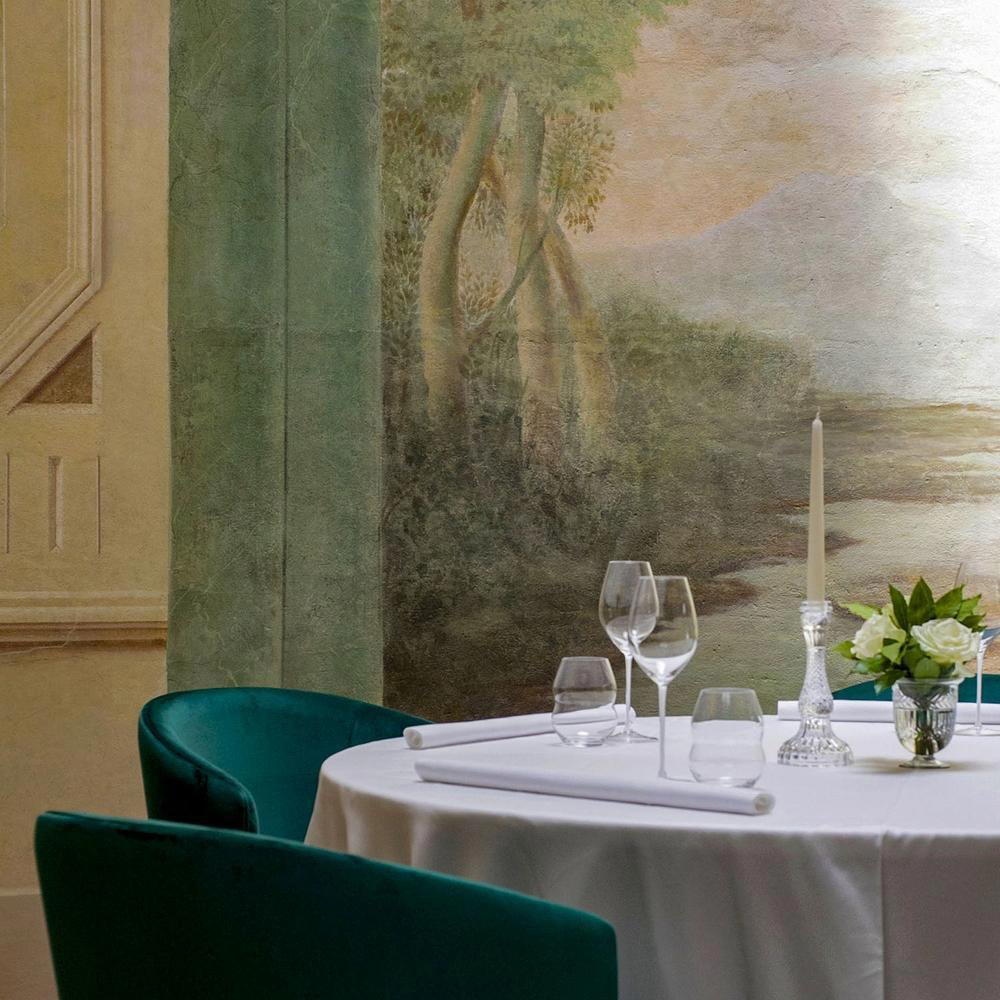
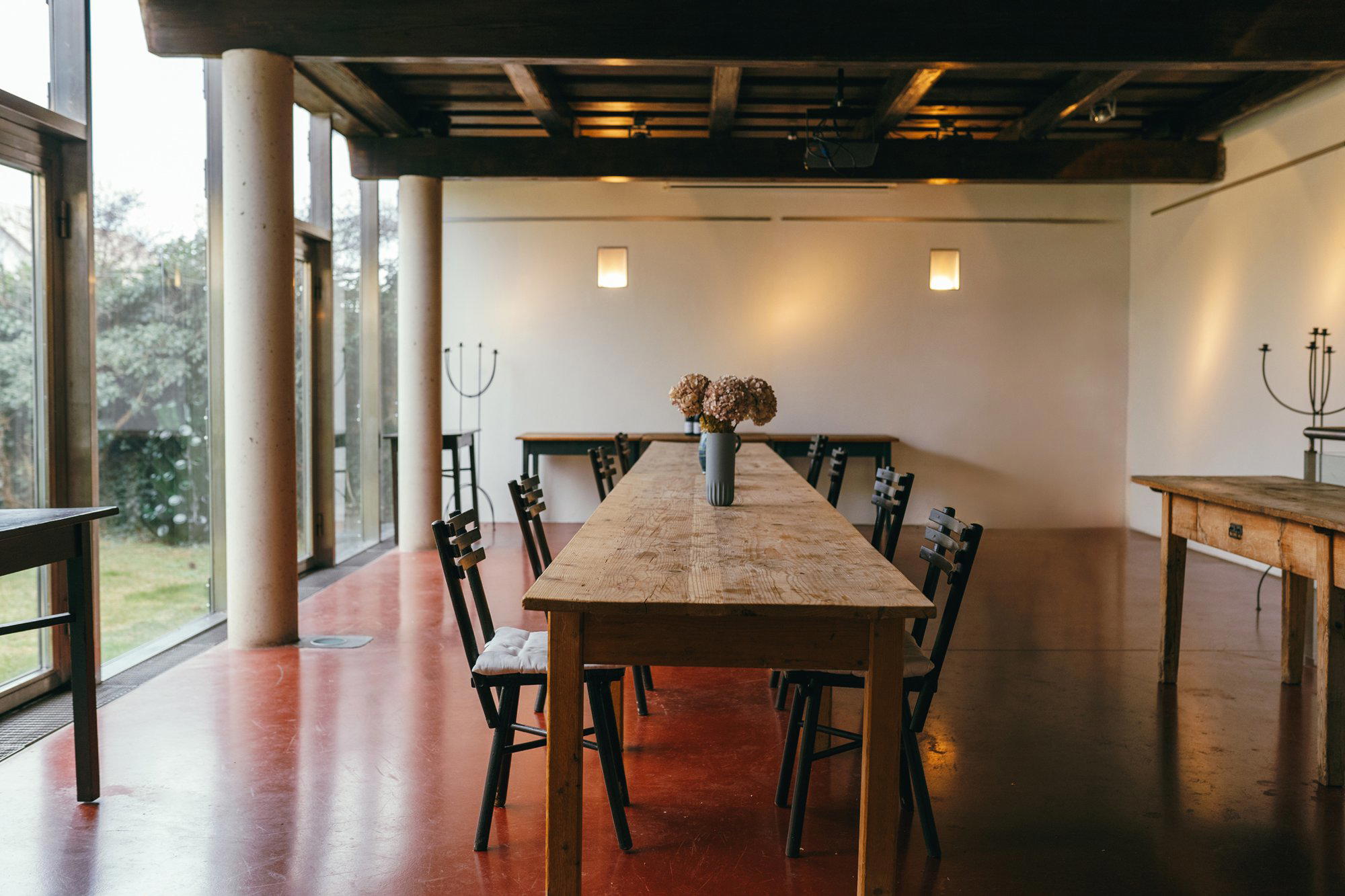
The editorial angle that matters most with a venue at this address is not the food in isolation but the full sensory frame the location imposes. Central Vienna dining rooms of this type tend to deliver a particular acoustic signature: stone floors or parquet, high ceilings, the gentle percussion of cutlery on ceramic, and a dining room volume that sits just below conversation-dampening. Natural light through tall windows shifts through the evening service as the city's ambient light drops and the interior lighting takes over, often producing a quality of illumination, warm against stone and white linen, that has been a feature of Viennese dining rooms since the coffeehouse era.
These are rooms designed for duration. Vienna's coffee and restaurant culture historically resisted the Anglo-American pressure to turn tables quickly, and the Ringstrasse dining corridor in particular has preserved a pace where an evening meal is still understood as an event with a beginning, a sustained middle, and a considered end. That approach to time places Vienna in a different register from, say, the compressed tasting formats of Le Bernardin in New York City or the communal-energy model of Lazy Bear in San Francisco, where the format itself generates part of the energy.
Austria Beyond Vienna: The Broader Context
For visitors using Vienna as an entry point to Austrian fine dining more broadly, the country's restaurant geography rewards attention. Outside the capital, a different set of kitchens operates in conditions shaped by alpine geography and regional produce calendars. Döllerer in Golling an der Salzach and Obauer in Werfen represent the Salzburg corridor's serious food culture; Landhaus Bacher in Mautern an der Donau anchors the Wachau wine region's culinary identity. In Tyrol, Schwarzer Adler in Hall in Tirol and Gourmetrestaurant Tannenhof in Sankt Anton am Arlberg serve an alpine tourism market with a notably different pace and emphasis than their Viennese counterparts.
The ski resort format of Stüva in Ischgl, the regional produce focus of Kräuterreich by Vitus Winkler in Sankt Veit im Pongau, and the wine-country orientation of Taubenkobel in Schützen am Gebirge each represent different expressions of Austrian dining that have no real equivalent in the capital. Ois in Neufelden and Restaurant 141 by Joachim Jaud in Mieming further extend the picture into Upper Austria and the Inn Valley respectively, mapping a country whose gastronomic identity is considerably more varied than Vienna alone suggests.
Planning a Visit
Donnersmarkt is located at Parkring 16, 1010 Wien, Austria. Reservations: Recommended. Budget: About $35 per person. Dress: Smart casual.
What It’s Closest To
Comparable venues nearby, for context on price, style, and recognition.
| Venue | Cuisine | Price | Notes |
|---|---|---|---|
| DonnersmarktThis venue — the venue you are viewing | Modern Austrian Alpine Plant-Forward | $$ | Not listed |
| hiddenkitchen city | Healthy European Cafe | $$ | Stephansdom |
| Fladerei Berggasse | Stuffed Flatbreads | $$ | Inner City |
| Topf&Deckel | Healthy Seasonal European Canteen | $$ | Inner City |
| The View | Contemporary European with Austrian Specialties | $$$ | Riesenrad |
| Ramen Makotoya Landstraße | Japanese Ramen | $$ | Wien-Mitte |
Continue exploring
More in Vienna
Restaurants in Vienna
Browse all →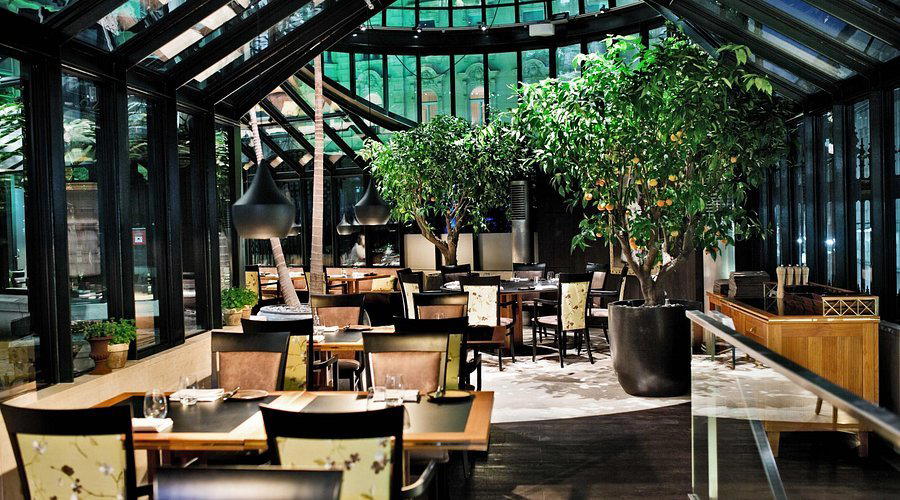
Bars in Vienna
Browse all →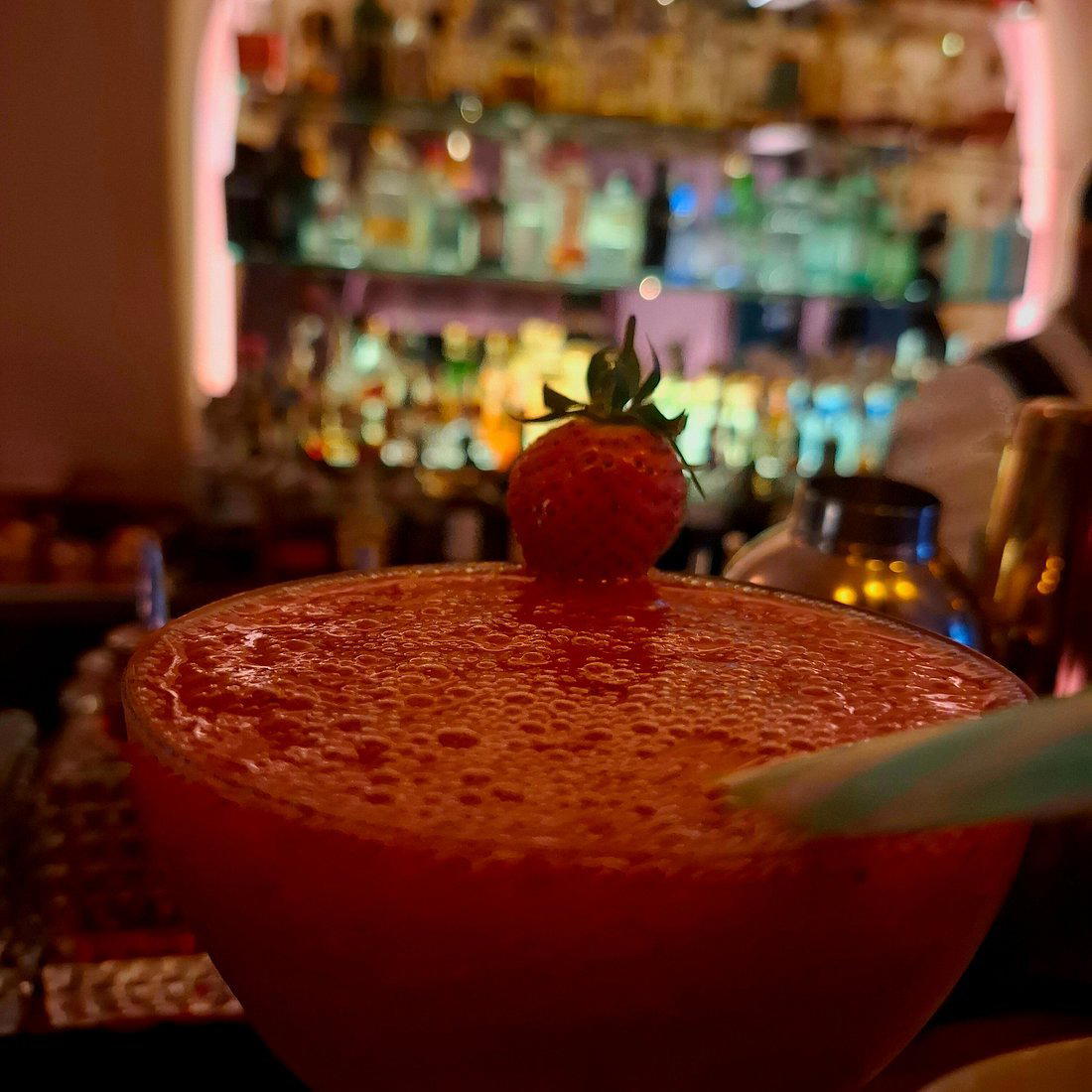
Hotels in Vienna
Browse all →
At a Glance
- Modern
- Elegant
- Intimate
- Cozy
- Brunch
- Historic Building
- Craft Cocktails
- Local Sourcing
- Zero Waste
Current opening hours
- Monday
- 7 AM–2 PM, 5–10 PM
- Tuesday
- 7 AM–2 PM, 5–10 PM
- Wednesday
- 7 AM–2 PM, 5–10 PM
- Thursday
- 7 AM–2 PM, 5–10 PM
- Friday
- 7 AM–2 PM, 5–10 PM
- Saturday
- 7 AM–4 PM, 5–10 PM
- Sunday
- 7 AM–2 PM, 5–10 PM
Hours can change for holidays and private events. Last verified .
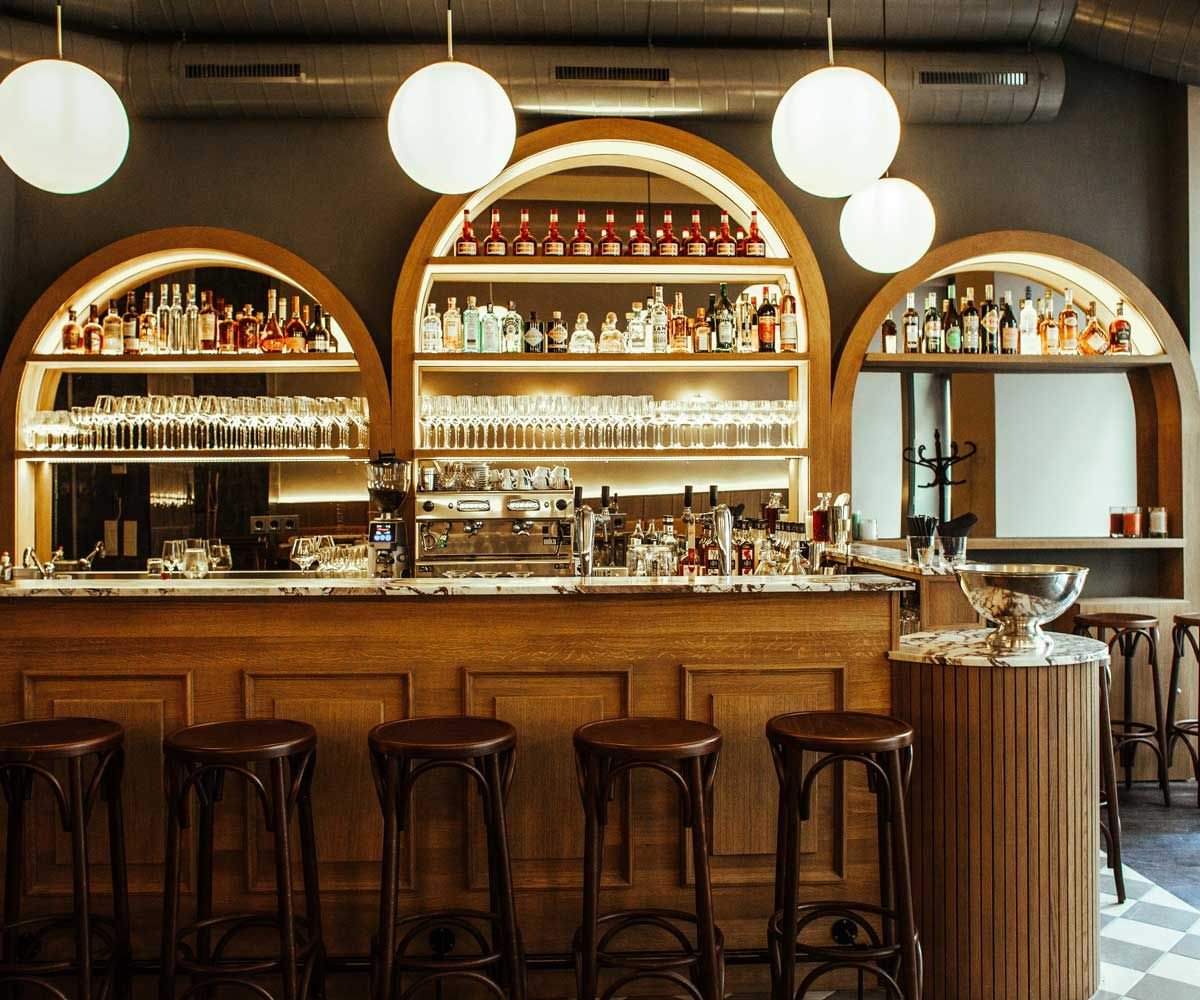
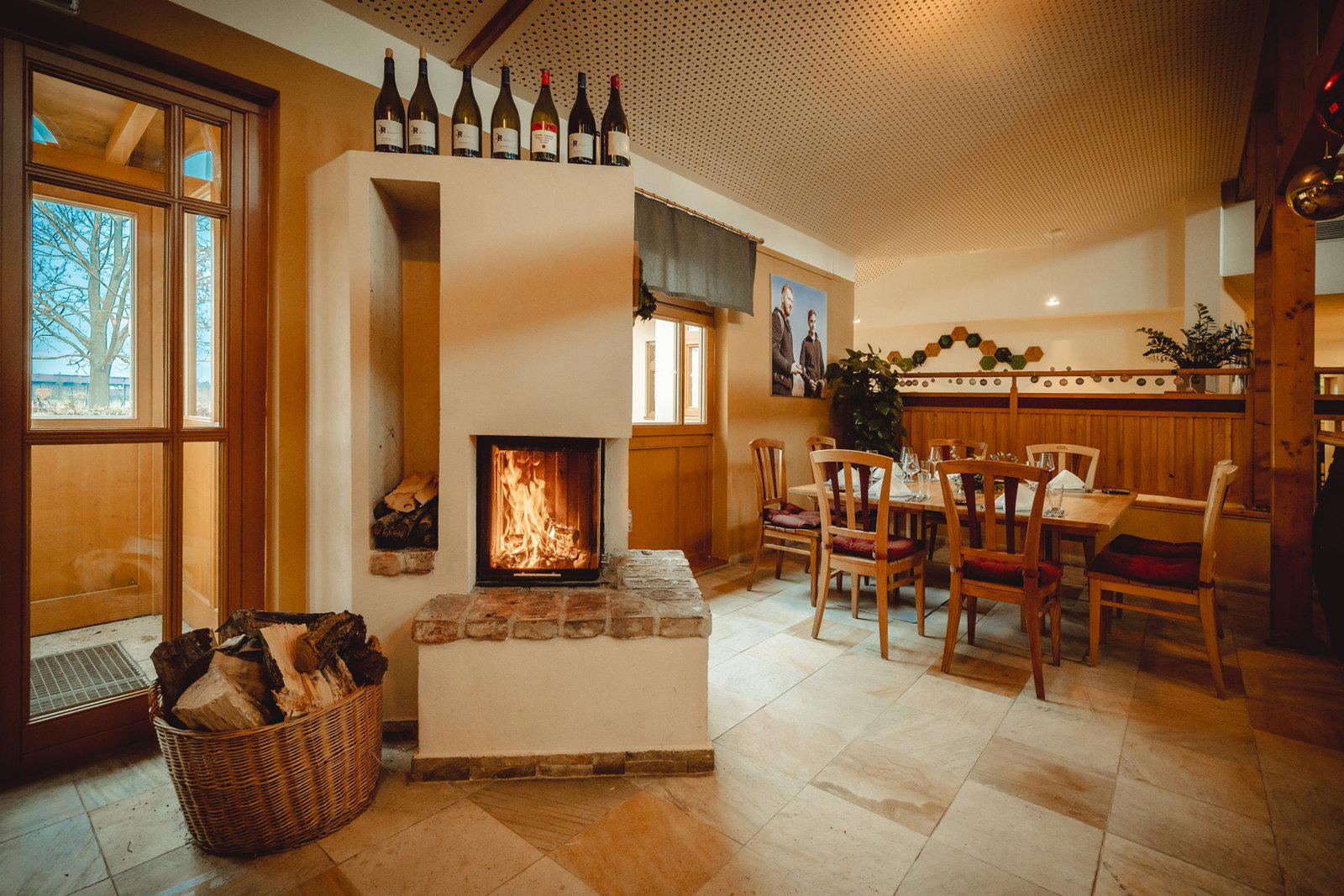
Elegant and intimate setting with glowing bottle displays, blending historic charm with modern innovation.