Google: 4.7 · 2,879 reviews
.png)
Šug holds a Michelin Plate for 2024 and 2025, placing it among the more critically recognised addresses in Split's regional dining tier. Located on Ul. Tolstojeva 1a, it operates at the €€€ price point, signalling an approach that goes beyond the straightforward Dalmatian konoba format. With a Google rating of 4.6 across more than 2,600 reviews, its reputation is broad as well as sustained.
 Discover on Pearl
Pearl is the En Primeur Club membership app — saves, bookings, and concierge access live there. Same editors, same standards.
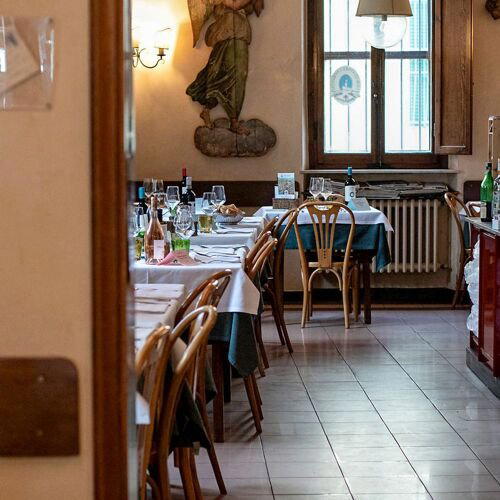
Where Split's Regional Cooking Earns Critical Attention
Ul. Tolstojeva 1a sits just beyond the perimeter of Diocletian's Palace, in that transitional belt where Split shifts from tourist-dense marble lanes to streets with more residential character. Arriving here, the atmosphere is quieter than the old town's busier dining corridors, and the building itself does not announce itself with the kind of loud branding common to Dalmatian restaurants pitching hard to summer footfall. That restraint is, in some ways, the first signal about what Šug represents in the city's dining order.
Consecutive Michelin Plates and What They Signal
Michelin awarded Šug its Plate designation in both 2024 and 2025, a consecutive recognition that in the Michelin framework indicates cooking that reaches a standard the inspectors consider worth noting. The Plate is not a star, but its repetition across two annual guides matters: it distinguishes Šug from the much larger pool of Dalmatian restaurants with no inspector attention at all, and places it inside a defined tier of Croatian regional cooking that the guide treats as worth tracking.
Croatia's Michelin-recognised table count remains modest relative to the country's volume of serious restaurants, which makes any consecutive listing a meaningful competitive signal. Among Adriatic coastal cities, Split has fewer Michelin-acknowledged addresses than Dubrovnik or Istria's restaurant corridor, where venues like Agli Amici Rovinj in Rovinj and Boskinac in Novalja have built longer track records with the guide. In that context, Šug's sustained recognition positions it as one of Split's reference points for the category.
Further up the Croatian recognition chain sit addresses like Alfred Keller in Mali Lošinj, Dubravkin Put in Zagreb, Korak in Jastrebarsko, and LD Restaurant in Korčula, each with their own standing in the national critical hierarchy. Šug's place in that broader Croatian map is as a serious regional operator in Dalmatia's main city, holding recognition that few Split restaurants have maintained across two consecutive guide years.
The Regional Cuisine Category in Split
Regional cuisine in Dalmatia is a category with a wide range of execution. At one end sit the traditional konoba format, working with grilled fish, slow-cooked lamb, and peka preparations that speak directly to local agricultural and fishing heritage. At the other end, a smaller number of kitchens treat the same raw material with more technical discipline, structuring dishes around Dalmatian flavour logic while applying contemporary cooking method. The Michelin Plate is generally awarded to restaurants operating closer to that second mode.
Split's broader dining spread includes a strong Mediterranean tier. Krug and BÒME both work within Mediterranean frameworks, with BÒME operating at a lower price point. Dvor and K.užina offer additional reference points at the Mediterranean end, while Kadena represents the city's international category at the same €€€ price tier. Šug's designation as regional cuisine rather than Mediterranean marks a specific positioning: the cooking reads as rooted in Dalmatia's own larder and culinary grammar rather than the wider basin-level vocabulary that Mediterranean classification implies.
Price Tier and the Audience It Attracts
The €€€ pricing places Šug at the upper band of Split's accessible dining, the same bracket as Krug and Kadena and a step above BÒME's €€ positioning. In practical terms, this means the restaurant is pitching at guests who treat dinner as a considered choice rather than a quick fill, and who are likely weighing it against a small number of comparable addresses rather than treating it as a spontaneous stop.
That pricing bracket also reinforces the Michelin Plate context: Michelin Plates in the €€€ range signal kitchens where the cost is going into sourcing and technique, not just into room design or service theatre. The 4.6 score across 2,629 Google reviews provides a parallel data point, suggesting that the broader dining public, not just the inspector set, is registering the quality at a consistent level. A 4.6 aggregate across a sample of that size is unusually stable and points to sustained kitchen performance rather than a single exceptional season.
How Šug Fits the Regional Recognition Pattern Across Europe
Consecutive Michelin Plate recognition in a regional cuisine category follows a pattern visible across several European markets. In Swiss and Austrian regional cooking, addresses like Fahr in Künten-Sulz and Gannerhof in Innervillgraten demonstrate how regional specificity, when executed with technical seriousness, draws inspector attention that more generic European cooking does not. The pattern in Croatia follows similar logic: Michelin's Croatian coverage rewards kitchens that anchor their cooking to a specific geography and treat that specificity as a source of culinary rigour rather than a marketing shorthand.
Šug's two consecutive Plates suggest it is operating in that spirit, using Dalmatian ingredients and flavour traditions as the foundation of a kitchen that earns critical recognition rather than simply trading on regional nostalgia.
Planning a Visit
Šug is at Ul. Tolstojeva 1a in Split, in the €€€ price band, and holds Michelin Plate recognition for 2024 and 2025. Given the sustained critical attention and a Google review volume exceeding 2,600, reservations are the practical approach rather than walk-in attempts, particularly during the Adriatic high season from June through August when Split dining pressure is at its highest. Booking ahead by at least a week during summer is a reasonable baseline; off-season visits in April, May, September, or October carry less advance-booking pressure but the restaurant's recognition means it retains a following year-round.
For a broader view of Split's restaurant tier, EP Club's full Split restaurants guide covers the city's dining range across price points and categories. The city's bars, hotels, wineries, and experiences are catalogued separately for visitors building a fuller itinerary around a stay in Dalmatia.
Budget Reality Check
A small comparison set for context, based on the venues we track.
| Venue | Price | Awards | Notes |
|---|---|---|---|
| Šug | €€€ | Michelin Plate (2025); Michelin Plate (2024) | This venue |
| Krug | €€€ | Michelin 1 Star | Mediterranean Cuisine, €€€ |
| BÒME | €€ | Mediterranean Cuisine, €€ | |
| Kadena | €€€ | International, €€€ | |
| Konoba Fetivi | €€ | Traditional Cuisine, €€ | |
| PiNKU fish & wine | €€€ | Seafood, €€€ |
Continue exploring
More in Split
Restaurants in Split
Browse all →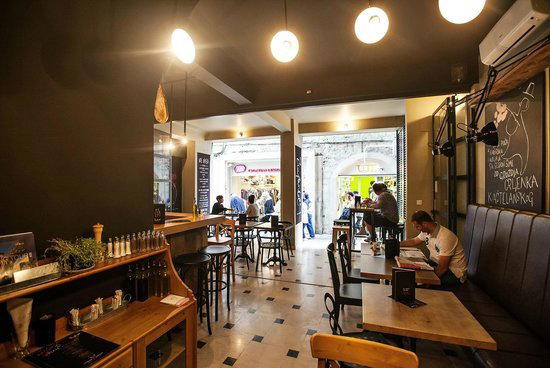
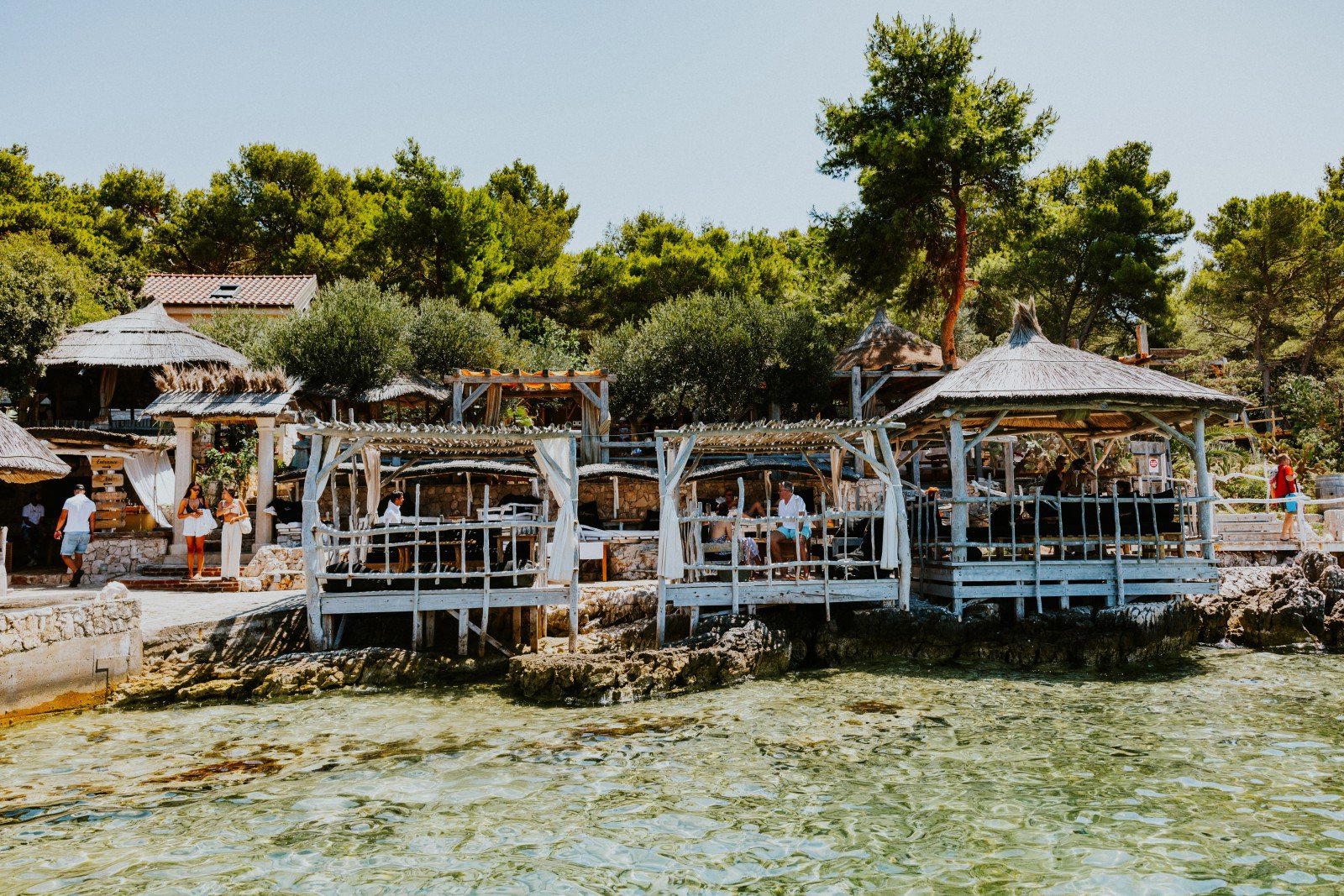
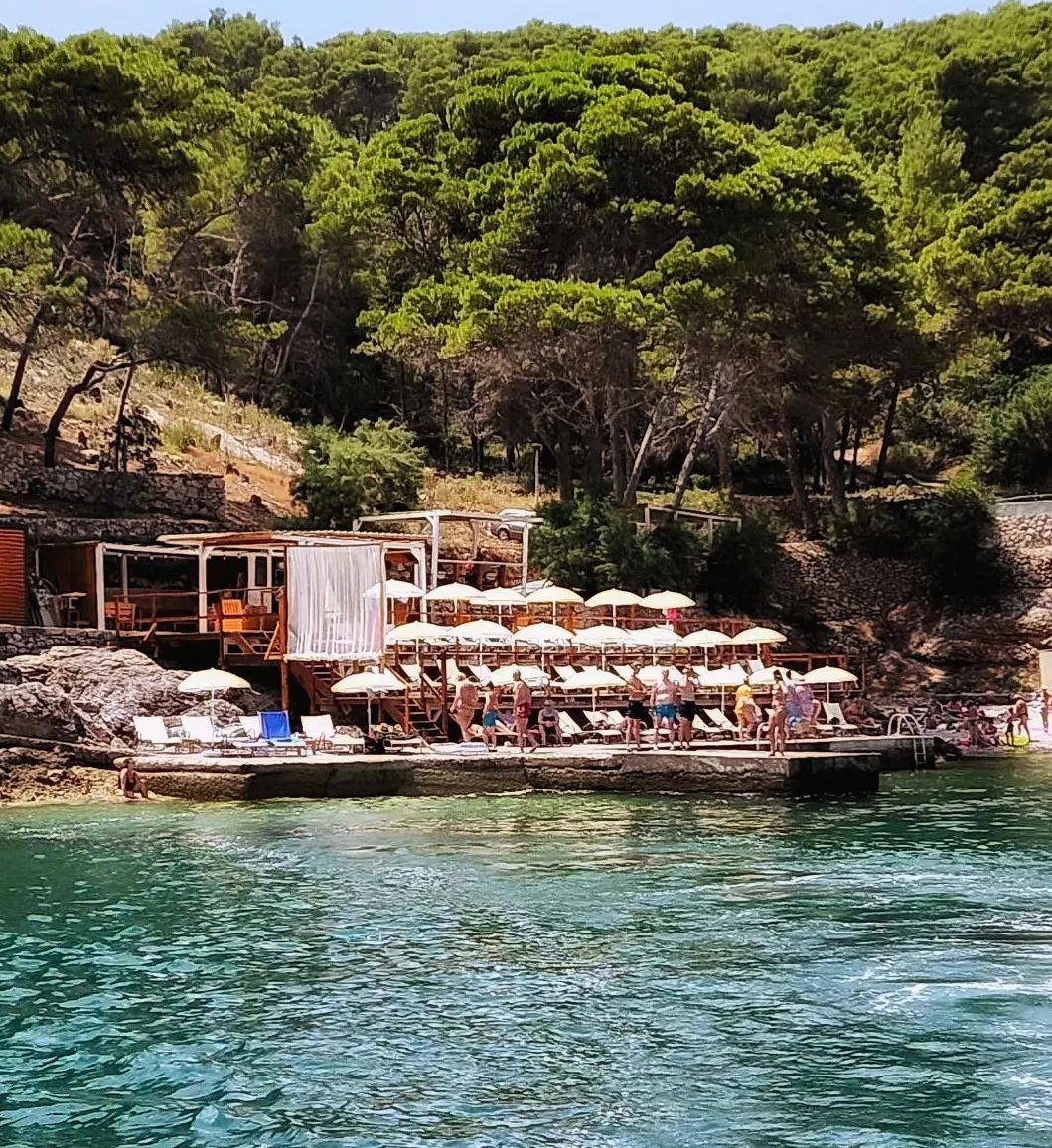
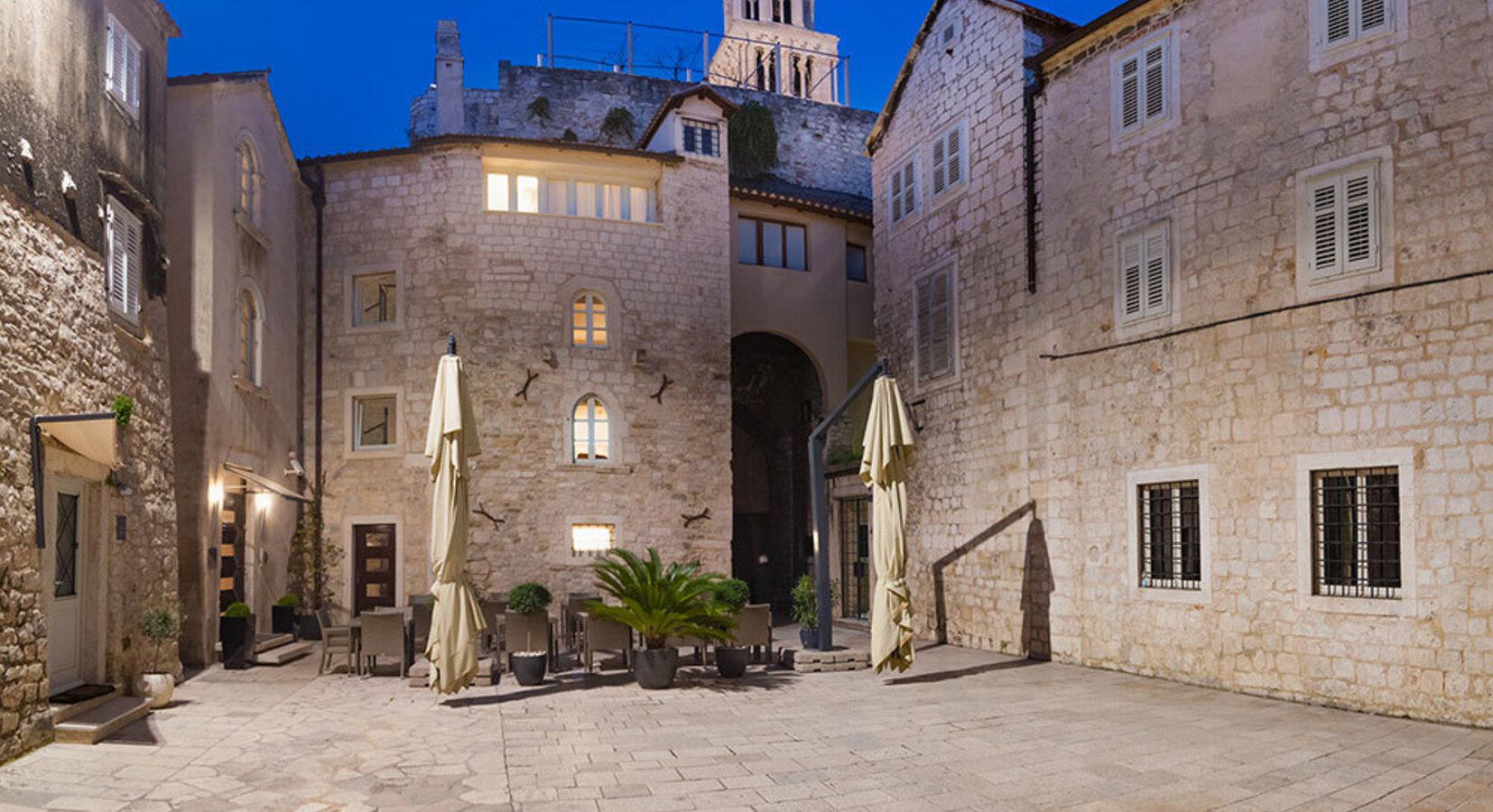
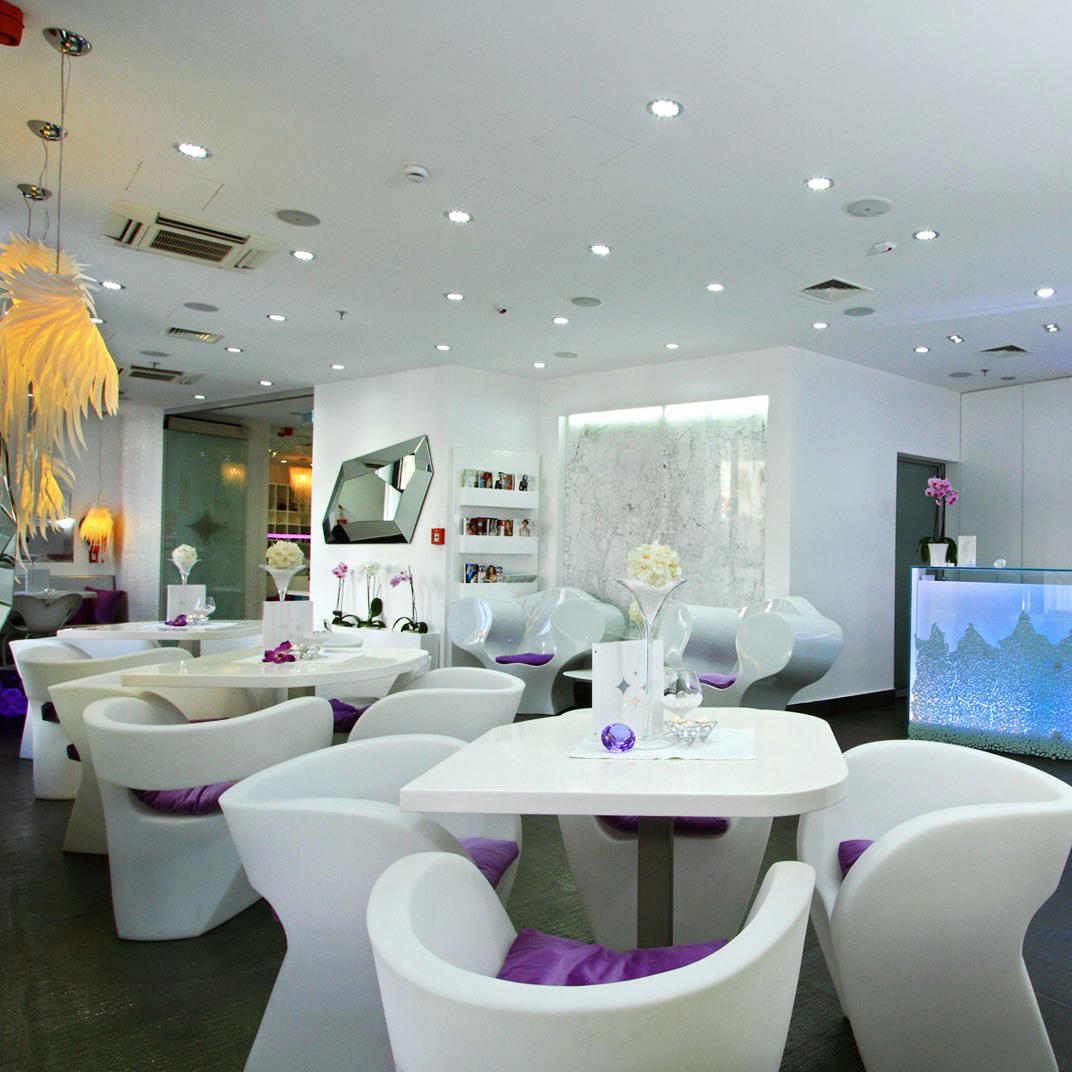
At a Glance
- Cozy
- Relaxed
- Modern
- Family
- Casual Hangout
- Courtyard
- Extensive Wine List
- Local Sourcing
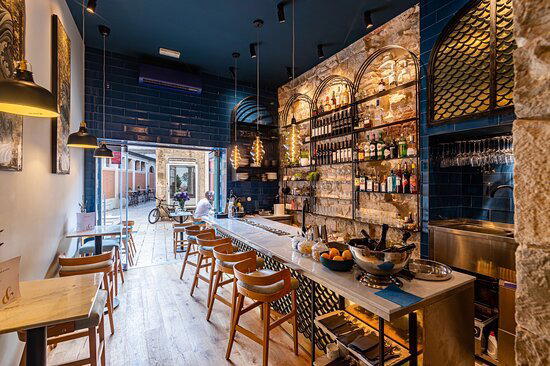
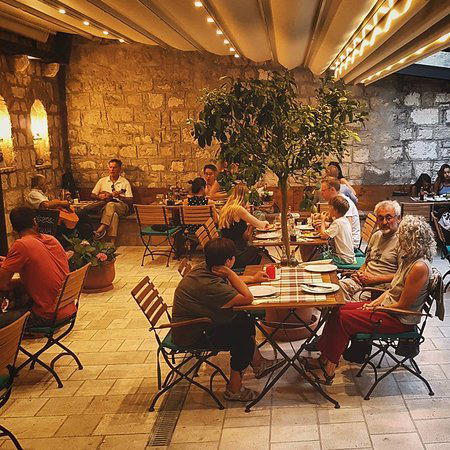
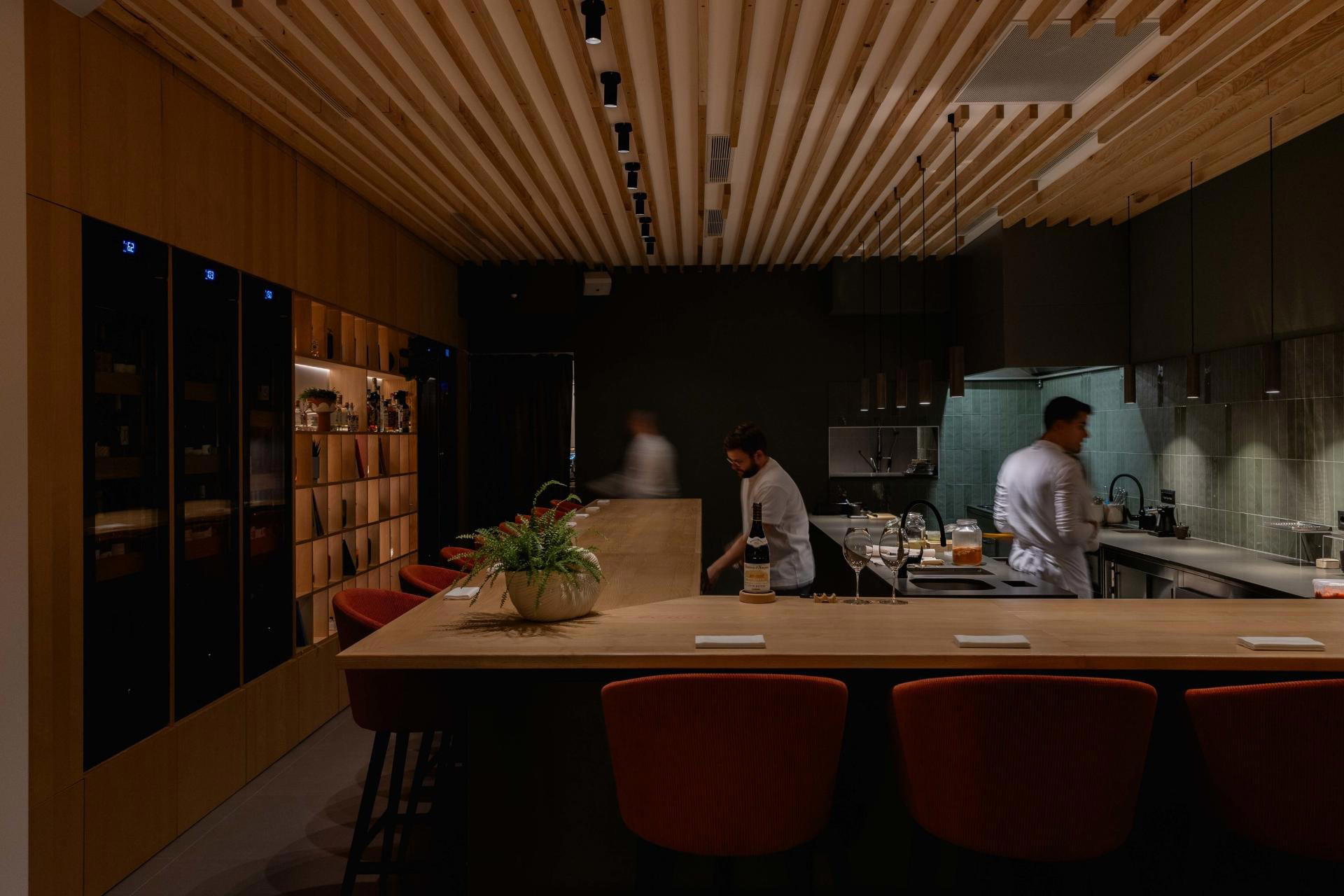
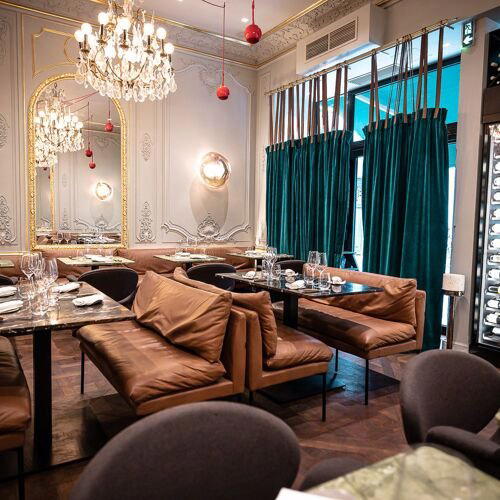
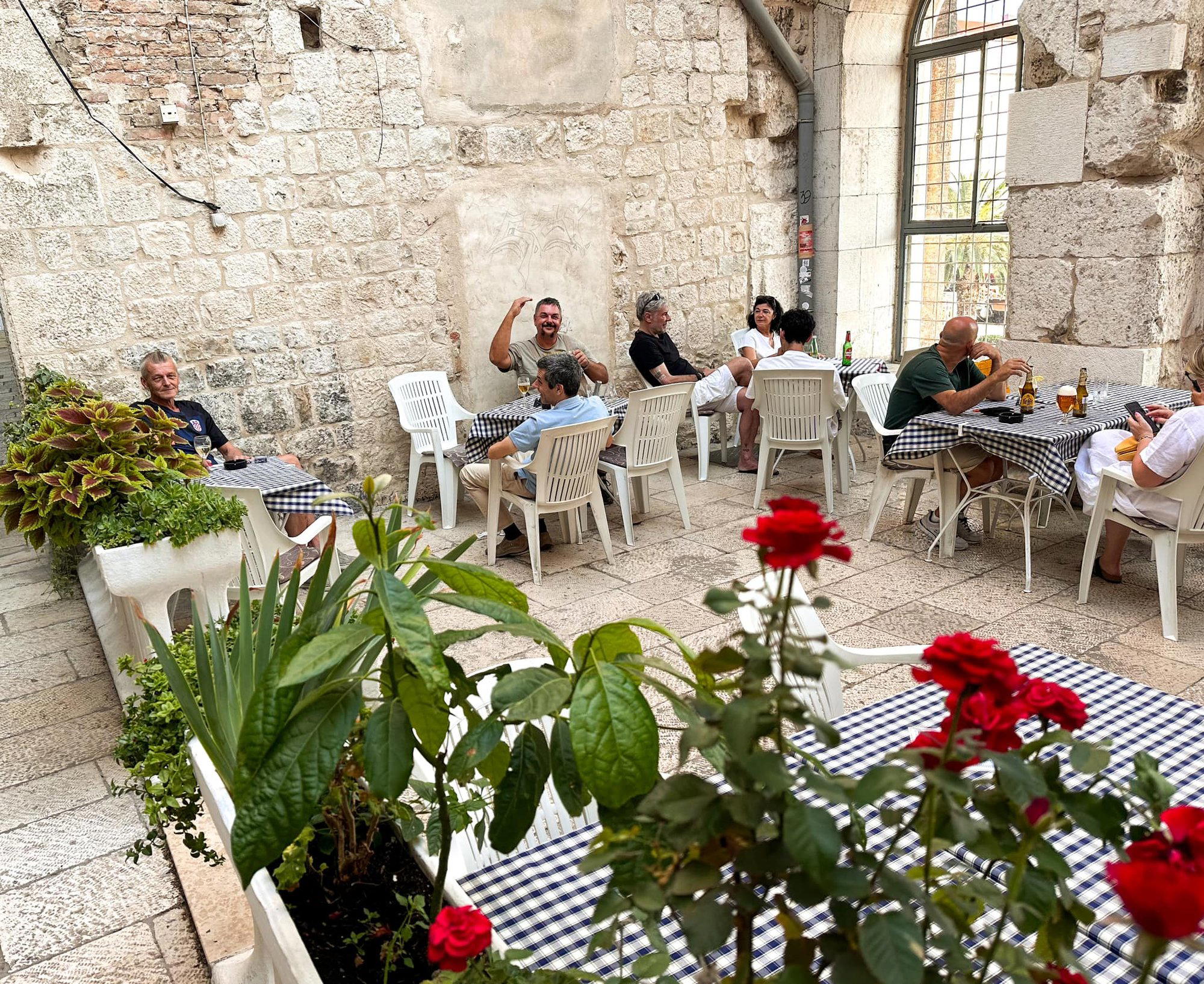
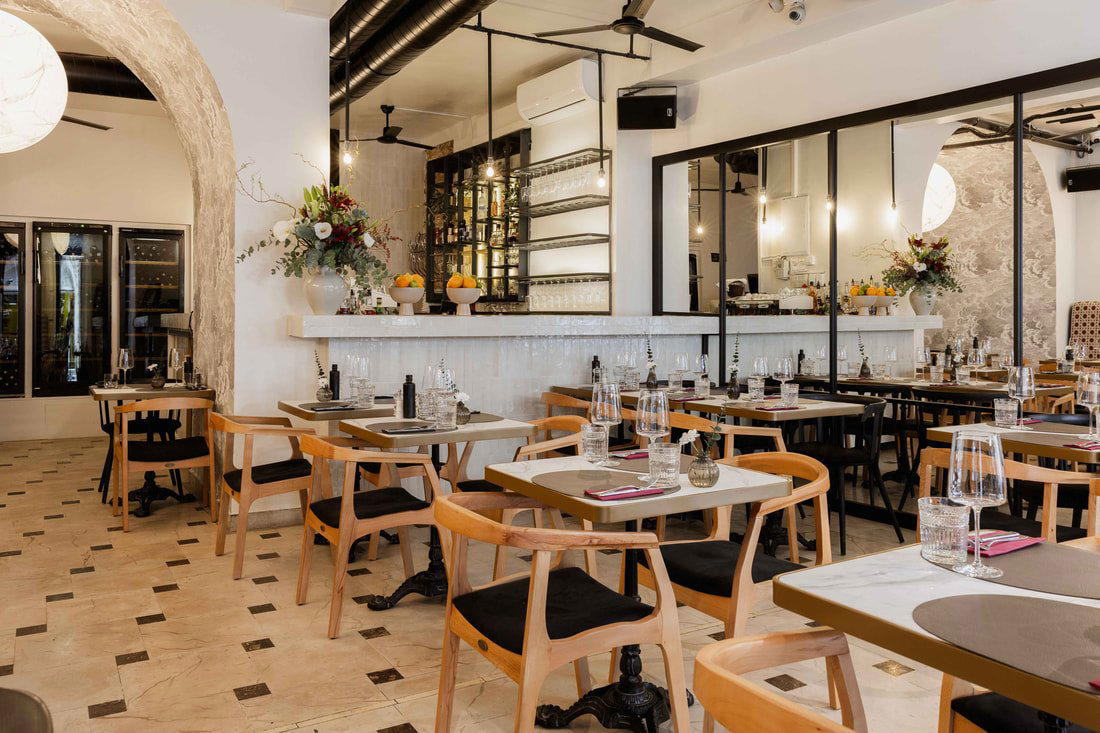
Informal, attractive, relaxing with a simple interior, pleasant warm atmosphere, and cozy courtyard outdoor space in summer.