Our verdict
Suesey Street occupies a Georgian townhouse on Fitzwilliam Place, one of Dublin's most composed residential addresses. The room sits within a broader shift in how the city's mid-to-premium dining tier has repositioned itself — away from formal occasion dining and toward something more grounded and repeatable. A neighbourhood fixture in Dublin 2 with a loyal following built over several years of quiet iteration.

Pearl is the En Primeur Club membership app — saves, bookings, and concierge access live there. Same editors, same standards.
- Address
- Fitzwilliam Hall, 26 Fitzwilliam Pl, Dublin 2, D02 T292, Ireland
- Phone
- +35316694600
- Hours
- Mon 5:30–9:30 PMTue–Thu 12–2:30 PM, 5:30–9:30 PMFri–Sat 5:30–9:30 PMSun Closed
- Website
- sueseystreet.ie
- Directions
- Get directions
- Booking
- Book on OpenTable
The menu
What to order
- Dry Aged Beef Striploin
- Baked Fillet of Cod
- Pan Seared Foie Gras
- Organic Cured Salmon
Georgian Dublin, Reinvented at the Table
Fitzwilliam Place is the kind of address that sets expectations before you open a door. The terrace of red-brick Georgian townhouses running south from St Stephen's Green has long attracted professional firms, embassies, and the occasional restaurant willing to trade some of its footfall potential for a postcode that implies a certain seriousness. Suesey Street, at number 26, operates within those expectations while also having spent its lifespan gently redefining what a room like this should feel like at dinner.
Dublin's premium dining tier has undergone a visible restructuring over the past decade. The formal French model, still represented at its highest level by Patrick Guilbaud, now competes with a more restless generation of kitchens that have absorbed Irish produce traditions, modern European technique, and a deliberate casualness of tone. Suesey Street has tracked that shift, evolving from a room with fixed-occasion associations toward something that reads more naturally as a weekly-regular destination. That repositioning is not unique to this address — Bastible on South Circular Road made a comparable move earlier and with more critical noise — but at Fitzwilliam Place the shift carries additional weight because of what the building itself signals.
The Arc of Change
Understanding what Suesey Street is now requires placing it against what rooms of its type were a generation ago. Georgian-house dining in Dublin once operated almost exclusively at the formal end: silver service, set menus, jackets preferred. The buildings lent authority and restaurants used that authority to charge accordingly and maintain a certain distance from the guest. The current direction across that sub-category, and Suesey Street belongs to it, is toward retaining the architectural gravitas while dissolving the formality that used to accompany it.
That evolution is visible across the Irish restaurant scene more broadly. Kitchens like Chapter One by Mickael Viljanen have shown that rooms with deep historical associations can sustain radical culinary reinvention without losing their core audience. Outside Dublin, the same appetite for rigour within approachability shows up at Aniar in Galway and at Liath in Blackrock, both of which have built loyal repeat custom on the strength of a consistent point of view rather than a single-occasion pitch. Suesey Street's trajectory belongs to that broader pattern.
The specific shape of its reinvention, what the kitchen has moved toward, which format decisions have been made or reversed over time, is better tracked through the experience of returning guests than through any single visit. Regulars consistently cite the room's capacity to feel both familiar and slightly different on each visit, which is the characteristic most associated with kitchens that iterate quietly rather than announce periodic resets.
Dublin 2 and Its Dining Logic
The Dublin 2 postcode covers territory with sharply different dining characters depending on which block you are on. The Canal Quarter, where Fitzwilliam Place terminates, has less foot traffic than the Grafton Street corridor or the emerging Thomas Street axis, and restaurants here tend to depend more on destination bookings and neighbourhood loyalty than on passing trade. That geography shapes how a room like Suesey Street builds its audience: the people who find it tend to keep coming back, which produces a different customer relationship than the high-churn profile you find closer to the tourist circuit.
Within Dublin 2's more formal addresses, Suesey Street sits in a competitive set that also includes Glovers Alley and D'Olier Street, both of which have developed distinct identities inside similarly composed interiors. The differentiation between those rooms is ultimately a question of kitchen direction and tone rather than address, and Suesey Street's continued presence in a competitive segment suggests it has found a register that works for its particular corner of the city.
For readers tracking the Irish fine dining scene beyond Dublin, the same period that has shaped Suesey Street's evolution has also produced strong regional kitchens: Bastion in Kinsale, Campagne in Kilkenny, Chestnut in Ballydehob, dede in Baltimore, Homestead Cottage in Doolin, House in Ardmore, Lady Helen in Thomastown, and Terre in Castlemartyr. The capital's mid-to-premium tier, where Suesey Street operates, now has to compete for serious diners who are increasingly willing to travel within Ireland for the right meal. That competitive pressure is one reason city rooms in this segment have had to sharpen their reasons for being.
The Fitzwilliam Place Experience
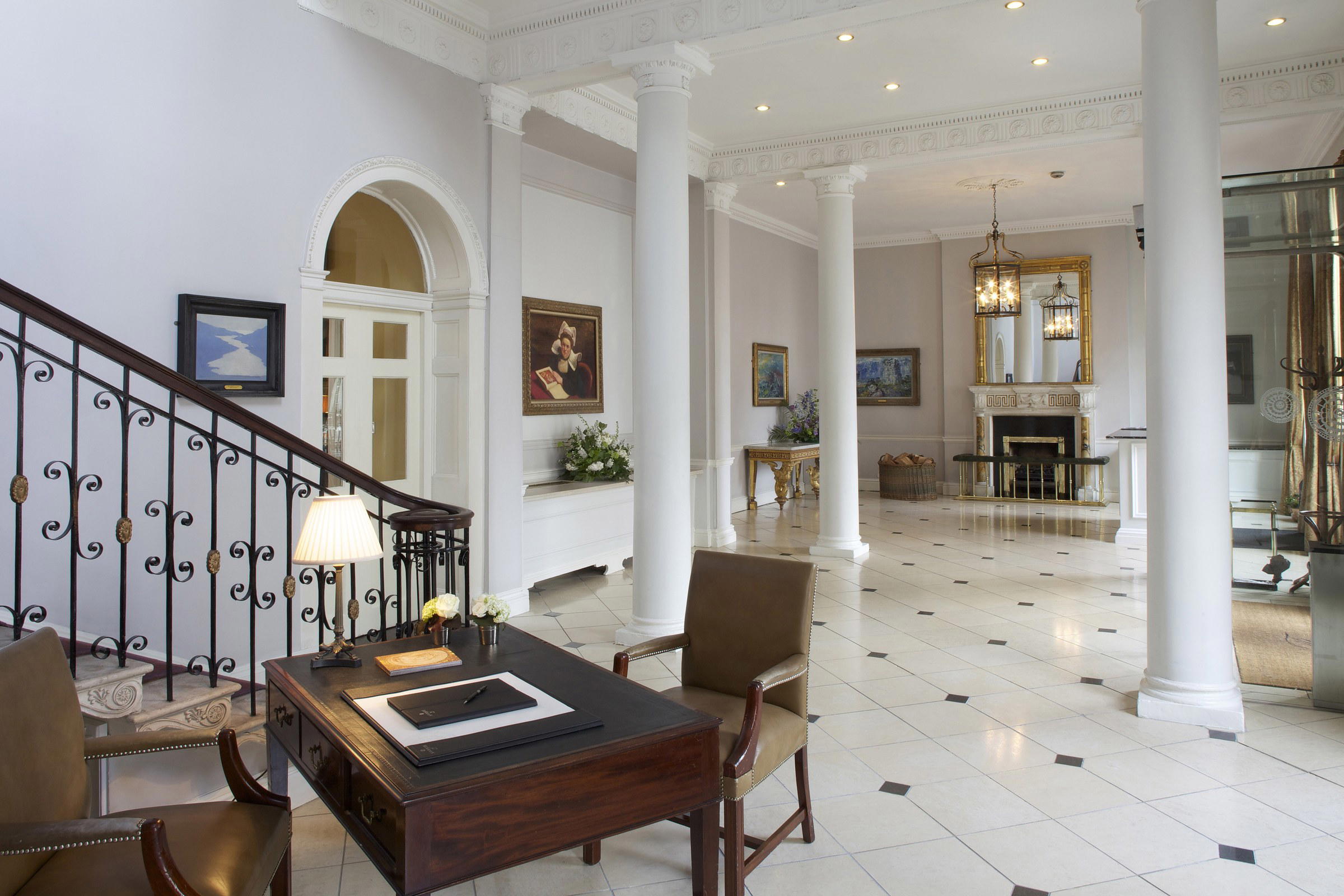
Georgian interiors carry constraints as well as advantages. Ceiling heights and room proportions inherited from eighteenth-century residential design tend to produce intimate dining rooms rather than large floor plates, which means tables are typically fewer and the noise profile lower than in purpose-built restaurant spaces. That physical character aligns naturally with a style of service that is attentive without being crowded, another aspect of the Georgian-house dining format that has proved durable even as the culinary register has changed around it.
For context on how ambitious restaurants in converted period buildings have evolved internationally, the trajectory of kitchens like Le Bernardin in New York City or the more recent precision-focused formats at Atomix offer useful reference points on how physical formality and culinary ambition can be recalibrated over time without the room losing its identity.
Know Before You Go
- Address: Fitzwilliam Hall, 26 Fitzwilliam Place, Dublin 2, D02 T292, Ireland
- Neighbourhood: Canal Quarter, Dublin 2, south end of Fitzwilliam Place, a short walk from St Stephen's Green
- Format: Georgian townhouse dining room; intimate scale typical of period-building restaurants in this postcode
- Booking: Reservation recommended given the location's destination-booking dynamic; walk-in availability is limited, particularly on weekends
- When to visit: Autumn and winter evenings suit the room's character; the Georgian setting reads especially well in low light
- For further context: See our full Dublin restaurants guide for how Suesey Street sits within the wider city dining picture
Frequently asked questions
Can I walk in to Suesey Street?
Fitzwilliam Place operates on a destination-booking model for most of the restaurants along the terrace. Walk-in seats, if available, tend to appear on weekday evenings rather than Friday or Saturday. Dublin's mid-premium bracket, the tier where Suesey Street sits alongside Glovers Alley and peers, rarely holds significant walk-in capacity at peak times, so a reservation made in advance is the more dependable approach for this part of Dublin 2.
What makes Suesey Street worth seeking out?
The combination of address and accumulated local knowledge is the core argument. Georgian-house dining in Dublin has a shallow pool of serious operators, and rooms that have managed to modernise their tone while retaining the architectural character of the building occupy a specific and not easily replicated position. The wider Irish dining scene, tracked through kitchens like Chapter One and Aniar, has raised the baseline for what serious dining means in Ireland, which makes a room with Suesey Street's longevity and repeat-guest loyalty a more meaningful data point than it might appear on a first reading.
Does Suesey Street suit a pre-theatre dinner given its location near the city centre?
Fitzwilliam Place is within walking distance of several of Dublin's main cultural venues, including the National Concert Hall on Earlsfort Terrace, which makes the dining format relevant to the pre-performance question. Rooms of Suesey Street's type, Georgian house, intimate scale, destination-booking model, tend to set a pace that is more relaxed than a rapid pre-theatre turnaround typically requires. If timing is a constraint, confirming the kitchen's flexibility on pacing at the point of booking is the practical move; what rooms in this segment do well is not speed but attentiveness, which is a different kind of value for a concert-night dinner.
How Suesey Street Dublin compares with similar nearby venues.
| Venue | Cuisine | Price | Awards |
|---|---|---|---|
| Suesey StreetThis venue — the venue you are viewing | Contemporary Irish | $50–100 | Not listed |
| Dax | Classical French Fine Dining | $50–100 | Michelin Plate · The Sunday Times Ireland’s 100 Best Restaurants |
| La Peniche | French/Italian Bistro on Canal Barge | $50–100 | Not listed |
| Forest Avenue | Modern Irish Seasonal Fine Dining | $50–100 | 1 Michelin Star · Star Wine List |
| The Little Kitchen | Modern Irish | $30–50 | Not listed |
Continue exploring
More in Dublin
Restaurants in Dublin
Browse all →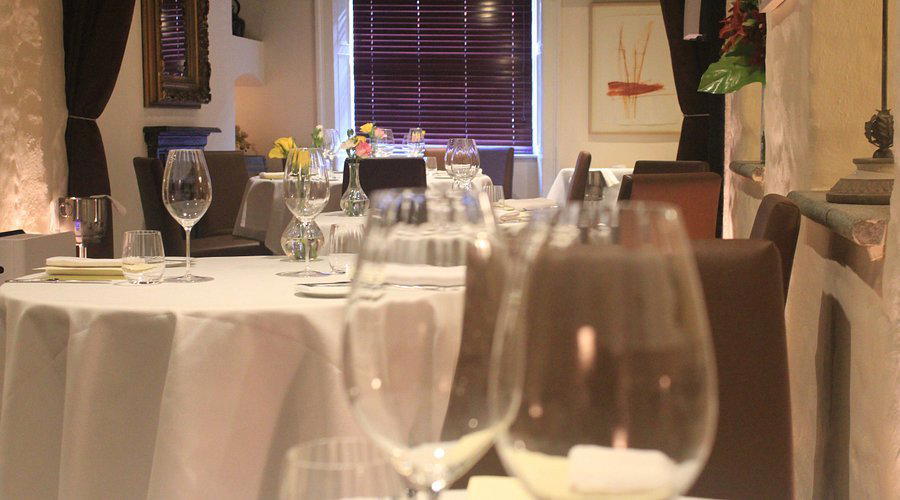
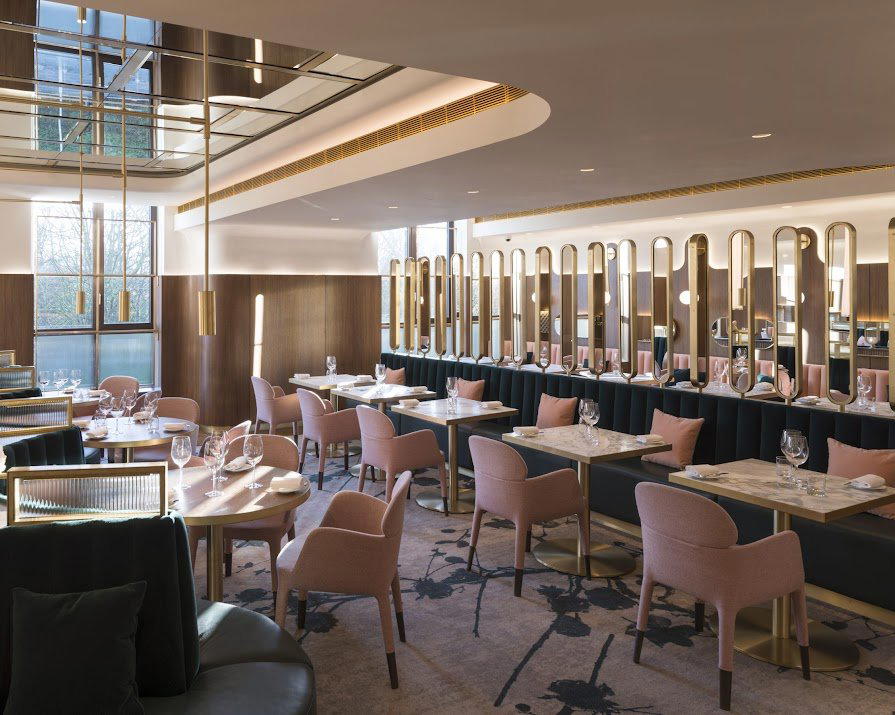
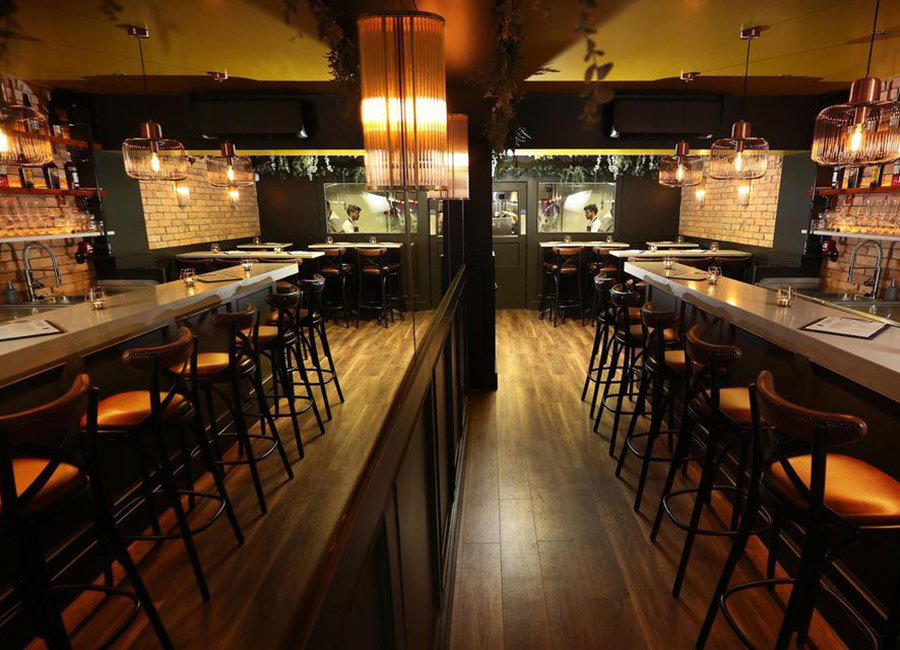
Bars in Dublin
Browse all →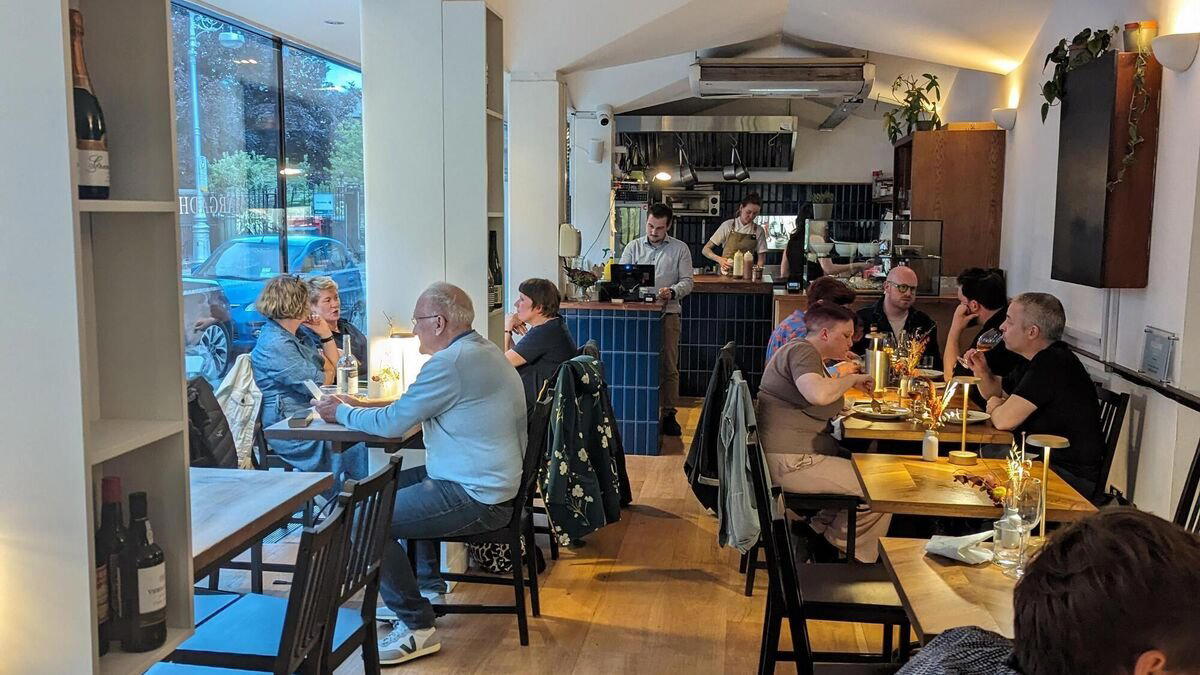
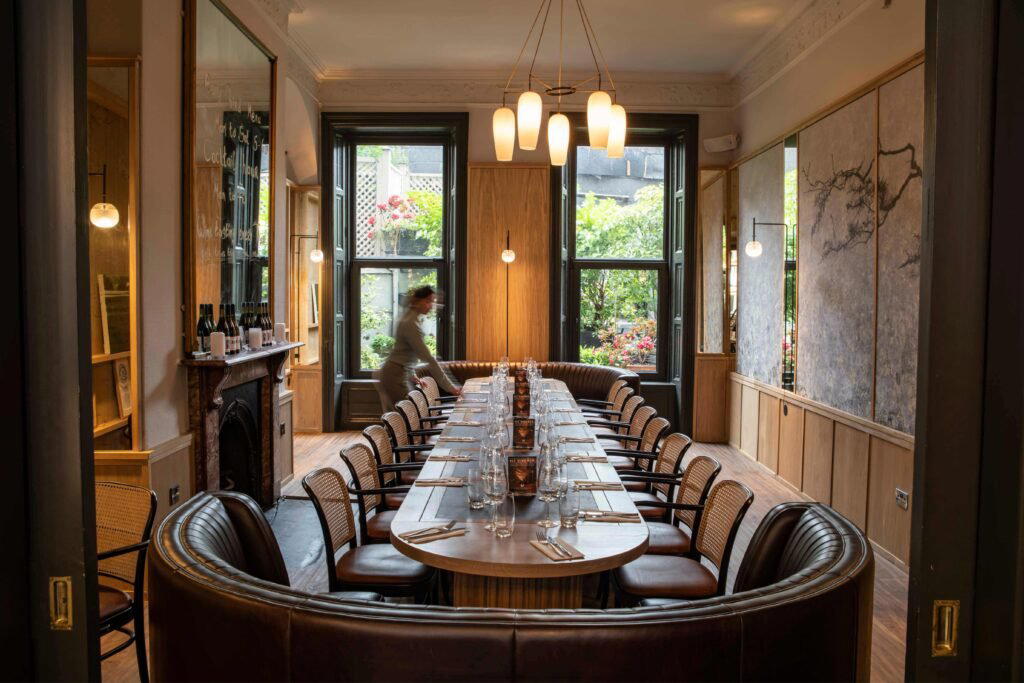
Hotels in Dublin
Browse all →
Wineries in Dublin
Browse all →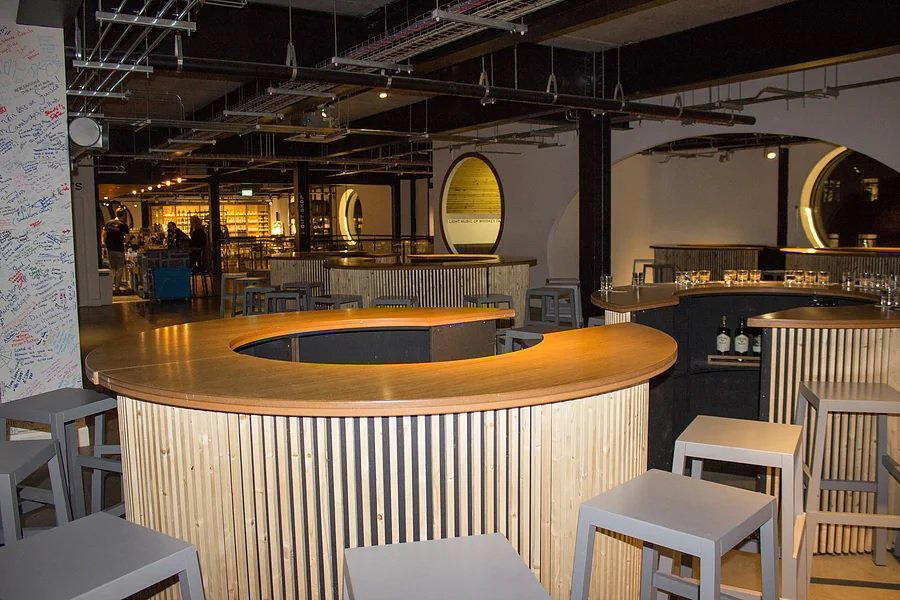
Details
- Elegant
- Romantic
- Sophisticated
- Trendy
- Date Night
- Business Dinner
- Special Occasion
- Private Dining
- Terrace
- Garden
- Craft Cocktails
- Farm To Table
- Local Sourcing
- Garden
- Street Scene
- A La Carte
- Set Menu
- Craft Cocktails
- Wine
- Vegetarian Friendly
- Vegan Options
- Gluten Free Options
- Allergy Accommodating
Current opening hours
- Monday
- 5:30–9:30 PM
- Tuesday
- 12–2:30 PM, 5:30–9:30 PM
- Wednesday
- 12–2:30 PM, 5:30–9:30 PM
- Thursday
- 12–2:30 PM, 5:30–9:30 PM
- Friday
- 5:30–9:30 PM
- Saturday
- 5:30–9:30 PM
- Sunday
- Closed
Hours can change for holidays and private events. Last verified .
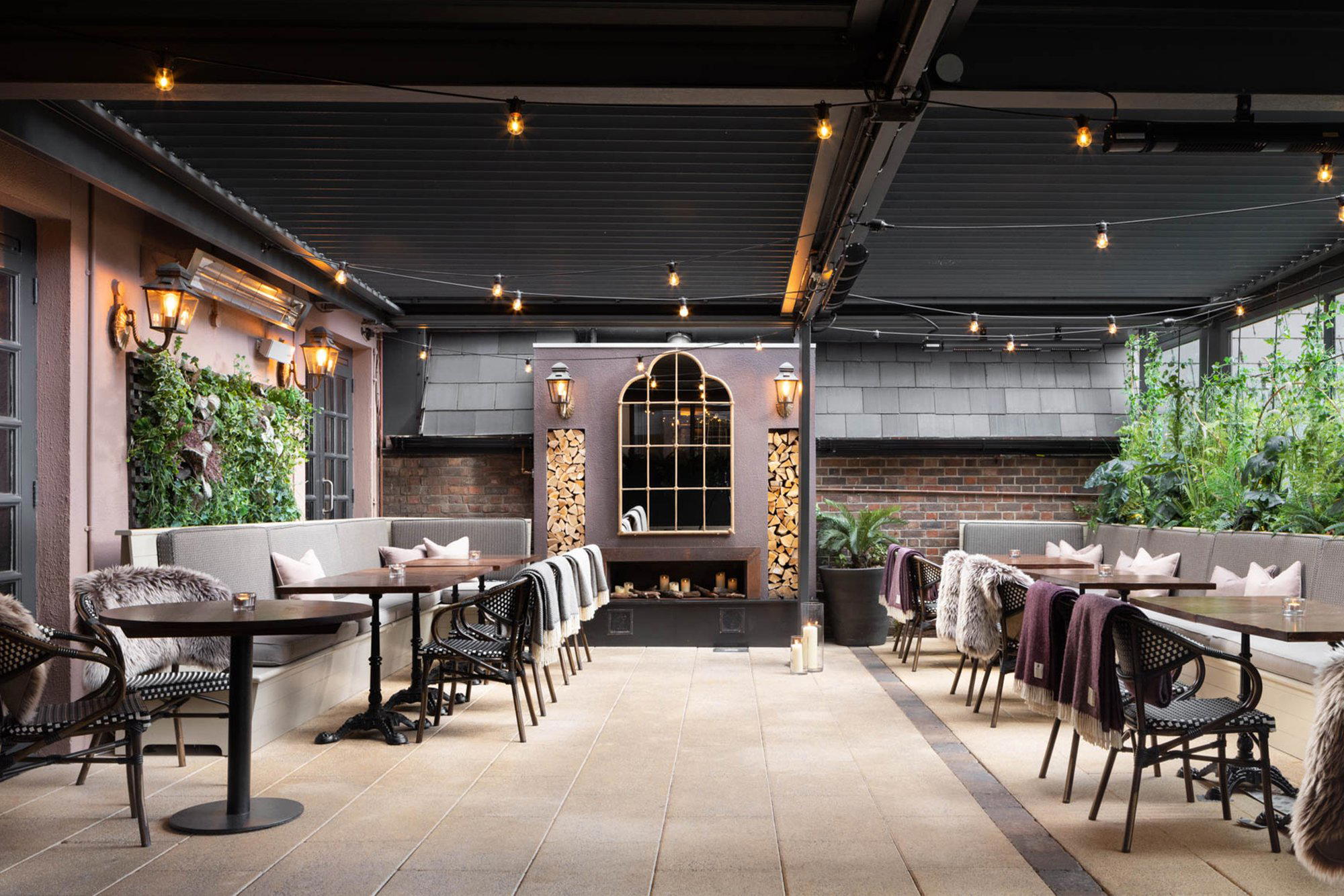
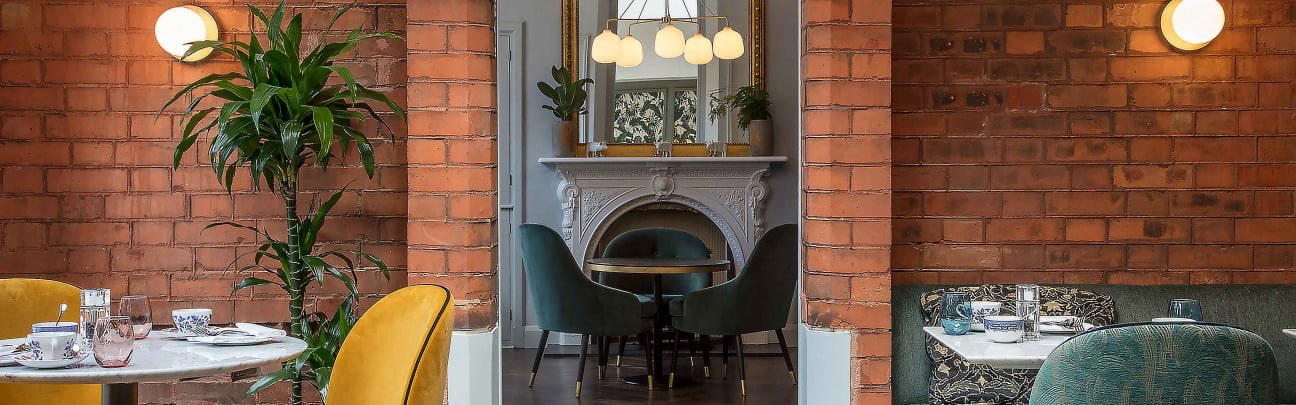
Warm and inviting with comfortable luxury; elegant basement dining with soft lighting and a sophisticated atmosphere that encourages intimate conversation.