Bloom Brasserie occupies a Georgian address on Upper Baggot Street, one of Dublin's most historically layered dining corridors. The room sits within a city where brasserie dining has evolved from French-import formality into something more locally rooted. For visitors arriving in any season, it offers a point of entry into the neighbourhood's evolving food culture.
Pearl is the En Primeur Club membership app — saves, bookings, and concierge access live there. Same editors, same standards.
- Address
- 11 Baggot Street Upper, Dublin, D04 HN92, Ireland
- Phone
- +35316687170
- Website
- bloombrasserie.ie
- Directions
- Get directions
 Saves & bookings on Pearl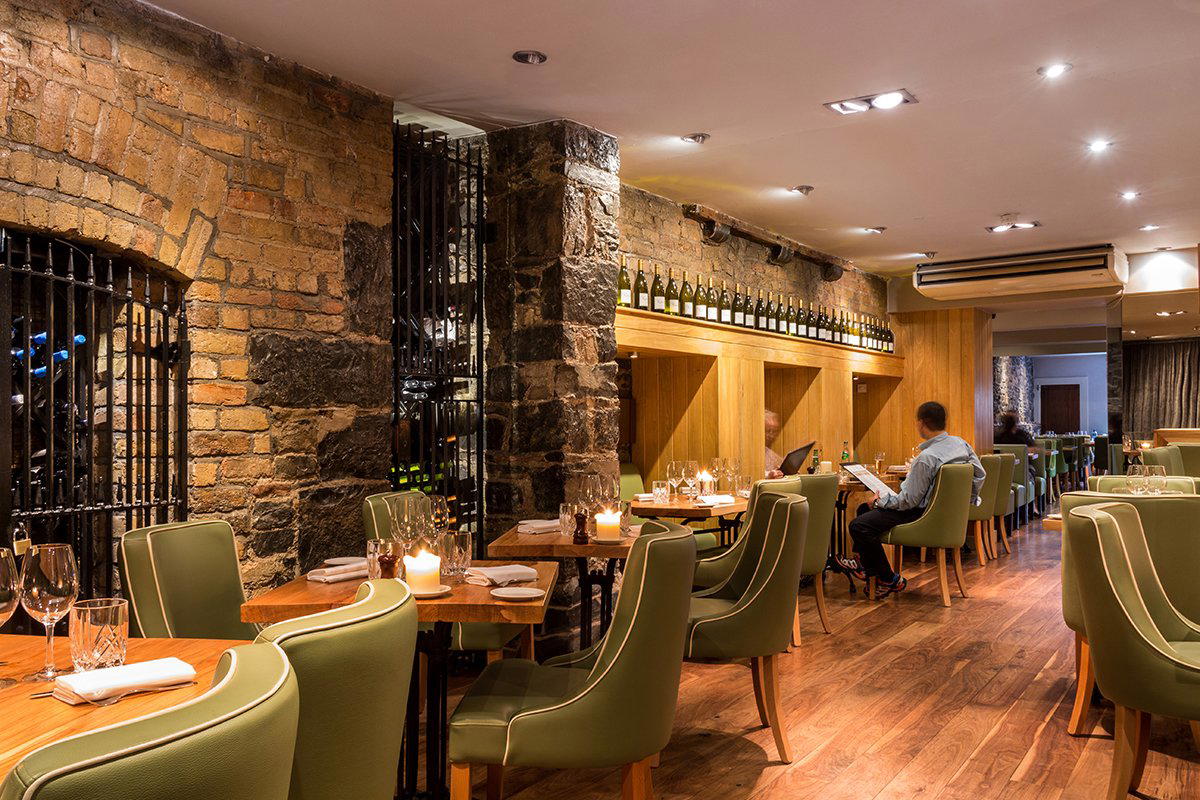
Upper Baggot Street and the Brasserie Format in Dublin
Upper Baggot Street carries a particular weight in Dublin's dining geography. The stretch running south from the Grand Canal has, over several decades, accumulated the kind of institutional restaurants and neighbourhood rooms that define how a city actually eats rather than how it performs for occasion dining. The brasserie format here is not imported wholesale from Paris or Brussels; it has been inflected by Irish hospitality rhythms, heavier on comfort and conversation than on formality and clock-watching. Bloom Brasserie at 11 Baggot Street Upper is a modern Irish steakhouse and brasserie in Dublin,001 reviews and an average price of about $75 per person. It sits inside that tradition.
The building itself is Georgian in the broad Dublin sense: high ceilings, proportioned windows, a streetscape that moves between residential and commercial without fully committing to either. Approaching from the canal end, the street's character shifts from the office-heavy blocks of the lower stretch toward something quieter. That quieter register shapes the experience before you arrive at the door. Dublin's brasserie rooms have always relied on the quality of their neighbourhood positioning as much as on their kitchens, and this address delivers that context in full.
The Cultural Weight of the Brasserie in Ireland
The brasserie as a format carries specific cultural meaning in Dublin. It arrived through French influence but was immediately renegotiated to suit local expectations: longer lunch windows, a willingness to accommodate both the single diner at the bar and the extended family group, and a menu register that acknowledges Irish produce without making provenance its sole personality. The format sits between the formality of rooms like Patrick Guilbaud at the summit of the price spectrum and the casual neighbourhood energy of places like Bastible on the south side.
What the brasserie does, at its most functional, is give a city its daily dining infrastructure. The Michelin-starred rooms, among them Chapter One by Mickael Viljanen and Glovers Alley, handle the occasion-driven end of the market. The brasserie handles everything else: the working lunch, the post-theatre dinner, the casual celebration that does not require a tasting menu and a three-month lead time. That is not a diminished role. It is, in many respects, the harder one to execute with consistency.
Across Ireland more broadly, the mid-market dining scene has matured considerably. Outside Dublin, rooms like Aniar in Galway and Campagne in Kilkenny have demonstrated that serious food does not require a capital city address. County Cork alone now houses a cluster of ambitious kitchens, including dede in Baltimore, Bastion in Kinsale, and Chestnut in Ballydehob. The national picture raises the bar for what Dublin's neighbourhood rooms are expected to deliver.
Dining on Upper Baggot Street: What to Expect
The neighbourhood context at Upper Baggot Street is worth understanding before you book. This is not the tourist-facing strip of Temple Bar, nor the destination-dining corridor of Fitzwilliam Square. It is a genuinely local part of the city, where the lunch crowd comes from nearby offices and the dinner crowd tends to be residents rather than visitors. That dynamic shapes the atmosphere: the room does not perform for outsiders, which is precisely what makes it worth visiting if you are one.
In practical terms, Upper Baggot Street is accessible on foot from St Stephen's Green in approximately fifteen minutes, and from the Grand Canal Dock DART station in a similar time. The 27 and 46A bus routes serve the street directly. For those arriving by car, parking on the surrounding residential streets is possible in evenings but restricted during the working day. The ideal time to visit, for atmosphere rather than availability, is a midweek dinner in the autumn or winter months, when the Georgian rooms hold their warmth well and the neighbourhood settles into its proper pace.
Dublin's dining season has a rhythmic quality that visitors often miss. The period from October through February, outside the Christmas week itself, produces one settled and least performative version of the city's restaurants. Summer brings volume and energy, but the quieter months are when the rooms that depend on regulars rather than tourists tend to show their character most clearly. For a brasserie on a street like this one, that seasonality is particularly relevant.
Where Bloom Brasserie Sits in the Dublin Dining Picture
Dublin's mid-market dining tier has expanded and sharpened over the past decade. The emergence of rooms like D'Olier Street and the continued strength of neighbourhood restaurants across the city's south side have created a competitive environment that was not present fifteen years ago. A brasserie in this city now needs to offer something beyond basic competence to hold its ground.
The comparison set for a room on Upper Baggot Street is not the Michelin tier. It is the cluster of neighbourhood rooms that have built loyal followings through consistency, a sense of place, and a menu that changes with genuine seasonal intent rather than as a marketing exercise. Internationally, the template for this kind of operation can be seen in rooms as different as Le Bernardin in New York City, which has anchored its identity to a single clear culinary commitment over decades, and Lazy Bear in San Francisco, which built a neighbourhood following before its critical recognition arrived. The principle is the same across price points: clarity of purpose, executed without drift.
Further out from the capital, rooms like Liath in Blackrock, Terre in Castlemartyr, The Oak Room in Adare, Homestead Cottage in Doolin, and The Morrison Room in Maynooth demonstrate the range of what serious dining looks like across the island. That national context is worth carrying into any Dublin visit. The capital's neighbourhood rooms are in dialogue with a wider scene, and strong examples among them reflect that.
Planning Your Visit
Upper Baggot Street rewards the unhurried approach. Given the neighbourhood character of the street and the brasserie format, a midweek visit with a reasonable evening start time typically produces one settled experience. Dublin's central dining rooms, particularly at this address, tend to turn over more quickly at weekends when the city is running at volume. Arriving without a reservation on a Friday or Saturday evening carries obvious risk; on a Tuesday or Wednesday, the room is more likely to absorb a walk-in at the bar or a late table.
For visitors building a broader Dublin itinerary, Upper Baggot Street pairs naturally with a walk along the Grand Canal, one of the city's most underused pedestrian routes, and is within easy reach of the National Gallery and Merrion Square. The south Dublin dining corridor, running from this stretch through Ranelagh and on toward Rathmines, offers a concentrated view of how the city's food culture operates away from the tourist-facing centre.
Comparable Venues
Comparable venues nearby, for context on price, style, and recognition.
| Venue | Cuisine | Price | Notes |
|---|---|---|---|
| Bloom BrasserieThis venue — the venue you are viewing | Modern Irish Steakhouse & Brasserie | $$$ | Not listed |
| Morrison Grill | Contemporary Irish Steakhouse with Josper Grill | $$$ | North City |
| Beef & Lobster | Irish Beef & Lobster Steakhouse | $$$ | Royal Exchange A |
| Boeuf & Coq | French-Inspired Irish Steakhouse | $$ | Royal Exchange A |
| FX Buckley Steakhouse Crow Street | Irish Steakhouse | $$$$ | Royal Exchange A |
| The Dunmore | Modern Irish Seafood & Grill | $$$ | Rathmines West A |
Continue exploring
More in Dublin
Restaurants in Dublin
Browse all →
Bars in Dublin
Browse all →
Hotels in Dublin
Browse all →
Wineries in Dublin
Browse all →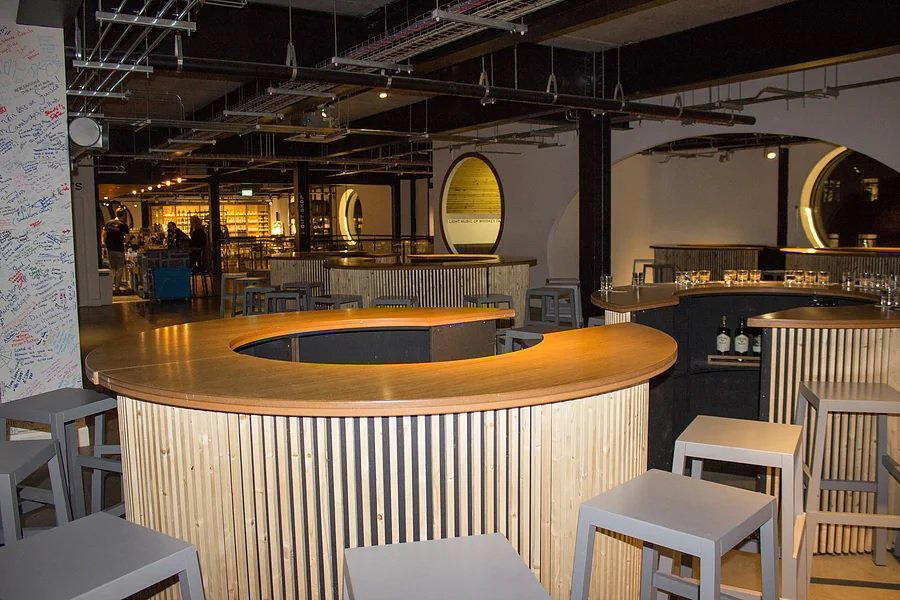
At a Glance
- Elegant
- Sophisticated
- Modern
- Cozy
- Intimate
- Date Night
- Business Dinner
- Group Dining
- Special Occasion
- Celebration
- Private Dining
- Standalone
- Extensive Wine List
- Craft Cocktails
- Sommelier Led
- Local Sourcing
- Farm To Table
Current opening hours
- Monday
- 5–10:30 PM
- Tuesday
- 12–2:30 PM, 5–10:30 PM
- Wednesday
- 12–2:30 PM, 5–10:30 PM
- Thursday
- 12–2:30 PM, 5–10:30 PM
- Friday
- 12–2:30 PM, 5–10:30 PM
- Saturday
- 4–10:30 PM
- Sunday
- 1–8 PM
Hours can change for holidays and private events. Last verified .
Sophisticated and dimly lit with clean, smart decor; accessed via underground entrance to bar area; warm and friendly atmosphere balancing modern design with intimate coziness.