Stewart occupies a considered position in Vienna's second district, on Praterstraße, where the city's fine-dining conversation is shifting beyond the Innere Stadt.
Pearl is the En Primeur Club membership app — saves, bookings, and concierge access live there. Same editors, same standards.
- Address
- Praterstraße 11, 1020 Wien, Austria
- Phone
- +436805540075
- Website
- stew-art.at
- Directions
- Get directions
 Saves & bookings on Pearl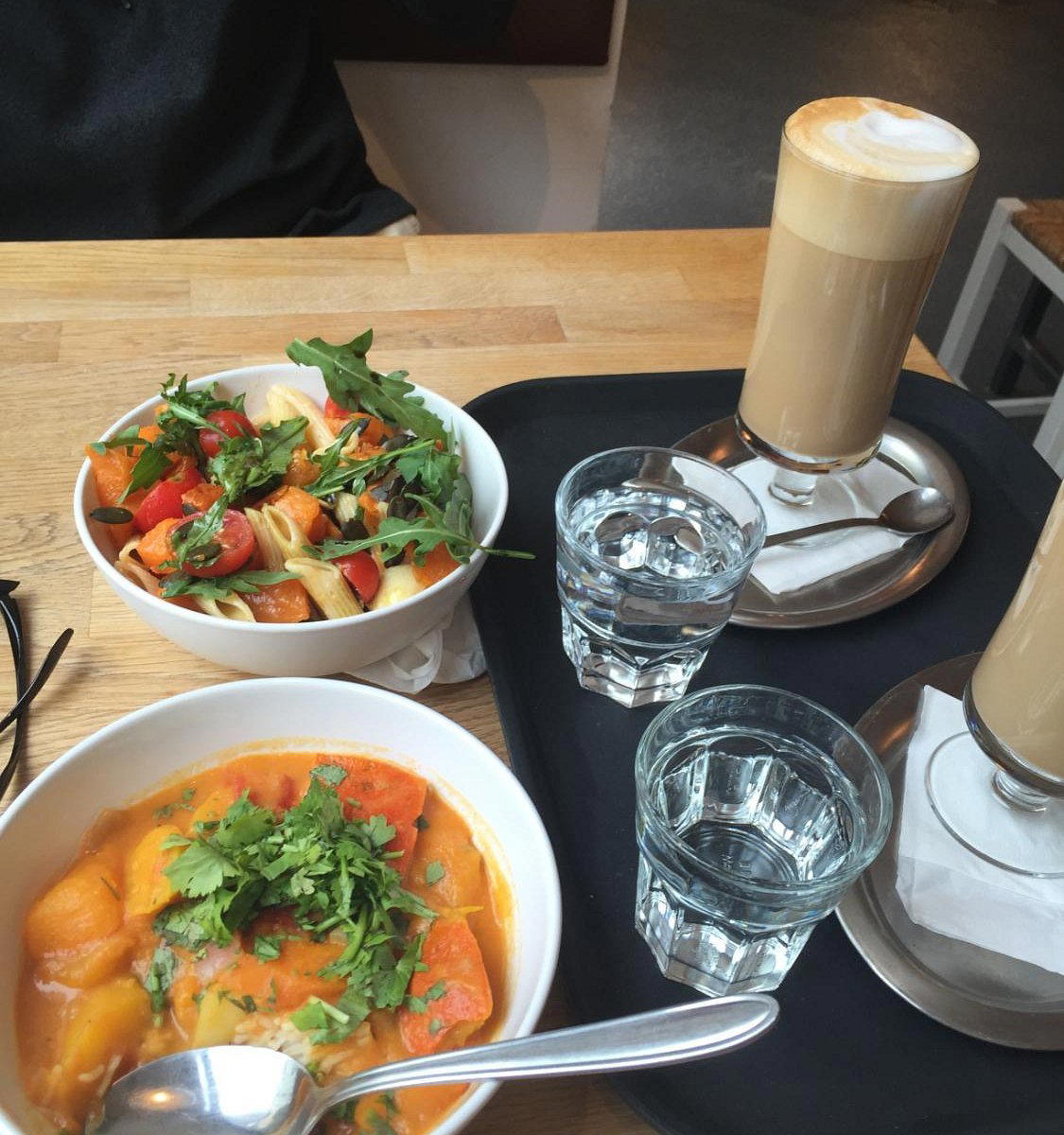
The Second District and the Decentralisation of Vienna's Fine Dining
Vienna's restaurant geography has been reorganising itself for the better part of a decade. The first district, the Innere Stadt, with its Habsburg-era dining rooms and institutional addresses, still commands the largest share of Michelin attention, but the rooms generating editorial interest have been migrating outward. The second district, Leopoldstadt, positioned across the Danube Canal from the old city, has accumulated a quieter but increasingly serious dining presence. Stewart, a Global Comfort Bistro at Praterstraße 11 in Vienna, sits inside that shift. The address is not an accident: Praterstraße connects the canal-side edge of Leopoldstadt to the Praterstern and the vast green expanse of the Prater itself, and the street has become one of the more considered addresses in Vienna's neighbourhood dining circuit.
Understanding where Stewart fits requires some familiarity with how Vienna's premium tier is structured. The city's leading creative tables, Steirereck im Stadtpark, Amador, Konstantin Filippou, and Mraz & Sohn, occupy a well-documented upper bracket, all operating at the €€€€ tier with tasting-menu formats and sustained award recognition. Below and alongside them, a smaller cohort of neighbourhood-anchored rooms operates with less institutional visibility but equivalent seriousness of intent. Stewart belongs to a conversation about what happens in that second tier, and whether the city's critical infrastructure is keeping pace with what is actually being cooked in its outer districts.
Vienna's Wine Culture as Context
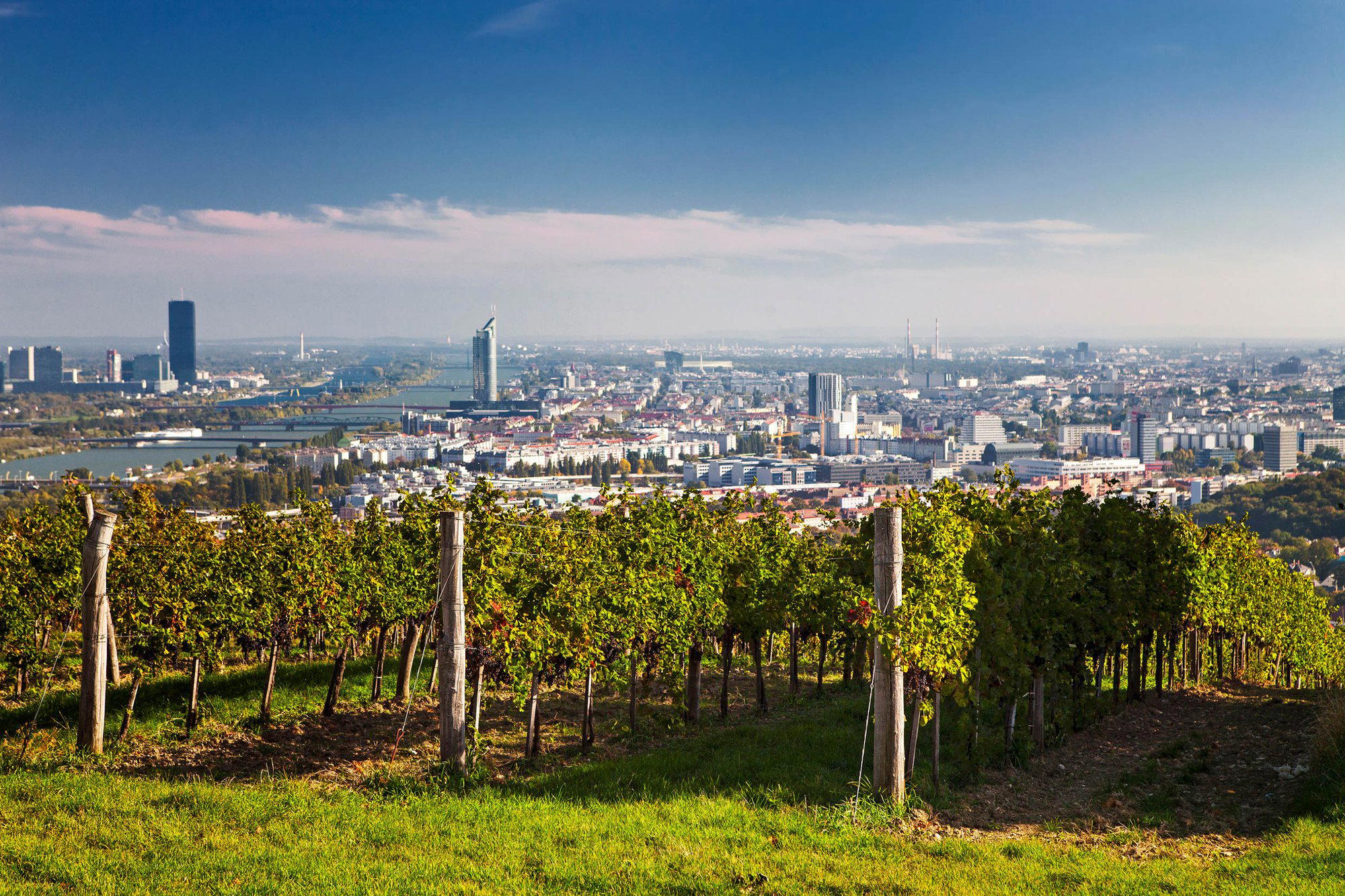
Any serious assessment of a Vienna restaurant requires an honest look at how it treats wine, because Austrian wine culture has undergone a transformation significant enough to reshape what a well-curated cellar means in this city. The Wachau and Kamptal regions produce Grüner Veltliner and Riesling at a quality level that now draws comparisons to Burgundy and Alsace from European critics who are not given to easy flattery. Blaufränkisch from Burgenland has similarly forced a reassessment of Austrian red-wine ambition. In that context, a Viennese restaurant's wine list is not merely a supporting document, it is an editorial statement about which version of Austrian gastronomy the kitchen aligns with.
Vienna's leading rooms have responded to this shift in different ways. The sommelier programs at the upper-tier addresses, comparable in ambition to what you find at Le Bernardin in New York or the leading rooms in Salzburg, such as Ikarus, have deepened their Austrian sections significantly, often running domestic bottles at depth while maintaining French and Italian anchors for international guests. The more interesting development is the emergence of producer-specific curation: lists that do not simply represent Wachau or Burgenland as categories, but that follow specific growers across vintages, treating Austrian wine with the same longitudinal seriousness that Burgundy has commanded in international cellars for generations. Stewart's wine approach sits inside a city where these are the operative expectations at any address with serious dining ambitions.
The Praterstraße Dining Context
The street itself warrants attention as a dining address. Praterstraße is not a destination boulevard in the way that Naschmarkt-adjacent streets are, nor does it carry the institutional gravity of the Ringstraße. What it has is residential density, a tram line, and a mix of legacy Viennese businesses and newer arrivals that gives it a neighbourhood texture uncommon in the first district. For diners visiting from outside Vienna, this positioning matters: the second district is walkable from the city centre across the canal bridges, and the slightly removed address tends to self-select a guest profile that is more locally embedded and less tourist-circuit oriented than the rooms in the first district. The Austrian fine-dining circuit has several comparable addresses in secondary cities, Döllerer in Golling an der Salzach, Obauer in Werfen, and Landhaus Bacher in Mautern an der Donau, where the distance from a major urban centre functions as a filter for commitment and seriousness of visit.
Placing Stewart in the Austrian Fine Dining Network
The Austrian restaurant circuit extends well beyond Vienna, and any understanding of a Vienna address benefits from knowing the broader network. The Tyrol and Salzburger Land rooms, Gourmetrestaurant Tannenhof in Sankt Anton am Arlberg, Griggeler Stuba in Lech, Kräuterreich by Vitus Winkler in Sankt Veit im Pongau, and Schwarzer Adler in Hall in Tirol, have built their reputations around alpine produce, proximity to producers, and a format that rewards multi-day stays. Vienna rooms, by contrast, operate inside a dense urban dining ecology where the competition for the same guest is more acute and the turnover of critical attention faster. The comparison matters because it explains why a room like Stewart, operating with relative public discretion on a Leopoldstadt street, occupies a different strategic position than a comparably serious address in, say, Ois in Neufelden or Restaurant 141 by Joachim Jaud in Mieming. Urban discretion in Vienna reads differently from rural discretion in the Mühlviertel. A Vienna room that keeps a low public profile is making a choice about its guest base; a rural room doing the same is often simply outside the media circuit.
Within Vienna itself, the comparison set includes Doubek, which occupies a similarly neighbourhood-anchored position, and addresses like Atomix in New York offer a useful international point of reference for how serious tasting-menu rooms can operate with minimal public-facing infrastructure while maintaining high occupancy through word-of-mouth and repeat guest networks. The pattern is not distinctive to any city, but it is more viable in cities, like Vienna, where a sufficiently large local fine-dining audience exists to sustain a room without relying on international tourist traffic.
Know Before You Go
| Address | Praterstraße 11, 1020 Wien, Austria |
|---|---|
| District | Leopoldstadt (2nd district) |
| Getting There | Tram lines run the length of Praterstraße; the address is walkable from the canal bridges connecting to the first district |
| Booking | Walk-in friendly |
| Price Range | About €7 per person |
| Further Reading | See our full Vienna restaurants guide for the broader dining context |
Recognition Snapshot
Comparable venues nearby, for context on price, style, and recognition.
| Venue | Cuisine | Price | Notes |
|---|---|---|---|
| StewartThis venue — the venue you are viewing | Global Comfort Bistro | $ | Not listed |
| Wrapstars | Asian-Tex-Mex Fusion Wraps | $ | Mariahilf |
| Zweitbester | Modern European Fusion Bistro | $$ | Wieden |
| SteirAsia | Styrian-Asian Fusion | $$$ | Inner City |
| Leo's Sausage Stand | Traditional Austrian Sausage Stand | $ | Doebling |
| Pitawerk | Bosnian Pita & Burek | $ | Westbahnhof |
At a Glance
- Casual
- Trendy
- Casual Hangout
- After Work
- Standalone
- Local Sourcing
- Farm To Table
Current opening hours
- Monday
- 11 AM–2 PM
- Tuesday
- 11 AM–2 PM
- Wednesday
- 11 AM–2 PM
- Thursday
- 11 AM–2 PM
- Friday
- 11 AM–2 PM
- Saturday
- Closed
- Sunday
- Closed
Hours can change for holidays and private events. Last verified .
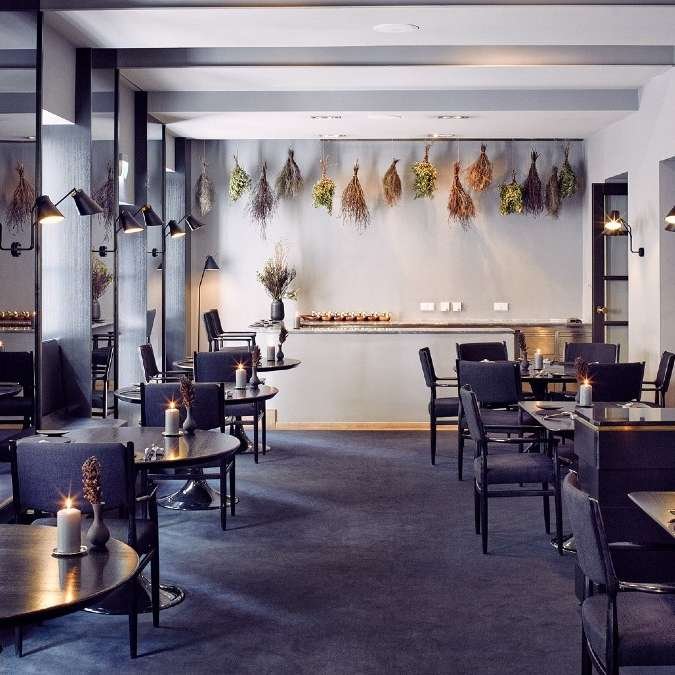
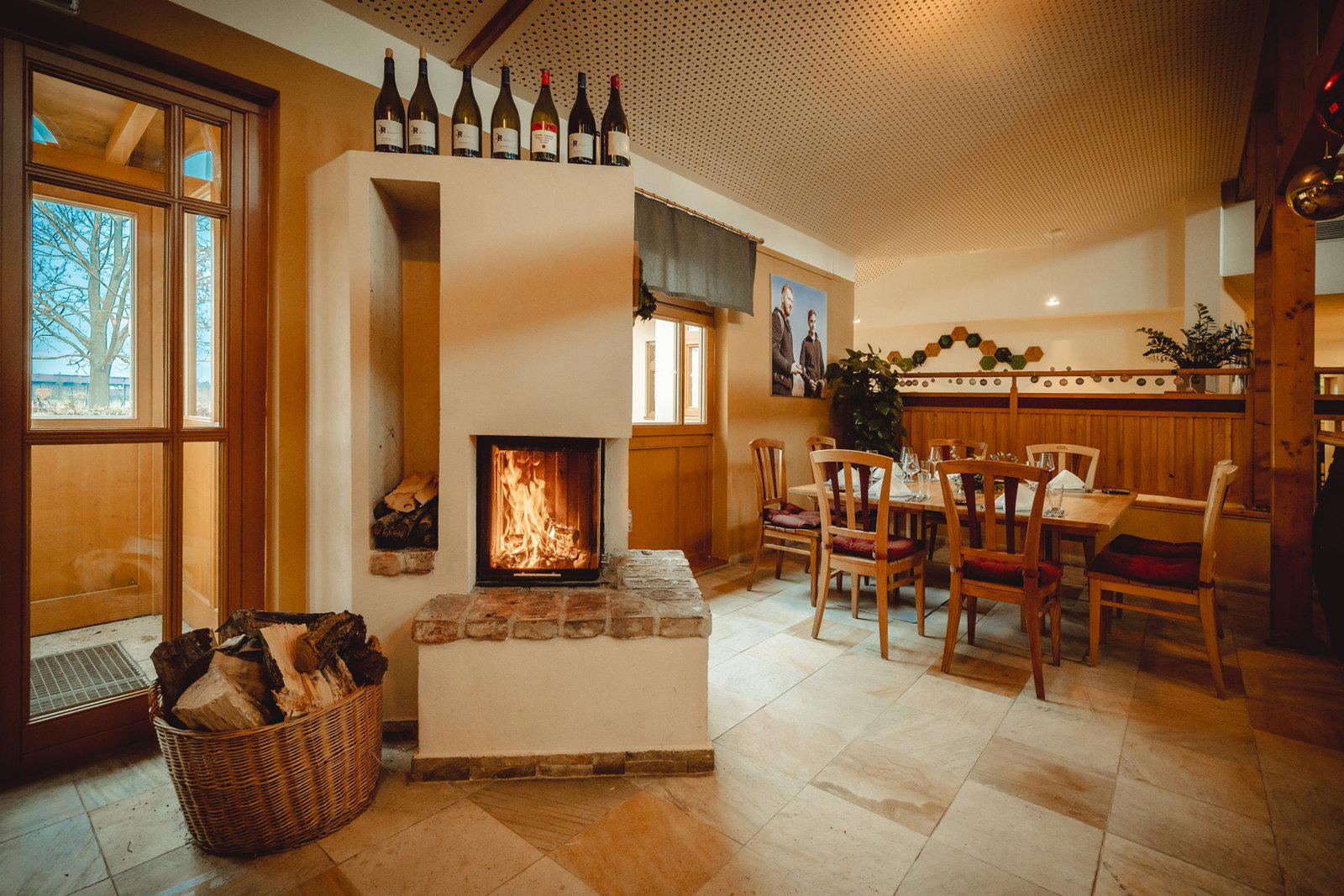
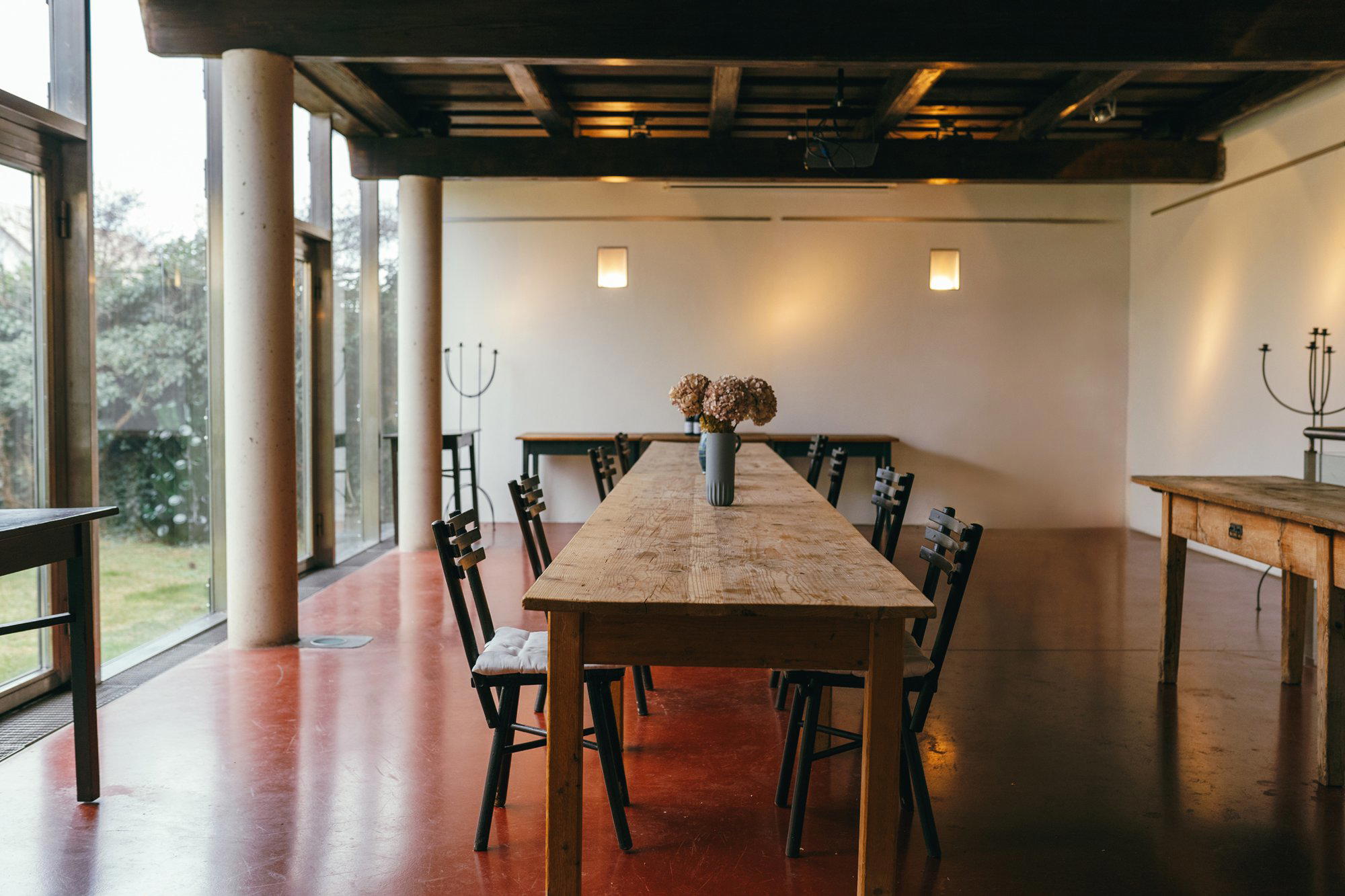
Casual, artsy neighborhood bistro with a focus on fresh, homemade cooking and a welcoming atmosphere for quick weekday lunches.