On Mariahilfer Strasse in Vienna's 15th district, Pitawerk sits in a part of the city where everyday eating takes priority over ceremony. The format centres on pita-based dishes in a neighbourhood that has seen a steady rise in casual Middle Eastern and eastern Mediterranean options. For visitors working through Vienna's broader dining scene, it represents the daytime end of the spectrum.
Pearl is the En Primeur Club membership app — saves, bookings, and concierge access live there. Same editors, same standards.
- Address
- Mariahilfer Str. 147, 1150 Wien, Austria
- Phone
- +434319418190
- Website
- pitawerk.at
- Directions
- Get directions
 Saves & bookings on Pearl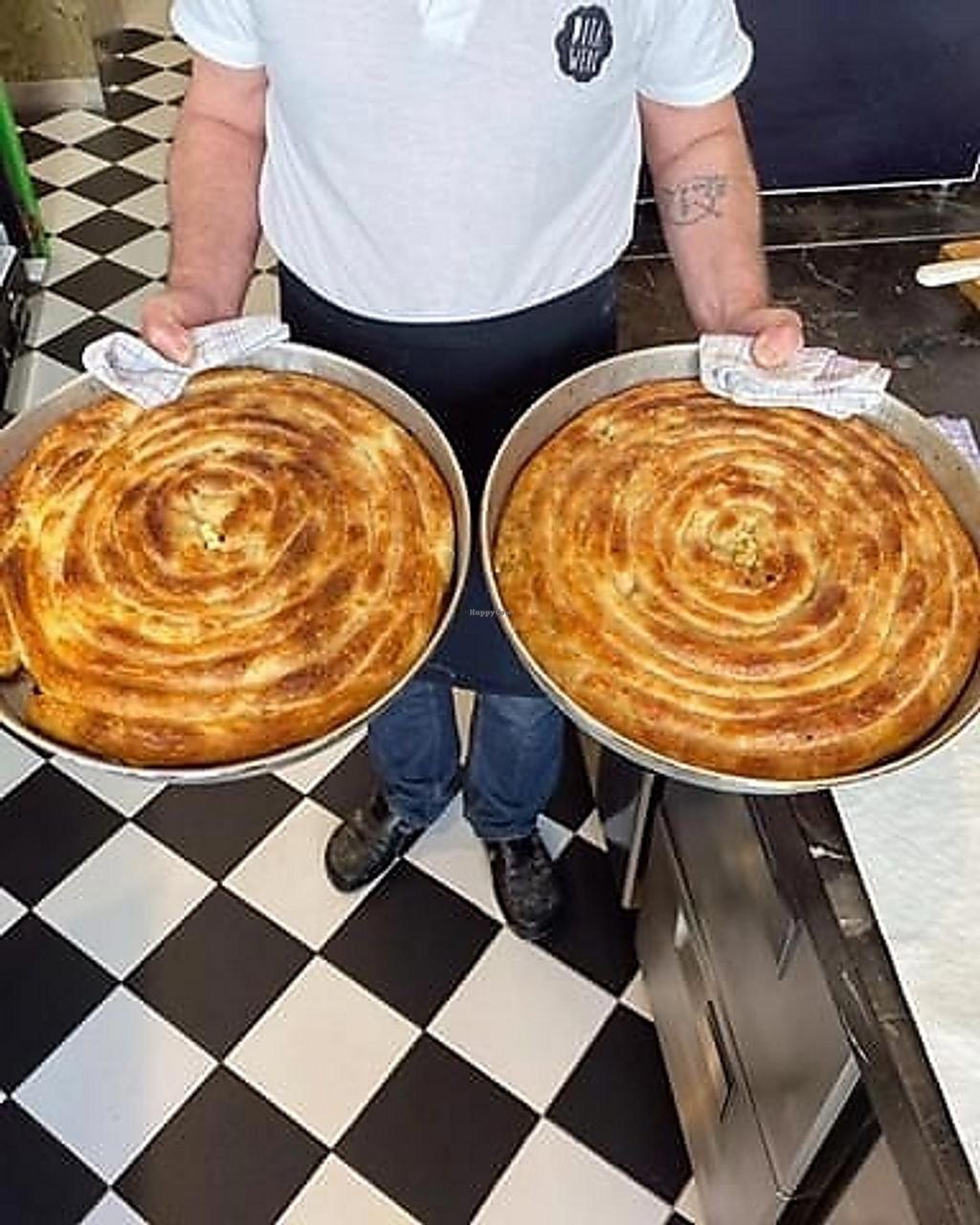
Mariahilfer Strasse's Casual Register
Vienna's longest shopping street divides neatly by district. The stretch running through the 6th and 7th pulls a younger, design-conscious crowd and has attracted a corresponding tier of cafés and lunch spots. By the time you reach the 15th, at Mariahilfer Strasse 147, the register shifts: the shops are more functional, the foot traffic more local, and the eating places more likely to be judged on speed and price than on concept. Pitawerk sits in that stretch, which places it in a different conversation than the destination restaurants clustered around the Ringstrasse or the 1st district.
Pitawerk is a casual Bosnian Pita & Burek restaurant at Mariahilfer Str. 147 in Vienna's 15th district, with. That positioning matters for how you approach the venue. Vienna's fine dining tier, houses like Steirereck im Stadtpark, Amador, and Konstantin Filippou, operates on a tasting menu logic where the evening is the primary event. Pitawerk operates on the opposite logic: the format is built for the middle of the day, for people who want something filling and fast without surrendering quality of ingredient.
The Lunch-First Format
Pita-centred eating is structurally a lunch proposition. The bread is the vehicle, the fillings are the argument, and the whole thing is designed to be eaten standing, walking, or at a counter rather than across two hours and a wine list. In Vienna, this format has grown alongside a broader shift in how the city eats outside of formal dining hours. The Austrian capital has historically been stronger on coffee-house culture for daytime grazing than on quick savoury formats, but that has changed across the past decade as immigration patterns and travel habits have broadened what the city expects at midday.
Middle Eastern and eastern Mediterranean quick-service spots have multiplied across Vienna's outer districts in particular, and the 15th has seen a noticeable concentration. The competitive pressure in that category is real: falafel, shawarma, and pita formats are now common enough that differentiation comes down to ingredient sourcing, bread quality, and consistency of execution rather than novelty. For a venue operating in that space, the lunch hour is where reputation is made or lost, because that is when volume is highest and margin for error is smallest.
The evening dynamic, by contrast, is quieter in this part of Mariahilfer Strasse. The shopping crowd thins after early evening, and the neighbourhood's residential character means dinner trade is more local and less predictable. Venues at this end of the street that succeed at dinner typically do so by holding a core regular base rather than by drawing destination traffic. That is a different operational challenge than the one facing a Mraz and Sohn or a Doubek, where the evening reservation list is the primary business model.
Vienna's Broader Casual Eating Context
Understanding where Pitawerk sits requires a sense of what Vienna's mid-market and casual eating scene looks like overall. The city's formal restaurant culture draws considerable international attention, with multiple Michelin-starred addresses and a strong pipeline of creative Austrian cooking. But the everyday eating culture is less documented and, for the traveller spending more than a day or two in the city, equally important to map.
The 15th district, Rudolfsheim-Fünfhaus, is one of Vienna's most diverse by population, and that diversity shows up directly in its food options. Turkish, Bosnian, Serbian, and increasingly Syrian and Lebanese-influenced spots operate alongside traditional Viennese Würstelstände and Beisl. Pita formats fit naturally into that mix, occupying a space between the sit-down Balkan restaurant and the pure street-food kiosk. For visitors who have spent time eating in the broader Austrian fine dining scene, at Döllerer in Golling, Ikarus in Salzburg, or Obauer in Werfen, a lunch stop in the 15th offers a useful counterpoint: what the country's food culture looks like when ceremony is removed entirely.
That contrast is worth making deliberately. Austrian gastronomy at its upper end, whether at Griggeler Stuba in Lech, Gourmetrestaurant Tannenhof in Sankt Anton am Arlberg, or Kräuterreich by Vitus Winkler, tends toward elaborate seasonal menus with a strong regional-produce argument. The casual end of Vienna's eating in the outer districts makes no such argument. It is efficient, affordable, and shaped by the tastes of communities that are not trying to express Austrian culinary identity but their own.
Getting There and Practical Notes
Mariahilfer Strasse 147 is in the 15th district, reachable by U3 to Westbahnhof or by tram along the main street. The 15th sits west of the 6th and 7th, which puts it outside the immediate tourist circuit but well within the city's public transit grid. For visitors combining a trip to the Westbahnhof area with lunch, the location is logical. Those coming specifically from the 1st district should allow fifteen to twenty minutes by public transport.
Travellers planning a wider Austrian trip may also find value in reviewing addresses like Landhaus Bacher in Mautern an der Donau, Ois in Neufelden, Schwarzer Adler in Hall in Tirol, and Restaurant 141 by Joachim Jaud in Mieming for a broader picture of what Austrian dining looks like outside the capital.
Reservations: Walk-in friendly. Dress: Casual. Budget: About $8 per person. Address: Mariahilfer Str. 147, 1150 Wien.
Reputation First
Comparable venues nearby, for context on price, style, and recognition.
| Venue | Cuisine | Price | Notes |
|---|---|---|---|
| PitawerkThis venue — the venue you are viewing | Bosnian Pita & Burek | $ | Not listed |
| Stehbuffet | Standing Buffet | $ | Neujedlersdorf |
| Suppenbar | Soup and Curry Bar | $ | Alsergrund |
| The Sign | Craft Cocktail Lounge | $$ | Franz Josefs Bahnhof |
| Zov Homolja | Serbian Balkan Grill | $$ | Brigittenau |
| Lebenbauer | Vollwert Wholefood with Vegan Focus | $$ | Inner City |
Continue exploring
More in Vienna
Restaurants in Vienna
Browse all →![[aend] restaurant in Vienna](https://cdn.enprimeurclub.com/storage/v1/object/public/images/locations/recsVyRkMfzCxPmp0/hero2.jpg?width=3840&quality=75)
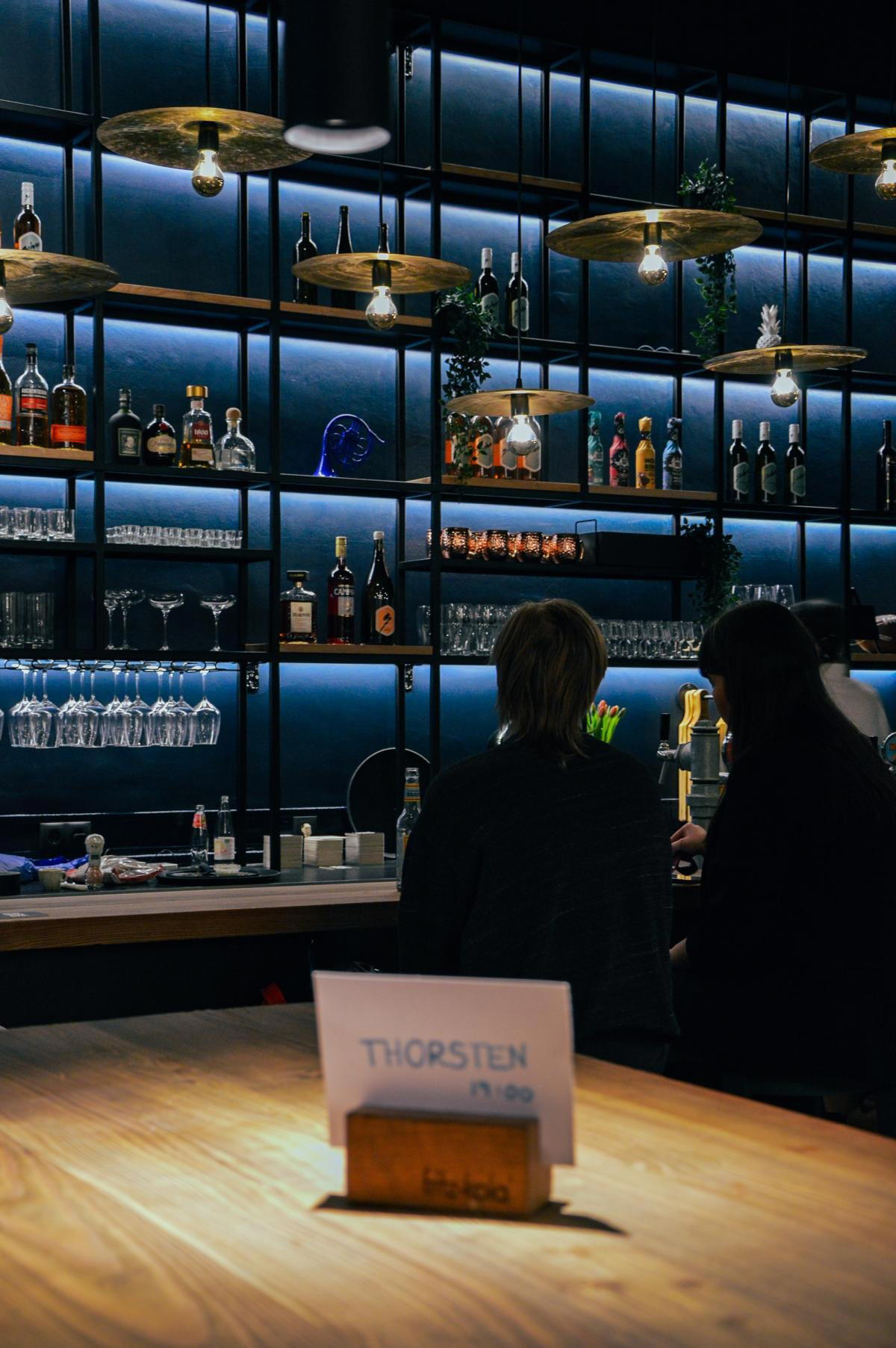
Bars in Vienna
Browse all →

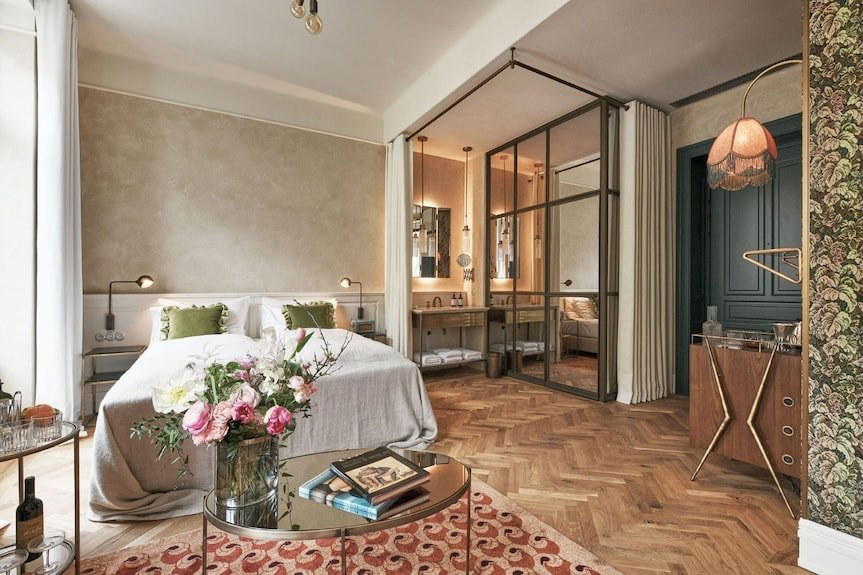
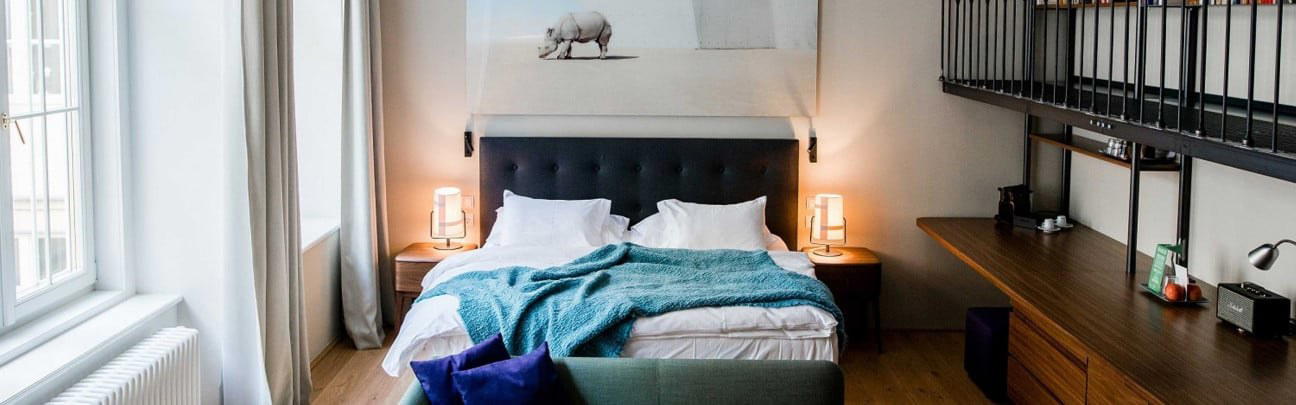
Hotels in Vienna
Browse all →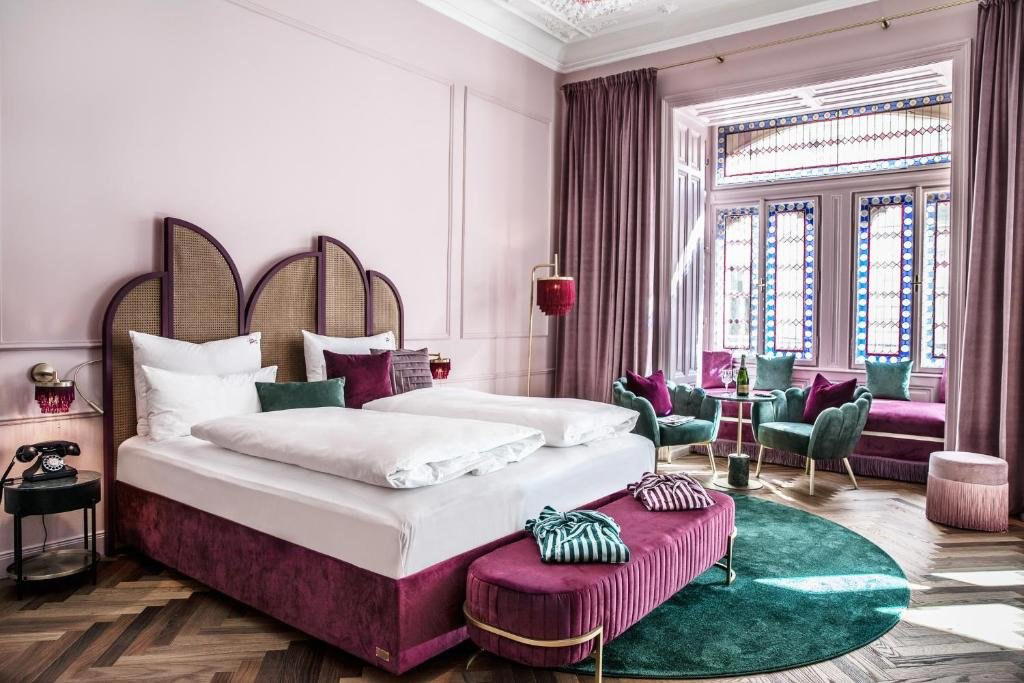
At a Glance
- Cozy
- Modern
- Casual Hangout
- Solo
- After Work
- Open Kitchen
- Local Sourcing
Current opening hours
- Monday
- 9 AM–9 PM
- Tuesday
- 9 AM–9 PM
- Wednesday
- 9 AM–9 PM
- Thursday
- 9 AM–9 PM
- Friday
- 9 AM–9 PM
- Saturday
- 10 AM–9 PM
- Sunday
- 10 AM–9 PM
Hours can change for holidays and private events. Last verified .
Cozy modern space with bare brick walls, black-and-white tiles, open kitchen, and traditional Bosnian-Herzegovinian music creating a welcoming cultural atmosphere.