Stage
Stage occupies a Kapiolani Boulevard address that positions it within Honolulu's evolving mid-city dining corridor, away from the tourist-facing strip of Waikiki. The restaurant sits in a city where Pacific Rim cuisine has moved steadily from novelty to cultural identity, and where local diners increasingly set the standard for what ambitious cooking looks like in Hawaii. For visitors tracking serious dining beyond the resort bubble, Stage is worth locating in that context.
Pearl is the En Primeur Club membership app — saves, bookings, and concierge access live there. Same editors, same standards.
- Address
- 1250 Kapiolani Blvd, Honolulu, HI 96814
- Phone
- +18082375429
- Website
- stagerestauranthawaii.com
- Directions
- Get directions
 Saves & bookings on Pearl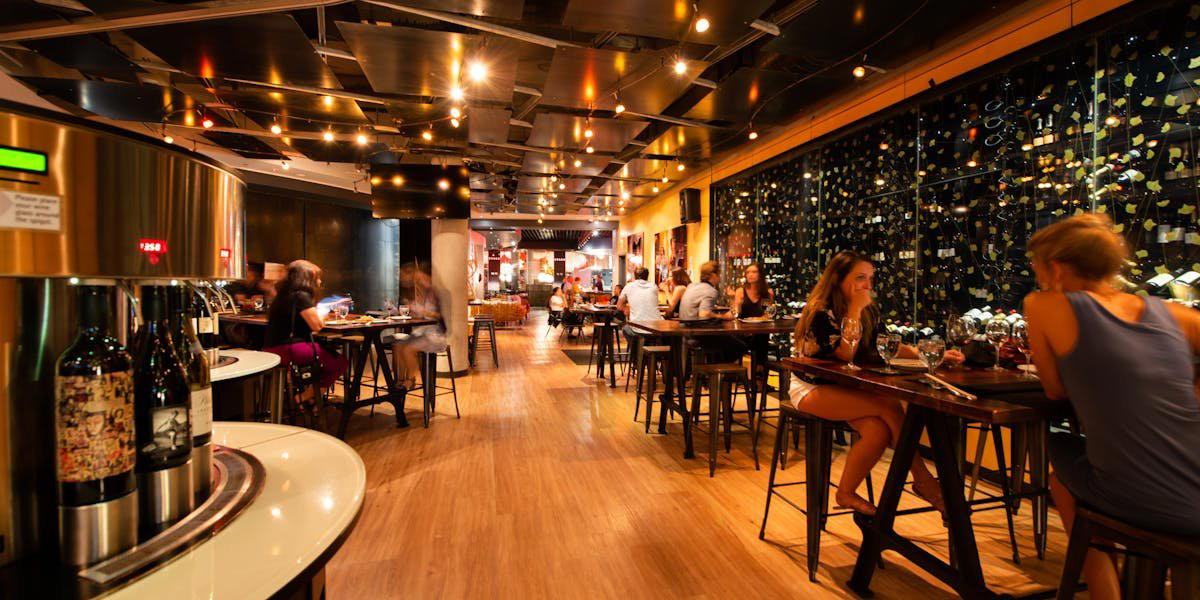
Honolulu's Mid-City Dining Shift
For most of its modern restaurant history, Honolulu's serious dining concentrated along two axes: the resort corridor of Waikiki and the waterfront-facing venues that sold sunset views as readily as food. That geography is changing. A cluster of addresses along and around Kapiolani Boulevard has emerged as a counterweight, drawing a primarily local clientele and hosting restaurants less interested in ocean backdrops than in what's actually on the plate. Stage, at 1250 Kapiolani Blvd, sits within that corridor, in a part of the city where the audience tends to know what it's comparing against.
This matters as context because Hawaii's dining culture is not simply American dining in a tropical setting. The islands carry a layered food history, indigenous Hawaiian tradition, Japanese, Chinese, Filipino, Portuguese, and Korean immigration waves, and the plantation-era fusion that emerged from shared labor, and the restaurants that have made the strongest impression on local critics over the past two decades tend to engage that history with some degree of seriousness. Honolulu's premium dining scene now splits between venues that perform Hawaii for visitors and venues that cook for an audience that grew up eating malasadas, saimin, and poke as ordinary food. The latter set is generally the more interesting one.
Where Stage Sits in the Honolulu comparable set
Honolulu supports a range of ambitious restaurants, and the Kapiolani-adjacent corridor has its own competitive texture. Fête (New American) and 3660 On the Rise both operate in the mid-to-upper price tier with Hawaii-influenced New American formats, while 53 By The Sea occupies the waterfront-facing, occasion-dining niche. Stage's Kapiolani address places it in a neighborhood context distinct from those waterfront positions, suggesting a venue calibrated more toward regular patronage than destination-occasion dining.
For comparison outside the island, Honolulu's ambitious restaurants now operate in a national conversation that includes multi-course tasting formats at venues like Lazy Bear in San Francisco and Alinea in Chicago, as well as ingredient-focused fine dining at Single Thread Farm in Healdsburg and Blue Hill at Stone Barns in Tarrytown. Hawaii's geographic position, surrounded by some of the Pacific's most productive fishing waters, with volcanic soil agriculture and proximity to Japan's culinary supply chain, gives its kitchens access to ingredients that most of those mainland venues can only source at a premium. The leading Honolulu restaurants treat that access as a foundational advantage rather than a marketing angle.
The Cultural Weight of Hawaiian Cuisine
Any serious restaurant operating in Honolulu in the current decade operates against a backdrop of renewed engagement with indigenous Hawaiian food culture. The broader American culinary conversation has shifted toward origin and provenance, and in Hawaii that conversation carries particular weight: taro cultivation, traditional fishpond aquaculture, and the preparation of dishes like poi and laulau are not antiquarian concerns but live practices with communities actively maintaining them. Restaurants that engage this material thoughtfully, rather than decoratively, tend to draw a different kind of local loyalty than those that treat Hawaiian aesthetics as background.
That cultural context shapes expectations in ways that visitors from the mainland often underestimate. In cities like New York, where Le Bernardin and Atomix define the upper register of serious dining, or in New Orleans, where Emeril's helped establish a regional fine dining identity, the culinary tradition a restaurant draws on is legible and codified. In Honolulu, the tradition is plural, contested, and still being written. Restaurants that acknowledge that complexity tend to produce more interesting food than those that resolve it prematurely into a single aesthetic.
Hawaii's Japanese culinary influence deserves specific mention. With the largest Japanese-American population per capita of any US state and direct flight connections to Tokyo and Osaka, Honolulu's Japanese food culture is not a diluted mainland approximation but a distinct regional expression. That influence appears across the dining spectrum, from the counter-service bento culture to the izakaya format that has taken hold in several Honolulu neighborhoods. Any serious Honolulu restaurant operates in proximity to that tradition whether it explicitly engages with it or not.
What to Know About the Kapiolani Boulevard Setting
The stretch of Kapiolani between downtown Honolulu and the Diamond Head direction has become one of the city's more active zones for independent restaurant openings. It functions differently from the Chinatown arts district, which leans toward late-night and bar-forward formats, and differently from the Kahala and Hawaii Kai neighborhoods, which carry a more established, moneyed local clientele. Kapiolani's character is more mixed: office workers, local families, and a younger professional demographic that has driven demand for quality without formality.
Stage's address at 1250 Kapiolani puts it in a position to serve that audience. In a city where venues like 855-ALOHA and Ahaaina Luau occupy the cultural-experience end of the dining spectrum, and where more formal rooms like The French Laundry in Napa or Addison in San Diego represent the mainland template for tasting-menu ambition, Honolulu's mid-tier creative restaurants occupy a distinct and sometimes underappreciated space.
For visitors cross-referencing against other American fine dining experiences, Providence in Los Angeles, The Inn at Little Washington, and 8 1/2 Otto e Mezzo Bombana in Hong Kong represent the kind of formal, award-anchored dining that sets one end of the comparison spectrum. Stage's positioning on Kapiolani suggests a different register.
Know Before You Go
- Address: 1250 Kapiolani Blvd, Honolulu, HI 96814
- Neighborhood: Kapiolani corridor, mid-city Honolulu
- Parking: Street and structure parking available along Kapiolani; public transit accessible via TheBus routes serving the corridor
- Context: Mid-city address, primarily local clientele; distinct from Waikiki resort dining
Category Peers
Comparable venues nearby, for context on price, style, and recognition.
| Venue | Cuisine | Price | Notes |
|---|---|---|---|
| StageThis venue — the venue you are viewing | Hawaii Regional Contemporary American | $$$$ | Not listed |
| Deck. | Hawaiian-Pacific Grill | $$$ | Diamond Head |
| Tempura inaba Hanalei'i Sushi inaba Hanalei'i | Tempura Omakase | $$$$ | Moiliili |
| Shorefyre International Marketplace | Island-Inspired American Grill | $$ | Kapahulu |
| Honolulu Burger Co. | Hawaiian Grass-Fed Burgers | $$ | Makiki Ako |
| The Signature Prime Steak & Seafood | Prime Steakhouse & Seafood | $$$$ | Waikiki |

At a Glance
- Modern
- Elegant
- Sophisticated
- Date Night
- Business Dinner
- Special Occasion
- Design Destination
- Open Kitchen
- Wine Cellar
- Extensive Wine List
- Sommelier Led
- Local Sourcing
- Farm To Table
Current opening hours
- Monday
- Closed
- Tuesday
- 5–10 PM
- Wednesday
- 5–10 PM
- Thursday
- 5–10 PM
- Friday
- 5–10 PM
- Saturday
- 5–10 PM
- Sunday
- Closed
Hours can change for holidays and private events. Last verified .
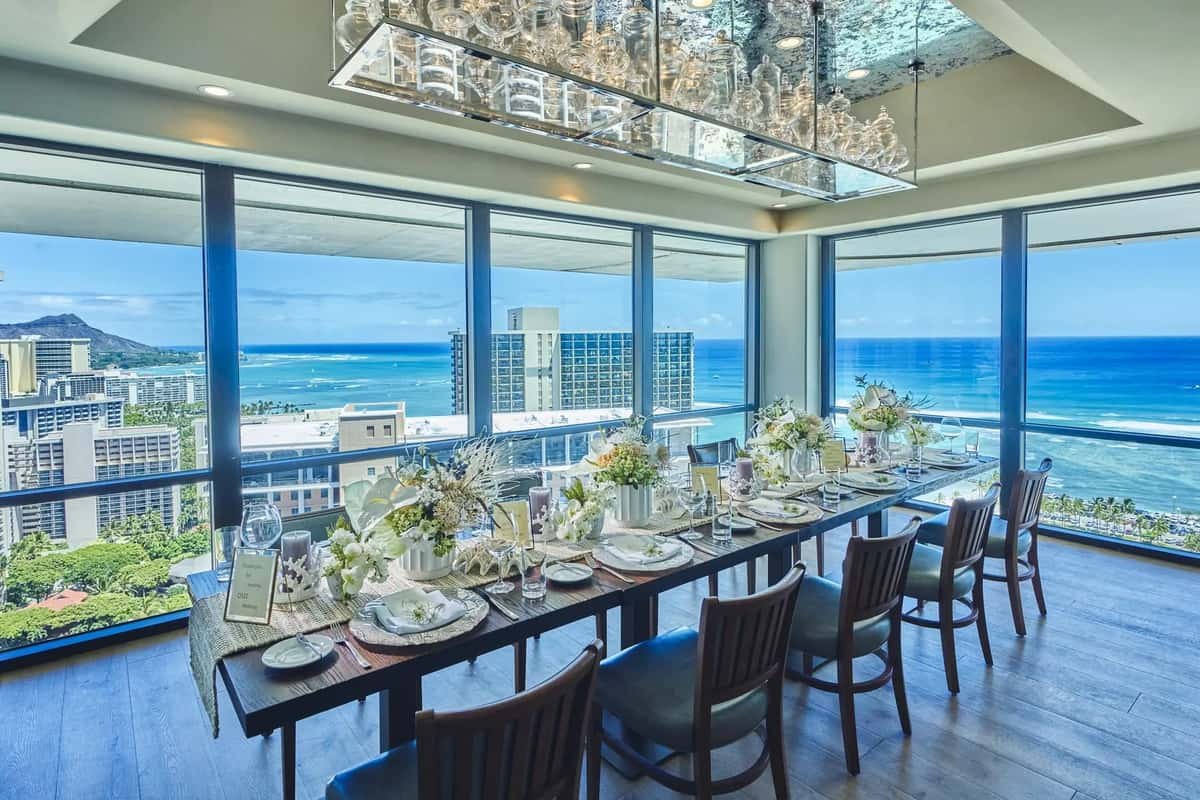
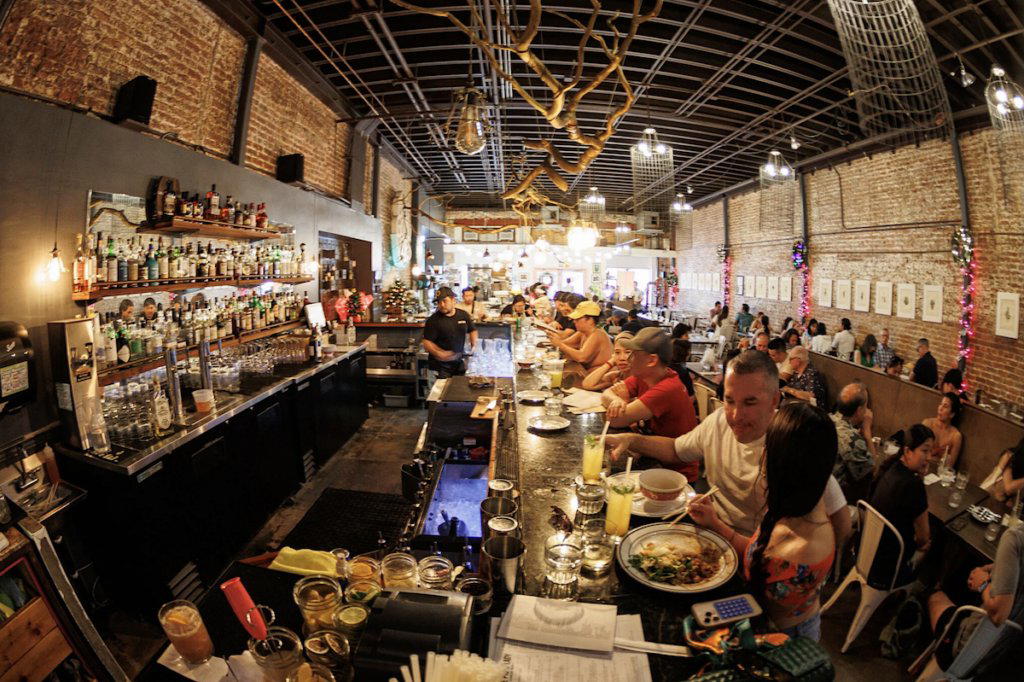
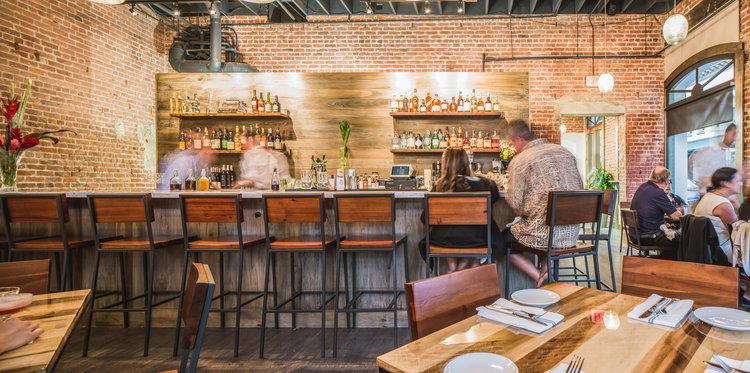
Chic, modern space with stylish design elements reflecting the gallery setting; sophisticated and refined atmosphere conducive to wine appreciation and upscale dining.