i-naba Hanaleiʻi
Our verdict
On South King Street in Honolulu's Moiliili neighbourhood, Tempura Inaba Hanalei'i Sushi Inaba Hanalei'i occupies a corner of the city's Japanese dining scene where tempura and sushi share equal billing. The dual format reflects a long tradition in Hawaii of Japanese culinary categories crossing into single kitchens, making it a reference point for occasion meals that call for something more considered than a standard sushi bar.

Pearl is the En Primeur Club membership app — saves, bookings, and concierge access live there. Same editors, same standards.
- Address
- 1726 S King St, Honolulu, HI 96826
- Phone
- (808) 753-0163
- Hours
- Mon 11 AM–2 PM, 5–9 PMTue–Wed ClosedThu–Sun 11 AM–2 PM, 5–9 PM
- Website
- inabahonolulu.com
- Directions
- Get directions
- Booking
- Book on OpenTable
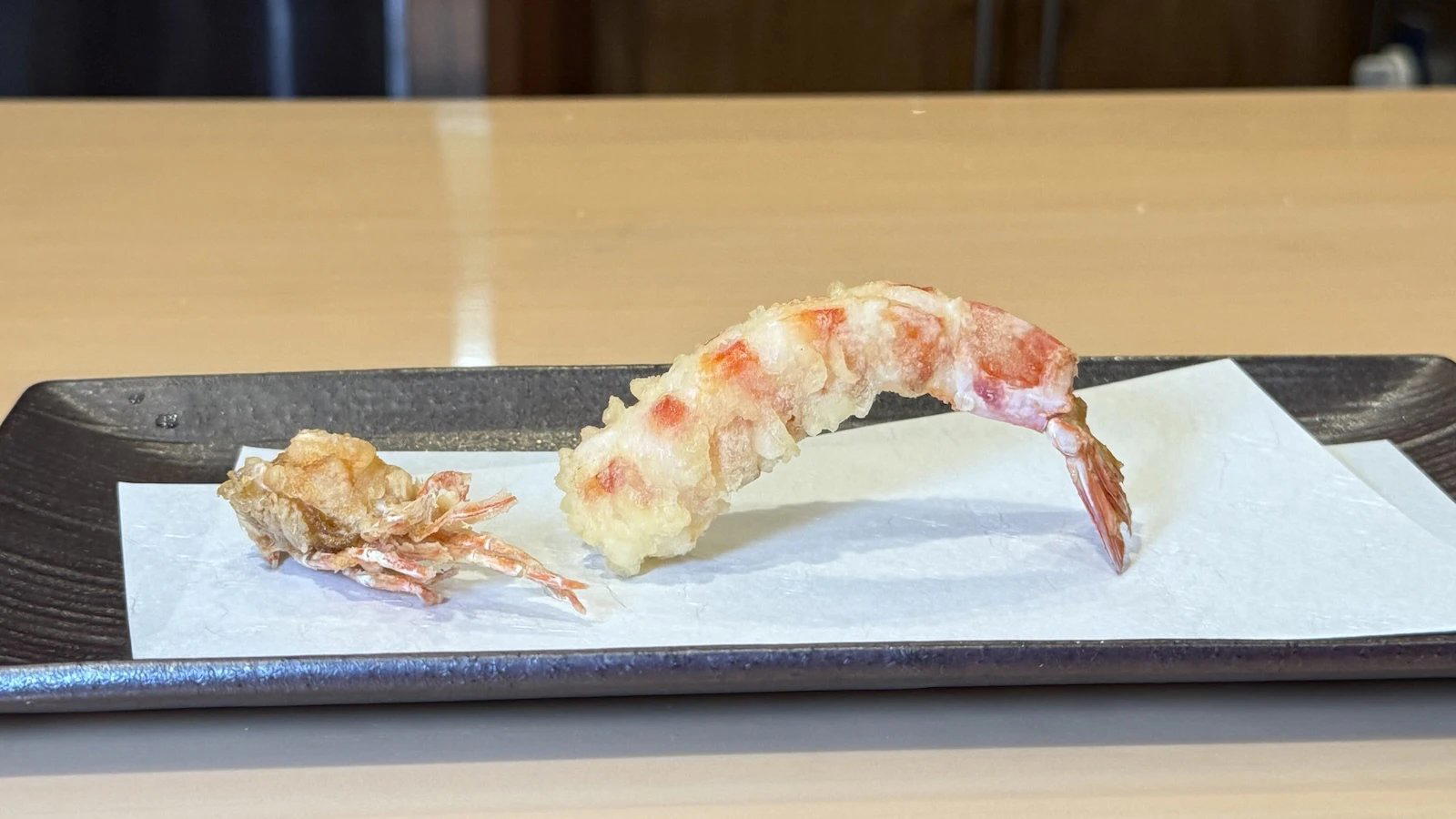
The menu
What to order
- Chef's Choice Tempura Course
- Omakase Tempura Course
South King Street and the Architecture of a Special Meal
There is a particular quality to Honolulu's Japanese dining corridor along South King Street in Moiliili: it moves at a different register from the resort-facing rooms of Waikiki, where menus are calibrated for first-time visitors and portion sizes for tourists on a schedule. The restaurants here serve a local clientele that expects repetition, familiarity, and a kitchen that recognises faces. Tempura Inaba Hanalei'i Sushi Inaba Hanalei'i at 1726 South King Street belongs to that category of place where the dining room's rhythm is set by the neighbourhood, not by the hotel calendar.
The dual name signals a dual mandate: tempura on one side, sushi on the other, both operating in a kitchen format that has deep roots in Hawaii's Japanese-American dining tradition. This is not a recent fusion concept. Across the islands, Japanese restaurants have historically consolidated culinary functions that on the mainland, or in Japan itself, tend to occupy separate specialist venues. A tempura-sushi combination under one roof is, in this context, a statement of local practicality and comfort rather than innovation.
Occasion Dining in Honolulu's Japanese Register
Honolulu's Japanese restaurant scene divides, roughly, into three operational tiers: the high-commitment omakase counters that have proliferated as the city's dining sophistication has grown; the mid-range izakaya and casual sushi bars that absorb the daily traffic; and a smaller set of established neighbourhood rooms where families return for milestone meals. Tempura Inaba Hanalei'i Sushi Inaba Hanalei'i sits in the third category. The format, a kitchen that handles both deep-fried and raw preparations at a serious level, makes it a natural fit for celebratory dinners where the table needs to accommodate different preferences without compromise.
That logic extends across the islands' dining culture more broadly. Hawaii's multi-generational Japanese-American community has long treated this style of combined kitchen as the default setting for birthday dinners, family gatherings, and anniversary meals. The tempura-and-sushi format is not a hedge; it is a specific reading of what a celebratory table requires. For comparison, the more tightly focused tasting-menu rooms, comparable in spirit to venues like Atomix in New York City or The French Laundry in Napa, ask a table to agree on a single direction. A tempura-sushi kitchen asks nothing of the sort, which is exactly its value for a mixed group marking an occasion.
Honolulu's occasion-dining tier has grown more competitive in recent years. Rooms like 53 By The Sea and 3660 On the Rise have built reputations specifically around milestone meals, with harbour views and service designed to signal specialness. Japanese kitchens operating in the neighbourhood register compete differently: the argument is depth of familiarity and culinary specificity rather than setting and spectacle. It is a different kind of occasion dining, and for the right diner, a more satisfying one.
Tempura and Sushi as Parallel Disciplines
The culinary case for treating tempura and sushi as parallel rather than competing disciplines is stronger than the combined-menu format might suggest. Both require precision temperature management, both are unforgiving of poor sourcing, and both depend on restraint at the point of finishing. Tempura executed correctly, batter that fractures cleanly and does not absorb oil, depends on the same sensibility as sushi rice seasoned without masking the fish. In this sense, a kitchen that handles both seriously is demonstrating a coherent philosophy rather than hedging its culinary bets.
Across the mainland United States, the high-commitment end of Japanese cooking has tended to separate these functions: Michelin-recognised sushi counters in New York and Los Angeles operate at a different remove from tempura specialists. Hawaii's tradition of consolidation reflects the islands' position as a place where Japanese culinary culture arrived and adapted rather than replicated. The results are kitchens that read as distinctly local even when the techniques are orthodox.
For context on where Honolulu sits in the wider American dining conversation, the city's Japanese restaurants now occupy a position of genuine seriousness. The dining culture that also supports places like Fête (New American) and 855-ALOHA is not a tourist-driven market: it is a local audience that eats out regularly and holds kitchens to consistent standards.
The Moiliili Context
Moiliili, the neighbourhood surrounding the South King Street address, is one of Honolulu's most coherent dining districts for Japanese food. It has historically served the city's Japanese-American community with a density of restaurants that function as neighbourhood institutions. This is not the Waikiki strip, where a restaurant's survival depends on foot traffic and hotel concierge recommendations. Survival in Moiliili requires repeat local custom, which in turn requires consistency over time. The restaurants that last in this part of the city tend to be the ones that have found a stable relationship with their regulars.
That dynamic shapes the dining experience in ways that are difficult to quantify but easy to feel. A room that has been serving the same families for years has a different atmosphere from one optimised for first-time visitors. The pacing is different, the level of assumption about what the diner wants is different, and the sense of occasion that a neighbourhood milestone meal carries is more weighted with local meaning.
Honolulu's broader restaurant ecosystem, which you can survey in our full Honolulu restaurants guide, includes destination rooms that draw visitors from the mainland and elsewhere in the Pacific. Venues in the spirit of Ahaaina Luau serve a very different function, anchored in cultural performance and group experience. Tempura Inaba Hanalei'i Sushi Inaba Hanalei'i operates in a quieter register, one that is less legible to a visitor arriving without a local recommendation but more resonant for those who know what they are looking for.
Know Before You Go
Address: 1726 S King St, Honolulu, HI 96826
Neighbourhood: Moiliili, Honolulu
Format: Tempura and sushi, combined kitchen
Occasion fit: Family milestone meals, birthday dinners, anniversary occasions
Peer context: Sits within Honolulu's established neighbourhood Japanese dining tier, alongside the city's broader occasion-dining rooms
Frequently asked questions
What do regulars order at Tempura Inaba Hanalei'i Sushi Inaba Hanalei'i?
Given the dual kitchen format, the kitchen's tempura and sushi preparations are both core to the menu. In Honolulu's Japanese neighbourhood dining tradition, regulars at this style of combined kitchen typically work across both sides of the menu rather than committing to one. Confirm current menu specifics directly with the venue, as detailed dish listings were not available at time of publication.
Do I need a reservation for Tempura Inaba Hanalei'i Sushi Inaba Hanalei'i?
For milestone occasions and group dinners, securing a booking in advance is advisable at any established Moiliili neighbourhood restaurant. Honolulu's Japanese dining rooms at this level of local reputation tend to run at capacity on weekends and around local holidays.
What is the signature at Tempura Inaba Hanalei'i Sushi Inaba Hanalei'i?
The name itself is the clearest guide: the kitchen operates with equal emphasis on tempura and sushi, which is the defining characteristic of this style of Japanese restaurant in Hawaii. That dual focus, rather than any single dish, is the operational signature.
Is Tempura Inaba Hanalei'i Sushi Inaba Hanalei'i good for vegetarians?
Tempura kitchens in the Japanese-American tradition routinely include vegetable preparations alongside seafood and meat options, which gives the format more flexibility for vegetarian diners than a pure sushi bar. That said, specific dietary accommodation details were not available at time of publication. Honolulu's dining culture is generally attentive to dietary needs; contact the restaurant directly or check their website for current menu scope.
How does a tempura-sushi restaurant in Honolulu compare to Japanese specialist counters on the mainland?
Hawaii's Japanese dining tradition developed along a different track from mainland specialist counters. Where cities like New York and Los Angeles have seen omakase sushi and tempura kaiseki diverge into separate high-commitment formats (comparable in intensity to venues like Providence in Los Angeles or Addison in San Diego), Honolulu's neighbourhood Japanese rooms have historically kept both disciplines under one roof. The combined format reflects the islands' specific culinary history and serves a local clientele for whom the dual menu is the expected standard for a serious Japanese meal, not a compromise.
Cuisine-First Comparison
Comparable venues nearby, for context on price, style, and recognition.
| Venue | Cuisine | Price | Awards | Notes |
|---|---|---|---|---|
| Tempura inaba Hanalei'i Sushi inaba Hanalei'iThis venue — the venue you are viewing | Tempura Omakase | $100–150 | Not listed | Not listed |
| Restaurant i-naba | Authentic Japanese Soba and Tempura | $30–50 | Not listed | Moiliili |
| Ichifuji | Japanese Shabu-Shabu | Not listed | Not listed | Mōʻiliʻili |
| Hihimanu Sushi | Omakase Sushi | $200–300 | Not listed | St. Louis Heights |
| Sushi Ginza Onodera Honolulu | Traditional Japanese Omakase | $300–500 | Not listed | Kapahulu |
| Bar Maze | Modern Japanese Omakase with Cocktail Pairings | $200–300 | James Beard Award Semi Finalist | Kakaako |
Details
- Elegant
- Intimate
- Sophisticated
- Date Night
- Special Occasion
- Sake Program
- Byob
- Sustainable Seafood
- Omakase
- A La Carte
- Sake
Current opening hours
- Monday
- 11 AM–2 PM, 5–9 PM
- Tuesday
- Closed
- Wednesday
- Closed
- Thursday
- 11 AM–2 PM, 5–9 PM
- Friday
- 11 AM–2 PM, 5–9 PM
- Saturday
- 11 AM–2 PM, 5–9 PM
- Sunday
- 11 AM–2 PM, 5–9 PM
Hours can change for holidays and private events. Last verified .
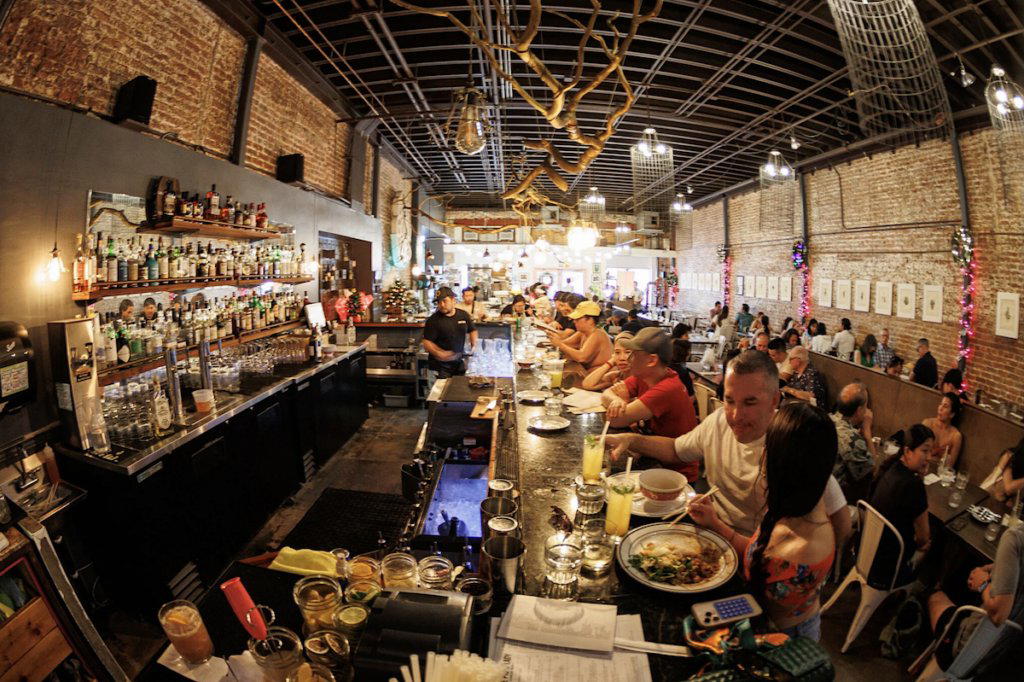
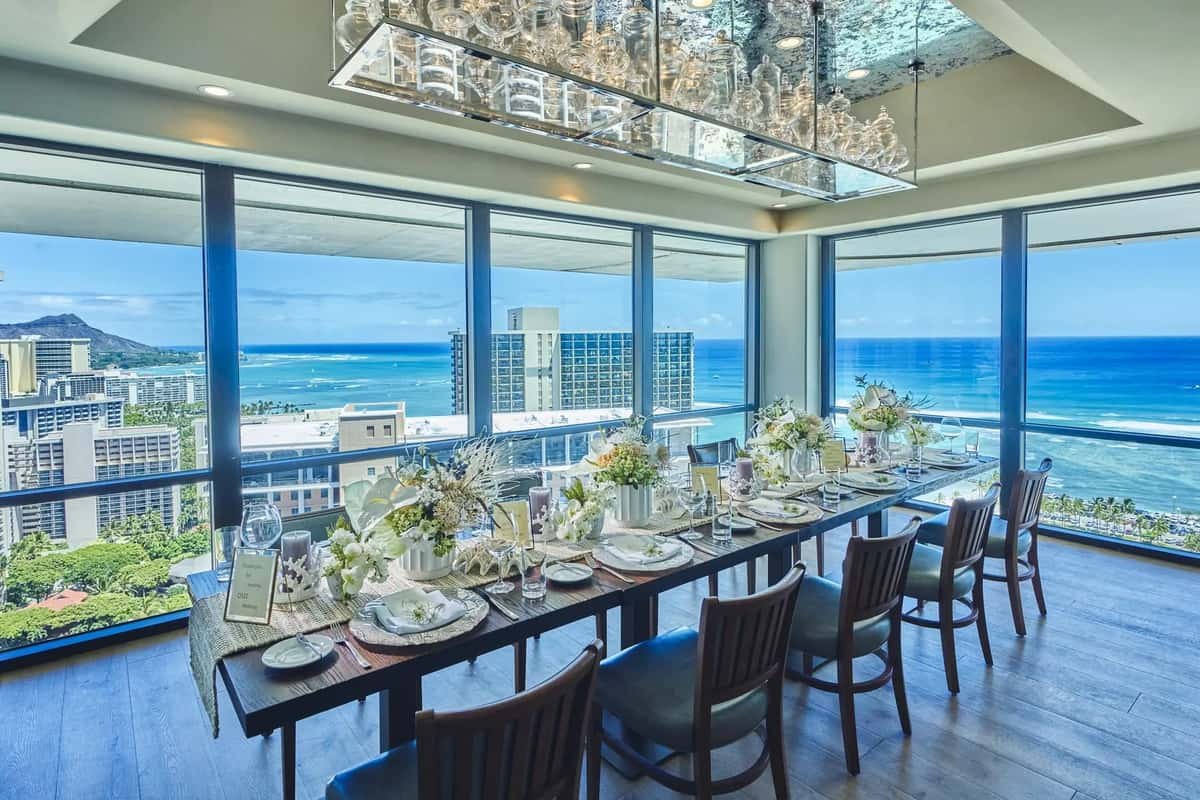
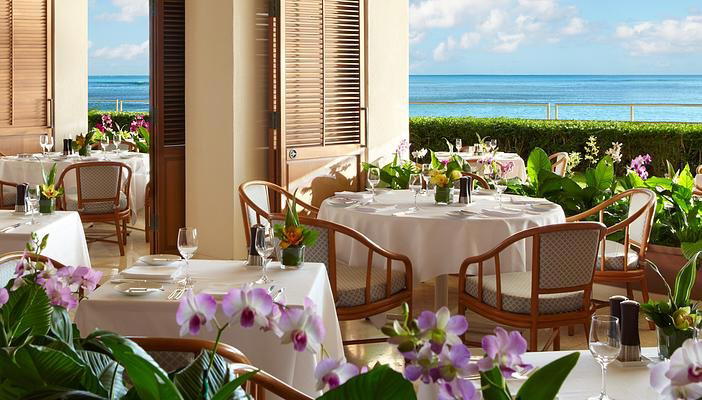
Spacious and relaxing atmosphere described as beautiful and calm.