
Soten Minamiguchi ten belongs to Tokyo’s serious yakitori tier: focused chicken cookery, counter seating, table seating, private-room capacity, and repeated Tabelog 100 Yakitori selections through 2025. The appeal is not spectacle but structure: skewers, chicken dishes, sake, shochu, and wine positioned for a full evening rather than a quick stop.
Pearl is the En Primeur Club membership app — saves, bookings, and concierge access live there. Same editors, same standards.
- Address
- Japan, 〒170-0005 Tokyo, Toshima City, Minamiotsuka, 3 Chome−39−13 嵯峨加藤ビル
- Phone
- +81 3-5944-8105
- Website
- yakitorisouten.com
 Saves & bookings on Pearl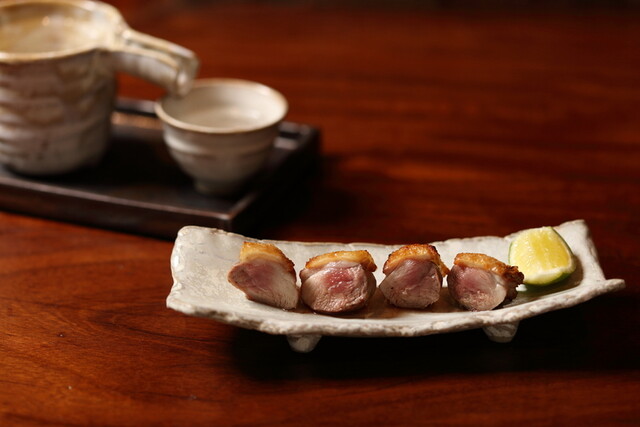
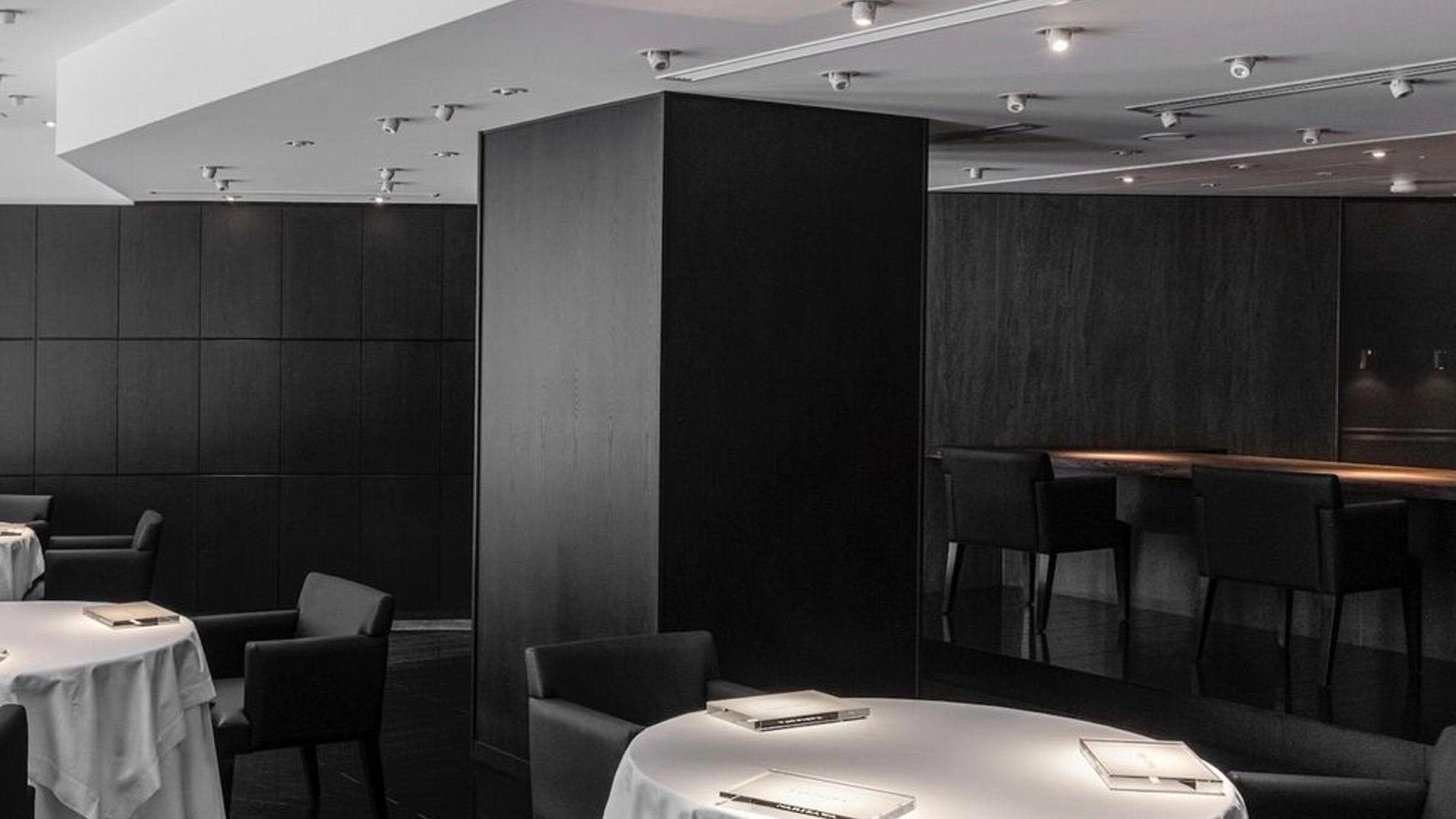
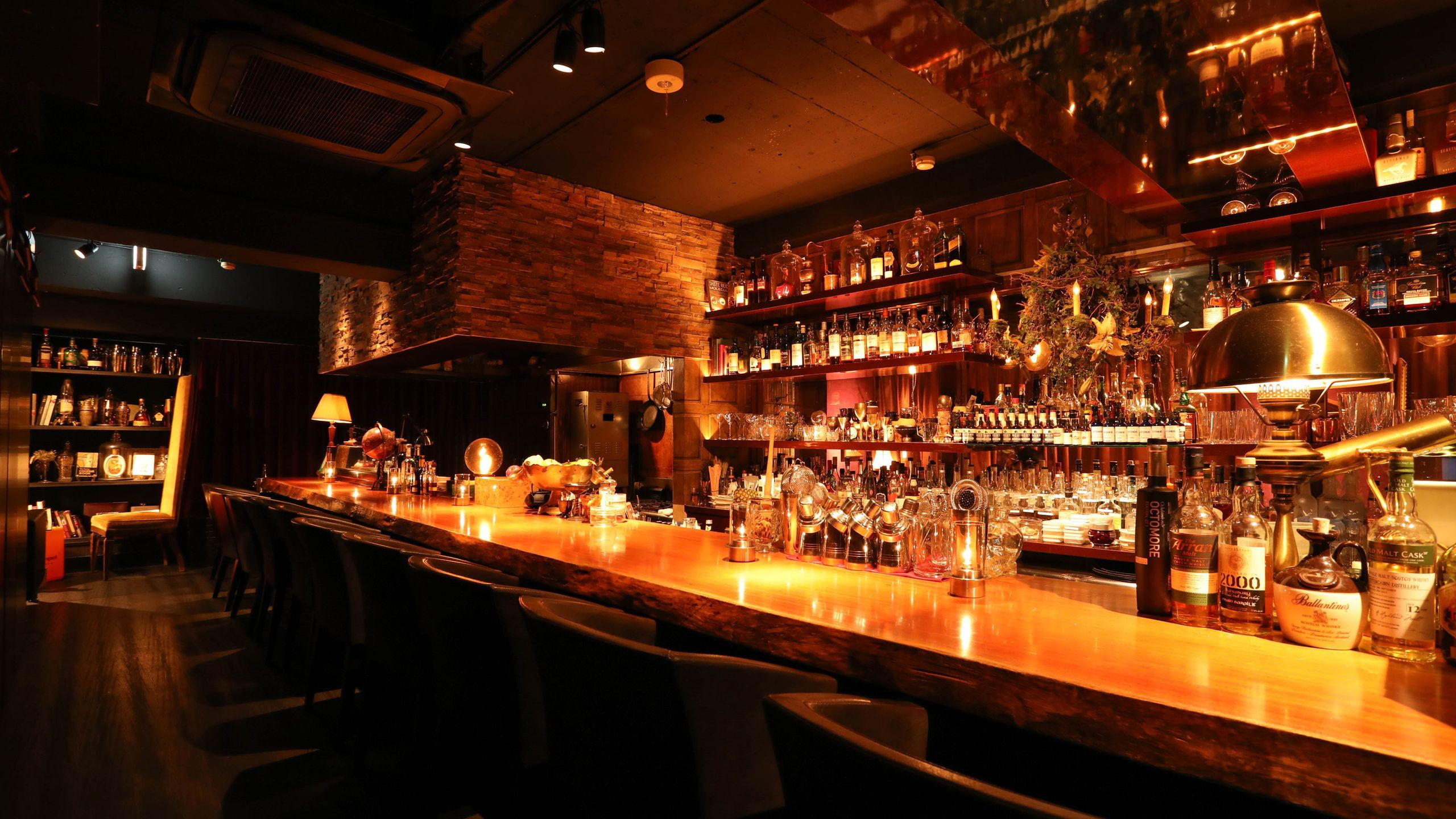
The room signals its intentions before the menu does: counter seats for diners who want the grill in view, tables for groups, and a small private-room option for a more contained evening. Tokyo yakitori can split sharply between smoke-stained neighborhood counters and high-control tasting formats; Soten Minamiguchi ten sits in the middle ground, where grilled chicken remains the anchor but the setting supports a longer, better-organized dinner.
That balance matters in Otsuka and Minamiotsuka, an area with less international shorthand than Ginza, Shibuya, or Roppongi but a serious local dining rhythm. Around here, value is often measured by concentration rather than flash: how narrowly a kitchen defines its category, how clearly the drinks fit the food, and whether the room can handle both counter regulars and planned group dinners. For a broader scan of the city’s dining range, see Our full Tokyo restaurants guide, then place this address in the subset of restaurants where the evening is built around a grill rather than a grand tasting-menu script.
Yakitori built as a full dinner, not a snack sequence
Yakitori’s strength is modularity. A meal can move through leaner cuts, richer chicken dishes, and side orders without the formal grammar of kaiseki or sushi omakase. At this level, the menu architecture is the point: skewers create pacing, chicken dishes broaden the register, and the drinks list gives the meal enough structure to hold attention across the evening. Soten Minamiguchi ten is categorized around yakitori and chicken dishes, with sake, shochu, and wine all part of the program, so the format reads as a dinner house rather than a late-night skewer bar.
The repeated Tabelog 100 Yakitori selections, including the EAST list for 2025 and prior selections dating back to 2018, are useful context. They put the restaurant inside a recognized regional group for yakitori rather than the broader, noisier pool of Tokyo casual dining. Tabelog recognition is not the same language as Michelin, but in Japan it carries a different kind of signal: sustained diner attention within a category where tiny differences in grill work, sourcing, and pacing decide reputation.
Compared with nearby price peers, the positioning is clear. Otsuka Miyaho operates in a similar dinner band, while Yappari India and Yoshoku GOTOO sit at lower everyday price levels; Sichuan Ryori Kae moves into a higher bracket. That spread explains why this kind of yakitori has a useful role in Tokyo dining: it can feel serious without becoming ceremonial, and it can suit travelers who want a focused Japanese meal without committing to the formality of sushi, tempura, or kappo.
The Otsuka advantage: less theatre, more concentration
Otsuka’s dining character rewards diners who are willing to leave the city’s hotel-heavy circuits. The neighborhood does not need to perform Tokyo for visitors; it works on commuting patterns, local repeat business, and restaurants that survive by being specific. In that context, a 42-seat yakitori restaurant with counter seating, table seating, and a private-room option has a different utility from a micro-counter in Ginza. It can absorb couples, families, friends, and small groups without abandoning the intimacy that makes grill-led dining compelling.
The room format also changes how the menu is read. Counter seats make the sequence feel closer to craft, while tables turn the same categories into a shared dinner. Private use is listed for groups, which places the restaurant in a category often overlooked by visitors: serious specialty restaurants that can handle a gathering without turning into banquet dining. That flexibility is part of the appeal, especially in a city where acclaimed counters often become difficult fits for children, luggage, late arrivals, or mixed drinking preferences.
For travelers building a Tokyo itinerary, the comparison should not be only restaurant against restaurant. It is also neighborhood against neighborhood. A night here pairs naturally with the city’s quieter northern and eastern dining routes rather than the polished hotel corridor. For other Tokyo planning layers, keep Our full Tokyo hotels guide, Our full Tokyo bars guide, Our full Tokyo wineries guide, and Our full Tokyo experiences guide close; the stronger Tokyo trips usually connect dining with transport logic rather than chasing famous names across the map.
Who should choose this style of Tokyo yakitori
Soten Minamiguchi ten makes sense for diners who want yakitori as the main event, not a prelude to ramen or bar-hopping. The category is especially good for mixed groups because the format is legible: skewers, chicken dishes, and drinks create a meal that can be scaled without requiring everyone to order identically. The non-smoking interior and children-welcome policy also make it more adaptable than many counter-led Japanese restaurants, though the serious dinner price band still calls for a planned evening rather than a casual family fallback.
The editorial case is strongest for travelers who have already done the obvious Tokyo circuits and want a category-specific meal with local traction. The 2025 Tabelog 100 Yakitori EAST selection supplies the trust signal; the seating mix supplies the practical logic; the Otsuka location supplies the reason to leave the usual central loop. Tokyo yakitori has many registers, from cheap-and-fast to rarefied counter dining. This one belongs to the disciplined middle-upper tier, where the menu’s structure, not decoration or chef mythology, carries the night.
Readers comparing across EP Club’s wider restaurant coverage may also want to look at Tokyo and Japan-adjacent pages such as. 鮪と炭火焼き うお炭 秋葉原店, 12/10 Shinjuku ten, 124. KAGURAZAKA (Yakitori), 2D Cafe, 3 Chome no Curry Ya San, -Grilled beef Sukiyaki- KAMAKURA TANUKIAN 鎌倉 たぬき庵 in Kamakura.cafe in Osaka.know in Kumamoto, (Shoku) Vietnam in Kawasaki, [Curry Senmon Ten] Maruyama Kyoju. in Sapporo, [ki:] in Kyoto, Jōdo Saké Bar in Los Angeles, and Onigiri Time in Pasadena.
Snapshot
Side-by-side context: comparable cuisine and price.
| Venue | Cuisine | Price | Notes |
|---|---|---|---|
| Soten Minamiguchi tenThis venue — the venue you are viewing | Upscale Yakitori | $$$ | Not listed |
| Torafugutei | Premium Tiger Pufferfish (Fugu) Specialist | $$$ | Shinjuku |
| Teppanyaki Iwakura | Japanese Teppanyaki | $$$ | Shinjuku |
| Hiromiya No.3 | Yakiniku (Japanese BBQ) set-course | $$$ | Shinjuku |
| Nihonbashi Izumoya | Traditional Nihonbashi unagi restaurant | $$$ | Chūō |
| Tempura Yama no Ue Mitsukoshi nihonbashi tennai | Traditional Tempura Counter | $$$ | Chūō |
Recognition history
Dated appearances from independent guides and award organizations, with the underlying list record or original source where available.
Tabelog 100 #24 · No. 24
Tabelog · Tabelog 100 - Yakitori - EAST - 2025









At a Glance
- Lively
- Cozy
- Intimate
- Date Night
- After Work
- Group Dining
- Casual Hangout
- Solo
- Chefs Counter
- Standalone
- Sake Program
- Beer Program
Current opening hours
- Monday
- 5:30–11 PM
- Tuesday
- 5:30–11 PM
- Wednesday
- 5:30–11 PM
- Thursday
- 5:30–11 PM
- Friday
- 5:30–11 PM
- Saturday
- Closed
- Sunday
- Closed
Hours can change for holidays and private events. Last verified .
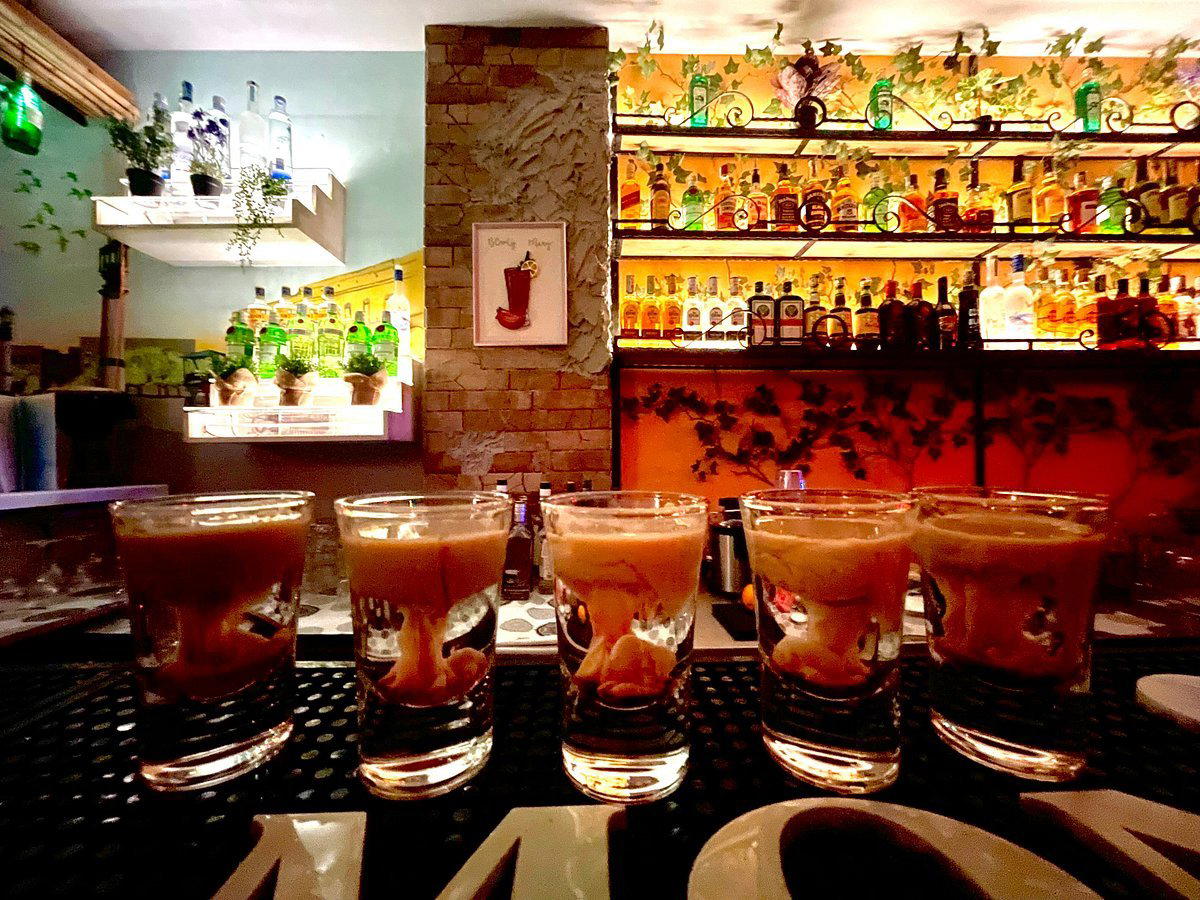
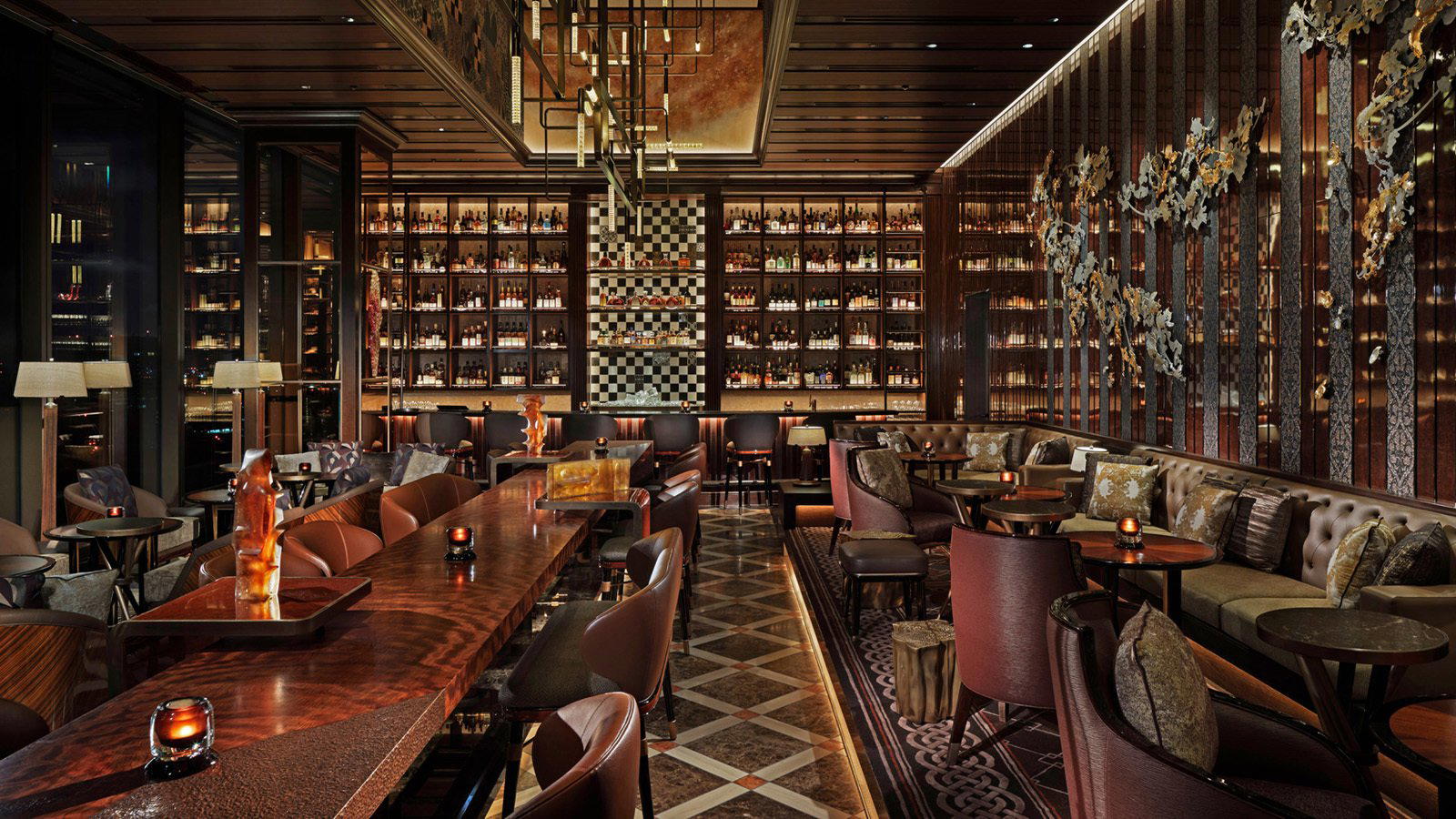
A compact, softly lit yakitori restaurant with counter and table seating, where skewers are grilled in front of guests, creating a warm, energetic atmosphere typical of a busy neighborhood favorite rather than a formal fine-dining room.