Sosaku occupies a quietly compelling position on Neustiftgasse in Vienna's 7th district, where Japanese culinary discipline has found an unlikely but coherent home inside the city's creative dining conversation. The address sits away from the first-district formality of Vienna's established fine-dining circuit, signalling an approach built on craft rather than convention. For visitors tracing Asia-influenced cuisine through European capitals, it belongs on the research list.
Pearl is the En Primeur Club membership app — saves, bookings, and concierge access live there. Same editors, same standards.
- Address
- Neustiftgasse 24, 1070 Wien, Austria
- Phone
- +436648731747
- Website
- sosaku.at
- Directions
- Get directions
 Saves & bookings on Pearl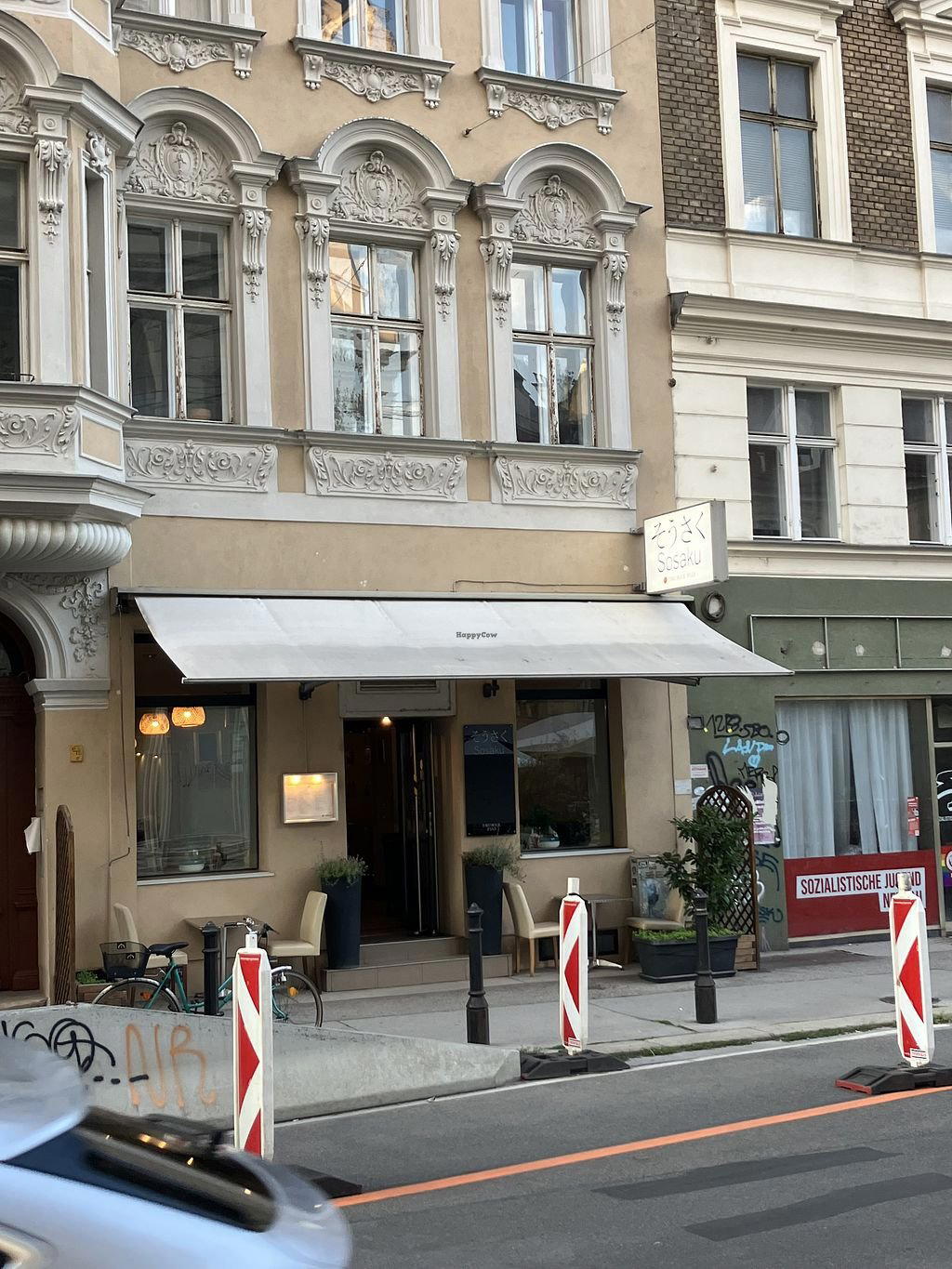
Japanese Craft in a Viennese Context
Vienna's creative dining scene has spent the past decade consolidating around a handful of formats: modern Austrian technique at places like Mraz & Sohn, French-rooted European refinement at Konstantin Filippou, and the institutional authority of Steirereck im Stadtpark. What the city has been slower to develop is a serious tier of Japanese-influenced cooking that goes beyond pan-Asian fusion menus. Sosaku, on Neustiftgasse in the 7th district, occupies a position in that emerging niche: a restaurant whose name translates roughly to "creative" or "original work" in Japanese, and whose address places it firmly in the neighbourhood-level dining fabric of Neubau rather than the ceremonial restaurant corridor of the Innere Stadt.
The 7th district has a track record of absorbing independent culinary projects before they register on international radar. It is the kind of neighbourhood where serious cooking happens without the scaffolding of a hotel address or a starred dining room in a palace courtyard. That positioning matters for understanding what Sosaku is and what it is not: this is not a tasting menu operation dressed in Japanese vocabulary, nor is it a casual ramen counter. The space between those two poles is where thoughtful Japanese-inflected restaurants in European cities tend to do their most interesting work.
The Tradition Behind the Name
Japanese cuisine carries one of the longest documented histories of any culinary tradition still operating at full intensity in the twenty-first century. The concept of sosaku ryori, or creative cuisine, emerged in Japan as a formal counter-position to the rigid hierarchies of kaiseki and omakase formats. Where those traditions demand fidelity to established sequences and seasonal canon, sosaku cooking uses classical Japanese technique as a foundation while permitting lateral moves: unexpected ingredient combinations, cross-cultural borrowings absorbed and then reformulated through a Japanese lens. In European cities, this tradition has produced particularly consequential Asia-influenced restaurants of the past two decades. Atomix in New York represents one pole of that trajectory, where Korean fine dining absorbed French structural logic and produced something that belongs to neither tradition and both simultaneously.
Vienna is a city with its own long history of absorbing external culinary traditions and making them its own. The Austro-Hungarian empire left a template for cultural synthesis that the city's food culture still reflects: Czech, Hungarian, Bohemian, and Italian influences have all been processed through Viennese cooking over centuries. Japanese cuisine arriving in that context does not feel as jarring as it might elsewhere. The question for any serious Japanese-influenced restaurant in Vienna is whether it is contributing to that synthesis tradition or simply importing a format wholesale. The name Sosaku suggests the former.
Neustiftgasse and the 7th District Dining Character
Neustiftgasse runs through Neubau, a district better known for its independent retail, galleries, and café culture than for destination dining. That is changing. The street itself connects to the broader grid of the 7th, where an increasingly dense concentration of independent restaurants has developed over the past several years, operating at a different register from the grand establishment dining of the 1st. Restaurants in this part of Vienna tend to run smaller rooms, shorter menus, and sharper concepts than their Innere Stadt counterparts. The trade-off is atmosphere over grandeur: these are spaces built for eating well rather than for marking occasions.
For visitors already familiar with the higher-profile end of Vienna's creative dining, addresses like Amador and Doubek represent one register of the city's ambition. Sosaku operates in a different register, one more aligned with the neighbourhood-first sensibility that defines the 7th's dining culture. That is not a criticism; it is a category distinction. Austria's broader fine-dining geography extends well beyond Vienna, with serious kitchens operating in Golling an der Salzach, Salzburg, and alpine addresses like Lech and Sankt Anton am Arlberg. Sosaku's significance is specifically urban and neighbourhood-specific in a way those rural and alpine operations are not.
Japanese Cuisine in the European City
The past decade has seen Japanese culinary technique spread through European fine dining in two distinct waves. The first wave was ingredient-led: yuzu, miso, dashi, and koji appeared as accents in otherwise European kitchens. The second wave is structural: chefs trained in Japan, or in Japanese-influenced kitchens, bringing the underlying logic of Japanese cooking (precision over improvisation, the primacy of texture, the relationship between temperature and timing) to bear on local ingredients. This second wave produces restaurants that are harder to categorise and more interesting to eat at. Le Bernardin in New York offers an instructive parallel: a kitchen that absorbed Japanese precision into a fundamentally French seafood tradition and produced something that transcends both source traditions.
Vienna's version of this dynamic is still developing. Sosaku arrives at a moment when the city's dining public has become increasingly sophisticated about Japanese food, driven in part by a growing number of Japanese residents and visitors, and in part by a generation of Austrian chefs who have staged in Tokyo and Kyoto. The restaurant's presence on Neustiftgasse represents a data point in that development, not its culmination. Visitors arriving in autumn and winter, when Vienna's dining scene operates at its most concentrated intensity, will find the 7th district particularly well-suited to this kind of exploratory eating.
For a fuller picture of where Sosaku sits within Vienna's current dining moment, the EP Club Vienna restaurants guide maps the city's creative dining tier in detail, alongside references to Austria's wider fine-dining network from Obauer in Werfen to Landhaus Bacher in Mautern an der Donau, Kräuterreich by Vitus Winkler, Ois in Neufelden, Restaurant 141 by Joachim Jaud in Mieming, and Schwarzer Adler in Hall in Tirol.
Know Before You Go
- Address: Neustiftgasse 24, 1070 Wien, Austria
- District: 7th district (Neubau), accessible by U3 (Zieglergasse) or tram lines along Mariahilfer Strasse
- Reservations: Recommended; contact via direct visit or search current booking channels as online details are not confirmed at time of publication
- Timing: Autumn and winter evenings are peak season for Vienna's serious dining rooms; the 7th district's compact geography makes pre- or post-dinner neighbourhood walking practical
- Context: Sosaku sits in the independent, neighbourhood-restaurant tier of Vienna's dining scene rather than the formal fine-dining tier of the 1st district
Comparable Spots
Comparable venues nearby, for context on price, style, and recognition.
| Venue | Cuisine | Price | Notes |
|---|---|---|---|
| SosakuThis venue — the venue you are viewing | Japanese Sushi | $$ | Not listed |
| KitchA Sticks & Rolls | Modern Asian Fusion Sushi | $$ | Stephansdom |
| Little Koya | Japanese Sushi & Noodles | $$ | Inner City |
| Ebi Mini | Japanese Sushi & Ramen | $$ | Hofburg |
| MAKA Ramen | Japanese Ramen & Tapas | $$ | Josefstadt |
| Tsutenkaku | Authentic Japanese Sushi | $$$ | Mariahilf |
Continue exploring
More in Vienna
Restaurants in Vienna
Browse all →
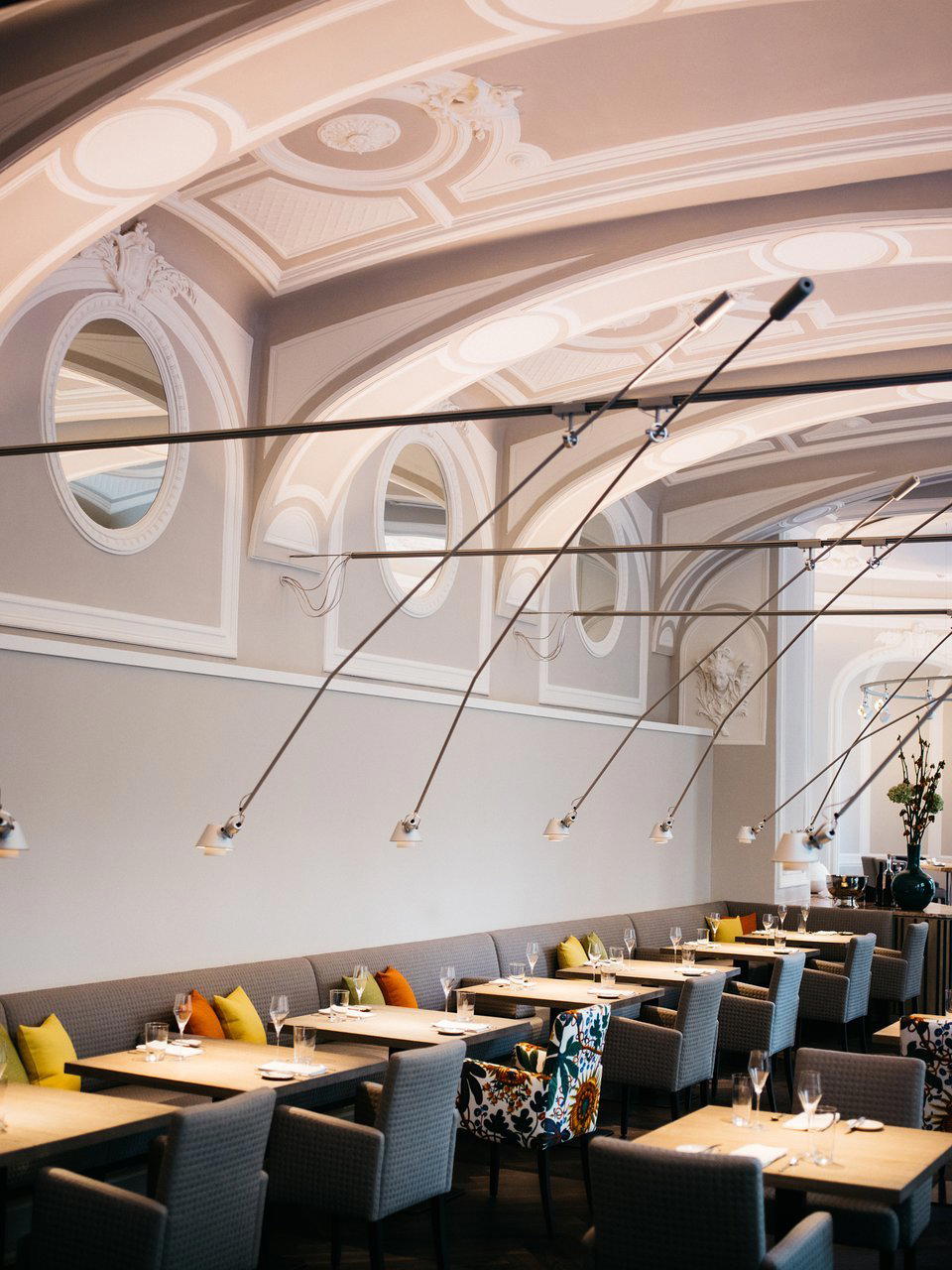
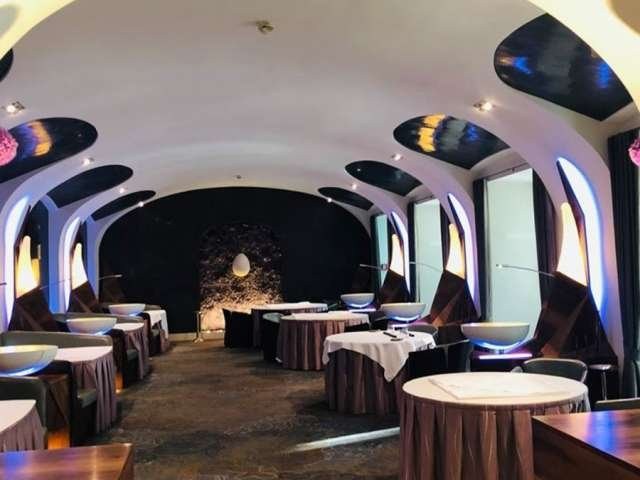
Bars in Vienna
Browse all →
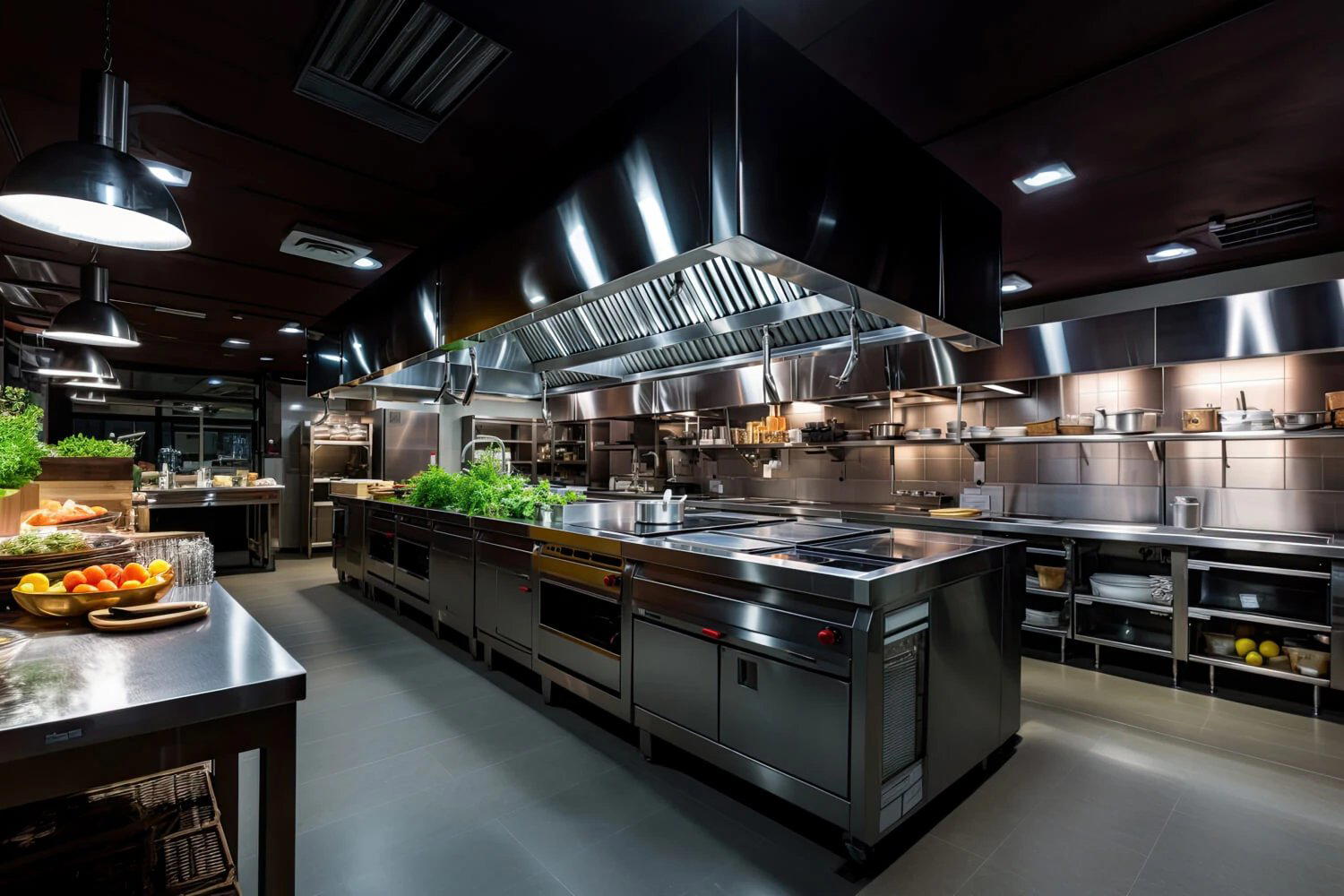
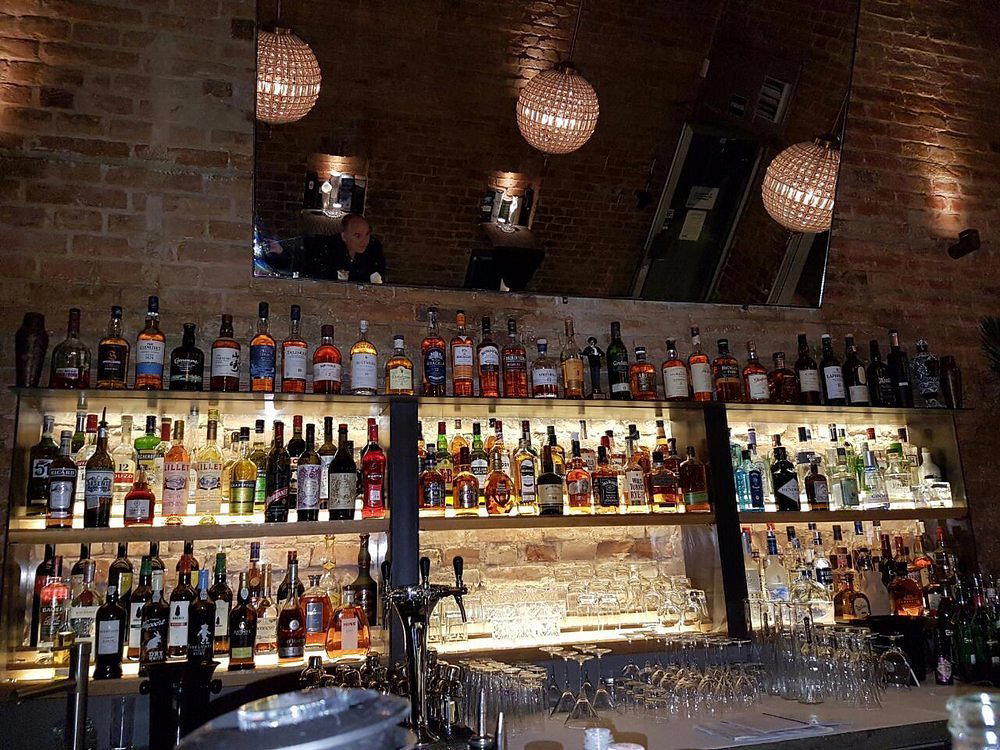
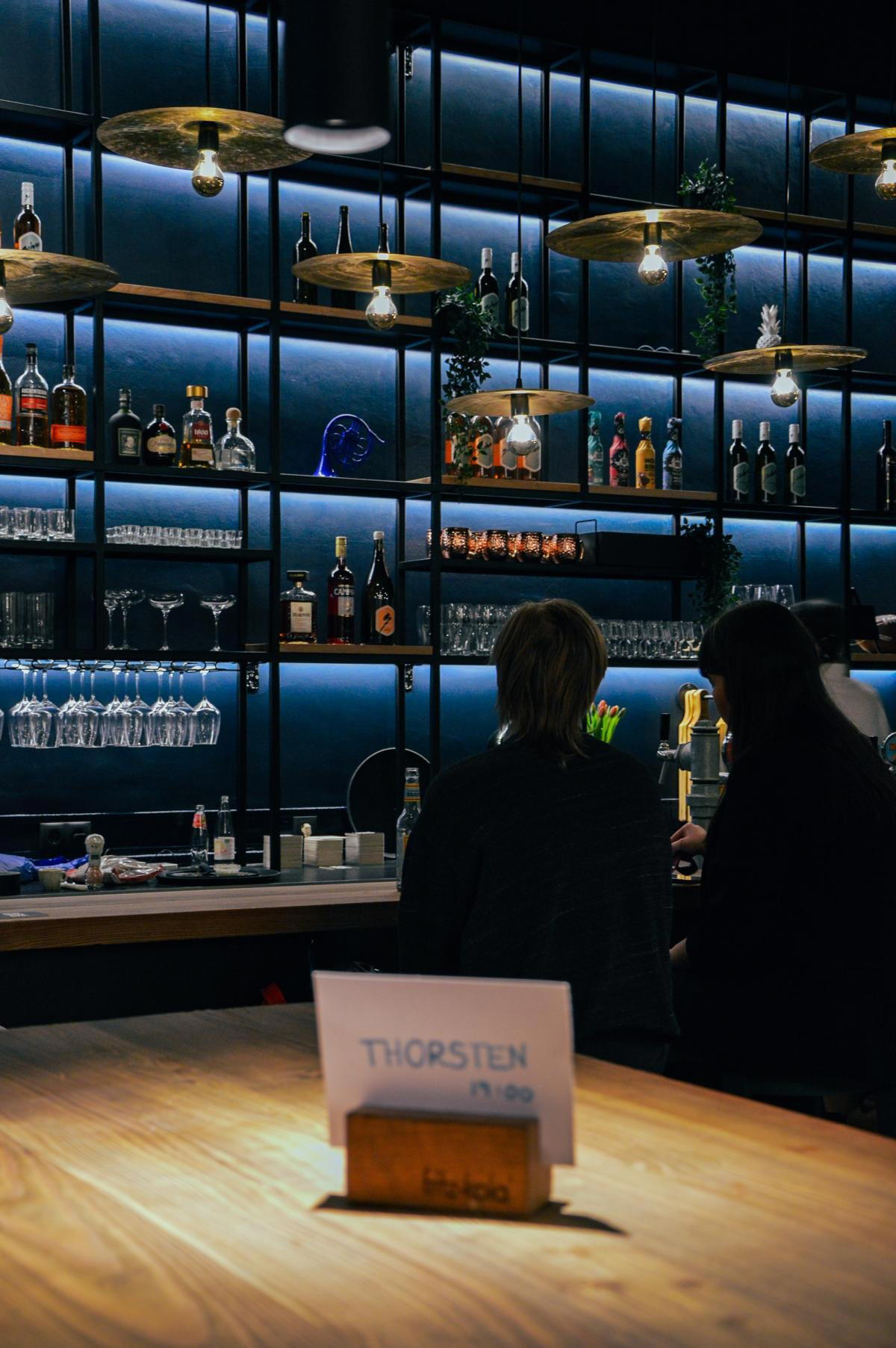
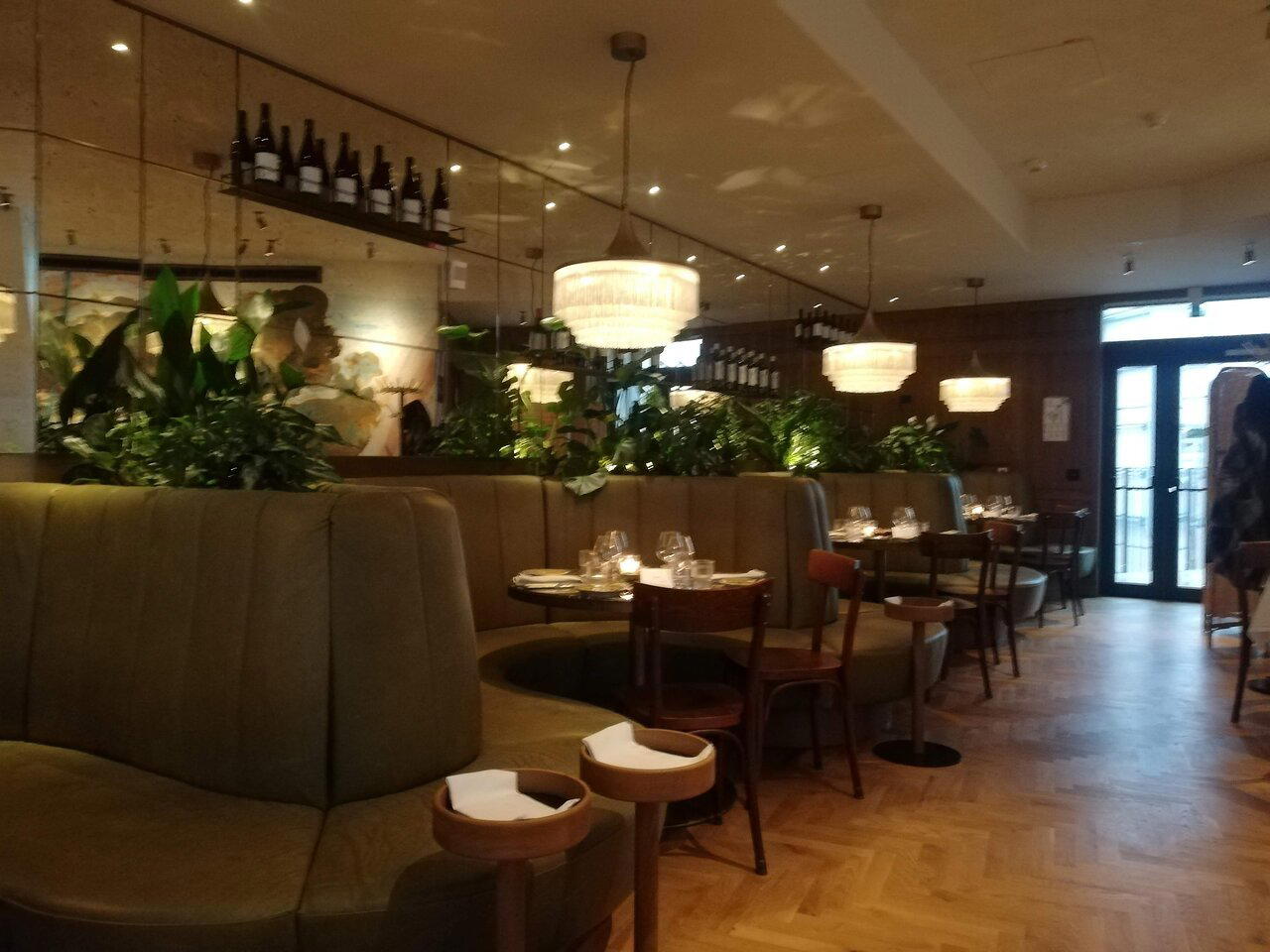
Hotels in Vienna
Browse all →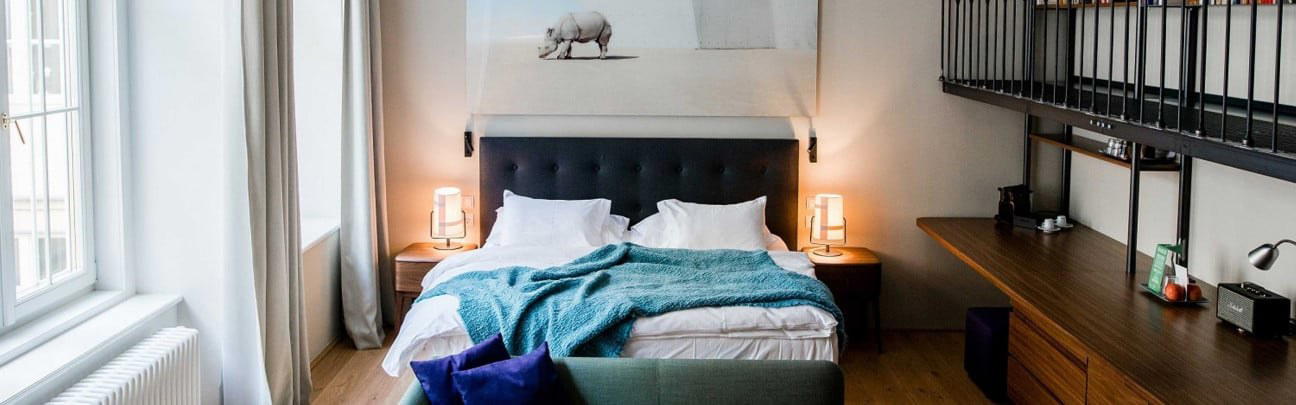
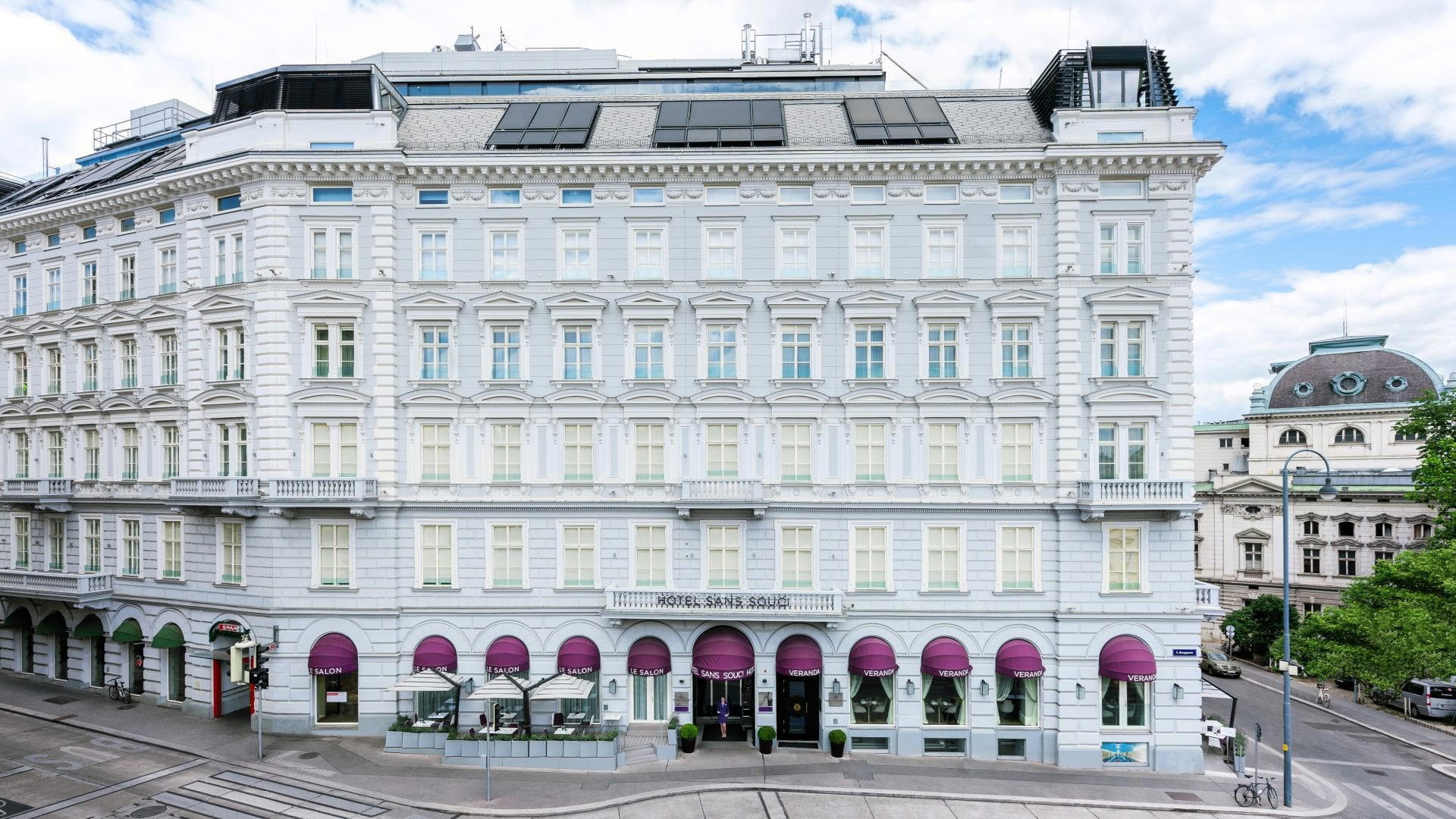
At a Glance
- Modern
- Cozy
- Date Night
- Casual Hangout
- Open Kitchen
Current opening hours
- Monday
- 11:30 AM–2:30 PM, 6–11 PM
- Tuesday
- 11:30 AM–2:30 PM, 6–11 PM
- Wednesday
- 11:30 AM–2:30 PM, 6–11 PM
- Thursday
- 11:30 AM–2:30 PM, 6–11 PM
- Friday
- 11:30 AM–2:30 PM, 6–11 PM
- Saturday
- 6–11 PM
- Sunday
- Closed
Hours can change for holidays and private events. Last verified .
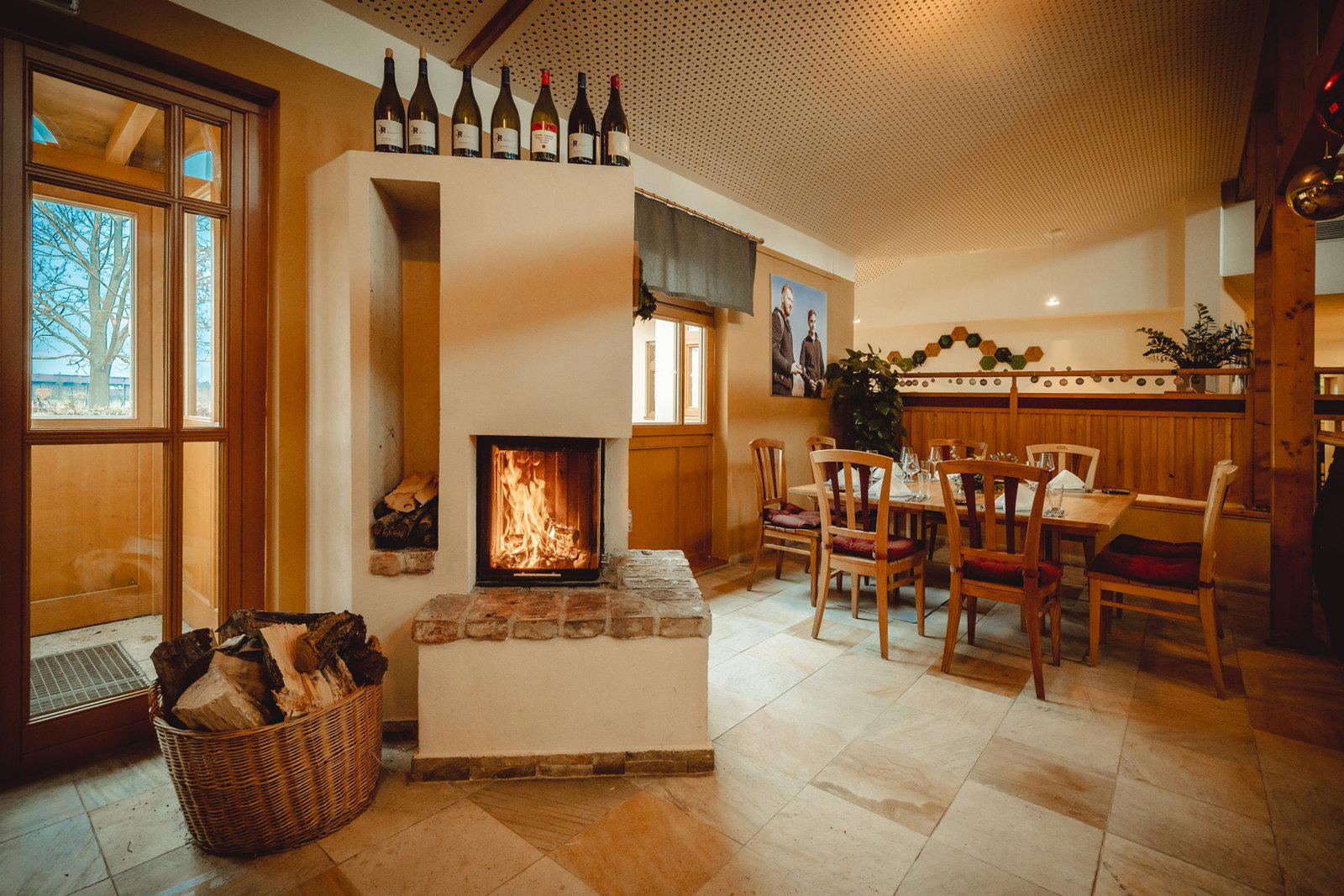
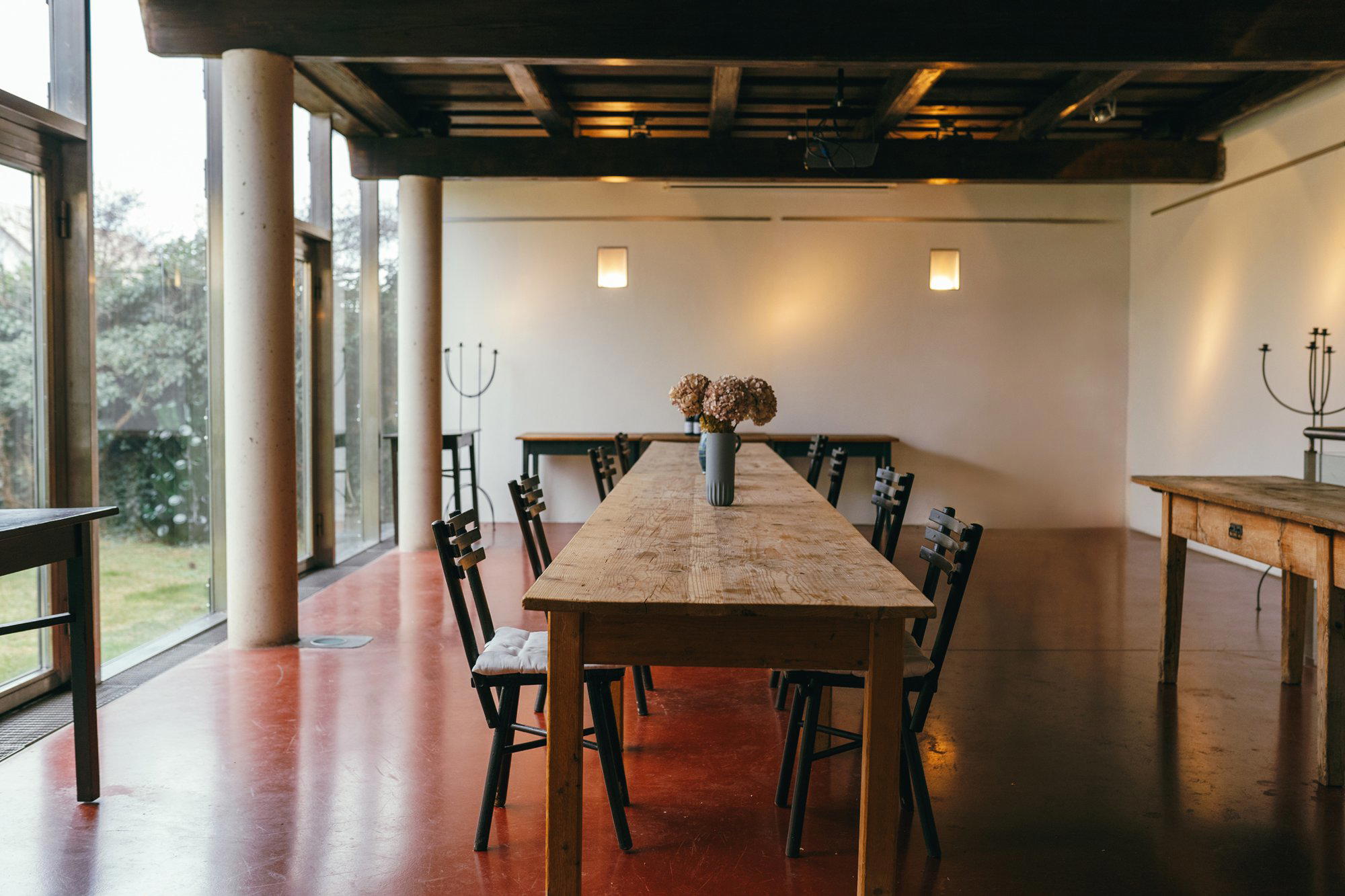
Small, cozy, and quiet with cool interior; some describe it as basic or outdated.